
Founder & Editor · Last reviewed 2026-03-02
Introduction
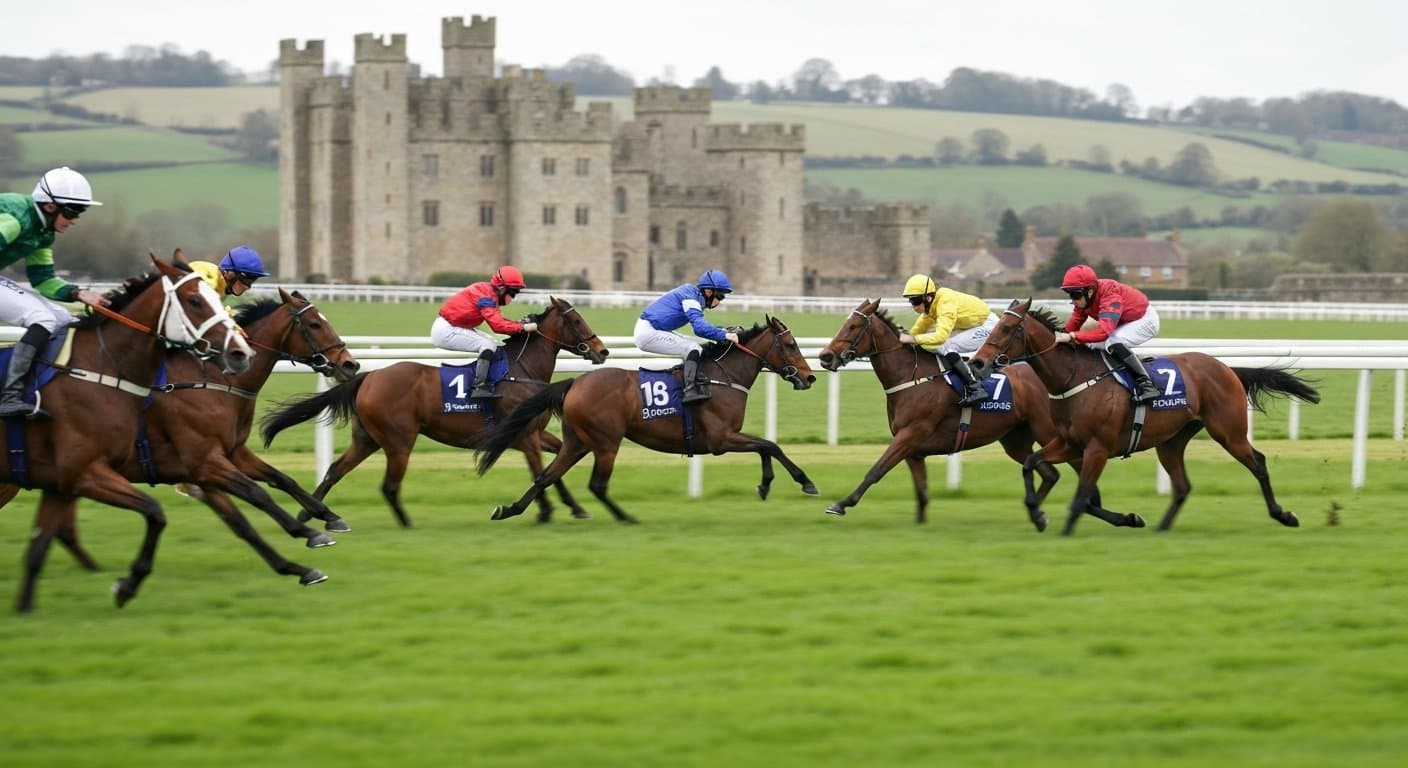
Ludlow Racecourse occupies a position in the Shropshire hills that is both geographically central and strategically placed within the NH circuit. Sitting on the edge of Ludlow town, overlooked by the castle, it draws from a catchment that extends through Herefordshire, Worcestershire, Gloucestershire, the Welsh Marches, and the West Country. It is a National Hunt only course, operating from October to May with approximately fifteen to sixteen meetings, and it stages some of the most competitive NH racing in the midlands circuit without the prestige budget of the major festival courses.
The course's most practically significant feature is its drainage system. Ludlow's surface is 70% gravel and 30% loam — a composition developed specifically to maximise permeability — supplemented by an irrigation system that can add water when the ground is drying too quickly. This engineered drainage makes Ludlow's going one of the most consistent of any British NH course. The ground rarely goes above Good to Soft and rarely falls to Heavy except in the most extreme winters. This consistency is a real betting tool: the going at Ludlow is more predictable than at comparable West Midlands courses, and form from similar going descriptions at comparable circuits translates reliably.
Quick Betting Reference
- Course type: Right-handed tight circuit; NH only; 1m5f hurdle / 1m3f chase circuits
- Distance range: 2m to 3m4f
- Going: Good to Soft most common; Soft in coldest months; rarely Heavy (engineered drainage)
- Flagship race: Ludlow Gold Cup (handicap chase, March)
- Primary advantage: Tight circuit — course form from the right-handed compact layout carries significant value
- Form transfer: Hereford, Worcester, Stratford-on-Avon; Market Rasen for chases
- Trainer to watch: Tom George (Slad, Gloucestershire); Nigel Twiston-Davies; Neil King (Welsh borders)
The Compact Circuit
Ludlow has two distinct circuits within the same infield. The chase course — one mile and three furlongs — is tighter than the hurdle course at one mile and five furlongs. Nine fences on the chase circuit include two open ditches and a water jump. The shorter chase circuit is the key characteristic: horses complete more laps per race than at most NH venues, making their familiarity with the track's specific bend angles and fence positions more relevant over successive laps.
The right-handed layout, tight bends, and compact circuit collectively reward a specific horse type — one that is nimble, accurate, prominent in its racing, and able to maintain pace through tight turns without burning energy by fighting the jockey or drifting wide. This type is not the same as the powerful galloping chasers that win at Cheltenham or Newbury; it is the durable, adaptable NH horse that the West Midlands and Welsh Border circuit consistently produces.
Bet on Ludlow
Place your bets on Ludlow races with a trusted bookmaker.

Promo code BETFRED50. New customers only. Register, deposit with a Debit Card, and place a first bet of £10+ at Evens (2.0)+ on Sports, to be settled within 7 days, to get £30 in Sports Free Bets and £20 in Bet Builder Free Bets within 24 hours of settlement. 7-day expiry. Eligibility & payment exclusions apply. Full T&Cs apply. Take Time to Think. BeGambleAware.org. 18+. Full T&Cs.

Promo code R30. New UK customers only, 18+. Register, deposit £10 or more, then place a £10 single cash bet at odds of 1/2 (1.5) or greater on any sports market (excluding Virtuals). Once the qualifying bet settles you get £30 in Free Bets (3 x £10) — the qualifying bet can win or lose. Free Bets are valid on any sports market excluding Virtuals, expire in 7 days, are non-withdrawable and must be used in full. Excluded deposit methods apply (including PayPal, Apple Pay, Skrill and NETELLER). Named bets such as Lucky 15 do not qualify. If you cash out the qualifying bet, or it is voided, you are no longer eligible for the offer. Ends 31.12.26. Full T&Cs apply. Please gamble responsibly. BeGambleAware.org. 18+. Full T&Cs.

Promo code BET40GET20. New UK customers, 18+. Register with the code and place a first bet of £40 or more at Evens (2.0) or greater. Receive 2 × £10 free bets: the first credited automatically once the qualifying bet settles, the second 24 hours later. Free bets must be placed at minimum odds of 4/1 (5.0), expire 24 hours after credit, and the free-bet stake is not returned with winnings. Debit card deposits only. Take Time to Think. BeGambleAware.org. 18+. T&Cs apply. Full T&Cs.

50% of your first-day net losses refunded as a free bet, capped at £25. New UK customers aged 18+ only. To qualify, deposit and place a first bet of £10 or more on any sport at minimum odds of evens (2.00), then place at least two further bets on different events, each worth at least 50% of your largest bet, all at evens (2.00) or greater. Losses are counted from your first settled bet until 23:59 the same day. Place a qualifying £10+ bet and you are guaranteed at least a £5 free bet. Bets placed at SP, void bets, cashed-out bets and bets struck with free bets do not count towards the offer. The free bet is credited the day after your qualifying bets settle and must be used within 7 days, after which it expires. It can be used at odds from 1/4 (1.25) up to 250/1 on singles and straight accumulators, but not on Trixie, Patent or Yankee style multiples. Free-bet stake is not returned with winnings. One offer per person, household, address, IP address and device. E-wallet deposits may not qualify, so check the cashier before depositing. Customers registered with GAMSTOP cannot claim. KYC identity verification must be completed before the free bet is credited. Take Time to Think. BeGambleAware.org. 18+. T&Cs apply. Full T&Cs.

New customers, 18+. Choose the sports bonus at sign-up, make a first deposit and receive a 100% bonus up to £50 in your Sports Bonus balance. To convert the bonus to cash, wager it 10x within 30 days. Single bets below Evens (2.00) do not qualify; accumulators do not qualify if any selection is below 1/2 (1.50). Virtual Sports, voided, cancelled, drawn, cashed-out and free-bet wagers do not count towards wagering. Only the first settled bet per event counts. Withdrawing before the wagering requirement is met forfeits the bonus balance including bonus winnings. Real-money funds are used before bonus funds. Deposits via Skrill or Neteller are not eligible. Not valid in conjunction with other promotions. Odds, bet and payment limits apply. 10bet general and promotion T&Cs apply. BeGambleAware.org. 18+. Full T&Cs.

New customers in Great Britain and Republic of Ireland, 18+. Place a £10 fixed-odds qualifying bet at minimum odds of 1/2 (1.50) — single or each-way (only the win part counts), pre-event or in-play, not cashed out early, within 28 days of opening the account. Receive up to £60 in bonuses credited over three days: 3 × £10 fixed-odds free bets (the first on settlement, then 24 and 48 hours later) plus 3 × £5 Total Goals FOOTBALL spread bets and 3 × £5 racing Winning Favourites spread bets, with a £1 racing Race Index spread bet as an extra on top. The spread bets need a full spread-betting account, opened within 28 days of the fixed-odds account and subject to Spreadex's eligibility and appropriateness checks. Free-bet stakes not returned with winnings; free bets valid 28 days from issue. IMPORTANT: the £5 credits are SPREAD bets — sports spread betting carries the risk that losses can exceed your stake. Sports spread-betting customers do not have Financial Ombudsman or FSCS recourse. Take Time to Think. BeGambleAware.org. 18+. T&Cs apply. Full T&Cs.

Promo code WELCOME15, entered under My Bonuses after registering. New UK customers, 18+. Place a first qualifying bet of at least £10 from your cash balance at odds of evens (2.0) or greater within 7 days of opening the account. Once the qualifying bet fully settles you receive £15 in free bets, credited as 3 x £5 tokens with set uses: one £5 accumulator free bet (minimum 4 legs, each leg at 2/5 or bigger), one £5 sports free bet (any market at evens or bigger) and one £5 Sub Cover free bet (selected football player markets at evens or bigger). Free-bet stakes are not returned with winnings. Free bets expire 7 days after they are credited. Void, cashed-out and partially cashed-out bets do not qualify. One offer per customer. Confirm the current terms on BetGoodwin's own welcome-offer page before claiming. Take Time to Think. BeGambleAware.org. 18+. T&Cs apply. Full T&Cs.

New UK customers, 18+. Minimum deposit £10. Place a £10 qualifying single on sports (excluding virtuals) at minimum odds of 1/2 (1.50), settled within 14 days. Deposit-method exclusions apply. Receive £30 in free bets (stake not returned), split £20 for sportsbook use (2 x £10) and £10 for Bet Builder only (2 x £5); Bet Builder does not cover horse racing. Free bets must be accepted within 7 days and expire 7 days after acceptance. No promo code required. Best Odds Guaranteed on UK & Irish racing, subject to having staked over £25 in the previous seven days. Operated by LiveScore Betting and Gaming (Gibraltar) Ltd, UKGC 56859. Confirm the current terms on LiveScore Bet's own promotions page before claiming. Take Time to Think. BeGambleAware.org. 18+. T&Cs apply. Full T&Cs.
18+. BeGambleAware.org
Track Characteristics
Ludlow's two circuits occupy the same infield but present different tests. The hurdle course at one mile and five furlongs per loop is wider and gives horses slightly more time between obstacles to reorganise; the chase course at one mile and three furlongs is tighter, turning more frequently per distance covered. Races over two miles on the chase circuit complete approximately one and a half laps of the chase oval; races over three miles complete more than two laps. The compact chase circuit means horses traverse the same tight bends multiple times, making course familiarity with the exact bend angles a growing advantage across the race.
The Chase Circuit: Nine Fences and Tight Bends
The nine fences on the Ludlow chase circuit include two open ditches and a water jump. The plain fences are standard in height and spread. The open ditches are positioned in the back and far straights — well-spaced from the tightest bends, which means horses meet them with reasonable rhythm rather than immediately after a tight turn. The water jump sits in front of the stands on the final straight.
The bends at Ludlow are truly tight for a right-handed NH circuit — not as severe as Plumpton's left-handed oval or Fontwell's figure-of-eight, but noticeably tighter than Worcester or Hereford. Horses that drift wide through any of the right-handed turns run more ground than the inner-rail horses and expend more energy maintaining their position. In a race over three miles completing multiple loops of the chase oval, the accumulated distance advantage for horses holding the inner rail is significant.
The tightest section of the Ludlow chase circuit is the bend from the back straight into the far straight. Horses that struggle to hold a compact line through this turn — those that need to be steered wider to maintain their balance — consistently lose ground here. Jockeys who know this bend sit their horses slightly closer to the rail than seems comfortable for the horse, trading a small risk of rail interference for the consistent benefit of the shorter line.
The Hurdle Circuit: More Room, Same Principles
The hurdle circuit at one mile and five furlongs per loop is substantially wider and less demanding through its turns than the chase oval. The bends are gentler, the straights are longer, and the approach to each hurdle flight is less affected by the turn. This wider circuit means that the course-form advantage is slightly smaller in hurdles than in chases — first-time hurdle visitors to Ludlow face a less specific test than first-time chase visitors.
The same directional characteristics apply over hurdles: prominent position through the right-handed bends is still preferable to tracking wide, and the horse that can maintain its rhythm through multiple laps without pulling or fighting for its head holds an advantage. But the scale of the course-form premium is noticeably smaller in hurdles than in chases at Ludlow.
Form Transfer
For chases, Hereford (right-handed, similar circuit length, West Midlands geography) is the most directly comparable course. Market Rasen (right-handed, compact) is a secondary comparator for chases. Stratford-on-Avon (left-handed, compact) provides useful hurdle form transfer. Worcester (left-handed, galloping in character compared to Ludlow's tighter bends) requires discounting for chases at Ludlow specifically.
Form from galloping courses — Cheltenham, Newbury — needs significant discounting at Ludlow. The long-striding galloping chaser that wins at Cheltenham by grinding out opponents on a wide track may find Ludlow's tight bends creating a physical and tactical challenge its form does not anticipate.
Going & Course Conditions
Ludlow's engineered drainage system makes it one of the most consistent NH courses in Britain for going. The 70% gravel, 30% loam subsoil blend allows rainwater to percolate rapidly downward rather than pooling on the surface, and the supplementary irrigation system can add moisture when dry autumn periods push the going above Good to Soft. The practical result: Ludlow rarely goes below Good to Soft except in the most severe winters, and it rarely reaches Soft before January or February even in wet autumns. This consistency is the most distinctive going characteristic in the West Midlands NH circuit.
What the Drainage Means for Betting
Ludlow's drainage creates a specific market error that is exploitable in winter. When Chepstow and Hereford are reporting Soft or Heavy after sustained autumn or winter rain — as their clay soils retain moisture — Ludlow is typically one or two grades firmer, at Good to Soft. Horses from those courses carrying Soft-ground form may face conditions faster than they prefer at Ludlow in the same week. Conversely, horses from Good to Soft form at Kempton, Cheltenham, or Sandown carry their form directly to a Ludlow winter card in a way that the same comparison to Chepstow in the same week would not support.
This drainage advantage creates one of the clearest going-based betting signals in British NH racing: when the West Midlands and Welsh region is running on Soft or Heavy in winter, Ludlow is the most likely venue to be Good to Soft. Horses that need Good to Soft and have been frustrated elsewhere in the region can be backed at Ludlow with going-suitability confidence that the market, applying a blanket "wet winter" assumption, may not reflect.
Seasonal Going Profile
October to November: The season opens on Good to Soft or Good in dry autumns, softening toward Soft only after sustained periods of rain. The irrigation system is used to keep the going consistent in dry early-season periods. November typically produces Good to Soft as the autumn normalises, with Soft arriving only after significant rainfall rather than as the default.
December to January: Sustained winter rain can push Ludlow to Soft, but Heavy is rare because of the drainage system. December and January meetings on the Ludlow circuit are more often Good to Soft than Soft — a contrast with Hereford, Worcester, and Chepstow in the same period. Frost is a more common abandonment risk than waterlogging.
February to March: As winter transitions to spring, Ludlow's going is typically Good to Soft or occasionally Soft after late winter rain. The Ludlow Gold Cup in March is usually run on Good to Soft — the most productive and representative going for this course.
April to May (season close): Spring drying pushes the going toward Good at the season's end. The drainage system's performance is at its best in spring drying conditions, and the final meetings of the Ludlow season can produce Good going that the course's winter cards rarely achieve.
Tactical Positioning (No Draw Bias)
Ludlow is a NH course without stalls, so draw bias does not apply. Tactical position through the tight right-handed bends is the relevant starting concept. Horses that gain the inner rail before the first bend and hold it through subsequent turns run the shortest line around the circuit. In fields of eight or fewer runners, securing the inner rail is straightforward; in fields above twelve, the competition for the rail at the first right-hand turn is the most tactically significant moment of the race.
Prominent racers — those that travel in the first three or four — are better positioned to hold or find the inner rail than hold-up horses who must pass multiple horses through tight bends to improve their position. This is one reason why prominent runners at Ludlow win at a higher rate than at courses with longer straights where hold-up runners have more time to improve.
Key Trainers & Jockeys
Ludlow's trainer population is drawn from the West Midlands, Welsh Marches, Gloucestershire, and West Country NH circuits. The course's position in southern Shropshire makes it accessible from Cheltenham, Hereford, Worcester, and the South Wales training centres within two hours' travel. The trainers who dominate Ludlow are regional specialists with multiple annual visits, not major national yards using the course incidentally.
Tom George
Tom George trains at Slad in Gloucestershire, approximately forty-five miles south-east of Ludlow. He is one of the most consistent Ludlow trainers in terms of winners per season, running horses across all grades from novice events through to Class 3 competitive handicaps. George's yard produces adaptable West Midlands NH horses — nimble chasers and accurate hurdlers that suit compact right-handed circuits better than galloping tracks. His Ludlow runners in Class 3 and Class 4 handicap chases with previous course form are worth taking seriously at prices of 4/1 or above.
George's most productive Ludlow race type is the two-mile to two-and-a-half-mile handicap chase. On the compact one-mile-three-furlong chase circuit, his horses' agility through tight bends and fluent fence jumping creates an advantage that ratings from galloping tracks do not capture.
Nigel Twiston-Davies
Nigel Twiston-Davies at Naunton in Gloucestershire, forty miles south-east of Ludlow, is a consistent presence at the course. He uses Ludlow as part of his regular West Midlands and Welsh Border circuit, targeting specific competitive handicaps and using lesser races for developing novice horses. Twiston-Davies runners in Class 3 chases with Ludlow or Hereford course form at prices of 4/1 or above carry the same trainer-course knowledge combination that makes him productive at Hereford.
Neil King
Neil King trains at Barbury Castle in Wiltshire — somewhat further from Ludlow at approximately sixty-five miles — but has built a productive Ludlow record through deliberate targeting of the course's competitive handicap programme. King's horses tend to be durable, experienced NH types rather than exciting prospects, and his Ludlow runners in staying handicap chases carry a specific suitability profile that the tight circuit rewards.
Dan Skelton and Evan Williams
Dan Skelton (Alcester, Warwickshire, 35mi) and Evan Williams (Llancarfan, South Wales, 60mi) visit Ludlow selectively for competitive Class 2 and Class 3 handicaps when they have a horse fitting the course profile. Both trainers understand the drainage system's going implications — Skelton from his knowledge of the Midlands circuit, Williams from his Welsh racing base. When either sends a runner with course form or Soft-to-Good-to-Soft going form at comparable circuits, the intent is worth taking seriously.
Amateur Riders Races
Ludlow stages amateur rider races, most famously the contest in which King Charles III (then Prince of Wales) finished second in 1980. Amateur rider races at Ludlow attract a dedicated constituency of bettors willing to assess the relative skills of amateur jockeys on horses they may know from professional racing. The weight allowances can level the playing field significantly — an experienced amateur on a well-handicapped horse can overcome the skill differential when the allowance brings the weight to a competitive level.
Jockeys
The most relevant jockeys at Ludlow are those who ride regularly for Tom George (Paddy Brennan, Alan Johns) and Twiston-Davies (Tom Scudamore). These jockeys have extensive experience of the tight bends and know where to position their horses in the approach to the final right-hand turn before the straight. A George-Brennan or Twiston-Davies-Scudamore combination at Ludlow in a competitive chase is a signal that both trainer and jockey believe the horse can win on this circuit.
Conditional jockeys from the West Midlands circuit who ride for George, King, and the smaller regional yards develop Ludlow-specific course knowledge rapidly through regular rides. A conditional jockey with ten or more Ludlow rides carries more course-specific positioning knowledge than a senior jockey on their first or second visit.
Betting Strategies
Ludlow's betting strategies are built on the course's two defining features: the engineered drainage creating a predictably firmer-than-expected going in winter, and the tight right-handed chase circuit creating a course-form premium in chases. Apply these in combination before any other assessment.
Strategy One: Use the Drainage Advantage as a Going Filter
Ludlow's drainage system keeps the going one to two grades firmer than comparable West Midlands courses in winter. This creates a specific opportunity in the market: when the region is running on Soft or Heavy and Ludlow is at Good to Soft, horses with Good to Soft form from courses with efficient drainage (Kempton, Cheltenham on fast ground, Sandown) face conditions equivalent to their form. Horses from Soft or Heavy winners at clay-soil courses face conditions faster than they prefer.
Apply this filter by checking the regional going context before assessing any Ludlow winter race. When the going report shows Good to Soft at Ludlow against Soft or Heavy at Hereford and Worcester in the same week, the horses from those clay-soil courses carrying Soft-ground form are facing conditions they do not prefer. Oppose them at short prices and look for horses from Good-to-Soft form at courses with comparable drainage.
Strategy Two: Chase Course Form as a High-Value Filter
In chases at Ludlow, previous course form carries a stronger predictive signal than at most West Midlands NH venues. The one-mile-three-furlong circuit, with its tight right-handed bends repeated multiple times per race, creates truly unusual demands that horses from galloping circuits encounter for the first time. A horse that has won a chase at Ludlow has demonstrated it can navigate the tight bends accurately, maintain its inner-rail position, and jump fluently when the approach angles are tighter than at galloping tracks.
Apply course form as the first chase selection filter: any field including a horse with a Ludlow chase win in the last eighteen months should use that horse as the starting benchmark. Opposition to a Ludlow chase winner requires positively stronger form credentials, not merely comparable ratings from different courses.
Strategy Three: Tom George at Mid-Range Prices
Tom George's Ludlow record makes his runners the primary value signal among trainers at the course. In Class 3 and Class 4 handicap chases at prices of 4/1 to 8/1 with Ludlow or Hereford course form, his horses represent the most consistent each-way angle at the course. The combination of trainer course knowledge, jockey familiarity (Brennan/Johns), and horse experience at the specific circuit creates an advantage that mid-range prices do not always reflect.
This strategy is disciplined to prices of 4/1 and above. George horses at 7/4 or 2/1 are already well-supported by informed bettors and carry no structural edge at those prices.
Strategy Four: Prominent Racers Over Hold-Up Horses
The tight bends and absence of an extended home straight at Ludlow make hold-up running styles less effective than at courses with long straights. A horse that needs to be dropped in at the back of the field, wait for gaps through tight bends, and then deliver a sustained run up a short straight is working against the course's geometry. Prominent racers — those that travel in the first three or four — are better positioned at every point in the race.
Before backing any Ludlow runner at short odds, check its typical running style. A hold-up horse that has won by sweeping past opponents in the straight at Cheltenham, Newbury, or Sandown may find Ludlow's short straight and tight bends an insufficient canvas for the same manoeuvre. Fade these horses in favour of prominent-racing alternatives with course form.
Strategy Five: Distinguish Hurdles and Chases for Course Form
The course-form premium at Ludlow applies much more strongly in chases than in hurdles. The one-mile-five-furlong hurdle circuit is wider and less demanding through its turns, meaning first-time hurdle visitors face a less specific test. When assessing a Ludlow hurdle race, form from Hereford, Worcester, or Stratford transfers nearly as directly as Ludlow course form. For chase races, the difference between Ludlow course form and Hereford form is smaller than the difference between Ludlow course form and Cheltenham form, but both matter.
Do not apply the same weighting to course form in hurdles that the chase circuit warrants. In hurdles at Ludlow, going form and trainer intent are more important than course form. In chases, course form is the primary filter.
To compare place terms and each-way promotions across the major bookmakers, see our best bookmakers for horse racing guide.
Key Races to Bet On
Ludlow stages approximately fifteen to sixteen meetings per season from October to May. The programme peaks in March with the Ludlow Gold Cup card — the highest-quality card of the Ludlow calendar — and builds through the midwinter programme of Class 3 and Class 4 handicaps. The course's engineered drainage means it rarely loses meetings to waterlogging, but frost in the Shropshire hills can cause abandonment in cold winters.
The Ludlow Gold Cup
The Ludlow Gold Cup is a handicap chase run over two miles and four furlongs, typically staged in March. It is the most prestigious race of the Ludlow calendar and draws the strongest field of chasers the course sees each season. The March timing means the going is typically Good to Soft — the most representative and productive Ludlow going — which provides ideal conditions for the course's compact, accurate jumping test.
For betting at the Gold Cup: the chase course form filter applies most aggressively. In a field of ten to eighteen runners, horses with Ludlow chase form — specifically those that have previously navigated the tight right-handed bends and demonstrated accurate jumping — are statistically overrepresented in the results relative to their starting prices. Tom George and Nigel Twiston-Davies between them account for a significant share of Gold Cup winners. Each-way at 7/1 or above on a George or Twiston-Davies runner with previous Ludlow chase form and Good-to-Soft going evidence is the most consistent Gold Cup approach.
The Ludlow Festival Meeting
The Ludlow Festival is a multi-race card — typically in November or February — that includes competitive novice events and Listed or Class 2 handicaps alongside the Gold Cup meeting's supporting programme. Festival cards attract horses from beyond the usual regional circuit, with major yards occasionally sending representatives when a specific race suits.
For betting at the festival: the Gold Cup and its competitive supporting handicaps provide the best opportunities. The novice programme — novice hurdles and first-time chasers — generates the most form that transfers from Ludlow to subsequent races, but the novice events themselves are harder to bet from a current-form perspective.
Winter Handicap Chase Programme
From October through February, Ludlow stages Class 3, 4, and 5 handicap chases on the compact one-mile-three-furlong circuit. November and December handicap chases — run on Good to Soft when the regional circuit is running on softer going elsewhere — are where the drainage advantage creates the most consistent market errors. Tom George runners at 4/1 to 8/1 with course form in these races are the systematic value opportunity.
The most productive field size for the going-filter strategy in winter handicaps is eight to twelve runners. In this range, the course-form filter is most discriminating — there are enough runners to create value opportunities but not so many that the field quality is too spread to analyse effectively.
Amateur Rider Races
Ludlow's amateur rider programme adds a specific betting angle to selected cards. The most famous of these races is associated with King Charles III's 1980 second-place finish — a piece of royal racing history that distinguishes Ludlow among NH venues. In contemporary amateur rider events, the handicap format and weight allowances for licensed amateurs create a less predictable market that rewards careful assessment of which amateur jockeys have the most consistent track records relative to their allowances. These races are not the primary Ludlow betting target, but they provide value opportunities in less efficient markets for bettors willing to study the amateur jockey form.
Share this article
More about this racecourse
All Ludlow guides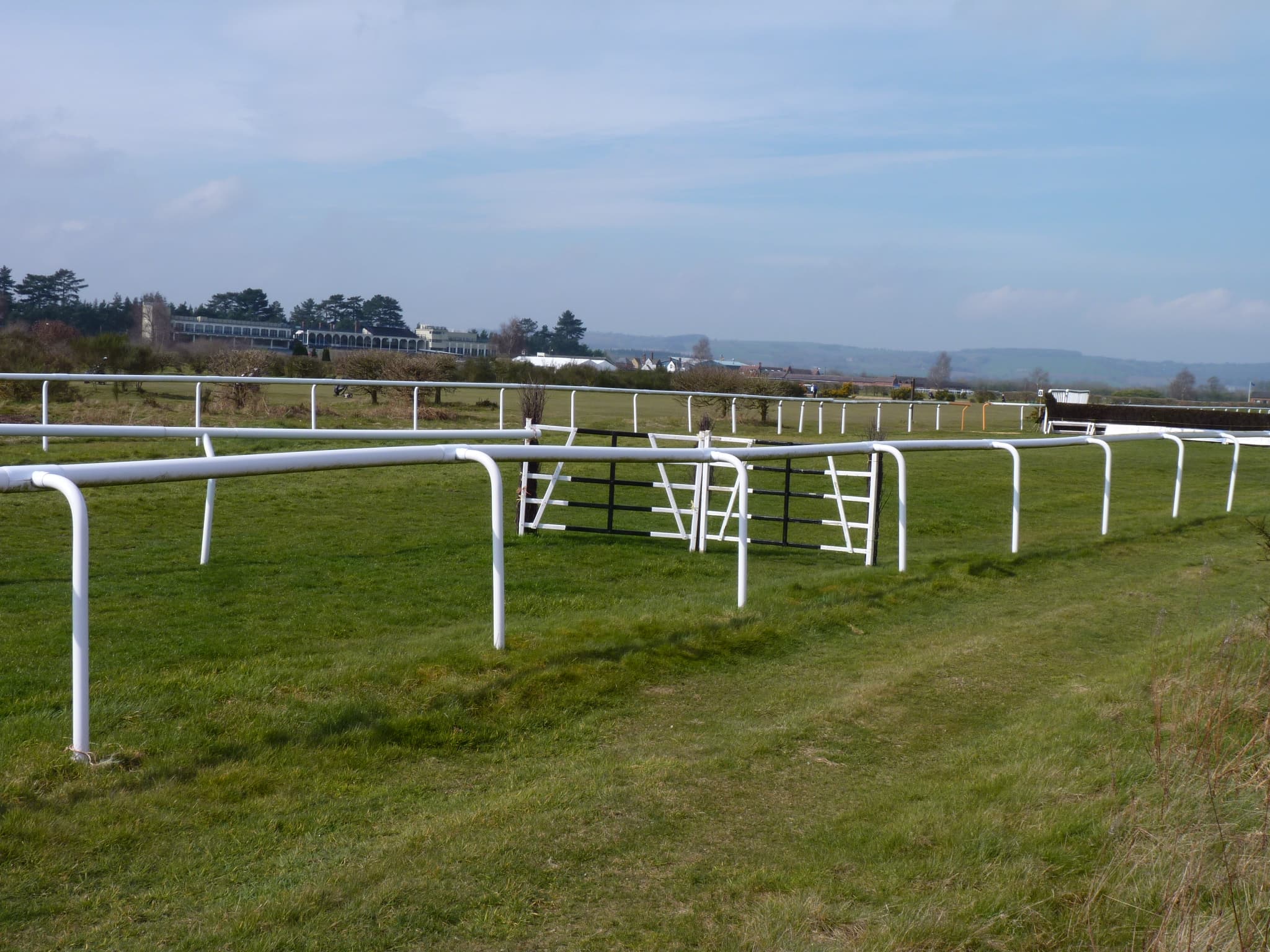
Ludlow Racecourse: Complete Guide
Everything you need to know about Ludlow Racecourse — charming jump racing beneath the castle in Shropshire, the Ludlow Gold Cup, and facilities.
Read more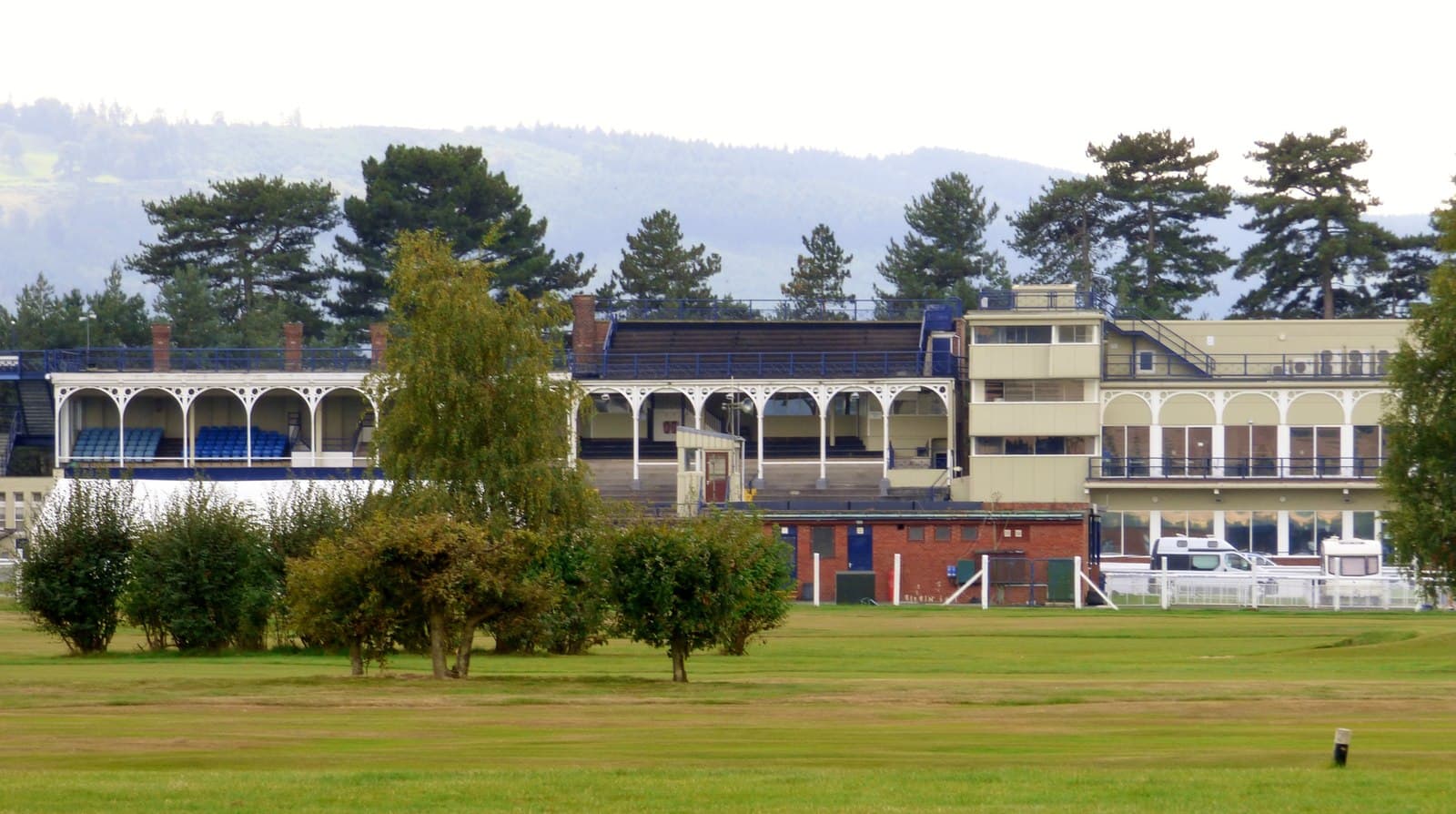
A Day Out at Ludlow Racecourse
Everything you need for a day at Ludlow — getting there, what to wear, enclosures, food and drink, and insider tips for jump racing in Shropshire.
Read more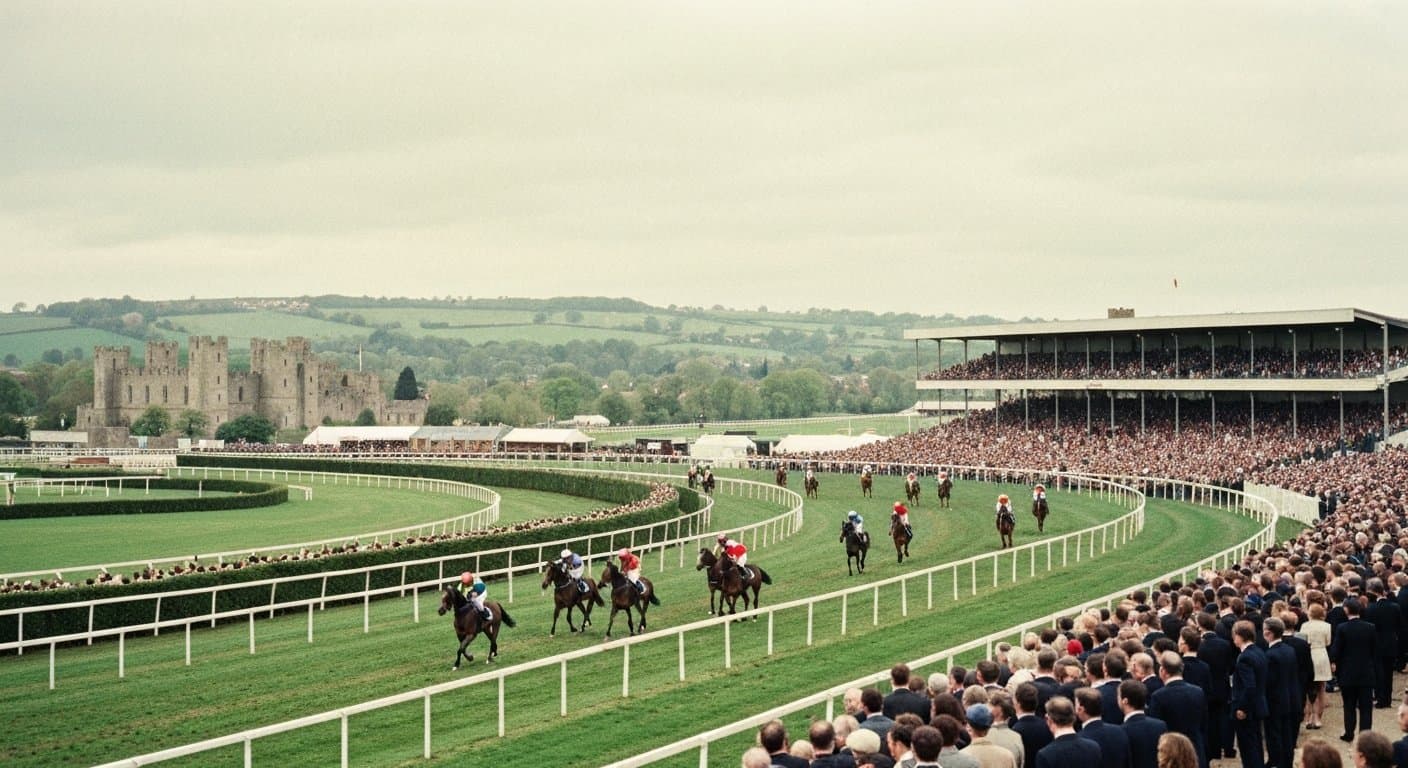
Ludlow Festival: Complete Guide
Your complete guide to the Ludlow Festival meeting — racing combined with the town's cultural calendar at Ludlow Racecourse.
Read morePhotos on this page are used under Creative Commons licences. Titles, sources and licence links for each one are on our image credits page.
Research the field with the AI Race Predictor
Our model publishes calibrated win-probability estimates for UK races — a second opinion to understand a race, not tips. It's open about its record: it doesn't beat the market, and we show exactly how it does.
Work it out & learn the basics
Gamble Responsibly
Gambling should be entertaining and not seen as a way to make money. Never bet more than you can afford to lose. If you or someone you know has a gambling problem, help and support is available.