
Founder & Editor · Last reviewed 2026-04-07
Wetherby Racecourse is the north of England's finest dedicated jump track — a wide, rectangular, left-handed course set in the heart of West Yorkshire that produces honest, galloping National Hunt racing of genuine quality. Unlike many of the sport's dual-purpose venues, Wetherby stages no flat racing whatsoever. Every piece of infrastructure, every strip of turf, every fence and hurdle on the circuit is there exclusively for jump racing, and that singular focus shows in the quality of the product the track delivers.
The course occupies a position between Leeds and Harrogate that makes it highly accessible to the broad population of the West Riding, drawing knowledgeable, passionate jump racing fans from across Yorkshire who understand and appreciate the demands that Wetherby's galloping circuit makes on horses and riders. The crowd at Wetherby is not the dressed-up festival crowd of Cheltenham or Aintree — it is an audience that has come for the racing, that reads the form, and that brings genuine expertise to its betting.
The Charlie Hall Chase, run in late October or early November, is the most important early-season Grade 2 chase in the north of England and one of the most significant Grade 2 races anywhere in the jumping calendar at that time of year. It functions as a key Cheltenham Gold Cup trial — regularly attracting the top staying chasers from the major yards as they make their seasonal debuts. For trainers like Nicky Henderson, Paul Nicholls and Willie Mullins who have Gold Cup horses needing an early-season run, the Charlie Hall offers a prestigious and competitive target without the journey south.
What makes Wetherby's rectangular circuit so demanding — and so revealing — is the combination of a galloping track and long distances between obstacles. The course is not a tight, turning track where a short-running horse can latch onto the heels of the leader and get a cheap tow around. Wetherby's layout asks horses to gallop and jump accurately over extended stretches. Stamina and jumping technique are at a premium. A horse that is mentally or physically unfit, or that jumps sloppily, will be exposed here in a way that a tighter track would not.
Between Leeds and Harrogate, the course draws visitors from two of Yorkshire's great cities, and the surrounding area — with excellent pubs, fine countryside and easy motorway access — makes Wetherby a thoroughly enjoyable racing destination whether you are making a day trip or staying overnight in the region. The jump season at Wetherby is one of the north of England's sporting highlights.
Bet on Wetherby
Place your bets on Wetherby races with a trusted bookmaker.

Promo code BETFRED50. New customers only. Register, deposit with a Debit Card, and place a first bet of £10+ at Evens (2.0)+ on Sports, to be settled within 7 days, to get £30 in Sports Free Bets and £20 in Bet Builder Free Bets within 24 hours of settlement. 7-day expiry. Eligibility & payment exclusions apply. Full T&Cs apply. Take Time to Think. BeGambleAware.org. 18+. Full T&Cs.

Promo code R30. New UK customers only, 18+. Register, deposit £10 or more, then place a £10 single cash bet at odds of 1/2 (1.5) or greater on any sports market (excluding Virtuals). Once the qualifying bet settles you get £30 in Free Bets (3 x £10) — the qualifying bet can win or lose. Free Bets are valid on any sports market excluding Virtuals, expire in 7 days, are non-withdrawable and must be used in full. Excluded deposit methods apply (including PayPal, Apple Pay, Skrill and NETELLER). Named bets such as Lucky 15 do not qualify. If you cash out the qualifying bet, or it is voided, you are no longer eligible for the offer. Ends 31.12.26. Full T&Cs apply. Please gamble responsibly. BeGambleAware.org. 18+. Full T&Cs.

Promo code BET40GET20. New UK customers, 18+. Register with the code and place a first bet of £40 or more at Evens (2.0) or greater. Receive 2 × £10 free bets: the first credited automatically once the qualifying bet settles, the second 24 hours later. Free bets must be placed at minimum odds of 4/1 (5.0), expire 24 hours after credit, and the free-bet stake is not returned with winnings. Debit card deposits only. Take Time to Think. BeGambleAware.org. 18+. T&Cs apply. Full T&Cs.

50% of your first-day net losses refunded as a free bet, capped at £25. New UK customers aged 18+ only. To qualify, deposit and place a first bet of £10 or more on any sport at minimum odds of evens (2.00), then place at least two further bets on different events, each worth at least 50% of your largest bet, all at evens (2.00) or greater. Losses are counted from your first settled bet until 23:59 the same day. Place a qualifying £10+ bet and you are guaranteed at least a £5 free bet. Bets placed at SP, void bets, cashed-out bets and bets struck with free bets do not count towards the offer. The free bet is credited the day after your qualifying bets settle and must be used within 7 days, after which it expires. It can be used at odds from 1/4 (1.25) up to 250/1 on singles and straight accumulators, but not on Trixie, Patent or Yankee style multiples. Free-bet stake is not returned with winnings. One offer per person, household, address, IP address and device. E-wallet deposits may not qualify, so check the cashier before depositing. Customers registered with GAMSTOP cannot claim. KYC identity verification must be completed before the free bet is credited. Take Time to Think. BeGambleAware.org. 18+. T&Cs apply. Full T&Cs.

New customers, 18+. Choose the sports bonus at sign-up, make a first deposit and receive a 100% bonus up to £50 in your Sports Bonus balance. To convert the bonus to cash, wager it 10x within 30 days. Single bets below Evens (2.00) do not qualify; accumulators do not qualify if any selection is below 1/2 (1.50). Virtual Sports, voided, cancelled, drawn, cashed-out and free-bet wagers do not count towards wagering. Only the first settled bet per event counts. Withdrawing before the wagering requirement is met forfeits the bonus balance including bonus winnings. Real-money funds are used before bonus funds. Deposits via Skrill or Neteller are not eligible. Not valid in conjunction with other promotions. Odds, bet and payment limits apply. 10bet general and promotion T&Cs apply. BeGambleAware.org. 18+. Full T&Cs.

New customers in Great Britain and Republic of Ireland, 18+. Place a £10 fixed-odds qualifying bet at minimum odds of 1/2 (1.50) — single or each-way (only the win part counts), pre-event or in-play, not cashed out early, within 28 days of opening the account. Receive up to £60 in bonuses credited over three days: 3 × £10 fixed-odds free bets (the first on settlement, then 24 and 48 hours later) plus 3 × £5 Total Goals FOOTBALL spread bets, 3 × £5 racing Winning Favourites spread bets and a £1 racing Race Index spread bet (the spread bets need a full spread-betting account). Free-bet stakes not returned with winnings; free bets valid 28 days from issue. IMPORTANT: the £5 credits are SPREAD bets — sports spread betting carries the risk that losses can exceed your stake. Sports spread-betting customers do not have Financial Ombudsman or FSCS recourse. Take Time to Think. BeGambleAware.org. 18+. T&Cs apply. Full T&Cs.

Promo code WELCOME15, entered under My Bonuses after registering. New UK customers, 18+. Place a first qualifying bet of at least £10 from your cash balance at odds of evens (2.0) or greater within 7 days of opening the account. Once the qualifying bet fully settles you receive £15 in free bets, credited as 3 x £5 tokens with set uses: one £5 accumulator free bet (minimum 4 legs, each leg at 2/5 or bigger), one £5 sports free bet (any market at evens or bigger) and one £5 Sub Cover free bet (selected football player markets at evens or bigger). Free-bet stakes are not returned with winnings. Free bets expire 7 days after they are credited. Void, cashed-out and partially cashed-out bets do not qualify. One offer per customer. Confirm the current terms on BetGoodwin's own welcome-offer page before claiming. Take Time to Think. BeGambleAware.org. 18+. T&Cs apply. Full T&Cs.

New UK customers, 18+. Minimum deposit £10. Place a £10 qualifying single at minimum odds of 1/2 (1.50), settled within 14 days. Receive £30 in free bets (stake not returned), split £20 for sportsbook use (2 x £10) and £10 for Bet Builder only (2 x £5); Bet Builder does not cover horse racing. Free bets must be accepted within 7 days and expire 7 days after acceptance. No promo code required. Best Odds Guaranteed on UK & Irish racing, subject to having staked over £25 in the previous seven days. Operated by LiveScore Betting and Gaming (Gibraltar) Ltd, UKGC 56859. Confirm the current terms on LiveScore Bet's own promotions page before claiming. Take Time to Think. BeGambleAware.org. 18+. T&Cs apply. Full T&Cs.
18+. BeGambleAware.org
Day-by-Day Guide
The Charlie Hall Chase Meeting (Late October / Early November)
The Charlie Hall Chase meeting is the centrepiece of Wetherby's jump season and one of the most eagerly anticipated fixtures on the entire National Hunt calendar. The Grade 2 Charlie Hall Chase itself — run over three miles and one furlong — is typically staged on the Saturday of a two or three-day meeting, with competitive supporting cards building through the preceding days.
What makes this meeting unique is the timing. In late October and early November, the jump season is barely underway. The major handicap chases have not yet shaped the form, the Cheltenham trials are weeks away, and the best horses in training are only just returning from their summer breaks. The Charlie Hall is often the very first time you will see a genuine Gold Cup contender in public, carrying all the uncertainty and excitement that a seasonal debut entails. Trainers use the race as an essential fitness test and fitness builder, which creates an unusually open and interesting betting race.
The supporting card on Charlie Hall day is consistently strong. The West Yorkshire Hurdle (Listed, two miles) draws quality novice and second-season hurdlers, and the handicap chases throughout the card are genuine competitive races rather than filler. This is a full day's racing of serious quality.
The Rowland Meyrick Christmas Festival (December)
Wetherby's Christmas meeting centres on the Rowland Meyrick Handicap Chase, a Grade 3 race run over three miles on ground that — in a typical December — will be soft or heavy. The meeting takes place in the Christmas week, making it one of the highlights of British jump racing's festive programme.
The Rowland Meyrick is a markedly different challenge from the Charlie Hall. Where the Grade 2 chase rewards the very best staying chasers on a merit mark, the Rowland Meyrick is a fiercely competitive open handicap in which the weights provide a theoretical leveller. Horses rated in the high 130s and low 140s often compete, meaning the fields carry genuine quality throughout, and the outcome is rarely predictable from market positions alone.
The Castleford Chase Day (January)
The Castleford Chase (Listed) is the principal mid-winter fixture — a sharp two-mile chase that offers an entirely different test from the staying races that dominate Wetherby's card. Run over the shorter distance in typically demanding ground conditions, it attracts the two-mile specialists: slick-jumping, agile horses capable of travelling at speed around Wetherby's big rectangular circuit.
Spring Jump Finale (March/April)
The final meeting or meetings of the Wetherby season — typically staged in March or April — provide competitive late-season cards as horses aim at spring targets. Novice chasers building towards graded targets and seasoned handicappers completing their campaigns populate these fixtures, which retain genuinely competitive content without the prestige of the autumn and winter highlights.
Key Races to Watch
Charlie Hall Chase (Grade 2, ~3m1f, October/November)
The Charlie Hall Chase is the north of England's most important early-season staying chase and one of the most revealing Grade 2 races in the entire jumping calendar. Run over approximately three miles and one furlong on Wetherby's galloping left-handed circuit, it demands the full package from a staying chaser: stamina, accurate jumping and the fitness to perform at a high level early in the season.
The race has an extraordinary roll of honour. Kauto Star, Best Mate, Denman and Cue Card are among the Gold Cup-class horses that have used the Charlie Hall as a seasonal opener or Gold Cup preparation race, and the list of subsequent Cheltenham Festival winners who have used this race as a stepping stone is lengthy. It occupies a unique position in the calendar — the first Grade 2 chase of the jump season, staged before the Irish scene has produced its autumn Grade 1s and before the major trials at Haydock and Sandown.
For punters, the Charlie Hall combines genuine prestige with genuine uncertainty. Horses returning from summer breaks can be ring-rusty or straighter than they look, and the market — formed in the absence of any autumn form — frequently misprices both favourites and outsiders.
Rowland Meyrick Handicap Chase (Grade 3, ~3m, December)
Named after a longstanding Wetherby supporter and run on Christmas week, the Rowland Meyrick is the most competitive handicap staying chase on Wetherby's entire calendar. The Grade 3 status attracts horses rated from around 120 to 150, meaning the fields carry top-end handicap quality, and the weights provide a genuine theoretical leveller.
Soft or heavy ground in December creates a thorough test of staying ability. Horses that win the Rowland Meyrick are typically proven stayers with proven jumping technique — the conditions punish the merely competent.
Castleford Chase (Listed, ~2m, January)
The Castleford Chase provides a sharp, technical counterpoint to Wetherby's dominant staying theme. The two-mile trip over Wetherby's large fences asks horses to jump fluently at speed — a different skill set from the grinding staying chasers who excel over three miles. Slick-jumping, quick-travelling two-milers from the major yards compete, and the race frequently throws up horses heading for the Arkle Trophy or Queen Mother Champion Chase routes at Cheltenham.
West Yorkshire Hurdle (Listed, ~2m, November)
Run on Charlie Hall day, the West Yorkshire Hurdle provides the most prestigious hurdling prize on the Wetherby calendar. Typically contested by novice hurdlers and second-season horses, the race draws runners from the top yards who want to establish hurdle form in the north of England before the graded trials begin in earnest. Wetherby's straight, galloping approach to its hurdles suits horses with a long, fluent jumping stride.
Betting Preview
Charlie Hall Chase — Betting Angles
Treat the market with scepticism on debut runners. The Charlie Hall is run in late October or early November, before a single piece of autumn chasing form exists anywhere in Britain. Horses are priced on the basis of the previous season's form, trainer reputation and ante-post market momentum — none of which reliably predicts how a horse will perform fresh from a five-month summer break. Heavy favourites in the Charlie Hall are frequently horses with excellent reputations whose trainers have indicated confidence; that confidence often turns out to be misplaced when the horse jumps a fence for the first time in months and needs several minutes to remember the job.
The fitness premium at Wetherby is real. Wetherby's galloping rectangular circuit is one of the most fitness-demanding tracks in jump racing. A horse that has had a prep run — even an uninspiring one at Carlisle, Hexham or Kelso in October — will typically carry a measurable fitness edge over a horse making its seasonal debut here. The form of an October prep run is less important than the run itself: look for horses that have had a tune-up, regardless of the result, over horses that have wintered well and arrived fresh.
Northern trainers know this race. Nicky Richards at Greystoke in Cumbria has an outstanding record at Wetherby, particularly in the staying chases that suit his powerful, no-nonsense jumpers. Lucinda Russell — another northern handler of proven staying chasers — has used Wetherby effectively over the years. Local knowledge counts for something when the southern handicappers are pricing northern horses at inflated odds.
Rowland Meyrick — Betting Angles
The Rowland Meyrick is one of the most genuinely open races in the Wetherby calendar. As a Grade 3 handicap, the weights are designed to compress the field — and in December ground conditions that can be extremely soft, the theoretical levelling works more effectively than in a conditions race. Do not look for a dominant market leader here; look instead at the horses whose course record and ground conditions record best match what the race will require.
Course form carries unusual weight at Wetherby. Because the circuit is longer and more galloping than most tracks, horses that have raced here before — and shown they handle the distance between fences and the left-handed rectangular layout — hold a structural advantage over horses that have only raced on tighter or differently-shaped courses.
Ground is the primary filter. Soft or heavy December ground at Wetherby sorts horses very quickly. Ignore horses whose recent wins have come on good or faster ground; focus on proven winter-ground performers with the engine to grind through three miles in testing conditions.
Visitor Information
Getting There
By rail: Leeds station is the nearest major railway hub, approximately ten miles from the racecourse. Race-day shuttle buses operate between Leeds and the track on the major fixtures, including Charlie Hall day. Taxis are also readily available from Leeds city centre or from Wetherby town centre itself. From Leeds, the journey by shuttle or taxi takes around 20 to 25 minutes.
By car: Wetherby Racecourse sits just off the A1(M) motorway — Junction 45, then the A659 into Wetherby. The road access is excellent and Wetherby is straightforward to reach from Leeds (20 min), Harrogate (15 min), York (25 min) and further afield. Ample on-site parking is available, and on the major fixtures it is advisable to allow extra time as the access roads into Wetherby can become congested. Follow the A1(M) and the course signage clearly from the junction.
Enclosures and Facilities
The main grandstand provides good views across the entire rectangular circuit — Wetherby's shape means that most of the race is visible from a single fixed position, which is one of the course's practical advantages over more enclosed or twisting tracks. The paddock is compact and accessible, giving racegoers an excellent close-up look at horses before each race. Catering facilities are solid for a northern jump course, and the betting ring provides a traditional bookmakers' rail for those who prefer to bet on-course rather than via apps.
Practical Tips
Arrive early on Charlie Hall day. The meeting attracts significant crowds, and the best standing positions — particularly at the rail and beside the final fence — fill up quickly. Arriving in the first race's parade ring time means you can orient yourself comfortably before the crowds build.
Wrap up. October and November in West Yorkshire means cold. Even mild autumnal days cool sharply as afternoon turns to dusk. Bring a coat regardless of the morning forecast.
Dress code: Smart casual is the Wetherby standard. There is no top-hat-and-tails culture here — the crowd is overwhelmingly northern and pragmatic.
Post-Racing
Harrogate, approximately five miles north, offers excellent restaurants, wine bars and hotels for those making a night of Charlie Hall day. Wetherby town centre itself has a good range of traditional Yorkshire pubs within easy walking distance of the course. For those travelling from Leeds, the city centre provides full post-racing options — pubs, restaurants and transport links onward across the north.
Share this article
More about this racecourse
All Wetherby guides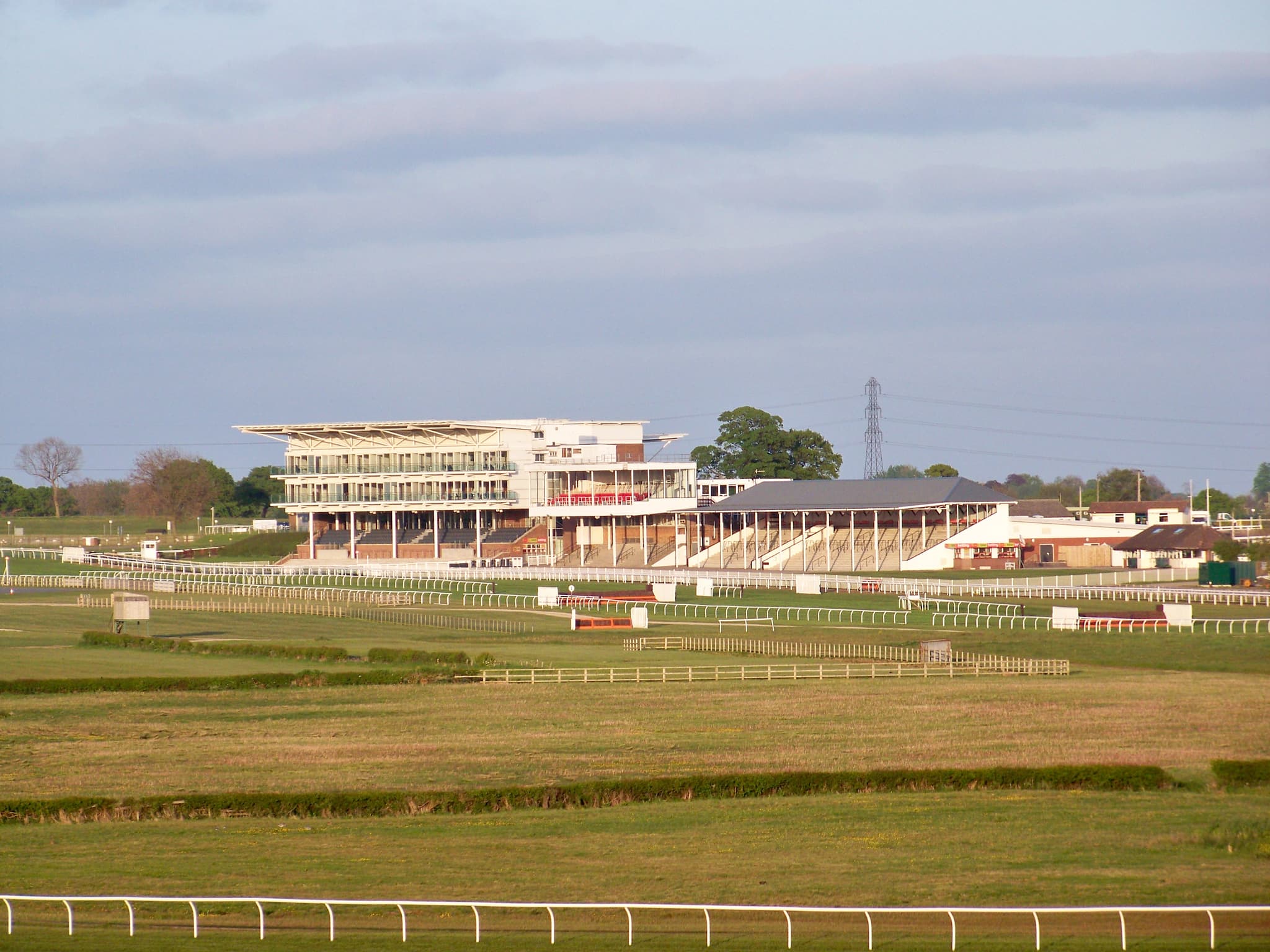
Wetherby Racecourse History: Victorian Origins to Today
Discover how Wetherby transformed from Victorian beginnings into Yorkshire's premier jumps venue. Historic moments, famous winners & key dates.
Read more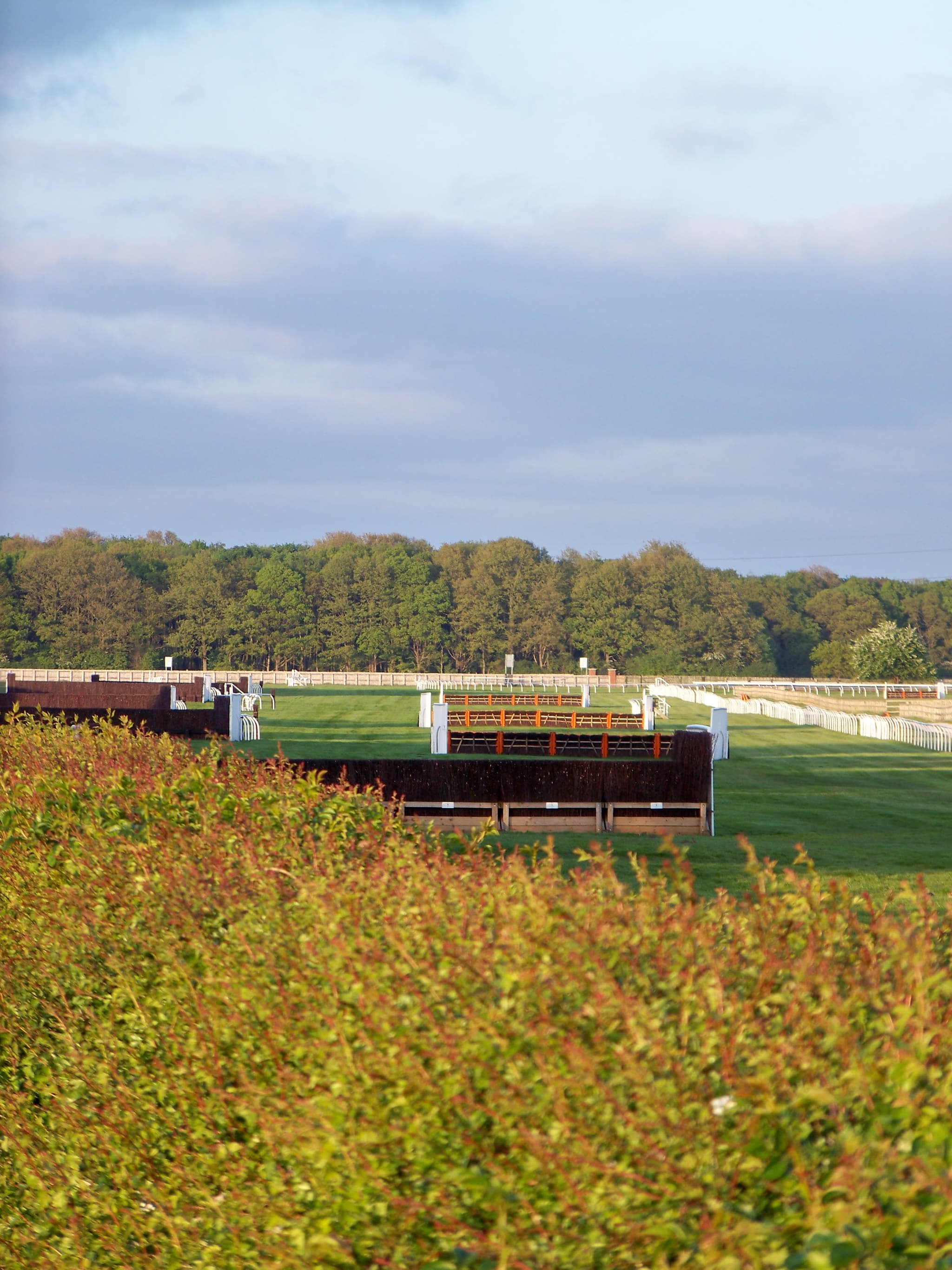
The Charlie Hall Chase at Wetherby: Complete Guide
Everything you need to know about the Charlie Hall Chase — Wetherby's prestigious early-season Grade 2 staying chase.
Read more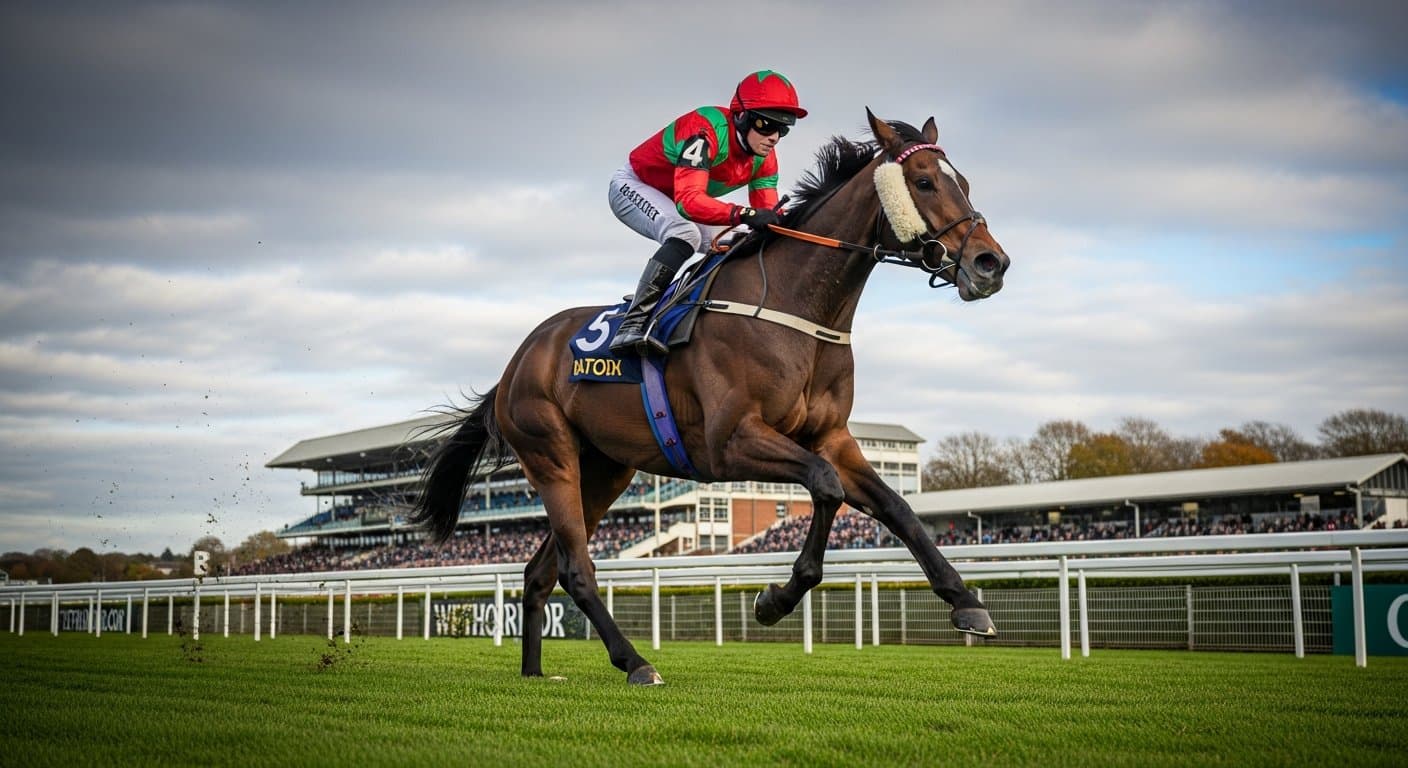
Kauto Star at Wetherby: The Charlie Hall and a Champion's Launchpad
Kauto Star used the Charlie Hall Chase at Wetherby as a seasonal opener on his way to becoming the greatest staying chaser of his generation. This is his Wetherby story.
Read morePhotos on this page are used under Creative Commons licences. Titles, sources and licence links for each one are on our image credits page.
Research the field with the AI Race Predictor
Our model publishes calibrated win-probability estimates for UK races — a second opinion to understand a race, not tips. It's open about its record: it doesn't beat the market, and we show exactly how it does.
Work it out & learn the basics
Gamble Responsibly
Gambling should be entertaining and not seen as a way to make money. Never bet more than you can afford to lose. If you or someone you know has a gambling problem, help and support is available.