
Founder & Editor · Last reviewed 2026-10-14
Bath Racecourse: Introduction
Britain's highest flat racecourse sits 780 feet above sea level on Lansdown Hill, looking down over one of the world's great Georgian cities. On a clear summer evening, from the top tier of the grandstand, you can pick out Bath Abbey, the Royal Crescent, and the dome of the Holburne Museum below in the valley. The city of Bath is a UNESCO World Heritage Site. The racecourse above it offers something quite unusual: a day at the races where the scenery competes with the sport for your attention.
Bath opened for racing in its current hilltop location in 1811. The Jockey Club venue was substantially redeveloped between 2015 and 2016, giving the grandstand a cleaner, more modern feel while keeping the open, elevated character of the site. Capacity sits at around 7,000. Large enough to generate atmosphere, small enough that you never feel lost in the crowd.
The track itself is left-handed, approximately 1 mile and 3 furlongs in circuit, with a stiff uphill finish that punishes horses who are not truly staying their distance. That finish is the defining feature of the course from a betting perspective. Horses who battle up the hill on good to firm ground tend to advertise themselves. Those who struggle here tend to find flat tracks easier. The dedicated Bath betting guide covers these patterns in detail.
The season runs from April to September, with the Summer At Bath themed racedays and the evening fixtures in July and August forming the social heart of the calendar. Evening racing at Bath has a distinct character that daytime meetings at other courses rarely match. The themed nights — including the Rum & Reggae Caribbean evening, Ladies' Day, and the Sundowner series — attract crowds who are as interested in the occasion as the sport. Some of these evenings include discounted drinks in the first hour. The atmosphere on a warm July evening, with the city glittering below in the late sun, is hard to match anywhere in British flat racing.
Quick decisions:
- Best for: Summer evenings, a city break combination, scenic views, social race days with a non-racing companion.
- Season: April to September. Peak is June to August.
- Getting there: Bath Spa station (GWR from London Paddington in 1 hour 30 minutes), then 10 to 15 minutes by taxi. Three miles from station to course.
- Dress code: Smart casual as a baseline. Evening meetings invite more effort. Themed nights especially welcome it.
- Views: Panoramic over Bath city from the grandstand. Bring a camera.
- Capacity: Around 7,000, redeveloped 2015 to 2016.
The racing at Bath may not carry the prestige of Ascot or Goodwood, but it is consistently competitive. The stiff uphill finish demands real ability, and the field sizes across the summer card are typically healthy. For those who take form seriously, Bath rewards study, particularly around draw bias in sprint races and the effect of the hill on exposed horses stepping up or down in distance.
For visitors primarily interested in the city, Bath Racecourse offers an excellent second half of a day that starts with the Roman Baths (open from 9am, adult admission around £18 to £22), a walk along the Pulteney Bridge, and lunch somewhere on Milsom Street. An evening meeting runs from around 6:10pm and is done by 9:30pm, leaving you back in the city for dinner.
Bath is one of the few courses in Britain where the combination of location, season, and atmosphere makes it worth travelling to even for someone who does not follow racing closely. Bring the right people, pick a summer evening, and the hill above Bath will do the rest.
The sections below cover everything you need: travel, what to wear, the enclosures, food and drink options, and practical tips for making the most of the day.
Getting to Bath
Getting to Bath Racecourse
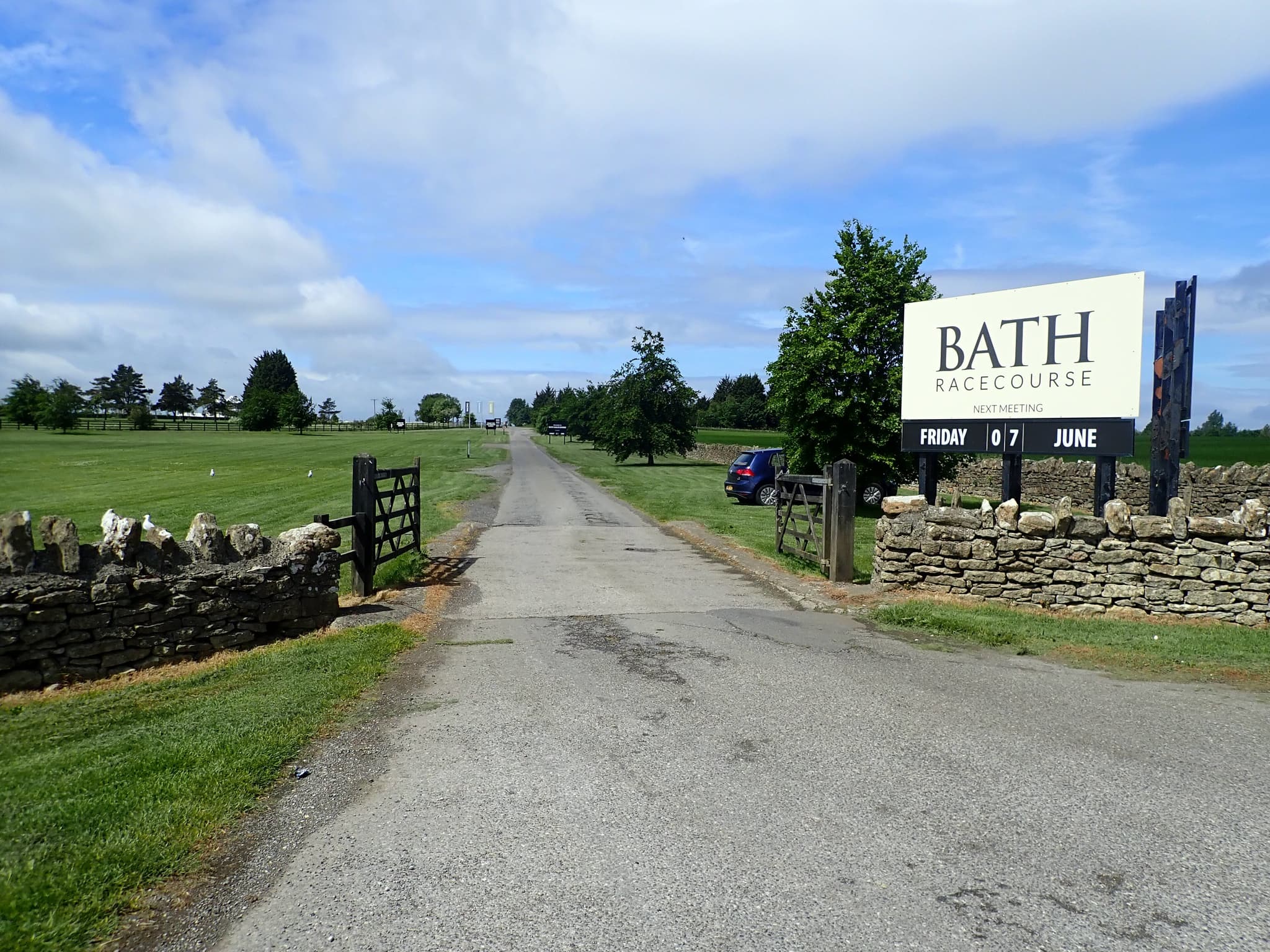
Bath Racecourse sits on Lansdown Hill, three miles northwest of Bath city centre at a postcode of BA1 9BU. The city is exceptionally well connected by rail. Getting from the station to the course takes around 10 to 15 minutes by taxi and a little longer by bus. Driving is straightforward from the M4, though parking on the hill fills quickly on popular summer evenings.
By Train
Bath Spa is on the GWR mainline from London Paddington. Journey times:
- London Paddington: approximately 1 hour 30 minutes
- Bristol Temple Meads: approximately 15 minutes
- Cardiff Central: approximately 50 minutes
- Bristol Parkway: approximately 25 minutes
- Exeter St Davids: approximately 1 hour 40 minutes
Bath Spa station is served frequently. Trains run every 30 minutes on the London route during peak hours and more frequently on the Bristol shuttle. For evening meetings, trains from London depart Paddington between 3:30pm and 5:00pm to arrive comfortably for a 6:10pm first race.
From Bath Spa station, the course is three miles by road. Options:
Taxi: 10 to 15 minutes, costing approximately £8 to £10. Black cab rank outside the station on Dorchester Street. Private hire firms include A1 Taxis Bath and Bath Radio Cabs. For evening meetings, pre-book your return journey before you leave home. When racing ends at around 9:30pm and several hundred people are hailing taxis simultaneously on Lansdown Hill, wait times without a pre-booking can reach 30 to 45 minutes.
Bus: First Bus routes serving the Lansdown area stop near the racecourse. Check the First Bus West of England timetable before your visit. Service frequency varies and evening timetables on race nights may be amended. The racecourse website confirms current bus arrangements for each meeting.
Walk: Not practical. The three-mile route involves a steep hill gain of around 600 feet.
By Car
From the M4: Exit at Junction 18 and take the A46 south toward Bath. At the outskirts of Bath, follow the A431 (Kelston Road) and then Lansdown Road north toward the racecourse. The postcode BA1 9BU will bring you to the main entrance on Lansdown Road.
From Bristol (13 miles): Take the A4 east through Keynsham toward Bath, then pick up Lansdown Road north. Allow 30 to 40 minutes.
From Swindon (35 miles): M4 westbound to Junction 18, then A46 south as above. Allow 45 minutes.
On-site parking is available. It is included with many ticket types: check your booking confirmation. For evening meetings in July and August, arrive 45 minutes before the first race. The car park on the hill fills quickly and roadside parking on Lansdown Road is limited. The council sometimes operates park-and-ride arrangements for major meetings. Check the racecourse website for confirmation ahead of busy dates.
Making a Day of It in Bath
The city below the racecourse is a full day in itself. Roman Bath built their great bathing complex here in the first century AD; the Roman Baths museum on Stall Street (adult admission approximately £18 to £22, pre-book online) is one of the best-preserved Roman sites in northern Europe and typically requires 90 minutes to two hours.
The Royal Crescent, designed by John Wood the Younger and completed in 1775, is a 10-minute walk from the city centre. The Circus, also by John Wood, is another five minutes. The Pulteney Bridge (one of only a handful of bridges in the world with shops on both sides) is five minutes from the Roman Baths.
For a city break that includes racing: arrive in Bath on a Saturday morning, explore the city, check in to your hotel, and book an evening meeting for the Saturday programme. Then spend Sunday morning at the Roman Baths before heading home. That is a weekend that works for racing fans and non-racing companions equally.
What to Wear
What to Wear at Bath Racecourse
Bath Racecourse has no formal dress code for any of its enclosures. Smart casual is the default across general admission and it is enforced loosely. What you choose to wear depends mostly on the type of meeting you are attending and, practically, on the exposed hilltop location that makes clothing choices matter more than the summer calendar might suggest.
General Admission: Daytime Meetings (April to June and September)
Smart casual is the benchmark for spring and early autumn meetings. Jeans are fine. Trainers are acceptable in general admission, though clean ones. A good shirt or blouse and a decent jacket will put you in the middle of the crowd rather than above or below it. These meetings attract a racing crowd first and foremost: people dressed for sport rather than show.
Always bring a layer. Lansdown Hill sits 780 feet above sea level and the exposed hilltop position means wind arrives from the southwest with nothing to break it. A morning forecast of 18 degrees in Bath city centre can translate to 14 degrees and breezy on the hill. A lightweight waterproof in your bag takes up little space and is worth having even on apparently clear days.
Evening Meetings: July and August
Evening racing at Bath has a noticeably different atmosphere from daytime cards. The crowd is larger, younger on average, and dressed with more intent. Smart casual remains perfectly appropriate, but many racegoers use the summer evenings as an occasion for something smarter: a blazer, a summer dress, good shoes.
Themed evenings change the equation:
- Rum & Reggae Night (Caribbean theme): Colourful, tropical clothing actively welcomed. Floral prints, bright colours, relaxed fabrics. This is one of the few race meetings in Britain where turning up in a Hawaiian shirt is entirely appropriate and you will be in good company.
- Ladies' Day: Hats, fascinators, and dresses are the norm. Not compulsory, but the majority of women attending dress for the occasion and the atmosphere reflects it.
- Sundowner Evenings: Smart casual to smart, depending on preference. The evening light on the hill is exceptional. Dress accordingly if you want the photographs to look the part.
Sunscreen and Sunglasses
In June, July, and August, the hilltop exposure to sun is real and sustained. The grandstand provides shade in parts, but much of the outdoor viewing area faces southwest and catches direct afternoon and evening sun. Sunscreen is worth applying before you arrive, particularly for afternoon meetings. Sunglasses are not a fashion choice on a sunny August day. They are necessary.
Footwear
For general admission on the grass: flat shoes or low heels are practical. The grass viewing areas and the trackside can be soft after rain, even in summer. Smart trainers or flat leather shoes handle most conditions. Stilettos on soft grass are a poor combination.
For the Restaurant and covered areas: dressier shoes are comfortable and appropriate.
Rain Preparation
Bath receives an average of around 800mm of rain per year, and summer showers can arrive quickly. A lightweight packaway waterproof takes up almost no space in a bag and provides instant shelter. The grandstand has covered sections, but they fill on popular evenings.
Children
Children's clothing follows the same practical rules as adults: layers, flat shoes, a waterproof. There is no dress requirement for children.
Summary by Meeting Type
| Meeting | Suggested dress |
|---|---|
| Spring/autumn daytime | Smart casual; bring a layer |
| Summer daytime | Smart casual; sunscreen and sunglasses |
| Evening meetings | Smart casual to smart |
| Rum & Reggae | Colourful and tropical welcome |
| Ladies' Day | Hats, dresses, and fascinators popular |
| Restaurant/hospitality | Smart preferred |
The hill views reward looking the part. But nobody will turn you away for a pair of clean jeans and a decent jacket.
Enclosures & Viewing
Enclosures and Course Layout at Bath Racecourse
Bath Racecourse was substantially redeveloped between 2015 and 2016, resulting in a grandstand and facilities layout that feels modern while retaining the open, elevated character of the Lansdown Hill site. The course holds around 7,000 people and operates a tiered enclosure structure covering general admission, the main grandstand, and hospitality areas. The left-handed circuit of approximately 1 mile and 3 furlongs runs in front of the main viewing areas, with the home straight and the stiff uphill finish directly visible from the grandstand.
The Main Grandstand
The covered grandstand is the centrepiece of the Bath experience. Tiers of seating and standing areas face the home straight, with the track running left to right from your perspective as you watch from the stand. The uphill finish is directly in front of you. When a field of horses rounds the home turn and begins the climb to the line, the gradient is visible. Horses that are tiring lose ground in a way that is often clearly perceptible to the spectator. This is one of the more tactically interesting courses to watch from the stands.
The top tier of the grandstand offers the best views. On a clear day, Bath city is spread out below you in the valley: the Abbey tower, the rows of Georgian terraces, and, in the middle distance, the green slopes of the Cotswolds. This view is the most-photographed aspect of a day at Bath races and it earns its reputation. The sight of a field of flat horses turning into the home straight with the city as a backdrop is hard to forget.
Hospitality and Restaurant Areas
Bath has a dedicated Restaurant area with table service and trackside views. This is the premium option and it requires advance booking, particularly for the popular themed racedays and evenings in the summer. The Restaurant sits within the main grandstand complex and offers a clear view of the home straight.
Corporate and group hospitality packages are available at the main grandstand level and in separate suites. These are popular for business entertainment in the summer season. The Bath racing calendar aligns well with the corporate summer schedule.
General Admission Areas
General admission at Bath covers the main grandstand viewing terraces, the parade ring, and the grass areas along the trackside rail. These areas are well-served and the 7,000-person capacity means that except on the busiest summer Saturdays, there is usually a comfortable amount of space.
The Parade Ring
The parade ring at Bath is central and accessible. Before each race, the horses circle the ring and trainers and jockeys gather for instructions. The ring is visible from the grandstand and directly accessible from the general admission areas. On busy summer racedays, the parade ring fills quickly before the main race. Being there 10 minutes before the parade starts is the right call.
Trackside Viewing
The grass areas along the rail near the home straight are the best general admission spots. The left-handed track brings the field around the home bend directly in front of these positions. Because the finish is uphill, horses finishing strongly tend to pull clear in the last 50 yards in a way that is easy to read from the rail. It is an involving place to watch a race.
The Track Itself
The approximately 1 mile 3 furlong circuit is left-handed, with a home straight of around two furlongs that rises noticeably from the home bend to the winning post. The last furlong is conspicuously steep by flat racing standards — this is why Bath form has specific relevance to horses who have previously performed well on uphill or undulating tracks. Horses that have run well at Epsom or Goodwood, or on any stiff-finishing track, carry their form here more reliably than anywhere obviously flat.
Spectators on the top tier of the grandstand can see virtually the entire circuit on a clear day. Binoculars help for the far side but are not essential.
Food & Drink
Food and Drink at Bath Racecourse
Bath Racecourse sits on an exposed hilltop three miles from a city famous for its restaurants, tea rooms, and gastropubs. The on-course food and drink offering is better than many courses of Bath's size, though the wisest strategy for most visitors is to eat well in the city before they travel up to Lansdown.
On-Course Bars
The Lansdown Bar is the main bar at Bath Racecourse, serving draught beer, lager, wine, spirits, and soft drinks. It is the social hub of the course on busy summer evenings and the atmosphere here (particularly as the evening light fades over the valley) can be excellent.
On several evening themed meetings, the first hour of service includes discounted draught drinks, typically 50% off for a defined opening period. The Rum & Reggae evening traditionally includes Caribbean-themed bar offerings alongside the standard range. Check the racecourse website or event page for specific offers on the meeting you are attending, as the promotions vary by night.
Additional bars serve the grandstand and hospitality areas. Queues on busy summer racedays can be significant around race intervals. Ordering during a race rather than between them cuts your wait time considerably.
On-Course Catering
General admission catering at Bath runs to the standard racecourse range: burgers, chips, hot dogs, pies, and coffee kiosks. The quality is adequate rather than outstanding. For hungry visitors who have not eaten in the city beforehand, the hot food keeps you going through a five- or six-race card, but it is not a culinary destination.
The Restaurant (advance booking essential for the popular summer racedays and evening fixtures) offers table service with a trackside view. The menu changes by season and by event. The Rum & Reggae evening has Caribbean food including jerk chicken and rice, which is a marked improvement on the standard catering lineup and worth booking specifically for.
Pre-Race in Bath City
For visitors arriving from London or Bristol, Bath's city centre is the right place to eat before heading up to the course. A few options worth knowing:
The Pump Room on Stall Street, adjacent to the Roman Baths, does traditional afternoon tea in an impressive Georgian dining room. Allow 90 minutes if you are going properly.
Milsom Street and surroundings have the widest range of restaurants in the city, from independent Italian trattorias to quality brasseries. The Ivy Bath Brasserie on Milsom Street is a reliable choice for a pre-race lunch.
The Green Park Brasserie in Green Park Station is popular with locals and has a relaxed atmosphere for a casual lunch before racing.
Post-Race Options
Returning to Bath city after evening racing is easy by taxi (10 to 15 minutes down the hill). The city has a range of restaurants open until 10pm or later, so a post-race dinner is straightforward if you book in advance. Summer evenings in Bath city, with the streets lit up and the Abbey visible from most points, are a pleasant ending to a race day.
On the hill itself, options after racing are limited. The Wheatsheaf at Combe Down, about two miles from the course on the south side of Bath, is a popular post-race pub with a good food menu and a reliable selection of ales. It requires transport: walk, taxi, or five minutes by car for those who have driven.
Practical Notes
- Book the Restaurant well in advance for the themed summer racedays and any weekend evening fixture.
- Pre-order drinks tokens at the bar early in the evening to avoid peak queues.
- Coffee kiosks open from gates opening, usually two hours before the first race.
- Bring cash if you prefer it; most stalls also accept card.
- Eating in Bath before you travel is the single best catering decision you can make at this course.
Tips & FAQ
Tips and FAQs: Bath Racecourse
When Should I Arrive?
For the themed summer racedays and Saturday evening meetings in July and August, arrive 30 to 40 minutes before the first race. The car park fills on these occasions and the bar queues are longest immediately before the first race as everyone arrives simultaneously.
For a quiet midweek daytime card in April or May, 20 minutes before the first race is comfortable. Gates typically open two hours before racing, so arriving early for a summer evening allows you to enjoy the view over the city before the crowds build.
Evening meetings typically have a first race at around 6:10pm. Arriving from 5:30pm gives you 40 minutes to settle, get a drink, and watch the first parade before racing starts.
Are Children Welcome?
Yes. Children under 18 are admitted free when accompanied by a paying adult at most meetings. Confirm the current policy at the booking stage on the Bath Racecourse website (bath-racecourse.co.uk), as concessions occasionally vary. The course is family-friendly and there is usually a designated family area near the parade ring.
What Are the Best Views?
The top tier of the grandstand, looking back down the hill toward Bath city. On a clear evening, the view takes in Bath Abbey, the Georgian terraces of the city, and on a very clear day, the Mendip Hills in the distance. Bring a camera. The combination of a race in the foreground and the city below is one of the most photographed settings in British flat racing.
Can I Have a Picnic?
Check the current rules with the racecourse directly, as policies can vary by meeting and enclosure. Some outdoor areas permit picnics; food and drink brought from outside may be restricted in the main stands and hospitality areas.
What Does the Uphill Finish Mean for Betting?
Bath's stiff uphill finish is one of the most consistent form factors in British flat racing. Horses who win here tend to be true stayers at their distance. They cannot coast home on the downhill momentum you get at a track like Epsom. When assessing Bath form, look for horses that have previously run well on uphill or undulating tracks: Epsom, Goodwood, Sandown, Salisbury. Conversely, horses with a lot of experience on flat, galloping tracks may underperform here at first attempt.
The home straight rises for approximately two furlongs. In a five-furlong sprint, the final three furlongs are all uphill, which means draw bias in sprints matters significantly. The Bath betting guide covers these patterns in detail.
Is There Disabled Access?
The 2015 to 2016 redevelopment improved disabled facilities. Accessible viewing areas and toilets are available. For specific requirements (including disabled parking arrangements), contact the racecourse directly before your visit at bath-racecourse.co.uk.
Can I Combine Bath Races with a City Break?
Easily. Bath is one of the best cities in England for a short break. The Roman Baths (open from 9am, adult admission approximately £18 to £22, pre-book online) take 90 minutes to two hours. The Fashion Museum in the Assembly Rooms is 20 minutes from the baths. The Royal Crescent is five minutes walk from The Circus. A day in Bath followed by an evening race meeting is one of the best race-day formats in England.
For hotel recommendations: the city centre around the Roman Baths and Great Pulteney Street has the widest range, from budget options to the boutique hotels in converted Georgian terraces.
Key Practical Tips
- Pre-book the Restaurant at least two weeks in advance for the themed summer racedays and popular evening dates.
- Pre-book your return taxi for evening meetings. The hill empties fast after the last race and demand for taxis spikes sharply.
- Sunscreen and sunglasses for afternoon and evening meetings in June through August.
- A light waterproof fits in a bag and is worth having even in summer.
- Eat in Bath city before you travel — the on-course catering is functional but the city restaurants are much better.
- Top of the grandstand for the city view. Do it before the races start while it is quiet.
Share this article
More about this racecourse
All Bath guides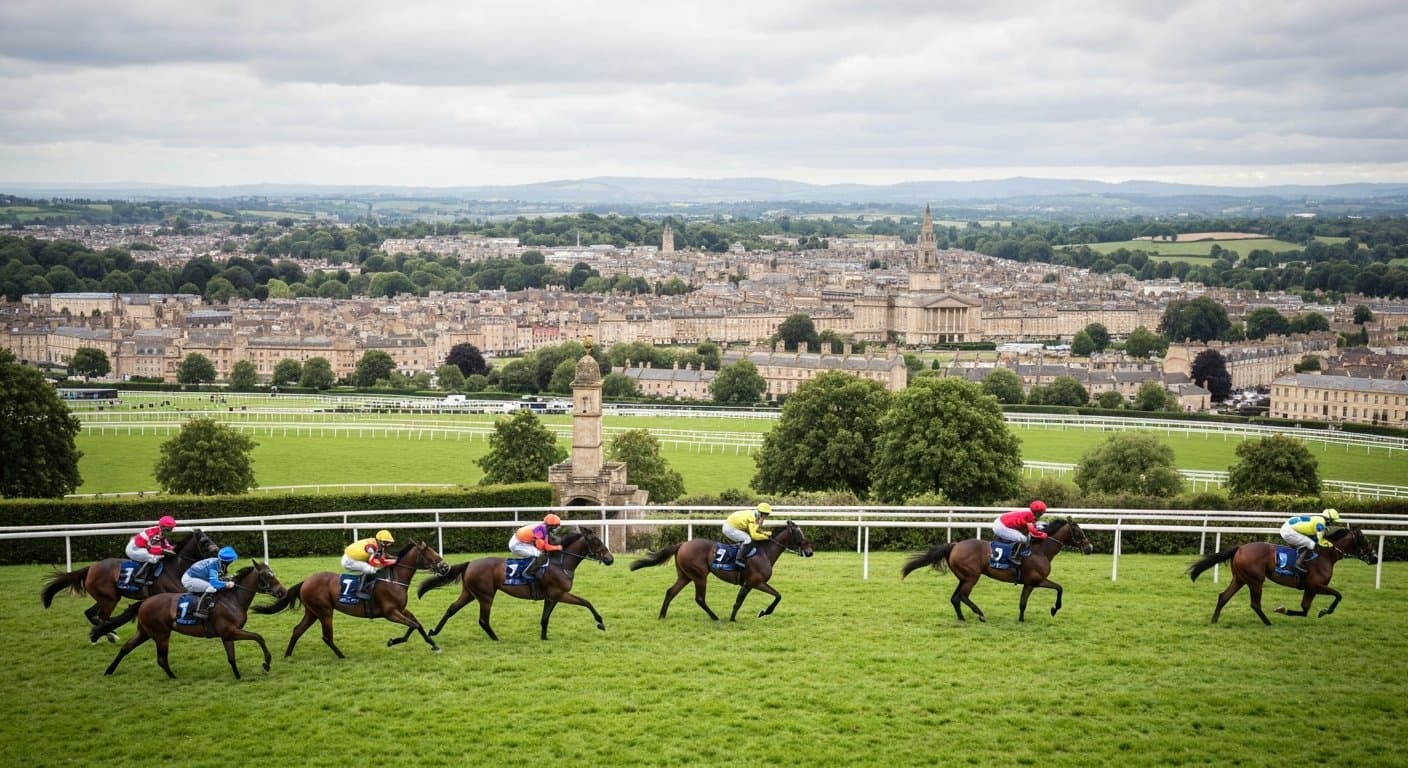
Evening Racing at Bath Racecourse
Your guide to evening racing at Bath — June evenings, Rum & Reggae, and summer nights on Britain's highest flat course.
Read more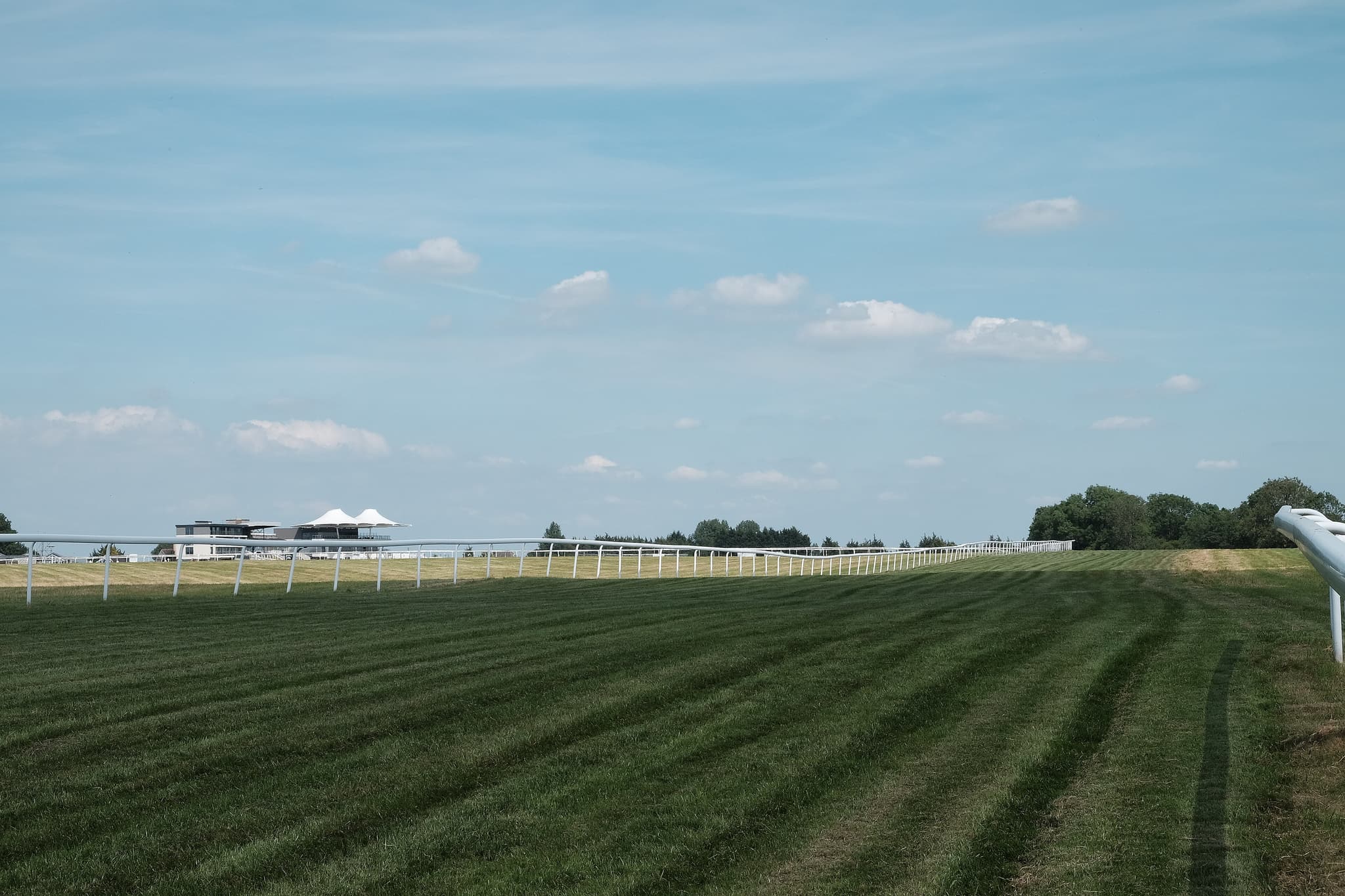
Bath Summer Racing Festival: Your Complete Guide
Bath Racecourse's summer programme is one of the most scenic in British flat racing. Here's your guide to the Bath Summer Meeting and what makes it special.
Read more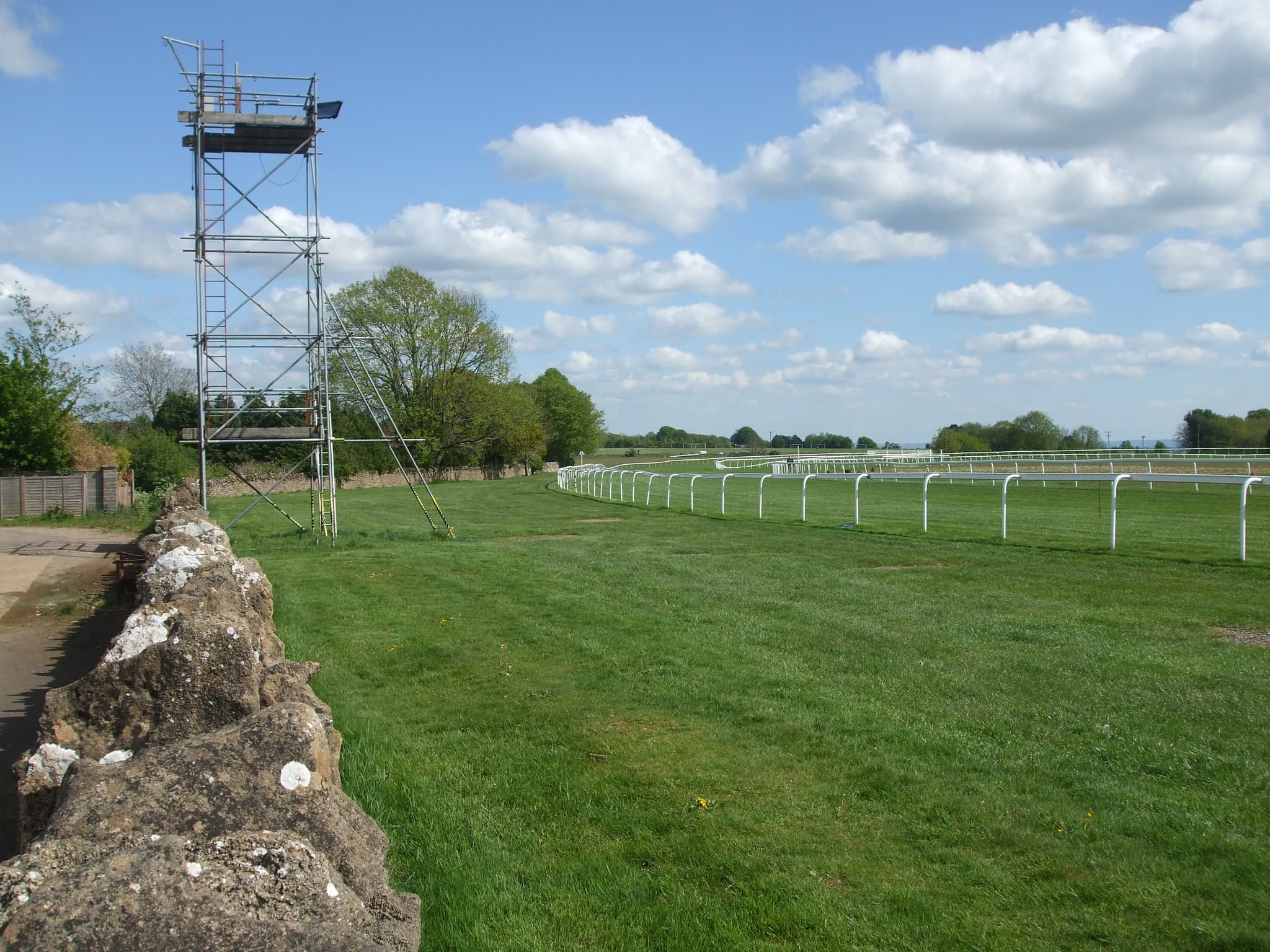
The History of Bath Racecourse
Nearly 300 years of racing at Bath — from Claverton Down in 1728 to Britain's highest flat course on Lansdown Hill.
Read morePhotos on this page are used under Creative Commons licences. Titles, sources and licence links for each one are on our image credits page.
Gamble Responsibly
Gambling should be entertaining and not seen as a way to make money. Never bet more than you can afford to lose. If you or someone you know has a gambling problem, help and support is available.