
Founder & Editor · Last reviewed 2026-04-05
Beverley Racecourse has staged flat racing since 1690, making it one of the oldest continuously used venues in England. Racing on Westwood Pasture — the ancient common land on the western edge of the market town of Beverley, in the East Riding of Yorkshire — is a distinct experience. There are no permanent fences on the common land side of the track. Cattle still graze the Westwood outside racing hours. Beverley Minster, whose construction began around 700 AD, is visible from the grandstand. You will not find that combination anywhere else on the British racing circuit.
The course is right-handed, roughly one mile and three furlongs around, and flat-only. It runs from April through September, with around 20 fixtures per year. What makes it stand apart from the wider Yorkshire racing circuit is the configuration of the home straight: the back straight runs downhill, but the final five furlongs climb to a stiff uphill finish. Horses need stamina as well as speed, regardless of distance. That physical demand shapes the entire character of racing here, from the sprints on the straight five-furlong track to the staying handicaps over two miles and three furlongs.
The draw bias over five furlongs is the most discussed characteristic in the betting market. On good or faster ground, runners drawn low have a well-documented advantage on the sprint course, where a dog-leg partway up the straight positions the inner rail runners closer to the eventual racing line. That bias is less pronounced on softer going, when fields tend to migrate to the stand rail. Understanding it is the foundation of any betting approach to Beverley — the Beverley betting guide covers the data in detail.
The signature race is the Beverley Bullet, a Listed sprint over five furlongs typically staged in late August. It draws sprinters from yards across the North and Midlands, and the supporting card on Bullet Day is usually among the most competitive of the season. Richard Fahey, based at Musley Bank near Malton some 25 miles away, is among the trainers who have long targeted Beverley. Tim Easterby at Sheriff Hutton (around 35 miles) and Kevin Ryan at Hambleton (around 30 miles) are also regular presences in the yard lists.
With a capacity of around 7,500, Beverley is intimate by the standards of York or Doncaster. You are close to the action at all points. The course suits racegoers who want proximity to racing rather than the grandeur of a racecourse that can hold 40,000. Weekday cards attract knowledgeable punters and local followers; weekend fixtures bring larger family crowds. The setting — open grassland, the minster on the skyline, cattle on the far side of the track — gives Beverley an atmosphere that larger venues cannot replicate.
Within the Yorkshire flat circuit, Beverley occupies a specific position. York, Doncaster, Catterick, Pontefract, Ripon, Thirsk, and Redcar are all within 50 miles. Each has a different character and a different going profile. Beverley's limestone subsoil and elevated Westwood Pasture position mean the track drains well — the going is frequently good or good to firm through the summer months, drying faster than many comparable northern venues after rain. That going profile, combined with the draw bias and the uphill finish, gives Beverley a personality distinct from any of its neighbours.
Who this guide is for
This guide is for four types of reader. First-time visitors will find the course layout, enclosures, transport, and practical information they need to plan a visit. Regular racegoers who want a deeper understanding of the draw bias, the going profile, and the trainer patterns will find that in the course and betting sections. History-focused readers will find the origins of racing at Westwood, the development of the Beverley Bullet, and the course's place in Yorkshire's racing geography. Trip planners thinking about combining a race day with a visit to the town or with fixtures at nearby Catterick, York, or Doncaster will find logistics covered in the getting there and atmosphere sections.
Quick reference
- Season: April to September, approximately 20 fixtures
- Course type: Flat, right-handed, 1m3f circuit
- Key race: Beverley Bullet (Listed, 5f, late August)
- Draw bias: Significant low-draw advantage over 5f on good-faster going
- Nearest station: Beverley — direct from Hull (15 minutes), York requires a change
- Parking: Westwood car park, large and free on most fixtures
- Capacity: Around 7,500
- Setting: Westwood Pasture, ancient common land; Beverley Minster visible from course
Bet on Beverley
Place your bets on Beverley races with a trusted bookmaker.

Promo code BETFRED50. New customers only. Register, deposit with a Debit Card, and place a first bet of £10+ at Evens (2.0)+ on Sports, to be settled within 7 days, to get £30 in Sports Free Bets and £20 in Bet Builder Free Bets within 24 hours of settlement. 7-day expiry. Eligibility & payment exclusions apply. Full T&Cs apply. Take Time to Think. BeGambleAware.org. 18+. Full T&Cs.

Promo code R30. New UK customers only, 18+. Register, deposit £10 or more, then place a £10 single cash bet at odds of 1/2 (1.5) or greater on any sports market (excluding Virtuals). Once the qualifying bet settles you get £30 in Free Bets (3 x £10) — the qualifying bet can win or lose. Free Bets are valid on any sports market excluding Virtuals, expire in 7 days, are non-withdrawable and must be used in full. Excluded deposit methods apply (including PayPal, Apple Pay, Skrill and NETELLER). Named bets such as Lucky 15 do not qualify. If you cash out the qualifying bet, or it is voided, you are no longer eligible for the offer. Ends 31.12.26. Full T&Cs apply. Please gamble responsibly. BeGambleAware.org. 18+. Full T&Cs.

Promo code BET40GET20. New UK customers, 18+. Register with the code and place a first bet of £40 or more at Evens (2.0) or greater. Receive 2 × £10 free bets: the first credited automatically once the qualifying bet settles, the second 24 hours later. Free bets must be placed at minimum odds of 4/1 (5.0), expire 24 hours after credit, and the free-bet stake is not returned with winnings. Debit card deposits only. Take Time to Think. BeGambleAware.org. 18+. T&Cs apply. Full T&Cs.

50% of your first-day net losses refunded as a free bet, capped at £25. New UK customers aged 18+ only. To qualify, deposit and place a first bet of £10 or more on any sport at minimum odds of evens (2.00), then place at least two further bets on different events, each worth at least 50% of your largest bet, all at evens (2.00) or greater. Losses are counted from your first settled bet until 23:59 the same day. Place a qualifying £10+ bet and you are guaranteed at least a £5 free bet. Bets placed at SP, void bets, cashed-out bets and bets struck with free bets do not count towards the offer. The free bet is credited the day after your qualifying bets settle and must be used within 7 days, after which it expires. It can be used at odds from 1/4 (1.25) up to 250/1 on singles and straight accumulators, but not on Trixie, Patent or Yankee style multiples. Free-bet stake is not returned with winnings. One offer per person, household, address, IP address and device. E-wallet deposits may not qualify, so check the cashier before depositing. Customers registered with GAMSTOP cannot claim. KYC identity verification must be completed before the free bet is credited. Take Time to Think. BeGambleAware.org. 18+. T&Cs apply. Full T&Cs.

New customers, 18+. Choose the sports bonus at sign-up, make a first deposit and receive a 100% bonus up to £50 in your Sports Bonus balance. To convert the bonus to cash, wager it 10x within 30 days. Single bets below Evens (2.00) do not qualify; accumulators do not qualify if any selection is below 1/2 (1.50). Virtual Sports, voided, cancelled, drawn, cashed-out and free-bet wagers do not count towards wagering. Only the first settled bet per event counts. Withdrawing before the wagering requirement is met forfeits the bonus balance including bonus winnings. Real-money funds are used before bonus funds. Deposits via Skrill or Neteller are not eligible. Not valid in conjunction with other promotions. Odds, bet and payment limits apply. 10bet general and promotion T&Cs apply. BeGambleAware.org. 18+. Full T&Cs.

New customers in Great Britain and Republic of Ireland, 18+. Place a £10 fixed-odds qualifying bet at minimum odds of 1/2 (1.50) — single or each-way (only the win part counts), pre-event or in-play, not cashed out early, within 28 days of opening the account. Receive up to £60 in bonuses credited over three days: 3 × £10 fixed-odds free bets (the first on settlement, then 24 and 48 hours later) plus 3 × £5 Total Goals FOOTBALL spread bets and 3 × £5 racing Winning Favourites spread bets, with a £1 racing Race Index spread bet as an extra on top. The spread bets need a full spread-betting account, opened within 28 days of the fixed-odds account and subject to Spreadex's eligibility and appropriateness checks. Free-bet stakes not returned with winnings; free bets valid 28 days from issue. IMPORTANT: the £5 credits are SPREAD bets — sports spread betting carries the risk that losses can exceed your stake. Sports spread-betting customers do not have Financial Ombudsman or FSCS recourse. Take Time to Think. BeGambleAware.org. 18+. T&Cs apply. Full T&Cs.

Promo code WELCOME15, entered under My Bonuses after registering. New UK customers, 18+. Place a first qualifying bet of at least £10 from your cash balance at odds of evens (2.0) or greater within 7 days of opening the account. Once the qualifying bet fully settles you receive £15 in free bets, credited as 3 x £5 tokens with set uses: one £5 accumulator free bet (minimum 4 legs, each leg at 2/5 or bigger), one £5 sports free bet (any market at evens or bigger) and one £5 Sub Cover free bet (selected football player markets at evens or bigger). Free-bet stakes are not returned with winnings. Free bets expire 7 days after they are credited. Void, cashed-out and partially cashed-out bets do not qualify. One offer per customer. Confirm the current terms on BetGoodwin's own welcome-offer page before claiming. Take Time to Think. BeGambleAware.org. 18+. T&Cs apply. Full T&Cs.

New UK customers, 18+. Minimum deposit £10. Place a £10 qualifying single on sports (excluding virtuals) at minimum odds of 1/2 (1.50), settled within 14 days. Deposit-method exclusions apply. Receive £30 in free bets (stake not returned), split £20 for sportsbook use (2 x £10) and £10 for Bet Builder only (2 x £5); Bet Builder does not cover horse racing. Free bets must be accepted within 7 days and expire 7 days after acceptance. No promo code required. Best Odds Guaranteed on UK & Irish racing, subject to having staked over £25 in the previous seven days. Operated by LiveScore Betting and Gaming (Gibraltar) Ltd, UKGC 56859. Confirm the current terms on LiveScore Bet's own promotions page before claiming. Take Time to Think. BeGambleAware.org. 18+. T&Cs apply. Full T&Cs.
18+. BeGambleAware.org
The Course
The Course
Beverley's track is a right-handed oval of approximately one mile and three furlongs, set on Westwood Pasture on the western edge of the town. Understanding the layout is not optional if you want to follow the racing intelligently. The shape, gradient, and surface conditions interact in ways that distinguish Beverley from every other flat venue on the Yorkshire circuit.
Shape, Direction and Layout
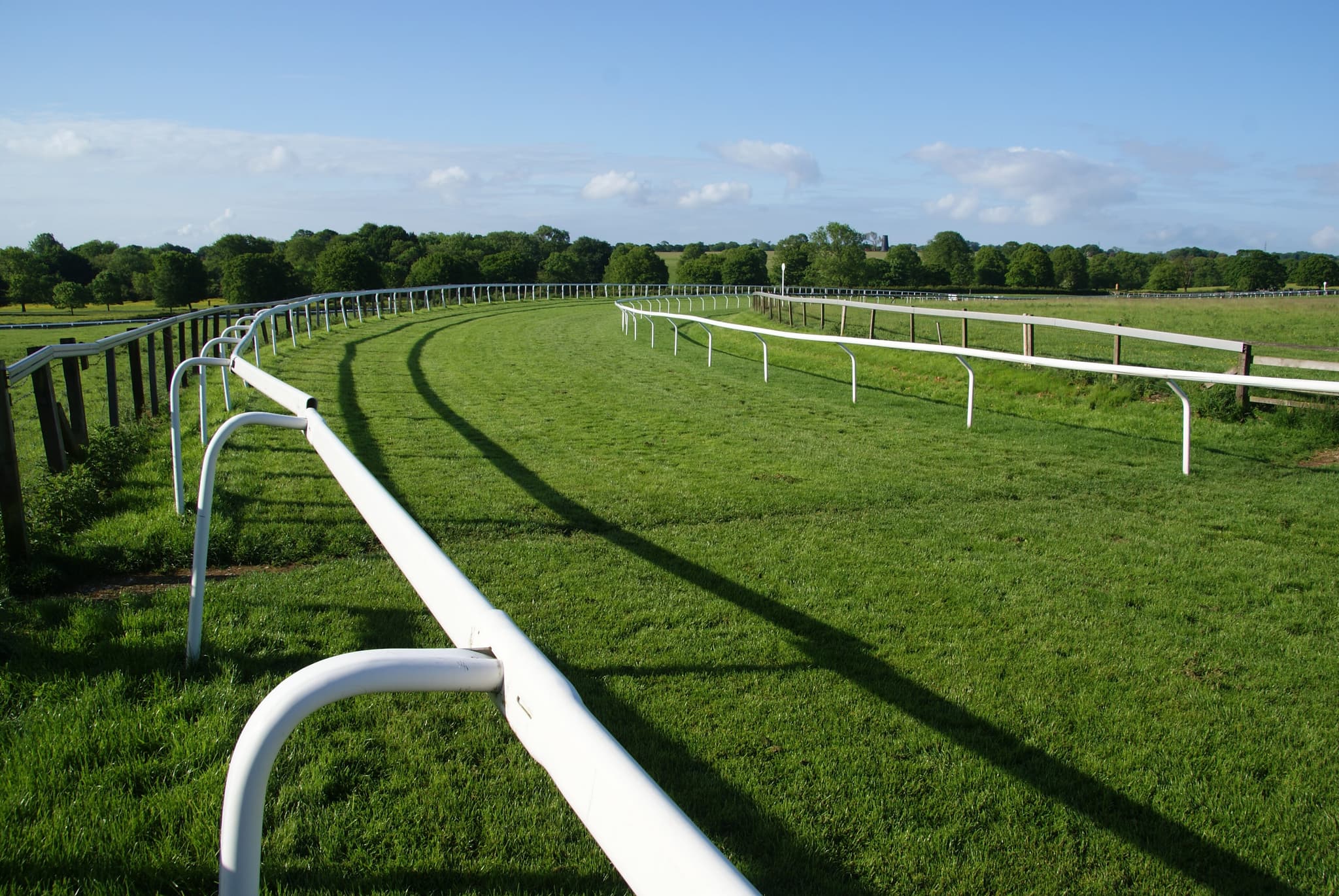
The course runs right-handed throughout. The back straight, which stretches from the top bend to the point where the home straight begins, runs on a downhill gradient. Horses gather momentum as they descend. Then the ground rises through the home straight to the winning post, with a climb of around three furlongs that tests every horse whatever distance they are running. The bends at each end of the circuit are relatively sharp by the standards of a galloping track — horses need to be balanced and well-ridden through them.
There is no rail on the common land side of the circuit. Westwood Pasture is ancient common land, and the grazing rights that have existed here for centuries mean permanent fencing is not possible. On one side, the grandstand and enclosures; on the other, open land. This creates a visual openness unusual for a British racecourse, and it means the course's layout retains the feel of horse racing on a truly historic landscape rather than a purpose-built commercial venue.
The five-furlong straight course runs separately from the main oval, funnelling runners into the home straight with a dog-leg kink approximately halfway up. That kink — and the camber of the ground — is central to the draw bias discussed below.
The Stiff Uphill Finish
The defining physical feature of Beverley is the uphill finish. Over five furlongs, runners descend the back straight before turning and climbing throughout the run-in. The final furlong is the most testing part of the entire circuit. Horses who set off too quickly in sprint races often find nothing left approaching the line; it is not uncommon to see front-runners swallowed up in the final 100 yards by closers who have conserved energy.
Over longer distances the effect is proportionally smaller, but the last three furlongs still make demands that a flat, fast track would not. Horses with a high cruising speed who do not necessarily have the physical strength to maintain it up an incline can be found out here. Conversely, robust horses trained for stamina who gallop on at the same pace throughout tend to be rewarded at Beverley in a way they would not be at Newmarket or Chester. Trainers running horses fresh from a galloping track sometimes find they underperform on first acquaintance with Beverley's finish.
The uphill finish also affects pace judgement for jockeys. Riding with a good hold to the home bend and then asking for effort on the climb, rather than sending a horse to the front from the off, is a strategy that produces winners at this course with regularity. Trainer data over the past ten years reflects this: horses who raced off the pace in running win at a meaningfully higher rate over five furlongs at Beverley than the same horses do at level tracks.
The Draw Bias
Beverley's draw bias over five furlongs is among the most significant of any flat racecourse in Britain. On going described as good or faster, runners drawn in the lowest-numbered stalls — those closest to the inside rail — have a structural advantage that shows clearly in the historical data. The dog-leg partway up the straight positions low-drawn horses on the shortest path to the winning post. High-drawn horses must travel wider and, on a climbing finish, that extra ground is costly.
The bias has been documented in systematic form for at least 30 years, and bookmakers are aware of it. Punters who ignore stall position when assessing five-furlong races at Beverley do so at their own cost. In large fields of ten or more runners, it is rare for a horse drawn in double figures to win a sprint on good ground. The Beverley betting guide covers the draw statistics in detail, including how field size affects the strength of the bias.
Going conditions change the picture. On soft or heavy ground, the inner rail can become disadvantageous — the ground closest to the inside holds more moisture and can get cut up through the course of a card. In those conditions, runners migrate to the stand-side rail, and the high-draw bias switches direction. Knowing which scenario applies on any given day is one of the key judgements for a Beverley punter.
Over distances of seven furlongs and beyond, the draw bias diminishes considerably. Horses have more time to find their position in running, and the dog-leg is no longer a decisive factor. Going becomes the primary influence on longer-distance races, and the course's limestone subsoil drains reasonably well, keeping the going on the faster side through much of the summer.
Going Profile and the Surface
Beverley sits on limestone subsoil, which aids drainage. The going through June, July, and August is frequently good or good to firm on the official scale. During dry spells the track can reach firm, and the course operates an active watering programme to prevent the going becoming too fast and risk injury to horses. The Beverley Bullet in late August typically takes place on good or good to firm ground, though this varies by year.
Spring and autumn meetings are more likely to encounter good to soft or soft going. The course's position on slightly elevated Westwood Pasture means wind can be a factor — not a factor that affects going directly, but one that affects how quickly the surface dries after rain. Racegoers planning a visit should check the official going report on the morning of the meeting; ground described as good three days out can shift by two categories if a bank of rain moves through the East Riding.
The track is maintained by the course's groundstaff through the season, with resting periods between fixtures allowing recovery. The management of the surface around the watering programme is one of the more technically demanding aspects of running a course that can go from firm to soft in 48 hours.
Race Distances and Configuration
Beverley offers races from five furlongs up to two miles and three furlongs. The spread of distances is wider than many comparable tracks and gives trainers real options for horses at various stages of their development. Sprints over five furlongs use the straight course and are subject to the draw bias. Races over seven furlongs, one mile, one mile one furlong, one mile two furlongs, and longer distances use the full oval circuit with a run from the back straight into the home straight.
Middle-distance and staying races tend to attract horses from the larger Yorkshire yards with horses that need a test. The uphill finish ensures that even over one mile and four furlongs, a horse that is not truly staying the trip will be found out in the closing stages. Two-mile-plus races are infrequent but provide a real endurance test — the combination of the full circuit and the climbing finish is more demanding than equivalent distances at many other venues.
How Beverley Compares in the Yorkshire Circuit
Yorkshire has one of the densest clusters of flat racecourses in Britain. Within a radius of roughly 50 miles of Beverley, a horse can run at York, Doncaster, Catterick, Pontefract, Ripon, Thirsk, and Redcar. Each has a different character. York is the prestige galloping track, with wide, flat straight courses that suit high cruising speed. Catterick is tight and undulating. Pontefract has the longest uphill finish in Britain — steeper than Beverley but over a longer distance.
Beverley occupies a specific niche in that circuit: a course where draw position matters more than almost anywhere else, where the uphill finish tests stamina over short distances, and where the combination of limestone subsoil and East Yorkshire weather creates going that is typically faster than the north-western venues. Trainers who know the course use it differently from trainers parachuting in a horse that usually runs at Haydock or Ascot. That local knowledge is worth tracking in the form book.
Section takeaway: Understanding the draw bias over five furlongs and the stiff uphill finish is the starting point for reading Beverley form. Both factors are well-established, well-documented, and consistently rewarded in the data — making the course one where race-day preparation repays effort.
Key Fixtures & Calendar
Key Fixtures and the Race Calendar
Beverley's season runs from April through September, spanning roughly six months of flat racing. The course stages around 20 meetings per year, a mix of afternoon cards distributed across weekdays and weekends. The programme is built around handicaps and conditions races at various distances, with one Listed race at the peak of the season. For those planning a visit or tracking the form cycle, knowing how the calendar is structured makes a real difference to choosing the right day.
The Beverley Bullet
The Beverley Bullet Sprint Stakes is the most important race in the course's calendar. Run over five furlongs, it is a Listed-grade contest open to three-year-olds and upwards, and it typically takes place in late August — occasionally in early September depending on the fixture list. The Bullet is the race that concentrates the highest concentration of quality sprinters at the course in any given year, drawing runners from established sprint yards across the North and Midlands.
Because the Bullet is run over five furlongs on the straight course, the draw bias applies in full force. Connections are well aware of this, and in a well-subscribed field — typically ten to 16 runners — stall position becomes a major strategic consideration. Horses drawn high in double figures have gone close in the Bullet but the statistical record clearly favours those drawn single figures, particularly on fast ground.
The Bullet attracts trainers and owners who otherwise focus on Group-level racing, because the Listed status and the prize money make it worth the trip to East Yorkshire. In recent years the race has provided a useful late-season sharpener for sprinters targeting Listed and Group races in the autumn. The supporting card on Bullet Day is usually the best of the season, with competitive handicaps at sprint and middle distances supplementing the feature.
Check the official Beverley Racecourse website for the confirmed Bullet date each year — the race has moved within the late-summer window on more than one occasion.
The Summer Programme
The core of Beverley's fixture list sits between late May and early September. This is when fields are typically at their largest and the going is most likely to be on the faster side, which is when the draw bias operates most clearly and the racing is most competitive. Trainers who condition horses for good-ground sprinting — a profile common to many East Yorkshire operations — keep a close eye on the Beverley summer schedule.
Summer fixtures at Beverley tend to attract horses coming off short breaks or returning after relatively few outings earlier in the season. The Yorkshire summer circuit allows trainers to run horses at Beverley, Catterick, Pontefract, and Ripon within a short window, picking races suited to their horses' profiles. Richard Fahey's yard at Musley Bank (around 25 miles from the course) and Tim Easterby's at Sheriff Hutton (around 35 miles) are among the operations that treat Beverley as a regular port of call rather than an occasional destination.
Weekday afternoon meetings in July and August typically draw fields of eight to 14 runners in each race. These are not the largest fields in British racing, but the nature of the course — with draw and going both playing significant roles — keeps them interesting from a form-study perspective.
Opening Fixtures and the Spring Programme
The season opener at Beverley, usually in April, is one of the earliest flat cards on the Yorkshire circuit after the winter break. The ground in April is rarely fast — good to soft or good is the typical opening-day description — and the fields reflect this: more handicap runs from horses who have wintered well rather than the speedy five-furlong types who prefer quicker going.
Spring fixtures serve a different purpose in the racing calendar. They provide runs for horses who need to get a current form figure before they are eligible for the handicapper to reassess their marks. Trainers often use the April and May Beverley cards to give horses educational outings in small fields, with the aim of sharpening them for more competitive summer engagements. Understanding this means the spring form needs a slightly different reading when you're projecting forward to August.
Autumn Fixtures and the End of Season
The season at Beverley typically concludes in September. Autumn meetings can throw up interesting races because horses who have had a busy summer campaign are beginning to tire, while fresh horses arriving from stables that deliberately held them back earlier can find easier conditions. The going in September can range from good to soft if the East Yorkshire weather has been wet, or remain firm into September in a dry year.
By September the competitive focus in British flat racing has shifted to the autumn Classics and Group-race campaign, and Beverley's September cards are primarily handicap-focused. They tend to attract sound, consistent horses who run well repeatedly at this level rather than young horses with big ambitions. For punters, that can make the form easier to assess — horses with long handicap records provide more data points to work from.
Section takeaway: The Beverley Bullet in late August is the race that defines the course's identity — but the summer programme as a whole, with its consistent going profile and local trainer presence, makes Beverley one of the most consistent flat circuits in the north for form-study purposes.
Facilities & Hospitality
Facilities and Hospitality
Beverley's capacity of around 7,500 puts it in the smaller tier of British racecourses, and that scale shapes the experience. The enclosures are close to the track. The grandstand is not vast, but sightlines are good throughout, and the elevated position of the course on Westwood Pasture means that even from the far side of the viewing areas you can follow the full circuit. The atmosphere is more local and informal than at York or Doncaster — and that is part of the appeal.
Enclosures and Viewing Areas
Beverley operates enclosures in the standard British pattern: Premier Enclosure, a Grandstand enclosure, and a less expensive general access area. The Premier Enclosure provides closer access to the paddock, dedicated bars, and covered seating in the main grandstand. On peak days — Bullet Day especially — this enclosure fills up with a mix of Yorkshire racegoing regulars and visitors who have made the trip specifically for the feature race.
The Grandstand Enclosure gives access to the viewing terrace and the majority of the course's bars and catering outlets. For most visitors who are not using corporate hospitality, this is the right choice: you can see the full home straight clearly, including the stiff uphill run to the line, and you are close enough to the action to follow the races without binoculars for much of the circuit.
The open land on the Westwood side of the track — the common land with no permanent fencing — means you cannot view from behind the track in the way you might at an enclosed venue. But this is not a drawback. From the main grandstand side, the view across the track to the Westwood and, on a clear day, towards Beverley Minster, is one of the more distinctive settings in northern racing.
Hospitality Packages
The course offers hospitality on most meetings, ranging from restaurant dining to private boxes for larger groups. On Bullet Day, the hospitality areas tend to be fully booked well in advance — the combination of a competitive feature race and a summer evening card makes it a popular choice for corporate entertainment.
Restaurant packages typically include a reserved seat with a view of the course, a two or three-course meal, and access to the Premier Enclosure. For groups planning a racing day with non-racegoers who might want good food as much as racing, this is a practical option. Beverley's hospitality offering is honest about what it is: a comfortable, Yorkshire-focused experience rather than a premium product competing with the five-star suites at Ascot or Cheltenham.
For smaller groups or visitors who prefer flexibility, there are no restrictions on bringing a picnic to the general access areas. This is normal at Beverley and at most northern flat courses, and it makes the course truly accessible for families and groups on a budget.
Food, Drink and General Catering
Multiple bars are spread throughout the enclosures, and queuing is rarely a major issue given the scale of the venue. A standard selection of draught beers, wines, and spirits is available. Yorkshire-brewed ales often appear at Beverley, which is consistent with the regional identity of the course.
Food options range from the main restaurant's full menu down to the trackside caterers offering hot food and snacks. Yorkshire puddings, pies, and similar regional staples appear on the race-day menu at most summer fixtures. It is not haute cuisine, but the food is consistently well-reviewed by racegoers who prioritise a proper lunch over a table setting.
The Paddock and Pre-Parade Area
The paddock at Beverley is compact and accessible. On a typical weekday card, racegoers can stand at the paddock rail for ten to fifteen minutes before each race and observe the horses at close range — a real advantage over larger venues where the paddock is shared with a crowd of several thousand. Watching how a horse walks, how its coat looks, and how it responds to its handlers in the paddock remains one of the most useful pieces of pre-race information available to a racegoer, and Beverley's scale makes that information accessible in a way that Ascot or Goodwood cannot always provide.
The pre-parade ring, where horses are walked before entering the main paddock, gives an earlier view. For racegoers who want to assess horses before the price moves in the betting market, arriving at the pre-parade ring ahead of the formal parade can be informative. Trainers from the northern yards — Fahey, Easterby, Ryan — are occasionally present in person at Beverley, which gives additional context that is harder to gather when the trainer is in the south of England.
Betting Facilities On-Course
Tote betting facilities and bookmakers' pitches are available throughout the course. On-course bookmakers form a line along the rails on race days, and the Tote windows are accessible from the main enclosures. Using the betting exchange on a mobile device while on-course at Beverley is straightforward — signal is reliable across most of the viewing areas.
For those who want to study the market, watching the on-course bookmakers move their prices in the minutes before a race can be informative. At a smaller course like Beverley, the movement from a significant on-course bet can be visible in the prices before it filters fully through to exchanges, though this effect is less pronounced in the modern era of largely digital markets than it was in previous decades.
Accessibility
The course is navigable with a pushchair or wheelchair across the main viewing and betting areas. The elevated grandstand position means some areas involve steps, and the gradient of Westwood Pasture itself means the course is not entirely flat for ambulant visitors. The Beverley Racecourse website lists current accessibility provisions, including designated viewing areas and parking arrangements for visitors with disabilities.
Section takeaway: Beverley's facilities are practical and well-matched to the scale of the venue. The combination of close track access, good sightlines, and an informal atmosphere makes it a course that serves the racing first — everything else is support for that primary experience.
Getting There
Getting There
Beverley Racecourse sits on Westwood Pasture, on the western edge of Beverley town, with the postcode HU17 8QZ. The town is roughly eight miles north of Hull and about 30 miles east of York. For visitors travelling from across the north, the journey is straightforward by either train or car. For those coming from further south, the M62 provides good access from the motorway network.
By Train
Beverley station is on the Hull to Scarborough line, with direct services from Hull running approximately every 30 minutes and taking around 15 minutes. Coming from York, you will need to change at Hull — the total journey from York is roughly 45 minutes to an hour depending on connections. From Leeds, the quickest route is typically via Hull with a change, taking approximately 75 to 90 minutes.
From Beverley station to the racecourse is around a 20-minute walk or a five to ten-minute taxi ride. The walk takes you through the market town and past the edge of the Westwood — a pleasant approach on a summer afternoon. Taxis from the station are available but limited on busy race days; if you are in a group or have any time pressure, pre-booking a local firm is advisable. The racecourse website sometimes lists firms offering a race-day service.
On Bullet Day and larger summer fixtures, some racegoers organise shared taxis or minibus transfers. Arriving early gives you the option of the walk, which lets you take in the town before racing begins.
By Car
From the south and west, leave the M62 at junction 38 and follow the A63 towards Hull, then the A1079 north to Beverley. From Beverley town centre, head west following racecourse signs — the Westwood is clearly signposted. The approach from Hull is straightforward on the A1174. From York, the A1079 runs directly through Pocklington and Market Weighton to Beverley, a journey of around 35 to 40 minutes in normal traffic.
The Westwood car park is the main on-course parking facility. On the majority of fixtures it is large, free to use, and within easy walking distance of the enclosures. On Bullet Day and busy summer cards, the car park fills up in the hour before racing; arriving 45 minutes to an hour before the first race gives a comfortable margin. Overflow parking arrangements exist for the largest fixtures, and these are signposted from the approach roads.
There is no reserved or premium parking tier for most meetings, which keeps the process straightforward for all visitors.
By Bus
Local bus services run from Hull city centre to Beverley throughout the day. The X46 and X47 services operate on this corridor and take approximately 40 minutes from Hull Interchange. Checking live timetables on the day is important — frequencies can vary, and race-day crowds occasionally affect departure times. Bus stops in Beverley are within walking distance of the course.
From surrounding East Yorkshire towns such as Driffield, Bridlington, and Hornsea, local services connect to Beverley. The Beverley Racecourse website is the best place to check for any race-day bus arrangements the course has organised with local operators.
Combining Beverley with the Wider Region
Beverley is a well-preserved market town with a twice-weekly market (Wednesday and Saturday) and the cathedral-scale Beverley Minster, which dates to around 700 AD and is worth an hour of anyone's time. The town has independent restaurants, cafes, and pubs that can be combined with a race day for a full day out.
For those planning a Yorkshire racing circuit, Beverley fits comfortably alongside York (35 miles west), Catterick (around 45 miles north-west), and Pontefract (around 55 miles south-west). The flat racing season runs across all of these venues simultaneously through the summer, giving visitors planning a week in Yorkshire the option of racing on most days without repeating the same course.
Section takeaway: By train from Hull, Beverley is a 15-minute journey to one of the more accessible racecourses in the North. By car from the M62 corridor, it is a straightforward 60 to 90-minute drive depending on starting point. The Westwood car park, free on most fixtures, removes one of the most common friction points of a race day.
Frequently Asked Questions
History of Beverley Racecourse
History of Beverley Racecourse
Origins on the Westwood
Racing at Beverley has roots stretching back to 1690, placing it among the oldest continuously used flat racecourses in England. The venue is not a purpose-built facility installed on privately acquired land — it is part of Westwood Pasture, the ancient common land that has defined the western edge of Beverley for centuries. The Westwood's grazing rights predate the racecourse itself, and those rights have never been extinguished. Cattle still graze the common land, and the absence of permanent fencing on the course's outer boundary is a direct consequence of the legal status of the land. No other major flat course in Britain operates in quite the same constitutional arrangement.
The precise origin of organised racing at Beverley is difficult to date with certainty before the 18th century — record-keeping was inconsistent, and what passed for racing in the late 17th century was often a private wager between landowners rather than a public fixture. The first formally recorded annual meeting was established in 1767, making the organised racing programme at Beverley one of the longer-running in the country. By comparison, the St Leger at Doncaster was first run in 1776, and York's Knavesmire meetings had been operating since the 1730s.
Beverley's position in the East Riding placed it within a landscape shaped by agricultural wealth and the trading routes connecting Hull to the Yorkshire interior. The market town supported a prosperous merchant class in the 18th century, and racing on the Westwood was part of the social and commercial calendar. The proximity to Hull — then one of England's busiest ports — meant the town had both the money and the civic ambition to sustain a racing fixture.
The 19th Century and the Development of the Course
The 19th century brought the formalisation of British flat racing under Jockey Club rules, and Beverley's fixture adapted to those changes. The course began operating under full Jockey Club jurisdiction during this period, meaning races were registered, results recorded, and prize money formally allocated. This brought Beverley into the national structure of flat racing rather than remaining a regional oddity.
By the mid-Victorian period, Beverley was a functioning summer course with a recognisable programme. The right-handed oval was established in its current approximate form, with the sprint straight following the line it takes today. The uphill finish that now defines the course had been noted in contemporary racing accounts by the 1880s — writers describing the demanding run-in long before modern systematic form study existed.
The railways reached Beverley in 1846, with the York to Market Weighton and Hull line transforming the accessibility of the course. Before the railway, attendance at Beverley was largely limited to those who could travel by horse, carriage, or on foot. The station, which still operates today, brought racegoers from Hull and the East Riding at scale for the first time, cementing the course's status as a fixture in the regional racing calendar.
The 20th Century: Survival and Continuity
The two World Wars interrupted British racing across the country, and Beverley was no exception. During both conflicts, racing was suspended or severely reduced, and the course — like many others — returned to a civilian programme gradually. The interwar period saw Beverley operating as a solid, if not nationally prominent, flat venue. The horse population of the Malton and Hambleton training districts continued to provide a steady supply of runners, and the course's proximity to the East Yorkshire coast gave it a slightly different social character from the inland Yorkshire venues.
By the second half of the 20th century, Beverley had settled into the pattern it maintains today: a summer flat venue drawing primarily from Yorkshire yards, with a handful of competitive fixtures that attracted wider attention and a broader programme of handicap racing that served local trainers. The Beverley Bullet, in its modern Listed form, became the anchor race around which the season was structured.
The Westwood and the Town's Relationship with Racing
The relationship between Beverley Racecourse and the town it sits beside is longer and more intertwined than at most venues. The Westwood has been common land managed by the Pasture Masters — a body dating to at least the 13th century — for centuries. The Pasture Masters retain responsibility for the common land, including the grazing rights, and their authority runs alongside the racecourse's operational activities. When cattle are present on the Westwood between meetings, they graze across the land that will shortly be used for flat racing. This is not a historical anomaly that is being slowly phased out — it is a live legal and practical arrangement that distinguishes Beverley from every other major flat venue in Britain.
The town of Beverley has benefited commercially from the racecourse throughout its history. Hotels, pubs, and restaurants in the town centre receive significant trade on race days, particularly during the summer programme and on Bullet Day. The course and the town are, in the economic sense, mutually supportive — and that relationship has sustained both through periods when other provincial courses were closed or merged.
The Modern Era
Beverley's modern operation under its current management has focused on maintaining the physical fabric of the grandstand and enclosures while preserving the character that distinguishes the course. Facilities have been upgraded incrementally rather than transformed wholesale. The course has retained its Listed race status with the Beverley Bullet, keeping it in the top tier of sprint races below Group level.
The course joined the broader Yorkshire racing marketing effort that positioned the region — with York as the flagship — as a destination for racegoers from across Britain. Within that network, Beverley occupies a specific position: the oldest venue, the most distinctive setting, and the course with the most idiosyncratic draw and going profile. For those who understand flat racing form, it is one of the more interesting venues on the summer circuit. For those visiting for the first time, the history visible in the landscape — the Westwood, the Minster, the ancient common land — gives the setting a context that purpose-built venues cannot offer.
Section takeaway: Beverley's history is not just about the races run there — it is about the land itself. Understanding the Westwood's legal and historical status explains why the course looks and operates as it does, and why racing here has continued for more than 330 years without interruption.
Famous Moments
Famous Moments at Beverley Racecourse
The Beverley Bullet and Its Winners
The Beverley Bullet has been the defining race of the course's modern calendar since achieving Listed status. Over five furlongs on the straight course, with the draw bias in full effect and the uphill finish as the deciding test, the Bullet has produced a series of sprint performances that reflect the particular demands of the track.
The race draws sprinters who combine speed with the physical robustness to handle an uphill run-in — a profile that does not always match the fastest horses at level tracks like Haydock or Newmarket's July Course. Horses who have shown form on undulating tracks in the north tend to perform better in the Bullet than those imported from southern flat tracks who have never encountered the uphill-finish test at sprint distances. Reviewing the race's historical results shows a pronounced trainer effect: Fahey, Easterby, and Ryan yards have collectively been among the most successful in the race, reflecting how well their horses are conditioned for the specific demands of the Beverley sprint.
A number of Bullet winners have gone on to compete at Group level in the autumn, using the late-August timing of the race as a preparation for end-of-season targets. The Listed prize money and the competitive fields make it a legitimate form reference for sprint handicap and Group-race selection in September and October.
Landmark Performances on the Uphill Finish
Beyond the Bullet, Beverley has been the venue for individual performances that illuminate how the course rewards specific profiles of horse. The combination of a sharp bend at the top of the circuit, the downhill back straight, and the climbing five-furlong home straight creates conditions under which horses with high cruising speed and staying power outperform their basic speed ratings.
Several horses who proved ordinary at level tracks went on to develop winning records at Beverley precisely because the physical demands matched their physique and training. Conversely, lightly built, quick-finishing sprinters who excel at tracks where a flat final furlong suits a late burst have found the uphill finish less forgiving. The course effectively sorts horses by a different set of physical criteria to most tracks, which is why a horse with a run of placings at other venues can win readily at Beverley when the conditions align.
Record Fields and Competitive Days
The busiest days at Beverley, measured by field size and attendance, have historically been associated with the Bullet card and the peak summer fixtures in July and August. On a good summer afternoon, with going described as good to firm and a competitive programme across seven or eight races, Beverley can produce a day of racing that stands comparison with any northern flat course outside York.
The course record over five furlongs stands at just under 57 seconds — achieved on fast ground in summer conditions. Sprints run close to that time are rare and require a specific combination of going, wind direction, and a high-quality field where the pace is set truly from the start. Most Bullet renewals are run at a slightly slower time, reflecting the typically good rather than firm going in late August.
The Course in Television and Media Coverage
Beverley features regularly in the midweek racing television schedule, with ITV Racing and At The Races covering fixtures across the summer programme. The aerial shots from the television camera positions, which typically capture the full circuit and the Westwood setting with Beverley Minster visible in the background, have given the course a visual identity that is recognisable to flat racing followers even if they have never visited in person.
The coverage has also served to broadcast the draw bias story to a national audience. Presenters and analysts discussing Beverley five-furlong races have spent considerable time over the years explaining the stall-position effect, which means that even casual followers of the summer programme are now aware that draw position matters here in a way it does not at most other venues.
Beverley in the Yorkshire Racing Story
Beverley occupies a specific chapter in the history of Yorkshire flat racing. While York holds the prestige fixtures — the Ebor Handicap, the Juddmonte International, the Yorkshire Oaks — and Doncaster closes the season with the St Leger and its associated programme, Beverley has played the consistent role of a course that provides bread-and-butter summer flat racing at a venue with real character. It has not hosted Classic trials or Group 1 races in the modern era, but it has been the venue where a large proportion of northern-trained horses have run competitive handicaps that have advanced their careers and shaped their future targets.
That role — reliable, consistent, distinctive — is what defines Beverley's place in the record books. The famous moments here are not always the flashpoint victories of champions. Often they are quieter: the well-drawn sprinter who draws clear in the final furlong to justify the draw bias once again, or the staying handicapper who finds the uphill finish exactly what was needed to get his head in front for the first time.
Section takeaway: Beverley's most famous moments are shaped by the course itself. The uphill finish and the draw bias are not just betting angles — they are the filter through which the course's history is written, race by race, season by season.
Betting Guide
Betting Guide
Beverley is one of the most analytically interesting flat venues on the British summer circuit. Two factors — the draw bias and the uphill finish — create persistent patterns that show up clearly in historical data. Understanding them does not guarantee winners, but ignoring them when betting at Beverley means working against documented tendencies that have remained stable across multiple decades.
Please gamble responsibly. If you feel you may have a problem with gambling, visit BeGambleAware.org or call the National Gambling Helpline on 0808 8020 133.
The Draw Bias: What the Data Shows
Over five furlongs at Beverley on good or faster going, low-drawn horses win at a rate that significantly exceeds their fair share by field size. The structural reason is the dog-leg partway up the straight course, which positions low-drawn runners on the shortest route to the winning post. In a ten-runner field on good ground, stalls one to four account for a disproportionately high percentage of winners historically. Stalls nine and above are at a clear disadvantage.
The strength of the bias increases with field size. In small fields of five or six runners, the advantage is present but narrower — there are fewer horses taking wide routes, and pace can override position. In fields of 12 or more on fast ground, backing a horse in the double-figure stalls over five furlongs requires a specific reason to override the draw. An exceptional horse or a significant class advantage might justify it, but the form book should carry a note to that effect.
The bias is not fixed: going conditions change it. On soft or heavy ground, the inner rail can become churned up and unfavourable across the course of a card. In these conditions, horses often race close to the stand-side rail, and the draw bias can reverse — high draws become advantageous. Correctly identifying which pattern applies on a given race day is one of the more reliably profitable skills a Beverley punter can develop.
Over seven furlongs and beyond, the draw effect diminishes to the point where it is a secondary factor. Horses have enough time to find their position in running, and pace judgement and class become the dominant variables. The draw is still worth noting in fields of 12-plus over a mile, but it does not approach the strength of the five-furlong effect.
The Uphill Finish and Pace Analysis
The stiff uphill home straight — roughly five furlongs climbing from the bottom bend to the winning post — is the second major analytical factor at Beverley. Horses who lead early in sprint races are frequently caught in the final furlong. The form book at Beverley rewards hold-up performers and horses who travel smoothly through a race more than front-runners who try to dominate from the outset.
When assessing a Beverley five-furlong race, look at how each runner typically travels: does it lead or try to lead, or does it drop in behind and produce a late run? Front-runners with a record of winning at flat tracks without uphill finishes should be treated with some scepticism here, particularly in larger fields where the pace will be set by multiple horses competing for position from the start.
The uphill finish also rewards physical strength. Horses with a stocky, powerful build tend to handle the climb better than those with a lighter frame suited to quick-surface galloping tracks. Trainer data reflects this: yards that produce robust, well-conditioned horses — typically those operating in Yorkshire's northern training districts — produce a higher rate of winners at Beverley relative to their overall strike rate than yards based in Lambourn or Newmarket.
Trainer and Jockey Patterns
At a course where geography plays a significant role — with Malton (25 miles), Sheriff Hutton (35 miles), and Hambleton (30 miles) all providing regular runners — tracking trainer form is particularly useful. Richard Fahey, Tim Easterby, and Kevin Ryan have collectively been the most consistent performing trainers at Beverley over the past decade. Their horses are conditioned for the northern circuit and are placed at Beverley with care. When any of these yards send a well-handicapped horse to the track, particularly one with previous course form, it merits closer examination.
Jockey bookings also carry information. When a Fahey or Easterby horse receives a booking from a senior stable jockey rather than an apprentice or conditional, that is typically a stronger signal than the same horse ridden by a young rider. At a course where riding the pace correctly through the downhill back straight and into the uphill finish is a specific skill, jockeys who ride at Beverley regularly tend to have an advantage over those visiting infrequently.
Apprentice allowances carry additional weight at Beverley: a 3lb or 5lb claim is significant when a horse is drawn well and ridden by an apprentice who rides regularly at northern venues. Combinations of a low draw, an apprentice with northern course experience, and a horse with Beverley form are worth identifying before each fixture.
Going and the Betting Market
Beverley's limestone subsoil and summer going profile mean the market conditions for fast-ground handicaps are well-understood by bookmakers and betting exchanges. When the going is predictably good to firm in July and August, prices on low-drawn horses in five-furlong fields tend to be shorter than their form warrants on a neutral track — because the market has priced in the draw advantage. This means finding value requires identifying cases where the bias is improperly priced relative to going conditions or field configuration.
Conversely, on days where the going is softer than expected — perhaps after overnight rain on an otherwise dry summer run — the market will sometimes be slow to adjust draw bias assumptions fully. These transitional going days, where the official description shifts from good to good to soft, can present opportunities.
The Beverley betting guide covers the draw statistics in deeper quantitative detail for those who want to take this further.
Section takeaway: Beverley rewards preparation. The draw bias and uphill finish are the two non-negotiable starting points for any bet here. Both are well-documented, both have been consistent over decades, and both can be used to identify when the market has and has not priced these factors correctly.
Atmosphere & Planning Your Visit
Atmosphere and Planning Your Visit
What Beverley Feels Like
Beverley is not a course that tries to compete with the scale of York or the grandeur of the southern Classics venues. It is a 7,500-capacity flat course on open common land, with an ancient minster visible on the skyline and cattle grazing on the far side of the track between meetings. The atmosphere is shaped by that setting. It is outdoor, unhurried, and Yorkshire in character — friendly without performance, knowledgeable without being exclusive.
On a weekday afternoon card in July, the crowd is typically a mix of local racegoers who know the course well, punters who have made the 15-minute train journey from Hull, and a handful of visitors from further afield who are working their way around the northern flat circuit. The conversations in the bar and beside the rails are about form and draw position rather than fashion and corporate entertainment. For those who find the busy festival atmosphere of York or the Royal Ascot experience not entirely to their liking, Beverley offers a different kind of race day — one where the racing itself dominates.
On Bullet Day, the atmosphere shifts noticeably. The Listed race brings a larger crowd, more betting activity, and a greater concentration of industry visitors from the yards supplying runners. The supporting card is competitive, the bars are busier, and the sense that this is the biggest day of the course's calendar is present throughout. Even on Bullet Day, however, the setting keeps the scale manageable. At 7,500 capacity, the course does not overwhelm.
Planning Your Day
A Beverley race day benefits from light advance planning. The programme typically runs from early-to-mid afternoon, with the last race in the late afternoon. Arriving 45 minutes before the first race gives time to study the card, look at the runners in the pre-parade ring, and check the official going report.
Bring a racecard or use one of the digital form apps — the draw positions and going are both worth checking before each race, not just for the feature. Pre-race odds through the betting exchanges and bookmaker accounts often reflect draw bias assumptions and can be informative even before a bet is placed.
For lunch, the course catering is practical, but the town of Beverley itself has a range of independent options within walking distance of the station. Arriving on the earlier train and eating in town before heading to the course is a practical alternative for those who prefer a quieter pre-race meal.
The Town and the Setting
Beverley is a market town with a distinctive architectural character. The Minster — construction began around 700 AD — is within walking distance of the town centre and is one of the finest examples of Gothic architecture in the north of England. The Saturday market and the regular Wednesday market give the town centre a commercial energy that pairs well with a race-day visit. The streets around the Saturday Market and Wednesday Market squares have independent shops, cafes, and pubs that repay an hour before or after racing.
For visitors who want to extend the trip, Beverley makes a practical base for exploring the East Riding. The Yorkshire Wolds, the coast at Bridlington and Hornsea, and Hull's maritime heritage are all within 30 to 40 minutes. For racing-focused visitors, the wider Yorkshire flat circuit — Catterick to the north-west, York to the west, Pontefract and Doncaster to the south — provides multiple racing days within a short drive across a Yorkshire summer.
Section takeaway: Beverley works best as a race day with the course at its centre, not as an afterthought to a broader day out. The setting, the racing quality, and the intimacy of the venue reward racegoers who come to watch and study the racing closely — with the town and the Westwood as a backdrop rather than a distraction.
More guides for this course
Share this article
More about this racecourse
All Beverley guides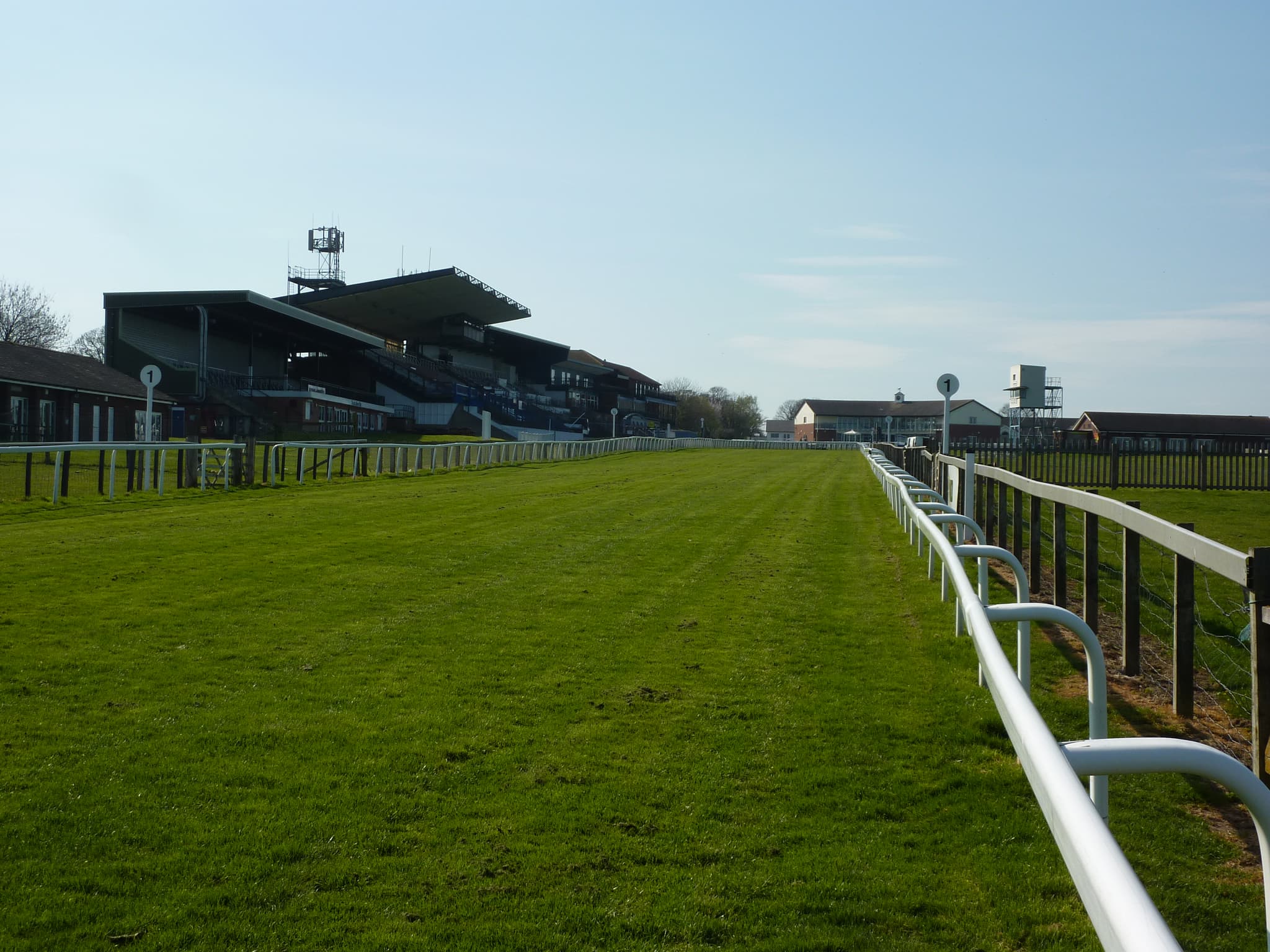
A Day Out at Beverley Racecourse
Everything you need for a day at Beverley — getting there, what to wear, enclosures, food and drink, and insider tips for Yorkshire's historic flat course.
Read more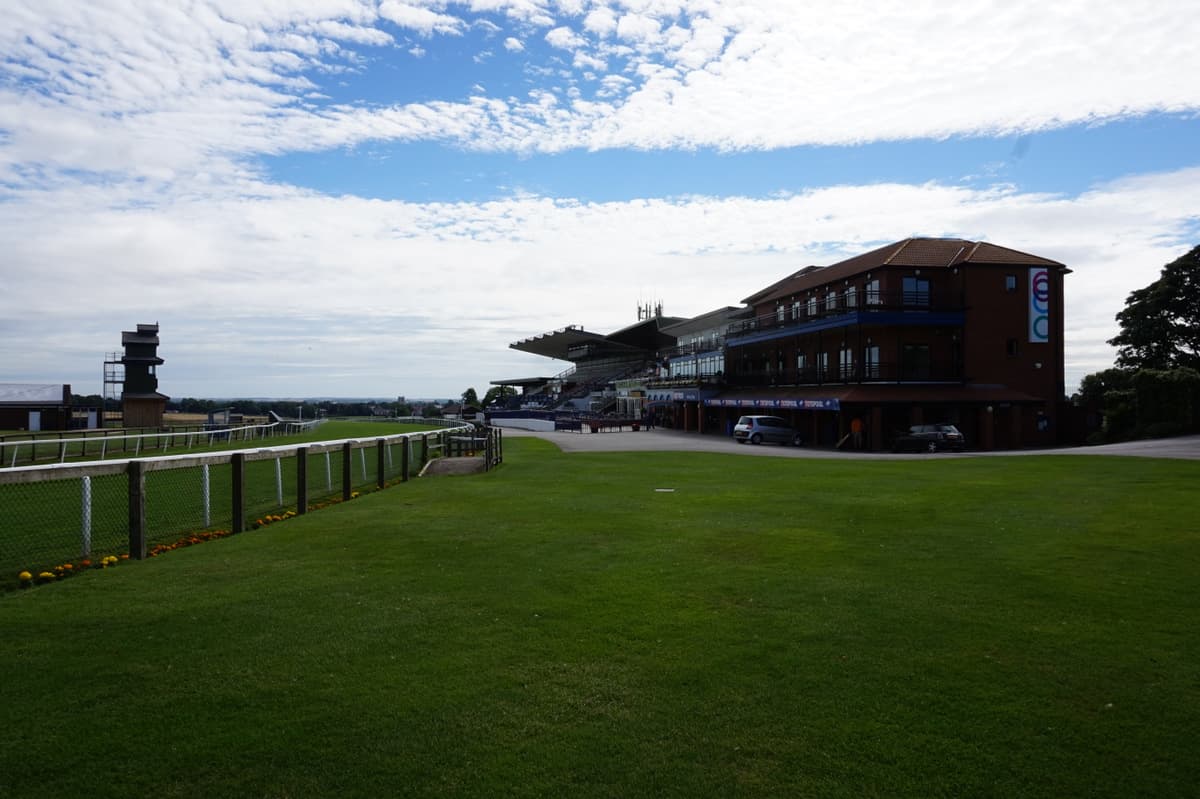
Beverley Summer Racing Festival: Your Complete Guide
Beverley's summer festival is the highlight of the East Yorkshire racing calendar. Here's your guide to the Beverley Bullet and the course's best meetings.
Read more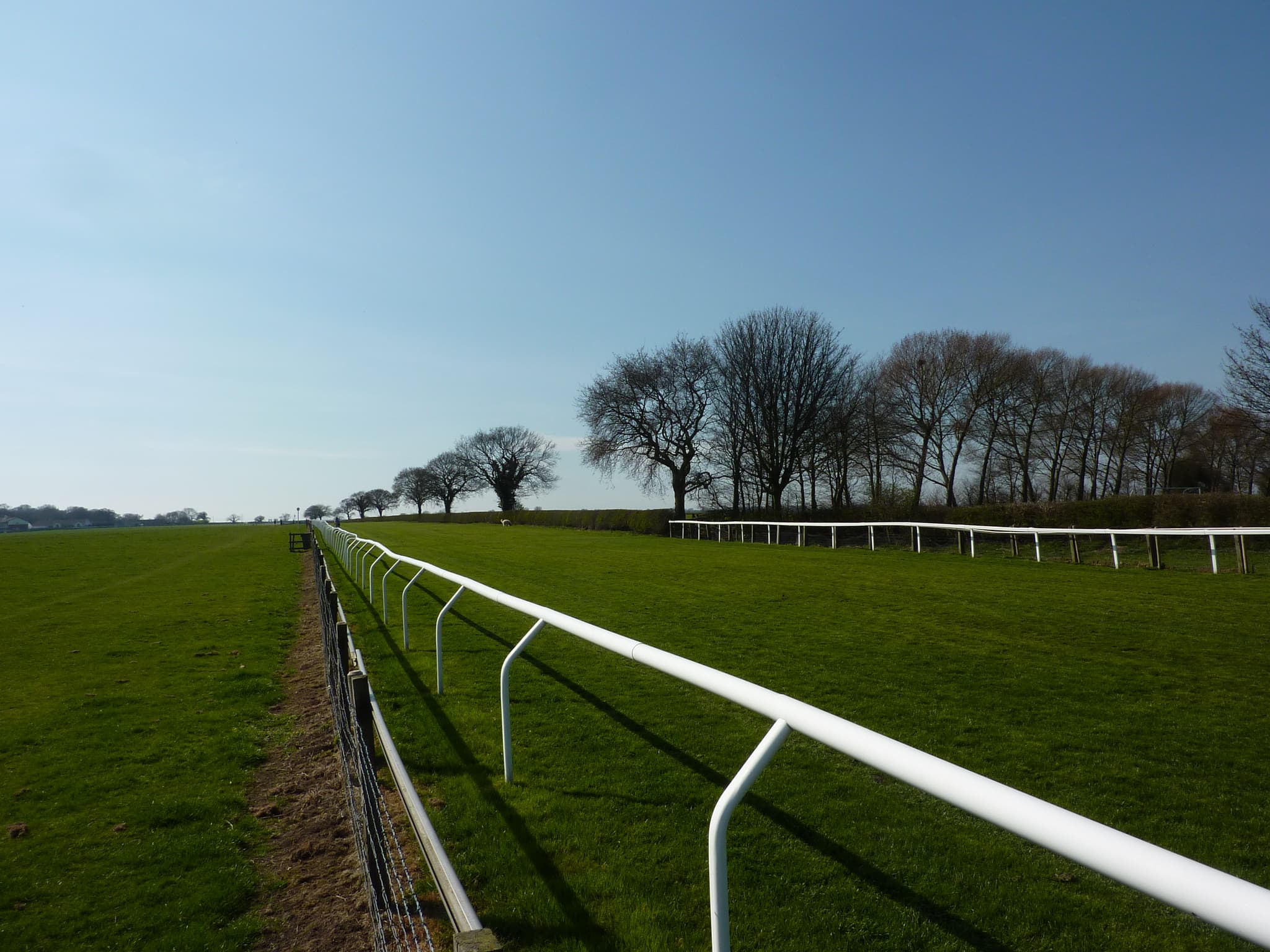
The History of Beverley Racecourse
Over 330 years of racing at Beverley — from Westwood Pasture in 1690 to Yorkshire's historic flat course and the Beverley Bullet.
Read morePhotos on this page are used under Creative Commons licences. Titles, sources and licence links for each one are on our image credits page.
Research the field with the AI Race Predictor
Our model publishes calibrated win-probability estimates for UK races — a second opinion to understand a race, not tips. It's open about its record: it doesn't beat the market, and we show exactly how it does.
Work it out & learn the basics
Gamble Responsibly
Gambling should be entertaining and not seen as a way to make money. Never bet more than you can afford to lose. If you or someone you know has a gambling problem, help and support is available.