
Founder & Editor · Last reviewed 2026-03-02
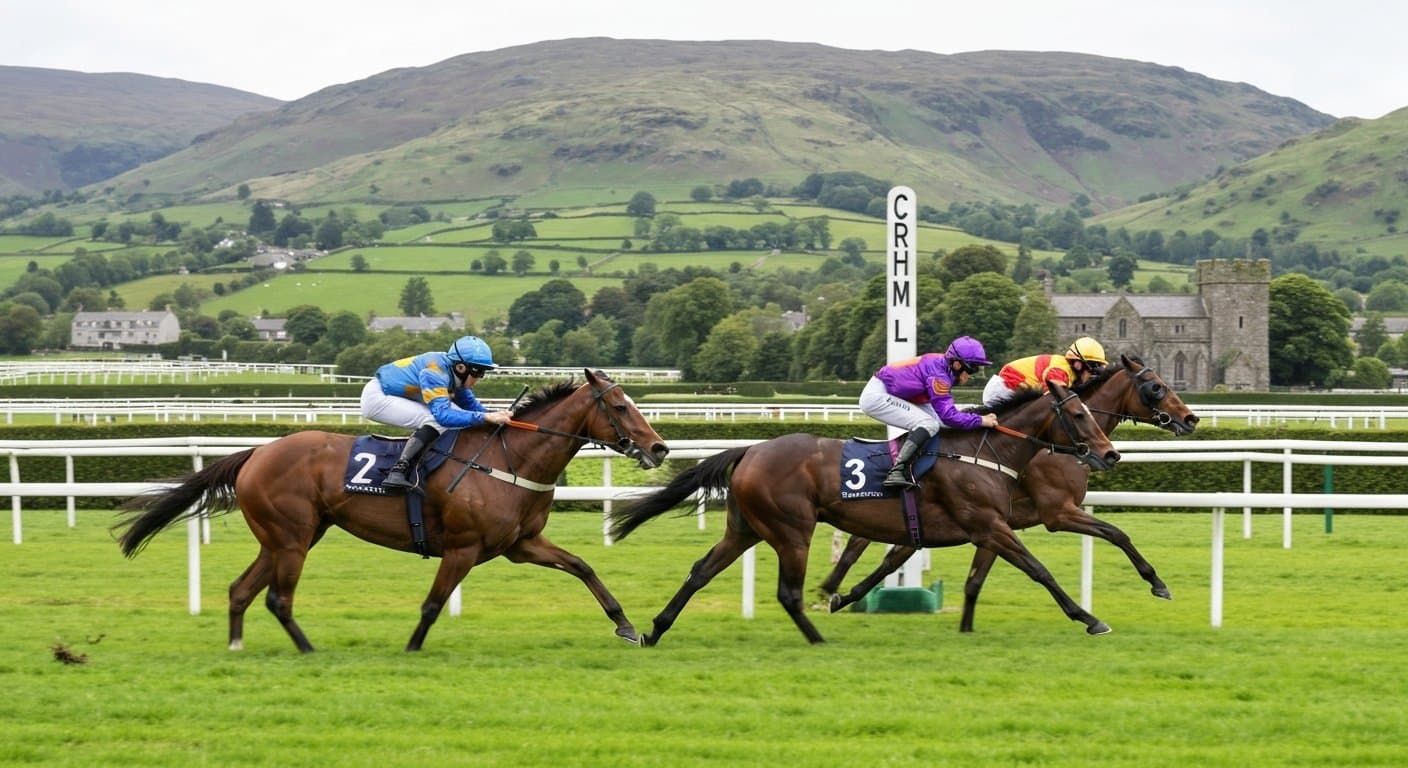
Cartmel is one of the most distinctive racecourses in Britain. Tucked into the southern Lake District in Cumbria, the course stages only around nine racedays per year, concentrated into Bank Holiday meetings in late May and August. Those constraints — limited fixtures, a short summer season, changeable Lake District weather — make it a specialist betting environment where general form analysis often misleads and specific Cartmel knowledge provides a clear edge.
The course's most unusual feature is the four-furlong run-in on the steeplechase course, the longest in Britain. That stretch changes the character of every chase run here. Front-runners that jump the last fence in front are not guaranteed to hold on; horses that are well-positioned approaching the final obstacle but travel strongly through the long run-in can and do get up. The reverse is equally important: horses whose jumping energy gives out before the winning post, even if they lead at the last fence, can be run down in the extended straight.
Key angles before betting at Cartmel:
- The four-furlong run-in defines chase races — horses that stay strongly and do not empty after the last fence have a structural advantage over those that front-run on jumping ability alone
- Stayers outperform speed horses on the chase course — the extended run-in rewards horses that get three miles rather than horses that produce a burst of speed over two miles
- Course form is the most reliable filter — Cartmel's unique combination of tight oval, undulating terrain, and long run-in means previous course winners are consistently overrepresented in the results
- Nicky Richards is the trainer to follow — his yard at Greystoke in Cumbria is approximately 15 miles from the racecourse; he has dominated the course's trainer statistics for over a decade
- Hurdle races behave differently — the hurdle run-in is around two furlongs, much shorter than the chase course; speed and jumping quality are more decisive over hurdles, and the stayer premium is reduced
- Small fields create value — Cartmel's limited fixtures and northern location mean fields are often eight to twelve runners; in smaller fields, specific form angles are proportionally more significant
- Lake District weather is unpredictable — going can shift from Good to Soft within a day; always check the raceday going report rather than forecasting from regional weather
The complete guide to Cartmel covers the course's history and setting. For the signature race, the Cartmel Cup guide provides specific race analysis. The festival guide covers the August Bank Holiday meeting in detail. The day out guide addresses visitor logistics.
This guide focuses on the betting angles — what makes Cartmel different, who exploits it best, and where the consistent value lies across its compressed racing calendar.
Bet on Cartmel
Place your bets on Cartmel races with a trusted bookmaker.

Promo code BETFRED50. New customers only. Register, deposit with a Debit Card, and place a first bet of £10+ at Evens (2.0)+ on Sports, to be settled within 7 days, to get £30 in Sports Free Bets and £20 in Bet Builder Free Bets within 24 hours of settlement. 7-day expiry. Eligibility & payment exclusions apply. Full T&Cs apply. Take Time to Think. BeGambleAware.org. 18+. Full T&Cs.

Promo code R30. New UK customers only, 18+. Register, deposit £10 or more, then place a £10 single cash bet at odds of 1/2 (1.5) or greater on any sports market (excluding Virtuals). Once the qualifying bet settles you get £30 in Free Bets (3 x £10) — the qualifying bet can win or lose. Free Bets are valid on any sports market excluding Virtuals, expire in 7 days, are non-withdrawable and must be used in full. Excluded deposit methods apply (including PayPal, Apple Pay, Skrill and NETELLER). Named bets such as Lucky 15 do not qualify. If you cash out the qualifying bet, or it is voided, you are no longer eligible for the offer. Ends 31.12.26. Full T&Cs apply. Please gamble responsibly. BeGambleAware.org. 18+. Full T&Cs.

Promo code BET40GET20. New UK customers, 18+. Register with the code and place a first bet of £40 or more at Evens (2.0) or greater. Receive 2 × £10 free bets: the first credited automatically once the qualifying bet settles, the second 24 hours later. Free bets must be placed at minimum odds of 4/1 (5.0), expire 24 hours after credit, and the free-bet stake is not returned with winnings. Debit card deposits only. Take Time to Think. BeGambleAware.org. 18+. T&Cs apply. Full T&Cs.

50% of your first-day net losses refunded as a free bet, capped at £25. New UK customers aged 18+ only. To qualify, deposit and place a first bet of £10 or more on any sport at minimum odds of evens (2.00), then place at least two further bets on different events, each worth at least 50% of your largest bet, all at evens (2.00) or greater. Losses are counted from your first settled bet until 23:59 the same day. Place a qualifying £10+ bet and you are guaranteed at least a £5 free bet. Bets placed at SP, void bets, cashed-out bets and bets struck with free bets do not count towards the offer. The free bet is credited the day after your qualifying bets settle and must be used within 7 days, after which it expires. It can be used at odds from 1/4 (1.25) up to 250/1 on singles and straight accumulators, but not on Trixie, Patent or Yankee style multiples. Free-bet stake is not returned with winnings. One offer per person, household, address, IP address and device. E-wallet deposits may not qualify, so check the cashier before depositing. Customers registered with GAMSTOP cannot claim. KYC identity verification must be completed before the free bet is credited. Take Time to Think. BeGambleAware.org. 18+. T&Cs apply. Full T&Cs.

New customers, 18+. Choose the sports bonus at sign-up, make a first deposit and receive a 100% bonus up to £50 in your Sports Bonus balance. To convert the bonus to cash, wager it 10x within 30 days. Single bets below Evens (2.00) do not qualify; accumulators do not qualify if any selection is below 1/2 (1.50). Virtual Sports, voided, cancelled, drawn, cashed-out and free-bet wagers do not count towards wagering. Only the first settled bet per event counts. Withdrawing before the wagering requirement is met forfeits the bonus balance including bonus winnings. Real-money funds are used before bonus funds. Deposits via Skrill or Neteller are not eligible. Not valid in conjunction with other promotions. Odds, bet and payment limits apply. 10bet general and promotion T&Cs apply. BeGambleAware.org. 18+. Full T&Cs.

New customers in Great Britain and Republic of Ireland, 18+. Place a £10 fixed-odds qualifying bet at minimum odds of 1/2 (1.50) — single or each-way (only the win part counts), pre-event or in-play, not cashed out early, within 28 days of opening the account. Receive up to £60 in bonuses credited over three days: 3 × £10 fixed-odds free bets (the first on settlement, then 24 and 48 hours later) plus 3 × £5 Total Goals FOOTBALL spread bets and 3 × £5 racing Winning Favourites spread bets, with a £1 racing Race Index spread bet as an extra on top. The spread bets need a full spread-betting account, opened within 28 days of the fixed-odds account and subject to Spreadex's eligibility and appropriateness checks. Free-bet stakes not returned with winnings; free bets valid 28 days from issue. IMPORTANT: the £5 credits are SPREAD bets — sports spread betting carries the risk that losses can exceed your stake. Sports spread-betting customers do not have Financial Ombudsman or FSCS recourse. Take Time to Think. BeGambleAware.org. 18+. T&Cs apply. Full T&Cs.

Promo code WELCOME15, entered under My Bonuses after registering. New UK customers, 18+. Place a first qualifying bet of at least £10 from your cash balance at odds of evens (2.0) or greater within 7 days of opening the account. Once the qualifying bet fully settles you receive £15 in free bets, credited as 3 x £5 tokens with set uses: one £5 accumulator free bet (minimum 4 legs, each leg at 2/5 or bigger), one £5 sports free bet (any market at evens or bigger) and one £5 Sub Cover free bet (selected football player markets at evens or bigger). Free-bet stakes are not returned with winnings. Free bets expire 7 days after they are credited. Void, cashed-out and partially cashed-out bets do not qualify. One offer per customer. Confirm the current terms on BetGoodwin's own welcome-offer page before claiming. Take Time to Think. BeGambleAware.org. 18+. T&Cs apply. Full T&Cs.

New UK customers, 18+. Minimum deposit £10. Place a £10 qualifying single on sports (excluding virtuals) at minimum odds of 1/2 (1.50), settled within 14 days. Deposit-method exclusions apply. Receive £30 in free bets (stake not returned), split £20 for sportsbook use (2 x £10) and £10 for Bet Builder only (2 x £5); Bet Builder does not cover horse racing. Free bets must be accepted within 7 days and expire 7 days after acceptance. No promo code required. Best Odds Guaranteed on UK & Irish racing, subject to having staked over £25 in the previous seven days. Operated by LiveScore Betting and Gaming (Gibraltar) Ltd, UKGC 56859. Confirm the current terms on LiveScore Bet's own promotions page before claiming. Take Time to Think. BeGambleAware.org. 18+. T&Cs apply. Full T&Cs.
18+. BeGambleAware.org
Track Characteristics
The Cartmel circuit is left-handed, roughly oval, and measures approximately one mile around. The course sits in a natural amphitheatre in a village in the southern Lake District. The terrain is undulating — not steeply so, but with enough variation in gradient to affect how horses use their energy across the full distance. What distinguishes Cartmel from every other NH course in Britain is not its shape or its elevation but a single structural feature that changes the character of every steeplechase run here.
The Four-Furlong Run-In
The run from the last fence to the winning post on Cartmel's steeplechase course measures four furlongs — the longest in Britain. The next longest run-ins in the country, at courses like Hereford and Ludlow, measure around two furlongs. That doubling of the run-in is not a minor variation; it restructures the entire race.
At most NH courses, a horse that jumps the last fence cleanly and in front has the race largely under control. Four furlongs of flat ground is a substantial distance, and horses that have husbanded their stamina through to the last obstacle and are still travelling strongly have a real advantage over horses that are beginning to empty. The horse that jumps the last two lengths down but is going twice as well as the leader will get there — but it needs stamina to sustain its effort over four furlongs rather than the two furlongs that would be available at most other courses.
The consequence: races at Cartmel over the steeplechase course reward stayers more strongly than any other flat-to-moderately-undulating NH course. Horses that win two-mile chases at Cartmel are typically horses that truly stay two miles with ease; they are not pace-reliant horses whose jumping ability allows them to get away from the field before the trip catches them out.
Chase Course vs Hurdle Course
The hurdle course at Cartmel uses a different run-in. The final obstacle on the hurdle track is situated so that the run from it to the line measures only approximately two furlongs — much more in line with typical NH venues. Over hurdles, the dynamics of race-finishing change significantly. The hurdle course at Cartmel is not defined by the long run-in that characterises the chases; instead, it is a test of jumping quality, tactical positioning, and turn of foot over the final two furlongs.
The practical implication for betting: horses that are suited to a long run-in — real stayers — have a smaller structural advantage in hurdle races than in chases. Speedier, more compact hurdlers that win at tight circuits like Sedgefield or Catterick can win hurdles at Cartmel without the stayer credentials required for the chases.
The Oval Layout and Bends
Cartmel's oval is truly small. The tight left-handed bends mean horses need to be nimble and well-balanced through the turns. Wide-running horses — those that naturally drift out on bends — lose ground at every corner on a circuit this compact. In fields of ten or more, horses unable to find a position near the inner rail on the bends race effectively further than the official distance.
This creates an additional advantage for experienced Cartmel horses. Serial winners like Deep Mystery, Soul Magic, and Tonto's Spirit — horses that won at the course multiple times — developed an intimate knowledge of the circuit through repeated visits. They knew where to be and when to ask for their effort. First-time Cartmel runners, however well-performed elsewhere, are navigating the bends blind.
Comparison to Similar Tracks
The most comparable course to Cartmel in terms of the long chase run-in is hard to find — the four-furlong straight is truly unique. In terms of circuit size and left-handed undulating character, Hexham and Sedgefield are the closest comparisons for form transfer purposes. Form from those tracks — particularly chase form from Sedgefield — carries more relevance to Cartmel than form from bigger, galloping courses.
Going & Draw Bias
Cartmel's Lake District location makes the going one of the most variable and least predictable of any NH course in England. The southern Lake District receives significantly more rainfall than most of England, and the course's natural bowl setting means standing water can accumulate quickly after sustained precipitation. At the same time, Bank Holiday August meetings can fall in dry spells that produce Good to Firm conditions — a long way from the heavy going that the same course can produce in adverse weather.
The Range of Going Conditions
Cartmel stages racing across a narrower range of the year than most NH courses — broadly May (the Whitsun meeting) and August Bank Holiday weeks. In late May, the going most commonly falls between Good to Soft and Soft, depending on spring rainfall. Firm or Good to Firm ground in May is unusual but not unknown. Heavy ground at the May meeting requires an unusually wet spring and is relatively rare.
The August Bank Holiday meeting produces the widest range of going conditions of any meeting at the course. It can fall on Good to Firm ground after a summer drought or on Soft ground after a rainy August. In some years the going has shifted substantially across the three days of the festival, with the first day running on Good and the final day on Good to Soft or Soft after overnight rain.
Going and Race Type
On Good to Firm or Good ground, Cartmel's chases are at their most competitive for speed-oriented types. The long run-in still favours stayers, but the pace of racing on fast ground means that tactical, front-running horses can exploit conditions more effectively than on soft. On fast ground, race outcomes are decided by jumping quality and energy management; the run-in narrows the advantage of speed-reliant types but does not eliminate it.
On Soft or Heavy ground, the stayer premium intensifies. The combination of a soft surface and a four-furlong run-in creates a truly severe stamina test. Horses at the upper limit of their stamina on Good ground will almost certainly be found out on Soft. Horses that have previously won on Soft at Cartmel — or at similarly demanding courses under similar conditions — carry the most valuable form evidence for Soft or Heavy meetings here.
Draw
Draw bias in the traditional sense does not apply to National Hunt racing. In Cartmel's hurdle races, starting position does not create a significant systematic advantage. In chases, horses that can establish a prominent early position on the compact oval use the course more efficiently than hold-up horses. The tight bends mean it is difficult to make up ground from the rear; horses racing in the first three positions at the final bend consistently have a higher win rate than those making ground from the back. This is a tactical positioning effect rather than a stall draw effect, but it has a practical implication: favour horses whose typical racing position is prominent over horses that rely on a late run.
Weather Monitoring
The Lake District's weather is noticeably less predictable than most of England. The official Cartmel track update on raceday morning is the most reliable source for going conditions. Weather forecasts accurate for Barrow-in-Furness or Kendal may not capture conditions in the Cartmel bowl specifically. Do not rely on regional weather summaries; use the official track report.
Going and Course Form
The interaction between going and course form at Cartmel is important to understand precisely. Previous course form on Good to Firm does not automatically transfer when the meeting falls on Soft. The demands on the horse change substantially between those surfaces, and a horse that has shown its best form at Cartmel on fast ground may have a very different experience when the ground is soft. Course form is most valuable when the going conditions closely match the conditions of previous visits.
Key Trainers & Jockeys
The trainer landscape at Cartmel is shaped by geography in a way that is more pronounced than at almost any other NH course in England. The course's remote Lake District location means that northern and Cumbrian yards dominate the field by volume, and two trainers in particular have built records here that stand apart from the competition.
Nicky Richards
Nicky Richards trains at Greystoke in Cumbria, approximately 15 miles north of Cartmel. That proximity makes the course as close to a home track as any in Britain — his horses can be worked at home on a morning and be at the course with minimal travel stress. Richards has been the dominant trainer at Cartmel for over a decade. His strike rate at the course has consistently exceeded 20%, and his runners span novice hurdlers through to seasoned handicap chasers.
The characteristic that makes Richards so effective at Cartmel is his familiarity with what the course demands. He sends horses to Cartmel that suit the specific demands of the circuit: robust jumpers that stay their distance, handle soft ground when required, and have the physical capacity to sustain effort over a four-furlong run-in without emptying. When Richards runs a horse at Cartmel — particularly in Class 3 and Class 4 chases — the combination of local knowledge, fitness, and track suitability makes his runners among the most reliable selection triggers at the course.
Richards runners at Cartmel at prices between 5/2 and 6/1 have a strong long-term record when the horse has previous course form or demonstrated staying ability at a similar distance. His horses at shorter prices still win regularly, but the value diminishes as prices compress.
Donald McCain
Donald McCain trains at Cholmondeley in Cheshire, approximately 50 miles from Cartmel. Though further away than Richards, McCain uses the course regularly throughout the season and has a consistent record. His horses tend to be well-schooled northern NH types that handle the circuit's demands. He targets Cartmel's competitive handicaps — particularly the hurdle races — with horses that are fit and have the stamina to handle the long run-in in chases.
McCain's runners at Cartmel in hurdle races over two miles are worth noting, particularly when the horse has previously run well over that trip at comparable northern venues like Sedgefield or Catterick.
Serial Winners and Course Specialists
Cartmel has produced more serial course winners than almost any comparable NH venue. Horses like Deep Mystery, Soul Magic, and Tonto's Spirit — horses that each won at the course five or more times — became legends at the track because the specific combination of tight oval, long run-in, and often soft ground suited them perfectly. These horses did not win as frequently at other venues; Cartmel's unique demands matched their physical profiles.
This pattern continues with current horses. Any horse with two or more wins at Cartmel warrants automatic inclusion as a serious contender at future Cartmel meetings, regardless of its performance elsewhere. The course has a history of creating specialists, and the market does not always price in a third or fourth visit from a proven winner with appropriate respect.
Jockey Knowledge
The compact oval and the long chase run-in create specific tactical demands. Jockeys who ride at Cartmel regularly — those who know when to commit to the lead on the final turn and how to pace their horse through the extended run-in — have a measurable advantage over occasional visitors. When Nicky Richards puts up a jockey who has won at Cartmel before, the combination is stronger than if he puts up a southern-based jockey having their first ride at the course.
Brian Hughes, who partners many of Donald McCain's runners, has ridden multiple winners at Cartmel and understands the tactical requirements. His positional awareness on the compact circuit makes him one of the most effective jockeys at the course across his broader northern NH rides.
Betting Strategies
Cartmel's unique combination of limited fixtures, a four-furlong chase run-in, and a compact undulating oval creates a set of repeatable betting patterns that hold across seasons. The strategies below are grounded in the structural features that make Cartmel different from every other NH course in Britain.
Strategy One: Back Proven Stayers in Chases
The most fundamental strategy at Cartmel is to prioritise proven staying ability in steeplechases. The four-furlong run-in separates real stayers from horses that compete effectively over two miles at most NH courses but whose stamina ceiling is reached exactly when the long run-in begins. A horse that has previously won over two miles four furlongs or more — particularly at a similar undulating course — enters any Cartmel chase with a structural advantage over horses whose form is built on two-mile performances at flat circuits.
This strategy does not require the horse to have Cartmel form, though that strengthens the case. A proven stayer with good form at Hexham, Sedgefield, or Kelso in similar ground conditions enters a Cartmel chase as a realistic contender even on a first visit to the course.
Strategy Two: Course Form as a Selection Filter
The second strategy is to use previous course form as a binary filter before applying other selection criteria. At Cartmel specifically, the compact circuit and the long run-in create a test that horses either handle or do not; there is less of a middle ground than at most courses. Horses that have won or finished within two lengths at Cartmel on a previous visit have evidence that is more directly predictive of their likely performance than form from other venues.
Apply the filter most aggressively in fields where several runners have Cartmel form: in those races, the horse or horses without Cartmel form face a collective disadvantage that the market does not always fully price. A horse with two Cartmel wins in the last twelve months, priced at 4/1 against rivals whose form is entirely from other venues, may represent value even if its official rating is marginally lower than rivals.
Strategy Three: Nicky Richards Runners at Value Prices
Richards' Cartmel strike rate makes his runners the default starting point for any Cartmel analysis. Within his roster, the angle that generates the most consistent value is his horses at 4/1 or above in Class 3 chases where the horse has previous course form. At shorter prices his runners still win frequently, but the margin of value disappears below 5/2.
Avoid applying this strategy to Richards' runners at Cartmel in Class 5 or Class 6 novice hurdles where the opposition is open and the horse lacks experience. The strategy works best for established handicap chasers and Class 3 or 4 hurdle handicaps where his record is most consistent.
Strategy Four: August Festival Each-Way Value
The August Bank Holiday festival is the premium betting occasion at Cartmel. The three days of racing attract the strongest fields of the season, and the competitive quality means prices are generally longer than at the May meeting. In competitive handicap chases at the festival with fields of ten or more runners, each-way betting at standard terms produces a structurally sound staking framework because the course's propensity for stayers winning from positions that are not always obvious in-running creates value in the placed positions.
In handicap chases at the August festival, at 6/1 or above, horses that combine Cartmel course form, proven staying ability, and a start from either Richards' or McCain's yard represent the optimal each-way profile.
What the Four-Furlong Run-In Means for In-Play Betting
For those who use in-play markets: a horse that is one or two lengths in front at the last fence at Cartmel is not as secure as at any other NH course. The four furlongs of racing remaining represent an unusually long in-play opportunity for horses held up off the pace to get there. The in-play price of a front-running horse at the last fence at Cartmel is consistently overestimated relative to its winning probability, because bettors anchor on the visual image of being in front at the last obstacle rather than accounting for the distance that remains.
To compare place terms and each-way promotions across the major bookmakers, see our best bookmakers for horse racing guide.
Key Races to Bet On
Cartmel's nine-raceday calendar is structured around two main festivals — the Whitsun Bank Holiday in late May and the August Bank Holiday meeting. These produce the majority of the course's competitive betting opportunities. The races below are the ones that generate the most betting interest and offer the most consistent angles.
The Cartmel Cup
The Cartmel Cup is the course's flagship race — a competitive hurdle run during the August Bank Holiday festival. It draws the strongest hurdle field of the Cartmel season and attracts horses from across the north of England with real form credentials. The race is run over two miles on the hurdle course, which has a shorter run-in than the steeplechase circuit.
From a betting perspective, the Cartmel Cup rewards horses with course form and proven ability at the trip on the prevailing going. It is the race that most consistently produces surprises in the form of winners at 8/1 or above — partly because the competitive field dilutes market confidence in any single horse, and partly because course specialists often outperform their official ratings here. Each-way betting at 6/1 or above in this race has a solid historical record.
The full Cartmel Cup guide covers the race history, notable winners, and specific race-by-race analysis.
August Bank Holiday Chase Programme
The August Bank Holiday festival includes the most competitive steeplechase programme of the Cartmel season. The Class 3 and Class 4 handicap chases across the three days of the meeting attract horses from across the north and occasionally from further afield. These races are run on the full steeplechase course with the four-furlong run-in, and they produce the clearest illustration of the stayer advantage described throughout this guide.
The highlight of the August chase programme is the feature handicap chase — typically over two miles four furlongs or three miles — which draws the best staying chasers that target the course. Previous winners of this race have consistently had strong staying form; horses dropping back in distance from three miles to two and a half for this race frequently outperform market expectations.
The Whitsun Meeting
The Whitsun Bank Holiday meeting in late May is the traditional season opener. The going is most commonly Good to Soft to Soft, and the fields reflect the time of year — horses building fitness after winter campaigns, and spring novices gaining experience. From a betting perspective, May Cartmel fields reward course form from previous seasons more strongly than any other angle, because many horses are at an uncertain point in their fitness curve.
Horses returning to Cartmel after winning there in August the previous year — particularly those that have done well at winter tracks in the interim — are consistently good bets at the Whitsun meeting, especially if the going is similar to their previous Cartmel win.
Novice Chases and Hurdles
Cartmel stages novice races across both festivals. These are less predictable than handicaps and require individual assessment. However, the pattern of Nicky Richards introducing novices at Cartmel — particularly novice hurdlers having their third or fourth run — is a consistent theme. His novice runners at the course, when priced between 5/2 and 5/1, have a strong record.
Share this article
More about this racecourse
All Cartmel guides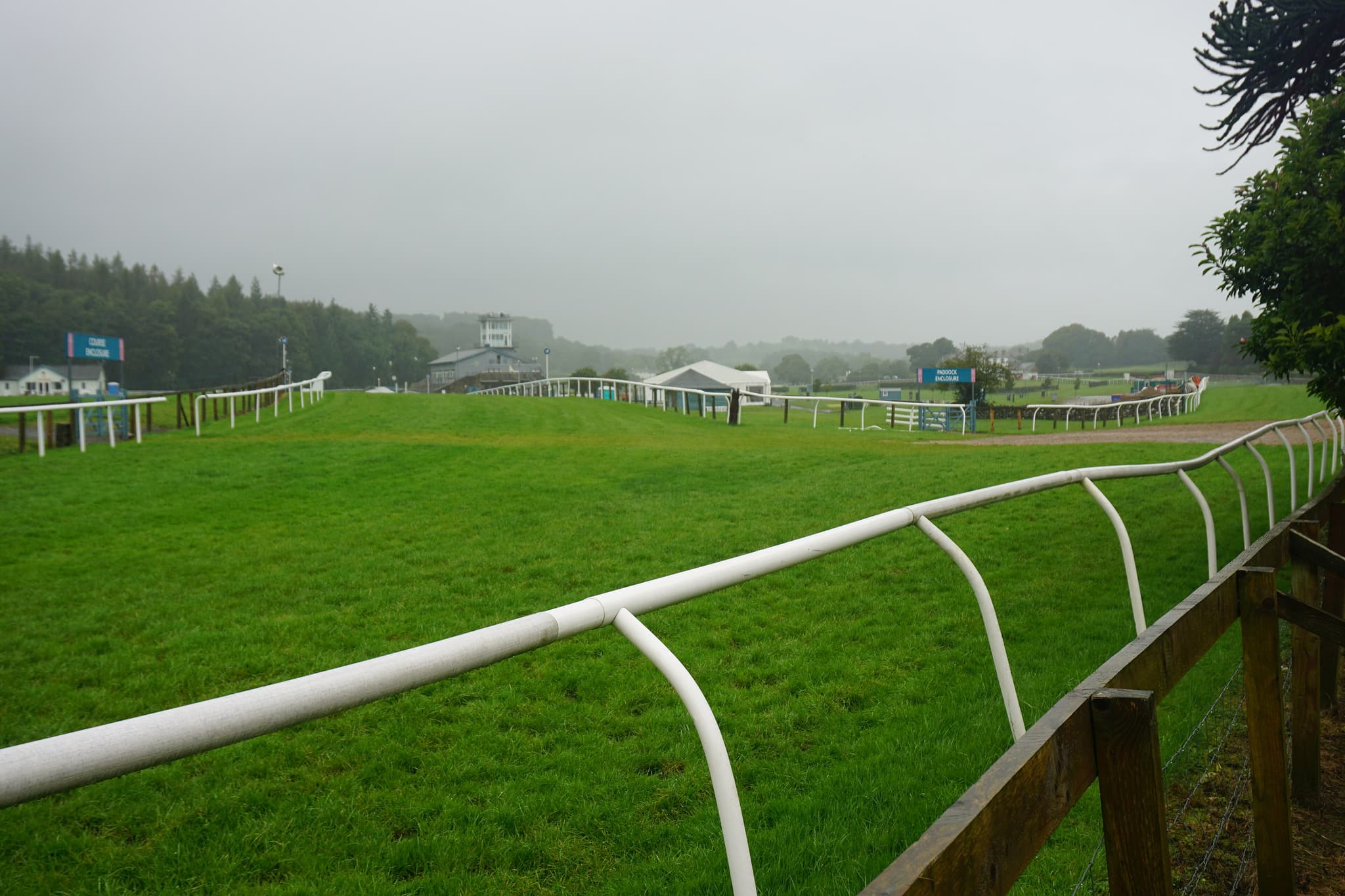
Cartmel Racecourse: Complete Guide
Everything you need to know about Cartmel Racecourse — the Lake District's unique jumps venue, the Cartmel Cup, and racing in the village.
Read more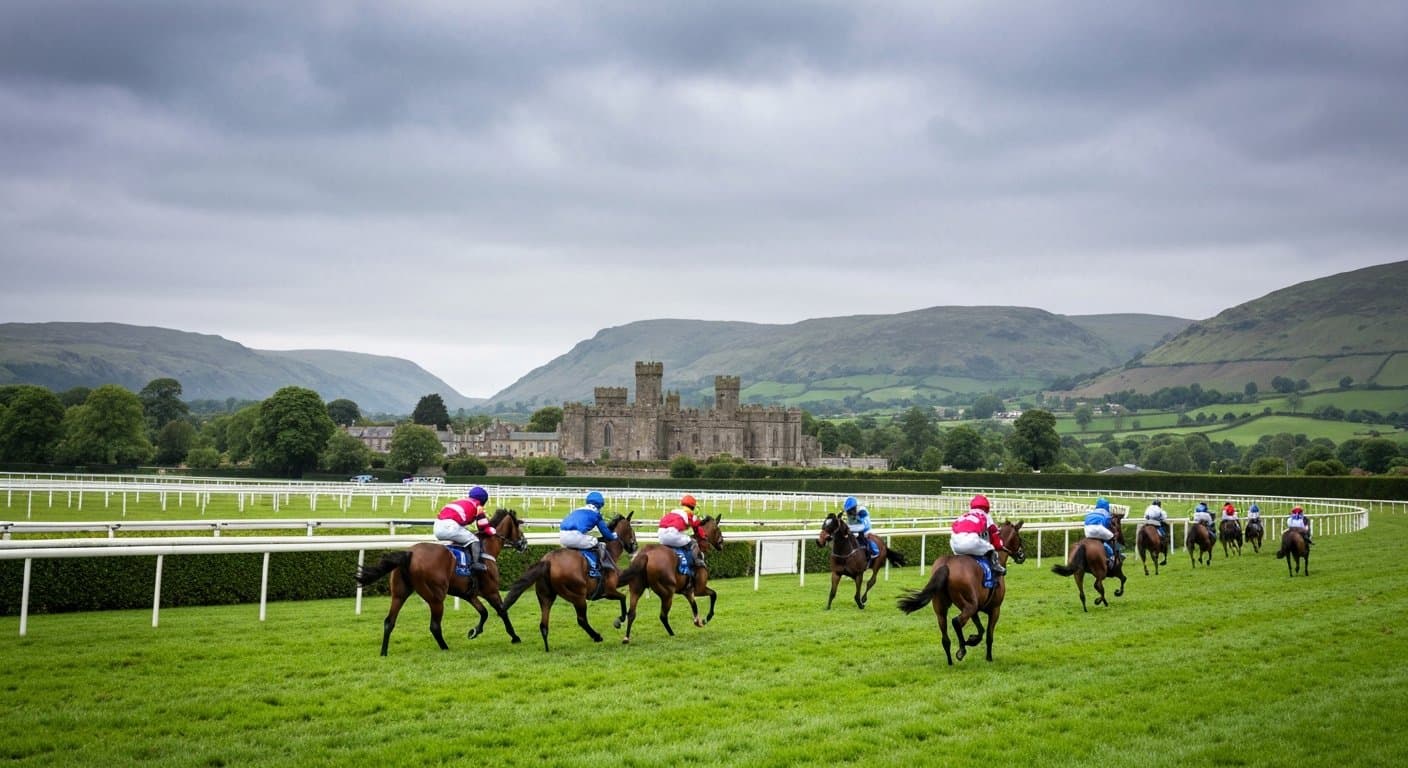
Cartmel Cup: Complete Guide
Your complete guide to the Cartmel Cup — the signature race at Cartmel Racecourse, run during the August Bank Holiday weekend.
Read more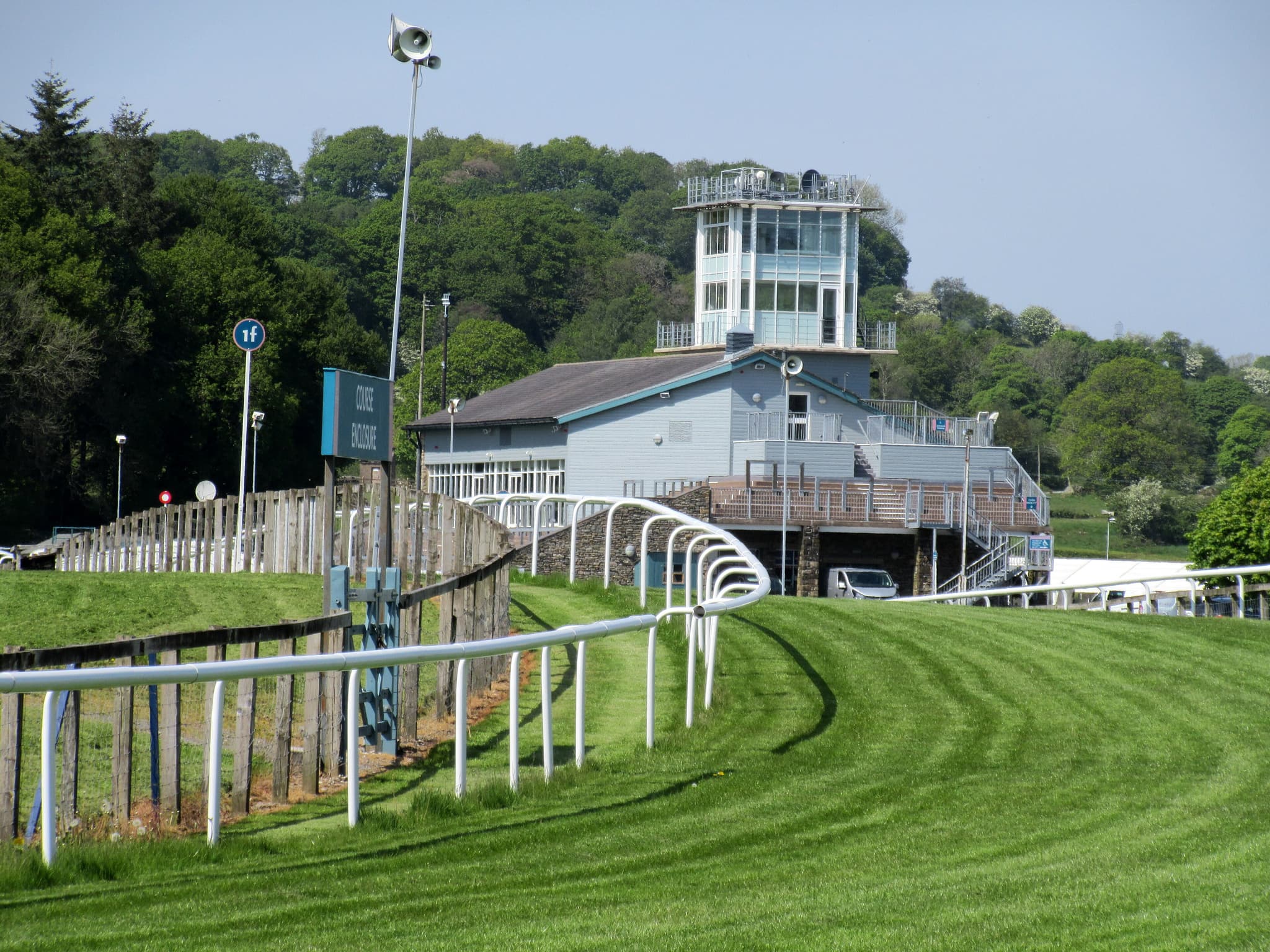
A Day Out at Cartmel Racecourse
Everything you need for a day at Cartmel — getting there, what to wear, enclosures, food and drink, and insider tips for the Lake District's unique jumps venue.
Read morePhotos on this page are used under Creative Commons licences. Titles, sources and licence links for each one are on our image credits page.
Research the field with the AI Race Predictor
Our model publishes calibrated win-probability estimates for UK races — a second opinion to understand a race, not tips. It's open about its record: it doesn't beat the market, and we show exactly how it does.
Work it out & learn the basics
Gamble Responsibly
Gambling should be entertaining and not seen as a way to make money. Never bet more than you can afford to lose. If you or someone you know has a gambling problem, help and support is available.