
Founder & Editor · Last reviewed 2026-03-02
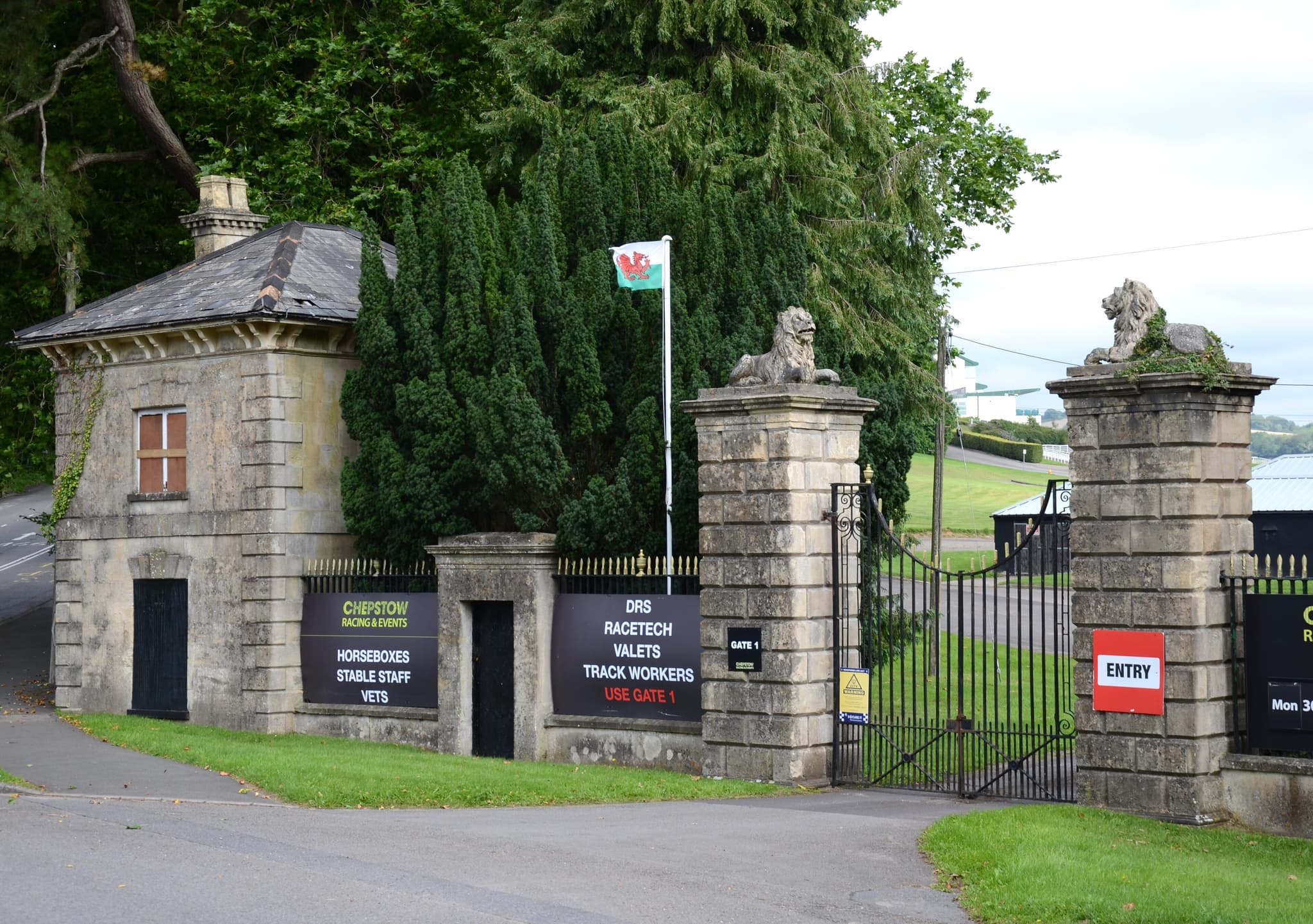
Picture more than 8,000 people standing on a ridge above the Wye Valley in the middle of December, watching a field of eighteen horses tackle a handicap chase over three miles and five furlongs in heavy going. That is the Welsh Grand National at Chepstow. It is one of the most atmospheric race days in Britain and the best reason to visit this course — though it is far from the only one. Chepstow has been staging racing since 1926, carved into high ground above the River Wye in Monmouthshire, and it offers something that no other venue in Wales quite matches: a dual-purpose track with real character, a spectacular natural setting, and a December race that rivals anything in the National Hunt calendar for drama.
The course straddles a ridge with views across the Wye Valley to the east and the Forest of Dean beyond. On clear days, the landscape visible from the grandstand area is one of the most striking backdrops in British racing. The Wye Valley is classified as an Area of Outstanding Natural Beauty — the same status as parts of the Cotswolds and the South Downs — and the racing here is staged within it rather than in spite of it. Tintern Abbey, one of the great ruined abbeys in Britain, is seven miles north along the A466. Chepstow Castle, a Norman fortification begun in 1067 that is the oldest surviving post-Roman stone castle in Britain, sits a mile from the railway station. The cultural and natural offer around this course is unusually rich.
Proximity to England matters. The M48 Severn Bridge crossing is eight miles from the course, which makes Chepstow one of the most accessible Welsh venues for visitors from Bristol, Bath, and London. Bristol Temple Meads is approximately 20 miles via the M48/A48, a drive of around 25 minutes in clear traffic. By train, GWR services from London Paddington reach Chepstow in approximately one hour fifty minutes. From Cardiff Central, the direct service takes 45 minutes. This is not a remote Welsh racecourse requiring a full day's commitment to reach — it is a practical destination for anyone in the Severn corridor.
The clay soil at Chepstow is the defining characteristic of the track. It holds moisture. South Wales rainfall is generous, and the result is that the going here is frequently soft or heavy from September through March, and sometimes even in summer when the weather turns. Soft and heavy going favours particular types of horses — stayers, horses with jumping technique that compensates for energy lost in deep ground — and understanding that shapes the betting. The Welsh Grand National is specifically a heavy-ground test; horses that win it tend to be the most robust, enduring type of National Hunt chaser. Native River, trained by Colin Tizzard and owned by Garth and Anne Broom, won at Chepstow before going on to win the 2018 Cheltenham Gold Cup.
Chepstow runs flat racing from May through October and National Hunt from September through May, with the NH programme taking precedence from autumn onward. The October Festival, a two-day meeting in mid-October, is the second biggest event of the year and brings the best autumn NH form together on a course still fresh from the summer. The atmosphere at the October Festival is sharper and more concentrated than the December National, but the Welsh Grand National remains the emotional centrepiece of the year.
For a first visit, December is the best time to come. The course is fuller than at any other point, the racing is among the most significant NH action staged in Wales all year, and the combination of winter weather, heavy going, and a marathon chase produces a day that leaves an impression. The drive through the Wye Valley to reach the course, or the train journey with the river visible below the tracks, sets the context before you even arrive at the gates.
The October Festival is the second recommendation. Two days of quality NH racing in October, with the going typically soft but manageable and the weather cool rather than bitter. The crowd is engaged, the horses are fresh early in the season, and the course is in good condition before the winter punishes it. For flat-racing fans, the summer meetings from May to August offer a different Chepstow — the long galloping stretches suit a different type of horse entirely from the winter NH programme.
For visitors from Bristol, Bath, Gloucester, or London travelling via the M4 and M48, the journey is easy. For those on the south coast or the Midlands, the M4 corridor provides a clean route. The postcode for the course is NP16 6BE. On-site parking is available and included with admission on most days.
Quick decision guide:
- Best visit: Welsh Grand National day in December — atmosphere, drama, and one of the biggest NH fields of the season
- Second best: October Festival — two-day autumn NH meeting, good ground, quality fields
- Worth combining with: Tintern Abbey (7 miles north, Wye Valley) or Chepstow Castle (1 mile from station)
- Accessible from: Bristol (20 miles), Cardiff (25 miles), London Paddington (1h50 by train)
- Dress for the going: Wellies and waterproofs are essential from October to March
- Family friendly: Yes for summer meetings; Welsh Grand National better for older children due to large crowds
Getting to Chepstow
Getting to Chepstow Racecourse
Chepstow Racecourse is at postcode NP16 6BE, on the ridge above Chepstow town in Monmouthshire, close to the English border. The course is about a mile and a half from Chepstow railway station and accessible from the M48 Severn Bridge crossing, making it one of the better-connected racecourses in Wales for visitors from England.
By Train
GWR operates services from London Paddington to Chepstow. The journey time is approximately one hour fifty minutes with a change at Bristol Parkway, or slightly longer direct depending on the service. Check GWR timetables before travelling — the London to Chepstow route is not the most frequent in the network and advance planning is worthwhile, particularly for the Welsh Grand National day in December when services fill.
From Cardiff Central, direct trains run to Chepstow in approximately 45 minutes. From Bristol Temple Meads, you change at Newport or Bristol Parkway — allow about one hour in total. From Newport, the direct service to Chepstow takes around 20 minutes.
From the station, the racecourse is 1.5 miles. A taxi from the station forecourt takes approximately five minutes and costs around £5 to £8. On Welsh Grand National day, pre-booking your return taxi is strongly advised — the course empties quickly after the last race and taxis are snapped up fast. Alternatively, the walk from the station through Chepstow town and past the castle is approximately 20 minutes and is pleasant in good weather, passing the main shopping street and the Norman castle above the Wye. On a clear December afternoon before racing, the walk past Chepstow Castle is a worthwhile introduction to the day.
By Car
Most visitors arrive by car. From England, the primary route is the M4 westbound to the M48, cross the Severn Bridge (toll applies westbound only — current charge is £7 for cars), then the A48 into Chepstow. The racecourse is signposted from the A466 and the town centre. This approach from Bristol takes approximately 20 to 25 minutes in clear traffic, covering around 20 miles from Bristol Temple Meads.
From Cardiff, the route is A48 then A466, or M4 east then M48 — approximately 25 miles and 35 minutes. From Newport, follow the A48 toward Chepstow — 15 miles, around 25 minutes.
From London, the M4 is the obvious choice. Exit at the M48 junction, cross the Severn Bridge, and continue as above. The total journey from central London is approximately two hours in reasonable traffic, covering around 130 miles.
On-site parking is available at the racecourse and is generally included in ticket pricing. For the Welsh Grand National in December, the car parks begin filling from late morning — the first race is usually around 12.30pm and the National itself runs in the early afternoon. Arriving by 11am gives you comfortable time to park, get in, and find a position before the course fills. The stewards manage the car park flows efficiently on big days, but arriving early removes any uncertainty.
Combining with Chepstow Town
The town itself is worth at least 30 minutes. Chepstow Castle, begun in 1067 by William fitz Osbern — one of William the Conqueror's most trusted commanders — stands above a bend in the Wye a mile from the station. It is maintained by Cadw (the Welsh equivalent of English Heritage) and entry costs approximately £8 for adults. Free for Cadw members. The castle keep is one of the oldest standing stone Norman structures in Britain. Allow 30 to 45 minutes for a visit including the walls.
The town has several good options for a pre-race meal or drink. The Chepstow Castle Inn on Bridge Street, right below the castle walls, is popular with racegoers and serves Wye Valley Brewery ales. The Wye Valley Brewery, based in Stoke Lacy in Herefordshire, produces Butty Bach and HPA — both worth seeking out if you see them on tap in the area.
Tintern and the Wye Valley
Tintern Abbey is seven miles north of Chepstow along the A466. The 12th-century Cistercian abbey, dissolved by Henry VIII in 1536, stands in the floor of the Wye Valley in a state of picturesque ruin that has been attracting visitors since the 18th century. William Wordsworth wrote about Tintern in 1798. J.M.W. Turner painted it at least three times. Entry is managed by Cadw and costs approximately £7 for adults. Allow one hour for a proper visit.
For visitors combining a Chepstow race day with Wye Valley tourism, the most natural order is: arrive the evening before (or early on raceday morning), visit Tintern Abbey for an hour, return to Chepstow for the castle and a pre-race lunch, then head to the racecourse for the afternoon card. This is a full day in a truly beautiful part of Britain.
Accommodation
For Welsh Grand National weekend, book accommodation well in advance. Chepstow town has B&Bs and small hotels. The Parva Farmhouse Hotel at Tintern is a popular option for the December race weekend — riverside setting, well-regarded restaurant, approximately 7 miles from the course. Bristol and Newport offer more hotel choice if you prefer a city base. For the October Festival, the timing is less pressured and last-minute availability in town is usually possible.
What to Wear
What to Wear at Chepstow
The single most important advice about dressing for Chepstow is this: check the going report and dress accordingly. At most racecourses, what you wear is primarily a social decision. At Chepstow, it is a practical one. The clay soil holds moisture, the course sits on exposed high ground above the Wye Valley, and the going is frequently soft to heavy from October through March. Arriving underdressed for a December meeting at Chepstow is a decision you will spend several cold, wet hours regretting.
Welsh Grand National Day (December)
This is the day when the practical advice matters most. The Welsh Grand National is run in mid to late December, when the going at Chepstow is typically heavy. The temperature is rarely above eight or nine degrees Celsius. The wind off the Bristol Channel and the Wye Valley can make it feel several degrees colder than the thermometer suggests.
Dress for this day as you would for a winter walking trip, not a social occasion. A proper waterproof coat — not water-resistant, but truly waterproof — is the most important item. Layers underneath: a base layer, a fleece or thick jumper, a mid-layer if the forecast is severe. Hat and gloves. Wellington boots or waterproof walking boots. The grass areas around the course, including the paths between the grandstand, the paddock, and the rail, can be churned to mud by a crowd of 8,000 on a heavy-going December day. Smart shoes or leather boots will not survive the afternoon.
The Welsh Grand National crowd knows the score. Wax jackets, Barbours, wellies, and flat caps are the de facto uniform of the regulars. Nobody is looking at your outfit. They are watching the going to see whether the ground is suitable for their selection in the third race.
October Festival (Mid-October)
The October Festival is more forgiving. The going is typically soft but not yet the season's worst, and temperatures in mid-October are cooler than summer but not yet biting. A decent waterproof jacket and stout shoes or ankle boots are appropriate. The day can be pleasant — Chepstow in October under overcast but dry skies is not a hardship. But always check the forecast. An Atlantic front arriving on October Festival day can turn conditions quickly.
Smart casual dress is fine for general admission at the October Festival. Jeans, a shirt, a waterproof over the top — this is the standard. The Premier enclosure draws slightly smarter dress, but there is no formal requirement.
General Admission: Year-Round Standard
For general admission at any Chepstow meeting, smart casual is the norm. No formal dress code. A collared shirt or smart top, decent jeans or trousers, shoes that can handle some outdoor walking. This is consistent across most non-Ascot British racecourses and Chepstow is no exception. The crowd is mixed — regular racegoers who dress for practicality, the occasional group out for a day — and the atmosphere is welcoming to a wide range of attire.
Trainers are generally accepted in general admission. Sports shoes in the Premier enclosure may attract a quiet comment on a big day. Suits are seen at Chepstow, particularly in the hospitality areas and among connections, but they are not the norm in the stands.
Premier Enclosure
The Premier enclosure expects smart casual as a minimum. Collared shirt, tailored trousers or smart jeans, proper shoes. No sportswear, no hooded tops. On the Welsh Grand National day, many people in the Premier enclosure are still in wax jackets and practical winter wear — the weather simply overrides the dress code in December. A smart waterproof over smart casual underneath is the rational approach for the Premier enclosure in winter.
Summer Flat Meetings (May–August)
Chepstow in June or July is a different proposition. The flat course can produce warm, pleasant summer racing days. Lighter clothes work well, but Chepstow's exposed ridge location means the wind can be colder than expected even on warm days. A light jacket that can be removed when the sun comes out is the practical choice. Sunscreen is worth having for sunny afternoons on the open concourse.
The going in summer at Chepstow can be soft even in June if the preceding weeks have been wet. In a summer with good rainfall — which South Wales tends to produce — bringing shoes with some grip is still sensible for the grass areas.
Practical Summary
One rule covers every visit: check the Met Office forecast and the going report for the course on the morning of your visit. Dress for the weather, not the calendar date. Chepstow's character is defined by its climate and ground conditions, and the most comfortable racegoers there are the ones who dressed for both rather than assuming.
Enclosures & Viewing
Enclosures and Viewing at Chepstow
Chepstow runs two primary enclosures — Premier and Grandstand & Paddock — with general admission as a third, more basic option. The course holds up to 8,000 people and is large enough to have atmosphere on the big days without being so sprawling that you lose your orientation. The main grandstand faces the home straight and the finish line, and the views from it are among the most naturally beautiful of any racecourse in Britain.
Premier Enclosure
The Premier enclosure gives you the best facilities and the most covered viewing. The main grandstand's covered seating is concentrated in the Premier section, which matters from October onward when the weather at Chepstow can be severe. On Welsh Grand National day, having covered seating with a direct view of the finish line is one of the specific advantages of the Premier upgrade over general admission in the open.
Premier also gives you direct access to the parade ring and winners' enclosure. The parade ring at Chepstow is worth visiting at every meeting — but on Welsh Grand National day it takes on its own atmosphere. The horses entered for a three-and-a-half-mile handicap chase in December are notable physical specimens: large, powerful National Hunt types carrying the marks of hard seasons' jumping. Standing ringside before the big race, watching horses like those parade, is one of the properly good things about NH racing.
The main restaurant is accessible through the Premier enclosure and should be pre-booked for the Welsh Grand National and October Festival. The Premier bar areas are covered and heated — on a December afternoon when the wind is coming off the valley, this is where you will want to be between races.
Grandstand and Paddock
The Grandstand & Paddock enclosure is the value option and a good one. You still get paddock access — the distinguishing feature that separates it from general admission — so you can inspect the runners before each race. The grandstand views are from slightly further along than the Premier section but still offer a clear view of the home straight and the finish.
The bookmakers operate throughout the Grandstand & Paddock area. For those primarily interested in the betting, this enclosure gives you proximity to the bookmakers without the premium cost of the Premier section. The atmosphere in the Grandstand enclosure on a big day is lively and direct — less polished than the Premier areas but with more energy.
General Admission
General admission is the entry-level option. You can see the racing from the course perimeter but do not have paddock access or the premium viewing positions. On a summer flat meeting with a modest crowd, general admission can feel perfectly adequate — the course is not so large that you are pushed to a distant corner. On Welsh Grand National day with a full house of 8,000, general admission feels the most exposed and the least comfortable, particularly in poor weather.
If your primary aim is watching the big NH races rather than studying the horses in the paddock, general admission is manageable. If you want the full experience — paddock, bookmakers at close range, covered viewing — Grandstand & Paddock is worth the upgrade.
Watching the Welsh Grand National: A Viewing Strategy
The Welsh Grand National runs over three miles and five furlongs, which means the field spends most of the race on the far side of the course, beyond comfortable viewing distance from the grandstand. The race takes approximately seven minutes from start to finish. The final mile, from the second circuit's last fence down the straight to the winning post, is the critical visible section.
Position yourself by the second-last fence on the home straight for the final stages of the race. From here, you can see the horses clear the second-last, take the last fence, and run to the line — the three or four most dramatic minutes of the race. If you want to watch the early stages, move to the back of the course where you can see the field crossing the far side. The compact movement between positions during a seven-minute race is entirely possible if you are prepared to walk briskly between fences.
The parade ring before the National is a fixed stop. The horses are in the ring for 15 minutes before they go to post — enough time for a thorough inspection of the 15 to 20 runners. The weight they are carrying, their physical condition, and their demeanour in the ring are all readable. The top weights in the National, carrying 11 stone or more over heavy ground, need to be physically and mentally robust to get the trip. The parade ring inspection tells you a lot about which ones look capable of it.
Flat Summer Meetings
The viewing changes for flat meetings. The course is left-handed and roughly oval, with a long home straight that gives a clear view of the final three furlongs. From the grandstand, the flat races are easy to follow throughout their final stages. The natural light and the Wye Valley backdrop make summer flat racing at Chepstow truly attractive — this is one of the better-looking racecourses in Britain in its natural setting.
Food & Drink
Food and Drink at Chepstow
Chepstow does standard racecourse catering with a few local touches that make it worth paying attention to. The on-course offering is honest and practical — pies, burgers, fish and chips, hot drinks — and on a cold December day the quality of the hot drinks queue is one of the things you remember. But the wider picture for food and drink extends to Chepstow town, the Wye Valley, and (for those coming from the east) Bristol.
On-Course Catering
The food kiosks operate throughout the main grandstand area and the Grandstand & Paddock enclosure. Pies are the essential order at a winter NH meeting — meat-and-potato or steak and kidney, both serviceable. Hot chips in a tray. Burgers and hot dogs. Nothing surprising, but everything hot and filling in the conditions that define Chepstow in December.
The Welsh lamb pie is sometimes available at Chepstow meetings, particularly around the Welsh Grand National — worth seeking out as a specific regional note when it appears. It is not guaranteed, but it is available at some fixtures and is a better option than a generic burger on a bitterly cold afternoon.
Hot drinks are the practical necessity at winter NH meetings. Bovril, tea, and hot chocolate are available from the catering outlets. On Welsh Grand National day, the Bovril queue forms consistently through the afternoon — get there between races rather than in the rush after each finish. A large hot chocolate or a Bovril before the big race is one of the unofficial traditions of the day.
Premier Enclosure Restaurant
The Premier enclosure restaurant is the sit-down option and requires advance booking for the big days. Table service, a proper menu — a step above the kiosks without being aspirational fine dining. The views from the restaurant over the home straight make it worth the upgrade for a group wanting a combined food and racing experience.
Book via the course website at chepstow-racecourse.co.uk. For the Welsh Grand National and the October Festival, the restaurant fills several weeks in advance. Mid-season summer meetings have more walk-up availability. If you are organising a group of six or more for the December National, put the restaurant booking in alongside your tickets. The two together make a comfortable, warm alternative to spending four hours in the outdoor enclosures in December.
Chepstow Town: Pubs and Pre-Race Options
Chepstow town is 1.5 miles from the course — a short taxi or a brisk 20-minute walk. For those arriving by train and walking past the castle, the town has a good range of pubs along Bridge Street and the High Street.
The Chepstow Castle Inn on Bridge Street is the natural choice for racegoers. It sits directly below the castle walls, serves Wye Valley Brewery ales (look for Butty Bach and HPA on tap), and has a good bar menu. It fills up on Welsh Grand National day, so arrive before noon if you want a table. The atmosphere in the pub before a big December race meeting — racegoers comparing form, pints of dark Welsh ale, the castle visible through the windows — is one of those specific things that makes a Chepstow raceday feel different from a standard afternoon at a big-city track.
The Boat Inn at the riverside, below the castle, is another classic option. Worth a visit in summer when the terrace on the Wye is one of the more pleasant places to drink in Monmouthshire.
Bristol as a Pre-Race Option
For those driving from the east and happy to divert through Bristol, the city is approximately 25 minutes from Chepstow by car. Bristol's Clifton area has a wide range of restaurants for a pre-race lunch — from the pizza and pasta of Clifton Village to the more substantial dining around Whiteladies Road. If you are making a weekend of it and staying in Bristol, a Saturday lunch in Clifton before driving over the Severn Bridge for an afternoon NH card at Chepstow is a comfortable way to spend a winter Saturday.
Budget and Bar Prices
Standard racecourse pricing applies at the on-course bars. Expect around £5 to £6 for a pint, £5.50 to £6.50 for a glass of wine. Welsh beer is sometimes available — SA Brains (Cardiff) and Wye Valley Brewery ales are the local options to look for. Felinfoel Brewery, based in Llanelli, occasionally appears at Welsh racecourses. If you see it, it is worth a try.
The general rule for post-race: Richmond-by-way-of-Chepstow town rather than lingering at the course. The town pubs are a better option for a final drink than the course bars after the last race, particularly if you are walking to the station anyway.
Tips & FAQ
Tips and FAQ for Chepstow
Chepstow rewards preparation more than most racecourses. The weather, the ground conditions, the logistics of the Welsh Grand National day — getting these details right transforms a potentially cold and muddy afternoon into a very good day out. Here is the practical knowledge that makes the difference.
When to Arrive
Welsh Grand National day in December: aim for the gates opening, which is typically around 11am. The car parks fill progressively through the morning, and the first race is usually around 12.30pm. Arriving at 11am gives you time to park without stress, walk the course before it fills, visit the parade ring for the first race, and find a good position in the stands before the crowd reaches peak density. The big race itself runs in the early to mid-afternoon — usually the third or fourth race on the card. Being positioned well before it starts, rather than trying to push through 8,000 people to find a spot, requires that early arrival.
October Festival: arrive 45 minutes before the first race. It is busy but not as compressed as December. The car parks are more forgiving and the course has more open space at this point of the season.
Summer flat meetings: 20 minutes before the first race is usually sufficient. The midweek summer card attracts a modest crowd and there is no scramble for position.
Best Viewing for the Welsh Grand National
The race lasts approximately seven minutes over three miles and five furlongs. Position by the second-last fence on the home straight — the fence before the last — for the most effective viewing of the critical closing stages. From here, you see the horses clear the second-last fence, take the run to the final fence, jump the last, and run to the winning post. That final sequence, covering roughly three furlongs, is where the race is decided in the home straight.
If you want to see the early stages of the race, the field starts on the far side of the track and runs away from the grandstand initially. A position on the far rail of the course gives you the first fence and the second fence views. Repositioning back to the home straight with two circuits to run is possible if you move promptly after the first circuit goes by.
The National field typically has 15 to 20 runners. At the second circuit's second-last fence, several will have pulled up or been remounted and the field has usually thinned to the serious contenders. This is the moment the race becomes a manageable spectacle. Seven minutes of running with 20 horses across a big course is hard to track; the final mile with six or seven serious contenders is a clear narrative.
Tintern Abbey: Building It Into the Day
Tintern Abbey is seven miles north on the A466, a 15-minute drive from the course or a 15-minute taxi from Chepstow town. The abbey was founded in 1131 by the Cistercian order and dissolved by Henry VIII in 1536. The roofless nave and tall lancet windows in the choir are the parts that drew Turner to paint it and Wordsworth to write Lines Composed a Few Miles Above Tintern Abbey in 1798. Cadw manages the site; entry is approximately £7 for adults.
For visitors using the train, a taxi to Tintern from Chepstow before or after racing is £10 to £12 each way. Allow an hour for the abbey including travelling time if you are visiting on a raceday — it is a real detour but one that adds real substance to the trip. For those staying overnight in the area, visiting Tintern on the morning of the race day before driving to the course is the most comfortable approach.
Chepstow Castle: Thirty Minutes Well Spent
Chepstow Castle is one mile from the station, managed by Cadw, and costs approximately £8 for adults. For anyone walking from the station to the course or returning after racing, the castle is en route and worth 30 minutes. The keep dates to 1067, making it one of the earliest surviving Norman castle buildings in Britain. The walls above the Wye gorge give a clear view of the river and the English border beyond. English Heritage members: check the Cadw reciprocal arrangement — it may apply depending on your membership level.
Is Chepstow Worth a Special Trip?
For Welsh Grand National day, unreservedly yes. It is one of the ten best NH race days in Britain. For the October Festival, yes — particularly for anyone interested in the early-season NH form. For summer flat racing, it is pleasant and well-located for combining with the Wye Valley, but it lacks the prestige of a significant flat track. The correct framing is: Welsh Grand National day is a destination event; everything else at Chepstow is a bonus that benefits from the surrounding area.
Staying in the Area
The Parva Farmhouse Hotel at Tintern, approximately seven miles from the course, is the most atmospheric option for a Welsh Grand National weekend. Bookings for December fill months in advance. Newport has a broader hotel range and is 15 miles from the course — a practical base if Chepstow town accommodation is full. Bristol, 20 miles east, offers the widest hotel choice and the easiest transport links if you are travelling for the day and staying in England.
Frequently Asked Questions
What time do gates open for the Welsh Grand National? Usually around 11am, with the first race at approximately 12.30pm and the National in the early to mid-afternoon. Check chepstow-racecourse.co.uk for exact timings.
Do I need to book in advance for the Welsh Grand National? Yes — for the Premier enclosure and the restaurant, book weeks or months ahead. General admission and Grandstand & Paddock have more capacity, but pre-booking online is still advisable as the meeting can sell out.
Are dogs allowed? No, except assistance dogs.
Is there disabled access? The main areas are accessible. Contact the course directly to arrange parking and viewing positions — the terrain is hilly in places and some areas are more suitable than others for specific requirements.
What is the official website? chepstow-racecourse.co.uk. Race fixtures, ticket booking, and parking information are all managed there.
Share this article
More about this racecourse
All Chepstow guides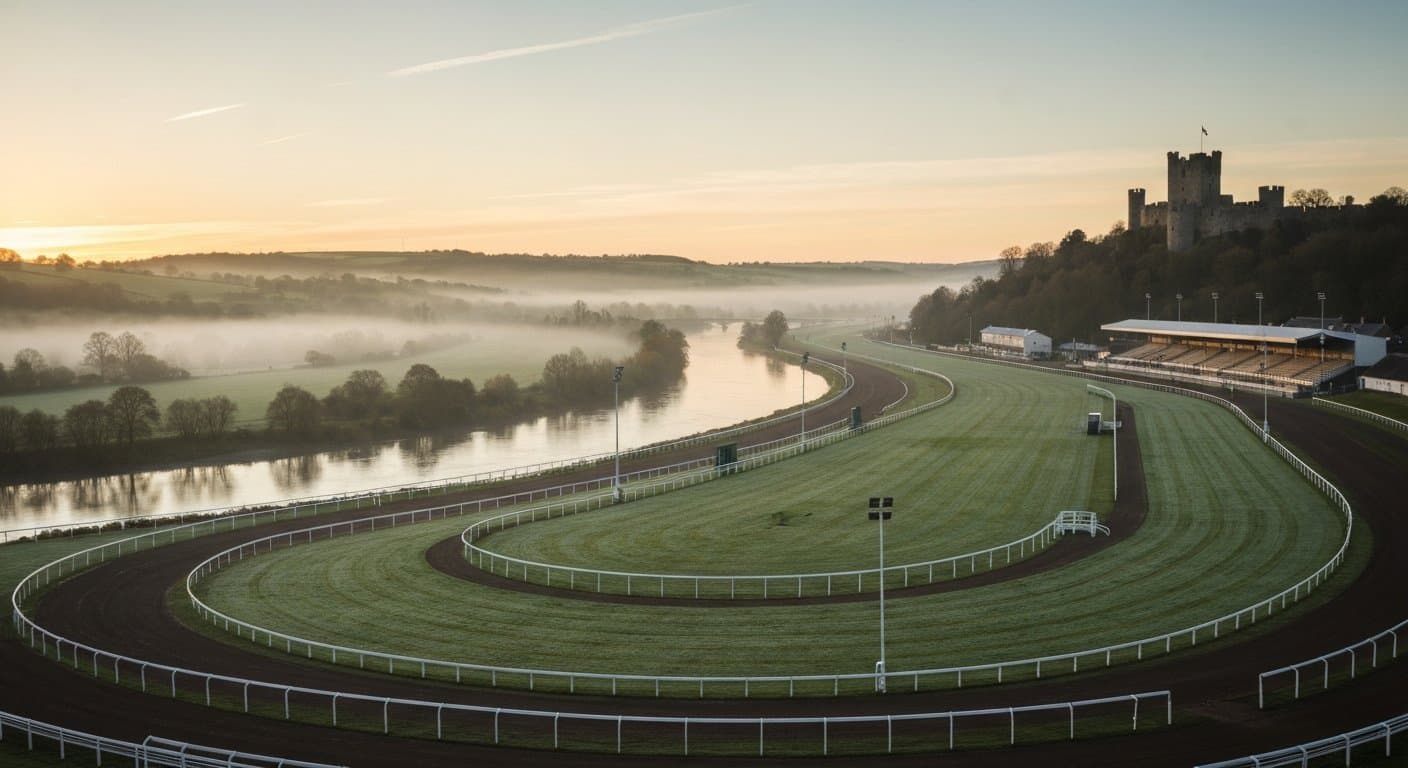
The History of Chepstow Racecourse
From its 1926 opening to hosting the Welsh Grand National — the fascinating story of Chepstow Racecourse.
Read more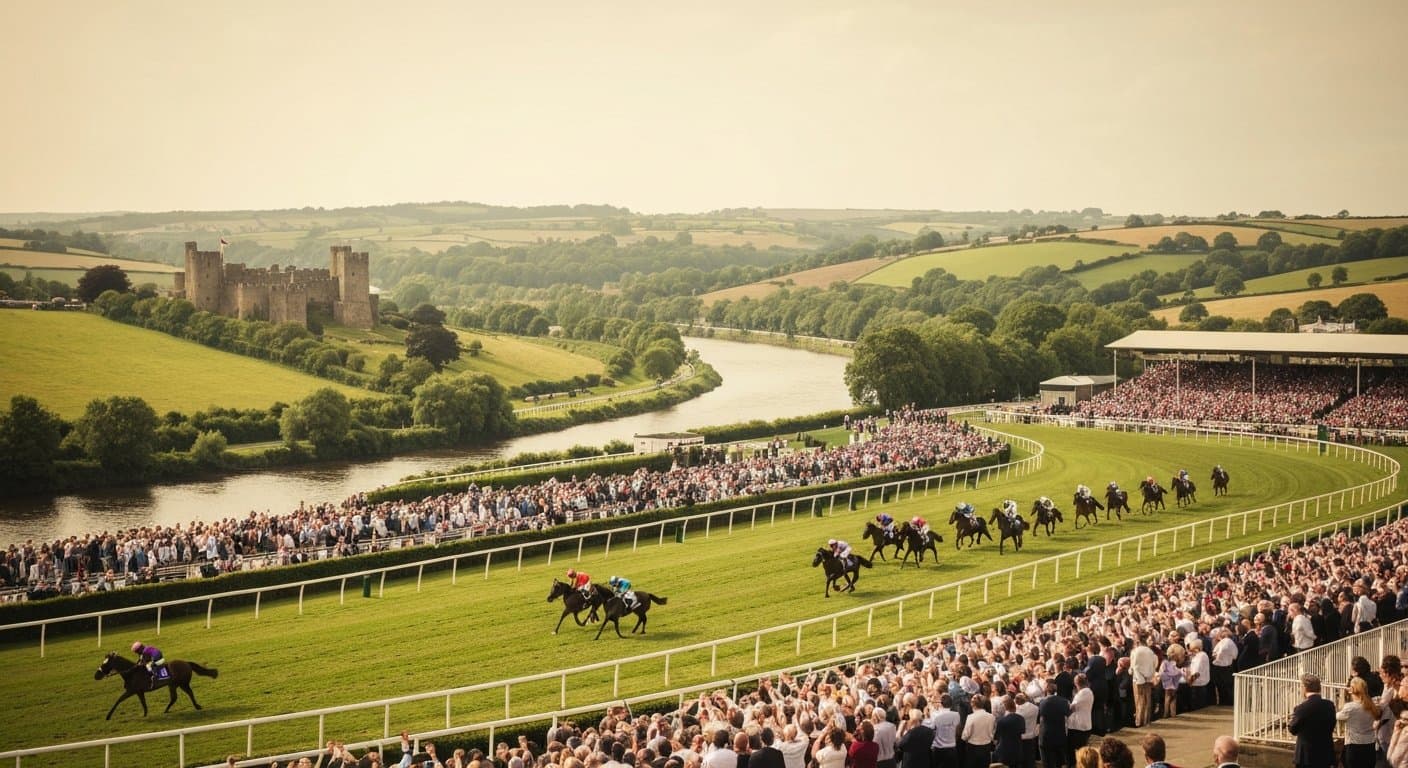
Chepstow October Festival: Complete Guide
Your guide to Chepstow's October Festival — the biggest early-season jumps meeting in Wales.
Read more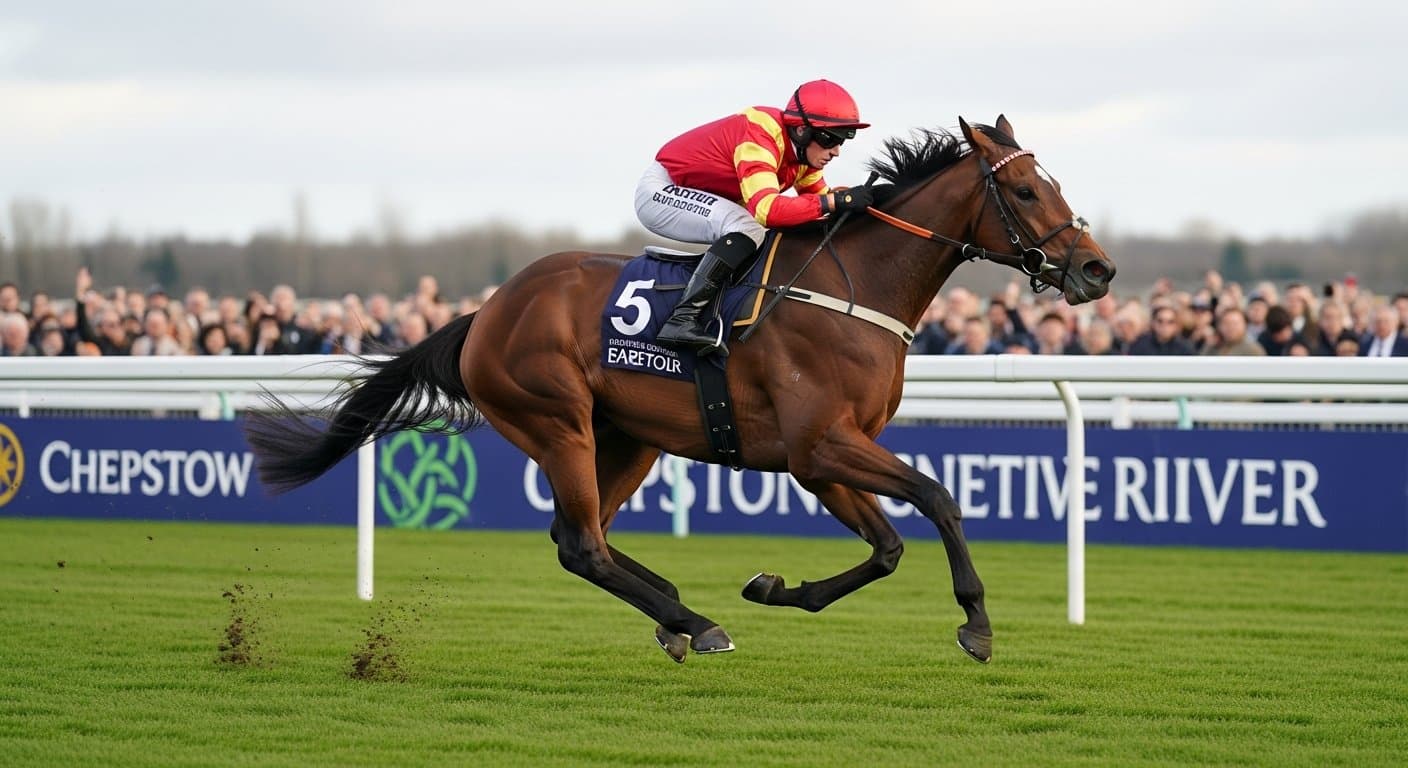
Native River at Chepstow: The Complete Story
How Native River's Coral Welsh Grand National win at Chepstow in 2016 laid the foundation for his 2018 Cheltenham Gold Cup triumph.
Read moreGamble Responsibly
Gambling should be entertaining and not seen as a way to make money. Never bet more than you can afford to lose. If you or someone you know has a gambling problem, help and support is available.