
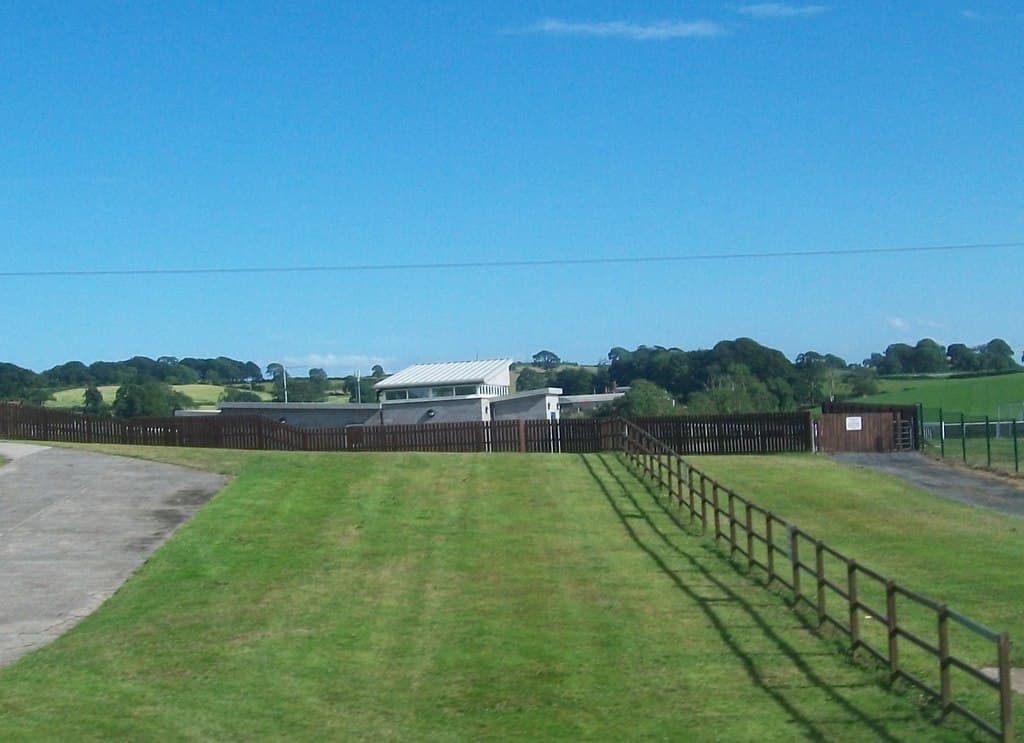
Founder & Editor · Last reviewed 2026-03-02
The first thing that strikes most visitors to Downpatrick Racecourse is not the track. It is the hill above the track. The Cathedral of the Holy Trinity (the burial site of Saint Patrick, patron saint of Ireland) stands on elevated ground immediately adjacent to the course, and on a clear October afternoon with the Mourne Mountains visible to the south, the setting is unlike anything else in Irish racing. You are watching National Hunt horses jump fences beneath one of the most significant religious sites in the country. That is not something that needs embellishment.
Downpatrick is the smallest racecourse in Northern Ireland. Its capacity sits at around 4,000, which is roughly a third of what Down Royal accommodates on a Festival day. The track is tight, right-handed, and undulating: a shape that punishes poor jumpers and tests stamina on the varied ground. Horses that win here have earned it. A course of this configuration sorts them out quickly, and a mistake at the second-last on a tight bend at Downpatrick is the kind of error that often ends a race for a horse that might have gotten away with the same mistake on a more forgiving galloping track.
Racing in the Downpatrick area dates back to 1685, placing it in the same bracket of antiquity as Down Royal. The modern course has evolved considerably, but the essential character has not changed: a small, community-rooted NH venue with a tight track and a devoted local following.
The summer festival, usually held in July or August, is the social highlight of the racing year at Downpatrick. An evening meeting in midsummer, with the cathedral backdrop, the Mournes in the distance, and a properly poured Guinness in hand, has an atmosphere that larger venues with ten times the infrastructure can struggle to match. It is intimate in the way that only truly small places can be. You are close to the horses, close to the trainers, and close to the other racegoers who have made the same choice to spend their evening here.
The Ulster National, run from late March into early April, is the course's signature race: a handicap steeplechase of real quality over roughly three miles and four and a half furlongs. It is a sharp step up from the summer meeting in terms of atmosphere. The crowd is more focused on the racing, the going is usually softer, and the course tests horses differently in early-spring conditions than it does in summer.
For visitors to Northern Ireland, Downpatrick sits naturally within a County Down touring itinerary. Strangford Lough is 5 miles east, one of the largest sea inlets in Ireland and an RSPB reserve important for wintering wildfowl. Castle Ward, a National Trust property 8 miles away on the lough shore, served as one of the primary filming locations for Game of Thrones (Winterfell's Great Hall was built here). Mount Stewart, another NT garden 10 miles north, is one of the finest gardens in Ireland or Britain. You can construct a truly interesting County Down day that includes racing at Downpatrick without any compromise. The course fits naturally into the landscape and the itinerary.
Downpatrick town itself is a 10-minute walk or a short drive from the course. The town has a pub and restaurant scene proportionate to a Cathedral town of around 10,000 people: modest but adequate, with a few standout options worth knowing about before you go.
Belfast is approximately 25 miles north via the A24 dual carriageway, a 40-minute drive in normal traffic and a reasonable base for a day trip to Downpatrick. The bus service from Belfast Europa Buscentre (Goldline services 15B and 15C to Downpatrick) takes around 70 minutes and runs hourly.
This is not a course you come to for corporate hospitality and celebrity crowds. You come to watch National Hunt racing at close quarters, in one of the most distinctive settings in Irish or British racing, with a crowd that largely knows what it is watching. On the right day, it is the best argument for small-scale racing that exists in Northern Ireland.
The terrain at Downpatrick matters to how the racing unfolds. The track descends and climbs through its circuit, the tight bends mean that position through a race matters enormously, and horses that have not jumped cleanly throughout tend to pay the price in the closing stages when the gradient steepens. Watching this from the rail, with the course perimeter walkable in a few minutes, gives a proximity to the sport that the larger venues with their barriers and crowd management cannot replicate.
Point-to-point racing has also been part of the Downpatrick area's culture, and the heritage of amateur racing in County Down sits behind the NH programme. Some of the horses that run at Downpatrick have point-to-point backgrounds, and knowledgeable local racegoers who follow the Irish point-to-point scene closely often have information that is not fully priced into the betting market. The combination of the tight track, the local expertise, and the intimate scale makes betting at Downpatrick a more interesting proposition than the grades alone might suggest.
Quick decisions:
- Best visit: Summer Festival (July/August) for atmosphere and an evening that feels like a real occasion, or the Ulster National (late March or early April) for the serious racing.
- Good for: County Down touring. Combine with Saint Patrick's Cathedral, Strangford Lough, Castle Ward, and the Mournes.
- Scale: Intimate 4,000-capacity course. Very different from Down Royal's scale.
- Getting there: Car is the main option from Belfast (25 miles, 40 min). Goldline bus 15B/15C from Europa Buscentre takes around 70 minutes.
Getting to Downpatrick
Getting to Downpatrick Racecourse
Downpatrick Racecourse is on the edge of Downpatrick town in County Down, with postcode BT30 6LZ. The course is signed from the A25 as you approach the town from the north and west. It sits within walking distance of the Cathedral on the hill and is accessible by bus, car, or taxi.
By Bus
The most practical public transport option from Belfast is the Translink Goldline service. Buses 15B and 15C run from Belfast Europa Buscentre to Downpatrick, covering approximately 25 miles. The journey takes around 70 minutes depending on traffic and stops. Services run roughly hourly, which is frequent enough to plan a race day around.
On summer festival days, Translink sometimes operates additional services to coincide with race meetings. Check the Translink website or their Journey Planner app before you travel to confirm the schedule and the timing of the last bus home. On festival evenings, this is the key piece of information. Confirm the last return departure before you arrive, not after the last race.
No Regular Train Service
Downpatrick is served by the Downpatrick and County Down Railway, which is a heritage steam operation running on a short stretch of track near the town. It is a tourist attraction, not a commuter service, and does not connect to the main Translink network. Do not plan to arrive at Downpatrick by mainline train. There is no such option. Lisburn and Newry are the nearest Translink rail stations, both requiring a further taxi or bus journey of significant distance.
By Car
From Belfast, the A24 dual carriageway is the standard route south toward Downpatrick. Leave Belfast southbound on the A24 through Ballynahinch, then continue to Downpatrick. The total distance is approximately 25 miles and the drive takes around 40 minutes in normal traffic. The racecourse is signed from the A25 as you enter the town from the Ballynahinch direction.
From Dublin, take the M1 northbound into Belfast, then the A24 south. Total distance from Dublin city centre is around 90 miles, which takes approximately 2 hours depending on traffic at the Belfast interchange.
From Newcastle (County Down), take the A50 and A25 northward through Clough to Downpatrick, a distance of around 20 miles taking roughly 30 minutes.
On-site parking at Downpatrick is available but limited. On summer festival and Ulster National days, the car park fills early. Arrive at least 45 minutes before the first race if you want to park on-site without difficulty. Overflow arrangements sometimes include the cathedral car park on the hill above. Check race day information from the course in advance.
Parking and Arrival Practicalities
The on-site car park at Downpatrick holds a limited number of vehicles and on busy race days it is supplemented by overflow arrangements. Check the course's own race day information for parking guidance specific to each meeting. The arrangements can vary between summer festival evenings and the Ulster National meeting in early spring.
If you are arriving by bus from Belfast, the Downpatrick bus station is in the town centre and the racecourse is a short walk or a two-minute taxi ride from there. On summer festival evenings, the walk from the town centre to the course is manageable for most racegoers. On a cold October afternoon, having a taxi number to hand for the return to the bus station after the last race is worth planning in advance. The town is small enough that taxi supply is limited on busy race days, and a pre-booked return is always preferable to waiting at the course entrance after the last race has run.
Combining with County Down
Downpatrick is positioned in the middle of one of Northern Ireland's most rewarding touring areas, and building a full day around the racecourse visit is straightforward.
Strangford Lough is 5 miles east. This is one of Ireland's most important wildlife habitats, a large almost-enclosed sea inlet that supports internationally significant numbers of wintering wildfowl. The RSPB Castle Espie Wetland Centre near Comber (12 miles north on the lough shore) is one of the main access points.
Castle Ward, a National Trust property 8 miles east of Downpatrick at Strangford, was one of the primary filming locations for Game of Thrones. The Great Hall of Winterfell was constructed in Castle Ward's stable yard. The grounds extend to the lough shore and are open year-round. A morning here before afternoon racing at Downpatrick is a well-constructed day.
Mount Stewart, a National Trust garden 10 miles north on the eastern shore of Strangford Lough, is considered among the finest gardens in Ireland or Britain. The microclimate on the lough shore supports plant species rarely seen this far north.
The Strangford car ferry connects Portaferry on the Ards Peninsula with Strangford village, a crossing of around 10 minutes. If you are driving a loop of the lough, this is the most efficient way to complete the circuit rather than driving around the head of the lough at Newtownards.
From Down Royal
Down Royal Racecourse is approximately 28 miles north-west of Downpatrick via the A1 and A25. The drive takes 40 to 50 minutes. If you are planning a Northern Ireland racing weekend, a Saturday at Down Royal followed by racing at Downpatrick on a subsequent day is feasible. The Down Royal day out guide has full transport detail for that course.
What to Wear
What to Wear at Downpatrick
Downpatrick has no dress code for any enclosure. Smart casual covers every area on every race day. The atmosphere is relaxed, community-oriented, and entirely free from the formality that a small number of larger racecourses maintain. You can wear whatever you feel comfortable in, and nobody will take any notice.
The practical question is not what the course requires of you. It is what County Down's weather requires of you.
Summer Festival
The summer festival, usually held in July or August, is the most social event in Downpatrick's calendar. Evening meetings in midsummer can be warm enough for light clothing: a dress, a shirt without a jacket, or smart trousers and a summer top. But the weather in County Down is truly unpredictable. A shower can arrive from the Irish Sea with very little warning, and the temperature can drop noticeably as the evening progresses after 7pm.
The sensible approach for the summer festival is to dress for the occasion but pack or carry a light waterproof layer. A cardigan or light jacket that fits in a bag is more useful here than it would be at the same time of year in the south of England. That said, on a fine July evening at Downpatrick with the cathedral above and the Mournes to the south, a summer dress is entirely appropriate and the occasion merits the effort.
Smart casual is the norm for the festival crowd. Some racegoers dress more formally (smart trousers, blazers, dresses) but there is no social pressure to do so. The mood is relaxed and the crowd is mixed.
The Ulster National (late March or early April)
October at Downpatrick is a different proposition from summer. The going will be softer, the temperature will be lower, and the chance of rain is higher. A warm coat is the starting point. Layers underneath. Waterproof outer layer if there is any chance of rain in the forecast. Gloves are not excessive for an exposed October afternoon at Downpatrick.
The course sits on elevated ground within the town, and even on days when the wider County Down weather is mild, a breeze off the Irish Sea can make standing still feel cooler than the thermometer suggests. Build your outfit for a degree colder than you think you will need, and you will be comfortable all day.
Footwear
The ground at Downpatrick is undulating. You will be standing and walking for the duration of the meeting. Comfortable, flat shoes with a grip sole are the correct choice for any autumn or winter visit. Wellies are entirely acceptable and practical from October onward. High heels or thin-soled shoes are a poor choice on uneven ground, particularly if the car park or grass areas around the course are wet.
For the summer festival, smarter footwear is more viable. On a dry evening the ground is usually firm. But a flat heel or wedge is more practical than a stiletto if you are planning to walk the perimeter of the course or stand on the grass sections.
Winter Visits
Downpatrick runs NH meetings through the autumn and into winter. From November onward, treat the clothing question with the same seriousness you would give a winter day at any exposed northern course. Proper winter coat. Thermal layers. Warm hat and gloves. The course has covered areas, but NH racing requires standing outside for significant stretches of time. Being cold for six races is a poor use of what should be a good day.
What Not to Wear
There is nothing formally prohibited in terms of dress, but a few practical points apply. Avoid footwear with thin or narrow heels for any meeting where ground conditions might be soft. Avoid excessive light layers in autumn and winter. The temperature drop in County Down from midday to late afternoon in October can be 5 to 7 degrees, and an outfit that worked at 2pm can feel badly insufficient by 4.30.
The course is small enough that there is no shelter of the kind you get at a large grandstand facility. You are more exposed to the elements than at a covered, purpose-built modern venue, and dressing accordingly is simply common sense rather than a concession.
A Practical Checklist for October Racing
If you are attending the Ulster National and starting from scratch on what to pack, the following covers all situations: waterproof outer coat (not just shower-resistant, but a full waterproof); a warm mid-layer such as a fleece or wool jumper; a base layer or thermal shirt; well-fitting warm trousers (not jeans if the day is wet, as denim stays cold once it is damp); wellies or walking boots with grip soles; a hat and gloves. This is not the outfit you would choose for Cheltenham in March, but Downpatrick in October is a different kind of day.
The reward for dressing properly is being comfortable for the full card. You can stand at the rail, walk the perimeter, watch the parade ring, and return to the bar without spending any portion of the day wishing you had brought another layer. County Down racing in October rewards preparation.
One More Note on Summer
The summer festival in July or August is one of Northern Ireland's most pleasant evening racing occasions. But the Irish Sea is always close, and the temperature can drop from comfortable to noticeably cool in the span of a single race. A thin scarf or a light jacket that rolls into a bag is the difference between an evening that ends warmly and one where you leave before the last race to get back to somewhere heated. Pack it. You may not use it. You will not regret having it.
Enclosures & Viewing
Enclosures and Viewing at Downpatrick
Downpatrick is small enough that the distinction between enclosures matters less than at most courses. With a maximum capacity of around 4,000 and a compact layout, you are always close to the action regardless of where you position yourself. The course perimeter is walkable in a few minutes, and you can move from the grandstand to the rail to the parade ring and back without significant effort.
The Track
The circuit is right-handed, undulating, and tight by the standards of National Hunt racing. The bends are sharp enough that horses must be well-balanced to negotiate them smoothly, and the undulating ground tests stamina in a way that flat, galloping tracks do not. From almost anywhere on the course, you can see horses navigating the bends and the changes in gradient. The terrain is part of what makes watching racing here interesting.
The uphill section of the circuit and the tight nature of the bends mean that jumping errors are immediately punished. A horse that puts in a bad jump at the wrong point of the track loses several lengths and rarely recovers on this configuration. Watching from the outside of a bend gives you the clearest view of how the horses are jumping and how they are handling the turns.
Grandstand Area
The main grandstand provides elevated views of the finish and the run-in. For the Ulster National, this is the most popular viewing position, and the stand fills progressively from 30 minutes before the feature race. The stand is modest in scale (this is a 4,000-capacity course, not a Cheltenham-sized facility) but it gives a clear unobstructed view of the finish line and the horses racing toward it.
For the summer festival evening meetings, the grandstand is less essential. On a fine evening, most racegoers prefer to be outside and moving around the course rather than sitting in a fixed position.
The Parade Ring
Downpatrick's parade ring is one of the most accessible in Irish racing. The course is small enough that the ring is truly compact and close. You can study the horses properly without binoculars and without fighting through a large crowd. Before the Ulster National, the parade ring is the best place to spend 20 minutes assessing the runners. You can see how the horses are moving, how they are handling the occasion, and whether they look well in themselves. At a small NH course with a knowledgeable local crowd, the parade ring before a big race is one of the most informative things you can do.
The Cathedral Backdrop
From almost every viewing point at Downpatrick, the Cathedral of the Holy Trinity is visible on the hill above the course. Saint Patrick's grave is marked by a large granite boulder in the cathedral grounds. On a clear autumn day, the combination of the racing below and the cathedral above creates a backdrop that is specific to this course and impossible to replicate elsewhere. If you can position yourself with the cathedral behind the finishing line, the visual of horses racing to the post with the ancient hilltop building behind them is something worth experiencing.
The Rail and Open Ground
The trackside rail along the inside of the circuit is as close as you can get to NH racing at Downpatrick. The horses pass within a few metres of spectators on the bends, and at a tight course like this the proximity is real rather than just technically true. Watching a chaser take a fence at the far end of the track from the rail is a different experience from watching from the stands. For experienced NH racegoers, the rail is the best place to be.
Hospitality
Downpatrick offers hospitality packages for its major meetings, including the summer festival and the Ulster National. These are suited to groups of people who want a structured day with catering included. Book directly with the course. For a venue of this size, hospitality sells out quickly once the event is announced. The course website has current details. For small groups wanting a warmer, more covered experience on a cold early-spring afternoon, a hospitality booking is worth the premium.
Viewing the Mournes
On a clear day, the Mourne Mountains are visible to the south-west from the course. The Mournes rise to just over 850 metres at Slieve Donard and dominate the southern County Down horizon. The combination of the racecourse, the cathedral hill, and the distant mountain range makes Downpatrick one of the most visually distinctive racing venues in Ireland or Britain.
First-Time Visitor Orientation
For first-time visitors to Downpatrick, the advice is simple: arrive early and walk the course perimeter before the racing starts. The circuit is tight enough to walk around in under 15 minutes, and doing this before the first race gives you a clear sense of where the tight bends fall, where the ground rises and falls, and how the fences are positioned in relation to the gradient changes. This orientation pays dividends when you are trying to understand why one horse won and another stopped. The track geography becomes visible rather than abstract once you have walked it.
The course is compact and nothing is far from anything else. The parade ring, grandstand, bar, and catering are all within a short walking distance of each other. There is no labyrinthine internal geography to navigate. This is one of the advantages of a small racecourse: you can be at the parade ring and the rail and the grandstand multiple times in a single afternoon without losing your place or your bearings.
Food & Drink
Food and Drink at Downpatrick
Downpatrick is a small racecourse with catering that reflects its scale. Expect honest, straightforward race day fare: burgers, chips, hot dogs, sandwiches, and hot drinks served from a modest number of outlets around the course. This is not the place for an elaborate dining experience on race day. What it does offer, in abundance, is a cold Guinness in a proper Irish NH racing atmosphere, and that combination is worth more than it sounds.
The Bars
The Guinness at small NH courses in Ireland is reliably good. It tends to be poured correctly, served at the right temperature, and delivered in a setting where the pint tastes exactly as it should: significantly better than it does in most other contexts. Downpatrick's bars stock the standard range of lager, spirits, wine, and soft drinks alongside the stout. On a cold afternoon before the Ulster National, the bar is a natural gathering point between races.
For the summer festival evening meetings, the bars operate with a slightly more social atmosphere. An evening race meeting at a small Irish course in July, with the light still in the sky at 8pm and the cathedral above, is exactly the kind of occasion that makes a post-race drink feel celebratory rather than merely habitual.
Hot drinks are available throughout and are worth seeking out from the first race if the weather is cold. Tea or coffee before a November NH meeting at a course this exposed to the elements is not an optional extra.
Downpatrick Town
Downpatrick town is a 10-minute walk or a very short drive from the course. For pre-race eating, the best option in the town centre is Denvir's Hotel on English Street. Denvir's is one of the oldest licensed premises in Ireland by its own account, and has an atmospheric old bar that serves good pub food. A pre-race lunch here followed by an afternoon at the course is a solid plan for any Ulster National or festival visitor. Book a table for the big day. It will be busy.
The Napoli takeaway on English Street is a local institution known for pizza and generously portioned fast food. It is not a fine dining venue, but it has earned its place in the local consciousness over many years of service, and the portions are large enough to sustain several hours of racing.
For a sit-down meal with more options, Downpatrick town has a small but functional restaurant scene. As a Cathedral town and the administrative centre of the Ards and North Down Borough Council area, it supports a range of cafes and restaurants proportionate to a town of its size. None will compete with Belfast for variety, but a pre-race lunch in the town is entirely feasible.
The Down County Museum
The Down County Museum is a free attraction a short walk from the racecourse, housed in a restored 18th-century county gaol. If you arrive early and want to spend 30 minutes before racing, it provides useful context on the history of County Down and the area around Downpatrick. It is not compulsory, but for visitors who are new to the area and curious about the landscape they are moving through, it is a worthwhile stop.
Post-Race Options
After the last race on summer festival or Ulster National day, the town centre pubs fill quickly as the crowd disperses from the course. The main town centre has several options for a post-race drink or meal before the drive back to Belfast or onward to wherever you are staying. If you are going back to Belfast, there are more options there. The city is 40 minutes away by car.
Strangford and Newcastle for Dinner
If you have a car and are staying in County Down rather than Belfast, Strangford village is 8 miles east of Downpatrick on the lough shore. The Cuan Hotel in Strangford village is a small, well-regarded restaurant and guesthouse with a good kitchen. A post-race dinner here, with a view of the lough and the Ards Peninsula across the water, is a thoroughly satisfying end to a day that began with racing beneath the cathedral. Book ahead, particularly for Ulster National weekend.
Newcastle, 20 miles south at the foot of Slieve Donard, has a small but functional set of restaurants and hotels suited to an overnight stay before or after racing. The Slieve Donard Hotel is the largest property in the town and has a formal dining room as well as a bar. The town's position at the gateway to the Mourne Mountains makes it the natural base for a County Down racing and walking combination. A morning on the Brandy Pad path up toward the col between Slieve Donard and Slieve Commedagh, followed by an afternoon at Downpatrick, is a full and properly varied day.
Practical Notes
Downpatrick's on-course catering is limited to the kind of volume a small course supports. On Ulster National day, queues at the catering outlets build during the 20 minutes before the feature race. Plan to eat and drink between races rather than immediately before the main event. Take your time, watch the parade ring, then get your food and drink before the crowd rushes the bar. For hospitality bookings, a sit-down meal with catering included is the most reliable way to eat well at Downpatrick. At a course this size, the general catering is supplementary rather than the primary dining option for groups.
Tips & FAQ
Tips and FAQ: Downpatrick
When Should I Arrive?
For the summer festival: 45 minutes before the first race. The car park is limited, the atmosphere builds early, and arriving with time to walk the course perimeter before racing starts gives you a sense of the layout that makes watching the actual races more rewarding.
For the Ulster National: 30 to 45 minutes before the first race. The card usually includes several supporting races, and these are worth watching as well as the feature. The crowd is more focused and experienced than the summer festival crowd. It arrives with purpose.
For standard midweek meetings: 20 to 30 minutes is plenty. The course is small enough that you can find your bearings in five minutes.
Saint Patrick's Cathedral
The Cathedral of the Holy Trinity is immediately adjacent to the racecourse and is free to enter. Patrick's grave is marked by a large granite boulder in the graveyard, placed in 1900 to distinguish the site. The cathedral itself is a Church of Ireland building on a hilltop that has been a place of Christian worship since at least the 5th century. The current structure dates from various periods of construction and restoration, with significant work carried out in the 18th and 19th centuries.
If you arrive early before racing starts, 20 minutes in the cathedral grounds is worth doing. The burial site of the patron saint of Ireland is rarely crowded. It is one of those places that is both historically significant and oddly quiet, and the elevated position gives a clear view of the racecourse below, which provides a useful orientation to the track layout before the horses start running.
Combining with County Down
Downpatrick is best used as part of a County Down day rather than as a standalone destination from Belfast. The combination that works well is this: arrive in Downpatrick mid-morning, visit the cathedral (20 minutes), drive to Castle Ward National Trust property 8 miles east (allow 2 hours for the house and grounds), return to Downpatrick for afternoon racing. Castle Ward's grounds run to the shore of Strangford Lough and the filming locations from Game of Thrones are clearly signed. The Great Hall of Winterfell was built in the stable yard for the series. This is a full and well-paced day without any rushing.
The Strangford car ferry, running between Portaferry and Strangford village, is a 10-minute crossing that allows you to complete a loop of the lough if you have a second day available. Mount Stewart gardens are 10 miles north on the Ards Peninsula side of the lough, considered among the finest gardens in Ireland, with plant species that thrive in the sheltered microclimate near the water.
Is Downpatrick Worth Coming from Britain Specifically?
Honestly, no — not as a standalone destination from Britain. It is a small-scale course best appreciated as part of a broader Northern Ireland or County Down visit. On its own, the journey from Britain is more than the course warrants unless you are a committed NH enthusiast with a particular interest in small, intimate venues.
As part of a Northern Ireland trip, particularly one that includes a night or two in Belfast and a day at Down Royal's November Festival, adding Downpatrick to the itinerary is an excellent decision. The two courses are very different experiences and the contrast adds something to both. The Down Royal day out guide covers the November Festival detail.
The Ulster National as a Betting Proposition
The Ulster National is a handicap steeplechase rather than a Graded race, but it attracts truly capable National Hunt horses and the form at this course has a distinctive character. The tight, undulating track and the sharp bends mean that horses with good jumping technique and a strong jumping record at small courses are favoured over more galloping types that struggle on tighter circuits. Look at the course form of each runner. Downpatrick specialists exist, and they tend to show up more reliably here than horses making their first visit to this kind of track.
Family and Accessibility
Downpatrick is family-friendly and relaxed. The compact layout means there is not far to walk, and children are welcome throughout. The cathedral adjacent to the course is a truly interesting place to take older children. The history is accessible and the grounds are easy to explore. Check the course website for current pricing and any age restrictions in specific areas.
The terrain is uneven in places, which is worth noting for racegoers with mobility requirements. Contact Downpatrick directly in advance to discuss the most suitable viewing arrangements.
Getting the Most from a Small Course
The things that matter most at Downpatrick are different from what matters at a large-scale venue. At Cheltenham or Leopardstown, the draw of the day is partly about the spectacle, the crowd, and the scale. At Downpatrick, it is about proximity and attention. You can watch a horse's ears on the approach to a fence from the rail. You can hear the jockeys calling to each other in the early stages of a race. You can be in the parade ring five minutes before the race and at the rail ten minutes later without any difficulty.
Use this. Spend time in the parade ring before each race, not just the feature. Watch the smaller races as carefully as the feature. The course configuration punishes errors throughout the card, not just in the headline race, and understanding why one horse won and another did not over this particular track is worth more accumulated intelligence than a casual glance at the form page.
What to Book in Advance
For Ulster National day and the summer festival, book your tickets and any hospitality in advance through the course website. The car park arrangements, the running order, and any special transport arrangements on festival days are all published in advance and worth reading before you travel. For standard midweek meetings, none of this applies. Turn up, pay at the gate, and enjoy the racing.
Share this article
More about this racecourse
All Downpatrick guides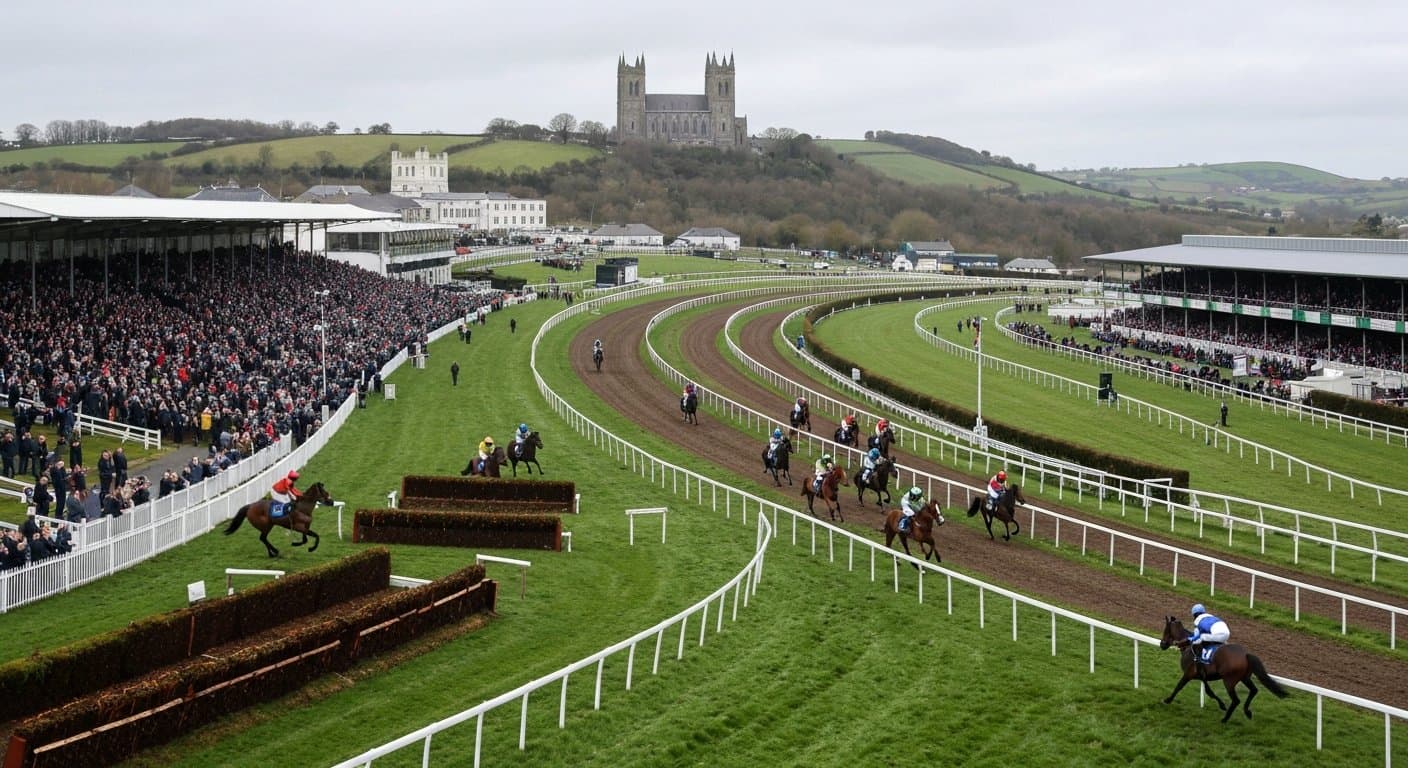
Downpatrick Gold Cup: Complete Guide
Your complete guide to the Downpatrick Gold Cup — County Down's signature chase and a key contest at Downpatrick Racecourse.
Read more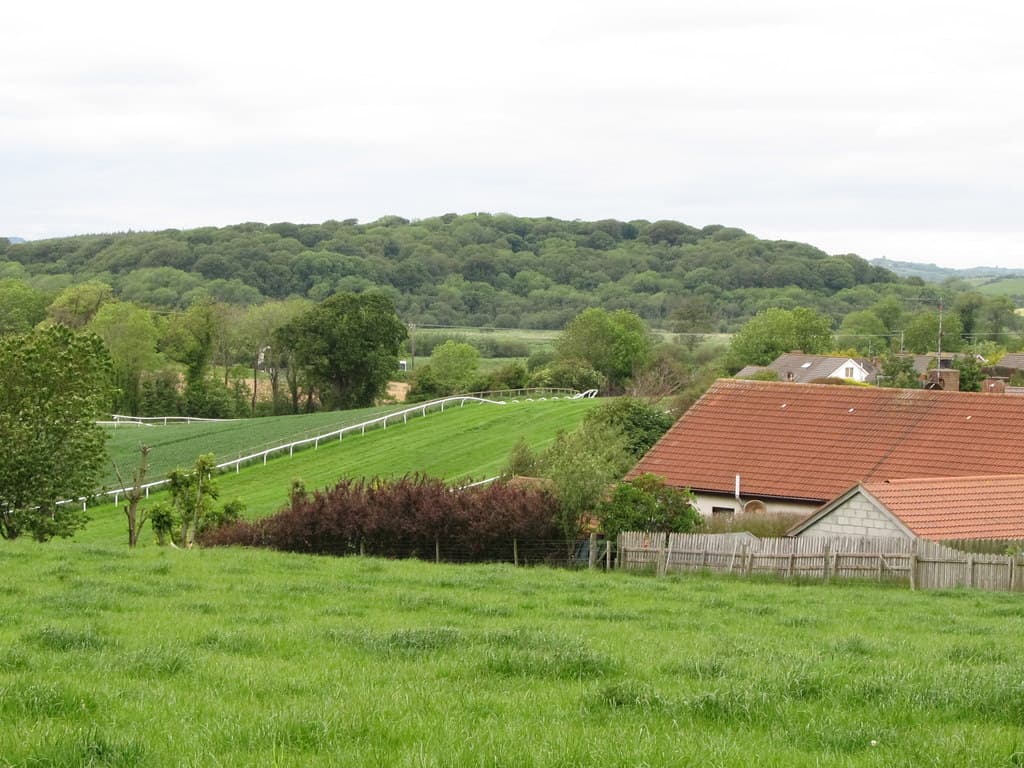
The History of Downpatrick Racecourse
Over 300 years of racing at Downpatrick — from the Royal Charter of 1685 to County Down's National Hunt venue and the Downpatrick Gold Cup.
Read more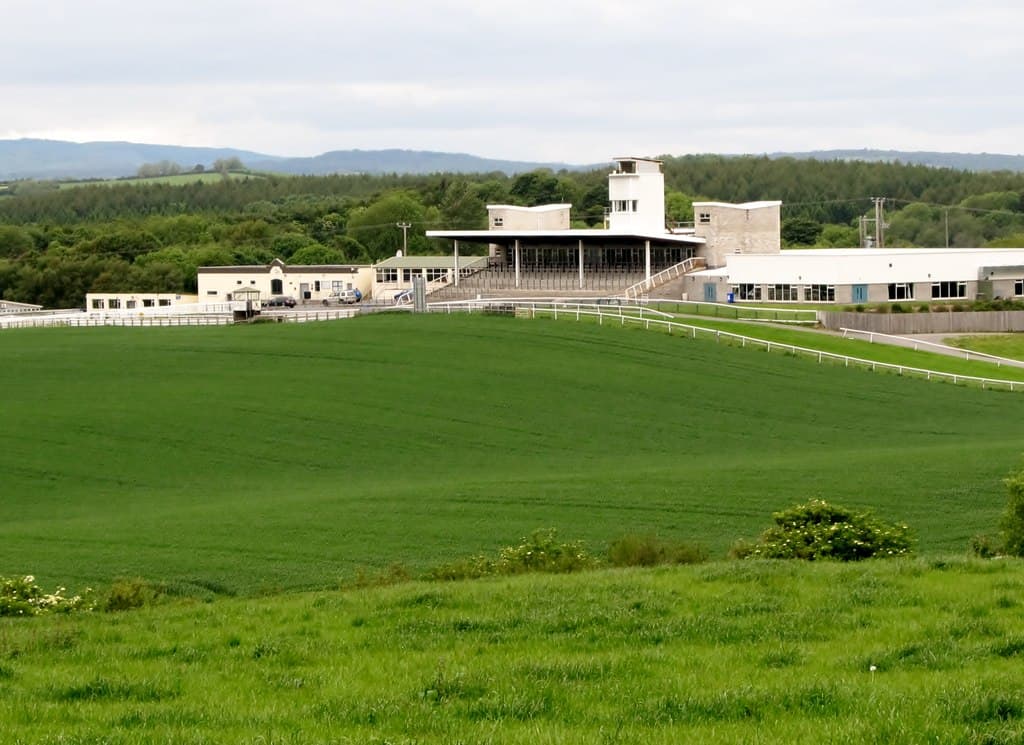
Downpatrick Summer Festival 2026: Floor Plan & Capacity
Check Downpatrick racecourse capacity, floor plans and meeting room spaces for Summer Festival 2026. Essential venue info for County Down's top jumps event.
Read morePhotos on this page are used under Creative Commons licences. Titles, sources and licence links for each one are on our image credits page.
Gamble Responsibly
Gambling should be entertaining and not seen as a way to make money. Never bet more than you can afford to lose. If you or someone you know has a gambling problem, help and support is available.