
Founder & Editor · Last reviewed 2026-04-07
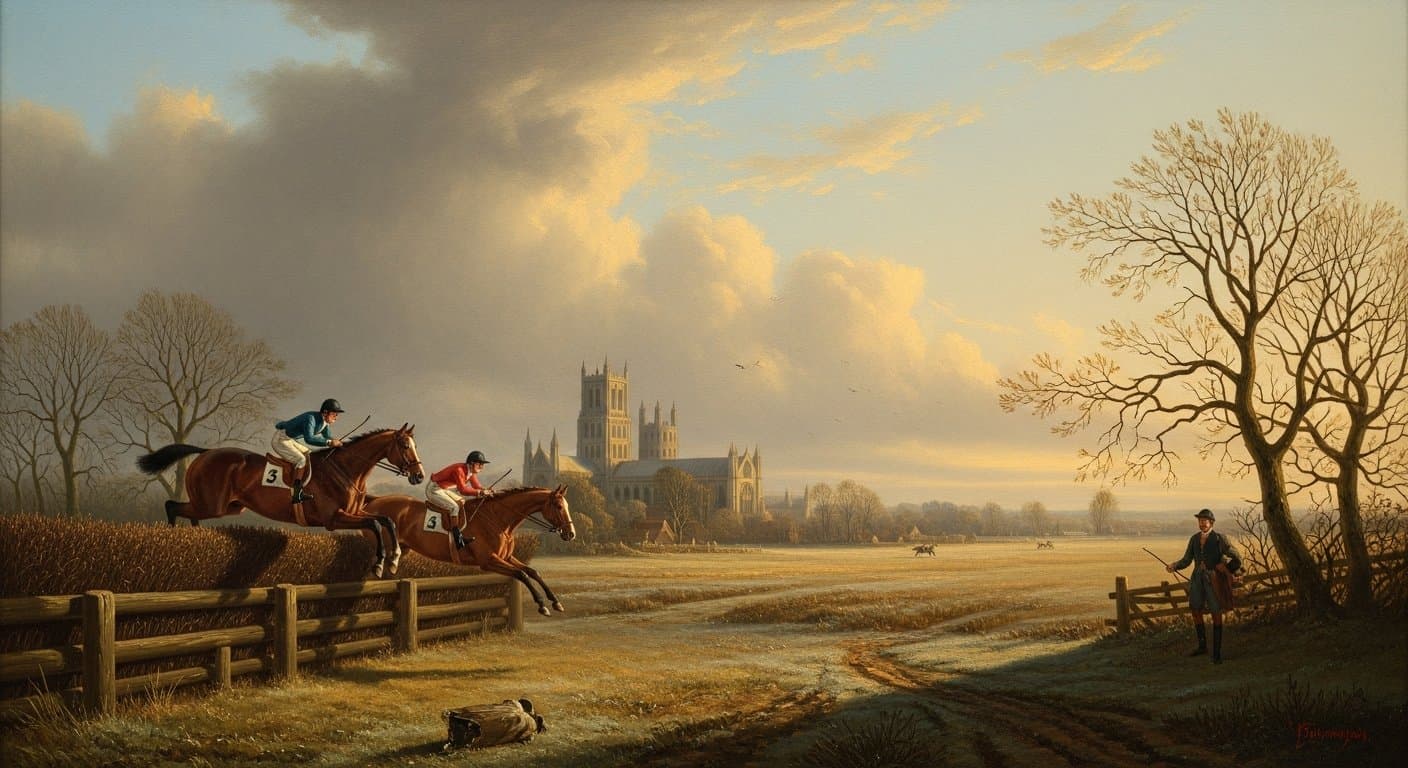
Huntingdon Racecourse sits on the flat Cambridgeshire plain just outside the market town it takes its name from, a pure National Hunt venue that has been staging jump racing since 1886. The course is right-handed, essentially flat and fast — a two-mile oval that rewards accurate jumping and genuine jumping ability over any requirement to handle gradients or turns. When the December ground is testing, which it regularly is in the Fens, that changes the calculation considerably.
The Peterborough Chase is Huntingdon's great occasion. A Grade 2 contest run over two miles and four furlongs in December, it serves as one of the season's principal trials for the King George VI Chase at Kempton on Boxing Day. Nicky Henderson's Seven Barrows operation in Lambourn treats the race with genuine ambition each year, sending serious horses north-east to Cambridgeshire in the knowledge that a clean round at Huntingdon translates well to what is required at Kempton six weeks later.
Beyond the Peterborough Chase, Huntingdon builds its winter programme around a novice hurdle series and supporting novice chase cards that attract horses from the powerful southern yards. The proximity to Newmarket — just 25 miles east — means the course sits in a catchment of both racing industry professionals and well-informed racegoers who know their horses. You will not find a more knowledgeable crowd per head at any track in England.
The course retains a pleasingly old-fashioned character — a proper jump track without the corporate gloss of some of its bigger rivals. The parade ring is intimate, the sightlines excellent from the main grandstand, and on a cold but sunny December afternoon, there are few better ways to spend a day in English jump racing. For the Peterborough Chase weekend, plan well in advance — tickets for the Grade 2 day sell out.
Bet on Huntingdon
Place your bets on Huntingdon races with a trusted bookmaker.

Promo code BETFRED50. New customers only. Register, deposit with a Debit Card, and place a first bet of £10+ at Evens (2.0)+ on Sports, to be settled within 7 days, to get £30 in Sports Free Bets and £20 in Bet Builder Free Bets within 24 hours of settlement. 7-day expiry. Eligibility & payment exclusions apply. Full T&Cs apply. Take Time to Think. BeGambleAware.org. 18+. Full T&Cs.

Promo code R30. New UK customers only, 18+. Register, deposit £10 or more, then place a £10 single cash bet at odds of 1/2 (1.5) or greater on any sports market (excluding Virtuals). Once the qualifying bet settles you get £30 in Free Bets (3 x £10) — the qualifying bet can win or lose. Free Bets are valid on any sports market excluding Virtuals, expire in 7 days, are non-withdrawable and must be used in full. Excluded deposit methods apply (including PayPal, Apple Pay, Skrill and NETELLER). Named bets such as Lucky 15 do not qualify. If you cash out the qualifying bet, or it is voided, you are no longer eligible for the offer. Ends 31.12.26. Full T&Cs apply. Please gamble responsibly. BeGambleAware.org. 18+. Full T&Cs.

Promo code BET40GET20. New UK customers, 18+. Register with the code and place a first bet of £40 or more at Evens (2.0) or greater. Receive 2 × £10 free bets: the first credited automatically once the qualifying bet settles, the second 24 hours later. Free bets must be placed at minimum odds of 4/1 (5.0), expire 24 hours after credit, and the free-bet stake is not returned with winnings. Debit card deposits only. Take Time to Think. BeGambleAware.org. 18+. T&Cs apply. Full T&Cs.

50% of your first-day net losses refunded as a free bet, capped at £25. New UK customers aged 18+ only. To qualify, deposit and place a first bet of £10 or more on any sport at minimum odds of evens (2.00), then place at least two further bets on different events, each worth at least 50% of your largest bet, all at evens (2.00) or greater. Losses are counted from your first settled bet until 23:59 the same day. Place a qualifying £10+ bet and you are guaranteed at least a £5 free bet. Bets placed at SP, void bets, cashed-out bets and bets struck with free bets do not count towards the offer. The free bet is credited the day after your qualifying bets settle and must be used within 7 days, after which it expires. It can be used at odds from 1/4 (1.25) up to 250/1 on singles and straight accumulators, but not on Trixie, Patent or Yankee style multiples. Free-bet stake is not returned with winnings. One offer per person, household, address, IP address and device. E-wallet deposits may not qualify, so check the cashier before depositing. Customers registered with GAMSTOP cannot claim. KYC identity verification must be completed before the free bet is credited. Take Time to Think. BeGambleAware.org. 18+. T&Cs apply. Full T&Cs.

New customers, 18+. Choose the sports bonus at sign-up, make a first deposit and receive a 100% bonus up to £50 in your Sports Bonus balance. To convert the bonus to cash, wager it 10x within 30 days. Single bets below Evens (2.00) do not qualify; accumulators do not qualify if any selection is below 1/2 (1.50). Virtual Sports, voided, cancelled, drawn, cashed-out and free-bet wagers do not count towards wagering. Only the first settled bet per event counts. Withdrawing before the wagering requirement is met forfeits the bonus balance including bonus winnings. Real-money funds are used before bonus funds. Deposits via Skrill or Neteller are not eligible. Not valid in conjunction with other promotions. Odds, bet and payment limits apply. 10bet general and promotion T&Cs apply. BeGambleAware.org. 18+. Full T&Cs.

New customers in Great Britain and Republic of Ireland, 18+. Place a £10 fixed-odds qualifying bet at minimum odds of 1/2 (1.50) — single or each-way (only the win part counts), pre-event or in-play, not cashed out early, within 28 days of opening the account. Receive up to £60 in bonuses credited over three days: 3 × £10 fixed-odds free bets (the first on settlement, then 24 and 48 hours later) plus 3 × £5 Total Goals FOOTBALL spread bets, 3 × £5 racing Winning Favourites spread bets and a £1 racing Race Index spread bet (the spread bets need a full spread-betting account). Free-bet stakes not returned with winnings; free bets valid 28 days from issue. IMPORTANT: the £5 credits are SPREAD bets — sports spread betting carries the risk that losses can exceed your stake. Sports spread-betting customers do not have Financial Ombudsman or FSCS recourse. Take Time to Think. BeGambleAware.org. 18+. T&Cs apply. Full T&Cs.

Promo code WELCOME15, entered under My Bonuses after registering. New UK customers, 18+. Place a first qualifying bet of at least £10 from your cash balance at odds of evens (2.0) or greater within 7 days of opening the account. Once the qualifying bet fully settles you receive £15 in free bets, credited as 3 x £5 tokens with set uses: one £5 accumulator free bet (minimum 4 legs, each leg at 2/5 or bigger), one £5 sports free bet (any market at evens or bigger) and one £5 Sub Cover free bet (selected football player markets at evens or bigger). Free-bet stakes are not returned with winnings. Free bets expire 7 days after they are credited. Void, cashed-out and partially cashed-out bets do not qualify. One offer per customer. Confirm the current terms on BetGoodwin's own welcome-offer page before claiming. Take Time to Think. BeGambleAware.org. 18+. T&Cs apply. Full T&Cs.

New UK customers, 18+. Minimum deposit £10. Place a £10 qualifying single at minimum odds of 1/2 (1.50), settled within 14 days. Receive £30 in free bets (stake not returned), split £20 for sportsbook use (2 x £10) and £10 for Bet Builder only (2 x £5); Bet Builder does not cover horse racing. Free bets must be accepted within 7 days and expire 7 days after acceptance. No promo code required. Best Odds Guaranteed on UK & Irish racing, subject to having staked over £25 in the previous seven days. Operated by LiveScore Betting and Gaming (Gibraltar) Ltd, UKGC 56859. Confirm the current terms on LiveScore Bet's own promotions page before claiming. Take Time to Think. BeGambleAware.org. 18+. T&Cs apply. Full T&Cs.
18+. BeGambleAware.org
The Festival Programme
Peterborough Chase Day (December)
This is Huntingdon's flagship occasion — a mid-December Saturday that centres on the Peterborough Chase (Grade 2, 2m4f) and attracts some of the best two-mile-plus chasers in training. The supporting card is built to match, with open novice hurdles and novice chases that regularly produce horses who go on to Cheltenham Festival entries within weeks.
The atmosphere on Peterborough Chase day is that of a proper jumping occasion rather than a social fixture. You will see form books open in the enclosures, serious conversations between trainers and owners in the parade ring, and a crowd that has come primarily to watch the racing rather than to be seen. This is a good thing. The racing warrants full attention.
What to expect: First race around 12:15, Peterborough Chase typically scheduled fourth or fifth on a seven-race card. Arrive by 11:30 to see the early runners in the parade ring and to secure a decent position in the grandstand. The betting ring fills quickly once the Grade 2 runners are declared — prices firm significantly in the hour before the race.
Dress warmly. Huntingdon in December is flat, windswept Cambridgeshire, and the course is entirely exposed. Even on dry days, the wind cuts across the course with conviction. Heavy coats, scarves and practical footwear are recommended regardless of how sunny the morning looks when you leave home.
Christmas Jump Programme (November–December)
Huntingdon stages a regular sequence of November and December meetings that serve as the build-up to the Peterborough Chase weekend and form an important part of the pre-Christmas jump programme for southern and eastern yards. These mid-week and weekend cards attract horses that are beginning their novice campaigns and experienced handicappers working through the winter series.
November cards: Typically Tuesday or Wednesday afternoon fixtures that attract novice hurdlers from Lambourn, Newmarket-area yards and the Midlands connections who find Huntingdon more convenient than a trip to Cheltenham or Newbury. These meetings are quieter in crowd terms but valuable in form terms — watch them online if you cannot attend.
The November going at Huntingdon is often soft to heavy after the first decent rainfall of autumn, and horses that handle testing ground quickly become course specialists. Pay attention to the novice hurdle results from these early meetings — they will often flag up horses that dominate the Grade 2 novice programme later in the season.
December run-in: The two or three meetings leading up to the Peterborough Chase weekend include trial races for horses that their trainers are using as either a prep for the Grade 2 or a build-up for the Kempton Christmas programme. These are informationally rich fixtures — trainers talk openly about their horses' conditions and targets in the pre-race interviews.
New Year Jump Fixtures (January–February)
After the Christmas period, Huntingdon returns to a workaday but consistently competitive schedule. The January and February meetings form the backbone of the chase programme for horses targeting the spring festivals — Cheltenham, Aintree and Punchestown — and the course attracts quality horses from the Henderson, Paul Nicholls and Dan Skelton operations who need a run before the spring.
Staying chase focus: Huntingdon's two-mile-plus distance suits staying chasers, and the January cards often include competitive staying handicap chases that serve as form references for the spring programme. Any horse that wins over two miles four furlongs at Huntingdon on winter ground should be given serious consideration for the Cheltenham Festival novice or handicap chase programme.
The winter crowds at Huntingdon are smaller than the Peterborough Chase turnout but the racing quality remains high. The course is good value in January — admission prices are among the most reasonable in southern England, and the standard of horse is consistently better than you might expect for a mid-level jump track.
Key Races to Watch
Peterborough Chase (December, Grade 2, 2m4f)
The centrepiece of Huntingdon's racing year and one of the more significant Grade 2 chases on the pre-Christmas calendar. Run over two miles and four furlongs on a flat, right-handed circuit, the race serves as a recognised trial for the King George VI Chase at Kempton Park on Boxing Day — the logical next step for any horse that wins or runs well here.
The race has a strong historical tendency to favour accurate, fluent jumpers from the major southern yards. Nicky Henderson in particular has an exceptional record in the Peterborough Chase — Seven Barrows horses that are foot-perfect over Huntingdon's fairly orthodox fences tend to replicate that jumping fluency at Kempton. A Henderson runner with course experience should be near the top of your shortlist every year.
Distance and trip matter here. Two miles four furlongs on a flat circuit rewards a horse with genuine stamina rather than the speed-orientated chasers that dominate at two miles. Horses stepping up in trip from two miles who show a strong gallop through the final half-mile are the type to follow. Fall in love with anything that won its last race in a canter over two and a half miles.
Novice Hurdle Series (November–January)
Huntingdon's novice hurdle programme across November, December and January is a genuine form reference for the spring. The course's flat, galloping nature means that horses that win novice hurdles here on winter ground are doing so on genuine merit rather than through clever placement. Several Cheltenham Festival novice hurdle winners have had Huntingdon runs on their form cards in the preceding season.
The Grade 2 novice hurdles run in December on Peterborough Chase day attract the best of the season's new hurdlers from the major yards. A horse that wins here in December has excellent credentials for the Supreme Novices' or Ballymore at Cheltenham in March.
Novice Chase Series (November–February)
The parallel novice chase programme at Huntingdon provides a useful early-season guide to the horses most likely to feature at the spring festivals. Huntingdon's fences are fair and well-maintained — not particularly testing but not forgiving of jumping errors either. Horses that win novice chases here cleanly tend to be genuinely accomplished jumpers.
Watch particularly for Henderson's novice chasers debuting at Huntingdon in November. Seven Barrows horses that win or run very close here in their first chase start are worth monitoring closely through the winter — the stable has an excellent record of introducing high-quality novice chasers on this track.
Christmas Hurdle Trial (December)
Huntingdon stages a recognised Christmas Hurdle trial in the run-up to the Grade 1 at Kempton on Boxing Day. The race attracts hurdlers from the top yards who need a final racecourse gallop before the Christmas programme. Winners here have gone on to run in, and occasionally win, the Kempton Grade 1 — treat any performance in this race as a genuine pointer to form.
Betting Preview
The Henderson Factor
Nicky Henderson's Lambourn yard has a striking record at Huntingdon — and it is not coincidental. Seven Barrows horses are trained on ground that mimics Huntingdon's flat, galloping nature, and Henderson's emphasis on accurate jumping produces horses ideally suited to the course's fairly orthodox fences. When a Henderson runner contests the Peterborough Chase, look at its recent jumping record before anything else. A horse that jumped well last time out and is fit enough to run at Grade 2 level in December is a default upgrade in your assessment.
The stable targets this race. Henderson does not send horses to Huntingdon to make up the numbers in December — his Peterborough Chase runners are serious. Start with them in your form study and work outwards.
Going Matters More Than Usual
Huntingdon's flat course in the Cambridgeshire Fens sits on ground that drains slowly and holds moisture for longer than many jump tracks. The December going is nearly always soft, and after a wet November, it can be heavy. This shifts the advantage firmly towards horses with proven stamina in testing conditions — brilliant jumpers that need good ground are caught out here regularly.
Key check: Before the Peterborough Chase, look at the declared runners' form on soft or heavy going. Any horse without proven wet-ground form should have its odds shortened in your estimation. Horses with hurdle form on soft do not automatically transfer that wet-ground tolerance to chasing — look specifically for chase performances on testing ground.
Market Signals to Watch
The Peterborough Chase betting market is taken seriously by the southern yards, and money arrives early and often from the Lambourn area once stable confidence is confirmed. If a Henderson runner shortens dramatically in the days before the race, that is almost always stable confidence rather than public fancy. Track the opening shows on Wednesday and Thursday before a Saturday Peterborough Chase — significant moves signal informed money.
For the novice hurdle card, be willing to back unexposed horses from the major yards at single-figure prices. Henderson, Nicholls and Skelton use Huntingdon as an early-season stepping stone, not as a race to win on the day. But occasionally a horse is seriously good, the market knows it, and there is value at double-figures in those cases.
Visitor Information
Getting There
By train: Huntingdon station is served by direct services from London King's Cross (approximately 50 minutes) on the East Coast Main Line — change at Peterborough for some services, or take a direct Cambridge-bound train. The racecourse is approximately a ten-minute walk from the station across the town centre, or a short taxi ride. Race-day shuttle buses operate on the Peterborough Chase weekend — check the course website for the pickup point.
By car: The A14 and A1 provide straightforward access to Huntingdon. The course is signposted from the A14 junction at Brampton. Ample car parking on-site; pre-book for the Peterborough Chase day as spaces fill. Allow extra time leaving after major meetings — the A14 junction can queue significantly on a Saturday afternoon.
By bus: Local Stagecoach services run through Huntingdon town centre. The course is easily walkable from the bus station in the town centre. A taxi from the station is the simplest option if you are arriving with luggage or in a group.
Enclosures and Facilities
Grandstand Enclosure: The main public enclosure with covered grandstand seating and views along the finishing straight. Full bar and food facilities, including hot food options. Smart casual dress preferred.
Paddock Enclosure: Access to the parade ring and the betting ring. This is the best enclosure for watching the horses before each race — you can get very close to the horses in Huntingdon's compact parade ring, which is one of the genuine pleasures of visiting this course.
Essential Tips
- Book early for the Peterborough Chase. This is Huntingdon's headline occasion and tickets for the best enclosures sell out weeks in advance. Check the course website from October onwards for December availability.
- Dress for the weather. Huntingdon on the Cambridgeshire plain is exposed and often very cold in December. Thermals, a proper coat and waterproof footwear are essential — this is not a course where you style it out in a thin suit.
- Huntingdon town is pleasant. The market town has good pubs and restaurants within walking distance of the course — the Old Bridge Hotel just across the river from the town centre is an excellent choice for a pre or post-racing meal.
- Arrive early. The parade ring fills quickly before the Grade 2 races. If you want a close look at the Peterborough Chase runners, be in position thirty minutes before the scheduled race time.
Share this article
More about this racecourse
All Huntingdon guides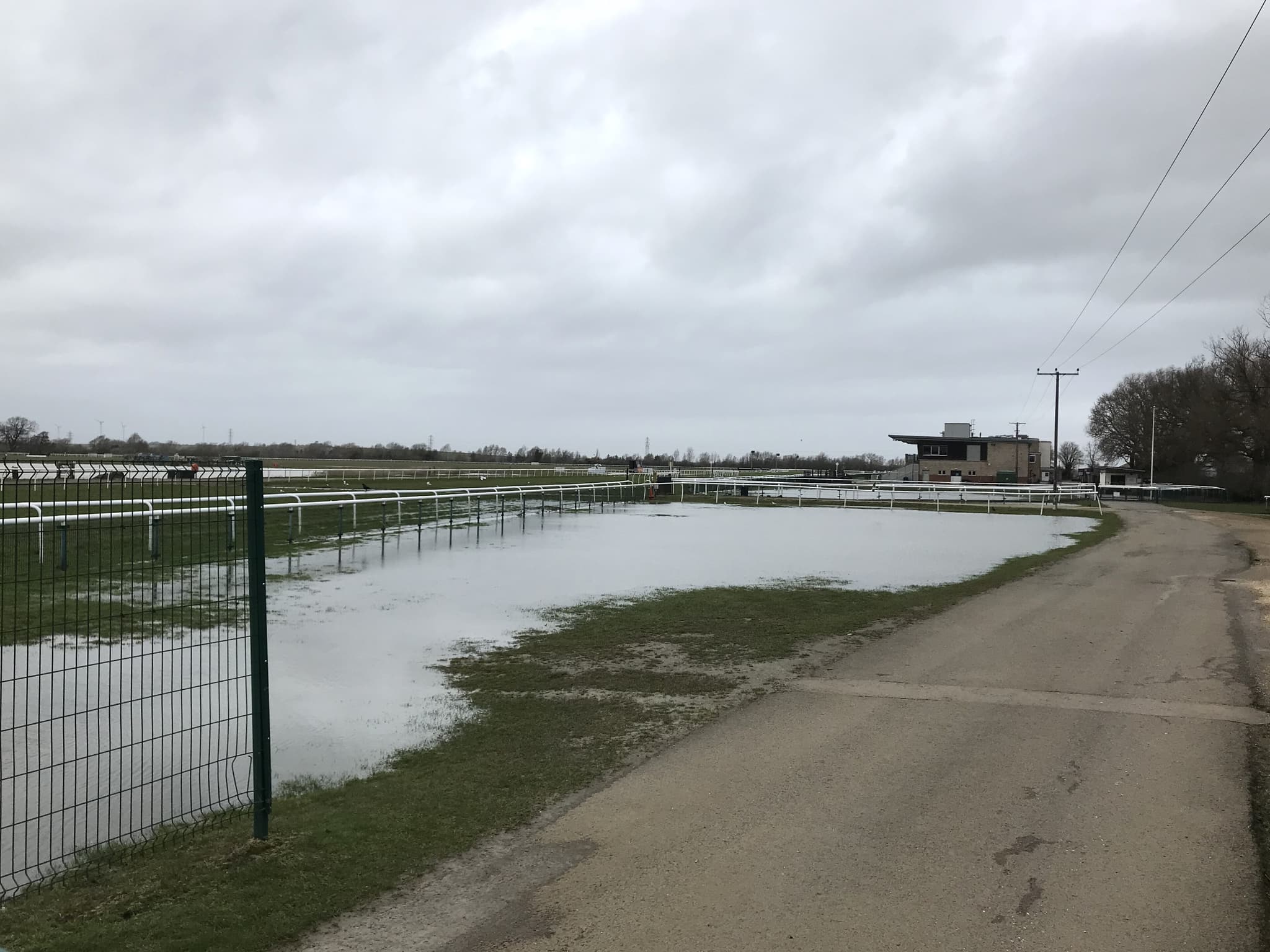
The History of Huntingdon Racecourse
Over 130 years of racing at Huntingdon — from the first meeting in 1886 to the Peterborough Chase and quality jump racing in Cambridgeshire.
Read more
Huntingdon Novice Season: Complete Guide
Your complete guide to the Huntingdon novice season — developing young jumpers on the flat track that suits slick, fluent types.
Read more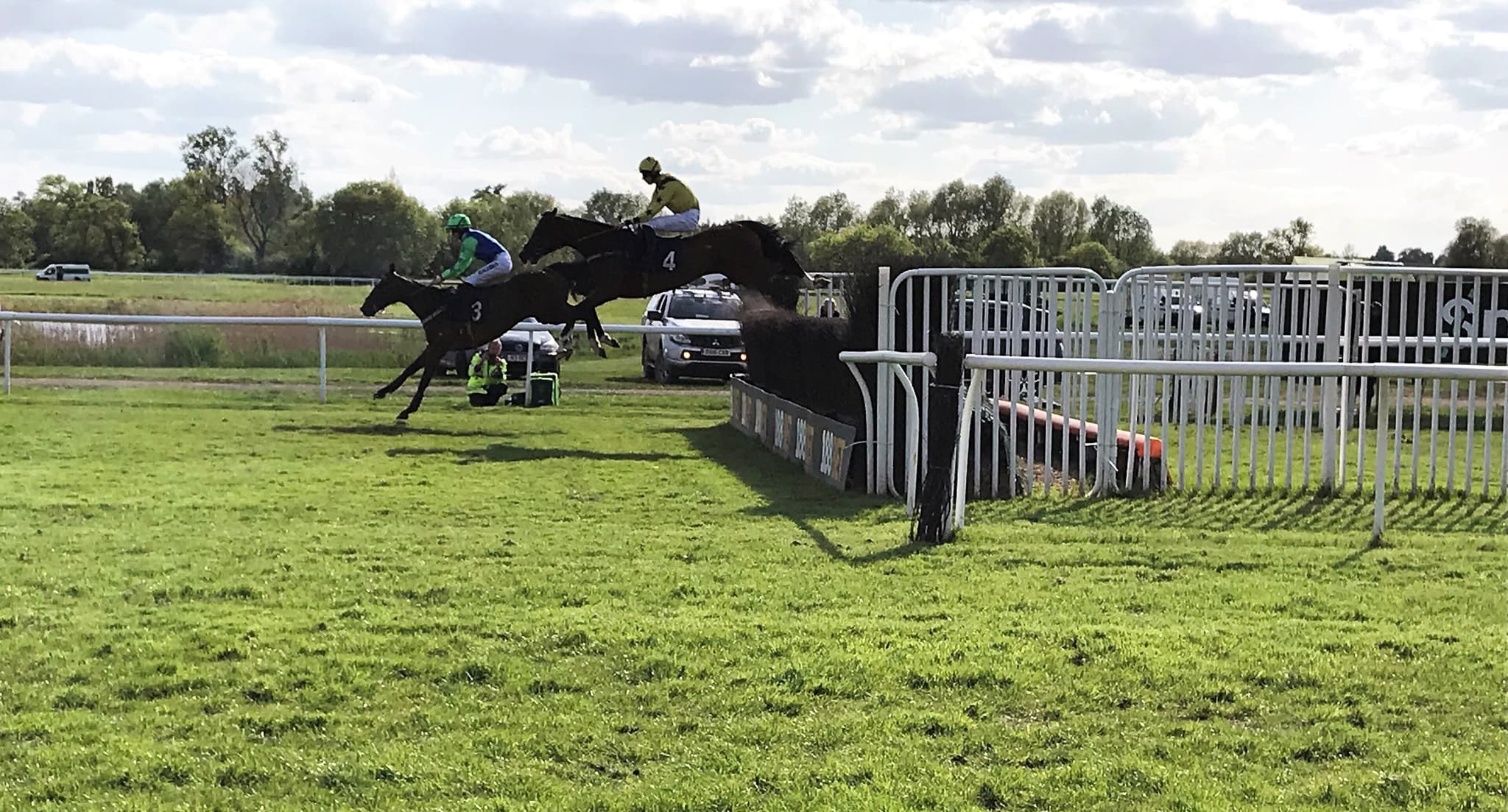
Peterborough Chase Day at Huntingdon: The Complete Guide
Your guide to Peterborough Chase Day at Huntingdon — the December trial that previews the Cheltenham Gold Cup and King George field. Race card breakdown, betting angles, how to get there, and what to expect from one of the East's most important jump fixtures.
Read morePhotos on this page are used under Creative Commons licences. Titles, sources and licence links for each one are on our image credits page.
Research the field with the AI Race Predictor
Our model publishes calibrated win-probability estimates for UK races — a second opinion to understand a race, not tips. It's open about its record: it doesn't beat the market, and we show exactly how it does.
Work it out & learn the basics
Gamble Responsibly
Gambling should be entertaining and not seen as a way to make money. Never bet more than you can afford to lose. If you or someone you know has a gambling problem, help and support is available.