

Founder & Editor · Last reviewed 2026-04-07
Market Rasen Racecourse sits in the Lincolnshire Wolds, a right-handed oval course with a slight undulation that makes it just testing enough to separate the fit from the merely fit-looking. It is a pure National Hunt track that operates from May through to January, and its great selling point is timing: Market Rasen holds Britain's busiest summer jump programme at exactly the point in the calendar when jump racing fans are most starved of their sport.
The Summer Plate is Market Rasen's signature occasion — a Listed chase run over two miles in July that is the centrepiece of what is effectively Britain's most attended summer jump meeting. The race attracts chasers that have been specifically trained for the summer campaign rather than rested after the spring festivals, and the quality of a well-contested Summer Plate field is considerably higher than its Listed status might suggest to the casual observer.
The August bank holiday meeting is Market Rasen's biggest attendance day of the year. Jump racing at the end of August, when most sport is in a seasonal gap and the racing world is between the flat's Goodwood festival and the autumn programme, draws an audience that is grateful for competitive sport and makes Market Rasen's bank holiday card one of the most genuinely joyful afternoons in the racing calendar. The atmosphere — families, regulars, punters, first-timers — is unlike anything you will find at a winter jump meeting.
The course itself is well-maintained, the Lincolnshire countryside is beautiful in summer and the fences are set at a fair height that rewards jumping ability without punishing slight mistakes excessively. Market Rasen in July is a reminder of why people fall in love with jump racing in the first place.
Bet on Market Rasen
Place your bets on Market Rasen races with a trusted bookmaker.

Promo code BETFRED50. New customers only. Register, deposit with a Debit Card, and place a first bet of £10+ at Evens (2.0)+ on Sports, to be settled within 7 days, to get £30 in Sports Free Bets and £20 in Bet Builder Free Bets within 24 hours of settlement. 7-day expiry. Eligibility & payment exclusions apply. Full T&Cs apply. Take Time to Think. BeGambleAware.org. 18+. Full T&Cs.

Promo code R30. New UK customers only, 18+. Register, deposit £10 or more, then place a £10 single cash bet at odds of 1/2 (1.5) or greater on any sports market (excluding Virtuals). Once the qualifying bet settles you get £30 in Free Bets (3 x £10) — the qualifying bet can win or lose. Free Bets are valid on any sports market excluding Virtuals, expire in 7 days, are non-withdrawable and must be used in full. Excluded deposit methods apply (including PayPal, Apple Pay, Skrill and NETELLER). Named bets such as Lucky 15 do not qualify. If you cash out the qualifying bet, or it is voided, you are no longer eligible for the offer. Ends 31.12.26. Full T&Cs apply. Please gamble responsibly. BeGambleAware.org. 18+. Full T&Cs.

Promo code BET40GET20. New UK customers, 18+. Register with the code and place a first bet of £40 or more at Evens (2.0) or greater. Receive 2 × £10 free bets: the first credited automatically once the qualifying bet settles, the second 24 hours later. Free bets must be placed at minimum odds of 4/1 (5.0), expire 24 hours after credit, and the free-bet stake is not returned with winnings. Debit card deposits only. Take Time to Think. BeGambleAware.org. 18+. T&Cs apply. Full T&Cs.

50% of your first-day net losses refunded as a free bet, capped at £25. New UK customers aged 18+ only. To qualify, deposit and place a first bet of £10 or more on any sport at minimum odds of evens (2.00), then place at least two further bets on different events, each worth at least 50% of your largest bet, all at evens (2.00) or greater. Losses are counted from your first settled bet until 23:59 the same day. Place a qualifying £10+ bet and you are guaranteed at least a £5 free bet. Bets placed at SP, void bets, cashed-out bets and bets struck with free bets do not count towards the offer. The free bet is credited the day after your qualifying bets settle and must be used within 7 days, after which it expires. It can be used at odds from 1/4 (1.25) up to 250/1 on singles and straight accumulators, but not on Trixie, Patent or Yankee style multiples. Free-bet stake is not returned with winnings. One offer per person, household, address, IP address and device. E-wallet deposits may not qualify, so check the cashier before depositing. Customers registered with GAMSTOP cannot claim. KYC identity verification must be completed before the free bet is credited. Take Time to Think. BeGambleAware.org. 18+. T&Cs apply. Full T&Cs.

New customers, 18+. Choose the sports bonus at sign-up, make a first deposit and receive a 100% bonus up to £50 in your Sports Bonus balance. To convert the bonus to cash, wager it 10x within 30 days. Single bets below Evens (2.00) do not qualify; accumulators do not qualify if any selection is below 1/2 (1.50). Virtual Sports, voided, cancelled, drawn, cashed-out and free-bet wagers do not count towards wagering. Only the first settled bet per event counts. Withdrawing before the wagering requirement is met forfeits the bonus balance including bonus winnings. Real-money funds are used before bonus funds. Deposits via Skrill or Neteller are not eligible. Not valid in conjunction with other promotions. Odds, bet and payment limits apply. 10bet general and promotion T&Cs apply. BeGambleAware.org. 18+. Full T&Cs.

New customers in Great Britain and Republic of Ireland, 18+. Place a £10 fixed-odds qualifying bet at minimum odds of 1/2 (1.50) — single or each-way (only the win part counts), pre-event or in-play, not cashed out early, within 28 days of opening the account. Receive up to £60 in bonuses credited over three days: 3 × £10 fixed-odds free bets (the first on settlement, then 24 and 48 hours later) plus 3 × £5 Total Goals FOOTBALL spread bets, 3 × £5 racing Winning Favourites spread bets and a £1 racing Race Index spread bet (the spread bets need a full spread-betting account). Free-bet stakes not returned with winnings; free bets valid 28 days from issue. IMPORTANT: the £5 credits are SPREAD bets — sports spread betting carries the risk that losses can exceed your stake. Sports spread-betting customers do not have Financial Ombudsman or FSCS recourse. Take Time to Think. BeGambleAware.org. 18+. T&Cs apply. Full T&Cs.

Promo code WELCOME15, entered under My Bonuses after registering. New UK customers, 18+. Place a first qualifying bet of at least £10 from your cash balance at odds of evens (2.0) or greater within 7 days of opening the account. Once the qualifying bet fully settles you receive £15 in free bets, credited as 3 x £5 tokens with set uses: one £5 accumulator free bet (minimum 4 legs, each leg at 2/5 or bigger), one £5 sports free bet (any market at evens or bigger) and one £5 Sub Cover free bet (selected football player markets at evens or bigger). Free-bet stakes are not returned with winnings. Free bets expire 7 days after they are credited. Void, cashed-out and partially cashed-out bets do not qualify. One offer per customer. Confirm the current terms on BetGoodwin's own welcome-offer page before claiming. Take Time to Think. BeGambleAware.org. 18+. T&Cs apply. Full T&Cs.

New UK customers, 18+. Minimum deposit £10. Place a £10 qualifying single at minimum odds of 1/2 (1.50), settled within 14 days. Receive £30 in free bets (stake not returned), split £20 for sportsbook use (2 x £10) and £10 for Bet Builder only (2 x £5); Bet Builder does not cover horse racing. Free bets must be accepted within 7 days and expire 7 days after acceptance. No promo code required. Best Odds Guaranteed on UK & Irish racing, subject to having staked over £25 in the previous seven days. Operated by LiveScore Betting and Gaming (Gibraltar) Ltd, UKGC 56859. Confirm the current terms on LiveScore Bet's own promotions page before claiming. Take Time to Think. BeGambleAware.org. 18+. T&Cs apply. Full T&Cs.
18+. BeGambleAware.org
The Festival Programme
Summer Plate Day (July)
Market Rasen's flagship occasion — a summer Saturday centred on the Summer Plate (Listed chase, 2m) with a full supporting card of handicap hurdles, novice chases and a summer bumper that provides a rare glimpse of unraced National Hunt horses at a time of year when most point-to-point and bumper graduates are resting.
The day's shape: Racing begins around noon, with the Summer Plate typically scheduled fourth or fifth on a seven-race card in the mid-afternoon. Arrive by 11:30 to catch the first runners in the parade ring and to assess the chasers before the Listed race — horses that have been in training through the summer are visibly different from their winter selves, carrying less bodyweight but a sharper, hardened condition that reflects consistent summer work.
The atmosphere on Summer Plate day is relaxed and genuinely celebratory. This is not a tense winter handicap day — it is a summer Saturday where people are pleased to be racing in the sunshine, the Lincolnshire countryside looks its best and the whole occasion has a warmth to it that is difficult to replicate in the winter season. Bring a hat, bring sun cream and allow more time than you think you need to get from the car park to the enclosures.
The bookmakers on Summer Plate day know the summer jump form well — this is a small but expert community of professionals who have been watching summer jump racing since May. The on-course market is tight and efficient. The exchange often offers better value in the handicap hurdles where the form is less well-known to the layers.
August Bank Holiday Meeting
The busiest day of the Market Rasen year. The bank holiday Saturday or Monday meeting in August is the day when Market Rasen's attendance peaks and the course operates at full capacity. It is a social occasion as much as a racing one — families come in large numbers, first-time racegoers discover jump racing for the first time in a welcoming setting, and the regulars who have been coming to the bank holiday meeting for years provide a loyal backbone of the crowd.
What to expect: The card is competitive — the bank holiday meeting is not treated as a filler fixture by the trainers. Dan Skelton, Kim Bailey and Jonjo O'Neill Jr consistently target the bank holiday card with summer jump specialists, and the standard of the handicap hurdles and chases is often considerably higher than the class of race would suggest.
The facilities are stretched on bank holiday day — arrive early, especially if you are driving. Car parks fill well before the first race, and the queues at bars and food stalls are longest in the 30 minutes before each race. Managing the day well means getting there early, having a plan for food and drinks, and finding your position in the grandstand before the serious crowds arrive.
Tip for first-timers: The parade ring is the best place to spend time between races. Market Rasen's parade ring is accessible and friendly, and on the bank holiday day the close proximity to the horses — chasers that have been campaigning through the summer in peak physical condition — is one of the highlights of attending.
Spring and Autumn Jump Programme
Beyond the flagship summer occasions, Market Rasen operates a regular schedule from May through January. The May and June meetings open the summer jump season and attract horses that have had a brief rest after the spring festivals and are being prepared for the summer programme. These early-season cards are underattended but informationally valuable — horses that run well in May and June often form the backbone of the competitive summer Plate field in July.
The November and December meetings at Market Rasen bring the season to a close before the winter break. These autumn fixtures attract horses returning from their summer campaigns and targeting the winter programme — they are useful form markers for the Cheltenham and Aintree novice programmes, and winners from Market Rasen autumn meetings have gone on to feature at the spring festivals.
Key Races to Watch
Summer Plate (July, Listed Chase, 2m)
Market Rasen's showpiece race — a Listed contest over two miles that serves as the definitive test of summer chase form. The race attracts chasers that have been kept in training specifically for the summer programme, and the quality of a well-subscribed Summer Plate field is routinely above what the race's Listed status implies.
The race rewards horses that are genuinely fit and sharp after continuous summer training rather than those returning from a long rest. This is important: summer jump specialists — horses whose trainers run them through the summer rather than resting after the spring festivals — have a systematic advantage over horses returning from a lay-off, regardless of any rating differential. Fitness is worth significant pounds in this race.
Dan Skelton has an outstanding record in the Summer Plate. His Alcester yard runs horses through the summer jump programme as a deliberate training philosophy, and his chasers arrive at Market Rasen in July at the peak of their mid-season fitness. A Skelton runner in the Summer Plate deserves near-automatic consideration at the top of the market.
Bank Holiday Handicap Hurdle (August, 2m–2m4f)
The headline handicap hurdle on the August bank holiday card is one of the most competitive handicap hurdles of the summer. The race attracts horses rated between 100 and 125 from the major summer jump yards, and the field quality is consistently high relative to the official rating band — trainers who target the summer jump programme understand the prestige of the bank holiday meeting.
The key form angle here is straightforward: horses that have been competing in summer jump racing since May have a demonstrable fitness advantage over those making their seasonal reappearance. Any horse with two or three recent runs in the summer programme should be preferred over returners, all else being equal.
Novice Chase Series (May–November)
Market Rasen's novice chase cards through the summer and autumn attract novice chasers that are gaining experience on a fair, well-maintained circuit. The two-mile novice chase division in summer is underreported but produces useful form references — winners here from the Skelton or Bailey yards tend to progress significantly through the winter.
Jonjo O'Neill Jr in particular has excellent summer jump records at Market Rasen. His novice chasers in June and July tend to be horses that are beginning their chasing careers in the lower-pressure environment of the summer programme and are being given experience ahead of an ambitious winter campaign.
Summer Bumper (July/August)
Market Rasen's summer bumper (National Hunt Flat Race) is a rare opportunity to see potential jumping stars at the very beginning of their careers in a summer setting. Horses that win the Market Rasen summer bumper from the Henderson, Nicholls or Skelton yards are worth adding to your winter notebook — the major yards do not waste talented young horses on filler races.
Betting Preview
The Summer Jump Fitness Edge
Summer jump racing has a structural inefficiency that is worth understanding and exploiting. Because the summer jump programme receives considerably less press coverage, television time and public attention than the winter season, the form is less well-analysed. The layers price up summer jump handicaps less precisely than their winter equivalents, and there is more value available for the form student who has done the work.
The fitness edge in summer jump racing is real and measurable. Horses that have had two or more runs since May are demonstrably fitter than those reappearing from a rest, and this edge is often underpriced in handicap markets. Before every Market Rasen handicap, compare the run records of the field over the past three months. Horses with recent summer jump experience should be systematically upgraded in your assessment.
Backing Skelton, Bailey and O'Neill
Dan Skelton, Kim Bailey and Jonjo O'Neill Jr are the three trainers who dominate summer jump racing in Britain. Their yards continue operating through the summer while many operations rest horses, and their strike rates at summer jump fixtures are significantly above the national trainer average. At Market Rasen specifically, all three have records worth examining in detail before any meeting.
Skelton is the standout. His summer jump programme is the most deliberately organised of any British trainer — he targets the Summer Plate and the bank holiday meeting as serious races each year and sends genuinely good horses to win them. A Skelton runner at Market Rasen in July should be near the top of your shortlist in almost any class of race.
The Market Rasen Price Opportunity
Market Rasen's summer jump cards are underserved by the main racing media during the flat season. Racing Post coverage is lighter, television analysis is minimal and the general market intelligence available to the public is thinner than in winter. This means that genuine form students have a persistent edge at summer jump meetings — if you have watched the summer programme carefully and understand the form, you will regularly find prices that do not reflect the true probability of the result.
The on-course market at Market Rasen on bank holiday day is competitive but not infallible. The exchange provides the best prices on the handicap hurdles and novice chases where the form is most opaque to the general public. Use both markets — take on-course prices when they are better, and exchange when they are not.
Going Notes
Market Rasen's going in July and August is typically good to firm. The Lincolnshire Wolds drain quickly after rainfall, and the summer programme is run on fast ground more often than not. Horses that perform well on soft winter ground but have no form on a quick surface should be marked down. Summer jumping is a different skill set from winter jumping in terms of ground requirements.
Visitor Information
Getting There
By train: Market Rasen station is served by Northern Rail services from Lincoln (approximately 20 minutes), with connections from Sheffield via Lincoln requiring a change. London is not directly reachable by train — King's Cross to Lincoln is around two hours, then a 20-minute onward connection. From the station, the racecourse is a five-minute walk into the town centre and then along the Legsby Road — the route is signposted. This is one of Britain's few racecourses where you step off the train and are genuinely within walking distance of the paddock.
By car: The A631 runs through Market Rasen and provides direct access to the course. From the south, take the A46 to Lincoln and then the A158 west, or approach from the A1 via Brigg. On bank holiday day, traffic on the A631 approaching from both the Lincoln and Louth directions can be heavy — allow an additional 45 minutes over your normal journey time and consider parking in the town and walking rather than waiting for the on-site car parks to clear.
From the north: The M180/A15 via Brigg is the most direct route from Humberside and South Yorkshire. Junction 4 of the M180 leads onto the A15 south and then the A631 east.
Enclosures and Facilities
Grandstand Enclosure: The main public area with covered grandstand views and the full food and bar offer. Smart casual dress applies — this is a relaxed summer jump meeting, but the course maintains a standard.
Paddock Enclosure: Access to the parade ring and betting ring. In summer, the parade ring at Market Rasen is particularly worth a visit — summer jump horses in peak condition in warm weather are at their most impressive, and the close proximity that Market Rasen's compact layout allows is a genuine pleasure.
Essential Tips
- Bank holiday: arrive very early. Market Rasen at August bank holiday capacity is a genuinely full racecourse. Car parks open from 10:00 am — arrive then if you can. Latecomers find parking in the town centre and face a longer walk.
- Bring sun protection. Market Rasen in July and August is genuinely warm and the course's grandstands do not provide consistent shade. Sun cream, a hat and water are not optional on a hot bank holiday afternoon.
- The town of Market Rasen is charming. The Wolds market town has good pubs and a welcoming atmosphere. The Advocate Arms on Queen Street is a reliable pre-racing option; the Black Horse further up Union Street is popular with the racing crowd.
- Great value for summer racing. Market Rasen is among the best-value jump meetings in Britain. Admission prices are considerably lower than equivalent winter Grade 2 occasions, and the quality of the summer programme is significantly higher than its low-key reputation suggests.
Share this article
More about this racecourse
All Market Rasen guides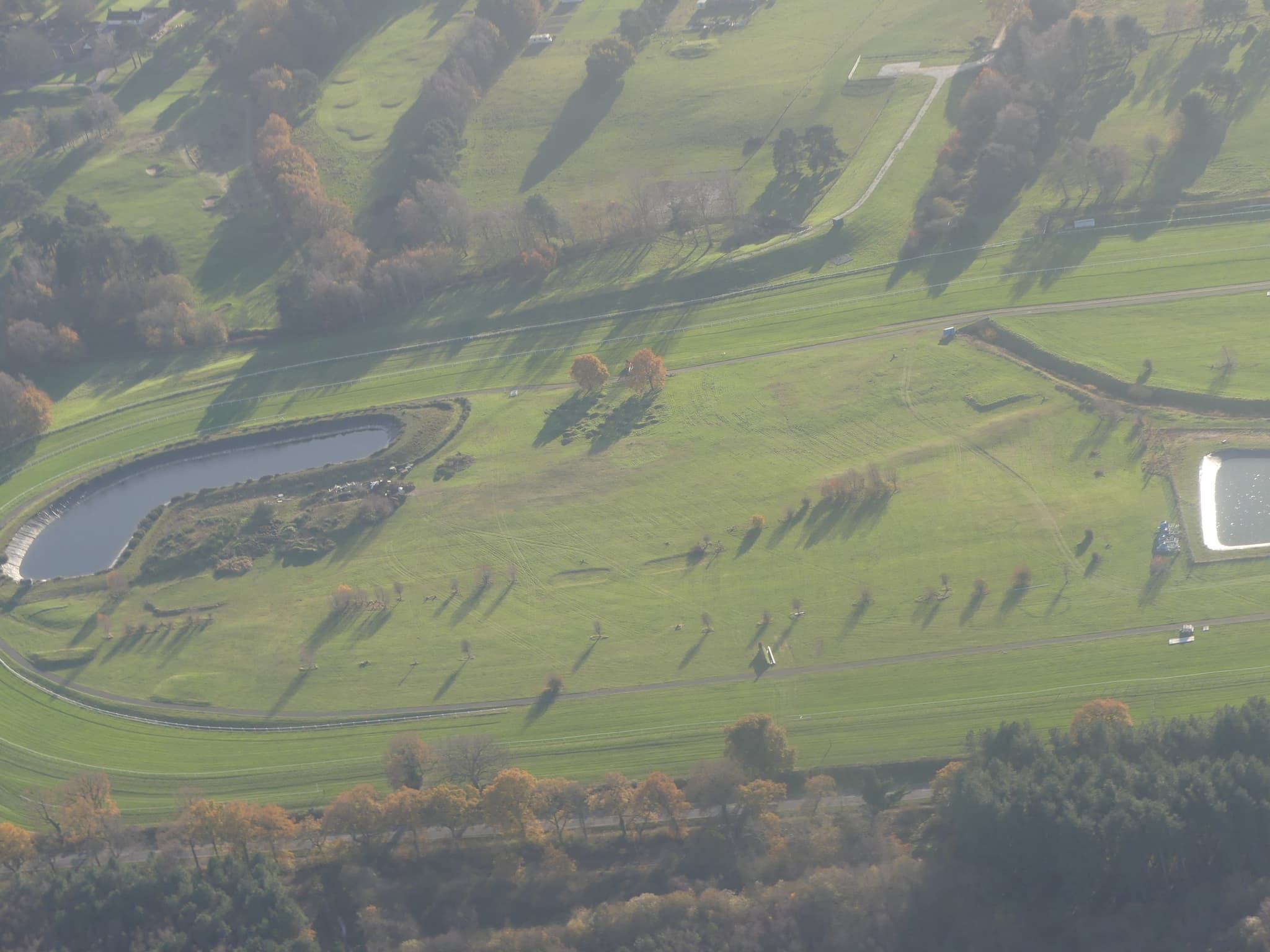
The History of Market Rasen Racecourse
Over 200 years of racing at Market Rasen — from Feast Week in the early 1800s to Britain's only year-round National Hunt track.
Read more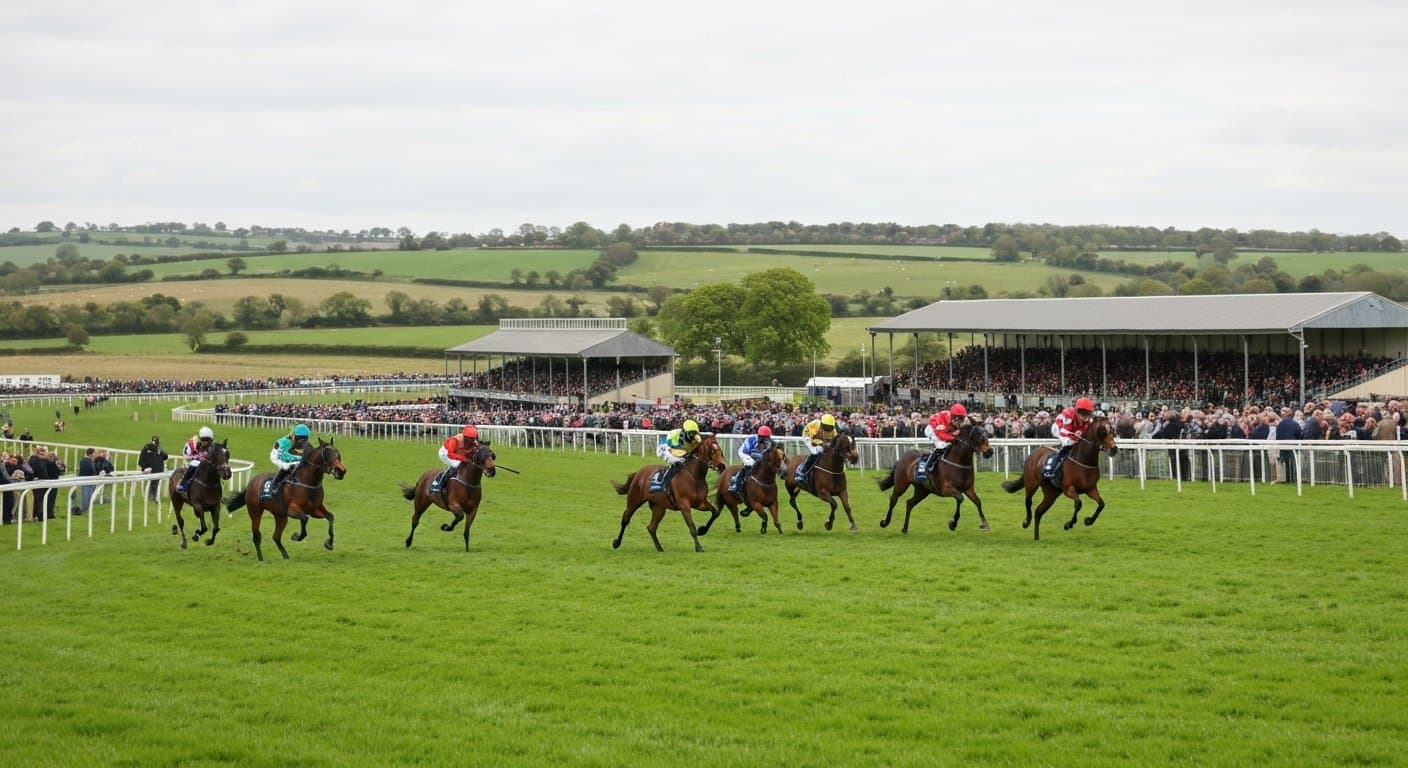
Market Rasen Summer Jumping: The Year-Round Programme
Market Rasen's summer jumping — Britain's only year-round National Hunt track, the Summer Plate, and what makes summer jumping different.
Read more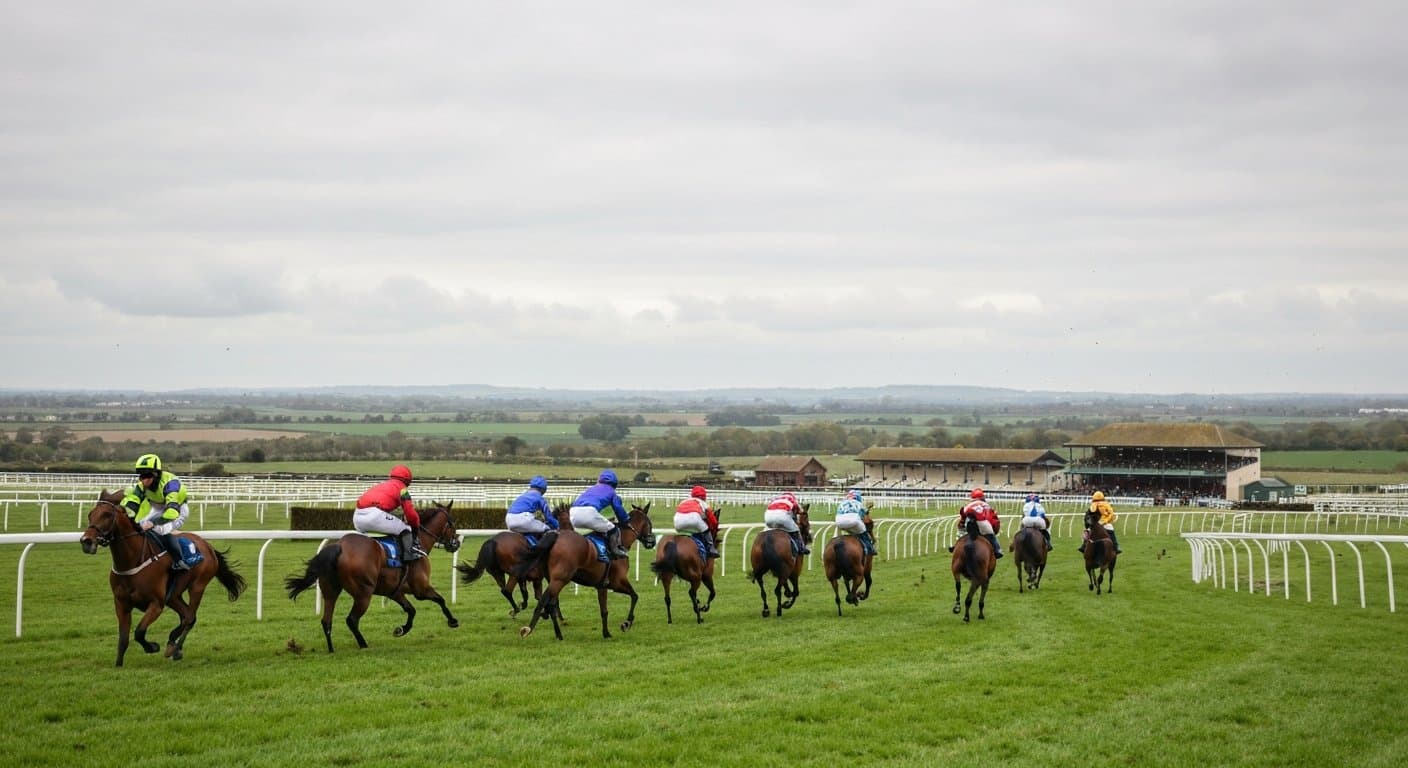
Summer Plate 2026: Market Rasen Tips, Odds & Race Guide
Get expert tips for Market Rasen's Summer Plate - Britain's most valuable summer chase. Race times, betting odds and course insights.
Read morePhotos on this page are used under Creative Commons licences. Titles, sources and licence links for each one are on our image credits page.
Research the field with the AI Race Predictor
Our model publishes calibrated win-probability estimates for UK races — a second opinion to understand a race, not tips. It's open about its record: it doesn't beat the market, and we show exactly how it does.
Work it out & learn the basics
Gamble Responsibly
Gambling should be entertaining and not seen as a way to make money. Never bet more than you can afford to lose. If you or someone you know has a gambling problem, help and support is available.