
Founder & Editor · Last reviewed 2026-03-02
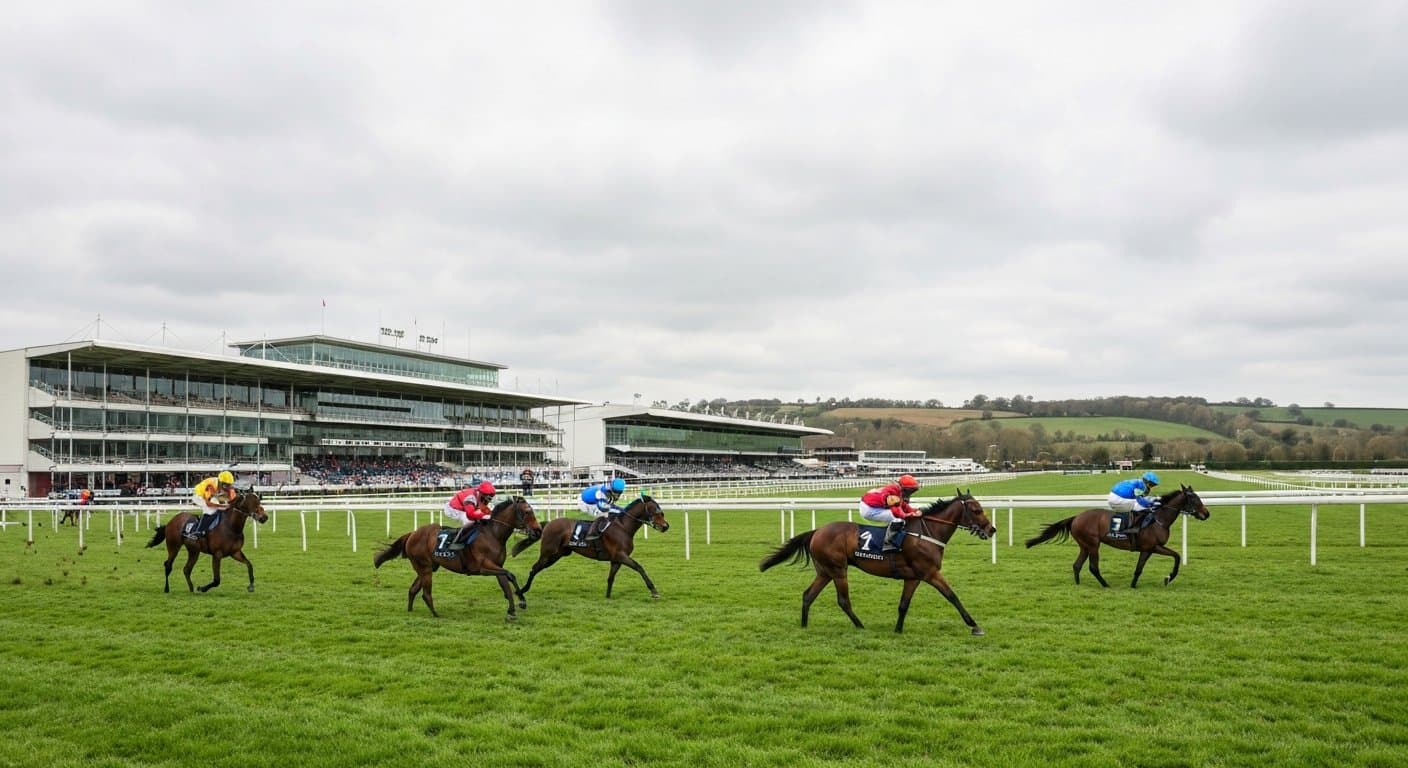
The Lockinge Stakes is Newbury's premier flat race — a Group 1 contest over one mile that marks the unofficial start of the serious summer flat season. Run in mid-May, it is typically the first time the top older milers clash each year, making it one of the most informative races on the entire calendar.
Named after the Lockinge estate near Wantage in Oxfordshire, the race has been a fixture at Newbury since 1958. It has grown steadily in prestige over the decades, earning Group 1 status in 1995 and establishing itself as the premier mile race of the spring. For many trainers, the Lockinge is the first major target of the season — a chance to confirm that their miler is back in top form after a winter break.
What makes the Lockinge particularly valuable is its role as a trial for Royal Ascot. The Queen Anne Stakes, the opening race of the Royal meeting in June, runs over the same distance and attracts a similar calibre of field. A strong Lockinge performance is one of the best indicators of Queen Anne potential, and the two races are closely linked in punters' minds. Several horses have completed the Lockinge–Queen Anne double in the same season, and Lockinge form consistently carries over to the royal fixture.
The roll of honour tells you everything about the race's quality. Brigadier Gerard, Frankel, Palace Pier, Soviet Song, Paco Boy, Ribchester — the Lockinge has been won by some of the finest milers in European racing history. These are not horses that ducked the big races; they came to Newbury specifically because the Lockinge is a test worthy of their talent.
The race is also the opening chapter of the miling season's story. Before the Queen Anne, before the Sussex Stakes at Goodwood, before the QEII on Champions Day, there is the Lockinge. The form lines it establishes in May reverberate for months. A horse that wins here with authority carries strong claims into every subsequent mile race; one that runs below expectations raises questions that connections must answer before Ascot.
Newbury's straight mile is among the fairest tests in British racing. The track is wide, the ground generally consistent, and there are no sharp bends to catch out a horse that needs time to balance. That fairness is important. When a horse wins the Lockinge, you can be confident the result reflects ability rather than circumstance.
For racegoers, Lockinge day is one of the best afternoons of the flat season. The weather is usually kind (mid-May in Berkshire has a lot going for it), the crowd is knowledgeable and enthusiastic, and the quality of racing on the supporting card is high. It is a day that rewards proper racegoing — form study, paddock watching, enjoying the atmosphere, and hopefully backing a winner or two.
This guide covers the race's history, its greatest winners, the course and conditions that shape the race, the betting angles that can give you an edge, and the frequently asked questions about this brilliant contest.
Bet on Newbury
Place your bets on Newbury races with a trusted bookmaker.

Promo code BETFRED50. New customers only. Register, deposit with a Debit Card, and place a first bet of £10+ at Evens (2.0)+ on Sports, to be settled within 7 days, to get £30 in Sports Free Bets and £20 in Bet Builder Free Bets within 24 hours of settlement. 7-day expiry. Eligibility & payment exclusions apply. Full T&Cs apply. Take Time to Think. BeGambleAware.org. 18+. Full T&Cs.

Promo code R30. New UK customers only, 18+. Register, deposit £10 or more, then place a £10 single cash bet at odds of 1/2 (1.5) or greater on any sports market (excluding Virtuals). Once the qualifying bet settles you get £30 in Free Bets (3 x £10) — the qualifying bet can win or lose. Free Bets are valid on any sports market excluding Virtuals, expire in 7 days, are non-withdrawable and must be used in full. Excluded deposit methods apply (including PayPal, Apple Pay, Skrill and NETELLER). Named bets such as Lucky 15 do not qualify. If you cash out the qualifying bet, or it is voided, you are no longer eligible for the offer. Ends 31.12.26. Full T&Cs apply. Please gamble responsibly. BeGambleAware.org. 18+. Full T&Cs.

Promo code BET40GET20. New UK customers, 18+. Register with the code and place a first bet of £40 or more at Evens (2.0) or greater. Receive 2 × £10 free bets: the first credited automatically once the qualifying bet settles, the second 24 hours later. Free bets must be placed at minimum odds of 4/1 (5.0), expire 24 hours after credit, and the free-bet stake is not returned with winnings. Debit card deposits only. Take Time to Think. BeGambleAware.org. 18+. T&Cs apply. Full T&Cs.

50% of your first-day net losses refunded as a free bet, capped at £25. New UK customers aged 18+ only. To qualify, deposit and place a first bet of £10 or more on any sport at minimum odds of evens (2.00), then place at least two further bets on different events, each worth at least 50% of your largest bet, all at evens (2.00) or greater. Losses are counted from your first settled bet until 23:59 the same day. Place a qualifying £10+ bet and you are guaranteed at least a £5 free bet. Bets placed at SP, void bets, cashed-out bets and bets struck with free bets do not count towards the offer. The free bet is credited the day after your qualifying bets settle and must be used within 7 days, after which it expires. It can be used at odds from 1/4 (1.25) up to 250/1 on singles and straight accumulators, but not on Trixie, Patent or Yankee style multiples. Free-bet stake is not returned with winnings. One offer per person, household, address, IP address and device. E-wallet deposits may not qualify, so check the cashier before depositing. Customers registered with GAMSTOP cannot claim. KYC identity verification must be completed before the free bet is credited. Take Time to Think. BeGambleAware.org. 18+. T&Cs apply. Full T&Cs.

New customers, 18+. Choose the sports bonus at sign-up, make a first deposit and receive a 100% bonus up to £50 in your Sports Bonus balance. To convert the bonus to cash, wager it 10x within 30 days. Single bets below Evens (2.00) do not qualify; accumulators do not qualify if any selection is below 1/2 (1.50). Virtual Sports, voided, cancelled, drawn, cashed-out and free-bet wagers do not count towards wagering. Only the first settled bet per event counts. Withdrawing before the wagering requirement is met forfeits the bonus balance including bonus winnings. Real-money funds are used before bonus funds. Deposits via Skrill or Neteller are not eligible. Not valid in conjunction with other promotions. Odds, bet and payment limits apply. 10bet general and promotion T&Cs apply. BeGambleAware.org. 18+. Full T&Cs.

New customers in Great Britain and Republic of Ireland, 18+. Place a £10 fixed-odds qualifying bet at minimum odds of 1/2 (1.50) — single or each-way (only the win part counts), pre-event or in-play, not cashed out early, within 28 days of opening the account. Receive up to £60 in bonuses credited over three days: 3 × £10 fixed-odds free bets (the first on settlement, then 24 and 48 hours later) plus 3 × £5 Total Goals FOOTBALL spread bets and 3 × £5 racing Winning Favourites spread bets, with a £1 racing Race Index spread bet as an extra on top. The spread bets need a full spread-betting account, opened within 28 days of the fixed-odds account and subject to Spreadex's eligibility and appropriateness checks. Free-bet stakes not returned with winnings; free bets valid 28 days from issue. IMPORTANT: the £5 credits are SPREAD bets — sports spread betting carries the risk that losses can exceed your stake. Sports spread-betting customers do not have Financial Ombudsman or FSCS recourse. Take Time to Think. BeGambleAware.org. 18+. T&Cs apply. Full T&Cs.

Promo code WELCOME15, entered under My Bonuses after registering. New UK customers, 18+. Place a first qualifying bet of at least £10 from your cash balance at odds of evens (2.0) or greater within 7 days of opening the account. Once the qualifying bet fully settles you receive £15 in free bets, credited as 3 x £5 tokens with set uses: one £5 accumulator free bet (minimum 4 legs, each leg at 2/5 or bigger), one £5 sports free bet (any market at evens or bigger) and one £5 Sub Cover free bet (selected football player markets at evens or bigger). Free-bet stakes are not returned with winnings. Free bets expire 7 days after they are credited. Void, cashed-out and partially cashed-out bets do not qualify. One offer per customer. Confirm the current terms on BetGoodwin's own welcome-offer page before claiming. Take Time to Think. BeGambleAware.org. 18+. T&Cs apply. Full T&Cs.

New UK customers, 18+. Minimum deposit £10. Place a £10 qualifying single on sports (excluding virtuals) at minimum odds of 1/2 (1.50), settled within 14 days. Deposit-method exclusions apply. Receive £30 in free bets (stake not returned), split £20 for sportsbook use (2 x £10) and £10 for Bet Builder only (2 x £5); Bet Builder does not cover horse racing. Free bets must be accepted within 7 days and expire 7 days after acceptance. No promo code required. Best Odds Guaranteed on UK & Irish racing, subject to having staked over £25 in the previous seven days. Operated by LiveScore Betting and Gaming (Gibraltar) Ltd, UKGC 56859. Confirm the current terms on LiveScore Bet's own promotions page before claiming. Take Time to Think. BeGambleAware.org. 18+. T&Cs apply. Full T&Cs.
18+. BeGambleAware.org
Race History
The Lockinge Stakes was first run in 1958, making it a relatively modern addition to the flat racing calendar. But what it lacks in centuries of tradition, it more than compensates for with the quality of its roll of honour and its growing importance in the European racing programme.
Origins and Early Years
The race takes its name from the Lockinge estate near Wantage in Oxfordshire, historically associated with the Lloyd-Lindsay family (later the Wantage family). Colonel Robert Loyd-Lindsay, later the 1st Baron Wantage, was a prominent figure in Victorian public life and a significant contributor to the local community. The estate's name was attached to the race from its inception, lending it an air of establishment respectability.
In its early years, the Lockinge was a Group 3 (or the equivalent pre-pattern classification) event that attracted solid but not spectacular fields. It was a useful early-season mile race, but it did not yet carry the weight of the major pattern events at Ascot or Goodwood.
That began to change in the 1970s. As the European pattern system was formalised, the Lockinge was upgraded and began to attract better runners. The race's position in the calendar — mid-May, after the Guineas but before Royal Ascot — gave it a natural niche as a testing ground for milers stepping up to the top level.
The Brigadier Gerard Era
The most significant early landmark in the race's history arrived in 1972, when Brigadier Gerard won the Lockinge as part of his unbeaten run of 17 consecutive victories. Trained by Dick Hern at West Ilsley and ridden by Joe Mercer, the Brigadier was arguably the finest miler Britain had ever produced. His Lockinge victory, delivered with typical authority, confirmed the race was now worthy of the best horses in training.
That visit by Brigadier Gerard changed the perception of the Lockinge. If the greatest miler of the era was lining up at Newbury in May, the race had to mean something. Connections of serious horses took notice, and the quality of subsequent fields reflected that.
Rise to Group 1
The Lockinge received its Group 1 classification in 1995, formally recognising what the racing world already knew: this was a race of the highest calibre. The upgrade attracted even stronger fields, and the race became a must-enter contest for any trainer with a serious miler.
The timing was well judged. The 1990s saw a golden period for European miling, with outstanding horses like Bahri, Soviet Song, and Hawk Wing all contesting the Lockinge during this era. The race's status as a Royal Ascot trial meant that top connections could not afford to skip it — a strong Lockinge run provided both confidence and important fitness heading into the Royal meeting.
Bahri won the 1995 race in the year it first carried Group 1 status, giving the upgraded contest an immediate stamp of authority. Trained by John Dunlop and ridden by Willie Carson, he was a horse of real class who used the Lockinge to set up a summer campaign.
The 2000s and the Soviet Song Double
The 2000s brought some outstanding performances. Hawk Wing (2003), trained by Aidan O'Brien, produced a front-running display of relentless power that silenced a field of quality milers. O'Brien's runners had already established that Ballydoyle would be a regular source of Lockinge contenders.
Soviet Song (2004, 2005) achieved something that confirmed the race's growing stature: she won it twice, and did so from the fillies' ranks against a mixed field. Trained by James Fanshawe and ridden by Johnny Murtagh, she was a brilliant performer who demonstrated that the best fillies could not only compete with the colts in the Lockinge but beat them comfortably. Her double remains one of the race's most celebrated achievements.
Paco Boy (2009, 2010) added another double to the Lockinge's history, trained by Richard Hannon Sr and ridden by Richard Hughes. Tough, sound, and exceptionally consistent, Paco Boy was the type of horse Newbury's galloping track rewards most: a real miler who could travel through a strong pace and quicken when asked.
Frankel (2012) — The Defining Moment
No event in the Lockinge's history matches Frankel's visit to Newbury on 19 May 2012. The horse that Sir Henry Cecil had trained to an unmatched level of brilliance arrived for his seasonal reappearance as a four-year-old with the weight of expectation on his shoulders. He had won his last nine races at three, culminating in a Queen Elizabeth II Stakes performance of breathtaking quality. The question for 2012 was whether he could maintain that standard in his older campaign.
Under Tom Queally, Frankel sat just off the pace before quickening away in the closing stages with a fluency that belonged to a different category. The winning margin was modest in numbers, but the performance left the Newbury crowd — knowledgeable, patient, not easily impressed — producing a reception that echoed around the Berkshire countryside. He went on from that Lockinge victory to win five more times, retiring unbeaten after 14 starts as the highest-rated racehorse in recorded history.
Frankel's Lockinge is the race's defining moment because it crystallised what the contest represents: the best horse in training, tested at the start of the season, putting down a marker for everything that follows.
Night of Thunder and the Post-Frankel Years
After Frankel's retirement, the Lockinge remained strong. Night of Thunder (2015), the 2014 2000 Guineas winner, used the Lockinge to announce his four-year-old campaign. Trained by Richard Hannon Jr, he was a horse of considerable class who adapted well to the senior miling ranks. His Lockinge win showed that classic winners could translate their ability to older company.
Belardo (2016), trained by Roger Varian, won in good style and went on to prove his class at Royal Ascot. Ribchester (2017) produced one of the most authoritative displays of the mid-2010s, trained by Richard Fahey and ridden by William Buick. Ribchester was a horse of relentless speed who handled any ground and any pace scenario — the ideal Lockinge type.
Palace Pier and the Recent Era
Palace Pier (2021) was the most dominant horse of his era over a mile, and his Lockinge performance confirmed it. Trained by John Gosden and ridden by Frankie Dettori, he won with the same smooth authority that characterised his best performances. He went on to complete the Lockinge–Queen Anne double that season, reinforcing the link between the two races.
The modern Lockinge is firmly established as one of the most important Group 1s in the European flat calendar. Prize money has grown considerably, reflecting its status. The supporting card — including the Listed Carnarvon Stakes and valuable handicaps — makes Lockinge day one of the strongest flat meetings of the year.
The Queen Anne Stakes Connection
The Lockinge's most enduring legacy is its role as a form guide for the Queen Anne Stakes at Royal Ascot. Historically, Lockinge winners have an outstanding record when they reappear at the Royal meeting. The two races share the same distance, both courses are galloping and left-handed, and the form translates naturally.
Frankel, Palace Pier, Ribchester, Paco Boy, Soviet Song — the list of horses that performed well in both the Lockinge and the Queen Anne reads like a directory of the finest milers in European racing. For punters, this connection provides one of the most reliable form lines of the entire flat season.
The reason the translation works so consistently is partly physical and partly contextual. A horse that wins the Lockinge in May has shown it is back to its best after winter; one that then runs in the Queen Anne six weeks later is at peak fitness with a race under its belt. The combination of proven form, fitness, and course suitability creates conditions where good horses win, and they win in ways the form book supports.
The betting angles section explores this connection and other key trends in more detail.
Great Winners
The Lockinge Stakes has been won by some of the finest milers to have graced European racing. Here are the horses that defined the race and left their mark on its history.
Brigadier Gerard (1972)
The Brigadier's Lockinge victory came during his extraordinary unbeaten sequence of 17 consecutive wins. Trained by Dick Hern and ridden by Joe Mercer, Brigadier Gerard was already a phenomenon by the time he arrived at Newbury in the spring of 1972. His Lockinge win was typically effortless — a display of controlled power that confirmed his status as the best miler of his generation and one of the finest of any era.
What made Brigadier Gerard special was his versatility and his determination. He excelled from a mile to a mile and a half, and his Lockinge performance showed a horse at the absolute peak of his powers. Even now, more than 50 years later, debate continues about where he ranks among the all-time greats. His name on the Lockinge roll of honour established a standard against which later champions would be measured.
Soviet Song (2004, 2005)
The first great dual winner of the modern Lockinge era, Soviet Song achieved what few fillies have managed: she beat a full, quality field of older milers on two consecutive occasions. Trained by James Fanshawe and ridden by Johnny Murtagh in both victories, she was a horse of exceptional talent and resilience.
Soviet Song's first Lockinge win in 2004 raised eyebrows; her second in 2005 silenced any remaining doubters. She tackled the colts without hesitation and beat them on merit. Her Lockinge performances are a reminder that the race cares nothing for gender — it rewards the best horse, regardless of sex.
Fanshawe's handling of her was particularly skillful. Soviet Song raced regularly at the top level without losing her enthusiasm or her edge, and her Lockinge performances came at a time when she was at the peak of her powers. She remains one of the race's most admired winners.
Paco Boy (2009, 2010)
Paco Boy achieved something rare — winning the Lockinge twice in successive years. Trained by Richard Hannon Sr and ridden by Richard Hughes, he was a tough, consistent miler who relished Newbury's galloping track. His first victory in 2009 announced him as a Group 1 performer; his second in 2010 confirmed he was absolutely the real deal.
Paco Boy epitomised the type of horse the Lockinge rewards: sound, with real ability, and capable of travelling well through a strong pace before finishing strongly in the long home straight. Hughes, who knew him inside out, could place him perfectly in small-field Group 1s — tucking him in behind the leaders, saving energy, and producing him at exactly the right moment.
The Hannon yard at Marlborough was well suited to Newbury's track, and Paco Boy's Lockinge record was no coincidence. He was trained specifically for this kind of race, and the result spoke for itself.
Canford Cliffs (2011)
Canford Cliffs was one of the most exciting milers of his generation, and his Lockinge victory in 2011 came at the height of his powers. Trained by Richard Hannon Sr and ridden by Richard Hughes, he was a horse of exceptional speed and presence. His record at a mile included victories in the 2000 Guineas (at three) and the Sussex Stakes, making him one of the classic milers of the decade.
At Newbury in May 2011, Canford Cliffs produced a smooth, authoritative performance that put his rivals firmly in their place. He settled beautifully through the race before quickening clear with a turn of foot that his rivals simply could not match. His Lockinge win was the centrepiece of a campaign that confirmed him as the leading older miler in Europe that season.
What Canford Cliffs brought to the race was real class — not just the ability to win a Group 1, but the ability to win it with authority, in a style that said the race was never in serious doubt.
Frankel (2012)
If one performance defines the modern Lockinge, it is Frankel's victory on 19 May 2012. The greatest racehorse of his generation — many would argue any generation — came to Newbury for his first start as a four-year-old with the entire racing world watching. The question was not whether he would win, but whether he would win with the same brilliance he had shown at three.
He answered it emphatically. Under Tom Queally, Frankel settled handy in the early stages, which was itself a significant development: at three, he had sometimes bolted to the front and run the race at his own pace. At Newbury in 2012, Cecil's patient work over the winter was evident. The horse was a different animal — controlled, focused, and waiting.
When Queally pressed the button approaching the final two furlongs, Frankel's response was effortless. He quickened away from the field with a smoothness that drew gasps from racegoers who had seen enough racing to know what they were watching. The winning margin was narrow in figures, but the ease of the performance was unmistakable.
The crowd response told its own story. Newbury is not given to hysteria — it is a track that attracts serious racegoers who have seen a great deal — but the reception Frankel received that afternoon was extraordinary. A wave of noise rolled around the course as he returned to the winner's enclosure, and the ovation for Sir Henry Cecil was equally warm.
Frankel went on from that Lockinge to win five more times, including the Sussex Stakes, the Juddmonte International, and the Champion Stakes, before retiring unbeaten after 14 starts. He was officially rated 140 by Timeform — the highest rating in the organisation's history. His Lockinge victory remains one of the most celebrated moments in the race's history.
What it meant for the Lockinge specifically was a permanently elevated profile. After Frankel had chosen Newbury as his four-year-old launch, the race's status was beyond question. Every subsequent Lockinge field is implicitly measured against the standard he set.
Rakti (2004 — Placed)
Rakti deserves a mention for context even in a winners section, because his connection with the Lockinge tells an important story about the race's depth. Trained by Marco Botti and ridden by Philip Robinson, Rakti was a ferocious competitor and one of the most talented horses of his era, winning the Queen Elizabeth II Stakes at Ascot and other top-level prizes. His Lockinge engagements illustrated how the race attracted the very best milers of each season, even those who did not take the prize.
Night of Thunder (2015)
Night of Thunder used the Lockinge to announce his four-year-old credentials. Trained by Richard Hannon Jr, he had won the 2000 Guineas in 2014 as a three-year-old, and his senior campaign centred on the question of whether he could maintain that level. The Lockinge provided the answer: yes, emphatically.
He settled well, travelled smoothly, and produced a sharp burst of acceleration that neither his rivals nor the watching crowd could quite believe. It was the performance of a horse who had developed over the winter — more settled, more confident, and more dangerous.
Night of Thunder's Lockinge win was a demonstration of how the race rewards horses that have made the transition from classic generation to top-level older competition. Not every classic winner succeeds at four; Night of Thunder showed it could be done.
Ribchester (2017)
Ribchester produced one of the most authoritative Lockinge displays of recent seasons when he won in 2017. Trained by Richard Fahey, based in Yorkshire, and ridden by William Buick, he was a horse of relentless quality — versatile in ground conditions, consistent, and capable of sprinting clear from any pace scenario.
His Lockinge performance was a masterclass in front-running at the highest level. Buick sent him forward early and, far from tying up under pressure, Ribchester simply stretched away. His rivals, including several quality milers, were left chasing shadows. The winning margin was clear and the manner was even clearer.
Ribchester went on to become one of the highest-rated milers of the decade, with wins at Royal Ascot and other top meetings completing a campaign that the Lockinge had begun in the most emphatic fashion.
Palace Pier (2021)
Palace Pier was the dominant miler of his era, and his Lockinge performance in 2021 confirmed it. Trained by John Gosden and ridden by Frankie Dettori, he travelled with an authority that spoke of a horse with total confidence in his own ability. He put the race to bed with minimal fuss and maximum style.
The Gosden–Dettori combination at this level is one of the most experienced in European racing, and the way they managed Palace Pier through the 2021 season was exemplary. The Lockinge was the launch point; the Queen Anne at Royal Ascot was the destination. Palace Pier delivered at both venues, completing the double that represents the ideal outcome for any top miler in the early summer season.
His Lockinge victory was particularly satisfying for those who had backed the Gosden runner: a horse of proven class, fresh from a winter break, delivered to the line in perfect order.
What Connects the Great Winners
The best Lockinge winners share common traits: they travel well through a true pace, they handle the long Newbury straight, and they have the class to win at the highest level. It is not a race for one-paced stayers or horses that rely on a slow pace and a sprint finish. The Lockinge demands the real thing — and the winners listed here are proof of that.
The one quality that stands out across every generation is the ability to handle a truly run race and still quicken. Newbury's straight mile does not allow for shortcuts. There are no sharp bends to unsettle rivals, no camber changes to catch out a horse that is slightly below par. When a horse wins the Lockinge with authority, you can be confident it is a proper miler, and the season's subsequent mile races should be bet on accordingly.
The Course & Conditions
Understanding the course conditions for the Lockinge Stakes is essential for anyone making informed betting decisions. The mile at Newbury is a particular test, and the conditions on the day play a significant role in shaping the result.
The Mile at Newbury — A Real Galloping Test
The Lockinge is run over one mile on Newbury's round course. Runners start on the far side of the course, race down the back straight, negotiate a sweeping left-handed bend, and then face a home straight of just under four furlongs. It is a real galloping mile — there are no sharp turns, no camber changes, and nothing to catch out a good horse that is travelling well.
What this means for form analysis is significant. The Lockinge result is almost always a fair one. Horses do not get brought down by traffic problems, squeezed on a bend, or impeded by a narrow track. The width of Newbury's course gives jockeys room to manoeuvre, and the long straight ensures that any horse with a turn of foot has time to deploy it.
That said, position in the race still matters. Jockeys who track the pace and find a position from which they can make a controlled move into the straight are at an advantage over those who are stuck wide early or who have to mount a challenge from the back of the field. The Lockinge is not a sprint — pace judgement matters over a full mile.
The Straight Mile: What It Tests
Newbury's straight mile tests horses in a particular way that distinguishes it from the round-course mile at Ascot or the tight mile at courses like Chester. The key features:
Stamina at speed. Four furlongs of running after a sweeping bend means horses need to sustain high speed for longer than at tracks with shorter home straights. A horse that has a quick burst of two furlongs but fades after that will be found out here.
True tactical ability. Because there is so much room and the straight is long, pace in a race tends to be honest. Horses cannot hide behind a crawling early pace and sprint home — the Lockinge is usually run at a tempo that tests real mile ability throughout.
Jumping and travelling. Although this is a flat race (obviously), the language of "jumping" in flat racing — meaning how well a horse picks up and responds to the request to accelerate — is relevant. Horses that are slightly unresponsive or take time to change gear can lose an important length or two in the key phases. Lockinge winners tend to be horses that respond instantly to their rider's requests.
Typical Going Conditions
As a mid-May race, the Lockinge usually runs on good to firm or good ground. In most years, the Berkshire spring has provided enough warmth and drying weather to ensure a fair, reliable racing surface. However, Newbury can ride on the soft side if the spring has been wet — and when it does, the race takes on a very different character.
On good to firm ground, the Lockinge is a sharp, speed-orientated test where tactical precision and a quick turn of foot are rewarded. Horses with sprinting blood in their pedigree, or those who have won good-ground mile races with authority, come into their own.
On softer ground, it becomes more of a stamina test, and horses with a mile-and-a-quarter pedigree can come into their own. A soft-ground Lockinge favours horses whose sires include Galileo, Dubawi, Sea The Stars, or similar stamina-transmitting influences. Speed horses who have produced their best form on fast ground often fail to replicate it when conditions are testing.
The going should be the first thing you check when the Lockinge approaches. If the forecast for the week is significantly wetter or drier than usual, reassess your selections accordingly.
Field Size and Race Shape
The Lockinge typically attracts a field of six to ten runners — elite Group 1 contests rarely have the big fields you see in handicaps. This compact field size means the race is almost always truly run: there are no passengers, and the pace tends to be honest from early on.
The advantage of a small field at Newbury is that the track's fairness comes into full play. Every horse gets a clean run, and the result usually reflects ability rather than racing fortune. For punters, this makes form analysis more reliable than in a big-field handicap, and it means that ante-post selections hold up much better through the race.
Pace Scenarios
Understanding how the pace will be set is a key part of Lockinge analysis. In a small field of quality milers, several scenarios are possible:
True pace from the front. When a recognised front-runner is in the field — a horse like Ribchester in 2017, who was happy to lead and stretch the field — the Lockinge tends to be run at an honest gallop from the start. This suits hold-up horses with a clean turn of foot, but it also suits real front-runners who are fit enough to sustain the pace for a full mile.
Contested lead. When two or more horses want to be prominent, the early pace can be fierce, leading to a more gruelling race in the home straight. Horses with proven stamina, or whose trainer has prepared them for a strong gallop, do best in this scenario.
Steady early pace, sprint finish. In fields without a natural front-runner, the early gallop can be modest, turning the race into more of a sprint over the final two to three furlongs. This scenario suits horses with a sharp turn of foot rather than relentless galloping ability, and it can catch out horses whose best form has come in strongly run races.
Identifying the likely pace scenario based on the field is one of the most useful pre-race analytical exercises for the Lockinge.
Weather and Conditions on the Day
May weather in Berkshire can be changeable. Warm sunshine is possible, but so are spring showers. The going can shift significantly in the days leading up to the race, so monitoring the weather forecast closely during Lockinge week is time well spent.
Wind direction can also be a factor. A headwind up the home straight makes life harder for front-runners and can favour those who sit in behind a wall of horses before delivering their challenge. A tailwind does the opposite, helping horses to sustain high pace in the final stages. It is a subtle factor, but at Group 1 level where margins are small, it is worth considering.
Temperature matters too, particularly for horses making their seasonal reappearance. Cold, unsettled weather in May can be a mild negative for horses that have been conditioned through the winter and are still finding their fitness — though top trainers are adept at preparing horses to handle this.
Why Newbury Suits Real Milers
The key word in Lockinge analysis is honesty — of the track, the pace, and the horse. Newbury's straight mile does not flatter horses that are finding a mile on the short side, nor does it reward horses whose best form comes in slowly run races. It exposes them. The track's width and fairness mean that a truly good miler almost always wins, and the form of that winning performance is reliable.
This is why the Lockinge is such a good trial for the Queen Anne Stakes. Both races ask the same questions of the same type of horse, in similar conditions, on similar tracks. A horse that answers those questions at Newbury in May is providing the clearest possible evidence that it will answer them again at Ascot in June.
Betting Angles & Trends
The Lockinge Stakes is a race where preparation and form study pay dividends. Here are the key betting angles and trends to consider.
The Lockinge as a Season Opener — Understanding Seasonal Reappearance Form
One of the most important strategic questions facing Lockinge punters is whether seasonal reappearance form matters. Roughly half of all Lockinge fields in recent years have included horses making their first start of the campaign. The received wisdom in flat racing is that horses benefit from a run — that a race sharpens them up in ways that work alone cannot. But the Lockinge complicates that picture.
Frankel won the race on his seasonal reappearance in 2012, trained to peak fitness by Sir Henry Cecil for exactly this occasion. Palace Pier came into his 2021 Lockinge win with a prep run at Sandown. Both approaches have produced champions, which means the question is not simply "did this horse have a run?" but "is this trainer the type who prepares horses to win first time out?"
The trainers who consistently produce horses to win on their seasonal reappearance at this level are John and Thady Gosden, Aidan O'Brien, and William Haggas. These are handlers who give horses long, thorough preparation through the winter. If one of them declares a top-quality miler for the Lockinge without a prep run, the absence of a warm-up race should not automatically concern you.
Conversely, if a trainer who typically relies on a run to bring horses to themselves has a runner fresh for the Lockinge, that is worth noting as a negative. The difference between a racehorse that needs a run and one that does not is significant at Group 1 level, where margins are small.
Practical approach: Before Lockinge day, check trainer interviews from Lockinge week. If a trainer says their horse "needed a run last week" or "will come on a good deal for this," they are usually warning you. If they say the horse has "been working well and is ready," that is a positive signal, particularly from handlers with strong first-time-out records.
The Ascot Form Connection
The single most reliable trend in the Lockinge is the form link with Royal Ascot. Horses that have run well at Ascot — whether in the Queen Anne, the Queen Elizabeth II Stakes, or other mile events — tend to perform well at Newbury. The two courses share galloping, left-handed layouts, and form between them translates consistently.
Equally important is the forward connection: Lockinge winners and placed horses have an outstanding record at the following month's Queen Anne Stakes. If you are betting on both races, using the Lockinge as your primary form guide for the Queen Anne is one of the most sound strategies in flat racing.
The statistical basis for this is strong. Of the last 20 Lockinge winners that Then ran in the Queen Anne, a significant proportion either won or ran in the first three. The correlation is not coincidence — it reflects the similarity of the two tests and the fact that horses who handle one tend to handle the other.
For ante-post betting purposes, this means the Lockinge result should directly inform your Queen Anne market assessment. A horse that wins the Lockinge clearly, on suitable ground, handled by a trainer with a strong Ascot record, should be near the top of your shortlist for the Queen Anne.
Going Conditions Matter Enormously
As discussed in the course section, the going can significantly influence the Lockinge. On good to firm ground, look for horses with proven speed and a sharp turn of foot. On softer ground, milers with stamina in their pedigree — sires like Galileo, Dubawi, Sea The Stars — tend to outperform.
Check each runner's going preferences carefully. A horse with six wins on good to firm ground and no form on soft is a risky proposition if significant rain arrives during Lockinge week. Equally, a horse that has won on heavy ground in October may not have the sharp speed needed for a good-ground Lockinge.
The going rarely changes dramatically on the day itself, but it can shift substantially across the week. Building a provisional shortlist on each type of going — fast and slow — before the week starts means you are prepared when the forecast clarifies.
Trainer Angles
Certain trainers have strong Lockinge records worth tracking:
John and Thady Gosden have won the race multiple times and regularly target it with their best milers. The Gosden operation's strength in mile Group 1s is well-established, and a horse they bring to the Lockinge — particularly one that had a high-class three-year-old season — is always among the leading contenders.
Aidan O'Brien sends raiders from Ballydoyle when he has a real contender, and when O'Brien makes the trip for a Lockinge runner, the horse is usually there on serious business. Watch for O'Brien horses that ran well in the previous season's mile classics, particularly if they have wintered well.
Richard Hannon Jr (like his father before him, Richard Hannon Sr) has an excellent record at Newbury and produces horses well for this meeting. Hannon runners at the Lockinge — whether the main event or the supporting card — are consistently worth assessing.
William Haggas has become one of the leading trainers of mile Group 1 horses in Britain and regularly targets the Lockinge. His horses tend to be fit for their first runs and to improve through the season, making them dangerous at any stage.
Andrew Balding, based locally at Kingsclere, also performs well at this meeting. Any Balding runner in the Lockinge or its supporting card is worth consideration.
Jockey Angles
At Group 1 level, jockey quality matters less than horse quality, but certain partnerships are worth noting. The Gosden stable's retained riders have a strong record on Lockinge day. O'Brien's use of Ryan Moore for his major targets is an important signal — if Moore takes the ride on an O'Brien runner, it is almost always the yard's number one.
Frankie Dettori has won the Lockinge multiple times and has a particular affinity with the race. His record on Gosden-trained horses over a mile at Newbury is outstanding.
Pace Analysis and How to Use It
Because Lockinge fields are small (typically six to ten runners), the pace scenario is more identifiable before the race than in larger handicaps. Go through the declared runners and ask:
- Which horses habitually race prominently or lead?
- Which horses are hold-up types that need a pace to chase?
- Which horses are versatile enough to settle in any position?
If a field contains two confirmed front-runners and no natural hold-up horses, the race will probably be run at a strong gallop, suiting stamina. If everyone in the field is a hold-up type, the pace will be slow and the race will turn into a sprint, suiting speed.
Matching the expected pace scenario to each horse's optimal racing conditions is one of the most useful pre-race exercises for the Lockinge. A horse that has always produced its best form when covered up behind a strong pace is a different proposition in a slowly run race.
The Role of the May Newbury Fixture
The Lockinge does not exist in isolation — it is the centrepiece of one of the strongest flat fixtures of the early season. The supporting card includes the Listed Carnarvon Stakes, several valuable handicaps, and sometimes a Group 3 or Group 2. The full card gives you more form to work with and more opportunities to profit.
The meeting's overall quality means the racecourse attracts a high volume of informed money, and the betting market for the Lockinge is usually efficient. That is not a reason to avoid betting, but it is a reason to focus on truly distinctive angles — unique knowledge about going preferences, trainer fitness signals, pace scenarios — rather than simply backing the form horse at a short price.
Market Movements
In a small-field Group 1, market movements can be very informative. A horse that shortens significantly from morning to afternoon prices is often being backed by connections or informed money. Conversely, a drifter in the Lockinge market may be facing an issue — ground conditions, fitness, or temperament — that the market is reflecting before the wider public catches on.
The Lockinge is a race where the layers know what they are doing. Significant late market moves deserve respect. If a horse is available at 5/1 in the morning and is 7/2 by the off, there is usually a reason.
The Each-Way Angle
With fields of six to ten runners, each-way terms in the Lockinge are limited (typically two or three places). In years with larger fields, finding a value each-way selection at 8/1 or bigger can be very profitable. Look for horses that might not win outright but are almost certain to run their race — those with proven course form, suitable ground preferences, and a trainer with a Newbury record.
In smaller fields of six or fewer runners, each-way betting on place terms is not available with most bookmakers. In those years, win-only betting is your only option, and the approach shifts: back your main selection to win, or sit the race out.
Using the Lockinge to Guide the Season
Perhaps the most underused aspect of the Lockinge is its role as a planning tool for the rest of the season. A horse that wins the race clearly, on a track and going that suit it, ridden in a style that can be replicated, has provided you with a form benchmark against which every subsequent mile race can be judged.
The key questions after the Lockinge:
- Did the winner travel smoothly and find plenty in the straight, or was it hard-ridden throughout? The latter is a warning sign about deterioration at the top level.
- What was the winning time relative to the standard? A fast time on good ground indicates a high-class performance; a slow time, even in a winner, may suggest a moderate field.
- How did the placed horses run? A horse that finishes second or third in the Lockinge but was not suited by the pace or ground is a very live contender in subsequent races where conditions differ.
The Lockinge's form is worth tracking through the whole season. It is one of the most reliable reference points in British flat racing, and using it intelligently gives you a significant edge.
Frequently Asked Questions
Share this article
More about this racecourse
All Newbury guides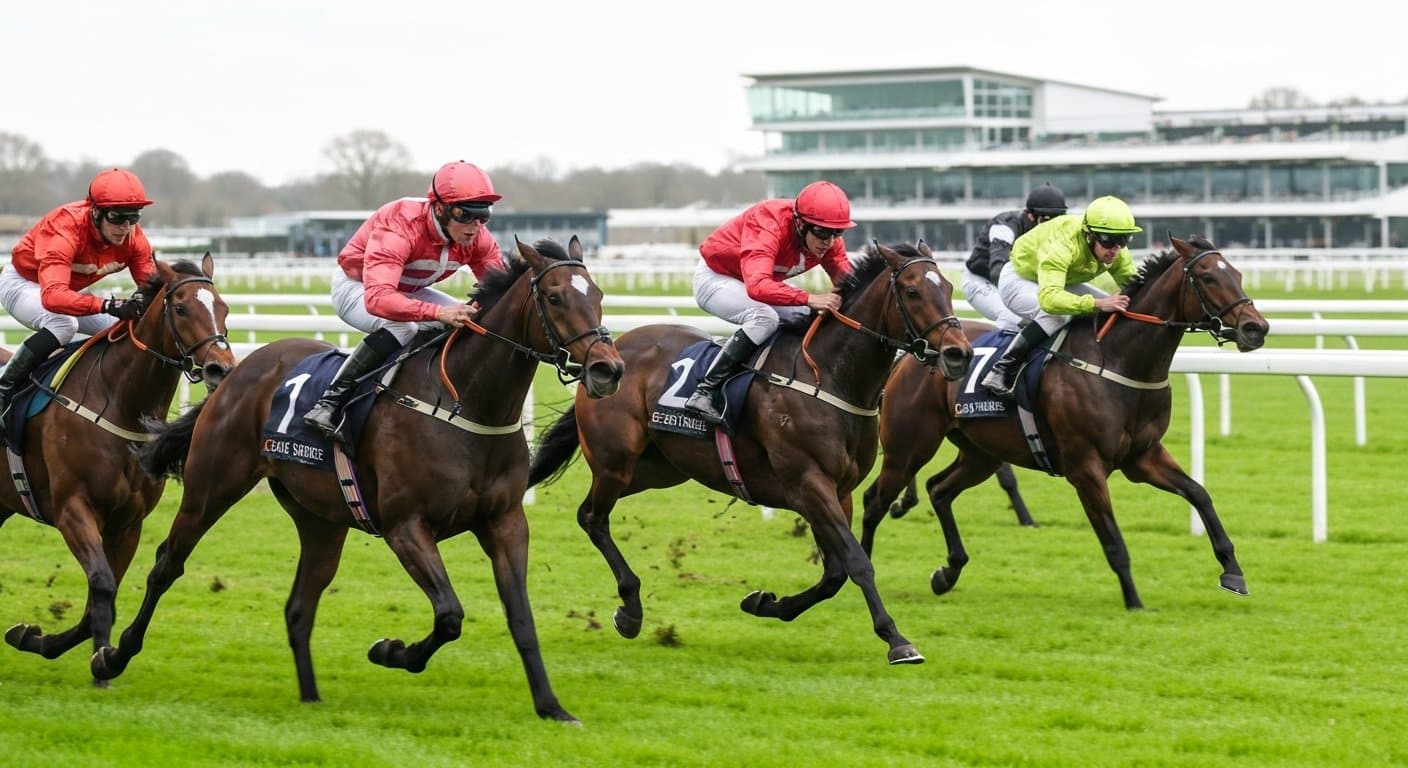
Newbury Betting Tips: Track Bias, Going & Best Odds
Master Newbury's left-handed track with insider tips on draw bias, going preferences, and top trainers. Smart betting strategies for every race.
Read more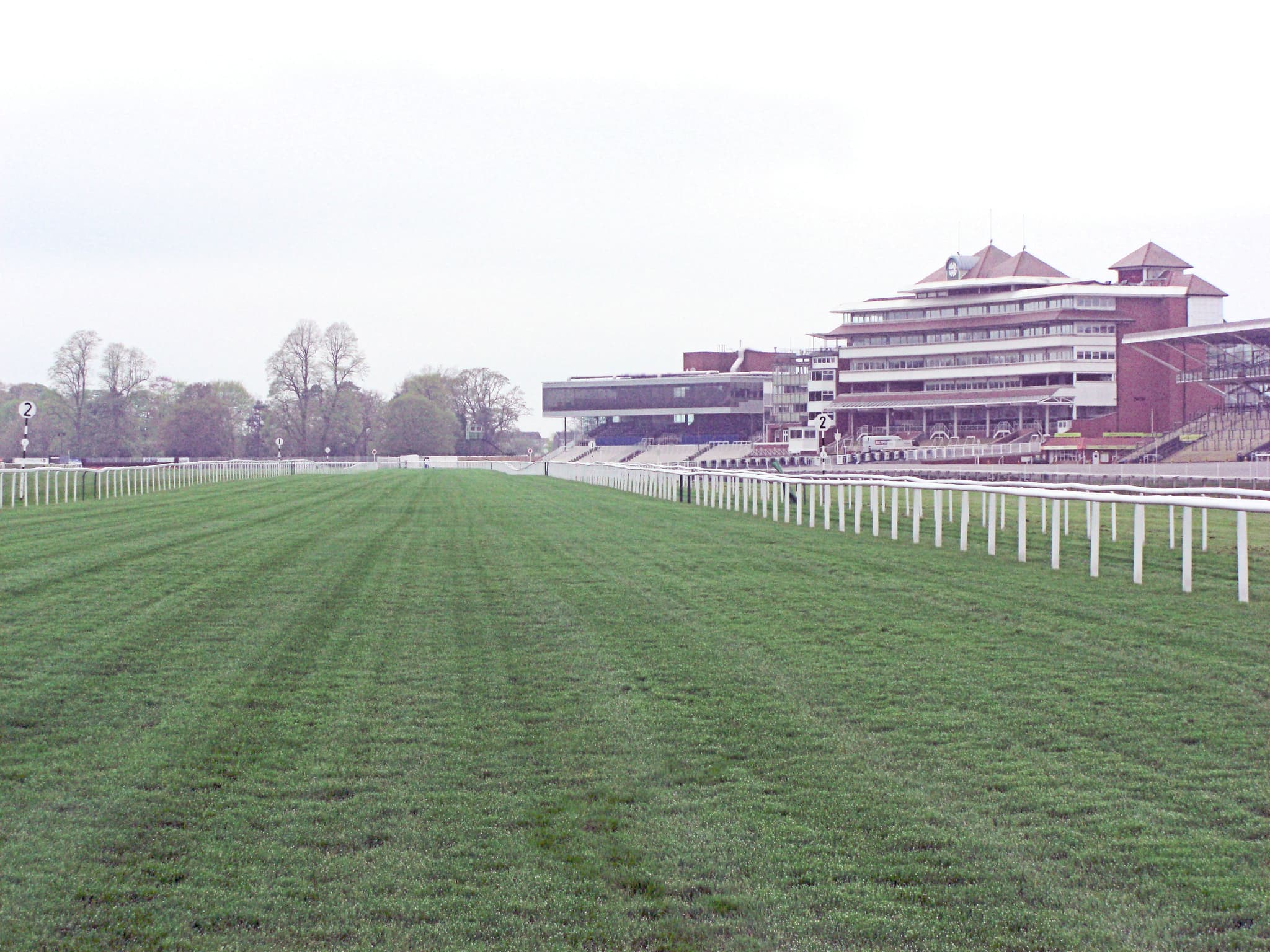
Newbury Racecourse: Lockinge Stakes, Gold Cup & Tips
Discover Newbury's premier flat and jumps racing including Lockinge Stakes and Coral Gold Cup. Berkshire venue tips, fixtures and facilities.
Read more
A Day Out at Newbury Racecourse
Everything you need for a day at Newbury — getting there, what to wear, enclosures, food and drink, and insider tips.
Read morePhotos on this page are used under Creative Commons licences. Titles, sources and licence links for each one are on our image credits page.
Research the field with the AI Race Predictor
Our model publishes calibrated win-probability estimates for UK races — a second opinion to understand a race, not tips. It's open about its record: it doesn't beat the market, and we show exactly how it does.
Work it out & learn the basics
Gamble Responsibly
Gambling should be entertaining and not seen as a way to make money. Never bet more than you can afford to lose. If you or someone you know has a gambling problem, help and support is available.