
Founder & Editor · Last reviewed 2026-04-06
The Ayr Gold Cup Festival is Scotland's biggest racing occasion and one of the most eagerly anticipated sprint handicap meetings in British flat racing. Three days in mid-September — the Western Meeting, as it is formally known — draw racegoers from across Scotland and the north of England to the Ayrshire coast, where the weather is predictably brisk and the racing consistently excellent.
The Ayr Gold Cup itself is one of the great handicap sprints of the season. Six furlongs, a large field of twenty-plus runners and weights designed to give every horse a mathematical chance — the Gold Cup has produced winners at 50/1 and winners at 6/1, and the market rarely identifies the winner cleanly. That uncertainty is precisely the appeal. It is a race where a well-prepared northern sprinter, overlooked by a market obsessed with southern form, can beat the field at a significant price.
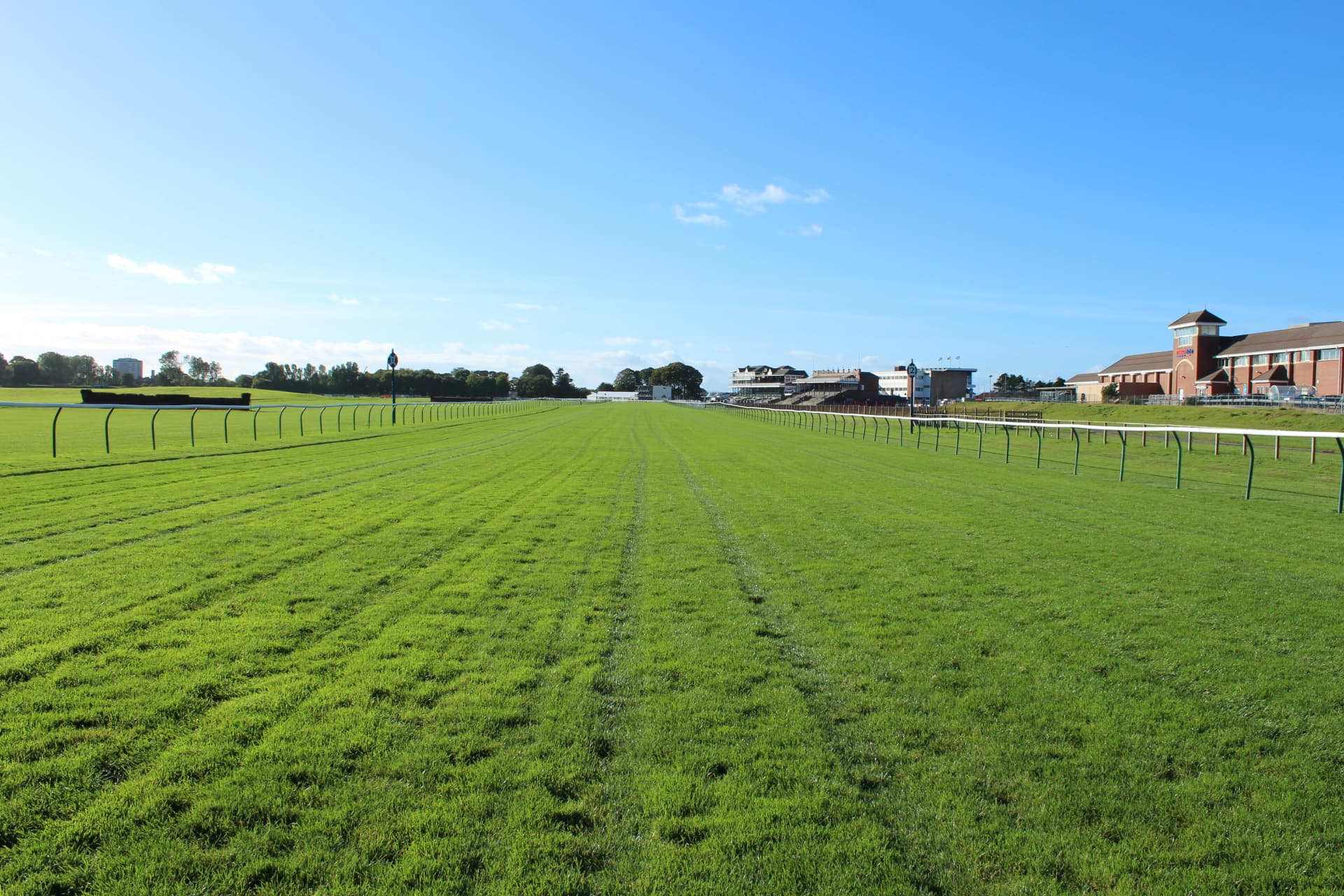
Ayr's flat, left-handed track is one of the most honest in Britain. There are no eccentric cambers, no tight turns and no hills to flatter slow horses or catch out fast ones. What you see in Ayr's form is usually what you get — which makes the Gold Cup's unpredictability a function of the handicapper's skill rather than track idiosyncrasy.
The festival's social atmosphere reflects its Scottish character — warm, genuine, occasionally loud and thoroughly hospitable. Ayr racecourse is well-equipped for the volumes the Gold Cup weekend attracts, and the town itself provides good hospitality for those making a weekend of it. From Edinburgh or Glasgow, it is an easy and thoroughly worthwhile journey.
Bet on Ayr
Place your bets on Ayr races with a trusted bookmaker.

Promo code BETFRED50. New customers only. Register, deposit with a Debit Card, and place a first bet of £10+ at Evens (2.0)+ on Sports, to be settled within 7 days, to get £30 in Sports Free Bets and £20 in Bet Builder Free Bets within 24 hours of settlement. 7-day expiry. Eligibility & payment exclusions apply. Full T&Cs apply. Take Time to Think. BeGambleAware.org. 18+. Full T&Cs.

Promo code R30. New UK customers only, 18+. Register, deposit £10 or more, then place a £10 single cash bet at odds of 1/2 (1.5) or greater on any sports market (excluding Virtuals). Once the qualifying bet settles you get £30 in Free Bets (3 x £10) — the qualifying bet can win or lose. Free Bets are valid on any sports market excluding Virtuals, expire in 7 days, are non-withdrawable and must be used in full. Excluded deposit methods apply (including PayPal, Apple Pay, Skrill and NETELLER). Named bets such as Lucky 15 do not qualify. If you cash out the qualifying bet, or it is voided, you are no longer eligible for the offer. Ends 31.12.26. Full T&Cs apply. Please gamble responsibly. BeGambleAware.org. 18+. Full T&Cs.

Promo code BET40GET20. New UK customers, 18+. Register with the code and place a first bet of £40 or more at Evens (2.0) or greater. Receive 2 × £10 free bets: the first credited automatically once the qualifying bet settles, the second 24 hours later. Free bets must be placed at minimum odds of 4/1 (5.0), expire 24 hours after credit, and the free-bet stake is not returned with winnings. Debit card deposits only. Take Time to Think. BeGambleAware.org. 18+. T&Cs apply. Full T&Cs.

50% of your first-day net losses refunded as a free bet, capped at £25. New UK customers aged 18+ only. To qualify, deposit and place a first bet of £10 or more on any sport at minimum odds of evens (2.00), then place at least two further bets on different events, each worth at least 50% of your largest bet, all at evens (2.00) or greater. Losses are counted from your first settled bet until 23:59 the same day. Place a qualifying £10+ bet and you are guaranteed at least a £5 free bet. Bets placed at SP, void bets, cashed-out bets and bets struck with free bets do not count towards the offer. The free bet is credited the day after your qualifying bets settle and must be used within 7 days, after which it expires. It can be used at odds from 1/4 (1.25) up to 250/1 on singles and straight accumulators, but not on Trixie, Patent or Yankee style multiples. Free-bet stake is not returned with winnings. One offer per person, household, address, IP address and device. E-wallet deposits may not qualify, so check the cashier before depositing. Customers registered with GAMSTOP cannot claim. KYC identity verification must be completed before the free bet is credited. Take Time to Think. BeGambleAware.org. 18+. T&Cs apply. Full T&Cs.

New customers, 18+. Choose the sports bonus at sign-up, make a first deposit and receive a 100% bonus up to £50 in your Sports Bonus balance. To convert the bonus to cash, wager it 10x within 30 days. Single bets below Evens (2.00) do not qualify; accumulators do not qualify if any selection is below 1/2 (1.50). Virtual Sports, voided, cancelled, drawn, cashed-out and free-bet wagers do not count towards wagering. Only the first settled bet per event counts. Withdrawing before the wagering requirement is met forfeits the bonus balance including bonus winnings. Real-money funds are used before bonus funds. Deposits via Skrill or Neteller are not eligible. Not valid in conjunction with other promotions. Odds, bet and payment limits apply. 10bet general and promotion T&Cs apply. BeGambleAware.org. 18+. Full T&Cs.

New customers in Great Britain and Republic of Ireland, 18+. Place a £10 fixed-odds qualifying bet at minimum odds of 1/2 (1.50) — single or each-way (only the win part counts), pre-event or in-play, not cashed out early, within 28 days of opening the account. Receive up to £60 in bonuses credited over three days: 3 × £10 fixed-odds free bets (the first on settlement, then 24 and 48 hours later) plus 3 × £5 Total Goals FOOTBALL spread bets, 3 × £5 racing Winning Favourites spread bets and a £1 racing Race Index spread bet (the spread bets need a full spread-betting account). Free-bet stakes not returned with winnings; free bets valid 28 days from issue. IMPORTANT: the £5 credits are SPREAD bets — sports spread betting carries the risk that losses can exceed your stake. Sports spread-betting customers do not have Financial Ombudsman or FSCS recourse. Take Time to Think. BeGambleAware.org. 18+. T&Cs apply. Full T&Cs.

Promo code WELCOME15, entered under My Bonuses after registering. New UK customers, 18+. Place a first qualifying bet of at least £10 from your cash balance at odds of evens (2.0) or greater within 7 days of opening the account. Once the qualifying bet fully settles you receive £15 in free bets, credited as 3 x £5 tokens with set uses: one £5 accumulator free bet (minimum 4 legs, each leg at 2/5 or bigger), one £5 sports free bet (any market at evens or bigger) and one £5 Sub Cover free bet (selected football player markets at evens or bigger). Free-bet stakes are not returned with winnings. Free bets expire 7 days after they are credited. Void, cashed-out and partially cashed-out bets do not qualify. One offer per customer. Confirm the current terms on BetGoodwin's own welcome-offer page before claiming. Take Time to Think. BeGambleAware.org. 18+. T&Cs apply. Full T&Cs.

New UK customers, 18+. Minimum deposit £10. Place a £10 qualifying single at minimum odds of 1/2 (1.50), settled within 14 days. Receive £30 in free bets (stake not returned), split £20 for sportsbook use (2 x £10) and £10 for Bet Builder only (2 x £5); Bet Builder does not cover horse racing. Free bets must be accepted within 7 days and expire 7 days after acceptance. No promo code required. Best Odds Guaranteed on UK & Irish racing, subject to having staked over £25 in the previous seven days. Operated by LiveScore Betting and Gaming (Gibraltar) Ltd, UKGC 56859. Confirm the current terms on LiveScore Bet's own promotions page before claiming. Take Time to Think. BeGambleAware.org. 18+. T&Cs apply. Full T&Cs.
18+. BeGambleAware.org
Day-by-Day Guide
Thursday: Opening Day
The Western Meeting opens on Thursday with a card built around the Firth of Clyde Stakes (Group Three, 6f), the premier juvenile sprint of the meeting. Two-year-olds that have shown smart form at Newmarket, York and Goodwood through the summer converge here, and the race often features a horse who will go on to contest the Group Ones of the following season.
Thursday also stages the Doonside Cup (Listed, 1m2f) for older horses and several competitive handicaps that draw good northern yard horses from the string of trainers who target this meeting specifically. Mark Johnston, Richard Fahey and Kevin Ryan — all northern trainers with strong sprint and middle-distance handicap rosters — tend to run well here.
The crowd on Thursday is smaller than the headline days but the racing is often more informative for the student of form. Horses that win impressively on Thursday at Ayr are worth tracking for the following season.
Friday: Western Meeting Day
The middle day of the festival increases in intensity, with stronger handicap fields and the first of the major sprint heats that serve as trials for Saturday's Gold Cup. The Ladbrokes Ayrshire Handicap (Heritage Handicap, 6f) draws Gold Cup-calibre sprinters for a heat at shorter weights, and the result provides direct form evidence for Saturday's main event.
The atmosphere on Friday is noticeably livelier than Thursday — the crowd has grown and the anticipation for Saturday is building. This is a good day to watch horses warm up for the Gold Cup without the Saturday pressure. Horses that run well on Friday but don't quite win — particularly those that finish with running — are often Gold Cup banker candidates.
Saturday: Gold Cup Day
The main event. Scotland's biggest racing day draws a crowd of around 12,000 — large for a Scottish racecourse — and the atmosphere from the first race is electric. The card builds toward the Gold Cup at approximately 3:35pm, with a morning programme of sprints and mile handicaps that keeps the crowd warm.
The Ayr Gold Cup draws an enormous betting public. The race is one of the most heavily traded sprint handicaps of the season, with ante-post markets active from midsummer and Betfair liquidity that rivals southern races of equivalent profile. This betting popularity influences the market significantly: the ante-post favourite is often well-known and well-backed, pushing the real value toward horses that are regionally trained and nationally overlooked.
Post-race, the town of Ayr becomes an extension of the racecourse. Restaurants and bars fill with racegoers replaying the Gold Cup; it is an excellent way to conclude a day's racing.
Key Races to Watch
Ayr Gold Cup (Saturday, Heritage Handicap, 6f)
One of the great sprint handicaps of the British flat season — twenty-plus runners, tight weights, six furlongs on an honest flat track, and a betting market that covers everything from 4/1 to 50/1. The Ayr Gold Cup has an outstanding record of producing surprises at significant prices, and the market regularly fails to identify the winner.
The race rewards horses with a combination of genuine sprint ability and a well-judged weight. The handicapper aims to give every runner an equal chance, and the Gold Cup more than most handicaps comes close to achieving that goal. In practice, horses with marks in the 95-105 range — high enough to be talented, low enough to carry a manageable weight — have the best historical strike rate.
Key trainer angle: Richard Fahey has an exceptional Ayr Gold Cup record. His sprinters are specifically trained for this race and are frequently available at prices that undervalue his stable's focus on the meeting. Karl Burke, David O'Meara and Kevin Ryan are other northern trainers worth following consistently at this meeting.
Draw: High numbers have a slight advantage in large fields at Ayr, as the track's layout means horses drawn high get a slightly straighter run to the line. Check the draw publication (typically three days before the race) and upgrade high-draw horses slightly in your assessments.
Ladbrokes Ayrshire Handicap (Friday, Heritage Handicap, 6f)
The direct trial for the Gold Cup, run over the same trip and distance the day before. Horses that run well here — particularly those that finish unlucky or get an educational experience on the track for the first time — can be upgraded for Saturday. Look for horses that were caught by the stalls or lost their place early; a clean run on Saturday can transform their chance.
Firth of Clyde Stakes (Thursday, Group Three, 6f)
The premier juvenile contest of the meeting and a genuine Classic-season pointer. Two-year-olds that win or run close here tend to have the profile for a sprint Group One the following season. The race attracts horses from the major southern yards seeking a less competitive Group Three than those available in the south during September.
Doonside Cup (Thursday, Listed, 1m2f)
An informative middle-distance Listed race that attracts progressive older horses from northern yards. Winners here have a reasonable record in the autumn handicap season and are worth tracking for end-of-year races at Ascot and Newmarket.
Betting Preview
Approaching the Ayr Gold Cup Market
The Gold Cup is one of the most bet-on sprint handicaps of the year, which means the market is often efficiently priced at the top but can be inefficient toward the middle and bottom of the field. Here is how to approach it.
Ante-post strategy: The Gold Cup ante-post market opens in July, with the weights published approximately three weeks before the race. The best value window is after the weights but before the Ayrshire Handicap on Friday — you have full information about what each horse is carrying but the Friday trial has not yet refined the market. A horse with a strong Friday trial result will be shortened on Saturday morning.
Northern trainers are undervalued: The national press covers Gold Cup markets from a southern perspective, which means northern trainers (Fahey, Burke, O'Meara) are routinely priced slightly longer than their actual strike rates justify. This is one of the most consistent exploitable tendencies in British sprint betting.
Draw analysis: Take fifteen minutes to look at where the previous five Gold Cup winners drew. If the bias toward high numbers holds in the current year (check recent race replays for evidence of a draw advantage), upgrade horses in stalls 15 and above by one or two percentage points in your assessment.
Large-field statistics: In fields of 20 or more, the favourite wins at a rate of approximately 15-20% — significantly lower than in smaller fields. Spreading your risk across two or three horses is often better value than backing a single favourite at 5/1 or 6/1.
The Ayrshire Handicap (Friday) as a Betting Exercise
The Friday trial is worth treating as a separate betting exercise. With a smaller field than Saturday and direct form connection to the Gold Cup, the market is slightly more readable. Look for:
- Horses that win with a horse in hand (held up in the finish, not asked for everything)
- Horses that lose narrowly after being hampered or slowly away — their chance on Saturday is unchanged but their odds will not shorten
- Horses that run poorly — they tend to be excused quietly by connections, and Saturday's price may still be accessible if you believe in the horse's ability
Practical Notes
Ayr's betting ring is competitive and the bookmakers active. The Tote Gold Cup pool is substantial and can produce significant returns on placed horses in a large field — each-way Tote betting is worth considering for horses priced at 12/1 or bigger.
Visitor Information
Getting There
By train: Ayr station is approximately a 10-minute walk from the racecourse. Regular ScotRail services run from Glasgow Central (approximately 50 minutes), Edinburgh Waverley (via Glasgow or Kilmarnock, approximately 1 hour 30 minutes) and Kilmarnock (approximately 20 minutes). Services are frequent throughout the day and race-day trains are well-used. Book return trains for Saturday Gold Cup Day in advance — they fill quickly after racing.
By car: Ayr is accessible from the A77 (south from Glasgow) and the A76 (from the east). The racecourse is well-signposted from all main approaches. Pre-booked parking is available on-site and recommended for Saturday. Traffic on the A77 heading south after racing can be slow; allow time.
By coach: National Express services run from Glasgow and Edinburgh. Local operators serve Kilmarnock and surrounding towns on race days.
Enclosures
Grandstand Enclosure: The main enclosure covering the finishing straight with covered seating and full facilities. Smart casual dress preferred. Good views of the Gold Cup finish from the upper levels.
Course Enclosure: The more informal area along the rail, popular with regular racegoers who want a close-up view of horses passing. Good value admission.
Tattersalls: A middle-tier enclosure with parade ring access and a lively betting ring. The most popular enclosure for serious racegoers.
Essential Tips
- Book Gold Cup Saturday early. The meeting typically sells out across all enclosures by August. Early-bird tickets are available from the Ayr racecourse website from spring onwards.
- September in Ayrshire is unpredictable. The west coast of Scotland can be warm and sunny or cold and wet in September — sometimes both on the same day. Pack a waterproof layer even if the forecast is good.
- Ayr town is a good base. Several hotels and guesthouses within walking distance of the racecourse. Book accommodation early for the Gold Cup weekend.
- The train is the easiest option from Glasgow. Parking around the racecourse fills on Gold Cup Saturday and the walk from the station is pleasant in good weather.
- Attend all three days if you can. Thursday and Friday offer excellent racing with a fraction of the Gold Cup Saturday crowd — better vantage points, shorter queues and more manageable betting ring access.
Share this article
More about this racecourse
All Ayr guides
Ayr Gold Cup Day at Ayr: The Complete Guide
Everything you need to know about Ayr Gold Cup Day — Scotland's biggest racing occasion. The Western Meeting Saturday in mid-September draws 20,000 fans for the Ayr Gold Cup, Britain's most prestigious sprint handicap north of the border.
Read more
Ayr Gold Cup: Complete Guide
Your complete guide to the Ayr Gold Cup — one of the biggest flat handicaps of the season, its history, trends and betting angles.
Read more
The History of Ayr Racecourse
From the formation of Western Meeting Club in 1907 to Scotland's premier dual-purpose venue — the story of Ayr Racecourse.
Read morePhotos on this page are used under Creative Commons licences. Titles, sources and licence links for each one are on our image credits page.
Research the field with the AI Race Predictor
Our model publishes calibrated win-probability estimates for UK races — a second opinion to understand a race, not tips. It's open about its record: it doesn't beat the market, and we show exactly how it does.
Work it out & learn the basics
Gamble Responsibly
Gambling should be entertaining and not seen as a way to make money. Never bet more than you can afford to lose. If you or someone you know has a gambling problem, help and support is available.