
Founder & Editor · Last reviewed 2026-03-02
Ayr is one of those courses where a bit of knowledge truly pays. It's fair, it's galloping, and it rewards honest horses, but there are angles and biases that the casual punter either ignores or doesn't know about.
Whether you're betting on the flat during the summer or tackling the National Hunt cards through winter and spring, Ayr has its own set of rules. The track favours certain running styles. The draw matters at specific distances. Some trainers have the place figured out in a way that the market doesn't always reflect. And two of the biggest betting races in the British calendar, the Ayr Gold Cup and the Scottish Grand National, each demand a separate analytical framework that goes well beyond basic form study.
This guide breaks down everything you need to know to bet smarter at Ayr. We cover the track characteristics that shape results, the going preferences and draw bias that separate winners from losers, the trainers and jockeys who consistently outperform the market here, the specific strategies that work on this stretch of Ayrshire turf, and detailed sections on the two feature races that define Ayr's betting identity.
Ayr stages around 25 fixtures a year, split roughly evenly between flat and jumps. The quality ranges from modest midweek handicaps to the Scottish Grand National and the Ayr Gold Cup, two of the most competitive races on the British calendar. Whatever level you're betting at, understanding this course gives you an edge.
The course sits on the west coast of Scotland, exposed to Atlantic weather that can produce conditions well removed from what the same date delivers at a southern track. That exposure matters enormously when you're assessing going preferences, draw biases, and seasonal patterns. A September day at Ayr can turn soft in an hour; a winter jumps card can shift from heavy to good-to-soft between the first and last races if the wind picks up. Working the going angle here is not optional. It's central to everything else.
None of this replaces doing your form homework. But form on its own doesn't tell you why certain horses run better or worse at Ayr than their ratings suggest, or why a 14/1 shot drawn in stall 3 on good-to-firm ground is actually a fair-priced each-way bet in the Gold Cup. That's what this guide is for.
Bet on Ayr
Place your bets on Ayr races with a trusted bookmaker.

Promo code BETFRED50. New customers only. Register, deposit with a Debit Card, and place a first bet of £10+ at Evens (2.0)+ on Sports, to be settled within 7 days, to get £30 in Sports Free Bets and £20 in Bet Builder Free Bets within 24 hours of settlement. 7-day expiry. Eligibility & payment exclusions apply. Full T&Cs apply. Take Time to Think. BeGambleAware.org. 18+. Full T&Cs.

Promo code R30. New UK customers only, 18+. Register, deposit £10 or more, then place a £10 single cash bet at odds of 1/2 (1.5) or greater on any sports market (excluding Virtuals). Once the qualifying bet settles you get £30 in Free Bets (3 x £10) — the qualifying bet can win or lose. Free Bets are valid on any sports market excluding Virtuals, expire in 7 days, are non-withdrawable and must be used in full. Excluded deposit methods apply (including PayPal, Apple Pay, Skrill and NETELLER). Named bets such as Lucky 15 do not qualify. If you cash out the qualifying bet, or it is voided, you are no longer eligible for the offer. Ends 31.12.26. Full T&Cs apply. Please gamble responsibly. BeGambleAware.org. 18+. Full T&Cs.

Promo code BET40GET20. New UK customers, 18+. Register with the code and place a first bet of £40 or more at Evens (2.0) or greater. Receive 2 × £10 free bets: the first credited automatically once the qualifying bet settles, the second 24 hours later. Free bets must be placed at minimum odds of 4/1 (5.0), expire 24 hours after credit, and the free-bet stake is not returned with winnings. Debit card deposits only. Take Time to Think. BeGambleAware.org. 18+. T&Cs apply. Full T&Cs.

50% of your first-day net losses refunded as a free bet, capped at £25. New UK customers aged 18+ only. To qualify, deposit and place a first bet of £10 or more on any sport at minimum odds of evens (2.00), then place at least two further bets on different events, each worth at least 50% of your largest bet, all at evens (2.00) or greater. Losses are counted from your first settled bet until 23:59 the same day. Place a qualifying £10+ bet and you are guaranteed at least a £5 free bet. Bets placed at SP, void bets, cashed-out bets and bets struck with free bets do not count towards the offer. The free bet is credited the day after your qualifying bets settle and must be used within 7 days, after which it expires. It can be used at odds from 1/4 (1.25) up to 250/1 on singles and straight accumulators, but not on Trixie, Patent or Yankee style multiples. Free-bet stake is not returned with winnings. One offer per person, household, address, IP address and device. E-wallet deposits may not qualify, so check the cashier before depositing. Customers registered with GAMSTOP cannot claim. KYC identity verification must be completed before the free bet is credited. Take Time to Think. BeGambleAware.org. 18+. T&Cs apply. Full T&Cs.

New customers, 18+. Choose the sports bonus at sign-up, make a first deposit and receive a 100% bonus up to £50 in your Sports Bonus balance. To convert the bonus to cash, wager it 10x within 30 days. Single bets below Evens (2.00) do not qualify; accumulators do not qualify if any selection is below 1/2 (1.50). Virtual Sports, voided, cancelled, drawn, cashed-out and free-bet wagers do not count towards wagering. Only the first settled bet per event counts. Withdrawing before the wagering requirement is met forfeits the bonus balance including bonus winnings. Real-money funds are used before bonus funds. Deposits via Skrill or Neteller are not eligible. Not valid in conjunction with other promotions. Odds, bet and payment limits apply. 10bet general and promotion T&Cs apply. BeGambleAware.org. 18+. Full T&Cs.

New customers in Great Britain and Republic of Ireland, 18+. Place a £10 fixed-odds qualifying bet at minimum odds of 1/2 (1.50) — single or each-way (only the win part counts), pre-event or in-play, not cashed out early, within 28 days of opening the account. Receive up to £60 in bonuses credited over three days: 3 × £10 fixed-odds free bets (the first on settlement, then 24 and 48 hours later) plus 3 × £5 Total Goals FOOTBALL spread bets and 3 × £5 racing Winning Favourites spread bets, with a £1 racing Race Index spread bet as an extra on top. The spread bets need a full spread-betting account, opened within 28 days of the fixed-odds account and subject to Spreadex's eligibility and appropriateness checks. Free-bet stakes not returned with winnings; free bets valid 28 days from issue. IMPORTANT: the £5 credits are SPREAD bets — sports spread betting carries the risk that losses can exceed your stake. Sports spread-betting customers do not have Financial Ombudsman or FSCS recourse. Take Time to Think. BeGambleAware.org. 18+. T&Cs apply. Full T&Cs.

Promo code WELCOME15, entered under My Bonuses after registering. New UK customers, 18+. Place a first qualifying bet of at least £10 from your cash balance at odds of evens (2.0) or greater within 7 days of opening the account. Once the qualifying bet fully settles you receive £15 in free bets, credited as 3 x £5 tokens with set uses: one £5 accumulator free bet (minimum 4 legs, each leg at 2/5 or bigger), one £5 sports free bet (any market at evens or bigger) and one £5 Sub Cover free bet (selected football player markets at evens or bigger). Free-bet stakes are not returned with winnings. Free bets expire 7 days after they are credited. Void, cashed-out and partially cashed-out bets do not qualify. One offer per customer. Confirm the current terms on BetGoodwin's own welcome-offer page before claiming. Take Time to Think. BeGambleAware.org. 18+. T&Cs apply. Full T&Cs.

New UK customers, 18+. Minimum deposit £10. Place a £10 qualifying single on sports (excluding virtuals) at minimum odds of 1/2 (1.50), settled within 14 days. Deposit-method exclusions apply. Receive £30 in free bets (stake not returned), split £20 for sportsbook use (2 x £10) and £10 for Bet Builder only (2 x £5); Bet Builder does not cover horse racing. Free bets must be accepted within 7 days and expire 7 days after acceptance. No promo code required. Best Odds Guaranteed on UK & Irish racing, subject to having staked over £25 in the previous seven days. Operated by LiveScore Betting and Gaming (Gibraltar) Ltd, UKGC 56859. Confirm the current terms on LiveScore Bet's own promotions page before claiming. Take Time to Think. BeGambleAware.org. 18+. T&Cs apply. Full T&Cs.
18+. BeGambleAware.org
Track Characteristics
Layout and Configuration
Ayr is a left-handed, galloping oval of about one mile and four furlongs in circumference. The flat track sits inside the jumps course, but both share the same fundamental characteristics: flat terrain, long straights, and sweeping bends that don't unduly favour any particular running style.
The home straight is roughly four furlongs, long enough to give closers a real chance but not so long that front-runners are automatically disadvantaged. The turns are gradual rather than sharp, meaning horses don't lose ground for position the way they might at a tighter track like Chester or Musselburgh. A horse can come from outside the leaders around the bend without sacrificing the lengths it would at a sharper circuit.
What Ayr rewards more than anything is honest, consistent galloping. Flashy types who hit their peak early and fade rarely prosper here. Horses with a strong, sustained cruising speed, the kind that can maintain their action around the bend and into the long straight, win races at Ayr with a frequency that isn't always reflected in the market.
The Flat Track
On the flat, Ayr's defining feature is its fairness. The track doesn't hide quirks that only the initiated understand. Good horses tend to win here, which sounds obvious but isn't the case at every British racecourse.
Sprint races over five and six furlongs use a straight course that runs alongside the main track. The straight is flat and true, with no significant undulations or cambers. In bigger fields, like the Gold Cup with its 20-plus runners, the draw becomes a primary factor (covered in full in the next section), but on the straight course itself, there are no hidden topographical advantages.
For races at seven furlongs and beyond, runners negotiate a bend before entering the home straight. At these distances, Ayr suits horses with a long, steady stride who can maintain their rhythm around the turn without losing momentum. Short-striding, nimble types that thrive at a tight track like Chester or Windsor can find the long, galloping nature of Ayr harder to handle.
At a mile, the race begins on the bend. Horses drawn low have a marginal ground-saving advantage here, but the long run-in gives any positional disadvantage time to be corrected. At a mile and two furlongs and beyond, the track becomes increasingly about stamina and sustained pace rather than draw or early position.
The Straight Course in Detail
The six-furlong straight, the Gold Cup course, is arguably the most studied piece of turf in Scottish racing. Understanding it is the foundation of betting on Ayr's major sprint meetings.
The course is truly flat. There is no significant camber and no pronounced ridge. What creates the draw bias is not topography but the condition of the ground on each side of the track. The stands-side rail (low draws, stalls 1 upwards) and the far-side rail (high draws) each hold ground moisture and recover from rainfall at slightly different rates depending on the direction and volume of precipitation, drainage patterns along each rail, and the watering regime applied by the ground staff.
In practical terms: the ground near each rail often rides fractionally faster or slower than the middle of the track, and in a 26-runner sprint where every yard matters, that difference is decisive. Groups of horses bunch against the favoured rail and effectively run a separate race from those on the other side. The side with the faster ground wins that internal contest, and the winner of the internal contest almost always wins the race outright.
Identifying which side is faster before the Gold Cup goes off is the single most valuable analytical exercise in Ayr betting.
The Jumps Track
The National Hunt course is a flat, galloping circuit that rewards horses who stay well and jump cleanly. The fences are fair but well-built, testing jumping ability without being punishing. The hurdles course follows a similar pattern, with emphasis on fluency and stamina over any particular jumping style.
Staying power is the single most important attribute over jumps at Ayr. The flat terrain means there's no downhill section to give tired horses a breather, and the long home straight demands that horses keep galloping right to the line. Horses who idle or down tools in the closing stages get caught here more often than at undulating tracks where momentum can carry them home.
The fences at Ayr are placed to test jumping rather than to punish errors. A horse that makes a mistake at the open ditch early in a chase will typically have time to recover, provided its jockey gives it space and the horse has the fluency to regain its stride. What it won't recover from is a stamina deficit in the final circuit. There is simply nowhere to hide on this flat, exposed layout.
The Scottish Grand National Course
For the Scottish Grand National specifically, the four-mile-plus trip covers two complete circuits and a portion of the back straight. Horses pass the stands twice before the final circuit, and the noise of the crowd on the final pass can unsettle nervous types that have run well at quieter venues.
The 27 fences over the full trip represent a thorough jumping test. Runners must negotiate every fence correctly twice (the final fence is jumped once on the final circuit). Horses that jump slowly at any point accumulate a deficit that becomes harder to recover as the race progresses and fatigue sets in.
The finishing straight on the Scottish Grand National, seen from the grandstand, appears almost brutally long for horses that are already tired at the three-and-a-half-mile mark. It's not unusual to see the leader at the second-last fence clinging on desperately at the line, or a horse in eighth place at the last clearing the field with reserves that weren't visible until the straight. Backing a horse with a finishing kick in the Scottish Grand National, not just stamina, is sound logic.
Ground and Drainage
Ayr's drainage is excellent by Scottish standards. The course sits on naturally well-draining land, and investment in the drainage system means it handles rain better than its exposed west-coast location might suggest. In summer, the watering system allows the ground staff to maintain the surface at good to firm or good. When the clerk of the course says it's good, it usually is. Ayr's going reports are widely trusted by trainers.
Through the winter months, the going can reach truly heavy. After sustained wet weather, the track can hold water that makes each furlong feel like two for a horse lacking stamina. The combination of flat terrain (no downhill recovery), an exposed position (wind driving rain across the track), and a long home straight creates conditions that are among the most testing in Britain for winter jumps horses.
One further point worth noting: the going at Ayr can vary across the track during the same afternoon. Ground near the rails, having been beaten down by traffic over several meetings, may ride differently from the centre of the track even on the same day. Ground staff do their best to manage this, but in a big-field sprint like the Gold Cup, the differential between the extreme outside and inside draws is compounded by any cross-track going variation.
Going & Draw Bias
Going Preferences
The going at Ayr varies significantly depending on the time of year, and understanding how different ground affects results is one of the most valuable edges available to the informed punter.
Flat Season (April–October): The going is predominantly good or good to firm. Ayr's watering system keeps the surface consistent, and the track rides reliably on these terms. Most form translates across well on good ground. When it firms up during a dry spell, the advantage shifts slightly towards prominent racers who can dictate the tempo, because the ground is quick enough that coming from behind requires real horsepower.
In September, the Western Meeting often takes place on ground that has softened after summer. This is particularly relevant for the Ayr Gold Cup, where a ground change between August trials and the race itself can completely flip the draw bias. A horse that impressed in a six-furlong handicap at Haydock on good-to-firm ground in August may face entirely different conditions at Ayr in September, and the draw position that looked ideal at declaration stage can become a liability by raceday.
Jumps Season (October–April): Expect soft or heavy ground through the winter. The course handles it well structurally, but the going can become truly testing. On heavy ground at Ayr, stamina becomes paramount. Horses that merely stay on good ground need to truly grind through the conditions. The Scottish Grand National on soft or heavy ground is one of the most attritional tests in the British calendar.
The Key Angle: Look for horses whose best form has come on similar going. That sounds basic, but the shift from good to soft at Ayr is more dramatic than at most courses because the flat terrain offers no respite. A horse that handles soft ground at an undulating track, where downhill sections allow tired horses to recover, might still struggle at Ayr, where there is no downhill relief and the long straight demands a sustained gallop to the line.
Ayr in September: Going Patterns at the Western Meeting
The Western Meeting typically falls in mid-to-late September, and the going at that time of year in Ayrshire follows a consistent pattern worth understanding.
After a wet August, the track arrives at the meeting on soft or heavy ground. This has happened frequently enough that it's a realistic planning scenario rather than a worst case. The course does water strategically before the meeting regardless of natural rainfall, which can add complexity to ground assessments.
When the Western Meeting falls on soft ground, the impact on Gold Cup betting is substantial. The low-draw rail advantage (stands side) is pronounced, pace angles change, and horses that have been running in quick summer ground sprints suddenly face an entirely different test. Trainers who know Ayr, particularly the Scottish and northern yards who understand what the track rides like in these conditions, hold a structural advantage over southern stables whose horses have only experienced fast summer ground.
Draw Bias on the Flat
This is where Ayr gets truly interesting for punters. On the straight sprint course over five and six furlongs, draw bias exists and it can be decisive, though it varies significantly depending on the ground and the size of the field.
Five Furlongs: Low draws (near the stands rail) have a consistent advantage in larger fields, particularly when the going is on the soft side. The rail provides a guide and saves ground on the run to the line. In smaller fields of eight runners or fewer, the bias diminishes considerably and form takes over as the primary guide.
Six Furlongs (including the Gold Cup): This is the distance where draw studies really pay. The bias operates differently depending on ground conditions, and getting it right is the single most important step in Gold Cup analysis.
On good to firm or firm ground, the stands-side rail is the dominant strip. Horses drawn in stalls 1 to 8 benefit from the firmer ground along that rail and the tendency for runners on that side to form a tight group that paces each other perfectly. The evidence from multiple runnings suggests that in truly quick conditions, the lowest eight draws in the Gold Cup are structurally advantaged.
On soft or heavy ground, the balance shifts decisively. The far-side rail becomes faster, and horses drawn high (stalls 17 and above in a full 26-runner field) benefit from that strip. The middle of the draw (stalls 9–16) is often the worst place to be in soft-ground Gold Cups, as horses on that patch can find themselves racing in slower ground without the benefit of either rail.
The Complication: Ground can shift during the raceday itself. Rain arriving after the morning inspection changes everything. The first few sprint races on the card are your real-time going meter. Watch which side the winners come from in any earlier six-furlong or five-furlong races, and you'll have better evidence than any theoretical bias.
Seven Furlongs and Beyond: Once the race involves the turn, the draw becomes significantly less important. The long home straight gives horses time to recover from any positional disadvantage, and jockeys have room to manoeuvre during the race. In large-field handicaps at a mile, a middle to low draw can save valuable lengths on the bend, but it's rarely the decisive factor it is in a big-field sprint.
Ayr Gold Cup Draw Bias: A Detailed Breakdown
The Gold Cup deserves its own analysis because it's Britain's most competitive sprint handicap and the draw is more critical here than in almost any other flat race in the calendar.
Maximum field size is 26 runners. With 26 horses covering a six-furlong straight, the difference between stall 1 and stall 26 is enormous. Horses drawn wide must travel further if they drift towards a rail, or they stay on their own ground without the rail's guiding advantage. In practice, fields of this size almost always split into two groups, one on each rail, with the middle-drawn horses forced to choose a side or race in no-man's-land.
On firm or good to firm ground: Stalls 1–8 are structurally favoured. The stands-side rail group typically contains most of the low-drawn horses plus any middle-drawn runners who drift towards it. This group tends to run at a strong, consistent gallop because the quick ground rewards sustained pace. Horses with low draws should be prioritised in the final betting assessment.
On good ground with no clear bias: The race becomes more open. Both sides can produce competitive groups and the internal pace dynamics within each group matter. In these conditions, look for horses drawn in the low-to-middle range (stalls 1–14) who can either settle on the stands rail or travel comfortably in midfield on either side.
On soft or heavy ground: Stalls 17–26 move from disadvantaged to preferred. The far-side rail holds faster ground in soft conditions at Ayr, a pattern that has been consistent across multiple soft-ground Gold Cups. High-drawn horses in this scenario are racing on better ground than their low-drawn rivals, who are fighting through slower, chewed-up turf near the stands side. Ante-post selections drawn high on soft ground deserve a serious second look.
The middle-draw trap: In both soft and firm conditions at Ayr, the middle draws (roughly stalls 10–18 in a 26-runner field) are consistently the least favourable. These horses face a tactical dilemma on the starting gate: go left or go right. Jockeys who make the wrong call, or who find their horse carried away from the rail by the chaos of a big-field sprint start, can be racing on inferior ground within the first furlong.
Pace Analysis in the Gold Cup
The draw bias in the Gold Cup is inseparable from the pace analysis, and this is where most casual punters miss the depth of the angle.
In a 26-runner sprint, the early pace is frantic. Every runner is trying to establish position in the first furlong, and the result is a sustained, honest gallop from the gates to the line. Front-runners in the Gold Cup do not get an easy lead; they are pressed from every direction. In most years, the Gold Cup is run at a truly honest pace throughout.
This matters for horse selection in a specific way: front-runners and prominent racers who rely on setting a soft tempo and quickening do not perform well in the Gold Cup. The race is too competitive and the field too large for any horse to dictate a comfortable pace. Hold-up horses with a strong, sustained finishing kick are structurally better suited to the race than their big-field sprint cousins at, say, the Stewards' Cup at Goodwood.
The ideal Gold Cup profile is a horse that can settle in midfield or just behind the leaders, travel strongly within itself for the first half of the race, and then produce a sustained, powerful finishing run from the two-furlong pole to the line. Horses that win the Gold Cup with a short, sharp burst of acceleration tend to be exceptional; the race normally goes to the horse with the best sustained finishing kick rather than the fastest top speed.
Trainers who understand this profile target the race accordingly. Keith Dalgleish, Jim Goldie, and Richard Fahey have all produced Gold Cup contenders whose profile fits this template: horses that were placed rather than prominent in earlier sprint races, horses that showed signs of lasting well over six furlongs in strong-pace conditions.
General Flat Draw Bias: Non-Gold Cup Races
Outside the Gold Cup, draw bias at Ayr on the flat is real but less dramatic than in the feature race, largely because fields are smaller and the consequences of being on the wrong side are proportionally less severe.
Five-furlong sprints on good ground: Low draws (1–5 in fields of up to 12) have a consistent, if modest, advantage. The stands rail provides a guide and the track rides well along that side in quick conditions. The effect is most pronounced when the ground is particularly fast. In truly firm conditions, the inside rail advantage increases.
Mile races: The start on the bend gives low draws a small advantage in terms of ground saved. In large fields, horses drawn wide on the outside of the bend spend the first two furlongs either taking a wide route or pushing across the field, both of which cost energy. In fields of 12 or fewer, the effect is manageable. In fields of 16-plus, a high draw at a mile at Ayr is a real negative.
Sprint and mile handicaps in soft ground: The bias pattern roughly mirrors the Gold Cup picture; higher draws benefit from the far rail when the ground is holding water near the stands side. The effect is less pronounced in smaller fields, but it's worth noting in competitive handicaps of 12 or more runners.
Going Angles Over Jumps
For National Hunt betting at Ayr, the going interacts with the track layout in ways that differ from the flat.
The most important pattern is the relationship between ground softness and stamina requirements. On good ground, a horse that stays three miles adequately can win over the Scottish Grand National trip by pacing itself properly and finishing relatively fresh. On heavy ground, that same horse may not have the reserves to last through the final mile on the flat, unrelenting circuit.
In winter handicap chases and hurdles, look for horses that have demonstrably coped with the specific combination of flat terrain and soft ground. A horse that won over two miles on soft ground at Kelso, which has undulations, may not carry that form to Ayr's flat layout in the same conditions. Evidence of strong finishing at Ayr itself, or at flat, galloping tracks like Musselburgh and Newcastle, is more relevant than form at sharper or more undulating venues.
The going at Ayr also affects jumping. On heavy ground, fences ride bigger and the energy cost of each jump increases. Horses that jump economically, cleanly but without spectacular athleticism, tend to conserve more energy through a long chase than those with flamboyant jumping styles. In the Scottish Grand National specifically, clean jumping over 27 fences in heavy ground is worth more than a single spectacular leap that costs the horse momentum and energy.
Key Trainers & Jockeys
Trainers to Follow
Some yards have Ayr figured out. Whether it's the short trip from their base, familiarity with the type of ground, or the specific races that suit their horses, these trainers consistently outperform the market at this course.
Keith Dalgleish is the local powerhouse on the flat. Based in Carluke, South Lanarkshire, Dalgleish sends a high volume of runners to Ayr across both flat and jumps, and his strike rate at the course runs well above his national average. He knows the track intimately, places his horses shrewdly, and his runners regularly offer value because the southern-focused market tends to underestimate Scottish trainers. Dalgleish is particularly strong in six-furlong handicaps and sprint conditions races — exactly the type of races that fill Ayr's summer cards. He has produced multiple Gold Cup contenders and understands the draw angles as well as anyone in the sport.
In sprint handicaps at Ayr, a Dalgleish runner with a favourable draw and any evidence of recent Ayr form should be taken seriously at whatever price the market offers. His runners are rarely overhyped, which means value is available more consistently than it would be for an equivalent trainer further south.
Jim Goldie is another Scottish trainer who consistently punches above his weight at Ayr. Goldie's strength is in identifying well-handicapped horses and placing them in competitive sprint and middle-distance handicaps where the market underestimates his local track knowledge. His runners in the bigger handicaps — particularly on the flat — frequently outrun their odds, and his win-to-run percentage at Ayr compares favourably with trainers of much higher profile. When Goldie targets a specific Ayr race with a horse that has been campaigned deliberately towards it, the betting market is slow to respond. That's the value opportunity.
Lucinda Russell is Scotland's leading National Hunt trainer and Ayr is effectively her home track for prestige jumps races. Her Scottish Grand National record is outstanding — she won the race in 2017 with One For Arthur and again in 2021 with Mighty Thunder, and her staying chasers regularly feature prominently in the race. Her record extends well beyond the National itself: her runners in open handicap chases and hurdles at Ayr throughout the winter are worth monitoring, particularly when the going is soft or heavy, which suits the stamina-heavy profiles she tends to favour.
Russell is based in Kinross, which makes Ayr a straightforward logistics exercise. Her horses arrive at Ayr without the stress of a long journey, and that matters for staying chasers whose well-being is tightly managed. Any Russell runner in a competitive Ayr chase or hurdle at a price of 8/1 or above deserves careful consideration.
Richard Fahey has a strong record in Ayr's sprint handicaps, particularly in the Western Meeting. Based in Musley Bank near Malton, North Yorkshire, Fahey sends a regular string of sprinters to Ayr and his yard has produced multiple Gold Cup contenders. He understands the draw angles and tends to target the race when he has a horse with a strong six-furlong profile and a manageable handicap mark. Fahey's runners in six-furlong handicaps at the Western Meeting are consistently well-drawn — he pays attention to the stall position and will withdraw if a horse receives a poor draw for conditions.
Michael Dods is another northern trainer with a solid Ayr record in sprint handicaps. Based in Darlington, Dods sends a steady stream of sprinters to Ayr through the season and his six-furlong handicap record at the course compares well with his national average. His approach is similar to Fahey's — targeting horses with the right profile for the draw and going conditions rather than simply entering everything. When Dods sends a runner to Ayr with a good draw, it's worth a second look.
Mark Johnston (now Charlie Johnston): The Johnston stable has long sent a steady stream of runners from their Middleham base, and their strike rate at Ayr on the flat is impressive. They favour front-running types who can exploit Ayr's galloping layout, and when the going is on the quick side, their runners are particularly dangerous at a mile and beyond. The Johnston stable's front-runners at Ayr are a distinct betting angle: on good or good-to-firm ground, horses from this yard that have shown previous form as front-runners or prominent racers at galloping tracks deserve close attention.
Travelling southern stables: Don't ignore major English yards when they make the trip to Ayr. When a Lambourn or Newmarket trainer sends a horse all the way to Scotland, it's usually because they truly fancy its chance. The travelling runner from a major southern yard often brings form that the Scottish-heavy market undervalues. This applies particularly to the Western Meeting, where the prize money justifies the travel and the fields attract the best sprint handicappers from across Britain.
Jockeys to Watch
Connor Beasley has an outstanding record at Ayr on the flat and is the jockey most associated with the course's big sprint days. His knowledge of the track's characteristics — particularly the draw biases in big-field sprints — makes him a valuable guide to conditions as much as a rider. When Beasley is booked by a stable with a strong Ayr record for a sprint handicap with a favourable draw, that combination of stable knowledge and rider understanding is worth marking on the racecard.
Beasley rides the Gold Cup with authority. He knows which side of the track to target based on the going he's experienced in earlier races, and he has a clear sense of the pace dynamics in a 26-runner field. His ability to position his horse on the right side of the track in the early stages — before the two groups fully separate — is a skill that matters enormously in this race.
Danny McMenamin is effective over jumps at Ayr, with a particular knack for judging pace over longer trips. On a flat, galloping circuit with a long home straight, his patient riding style is well-suited to the track's demands. He knows when to commit to a move and when to hold back, which in staying handicap chases and hurdles is often the difference between winning and running a respectable fourth.
Paul Mulrennan is a northern flat jockey with an excellent Ayr record. His book includes regular rides for the Scottish and northern yards who dominate Ayr's handicap programme, and he understands the track's nuances. In a competitive handicap at Ayr, a Mulrennan booking for a well-regarded northern yard is a positive signal.
The Trainer–Jockey Angle
When a trainer with a strong Ayr record books their preferred Ayr jockey, pay attention. It's a signal of intent. The combination of a yard that targets the course and a rider who knows every blade of grass is worth following, particularly in lower-profile handicaps where the market isn't as sharp.
The specific combination to watch is a Scottish or northern trainer (Dalgleish, Goldie, Russell, Fahey, Dods) booking a jockey with demonstrable Ayr track knowledge (Beasley, Mulrennan, McMenamin) for a race at a big Ayr meeting. This combination of local track knowledge and race-targeting, in a market that often prices Scottish-trained runners with insufficient respect, creates value with significant regularity.
The inverse angle is also worth noting. A visiting trainer from a major southern stable booking a jockey who hasn't ridden Ayr before, for a race type that favours local knowledge, may be overly relied upon by the market. Visiting jockeys riding Ayr for the first time can misjudge the long home straight — either committing too early or leaving it too late. That subtle edge is worth noting in competitive handicaps.
Trainer Patterns in Specific Races
Gold Cup (Dalgleish, Fahey, Goldie, Dods): The trainers who win the Gold Cup most often are those who understand the draw and have specifically targeted the race. Watch for horses from these yards that have been campaigned through six-furlong handicaps in the lead-up months at tracks with similar characteristics (Hamilton, Musselburgh, Haydock). A horse from one of these yards that has been competitive without winning in decent company during August — suggesting it's been managed towards a peak — is worth particular attention.
Scottish Grand National (Russell, selected southern yards): Lucinda Russell's record makes her runners automatic priorities. Beyond Russell, watch for Jonjo O'Neill, Nicky Henderson, and Gordon Elliott runners that have been campaigned towards staying chases through the winter. When a high-profile Irish or English yard specifically plans a horse towards the Scottish National rather than Aintree, it's often because the horse's profile — stamina over jumping brilliance — suits Ayr better than the more glamorous alternative.
Winter jumps handicaps (Dalgleish, Russell, Donald McCain, Iain Jardine): The winter jumps programme at Ayr is dominated by Scottish and northern trainers who race regularly at the course. Iain Jardine, based in Dumfriesshire, has a particularly strong record in lower-grade chase handicaps at Ayr. His horses are often longer-priced than their ability justifies, because the market doesn't scrutinise smaller Scottish yards as closely as it should.
Betting Strategies
Front-Runners on the Flat
Ayr's galloping layout and long straight make it tempting to assume that hold-up horses thrive. In practice, the picture is more nuanced. Front-runners at Ayr, particularly those that can dictate a real gallop, hold up better than the market expects — but the specific type of race matters enormously.
In smaller fields of eight runners or fewer on good ground, a willing front-runner can establish a comfortable lead and never relinquish it. The flat terrain means there's no uphill finish to slow prominent racers, and the long home straight gives front-runners room to maintain their stride rather than wincing into a climb. A horse that bowls along in front at Ayr at a controlled pace can steal lengths that it never gives back.
In bigger fields — the Gold Cup being the extreme example — front-running is far riskier. The honest, frantic pace that a 26-runner sprint generates from the gates ensures that any horse attempting to lead is pressed from multiple directions. The result is that front-runners in the Gold Cup tend to finish towards the back of the field, having spent their energy in the first three furlongs. Hold-up horses with a strong, sustained finishing kick outperform front-runners in the Gold Cup more consistently than at almost any other British sprint.
The practical strategy: in standard flat handicaps at Ayr with fields of 10 or fewer, look for horses with prominent running styles whose market odds don't fully reflect their suitability for the front-running role at a galloping track. In the Gold Cup and other big-field sprints, actively oppose prominent racers and favour horses with hold-up profiles and strong sectional times in the final two furlongs of previous races.
Stamina Over Jumps
The single most important factor for National Hunt betting at Ayr is stamina. The flat circuit offers no hiding places, and horses that don't truly stay their trip get found out in the home straight. This is especially true on soft or heavy ground, when the final four furlongs can feel like a much longer ordeal for horses with insufficient reserves.
In handicap chases and hurdles at Ayr, focus on horses with proven staying power rather than those with the flashiest form at shorter trips. A horse stepping up in trip at Ayr — provided it has the stamina in its pedigree and has been galloping strongly at the finish of races over shorter distances — often outperforms one dropping back from a trip that exposed its limitations.
The stamina test at Ayr is also the reason why horses with good jumping technique but moderate finishing speed can outperform their ratings here. On a flat, attritional circuit in soft ground, clean, economical jumping conserves energy that horses with spectacular but costly jumping styles burn through the middle of the race. A horse that pops its fences and stays on relentlessly may not look impressive on form, but it's exactly what Ayr's jumps track rewards.
Market Inefficiencies at Ayr
Ayr's status as a Scottish course creates predictable market patterns that can be exploited. The betting market is heavily influenced by southern form and high-profile stable news, and horses from smaller Scottish and northern yards are consistently underrated.
When a Keith Dalgleish or Jim Goldie runner is 12/1 in a competitive handicap at Ayr, it's often more realistically an 8/1 shot once you factor in their superior track knowledge, their familiarity with the ground conditions, and the lack of a long journey for their horses. The market doesn't adequately price local expertise, particularly in the mid-range handicap grades where the difference between a trainer who has run 50 horses at Ayr and one who runs there once a year is most pronounced.
Conversely, big-stable runners making their first trip to Ayr sometimes attract shorter odds than they deserve. The trainer's national reputation and the horse's form at prestigious southern venues gets priced in, but the fact that the horse has never raced on this track — and that its handler has limited experience of Ayr's specific conditions — doesn't always get discounted. In handicap sprints at the Western Meeting, horses with exactly this profile (well-regarded stable, first time at Ayr, shorter price than their actual chance warrants) are worth opposing when a well-drawn local runner is available.
Each-Way Value in Big Fields
Ayr hosts some of the most competitive handicaps in Britain, and in races like the Ayr Gold Cup and the big jumps handicaps, each-way betting is consistently the right approach. With 20-plus runners, place terms are generous (five places at quarter the odds in the Gold Cup), and horses at bigger prices have a real chance of hitting the frame.
The strategy for each-way Gold Cup betting is as follows: identify three or four horses that are drawn on the favoured side for the going conditions, have strong six-furlong form, and represent a running style suited to a strongly-run race (hold-up or midfield, not front-running). Back those three or four horses each-way rather than trying to identify the single winner. The Gold Cup will humble anyone who thinks they've got it fully mapped — but it rewards those who spread risk intelligently across the right profile of horse.
In the Scottish Grand National, the same each-way logic applies. Fields regularly exceed 20 runners over four miles, and the attritional nature of the race means that horses who run through the race smoothly — without incident, without jumping errors, without going too early — can fill places at prices the market doesn't fully respect. A 20/1 shot with strong stamina credentials, a clean jumping record, and a favourable weight-in-hand in the handicap has a real each-way chance in most Scottish National fields.
Late Money and Market Signals
Keep an eye on betting market movements at Ayr, particularly for the local yards. Money for a Scottish-trained runner in the final 30 minutes before a race at Ayr is often significant and informed. These connections know their horse, know the track in its current state, and when they support one in the market, it tends to be because the horse has been specifically readied for this moment.
This applies especially in winter jumps races, where the fields are smaller, the market is less liquid, and insider knowledge from yard staff who've seen the horse work on the gallops has an outsized impact on the price. A horse drifting from 8/1 to 12/1 before a winter chase at Ayr is worth opposing; one shortening from 10/1 to 7/1 from a respected local yard is worth following.
On Western Meeting flat days, the same principle applies in the sprint handicaps. The Gold Cup itself attracts enough market attention that informed money is quickly absorbed. But in the supporting handicaps on the same card, where field sizes are smaller and the market is less closely watched, late market moves from Scottish yard connections can carry real weight.
Seasonal Strategy: The Western Meeting
The Western Meeting in September is Ayr's showpiece flat festival and deserves a distinct strategic approach. The three-day meeting centres on Gold Cup day but the supporting cards on the other two days offer some of the best-value sprint and middle-distance handicaps of the summer.
The Firth of Clyde Stakes (Group 3, seven furlongs, two-year-olds) on Gold Cup Saturday is a high-quality race that often features future Pattern performers. Two-year-olds winning this race with authority tend to have strong futures, and backing the winner's next appearance — particularly if it's at a similar galloping track over seven furlongs or a mile — is a sound follow-up bet.
The sprint handicaps throughout the meeting attract horses aimed specifically at the Western Meeting rather than the Gold Cup itself. These horses are often well-handicapped, well-drawn by connections who have done their homework, and lightly raced in the lead-up to preserve their mark. The market sometimes focuses so heavily on the Gold Cup that the supporting handicaps provide better-value opportunities for the attentive punter.
Seasonal Strategy: The Winter Jumps Programme
Ayr's winter jumps programme runs from October through to April and includes the Scottish Grand National. The regular fixtures through January, February, and March are lower-profile affairs that attract consistent field sizes from the Scottish and northern yards who race regularly at Ayr.
These meetings are a hunting ground for punters who approach them systematically. The market is less well-researched than for southern jumps tracks, the trainers' track records at Ayr are less widely understood, and the going conditions — which are the dominant factor in winter jumps racing — are less predictable to the casual punter who hasn't studied Ayr's drainage patterns.
The approach that works is straightforward: identify Ayr-specific trainer records (Russell, Dalgleish, Jardine, McCain), cross-reference with going preferences for each horse, and look for horses whose previous Ayr form has been strong but whose national odds don't reflect local track credentials. This is patient, systematic work rather than headline-driven betting — but Ayr's winter programme rewards it.
Ante-Post Strategy: The Ayr Gold Cup
The Gold Cup's draw-dependent nature creates a specific ante-post approach that differs from most other major handicaps.
Backing a Gold Cup contender ante-post — before the draw is made — is essentially a bet on the horse's quality plus a bet on receiving a favourable draw. At each-way prices of 20/1 or more, this remains positive expected value if the horse has a real profile for the race, because the generous place terms mean the bet profits across several outcomes.
The optimal ante-post targets are horses that have shown strong six-furlong form in conditions races or quality handicaps during the summer, have a running style suited to a strongly-run race (hold-up or midfield), are from a stable with a strong Gold Cup record, and whose handicap mark hasn't risen to the point where they're fighting the weights. Horses that tick all four boxes at 20/1 or above ante-post represent sound Gold Cup value, with the draw risk priced into the odds.
After the draw: if a horse you've backed ante-post receives a poor draw for the going conditions, consider laying some of it back on the exchanges. The draw-specific risk is now quantified, and the fair adjustment to the ante-post price is substantial. If the draw is good, take the overlay. If the draw is poor, reduce exposure. This active management of a Gold Cup ante-post position is a standard approach among experienced sprint punters.
Ante-Post Strategy: The Scottish Grand National
The Scottish National is a more straightforward ante-post proposition than the Gold Cup, because it doesn't have a draw lottery. The key ante-post variables are stamina credentials, going preference, and current handicap mark.
Horses to target ante-post are those that have been specifically campaigned towards Ayr — appearing in two or three staying chases through the winter that look preparatory rather than competitive targets. When a trainer of Lucinda Russell's calibre enters a horse in a moderate staying chase in January and then runs it again over three miles in March, the pattern suggests the Scottish National in April is the destination. If the market hasn't connected those dots, the ante-post price can be generous.
Horses coming from the Cheltenham Festival or the Aintree Grand National meeting deserve careful reassessment rather than automatic opposition or automatic respect. A horse that underperformed at Cheltenham because the trip didn't suit, or that was unlucky at Aintree, may arrive at Ayr on a mark that understates its ability. Equally, a horse that won impressively at the Festival might arrive at Ayr on a raised mark that makes winning harder than the market implies.
To compare place terms and each-way promotions across the major bookmakers, see our best bookmakers for horse racing guide.
Key Races to Bet On
The Ayr Gold Cup (September)
The Ayr Gold Cup is one of the biggest betting races in the British flat calendar. Run over six furlongs on the straight course, with a maximum field of 26 runners and Heritage Handicap status, it attracts the best sprint handicappers from across Britain and draws a crowd and betting turnover that few provincial races can match.
The Gold Cup is run during the Western Meeting in September, typically on the Saturday of the three-day fixture. It carries prize money befitting its status — regularly over £100,000 — and the race has been won by horses that went on to Pattern-race careers, though the majority of the field are established handicappers whose season has been built around this specific target.
The race in numbers: 26-runner maximum. Six furlongs on the straight course. Heritage Handicap status (meaning the BHA specifically protects the weights process to keep it competitive). Typically around 20–24 runners declare. Places paid to five at quarter-the-odds. The race is run at a truly strong pace throughout — there is no soft section, no false dawdle — which means sectional times in the final two furlongs are the most predictive of the standard single-race data point.
The draw angle (detailed): The draw is the starting point for every Gold Cup analysis. The detailed breakdown of how ground conditions affect the stall advantage is covered in the going and draw section of this guide. In summary: stands-side advantage on good to firm or firmer ground, far-side advantage on soft or heavy. The middle of the draw is consistently the least desirable position in either scenario.
Watch the first sprint race on the Gold Cup card before the feature. If that race is also over six furlongs or five furlongs on the straight, the winner's draw position is the best real-time evidence for which side is riding faster. Multiple sprint winners from the same side of the track before the Gold Cup is as close to certainty as betting evidence gets.
The pace angle: The Gold Cup is run at an honest, truly strong gallop throughout. Front-runners and prominent racers typically burn through their energy reserves in the first three furlongs and fade. Hold-up horses and those that travel in midfield before producing a sustained run from the two-furlong pole perform better structurally. When selecting Gold Cup horses, look at their sectional times in the final two furlongs of earlier races — horses that consistently run their fastest sectionals late in the race are better suited to the Gold Cup's pace dynamics than those who record their best splits early.
Key trainers for the Gold Cup: Keith Dalgleish, Jim Goldie, Richard Fahey, Michael Dods. All four have strong Gold Cup records and understand the race's specific requirements. When any of these trainers declares a runner drawn on the favoured side for the conditions, that horse should be near the top of the analysis. Northern and Scottish trainers understanding the Gold Cup's particular demands consistently outperform the market's assessment of their runners.
Ante-post approach: Back horses at 20/1 or bigger with the right profile (hold-up horse, strong six-furlong form, targeted campaign, favourable trainer history) before the draw. After the draw, reassess — oppose horses with a poor draw for conditions even if you've backed them ante-post. Take the overlay on good draws. Manage the position dynamically.
The Scottish Grand National (April)
The Scottish Grand National is run at Ayr in April over four miles and one furlong, with 27 fences to be jumped over two circuits of the National Hunt course. It's one of the most demanding staying chases in Britain and is run as a competitive handicap with fields regularly exceeding 20 runners.
The race was first run in 1858 and has been part of the Ayr racing identity for over 150 years. It draws staying chasers from across Scotland, England, and Ireland, and the mix of local Scottish runners and high-profile southern and Irish raiders creates a field that rewards careful analysis. The prize money is substantial — regularly over £100,000 — and the race commands serious ante-post betting markets from February onwards.
Stamina is non-negotiable: Over four miles of flat, galloping terrain, horses that don't truly stay the trip are found out brutally. The Scottish Grand National is not a race for a three-mile specialist who has never been beyond that distance. The final circuit, run by horses that have already covered three miles over the flat, unrelenting circuit, is a real test of staying reserves that shorter-trip chasers simply don't have.
The jumping test: 27 fences over four miles. Clean jumping — not spectacular jumping, but clean, economical jumping — is the most important jumping quality. A horse that loses its rider or falls at fence five has ended its race before it begins, but a horse that makes a series of small, energy-sapping errors that don't cause falls can lose the race in the final circuit without the crowd understanding why. Look for horses with a clean jumping record over staying trips and, specifically, at galloping tracks where they couldn't rely on momentum to compensate for poor technique.
Lucinda Russell's record: Russell won the Scottish Grand National in 2017 with One For Arthur and again in 2021 with Mighty Thunder. Both wins reflected her expertise with staying chasers and her understanding of the race's specific requirements. Her runners in the race are always serious contenders, regardless of their market price. She targets the race deliberately, prepares horses specifically for it, and has demonstrated the ability to produce horses at peak condition for April at Ayr. Any Russell runner in the Scottish National with a reasonable handicap mark should be treated as a real contender.
Weight and handicap: As a competitive handicap, weight carried matters enormously over four miles. The spread of weights — from the top weight of around 11 stone 12 to the bottom weights on around 10 stone — is amplified by the distance. Two stone in the weights is a significant advantage over four miles of flat, attritional racing. Well-handicapped horses at the bottom of the weights with strong stamina credentials are structurally favoured, and the market sometimes undervalues this advantage when the horse in question is from a smaller yard.
The Cheltenham and Aintree pipeline: Many Scottish National runners have contested the Festival or the Aintree meeting in the weeks before Ayr. Some arrive on the back of disappointing performances at those glamour meetings, and the market overreacts to single poor runs. The correct approach is to look at the full picture: what was the horse's target? Does its profile — flat galloping track, four miles, soft ground — suit Ayr better than Cheltenham or Liverpool? Did it run poorly because the trip was wrong rather than because its form is declining? These distinctions separate the horses worth reassessing from those whose odds deserve the negative adjustment.
Each-way value: With 20-plus runners, five places at quarter the odds, and the attritional nature of the four-mile trip guaranteeing that plenty of fancied horses exit before the finish, each-way betting is the intelligent approach for most Scottish National punters. Horses at 20/1 or bigger with real staying credentials, a clean jumping record, and a favourable weight relative to their staying ability have a consistent each-way record at this race.
The Western Meeting (September)
The three-day flat festival in September is Ayr's premier flat showcase. The Gold Cup on Saturday is the headline, but the two supporting days offer quality racing across multiple grades.
The Firth of Clyde Stakes (Group 3, seven furlongs, two-year-olds) on Gold Cup Saturday is an important juvenile race that has highlighted future Pattern performers. Two-year-olds with a galloping action that suits Ayr's left-handed layout — and particularly those running prominently rather than held up on an unfamiliar track — tend to perform better than their experience levels might suggest.
The sprint handicaps and middle-distance handicaps throughout the three days attract horses that have been specifically targeted at the meeting. The prize money, the fields, and the prestige of the meeting draw competitive entries, and the result is three days of racing where form study and track knowledge both have clear value.
For the betting punter, the key principle at the Western Meeting is to apply the same draw and going analysis to every sprint race on the card, not just the Gold Cup. The early races on Gold Cup day are particularly valuable — they tell you in real time which side of the track is riding faster, and that information is directly transferable to the Gold Cup.
The Friday card of the Western Meeting often provides some of the best-value betting of the three days. The races are slightly lower-profile than the Saturday, the fields are competitive, and the market is less sharp because the bulk of the betting activity is concentrated on the following day. This means the market inefficiencies for local yards are more pronounced on Friday than Saturday.
Ayr's Winter Jumps Programme
Don't overlook the regular National Hunt fixtures through winter and spring. These may lack the glamour of the Gold Cup or Scottish National cards, but they offer some of the best-value betting of the season.
Smaller fields, less market scrutiny, and trainers who know the course well all create opportunities for the informed punter. The competitive handicap chases and hurdles at Ayr through January and February are fertile ground for those who apply systematic analysis to trainer records, going preferences, and course-specific form.
The winter programme's key characteristic is consistency: the same Scottish and northern yards are running their horses here repeatedly through the season. Trainers like Russell, Dalgleish, and Jardine accumulate patterns at Ayr over the winter that are available to anyone who tracks the data. A trainer whose runners at Ayr in soft ground over three miles have a 25% strike rate is providing a structural edge in a market that prices their horses at the level of their national average.
Summer Evening Racing
Ayr's summer evening meetings in June, July, and August are relaxed affairs, but the racing can be surprisingly competitive. Trainers use these fixtures to give horses experience, test conditions, and specifically target races that suit well-handicapped horses whose marks haven't yet caught up with their recent improvement.
The market on evening cards is often less thoroughly researched than on Saturday afternoon fixtures. Trainers entering a horse at an evening meeting at Ayr — particularly from a local yard — frequently have a specific purpose rather than simply running for the outing. Late entries, horses running for the second time in a short period after a promising first run, and horses stepping up or down in trip for the first time are all angles worth investigating on these quieter cards.
For a broader overview of the course, its layout, and its full racing calendar, see our complete guide to Ayr Racecourse.
Share this article
More about this racecourse
All Ayr guides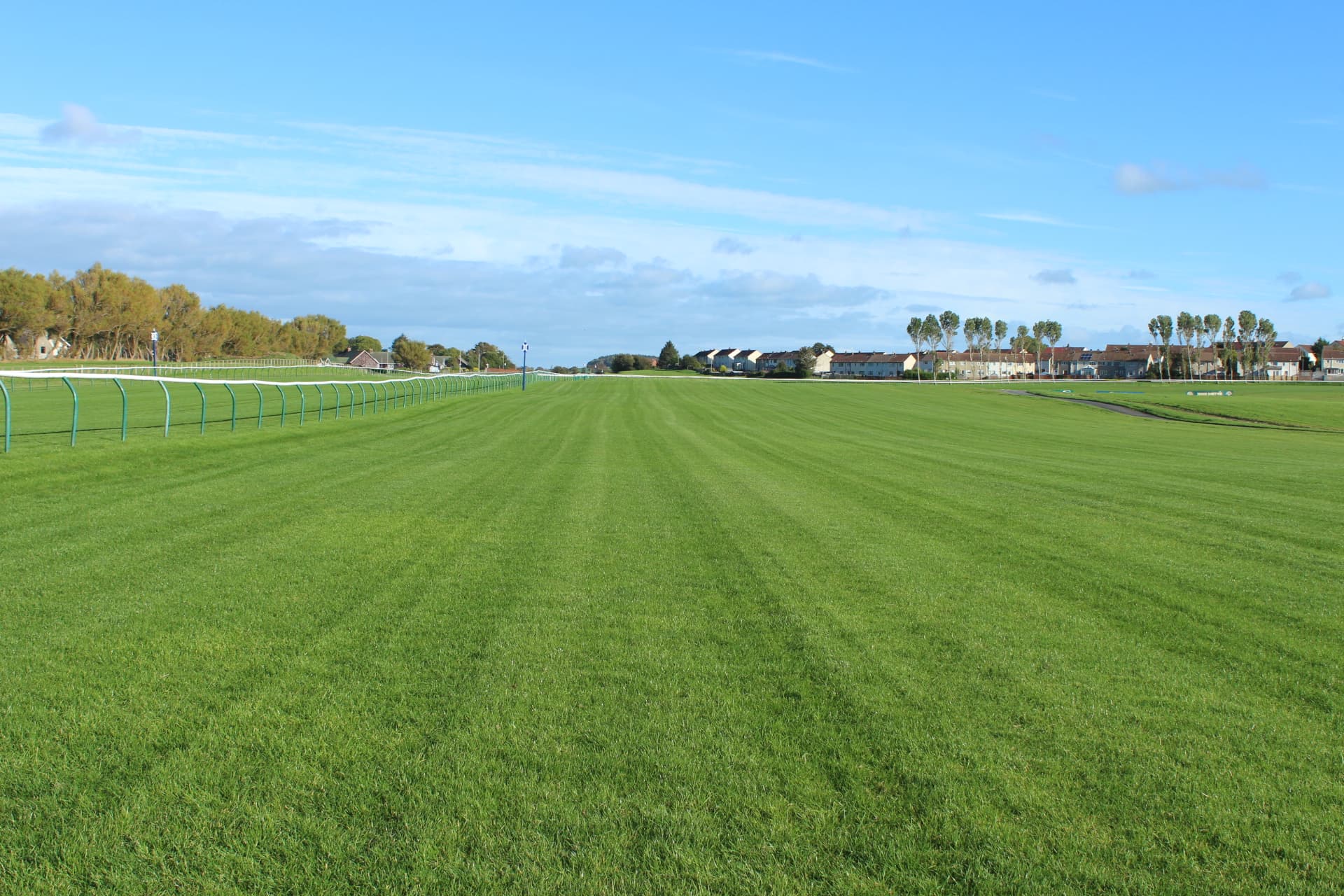
Ayr Racecourse: Complete Guide
Ayr Racecourse — Scotland's premier venue, home of the Scottish Grand National. Course layout, facilities, transport and betting angles.
Read more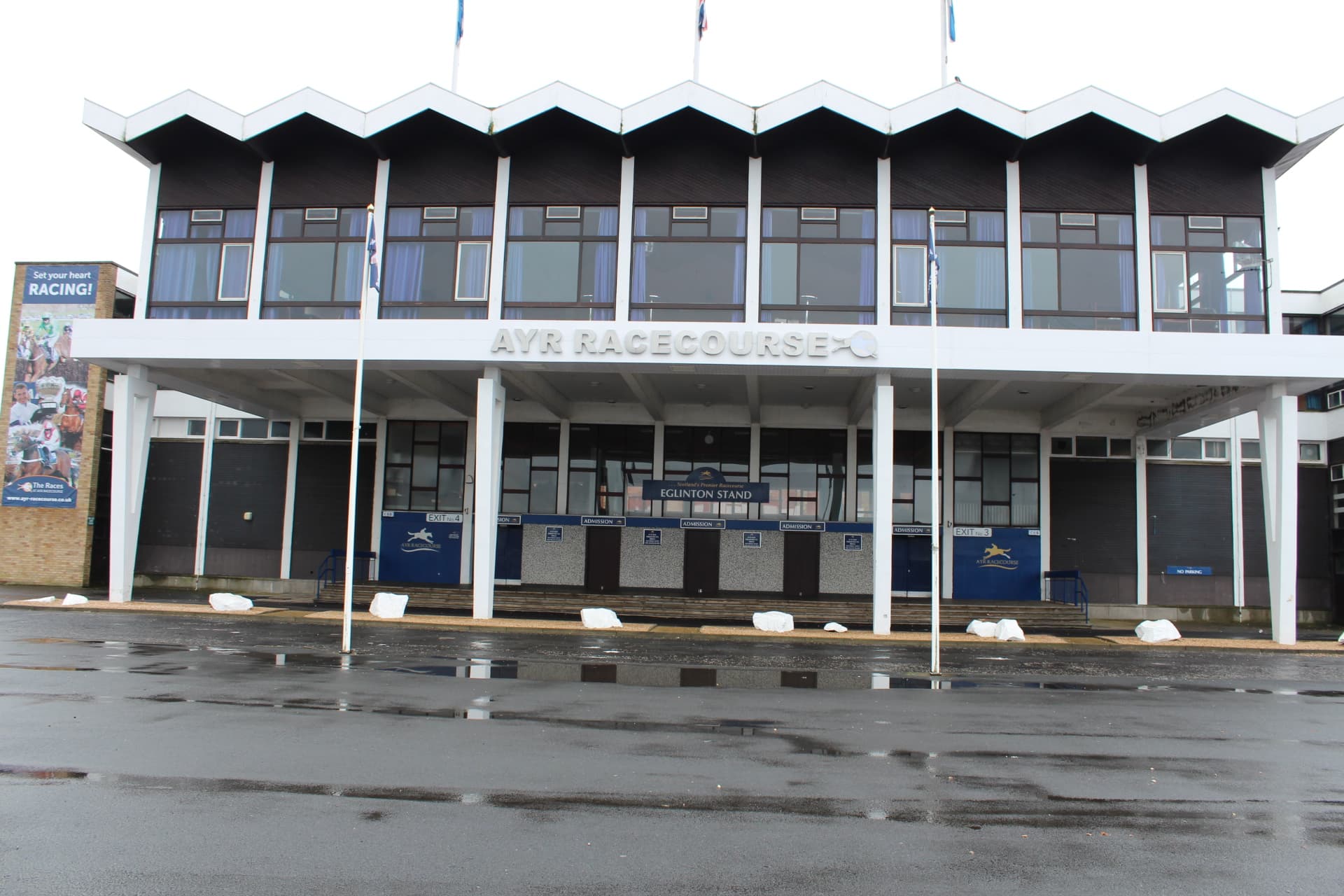
A Day Out at Ayr Racecourse
Everything you need for a day at Ayr Racecourse: getting there, what to wear, enclosures, food and drink, and insider tips for Scotland's leading course.
Read more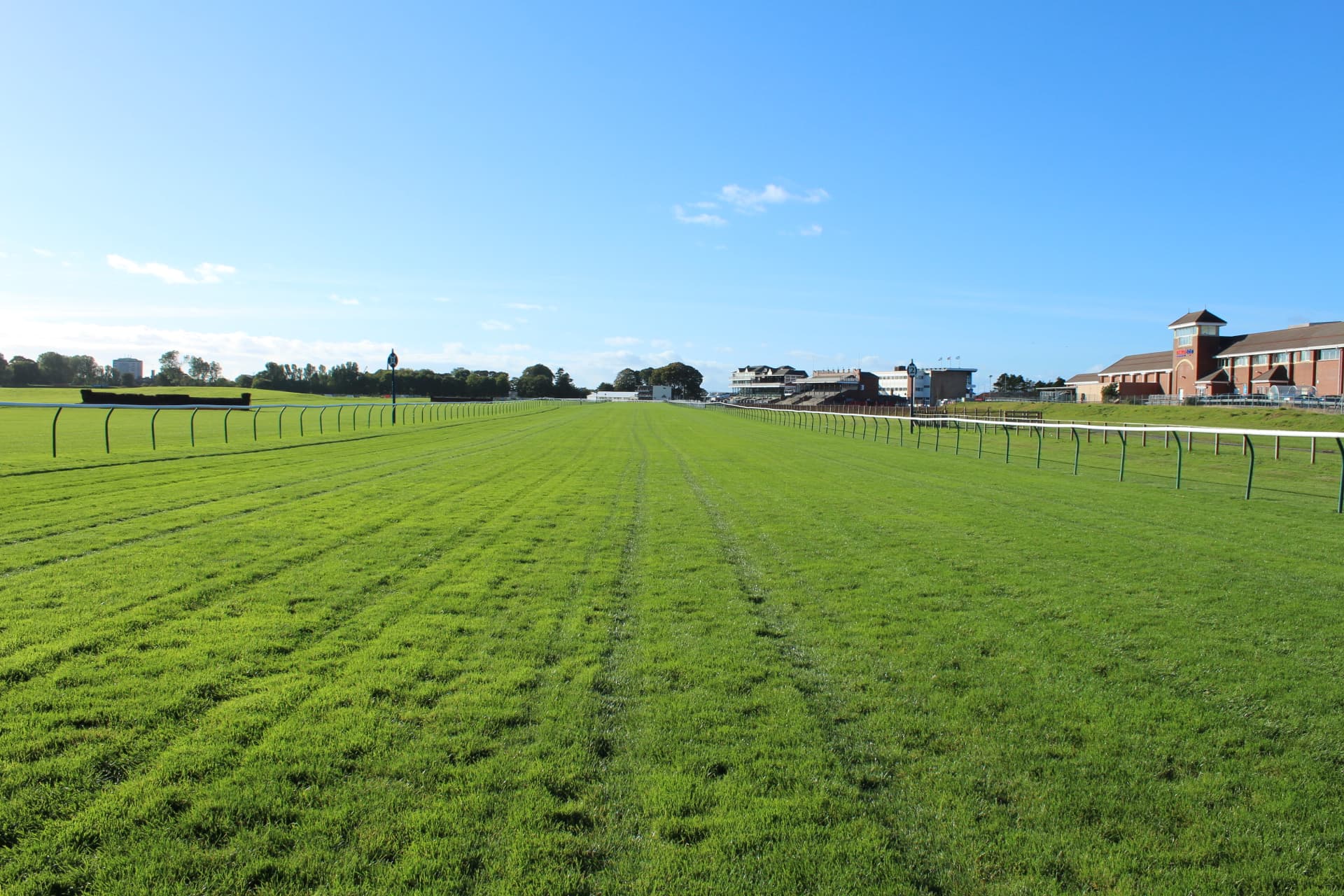
The Ayr Gold Cup Festival: Your Complete Guide
Scotland's biggest race meeting brings three days of competitive flat handicap racing to the Ayrshire coast every September. Here's everything you need to know.
Read morePhotos on this page are used under Creative Commons licences. Titles, sources and licence links for each one are on our image credits page.
Research the field with the AI Race Predictor
Our model publishes calibrated win-probability estimates for UK races — a second opinion to understand a race, not tips. It's open about its record: it doesn't beat the market, and we show exactly how it does.
Work it out & learn the basics
Gamble Responsibly
Gambling should be entertaining and not seen as a way to make money. Never bet more than you can afford to lose. If you or someone you know has a gambling problem, help and support is available.