
Founder & Editor · Last reviewed 2026-04-05
By half-past ten on St Leger Saturday, the approach along Leger Way is already busy. Families walking from the station, groups of mates in shirts, seasoned punters with racecards folded into jacket pockets: Town Moor draws a proper cross-section of British racing on its biggest days. The course opened in 1600, which makes it one of the oldest sporting venues in continuous use anywhere in the country, and there is still something about arriving at the gates in South Yorkshire that feels connected to something much larger than a Saturday afternoon out.
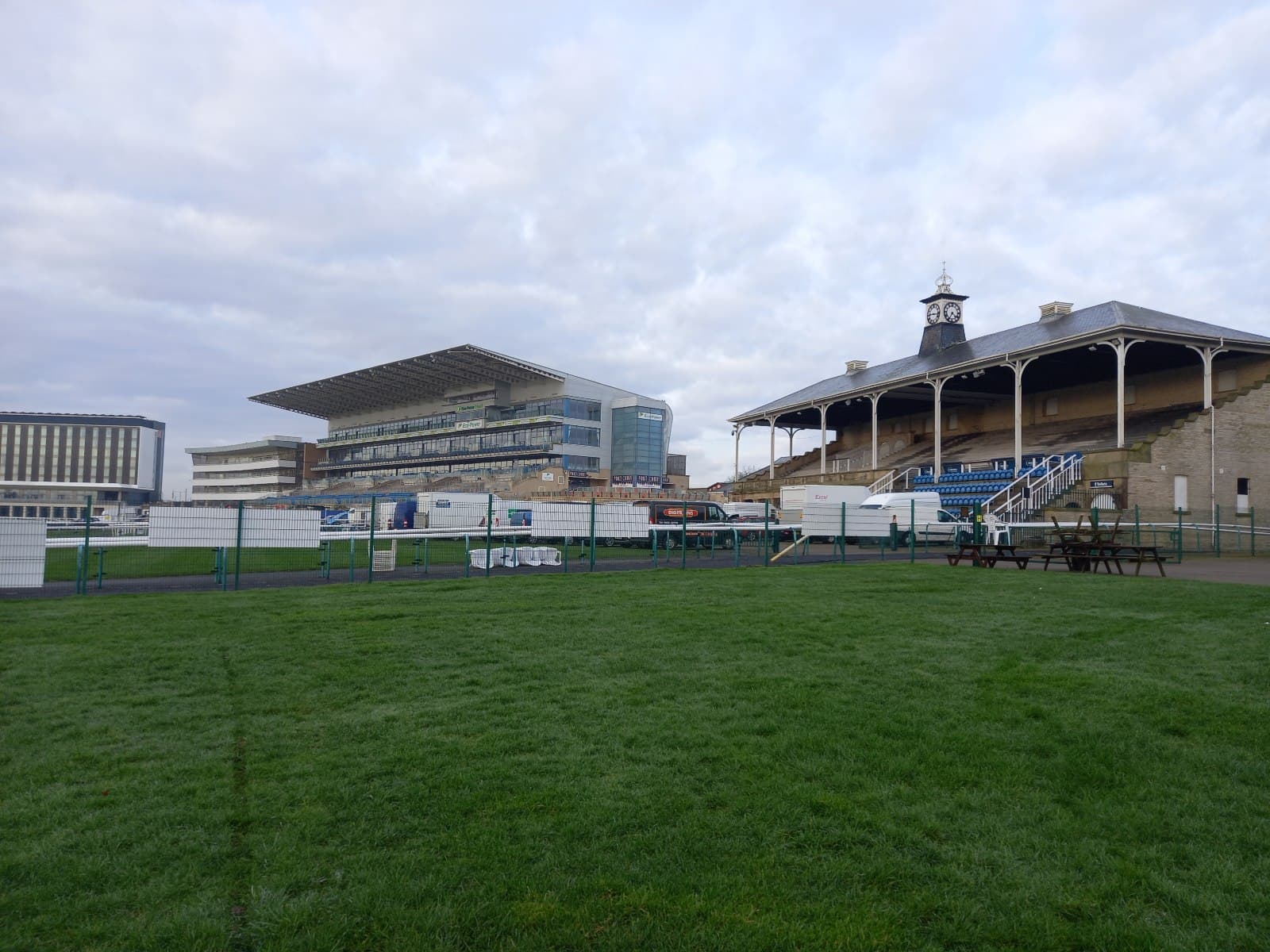
That is not to say Doncaster trades on history alone. The facilities have been steadily upgraded over the past decade, and the experience of a day at Town Moor in 2026 is considerably more comfortable than it was twenty years ago, without losing the no-nonsense character that distinguishes northern racing from the more polished productions you find further south. The grandstands are modern enough, the food offering has diversified well beyond burgers, and the on-course infrastructure works. But the atmosphere on a packed festival day still comes from the crowd rather than from event management.
The course is also, by any measure, one of the most accessible in Britain. Doncaster station is on the East Coast Main Line, direct from London King's Cross in roughly 90 minutes, and the walk from the forecourt to the turnstiles takes around 15 minutes. The postcode is DN2 6BB if you're driving. General admission pricing on standard fixtures remains among the cheapest in the country, and the Silver Ring (the main public enclosure) delivers a full racing experience at a price that makes other courses look expensive.
Who This Guide Is For
This guide is written for four types of visitor, and it covers everything each of them needs.
First-timers will find a clear breakdown of how the enclosures work, what to wear, how to read the course layout, and how to avoid the classic mistakes: arriving too late, choosing the wrong enclosure for what you actually want, not having cash for the bookmakers.
Families will find specific notes on children's admission (under-18s free to most fixtures), the parade ring as an activity in itself, and food options that work for a group with different appetites. Doncaster is one of the better Yorkshire racecourses for a family day. Town Moor is open, the viewing is easy, and you don't need to spend a fortune.
Punters will find the sections on enclosures, the bookmaker row, and the FAQ useful, alongside links to the Doncaster betting guide which covers draw bias, pace dynamics and track characteristics in proper depth.
Regular racegoers who know the course but want to make the most of a specific meeting (St Leger Festival, the Lincoln Handicap in March, or a winter jumps card) will find the seasonal guidance and insider tips in sections five and six worth reading.
Quick Decision Block
If you read nothing else in this guide, at least take these seven points:
- Arrive 90 minutes before the first race on festival days. On standard fixtures, 60 minutes is usually enough.
- Premier Enclosure on St Leger Saturday requires a jacket for men. Smart casual works everywhere else.
- The Silver Ring gives you the best value on a standard day. Tattersalls is the upgrade worth considering for big meetings.
- Doncaster station is the simplest arrival route: 15-minute walk to the gates, well signposted, flat all the way.
- Under-18s get in free to most fixtures, making a family trip affordable for a typical group.
- Bring some cash for the on-course bookmakers. Not all have card facilities, and the best prices disappear fast on competitive races.
- Check the going the night before if you're betting seriously. Doncaster's Town Moor drains well in summer but can get very soft in autumn and winter, which reshapes which horses have a chance.
What This Guide Covers
The sections that follow cover getting to the course in detail, covering train, car, coach, and disabled access, then what to wear for each type of meeting and enclosure. The enclosures section breaks down exactly what you get for your money in each area. Food and drink covers bars, restaurants, stalls, and what you can bring yourself. Finally, the tips and FAQ section expands the insider knowledge and answers the twelve most common questions visitors ask before they arrive.
For background on the course itself, its history, track characteristics, and signature races, see the Doncaster complete guide.
Getting to Doncaster
By Train
Doncaster railway station sits on the East Coast Main Line, which puts it within direct reach of London, Edinburgh, Leeds, York and Newcastle without a single change. Services from London King's Cross arrive in around 90 minutes; from York the journey is under 30 minutes; from Leeds, around 40 to 50 minutes depending on the service. Grand Central and LNER are the two main operators on the south-north corridor, and both stop at Doncaster regularly throughout the day.
From the station forecourt, the course is roughly a 15-minute walk north along Leger Way. The route is entirely flat and well signposted with blue racecourse signs, and the footpath is wide enough to handle the crowds you get on St Leger Saturday or Lincoln Handicap day. On major racedays, a shuttle bus operates from the station forecourt to the course entrance. The bus runs every 10 to 15 minutes during the key arrival window and costs a few pounds each way. It is particularly useful if you have reduced mobility or if the weather has turned unpleasant. The shuttle timing varies by fixture, so check the Doncaster Racecourse website before you travel.
If you are arriving on a standard weekday or smaller Saturday fixture, the walk is the better option. It passes through a straightforward stretch of urban Doncaster, and the sight of racegoers drifting the same direction builds the sense that something worthwhile is happening at the end of the road.
A practical note on returns: services back to London thin out after around 9 pm, and the last fast train can catch people out if the evening runs long. Check your return options before you leave home. If you are travelling south and the last comfortable service is 8:45 pm, note that time and factor it into how long you stay for the final race.
Group rail bookings for parties of ten or more can attract useful discounts through LNER's group desk. For St Leger week in particular, booking rail seats at least three to four weeks in advance is sensible. The trains fill up, and standing from Doncaster to London is not a great end to a long day.
By Car
Doncaster sits at one of the more useful road junctions in the north of England. The A1(M) and the M18 intersect close to the town, meaning you can approach from almost any direction without a complicated cross-country route.
From the south, travel north on the A1(M) and leave at junction 36 (Doncaster Central / Balby). Follow signs for the town centre and then the racecourse. The route picks up brown tourist signs once you're in the right area. From the north or Scotland, leave the A1(M) at junction 37 and follow signs south into Doncaster and then for the course.
From Manchester or West Yorkshire via the M62, join the M18 heading south-east and exit at junction 3 (Doncaster North), then follow the A6182 toward the town centre and the course. From Hull and East Yorkshire, the M18 north-west gives the cleanest line in. Junction 4 links you to the A630 toward Doncaster.
The racecourse postcode is DN2 6BB. Sat-nav will deliver you to the right road, though on major meeting days you may be directed to follow marshals from a certain point. Parking is managed directly by the course.
Parking at the course: Multiple car parks are on-site, ranging from the closest premium car parks near the main entrance to overflow fields on the far side of the course. On standard fixtures, parking costs between £5 and £10 and there is almost always enough room. On St Leger Saturday and Lincoln day, the main car parks fill before noon. Arrive by 11 am if you want a spot within a short walk of the entrance. The overflow fields add 10 to 15 minutes to your walk but are well organised with marshal guidance and are clearly signposted.
Pre-booking parking is available through the racecourse website for the major meetings and is worth doing. The cost is similar to on-the-day pricing but you avoid the uncertainty. On St Leger Saturday specifically, the car parks closest to the gate do sell out.
If you want to avoid parking charges entirely, the residential streets to the south and west of the course do allow parking on some racedays, but check signage carefully. Restrictions are in force on certain roads and the wardens are active on busy fixtures.
By Coach
For groups coming from Sheffield, Leeds, Manchester or further afield, coach hire is worth pricing up against a collection of train tickets. A 16-seat minibus from Sheffield takes around 45 minutes on a normal day and the drop-off at the course entrance is more convenient than managing rail connections. Several Yorkshire and Nottinghamshire operators run race-day specials for the bigger meetings, particularly St Leger week.
National Express does not consistently timetable dedicated racecourse coaches, but during St Leger Festival some operators run advertised services from city centres in the region. Check specialist providers such as York Pullman, which regularly runs group travel packages to major northern meetings.
Local Doncaster buses from the Interchange serve the course area. The route to Town Moor takes around 10 minutes from the town centre bus station. First South Yorkshire operates services along Leger Way on normal racedays, with extra capacity laid on for the bigger fixtures. A single fare is well under £3 and the frequency is good during peak arrival times.
Disabled Access and Parking
Doncaster Racecourse has dedicated disabled parking bays positioned close to the main gate, which significantly reduces the distance from car to turnstile. Blue Badge holders should use the main entrance route and inform the marshals on arrival. The spaces are not bookable in advance on the standard system, so arriving early is advisable for the major meetings.
Once inside, accessible viewing areas are available in each enclosure. The course surface is mainly tarmac and compacted paths, which suits wheelchair users well. The areas around the Silver Ring and Tattersalls are the most accessible, and wheelchair-accessible toilet facilities are in each enclosure.
For visitors with specific requirements, whether related to mobility, visual impairment or other access needs, contacting the racecourse in advance is straightforward. The access team can advise on the best entry point, accessible seating options and any practical arrangements that need to be made before arrival. The main contact number and an access-specific email address are available on the racecourse website.
Arrival Timing
For standard fixtures, arriving 60 minutes before the first race gives you time to collect racecards, find a position, and watch the first horses in the parade ring without rushing. For major meetings (St Leger Saturday, Lincoln day, any of the big festival Saturdays), build in 90 minutes minimum. The queue at the turnstiles on St Leger Saturday can be 20 to 30 minutes long by the time the main wave arrives, and the car parks, bookmakers, and food stalls all operate at a different pace when 25,000 people descend at once.
What to Wear
The Basics
Doncaster does not have a single dress code. It has a range, depending on the enclosure you are in and the meeting you are attending. Get those two variables right and you will not go wrong. The general principle is that the Premier Enclosure on a major raceday requires effort, Tattersalls rewards smart casual, and the Silver Ring is informal. The differences between a St Leger Festival day and a midweek handicap in October are significant, and the guidance below breaks down each scenario so you know what to expect.
St Leger Festival (September)
The St Leger Festival runs across four days in mid-September and is the most formally dressed meeting in Doncaster's calendar. The Thursday (Ladies' Day) sees the most glamorous crowd of the year, with a Best Dressed competition that draws serious effort from visitors who have planned their outfits for weeks.
In the Premier Enclosure, a jacket is required for men throughout the festival. A collared shirt is expected; ties are encouraged on St Leger Day (Saturday) specifically, though the enforcement of this varies by year. Trainers and sportswear are not permitted in the Premier Enclosure at any point during the festival. For women in the Premier Enclosure, smart dress, tailored separates or a formal suit are the standard. Fascinators and hats are common and entirely appropriate.
In Tattersalls during festival week, smart casual is the expectation for men: a collared shirt, chinos or smart trousers, and decent shoes. Jeans are best avoided if you want to blend in, though they are not formally banned. Women dress up noticeably here during the festival, and heading to the St Leger meeting in casual day clothes will stand out. A wrap dress, midi skirt, or smart jumpsuit all work well and handle the September conditions better than floaty summer dresses if the afternoon turns breezy.
In the Silver Ring, the dress code is effectively non-existent, but the crowd still dresses up more during festival week than on standard days. Clean jeans, a smart top or casual shirt, and clean trainers are fine. The difference between Silver Ring and Tattersalls on St Leger Saturday is not purely the outfit. It is also the closeness to the action, the quality of the viewing, and the overall experience.
Lincoln Handicap Day (March)
The Lincoln Handicap, run in late March or early April, marks the traditional start of the flat season and draws a good crowd despite the unpredictability of early spring weather in South Yorkshire. Dress code is more relaxed than the festival. Smart casual across all enclosures works well. The weather consideration, however, dominates the planning conversation.
March at Town Moor is cold. Average temperatures sit in the 8 to 12°C range and the wind across the open course can push the feels-like temperature several degrees lower. A warm layer under a smart jacket is the practical approach. Long coats over formal clothes work well. For women, tights or thermals under a dress make the difference between enjoying the day and enduring it. Wedge boots or ankle boots with a warm lining are a better choice than heels for Lincoln day.
Standard Flat Fixtures (April to November)
The bulk of Doncaster's flat season runs from April through to November and covers a wide range of meeting sizes, from competitive Saturday handicap cards with fields of 20-plus to midweek fixtures with smaller fields but often very good racing. Dress standards on these days follow the enclosure rather than the occasion.
Premier Enclosure: a jacket for men is the standard expectation even on a quiet Tuesday. Women should aim for smart daywear. Shorts and sportswear are not allowed. Collared shirts required.
Tattersalls: smart casual throughout. A polo shirt and chinos work fine for men on a warm summer day. Women have considerable flexibility. A sundress works on a hot July afternoon; a wrap dress or smart jeans and a blouse work equally well. Clean trainers are tolerated in Tattersalls on standard days, though it varies.
Silver Ring: fully informal. Jeans, clean trainers, a T-shirt, all fine. This is not a place with a formal dress code, and families with children in casual clothes will feel perfectly at ease.
National Hunt Fixtures (November to March)
Doncaster hosts National Hunt meetings from November through to March, and the dress code emphasis shifts almost entirely to the practical. The course on a January afternoon with a north-easterly wind blowing across Town Moor demands proper winter clothing, not just a thin coat over a shirt.
Thermals under your base layer are not excessive. A proper winter coat with a windproof outer layer is more useful than a fashion statement. Waterproof boots or wellingtons are worth the practical compromise for winter jumps days. The ground from the car park to the enclosures can be churned up considerably after a wet week. Hats, gloves and scarves should all be in your bag.
On jumps days, the Premier Enclosure still expects a jacket for men, but the atmosphere shifts and the interpretation of "smart" is more generous. A thick wool jacket over a jumper, with smart trousers and waterproof boots, reads as entirely appropriate. Jeans are tolerated more readily than on summer days, particularly in the lower enclosures.
Footwear Guidance
The main walking surfaces at Doncaster are tarmac and compacted paths, which are manageable year-round. The Silver Ring has some grass sections that can become soft and wet after rain. Areas around the parade ring and between enclosures can get churned up on high-attendance days after wet weather. The practical implications:
- Stilettos and thin heels sink into soft ground. Block heels and wedges are more stable.
- On any day between October and March, waterproof or water-resistant footwear is the sensible choice.
- Flat shoes are always a viable option in any enclosure and can be dressed up easily.
- Men in smart leather shoes on summer days are fine; in winter those same shoes will get wet and cold.
Practical Additions
A compact umbrella earns its place in a bag at any Doncaster fixture, particularly for the spring and autumn meetings. Yorkshire showers arrive quickly and the Silver Ring has limited permanent cover. A small bag (a tote, a backpack, or a cross-body bag) is useful for racecards, valuables, and any layers you end up carrying rather than wearing. Security will check bags on entry, which is standard at most racecourses.
On Ladies' Day during the festival, Doncaster runs a formal Best Dressed competition with prizes. If you are entering, check the official criteria on the racecourse website. The judging takes place in a specific area at a specific time, and knowing the process in advance saves confusion on the day.
Enclosures & Viewing
Doncaster Racecourse operates with three main public enclosures — the Silver Ring, Tattersalls, and the Premier Enclosure — plus a separate free-to-enter viewing area on the Heath. Each covers a different section of the course and appeals to a different type of visitor. The descriptions below explain what you actually get in each one, not just the marketing version.
Silver Ring
The Silver Ring is where the majority of Doncaster's crowd goes, and it has been the working heart of Town Moor's raceday for generations. Admission on a standard fixture typically costs under £15, which is competitive with any racecourse in England. On major racedays, prices rise — St Leger Saturday Silver Ring admission is around £25 to £30 depending on the year — but the value proposition holds when you factor in what you get.
The viewing from the Silver Ring is strong. Doncaster's course is flat and relatively straight for a British track, which means the grandstand terracing in the Silver Ring gives a clear sightline to most of the racing. The finish line is slightly more distant from here than from Tattersalls and the Premier Enclosure, but the big screens are positioned well and you will not miss a finish. For the straight-course races — Doncaster uses both a straight six-furlong course and a round course — the Silver Ring position lets you see almost the entire race without the field disappearing into a bend.
What you get: on-course bookmakers along the bookmaker row adjacent to the Silver Ring, multiple food and drink stalls within the enclosure, bar facilities with draught beer and wine, big-screen race coverage, and a relaxed, sociable atmosphere. The crowd in the Silver Ring is a true cross-section: families, groups of friends, local punters, and a fair number of people at their first ever race meeting.
Dress code in the Silver Ring is informal. Jeans, clean trainers, casual clothing — all fine. Nobody is checking on the gate what you are wearing. Shorts are acceptable in summer.
The Silver Ring is the right choice if: you are visiting for the first time and are not sure whether you want to spend more; you are bringing children and want flexibility; you are in a large group where cost is a factor; or you are primarily there to bet and watch rather than to have a dining experience.
Tattersalls
Tattersalls sits between the Silver Ring and the Premier Enclosure in both price and location on the course. Standard admission runs from around £20 to £35 depending on the fixture, with St Leger Festival pricing at the higher end. The investment gets you noticeably closer to the action and a wider range of facilities.
The defining advantage of Tattersalls over the Silver Ring is access to the parade ring viewing area and the winners' enclosure. If you want to watch the horses being saddled and paraded before each race — which is one of the most useful things you can do as a bettor — Tattersalls puts you right there. The parade ring at Doncaster is spacious and well-designed, with good standing room around the perimeter, and from Tattersalls you can walk to it comfortably between races.
The grandstand in Tattersalls offers covered seating on a first-come basis. On a busy Saturday, a seat with a roof over it fills up by the second race. Get there early if you want one. The viewing angles from the Tattersalls grandstand are good — you are closer to the finish line here than from the Silver Ring, which matters on photo-finish days when you want to judge the result yourself.
Food and drink options in Tattersalls are broader than in the Silver Ring — a greater range of bar outlets, the main concourse food stalls, and access to the covered areas where the queues thin out slightly in bad weather. Pints of lager are in the £6 to £7 range on major racedays.
Dress code in Tattersalls is smart casual. Collared shirts for men, smart jeans or trousers, presentable shoes. During the St Leger Festival, the standard in Tattersalls rises with the crowd, and you will feel out of place in purely casual dress even if no one stops you at the gate.
Tattersalls is the right choice if: you want to be close to the parade ring; you are betting seriously and want access to the on-course bookmakers and the paddock; you are making a day of it as a couple or a small group; or you want a step up in atmosphere and viewing quality without the full cost of the Premier Enclosure.
Premier Enclosure
The Premier Enclosure is Doncaster's top tier for general admission, and it occupies the section of the grandstand closest to the finish line. On St Leger Saturday, admission typically runs from £45 to £60 or higher. On quieter fixtures, the price differential narrows — some autumn and spring flat days come in under £40.
The viewing from the Premier Enclosure is the best available to anyone not in a private hospitality box. You are positioned directly beside the finish line, which means you can judge close finishes with your own eyes rather than waiting for the screen replay. The grandstand facilities here are of a higher standard than in the other enclosures — smarter bars, a wider range of dining options, and a generally well-maintained environment.
The Premier Enclosure gives you access to the members' lawn and the best parade ring viewing position. On a big raceday, this means watching the horses come in after the race with the full presentation ceremony happening very close to you. For St Leger Saturday specifically, the presentation of the trophy and the post-race scenes in the winners' enclosure are much easier to watch from here than from anywhere else on the course.
Dress code in the Premier Enclosure is enforced on major racedays. Men require a jacket and collared shirt — a tie is expected on St Leger Day and strongly encouraged throughout the festival. Trainers and sportswear are not permitted. Women are expected to dress formally — smart dress, tailored suit or equivalent. On quieter fixtures, enforcement is more relaxed but the expectation remains and the crowd sets the standard.
The Premier Enclosure is the right choice if: you are celebrating something and want the full occasion; you are visiting for St Leger Day or Ladies' Day specifically; you want the best viewing position and highest standard of facilities; or you are bringing guests who have not been to Doncaster before and you want to show it off properly.
The Heath (Free Viewing)
The Heath is a free viewing area accessible from outside the course on the far side of Town Moor. It is used mainly by locals who want to watch the racing without paying admission. The view from the Heath covers part of the back straight and the approach to the final turn on the round course, but you are a long way from the finish line and the facilities are minimal — no bars, no food stalls, no bookmakers.
For a visitor travelling any distance, the Heath is not a practical option. It is included here so that first-timers know what it is — some visitors arrive and see people watching from the Heath and assume it is a viewing area worth choosing. It is not, unless you specifically cannot afford or do not want to pay admission.
Hospitality Boxes and Packages
Above the general enclosures, Doncaster offers a range of private hospitality options for corporate groups, special occasions, and anyone who wants a fully managed experience. Private boxes overlook the course from elevated positions and come with dedicated bar service and catering. The Lazarus Suite and the Wentworth Restaurant operate as hospitality dining options with race views from the table.
Hospitality packages for the major meetings — St Leger Festival in September and the November Handicap card — need to be booked several months in advance. Prices vary by package and group size but typically start at around £100 per person for a dining package and rise considerably for the premium boxes. Contact the racecourse sales team directly for current pricing, as it is not always published in full on the website.
For a group of eight to twenty people marking a significant birthday, a team day out, or a corporate event, a hospitality package removes all the organisational friction — you arrive, everything is arranged, and the day runs itself. For a smaller group or individuals, the general enclosures offer better value.
Viewing Tips for Any Enclosure
Doncaster's straight course configuration means that for races run over six furlongs on the straight, you can watch the horses from almost the moment the stalls open to the moment they cross the line. The round course introduces a back straight that takes the field out of sight for a portion of longer races, but the screens cover the gap and the field appears around the final turn with plenty of ground still to run.
The finish-line rail is the premium spot in any enclosure and fills up early. On big racedays, people claim their position on the rail after race two or three and hold it. If you want a rail spot for the St Leger itself, you need to be there at least an hour before the race — the main race on St Leger Saturday is typically the fourth or fifth on the card.
Binoculars are worth bringing. Doncaster's one-mile-two straight is long enough that the early stages of middle-distance races can be difficult to follow with the naked eye. A basic 8x42 pair weighs next to nothing and transforms the experience of watching from anywhere on the course.
Food & Drink
The Overall Picture
Doncaster's food and drink offering has improved considerably since around 2015, when the choice on a standard raceday was limited to the usual racecourse staples. The investment in the main concourse areas and the willingness to bring in external food vendors for the bigger meetings has made Town Moor one of the more enjoyable courses in the north in terms of eating and drinking. It is not Goodwood, and it is not trying to be — but the standard is above average for a course at this price point, and you will eat and drink well without planning excessively.
Food Stalls and Casual Eating
The main food concourse runs along the Tattersalls and Silver Ring areas and is where the majority of general admission visitors eat. On a standard flat fixture, you can expect to find:
Hot food: Burgers, hot dogs, fish and chips, pies, and — on bigger racedays — a hog roast that has become a fixture of the summer calendar at Town Moor. The hog roast rolls typically cost around £7 to £8 and are consistently one of the most popular outlets. Yorkshire-specific options appear on the bigger fixture days, including locally sourced sausages and a vendor operating a slow-cooked pulled pork bap that regular visitors tend to seek out.
Pizza: A wood-fired pizza trailer appears on St Leger Festival days and has been a regular at the bigger summer meetings for several years. Bases are cooked to order and cost around £9 to £12 depending on size and topping. The queue builds during races two through four, so the gap between race one and two is the practical window.
Snacks and lighter options: Doughnuts, ice cream, crepes, and a range of hot snacks are available from smaller outlets positioned around the enclosures. These fill quickly on a summer Saturday — the ice cream vans in particular clear out fast when the temperature rises.
Typical food prices on a standard fixture run from around £6 for a basic hot dog to £12 for a full meal from one of the more substantial stalls. During festival week, prices rise by around 10 to 15 per cent and the queues are noticeably longer. The time to eat is between races one and two, or in the gap after race four — the mid-card rush between races three and four is when queues peak.
Bars
There are multiple bar outlets across the three main enclosures, with the density highest in Tattersalls and the Premier Enclosure. The Silver Ring has a bar within reasonable walking distance of the main viewing area, though it has fewer options than the other enclosures.
A pint of lager or bitter on a standard fixture costs around £5.50 to £6.50. On St Leger Festival days, prices rise to £6.50 to £8 depending on the outlet and the brand. Wine is served by the glass, typically at £6 to £8, and spirits with mixers at around £7 to £10. Premium bars in the Premier Enclosure charge at the higher end of these ranges.
During the St Leger Festival, Prosecco and cocktail bars are set up in Tattersalls and the Premier Enclosure. These are popular on Ladies' Day in particular, with themed cocktail lists that change year to year. A Prosecco glass is around £7 to £9 during festival week.
Alcohol-free options have expanded across Doncaster's bars in recent years, reflecting the broader shift in consumer habits. Brands such as Guinness 0.0, Lucky Saint, and Seedlip are now available at most bar outlets. Soft drinks — Coke, juice, sparkling water — are standard at all bars and cost around £2.50 to £4 depending on size.
A practical note on queues: the bar in the Silver Ring builds significant queues from around race two onwards on busy Saturdays. Ordering in batches — buying two rounds at once — saves time. The bars in Tattersalls are slightly less congested because the volume of outlets is higher relative to the crowd. In the Premier Enclosure, service is generally faster because the ratio of staff to customers is better.
Restaurant Dining
For visitors who want a sit-down meal as part of their day, the Premier Enclosure contains the main restaurant facilities.
The Wentworth Restaurant is the flagship dining option, operating on major racedays with a set menu format. A typical multi-course lunch package (two to three courses) costs in the region of £50 to £65 per person at St Leger Festival rates, falling to around £35 to £45 on standard raceday packages. The menu focuses on solid British and European cooking — roast beef, salmon, seasonal vegetables — with a consistent standard that suits the occasion without being innovative. The view from the Wentworth tables is good, with windows facing the course, and the format of eating between races with the action visible from your seat makes for a relaxed afternoon.
Booking is essential for the Wentworth on any major fixture. Tables for St Leger Saturday and Ladies' Day are typically released four to six months in advance and do sell out. For standard fixtures, a week or two ahead is usually sufficient, though late availability is not always guaranteed. Book through the Doncaster Racecourse website or via the hospitality team directly.
The Lazarus Suite operates as a higher-tier hospitality and dining space for group packages and private dining. It is not available for individual bookings in the same way as the Wentworth — access is typically as part of a package rather than a la carte reservation.
During St Leger Festival week, pop-up dining experiences have appeared in recent seasons, with local Yorkshire food operators given space in the Tattersalls concourse area. These have included themed tasting menus, street food from regional producers, and guest chef evenings on the Thursday (Ladies' Day). The format changes year to year, so check the racecourse's event programme for the current season's lineup.
Bringing Your Own Food
On standard racedays, Doncaster's Silver Ring allows visitors to bring their own food and non-alcoholic soft drinks. A packed lunch in a cool bag, sandwiches, snacks, a flask of tea — all reasonable. The racecourse website confirms the current policy for each fixture, and it is worth checking before you arrive, since restrictions can tighten for major meetings.
Glass bottles are not permitted inside the course. Alcohol brought from outside is not allowed. This is standard racecourse policy and is enforced at bag checks on the gate. A cool bag or small rucksack with food and soft drinks will pass through the check without issue.
The bring-your-own option makes Doncaster one of the more budget-friendly racecourses for a family day. A family of four — two adults, two under-18s (free entry) — can spend the day on a standard fixture for well under £50 in total if they bring their own food and keep to one or two drinks from the bar.
Hot Drinks and Non-Racing Food
Doncaster does the traditional racecourse hot drink well. Hot Bovril is available from several trackside points throughout the winter jumps season — a tradition at exposed northern courses that is easy to mock and impossible not to appreciate when it is three degrees with wind from the north. Tea and coffee are standard at most outlets, with a flat white or cappuccino available from the more upmarket concourse areas.
For the jumps season specifically, the food outlets that focus on warming options — soups, hot pies, stews — are worth knowing. The pie and mushy peas stall that appears at several National Hunt fixtures is one of the more satisfying food stops on a cold Doncaster afternoon.
Nearby Options
If you are arriving early and want to eat before heading to the course, Doncaster town centre is around a mile away and has a reasonable range of cafes and pubs. The Leopard pub on West Street is a well-known local with good reviews and is roughly a 10-minute walk from the station. Pre-race lunch at a town-centre pub, then heading to the course for the gates opening, is a sensible rhythm for a long day that avoids the mid-afternoon rush at on-course food stalls.
Tips & FAQ
Insider Tips
Get there early and walk the course. The gates open around 90 minutes before the first race and the course is almost empty for the first 20 minutes. Use that time well. Walk from the Silver Ring to the Premier Enclosure and back — you get a feel for the layout, the distances, and where you want to be for each type of race. The straight course and the round course configuration means different races offer different optimal viewing positions, and knowing this in advance stops you spending the day slightly in the wrong place.
Check the going the night before. Doncaster Racecourse publishes the official going report on the afternoon before a raceday, and it is updated on the morning of the meeting. The going is one of the most underused pieces of information available to casual racegoers. On the flat, Doncaster's Town Moor drains well in dry weather, but after a wet week in autumn the ground can shift from good to soft to heavy over the course of a single meeting. A horse whose form is built on good-to-firm will not run its race on heavy ground, and knowing this before you look at a betting market saves you money. The going is published on the racecourse website and on the Racing Post app.
Buy a racecard. The official racecard is sold at multiple points around the course, typically for £2.50 to £3. It contains the full field for every race, trainer and jockey information, draw positions for flat races on the straight course, and often trainer or jockey comments. The draw is particularly useful at Doncaster — the straight course has a documented low-draw bias in certain conditions, and the racecard is the quickest way to identify which horses are drawn where. The Racing Post app covers much of this in digital form, but there is something to be said for the physical racecard as a day-long working document.
Use the parade ring. The parade ring at Doncaster is one of the better-designed ones in the north — spacious enough that you can get a proper look at every horse without craning around other people. Head to the parade ring for the race before the one you plan to bet on. Watch how each horse is moving, how they are sweating, whether they look settled or fractious. A horse that is sweating through its neck or behaving nervously in the ring is using energy before the race starts. This sort of observation takes five minutes and adds a practical filter to your decision.
Know the bookmaker row. The on-course bookmakers at Doncaster are positioned in the Silver Ring area, with a row of pitches that offers a range of prices. The first bookmaker you see is not necessarily offering the best odds. On competitive handicaps with large fields, there can be several points of difference between the best and worst price for the same horse. Walk the row before you commit on any race where the margin matters. On-course bookmakers also take bets in cash, which means you avoid the friction of setting up accounts or waiting for withdrawals. A £5 note produces a cash return if you win — instant and satisfying.
Time the food queue. The peak queue time at food stalls is between races three and four, when the middle of the card coincides with peak hunger and peak crowd density. The ideal window for getting food without a significant wait is in the 15 to 20 minutes after the first race — the crowd has settled, the bookmakers are taking bets for race two, and the food stalls are moving quickly. A similar window exists after race five when the crowd splits between those staying for the final races and those starting to head home.
Binoculars are worth the bag space. Doncaster's racing surfaces include the one-mile-two straight course — one of the longest in Britain — and the round course, which takes horses well into the back straight for longer races. Even from Tattersalls, the early stages of a twelve-furlong race are very distant. A standard 8x42 pair of binoculars weighs around 700 grams and fits in any decent shoulder bag. The investment — a quality pair costs from £40 upwards — pays off across a full season of racecourse visits.
Identify your nearest exit before the last race. On St Leger Saturday with a full house of 25,000 to 30,000 people, the exit from the course after the final race is slow. The car parks and the footpath back to the station both compress. If you know in advance which exit is closest to where you parked or which route takes you back toward the station, you can move purposefully rather than following the mass. The station footpath along Leger Way is the most direct route and handles the volume well — just keep moving rather than stopping at the top of the road.
Frequently Asked Questions
What time do gates open?
Gates typically open 90 minutes before the scheduled first race. On standard fixtures the first race is usually around 2:00 pm or 2:10 pm, putting gate opening at approximately 12:30 pm. On St Leger Festival days, the card often starts earlier — 1:35 pm is a common first-race time for the major days — and gates may open from 11:00 am or 11:30 am. The exact timing is published on the racecourse website and on the fixture listing for each meeting. Do not assume standard times apply for festival cards.
Can children attend and what does it cost?
Under-18s are admitted free to most Doncaster fixtures when accompanied by a paying adult. This applies across the Silver Ring and Tattersalls on standard racedays. The under-18 free policy also covers most St Leger Festival days, making a family trip affordable — two paying adults and two or three children can spend the day at Town Moor for the cost of two admission tickets plus food. On specific premium fixtures, under-16 or under-18 free policies may be adjusted, so checking the fixture page on the racecourse website before buying tickets is advisable.
Children's entertainment areas are set up on some of the bigger meeting days, typically in the Silver Ring area. These vary by year and fixture — activities such as fairground rides, face painting and interactive displays have appeared at the St Leger Festival in recent years. Check the event programme for the current year.
Is there disabled parking?
Yes. Doncaster provides dedicated disabled parking bays close to the main entrance gate, which significantly reduces the walking distance for Blue Badge holders. Spaces are managed on the day by course marshals rather than through pre-booking. On major racedays (St Leger Saturday particularly), these spaces fill early — arriving by 11 am is advisable if you require a disabled bay. Contact the racecourse access team in advance to ask about specific arrangements, accessible viewing areas, or any assistance you need. The access contact is available on the racecourse website.
Are dogs allowed?
Dogs are not permitted on the racecourse. The only exception is registered assistance dogs, which are admitted with their handlers. This is standard policy across British racing.
Can I pay by card on course?
Most bars and food outlets accept contactless and card payments, including debit and credit cards and Apple Pay/Google Pay. The card infrastructure has improved considerably at Doncaster over the past five years and is reliable at the main outlets. The exception is the on-course bookmakers — many still operate primarily in cash, and those that do have card facilities may not have them working at peak times. Carrying £20 to £30 in cash specifically for betting is sensible. There is an ATM inside the course entrance, though the queue for it grows on busy Saturdays.
What is the bag policy?
Bags are checked at the entrance gates on all racedays. Small bags, totes, backpacks and handbags are all permitted. Large bags or items that cannot be opened for inspection may cause delay. Items not permitted include glass bottles, your own alcohol, and any items that could be used as weapons. The search is standard and efficient — the process is similar to a music venue or sports stadium and takes seconds if your bag is straightforward.
Are binoculars allowed?
Yes, binoculars are encouraged. There is no restriction on bringing standard binoculars for personal use. Doncaster's long course makes them a practical necessity rather than a luxury for anyone who wants to follow the racing properly during middle-distance and staying races.
How much do racecards cost?
Printed racecards are sold on course for approximately £2.50 to £3 depending on the fixture and the year. They are available from sellers walking the main concourse areas and from fixed kiosks near the main entrance. Alternatively, the Racing Post app provides digital racecard information including form, weights and jockey bookings. The printed racecard contains information — trainer comments, draw data, going updates — that is sometimes more immediately accessible than navigating an app on a mobile screen, particularly on a cold or windy day.
What is the phone signal like on course?
Phone signal inside the racecourse is variable. On standard weekday fixtures the signal is adequate for data, but on major racedays the network becomes congested as tens of thousands of people in a compact area use their phones simultaneously. Mobile betting apps, the Racing Post, and even basic messaging can be slow or unreliable in the busiest periods — particularly in the half-hour window around each race when everyone is looking at their phones. If you need to place a bet via an app at a specific time, do it ten minutes before the race rather than at the last moment.
How do I report a lost item?
Lost property at Doncaster Racecourse is managed by the course's operations team. On the day, report any lost item to a member of staff or to the main information point, which is typically situated near the main entrance. After the meeting, lost property can be reported and claimed via the racecourse website or by calling the course office directly. Items found on course are held for a period and then, if unclaimed, dealt with according to the racecourse's standard procedure. Keeping valuables in an inner pocket rather than a bag makes loss much less likely on a busy raceday.
Can I book for a group?
Group bookings are handled through the Doncaster Racecourse events and sales team. For groups of ten or more people, discounted admission rates are available on most standard fixtures. For groups attending the St Leger Festival or other premium meetings, hospitality packages are the recommended option — they provide a fixed group space, catering, and a managed experience rather than coordinating individual tickets across a large party. Contact the racecourse directly for group pricing and availability, as it is not always available through the standard online booking system.
What hospitality options are available?
Doncaster offers hospitality at several levels above general admission. The Wentworth Restaurant provides a dining package with race views for smaller groups and couples. The Lazarus Suite and private boxes are available for larger groups and corporate events. All hospitality options for St Leger Festival days — particularly St Leger Day (Saturday) and Ladies' Day (Thursday) — should be booked at least three to four months in advance, as availability is limited and the major days sell out reliably. Contact the hospitality team at the racecourse for a current brochure and pricing. Packages typically include admission, a set menu, and a drinks allowance — the exact contents vary by package level.
What happens if a race is abandoned?
Race abandonment is rare but does occur, typically due to waterlogged ground, dangerous fog, or an incident on the course. If a race meeting is abandoned before it starts, Doncaster's policy is to refund admission. If a meeting is abandoned part-way through, the policy is more nuanced — partial refunds may be offered depending on how many races have been run. Check the racecourse website for the specific terms that apply to your fixture and ticket type. Abandonment after four or five races on a seven-race card is treated differently from an abandonment before the first race. The racecourse communicates with ticket-holders via email and social media channels in the event of an abandonment.
Share this article
More about this racecourse
All Doncaster guides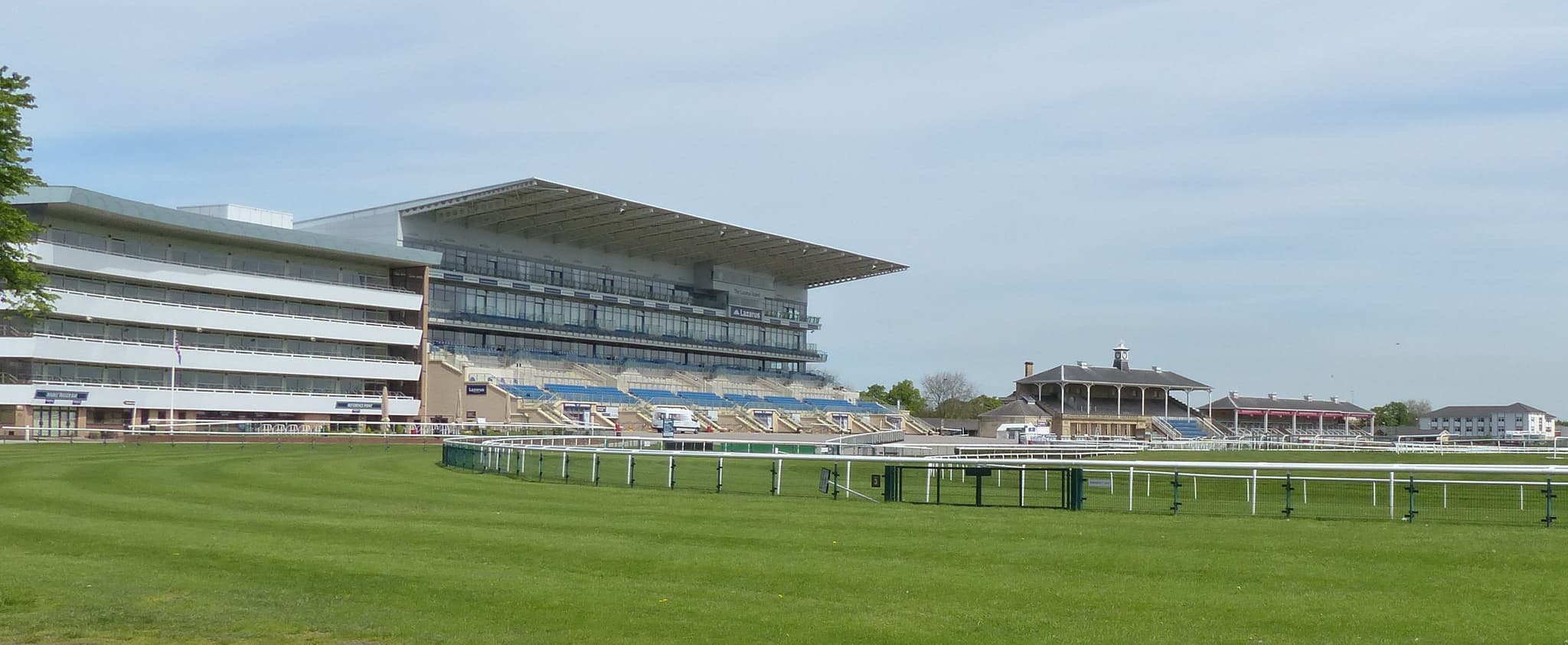
The History of Doncaster Racecourse
Over 400 years of racing at Town Moor — from the first meetings in the 1600s to home of the world's oldest Classic.
Read more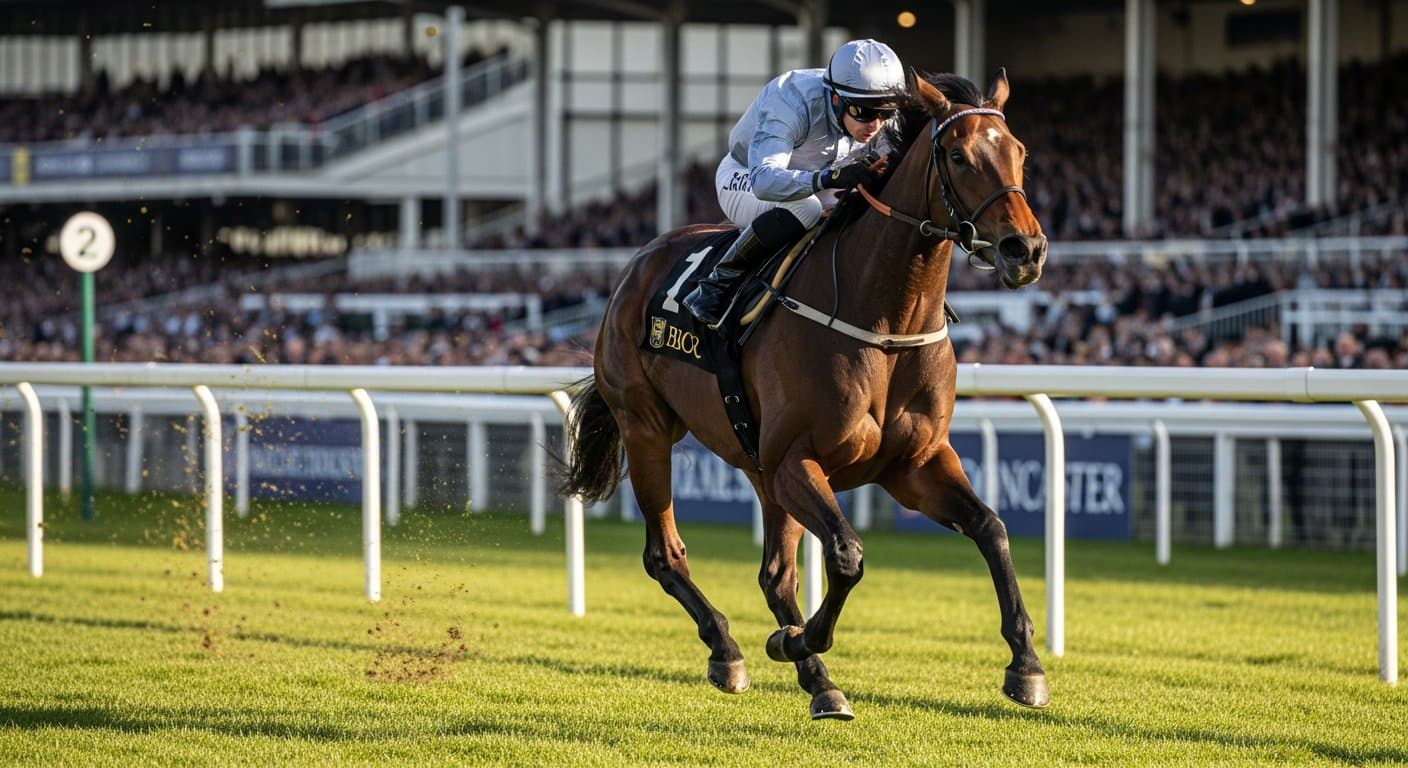
Nijinsky at Doncaster: The Complete Story
Nijinsky won the 1970 St Leger at Doncaster to complete the last Triple Crown of the twentieth century. The story of a defining race and a defining horse.
Read more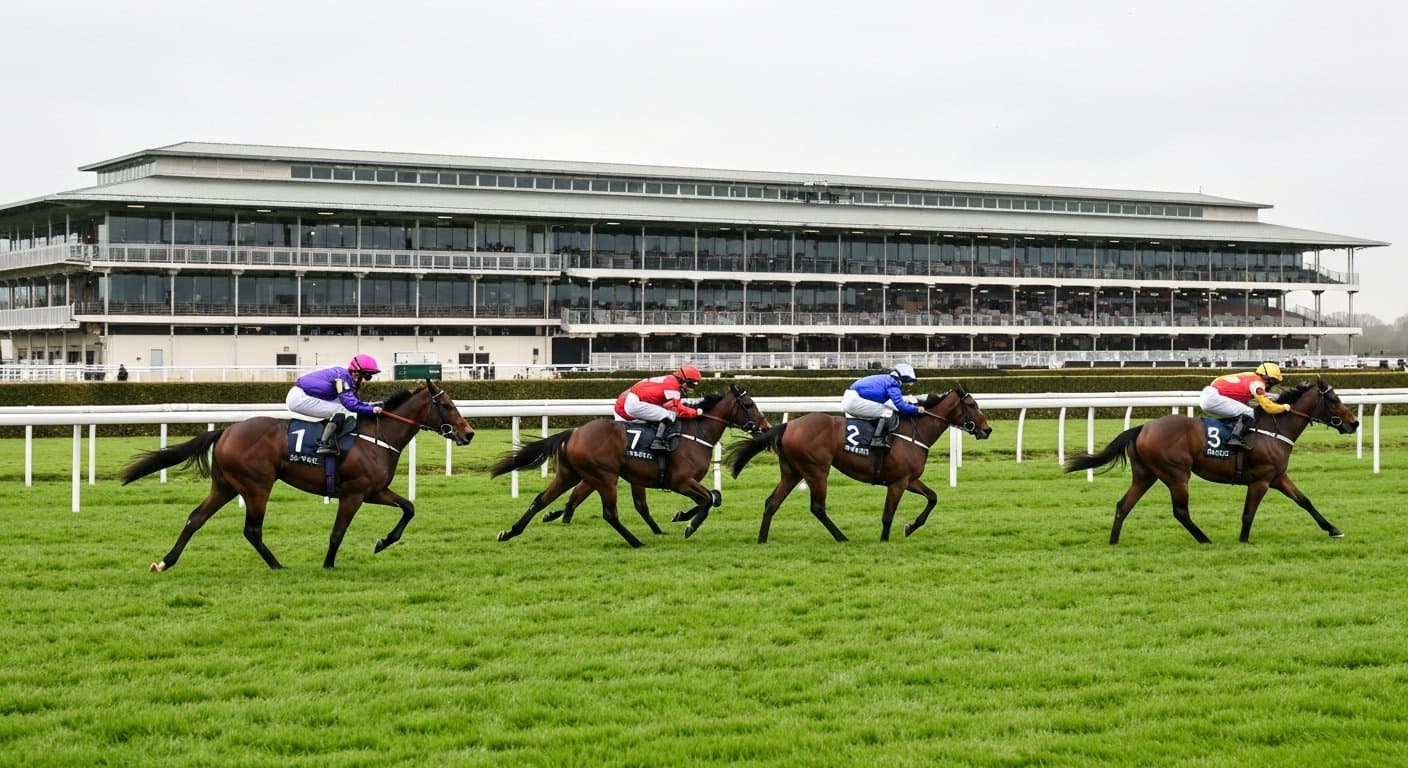
The November Handicap at Doncaster
A complete guide to the November Handicap — the traditional curtain-closer of the flat season at Doncaster, with history, trends and betting angles.
Read morePhotos on this page are used under Creative Commons licences. Titles, sources and licence links for each one are on our image credits page.
Gamble Responsibly
Gambling should be entertaining and not seen as a way to make money. Never bet more than you can afford to lose. If you or someone you know has a gambling problem, help and support is available.