
Founder & Editor · Last reviewed 2026-03-02
Doncaster Racecourse stands as one of British racing's most historic venues, home to the St Leger — the world's oldest Classic race and the final leg of the Triple Crown. Nestled in the heart of South Yorkshire, this dual-purpose track has been staging racing since 1600, making it older than many of the sport's most celebrated venues. The course's flat, left-handed configuration stretches over nearly two miles, creating one of the fairest tests in racing where stamina and staying power reign supreme.
What sets Doncaster apart is its true dual-purpose nature. While September's St Leger Festival draws the racing world's attention with its blend of top-class flat racing, the course transforms completely during the winter months for National Hunt action. The long, galloping track suits front-runners and stayers alike, though the straight mile course provides a completely different challenge for sprinters and milers.
The atmosphere during St Leger week is electric, with the four-day festival featuring not just the final Classic but also the Doncaster Cup. The course's other Group 1, the Futurity Trophy for two-year-olds, has its own fixture in October. Beyond the headline acts, Doncaster's programme runs from March through to November, offering everything from competitive handicaps to valuable two-year-old contests that often provide clues for the following season's Classics.
Located within easy reach of Doncaster railway station, the course offers unparalleled accessibility for racegoers from across the north. The facilities blend traditional character with modern amenities, from the lively betting ring to the Premier Enclosure, ensuring there's something for every type of racegoer.
Who This Guide Is For
This guide is written for four types of visitor:
First-timers planning their first trip to Doncaster who want to know which enclosure to pick, what the racing is like, and how to get there without stress.
Regular racegoers who know the basics but want to understand the course's betting angles, draw biases, and which races on the card deserve the most attention.
Form students and punters who want the deeper analysis — how the track plays in different conditions, what stall draws actually matter, which trainers dominate which races, and where the value lies in the programme.
Families and groups looking for a day out, wanting practical information on costs, facilities, children's areas, and the best fixtures to attend.
Quick Decision Block
Seven answers to the questions most visitors ask:
- When to visit: St Leger Festival (September) for the full experience; Friday's Cup Day for the best value of the four days; the Lincoln Meeting (late March) if you want an early-season betting day with a proper crowd
- Which enclosure: County Stand for most visitors — decent views, relaxed dress code, good bar, without the Premier premium; Premier Enclosure if you want restaurant access and the best finish-line view
- What race: The St Leger Stakes (Saturday, Group 1) is the reason this course exists; the Futurity Trophy (a Saturday in October, Group 1) is the two-year-old race that shapes next year's Guineas market
- Getting there: Train to Doncaster, then the shuttle bus — it takes 10 minutes from the station forecourt and saves all parking hassle
- Dress code: Smart casual works for most days; jacket expected in the Premier Enclosure on St Leger Day; jeans and trainers are fine for the County Stand on a mid-week meeting
- Families: Children under 18 go free; the Paddock Enclosure gives the best close-up horse access; Family Fun Zone operates on major racedays
- Betting: The Doncaster betting ring is one of the most active in the north — tic-tac men still operate here during the St Leger Festival; Tote windows and self-service terminals are spread across all enclosures
This guide covers the course layout, facilities, transport options, and the betting angles that can give you an edge at one of racing's most rewarding venues.
Bet on Doncaster
Place your bets on Doncaster races with a trusted bookmaker.

Promo code BETFRED50. New customers only. Register, deposit with a Debit Card, and place a first bet of £10+ at Evens (2.0)+ on Sports, to be settled within 7 days, to get £30 in Sports Free Bets and £20 in Bet Builder Free Bets within 24 hours of settlement. 7-day expiry. Eligibility & payment exclusions apply. Full T&Cs apply. Take Time to Think. BeGambleAware.org. 18+. Full T&Cs.

Promo code R30. New UK customers only, 18+. Register, deposit £10 or more, then place a £10 single cash bet at odds of 1/2 (1.5) or greater on any sports market (excluding Virtuals). Once the qualifying bet settles you get £30 in Free Bets (3 x £10) — the qualifying bet can win or lose. Free Bets are valid on any sports market excluding Virtuals, expire in 7 days, are non-withdrawable and must be used in full. Excluded deposit methods apply (including PayPal, Apple Pay, Skrill and NETELLER). Named bets such as Lucky 15 do not qualify. If you cash out the qualifying bet, or it is voided, you are no longer eligible for the offer. Ends 31.12.26. Full T&Cs apply. Please gamble responsibly. BeGambleAware.org. 18+. Full T&Cs.

Promo code BET40GET20. New UK customers, 18+. Register with the code and place a first bet of £40 or more at Evens (2.0) or greater. Receive 2 × £10 free bets: the first credited automatically once the qualifying bet settles, the second 24 hours later. Free bets must be placed at minimum odds of 4/1 (5.0), expire 24 hours after credit, and the free-bet stake is not returned with winnings. Debit card deposits only. Take Time to Think. BeGambleAware.org. 18+. T&Cs apply. Full T&Cs.

50% of your first-day net losses refunded as a free bet, capped at £25. New UK customers aged 18+ only. To qualify, deposit and place a first bet of £10 or more on any sport at minimum odds of evens (2.00), then place at least two further bets on different events, each worth at least 50% of your largest bet, all at evens (2.00) or greater. Losses are counted from your first settled bet until 23:59 the same day. Place a qualifying £10+ bet and you are guaranteed at least a £5 free bet. Bets placed at SP, void bets, cashed-out bets and bets struck with free bets do not count towards the offer. The free bet is credited the day after your qualifying bets settle and must be used within 7 days, after which it expires. It can be used at odds from 1/4 (1.25) up to 250/1 on singles and straight accumulators, but not on Trixie, Patent or Yankee style multiples. Free-bet stake is not returned with winnings. One offer per person, household, address, IP address and device. E-wallet deposits may not qualify, so check the cashier before depositing. Customers registered with GAMSTOP cannot claim. KYC identity verification must be completed before the free bet is credited. Take Time to Think. BeGambleAware.org. 18+. T&Cs apply. Full T&Cs.

New customers, 18+. Choose the sports bonus at sign-up, make a first deposit and receive a 100% bonus up to £50 in your Sports Bonus balance. To convert the bonus to cash, wager it 10x within 30 days. Single bets below Evens (2.00) do not qualify; accumulators do not qualify if any selection is below 1/2 (1.50). Virtual Sports, voided, cancelled, drawn, cashed-out and free-bet wagers do not count towards wagering. Only the first settled bet per event counts. Withdrawing before the wagering requirement is met forfeits the bonus balance including bonus winnings. Real-money funds are used before bonus funds. Deposits via Skrill or Neteller are not eligible. Not valid in conjunction with other promotions. Odds, bet and payment limits apply. 10bet general and promotion T&Cs apply. BeGambleAware.org. 18+. Full T&Cs.

New customers in Great Britain and Republic of Ireland, 18+. Place a £10 fixed-odds qualifying bet at minimum odds of 1/2 (1.50) — single or each-way (only the win part counts), pre-event or in-play, not cashed out early, within 28 days of opening the account. Receive up to £60 in bonuses credited over three days: 3 × £10 fixed-odds free bets (the first on settlement, then 24 and 48 hours later) plus 3 × £5 Total Goals FOOTBALL spread bets and 3 × £5 racing Winning Favourites spread bets, with a £1 racing Race Index spread bet as an extra on top. The spread bets need a full spread-betting account, opened within 28 days of the fixed-odds account and subject to Spreadex's eligibility and appropriateness checks. Free-bet stakes not returned with winnings; free bets valid 28 days from issue. IMPORTANT: the £5 credits are SPREAD bets — sports spread betting carries the risk that losses can exceed your stake. Sports spread-betting customers do not have Financial Ombudsman or FSCS recourse. Take Time to Think. BeGambleAware.org. 18+. T&Cs apply. Full T&Cs.

Promo code WELCOME15, entered under My Bonuses after registering. New UK customers, 18+. Place a first qualifying bet of at least £10 from your cash balance at odds of evens (2.0) or greater within 7 days of opening the account. Once the qualifying bet fully settles you receive £15 in free bets, credited as 3 x £5 tokens with set uses: one £5 accumulator free bet (minimum 4 legs, each leg at 2/5 or bigger), one £5 sports free bet (any market at evens or bigger) and one £5 Sub Cover free bet (selected football player markets at evens or bigger). Free-bet stakes are not returned with winnings. Free bets expire 7 days after they are credited. Void, cashed-out and partially cashed-out bets do not qualify. One offer per customer. Confirm the current terms on BetGoodwin's own welcome-offer page before claiming. Take Time to Think. BeGambleAware.org. 18+. T&Cs apply. Full T&Cs.

New UK customers, 18+. Minimum deposit £10. Place a £10 qualifying single on sports (excluding virtuals) at minimum odds of 1/2 (1.50), settled within 14 days. Deposit-method exclusions apply. Receive £30 in free bets (stake not returned), split £20 for sportsbook use (2 x £10) and £10 for Bet Builder only (2 x £5); Bet Builder does not cover horse racing. Free bets must be accepted within 7 days and expire 7 days after acceptance. No promo code required. Best Odds Guaranteed on UK & Irish racing, subject to having staked over £25 in the previous seven days. Operated by LiveScore Betting and Gaming (Gibraltar) Ltd, UKGC 56859. Confirm the current terms on LiveScore Bet's own promotions page before claiming. Take Time to Think. BeGambleAware.org. 18+. T&Cs apply. Full T&Cs.
18+. BeGambleAware.org
History of Doncaster
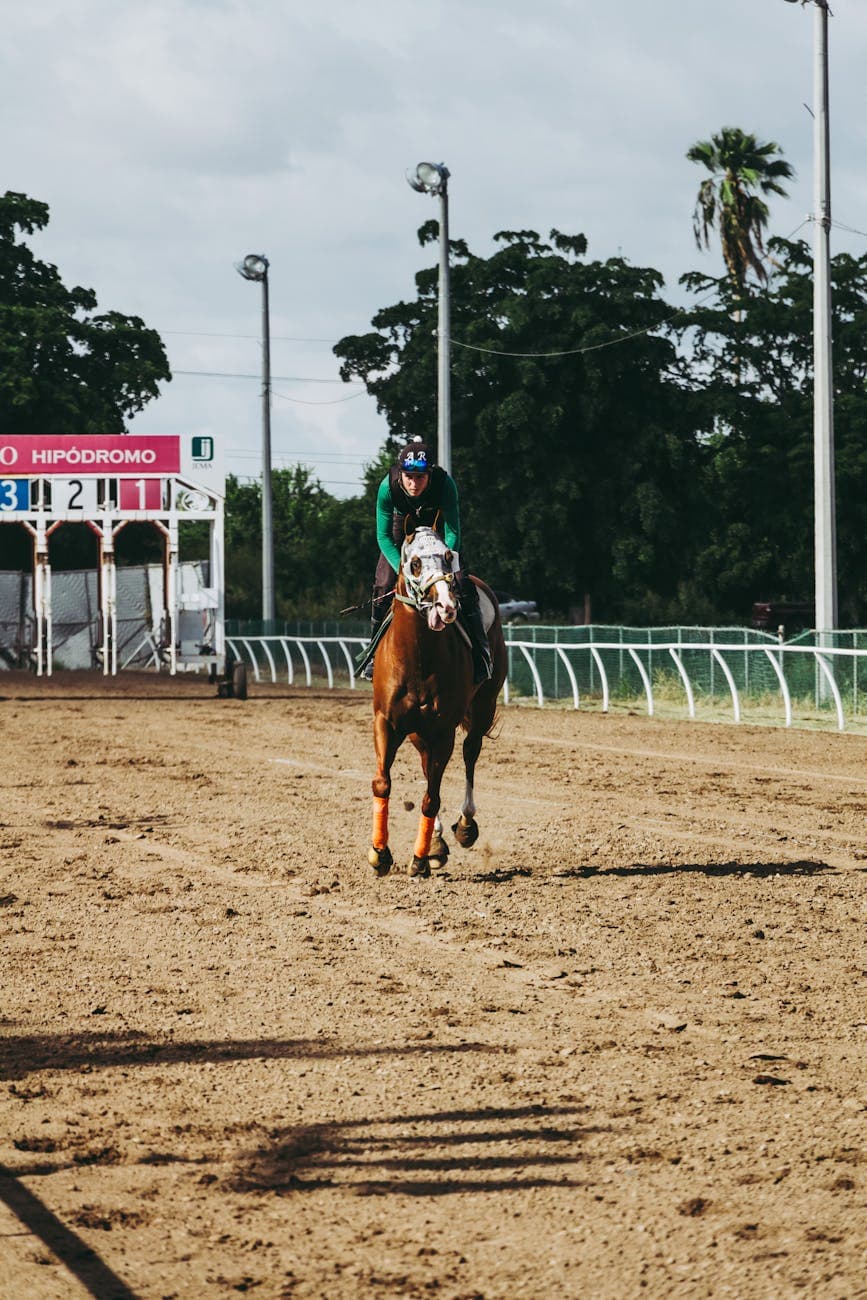
Racing at Doncaster stretches back over four centuries, making it one of the oldest continuously operating racecourses in the world. The first recorded races took place in 1600 on the Town Moor, a vast expanse of common land that remains largely unchanged today. Unlike many courses that evolved from private estates, Doncaster's racing heritage is deeply rooted in public ownership — the Town Moor belongs to the freemen of Doncaster, a medieval right that survives to this day.
The freemen's claim to the moor predates horse racing entirely. Medieval charters granted them grazing rights and common access to this stretch of South Yorkshire land, and those rights proved legally robust enough to survive industrialisation, urbanisation, and the twentieth century's appetite for development. When racing began here in 1600, it was on land that had already been publicly held for centuries. That fact shapes everything about Doncaster's character: there is no private ownership, no aristocratic patronage, no lord of the manor in the background. This is a course for the people, and it has always been.
The early meetings were rough-and-ready affairs, with horses racing across the open moor for modest prizes and local bragging rights. By 1703, the Corporation of Doncaster had formalised proceedings with the Doncaster Gold Cup — a prize of 100 guineas, serious money that attracted the best horses from across Yorkshire and beyond. This was one of the earliest named races in British racing, and it established Doncaster's credentials as a venue worth travelling to.
Birth of the St Leger
The race that would define Doncaster's place in racing history emerged in 1776, though it wouldn't carry its famous name for another two years. Lieutenant-General Anthony St Leger was an Irish-born soldier, younger son of a County Tipperary family, who had made his career in the British Army and taken a strong interest in horses. He proposed a sweepstakes for three-year-olds over two miles of the Town Moor — a test of stamina rather than speed, designed to identify which horses had the constitution to go further than a sprint.
The inaugural running in 1776 saw Allabaculia triumph. The race was simply called "the sweepstakes" for its first two years. The 1778 winner, Hollandaise, was the first to be recorded as the winner of "the St Leger Stakes," the name that has endured ever since.
This made the St Leger the world's oldest Classic race, predating The Derby by two years and The Oaks by one. St Leger's vision was ambitious: a race that would test stamina as much as speed, run over a distance that would prove a horse's true merit. The original two-mile trip was later reduced to one mile six furlongs and 132 yards, but the principle remained unchanged — this is a race about staying power.
The early St Legers were social as well as sporting occasions. The September timing, after harvest but before winter set in, made Doncaster a natural gathering point for the racing fraternity. By the 1780s, the meeting had expanded to four days, with the St Leger as the centrepiece of what locals called "the great week."
The Regency Boom
The early 19th century marked Doncaster's golden age. The Prince Regent (later George IV) was a regular visitor, lending royal patronage that raised the meeting's status. In 1815, his horse Whisker won the St Leger, though not without controversy. Allegations of a betting coup involving the Prince's racing manager created a scandal that echoed through the season, with claims that Whisker's victory had been arranged to benefit a small group of connected gamblers. The race ran, Whisker won, and the matter was never fully resolved. It was a reminder that where large sums of money change hands, the possibility of manipulation is never far away.
This period saw some of the greatest horses in racing history grace the Town Moor. Hambletonian's victory in 1795 was followed by champions like Beningbrough (1794), Paulina (1807), and the mighty Touchstone (1834). Each September, the racing world descended on this Yorkshire market town, transforming it into the temporary capital of the Turf.
The course evolved during these decades. What had been informal racing across open moorland gradually acquired proper facilities. The first grandstand appeared in the 1770s, expanded several times as crowds grew. By 1830, Doncaster could accommodate thousands of spectators — significant for a provincial course at a time when travel was still difficult and slow.
Victorian Expansion and the Wizard of the North
The arrival of the railway in 1848 changed everything. The Great Northern Railway's main line passed directly through Doncaster, making the September meeting accessible to racegoers from London, Scotland, and the industrial cities of the North. Attendance soared. Special trains brought thousands of visitors for St Leger week, and the prize money grew to match the crowds.
This boom period was dominated by one figure: John Scott of Whitewall, the trainer known universally as "the Wizard of the North." His stables at Malton, just 35 miles north of Doncaster, were perfectly positioned for the September meeting. Between 1821 and 1862, Scott won the St Leger sixteen times — a record that has never been approached. His horses were the benchmark against which all others were measured in the Victorian era.
Scott's greatest achievement came in 1853 with West Australian, who became the first horse in history to win the Triple Crown of 2000 Guineas, Derby, and St Leger. The colt was trained at Whitewall and handled the entire Classic season without defeat. This achievement set the template for all subsequent Triple Crown attempts, and Doncaster — as the final leg — became the stage on which that particular history would always be decided.
The 1860s brought significant changes to the course layout. The old two-mile course was modified, new facilities were built to handle ever-growing crowds, and the St Leger had become one of the most valuable races in the calendar.
Post-War Shocks and Champions
The two World Wars disrupted Doncaster's racing calendar but couldn't break the tradition. During the First World War, the St Leger moved to Newmarket in 1917 and 1918, returning to Doncaster in 1919 with a victory for Keysoe. The Second World War saw racing suspended completely from 1940 to 1945, with the course used for military purposes.
Post-war recovery was swift, but the 1947 St Leger delivered one of the race's most famous upsets. Tudor Minstrel arrived at Doncaster having won the 2000 Guineas that season, and was sent off a short-priced favourite to complete a Triple Crown. He finished fourth. Sayajirao, trained by Paddy Prendergast and representing the Maharaja of Baroda, won at 7/1. It was a result that demonstrated a truth that every subsequent St Leger has confirmed: the extra stamina test catches horses that are brilliant over shorter trips. The Guineas form does not always translate.
The 1950s and 1960s brought a golden era of champions: Never Say Die (1954), Ballymoss (1957), and then the horse who became the defining figure of Doncaster's modern era.
Nijinsky, 1970
On 12 September 1970, Nijinsky enters the starting stalls at Doncaster already carrying the weight of history. He has won the 2000 Guineas. He has won the Derby. Now trainer Vincent O'Brien watches from the stands, and Lester Piggott settles him towards the rear of the field as the pace is set by lesser horses. Three furlongs out, Piggott asks. Nijinsky moves through the field without effort. He passes the leader entering the final furlong and wins by a length from Meadowville. The crowd noise lifts across the Town Moor. It is the last time a horse completes the Triple Crown.
That fact — the last Triple Crown — is what makes 1970 the year Doncaster racegoers remember. No horse since has achieved it, and in the decades since, many have tried. Mill Reef was retired after injury in 1971. Shergar won the Derby by ten lengths but wasn't entered for the St Leger. Nashwan came closest in 1989, winning the Guineas, Derby, and Eclipse before bypassing the St Leger. Camelot was beaten by Encke in the 2012 running, trained by Aidan O'Brien, with his son Joseph in the saddle.
O'Brien sent Camelot to Doncaster as the unbeaten Classic winner, favourite to make history. Encke, trained in Germany by Mahmood Al Zarooni, won at 20/1. It was the kind of result that only the St Leger produces.
Mill Reef and the Television Age
Mill Reef's 1971 St Leger victory, ridden by Geoff Lewis, came a year after Nijinsky and helped establish flat racing's national profile in a way that previous generations couldn't have imagined. Television coverage brought the race to millions. The sight of the horses rounding the final bend and turning into the five-furlong straight at Doncaster became one of the images of the British sporting year. The course's wide, open layout translated well to the screen in a way that more enclosed venues couldn't manage.
Modern Era and the 2007 Grandstand
The 1990s and early 2000s saw substantial investment. The old Victorian grandstands gave way to modern structures, culminating in the new Grandstand completed in 2007. The £32 million development transformed the racegoer experience without stripping the course of its character. The Town Moor remained. The freemen's rights remained. The racing continued.
Recent St Leger winners have maintained the race's quality. Logician's dominant 2019 success and Hurricane Lane's three-length win in 2021 — trained by Charlie Appleby and ridden by William Buick — showed that the race still attracts the best staying three-year-olds of each generation.
Why History Matters Here
A visitor to Doncaster in 2026 stands on the same ground where the St Leger was first run in 1776, on land held by freemen of the town since medieval times. The course has absorbed railway booms, royal scandals, post-war austerity, and a billion-pound betting industry. What remains constant is the race itself, and the fact that no other British racecourse can say: the world's oldest Classic was run here, and it still is. For a punter or a first-time visitor, that history isn't just background. It's the reason the St Leger field is the way it is, and why the going conditions in September on this particular stretch of Yorkshire moorland have mattered to the racing world for 250 years.
The Course
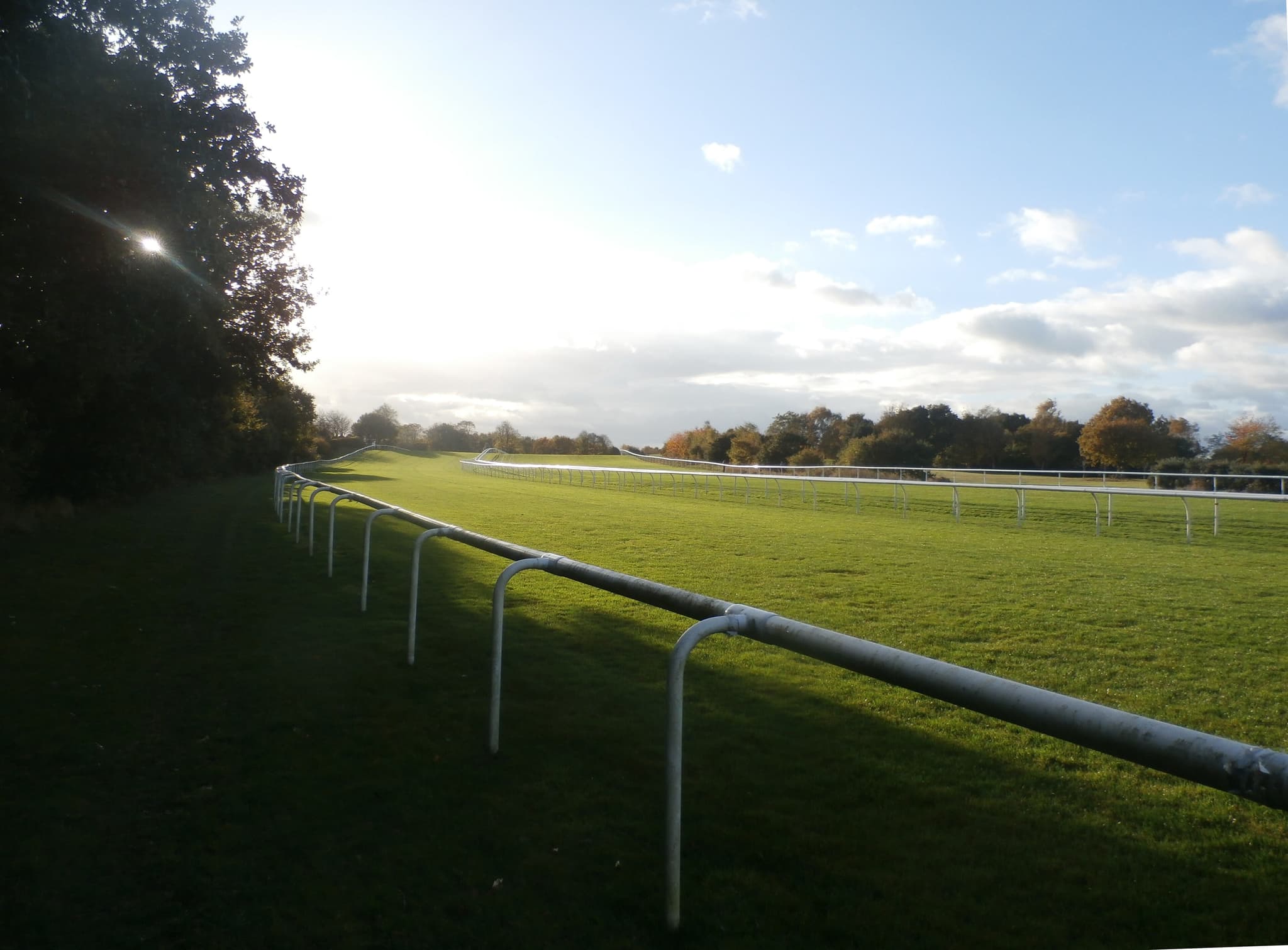
Doncaster's Town Moor course is a joy for horses and a punter's advantage once you understand its nuances. This flat, galloping track rewards stamina and staying power above all else, making it the ideal venue for the world's oldest Classic. Among British racecourses, it has a strong claim to being the fairest — no hidden traps, no quirky gradients, and consistent ground that rarely produces false results.
Track Layout
The flat course is a left-handed, pear-shaped circuit of one mile, six furlongs and 132 yards — the longest flat circuit in Britain. Unlike many courses that test horses with undulations and sharp bends, Doncaster is straightforward: what wins here is usually the best horse on the day.
The key sections runners encounter are:
- The Back Straight — a long, sweeping section that allows horses to settle and find their rhythm. At nearly a mile in length, it's where the pace is established and early positions sorted. Jockeys can travel at their own tempo here without being forced into sudden decisions.
- The Turn — a gradual left-hand bend with no sharp corners or cambers to unbalance horses. The wide, sweeping nature means there's rarely any scrimmaging for position coming off the bend.
- The Home Straight — five furlongs of pure galloping track that rises very gently towards the line. This extended straight is where stamina tells, and it's long enough for horses to recover from poor positions turning in.
The course's generous width — around 100 yards at its narrowest point — means horses have room to manoeuvre. Traffic problems are rare. Form students appreciate this: the course doesn't punish horses for bad luck in running the way tighter, more frenetic tracks do.
The Jump Course
For National Hunt racing, Doncaster uses a figure-of-eight layout that sits inside the flat track and creates a proper, thorough examination of jumping ability. The two loops of the figure-of-eight mean horses encounter fences from both directions during a single race, preventing any one side from having a consistent advantage.
The chase course features six fences per circuit, all well-built and fairly positioned. There are no death traps or unusually stiff obstacles — the fences are designed to reward good jumping rather than to catch horses out. The open ditch on the back straight is the most demanding, requiring horses to put in a clean long stride before taking off. Horses that jump flat or hang in the air at the open ditch lose significant ground.
Hurdle races at Doncaster use portable obstacles on the flat circuit. The wide, open track favours horses that jump fluently at speed rather than cautious jumpers that waste time at each flight. This is why front-runners do well in novice hurdles here — a horse that can bowl along and flick over its hurdles builds an advantage that the long straight doesn't always allow opponents to peg back.
The chase course's figure-of-eight layout also creates a specific test of jumping accuracy at the cross-fence, where the two circuits intersect. Horses must remain balanced and responsive at this point. Trainers who regularly run at Doncaster know their horses need to be settled and obedient under pressure.
Distance Variations
Doncaster's flexible layout accommodates races from five furlongs to two miles four furlongs on the flat, and hurdles and chases up to three miles over jumps. Sprint races on the flat start from a chute that joins the main circuit in the home straight, while the longer distances utilise the full sweeping circuit.
The St Leger distance of one mile, six furlongs and 132 yards uses the entire course, starting near the winning post and completing a full circuit plus the run-in. This extended trip is why the race has always been considered the definitive test of three-year-old stamina — horses must settle on the back straight, quicken through the turn, and stay every yard of the five-furlong run-in.
Draw Bias: What the Numbers Show
Doncaster shows minimal draw bias in most conditions, which distinguishes it from courses like Chester, Beverley, or Carlisle where stall positions can determine the outcome before a wheel is turned. The course's width and fair layout mean horses drawn high or low have roughly equal chances if they're good enough.
That said, the picture is not entirely neutral. Some useful specifics:
- Sprints over five furlongs and six furlongs: A slight preference exists for middle to high draws (stalls 7-14 in a 16-runner field). Horses drawn wide can track across to the rail without losing ground because the chute is wide enough. Very low draws occasionally get crowded against the inside rail by rivals crossing to find their position.
- Seven furlongs to one mile: Draw effect is minimal. Horses have time to find their position before the bend, and the pace in these races typically sorts itself out naturally.
- Distances of one mile two furlongs and beyond: Stall draw becomes effectively irrelevant. The circuit is long enough that any positional disadvantage at the start is easily overcome by a horse travelling well.
- Large fields in handicaps (20+ runners): In big fields, the middle of the draw (stalls 8-15) is generally the most straightforward position — horses can track the pace, have room on both sides, and aren't caught wide or boxed against the rail. Extreme outsides (draw 18+ in a 24-runner field) have been shown to be slightly disadvantaged as horses drift wide on the bend.
The key point for punters: don't over-weight draw at Doncaster. It's a minor factor, not a major one. Trainers targeting Doncaster don't worry much about which stall their horse gets.
Seasonal Going: Month by Month
The going at Doncaster is more predictable than at most British courses, because the free-draining sandy soil handles both rain and dry spells efficiently. But there are patterns worth knowing:
- March (Lincoln Meeting): Ground is typically Good to Soft or Soft. Winter moisture hasn't fully drained away. Horses with proven form on softer going have a clear advantage in the Lincoln Handicap. The track can become Soft to Heavy if there is significant rainfall in the week before the meeting — this has happened several times in recent years and transforms the betting entirely.
- May/June: Ground dries out. Good to Firm is the typical description, occasionally Firm on the quick-draining sandy surface. Horses that act on fast ground do well. Front-runners thrive when the pace is true and the ground is quick.
- July/August (evening meetings): Often the firmest ground of the year. A dry Yorkshire summer can produce Firm or even Hard in places. The course management water to prevent extremes, but confirmed fast-ground horses are at home.
- September (St Leger Festival): Ground is variable. Early September often retains some summer firmness (Good to Firm), but rain in late August or early September can shift it to Good or Good to Soft within days. In 2016 the ground was Soft for St Leger Day after heavy rain. In 2023 it was Good to Firm. Checking going updates in the week before the Festival is essential for punters.
- October/November: As National Hunt fixtures begin, the ground softens. Good to Soft and Soft are standard from mid-October. The jump course drains well, so it rarely becomes unraceable, but staying types that handle wet ground come into their own from late autumn.
What Type of Horse Wins at Doncaster
On the flat: the archetypal Doncaster winner is a horse that stays well, travels smoothly in a race, and quickens over the final two furlongs rather than sprinting from five out. Horses that "travel like a dream and run green" at tighter tracks — the type that needs room to unfurl a proper run — often improve significantly at Doncaster because the straight gives them the space to do so.
Stamina sires are dominant in the St Leger and longer races. Sons and daughters of Galileo, Frankel, Sea The Stars, and Camelot populate the winners' lists. Speed sires can produce sprint winners, but at distances beyond a mile, class combined with stamina is the required profile.
On the jumps: the flat, galloping nature suits horses that jump efficiently rather than athletically. A horse with a bold, fluent jumping style does better at Doncaster than an extravagant jumper that takes time to land and recover. Staying chasers that can maintain a long, low galloping stride benefit most from the course's undulating but essentially flat character.
The one consistent factor across all distances and codes: horses that handle easy, galloping ground and settle well in a race do better here than those that need to race prominently on sharp tracks to show their best form.
Facilities & Enclosures
Doncaster has undergone extensive redevelopment over the past two decades, transforming from a somewhat tired venue into one of Yorkshire's premier racing destinations. The facilities now rival any racecourse in the north, with modern stands, excellent catering, and enclosures to suit every budget and occasion.
Grandstand and Premier Enclosure
The centrepiece of Doncaster's facilities is the Grandstand, rebuilt in 2007 at a cost of £32 million. This modern structure houses the Premier Enclosure, offering the best views of the course and finish line from its tiered seating and balconies. The dress code here is smart casual throughout the season, stepping up to formal on St Leger Day when jackets are expected for gentlemen.
The Premier Enclosure includes access to multiple bars, restaurants, and the main betting ring. The panoramic restaurant on the upper level serves a decent carvery and has floor-to-ceiling windows overlooking the course. For St Leger Festival and other major meetings, booking a table well in advance is essential — these spaces fill up weeks before race day.
Inside the Grandstand you'll find the Champagne Bar, which operates as a sophisticated pre-race and between-race destination on major days. It can accommodate up to 200 guests and is popular for corporate hospitality bookings during the Festival. The Racing Bar on the lower level is more casual, with live racing screens and a straightforward drinks menu that suits racegoers who want to follow the card without the formality of a restaurant booking.
County Stand
The County Stand provides excellent value for money with good views across the course and a relaxed atmosphere. This enclosure attracts many of Doncaster's regular racegoers — the people who come six or eight times a year and know exactly where they like to stand. The dress code is casual, and there's no requirement for jackets even on the biggest days.
Food and drink options in the County Stand include traditional fish and chips, burgers, and a well-stocked bar. The Leger Bar here is a proper pub-style venue with a selection of Yorkshire ales, local bitters, and the reliable national brands. During major festivals, the atmosphere in this enclosure can be particularly lively — this is where you'll find the crowd singing along to the music between races and debating form with the fierce intensity that only the north of England seems to produce.
Paddock Enclosure
The Paddock Enclosure offers the most affordable entry to Doncaster's main facilities while still providing decent views and access to the parade ring. This is where you'll find many families and first-time visitors, drawn by the reasonable prices and relaxed environment. The enclosure has its own bar and food outlets, though the selection is more limited than in the premium areas.
The real draw of the Paddock Enclosure is proximity to the pre-parade ring and parade ring, making it ideal for those who enjoy studying horses before a race. Getting to know the horses as they walk round — noting which are on their toes, which look relaxed, which are sweating up — is one of the real pleasures of a day at the races that no amount of online form study replicates.
The viewing areas can get busy during the bigger races, but there's usually room to find a decent spot if you arrive at the ring before the horses come in.
Family Facilities
Doncaster has made serious efforts to attract families, with dedicated children's areas and activities on major racedays. The Family Fun Zone, located near the Paddock Enclosure, includes bouncy castles, face painting, and educational displays about horse racing. Children under 18 receive free admission when accompanied by a paying adult.
The racecourse provides baby-changing facilities in all main stands and has designated family viewing areas with lower barriers for children. Pushchair parking is available near all entrances, and there are family-friendly food options throughout. Staff are generally helpful with buggies and mobility aids — the ground floor of the Grandstand is fully accessible.
Food and Drink: Yorkshire Hospitality
The catering at Doncaster has improved significantly in recent years. The Grandstand houses several dining options, including the panoramic restaurant mentioned above and the more casual Leger Lounge. Both offer pre-booking options for major meetings.
The Yorkshire identity of the course comes through most strongly in the food. Yorkshire pudding wraps — a popular local variation on street food — are sold throughout the course and are worth seeking out. The fish and chips are sourced from a local supplier and are among the better versions you'll find at any racecourse. Pies, sausage rolls, and proper sandwiches fill the outlets in the County Stand and Paddock areas.
The burger bars have improved considerably in recent years, moving away from the limp offerings that racecourse catering was once notorious for. For a sit-down meal, the carvery in the panoramic restaurant remains the most reliable option — roasts are a Yorkshire tradition and the kitchen takes them seriously.
On the drinks side, regional identity is again front and centre. The bars stock Yorkshire ales prominently: Timothy Taylor's Landlord and Black Sheep are usually available, alongside rotating guest beers from Saltaire, Abbeydale, and other South Yorkshire and West Yorkshire breweries. If you're after something other than lager or a well-known bitter, the County Stand bar is the place to check for guest taps. On St Leger Day, expect queues at the bars during peak periods between races — buying a drink 15 minutes before a big race is worth the slight wait.
For those who prefer to bring food, picnic areas are available in the centre of the course. The rules on outside food and drink depend on enclosure type — check the course website before your visit, as policy varies between regular and premium areas.
The Betting Ring
Doncaster's betting ring is one of the most active in the north of England, and during the St Leger Festival it operates at a level that's rare to see at any venue outside Royal Ascot or Cheltenham. Bookmakers come from across the country specifically for the Festival — the volume of money on the St Leger market makes it worthwhile to make the trip.
Traditional tic-tac men still operate here. They're harder to find on British racecourses than they were thirty years ago, but Doncaster has retained this aspect of the betting ring's character. Watching the hand signals travel around the ring as money moves between pitches gives a real sense of how pre-digital betting markets functioned — and still function, for those who prefer to bet in person with a bookmaker rather than through an app.
The ring is located adjacent to the Grandstand with clear sightlines to the course. It's well organised, with plenty of space to walk between the pitches even on busy days. Tote facilities are spread across the entire venue, with windows in all major enclosures and self-service terminals in the Grandstand. The racecourse has maintained the traditional ring experience while adapting to the reality that many racegoers now bet on their phones — both options are accessible and well-staffed.
Conference and Event Facilities
Beyond racing, Doncaster operates as a major conference and events venue. The Grandstand contains multiple function rooms, including the Champagne Bar (up to 200 guests) and smaller meeting rooms suitable for corporate hospitality. Private boxes are available for hire throughout the racing season, ranging from intimate spaces for 10 guests to larger hospitality suites for 50 or more. Demand significantly exceeds supply during St Leger Festival week — book months in advance.
Accessibility
Doncaster provides accessible facilities throughout the venue. Wheelchair-accessible viewing areas are available in all enclosures, with designated parking close to the main entrance. Lifts in the Grandstand provide access to all levels. Accessible toilets are located throughout the venue. The racecourse offers a free companion ticket for disabled visitors requiring assistance, and guide dogs are welcome everywhere. Audio commentary is available for visually impaired visitors, and hearing loops are installed in key areas. The accessibility team can be contacted in advance to arrange specific requirements.
The combination of modern facilities, a proper betting ring, and Yorkshire hospitality makes Doncaster one of the stronger all-round packages in British racing. You don't need to be in the Premier Enclosure to have a good day — the County Stand delivers a racecourse experience that feels like the real thing.
Getting There
Doncaster's location in South Yorkshire makes it one of the most accessible racecourses in the north, with excellent transport links by rail and road. The course sits just outside Doncaster town centre, making it convenient for racegoers from across Yorkshire and beyond.
Recommended Approach
For most visitors, the quickest decision is this: train to Doncaster, then the shuttle bus. Direct services run from London, Manchester, Leeds, and Sheffield. The shuttle runs every 10-15 minutes from the station forecourt on racedays and drops you at the course entrance in 10 minutes. You avoid parking costs, traffic, and the walk from distant overflow car parks. If you're driving from within 20 miles of the course — or coming in a large group that makes shared parking cost-effective — then the car is fine, but arrive at least 60 minutes before the first race on a busy day.
By Train
Doncaster station is served by LNER, CrossCountry, Northern Rail, and TransPennine Express. Direct services run from:
- London King's Cross — approximately 1 hour 40 minutes
- Manchester Piccadilly — approximately 1 hour 15 minutes
- Leeds — approximately 45 minutes
- Sheffield — approximately 35 minutes
- York — approximately 25 minutes
The station is on the East Coast Main Line, which means fast, frequent services from both London and Edinburgh. For racegoers travelling from the Midlands, the CrossCountry service via Nottingham or Sheffield is the most practical route.
From Doncaster station, the racecourse is about 1.5 miles south. On racedays, shuttle buses run regularly between the station and course entrance, taking around 10 minutes and costing approximately £2-3 return. The buses are clearly marked and run from the main station forecourt.
If you prefer to walk, it's 25-30 minutes through Doncaster's town centre. Head south on Station Road, then follow the A638 (Leger Way) — the course is well signposted throughout the town. Pleasant enough on a dry day; less so in heavy September rain.
By Car
Doncaster is superbly positioned for road access, sitting close to the A1(M), M18, and M180 motorways. Key junctions:
- From the south: Exit A1(M) at junction 36, follow the A614 into Doncaster, then follow racecourse signs
- From the west/east: M18 junction 3 connects to the town's ring road
- From Lincolnshire: M180 connects directly to the Doncaster road network
The course postcode DN2 6BB works accurately for sat nav. On-site parking is available in several car parks around the course, with prices typically ranging from £8-15 depending on proximity to the stands. The main car parks are well organised and marshalled on busy days.
For major meetings like the St Leger Festival, advance parking booking is recommended through the course website. Premium parking closer to the stands sells out quickly. Many regular visitors park in Doncaster town centre and take the shuttle bus to avoid traffic on approach roads.
St Leger Festival Transport
The St Leger meeting in September brings substantially increased crowds and traffic. Extra shuttle buses run from Doncaster station throughout the day, with services every 10-15 minutes. If driving, expect heavier than usual traffic on approach roads from mid-morning on Thursday through Saturday.
The course opens additional overflow car parks during the Festival, but these involve longer walks to the entrance. If you have a mobility requirement, advance booking of premium parking is strongly advised. Many regulars park in Doncaster town centre and take the shuttle to avoid the worst of the traffic — the centre car parks are typically cheaper than the course car parks.
Accommodation in Doncaster and the surrounding area fills up quickly during Festival week. Hotels in Sheffield (35 minutes by train) and Leeds (45 minutes) are worth considering if Doncaster is fully booked.
By Bus
Local bus services connect Doncaster racecourse to the town centre and surrounding areas. The number 51 and 52 buses run along the A638 (Leger Way) and stop near the course entrance. These services operate regularly throughout the day, making them a practical option for local racegoers.
From further afield, National Express and Megabus services serve Doncaster's main bus station in the town centre. From there, the shuttle bus or local services connect to the course.
Taxis and Ride-Hailing
Taxis from Doncaster station to the course cost around £8-12 and take 10-15 minutes depending on traffic. Several taxi firms operate from the station rank. Ride-hailing apps work reliably in the Doncaster area. Be aware that on the busiest race days, demand for taxis from the course at the end of the meeting can create waits — booking in advance or heading for the shuttle bus is the more reliable exit strategy.
Overnight Visitors
For those staying overnight, many Doncaster hotels offer shuttle services to the racecourse on major racedays. Check with your accommodation when booking. The Doncaster Racecourse website lists recommended hotels, and during the St Leger Festival several package deals combine accommodation, tickets, and transfers. These sell out well in advance.
The racecourse itself doesn't offer camping or motorhome parking, but several sites within a few miles of the course cater to Festival visitors. The area around the Doncaster racecourse is well served with food and drink options for those staying locally, with the town centre a short journey away.
Racing Calendar & Key Fixtures
Doncaster races through most of the year. The Flat season runs from the Lincoln meeting in late March to November, and the jumps programme fills the winter. The autumn St Leger Festival is the high point.
St Leger Festival (September)
The four-day St Leger Festival in September is the reason Doncaster holds a unique place in British racing. Its centrepiece, the St Leger, is the oldest of the five British Classics. The order of races across the four days changes from year to year, so check the official racecards for which day each one falls on.
- St Leger Stakes (Group 1, 1m 6f 115y): the last Classic of the season, for three-year-olds. Horses that ran in the Derby or Oaks face a longer stamina test over Doncaster's full round course, and the race often finds out horses that do not quite stay.
- Doncaster Cup (Group 2, 2m 2f): the festival's staying race and one of the oldest races still run.
- Champagne Stakes (Group 2, 7f): a two-year-old race for colts and geldings.
- May Hill Stakes and Park Hill Stakes (both Group 2): the May Hill is a juvenile fillies' race; the Park Hill is the staying race known as the fillies' St Leger.
Supporting handicaps through the week are usually big-field, competitive betting races. The opening day draws a smaller crowd than the Saturday, which suits racegoers who want the atmosphere without St Leger day's numbers.
Futurity Trophy (October)
The Futurity Trophy is not part of the St Leger Festival. It is a Group 1 over a straight mile for two-year-olds, run at its own Saturday fixture in late October, often on soft ground. It ran as the Racing Post Trophy from 1989 to 2017, and its winners include the Derby winners Motivator, Authorized, Camelot and Auguste Rodin.
Lincoln Handicap Meeting (Late March)
Doncaster's season traditionally opens with the Lincoln Meeting in late March, a significant early-season fixture that draws large crowds despite unpredictable spring weather. The Lincoln Handicap (Heritage Handicap, 1m) is one of the first major betting races of the flat season, and the fact that it's a heritage handicap with a large, competitive field makes it a proper event rather than simply the first handicap of the year.
The race began at Lincoln and moved to Doncaster when Lincoln racecourse closed, and it has been a betting battleground ever since. Winter ante-post trading is substantial. Connections target the race with purpose-trained horses that have been freshened up over the winter, making it difficult to assess form on recent runs alone. The large field (often 20+ runners) and competitive weights make finding the winner hard, but at a competitive each-way market there is value to be found for those who do their research.
The supporting card at the Lincoln Meeting typically features several competitive handicaps and conditions races that provide early-season form lines used throughout the spring.
Summer Racing Programme
May/June fixtures include several quality cards. These fixtures often feature valuable handicaps and conditions races building towards autumn targets. The ground is typically Good to Firm, and the longer evenings from late May onwards mean some fixtures are staged as evening meetings.
July evening meetings are among the most enjoyable racing experiences in the north. The atmosphere is relaxed, prices are lower than the Festival, and the long Yorkshire summer evenings extend the racing until after 8pm on some cards. These meetings attract a different crowd from Festival week — more local, more informal, and often great value for families.
August meetings serve as the build-up to the St Leger Festival. Horses preparing for September targets often appear here, and watching form carefully through August can give punters useful intelligence ahead of the Festival.
National Hunt Season: What to Watch
Doncaster's jumps racing runs through the winter, and its biggest jumps race is the Great Yorkshire Chase (Premier Handicap, 3m) in January. The track is a flat, galloping, pear-shaped circuit, so it suits horses that stay and jump efficiently rather than those that need a tight track.
Doncaster isn't a National Hunt venue in the way that Cheltenham or Aintree are, but its winter cards draw runners from the big northern and Midlands yards, and novice form from here is worth noting through the season.
Planning Your Visit: Best Value Days
Best overall racing quality: St Leger day, with the highest prices and biggest crowds.
Best value for money: the earlier days of the St Leger Festival, with Group 2 racing at lower ticket prices than St Leger day.
Best for punters: The Lincoln Meeting, an early-season betting race with competitive each-way markets and a crowd that treats it like a major event.
Best for families/first-timers: Summer evening meetings, with lower prices, a relaxed atmosphere and plenty of time to explore the course without the Festival crowds.
St Leger Festival tickets go on sale well ahead of September, and premium enclosures on St Leger day sell out early. Accommodation in the area fills up quickly during Festival week, so consider Sheffield or Leeds as bases if Doncaster is full.
Check Doncaster's official website for the current fixture list, as dates shift slightly year to year.
Betting at Doncaster
Doncaster offers some of the most rewarding betting opportunities in British racing, particularly if you understand how the track's characteristics affect different types of horses. The long, galloping nature of Town Moor rewards stamina and staying power, while the relatively flat terrain means pace and positioning play important roles. Below are the key angles and race-specific strategies that experienced Doncaster punters use.
Going Preferences and Track Bias
Doncaster drains exceptionally well for a flat track, but when the ground does get testing, it favours horses with proven form on soft or heavy going. The course rarely becomes truly bottomless, but even good-to-soft conditions can catch out horses that need fast ground. When the going is firm during summer meetings, front-runners and horses that race prominently have a notable advantage.
The track shows little bias towards either rail. In large-field handicaps, horses drawn in the middle third of the field (roughly stalls 8-15 in an 18-runner race) often have the most straightforward route — tracking the pace with room on both sides. The long straight allows plenty of time for horses to find their position, so extreme draws are less problematic than at tighter tracks. Don't over-weight stall positions at Doncaster; focus on the horse.
The Lincoln Handicap: Betting Strategy
The Lincoln Handicap (Heritage Handicap, 1m) is one of British racing's most heavily traded early-season betting races, and it rewards a specific approach.
The race is notoriously difficult to win from a punting perspective, but the ante-post market can be informative. Horses that have been gelded or freshened up over the winter and are making seasonal reappearances after light campaigns the previous autumn are the profile that wins most often. A horse who ran two or three times the previous season, showed ability without over-racing, and arrives at Doncaster in March with a fresh handicap mark is the type connections target.
Ground is the single most important variable. The Lincoln can be run on anything from Good to Firm to Soft to Heavy depending on the March weather. Trainers who have specifically prepared horses for either quick ground or soft conditions often have information about their horse's requirements that isn't in the form book. Watching where money goes in the morning market is particularly relevant here — late moves into the Lincoln ante-post market often reflect stable confidence rather than public speculation.
Field size also matters. With 20+ runners, draw position (as covered above) has minimal effect, but horses that can settle early and avoid being caught wide on the first bend have an advantage. A horse that races prominently in large fields and finds the early speed to establish a handy position is better placed than a horse that needs to come from the back of a big field.
For each-way betting, the Lincoln has been paying 5-6 places in recent years given the field sizes. At competitive ante-post prices, this can offer real value in a race where the winner is notoriously hard to find.
St Leger Betting Angles
The world's oldest Classic presents unique betting challenges. Stamina is the primary requirement — this is a true test of staying power over one mile six furlongs and 132 yards. Look for horses by proven stamina sires: Galileo, Frankel, Sea The Stars, Camelot, and their descendants are disproportionately represented in the winners' list.
Previous form over extended distances (1m4f or further) is important, but the most interesting betting angle is the horse that looked slightly one-paced at a mile and a half in the Derby but is bred to stay further. Many St Leger winners have been horses that didn't quite last home over 1m4f at Epsom — at Doncaster, over a longer trip on flatter ground, they find their best form.
Aidan O'Brien's record deserves specific attention. O'Brien has won the St Leger multiple times, including with Camelot (2012 — actually beaten by Encke; however O'Brien has a strong record), Capri (2017), Kew Gardens (2018), and Galileo Chrome (2020). His record in the race over a 20-year period is significantly better than any other trainer. When O'Brien sends a horse specifically to Doncaster — particularly one that has won over shorter distances and is bred to stay — that horse should be respected regardless of price. His yard understands the stamina requirements of the race and rarely runs a horse that can't stay the trip.
The classic mistake is backing a horse from the Derby runner-up position on the assumption it was unlucky at Epsom. Unless that horse has subsequently shown it can stay further or has breeding that suggests it wants more than 1m4f, the St Leger often finds it out.
Conversely, a horse coming from a more modest Derby placing that looked as though the trip was short of what it needed is often worth considering at a bigger price.
Futurity Trophy Betting
The Futurity Trophy (Group 1, 1m) is the two-year-old championship race that punters treat as the first leg of the following year's Classic season. It matters for betting purposes because the winner typically becomes the winter ante-post favourite for the 2000 Guineas, and the form in this race shapes the early-season market more than almost any other juvenile contest.
Betting strategy for the Futurity Trophy:
The race requires a horse that can settle in a true-run mile, on a straight course and often on soft ground. Two-year-olds that have only won over shorter distances (five or six furlongs) are often tested by the step up here. Aidan O'Brien has won the race twelve times, more than any other trainer, so his runners set the standard. The Futurity Trophy page has the date, the recent winners and the trends.
The winner's ante-post price for the Guineas the following morning is worth comparing to the general market. Sometimes a winner at 5/1 in the Futurity Trophy is sent out at 3/1 for the Guineas, which may represent short value if the form was achieved against ordinary rivals. Other times the race produces an obvious standout who wins so easily that the Guineas price is still sensible.
Laid-out horses — those that had minor setbacks or were being specifically targeted at this race — are sometimes interesting at ante-post prices earlier in the season, before the Futurity form becomes public knowledge.
Doncaster Cup Betting
The Doncaster Cup (Group 2, 2m2f) is a completely different betting puzzle from the Classic races. These are horses whose entire careers are structured around extreme stamina, and the profile of a Doncaster Cup winner differs sharply from any other race at the Festival.
The race suits: older horses (four and five-year-olds) with proven form in staying contests; horses that have run well in the Gold Cup at Ascot; horses that have won the Yorkshire Cup; horses from yards that specialise in staying flat horses (John and Thady Gosden's operation, for example).
The Doncaster Cup is not a race to bet on without specific knowledge of the staying division. It's a small, specialist community of horses and the form is often opaque unless you follow the staying scene closely through the summer. Horses that have run well in the Goodwood Cup and Ascot Gold Cup in the same season are the most reliable pointers.
When Stradivarius was at his peak (2018-2020), the Doncaster Cup was effectively a formality — the price reflected that. In years without a dominant stayer, the race can be much more open.
Handicap Strategy at Doncaster
Doncaster's summer and Festival handicaps offer real value opportunities for punters who approach them systematically. Several principles apply:
Horses dropping from Group company into handicaps. A horse that has contested a Group 3 or Listed race and was beaten, then returns in a handicap off a rating that reflects that run, sometimes has more ability than its handicap mark suggests. The step down in class combined with Doncaster's demands can produce winners at double-figure prices.
Form from similar tracks. Horses whose best form has come at York, Newmarket, or Ascot tend to adapt well to Doncaster. The similar galloping nature and emphasis on stamina over pure speed creates positive form correlations. Conversely, horses whose best form has come at Chester, Beverley, or Bath often find Doncaster's requirements different enough to underperform.
The distance creep. Horses stepping up significantly in trip for the first time are worth monitoring. A horse that has been competitive over a mile in handicap company often has untapped stamina — Doncaster's longer races find horses out who are ready to improve over further.
Reading the weights. The heritage handicap status of races like the Lincoln and certain autumn contests means the handicapper has less flexibility in how weights are distributed. Horses at the top of the weights in these races are sometimes carrying marks that don't reflect their current ability — the form leading into the race is more informative than the official rating alone.
Trainer and Jockey Patterns
Certain trainers have notably strong records at Doncaster. Mark Johnston's former yard (now run by his son Charlie) has consistently performed well here, particularly with staying types in handicaps. John and Thady Gosden's runners should always be respected in the bigger races during Festival week. Richard Fahey and Tim Easterby — both northern-based — know the track and course conditions well, and their runners in sprint handicaps often outperform market expectations.
Among jockeys, those with experience of riding the long Doncaster straight have clear advantages in close finishes. William Buick, Ryan Moore, and James Doyle all have strong records at the course. Their ability to time runs precisely in the extended straight often determines competitive finishes.
Jump Racing Betting
During the winter months, Doncaster's National Hunt programme offers different angles. The flat, galloping nature suits horses that jump fluently rather than those that rely on raw jumping ability. Front-runners often prosper in novice hurdles, where rhythm and jumping speed build an advantage that the long straight can preserve.
Ground in winter can become testing, and horses with proven form on soft or heavy ground have a clear advantage when conditions deteriorate. Understanding how betting works and why odds change can help identify value opportunities throughout Doncaster's varied programme.
Please gamble responsibly. If you feel you may have a problem with gambling, visit BeGambleAware.org or call the National Gambling Helpline on 0808 8020 133.
Frequently Asked Questions
Notable Horses at Doncaster
Doncaster's long history as the home of the St Leger means its winners' list contains some of the most significant horses ever to race in Britain. These are not just notable performances — they are moments that shaped how the sport thinks about breeding, training, and the limits of equine ability.
West Australian, 1853
West Australian became the first horse in history to win the Triple Crown of 2000 Guineas, Derby, and St Leger. Trained by John Scott of Whitewall — the trainer who dominated the St Leger for four decades and won it sixteen times between 1821 and 1862 — West Australian was the defining horse of the early Victorian era. He arrived at Doncaster having already won the Guineas and Derby, and his St Leger victory on the Town Moor established the Triple Crown as the ultimate test of a three-year-old. All subsequent attempts at the Crown were measured against West Australian's achievement.
Scott's training base at Malton, just over 30 miles from Doncaster, gave him a particular advantage in preparing horses for Town Moor conditions. His understanding of the galloping track and stamina demands of the St Leger was unmatched in his era.
Nijinsky, 1970
Nijinsky is the horse whose name appears whenever the St Leger is mentioned, and the reason is straightforward: he was the last horse to complete the Triple Crown, and 55 years later, no horse has matched him.
On 12 September 1970, trained by Vincent O'Brien and ridden by Lester Piggott, Nijinsky lined up at Doncaster having already won the 2000 Guineas at Newmarket and the Derby at Epsom. The St Leger was the final test. He won by a length from Meadowville, settled throughout by Piggott who produced him with a perfectly-timed run in the closing stages.
The significance of 1970 only grew with time. O'Brien was the foremost trainer of his generation. Piggott was the most celebrated jockey in British racing. And Nijinsky was a horse of exceptional physical quality — a son of Northern Dancer who moved with an ease that made the extraordinary look routine. The Triple Crown belonged to horses with that rare combination of speed and stamina; what subsequent generations have found is that the demands of the modern season make that combination harder and harder to find and sustain.
For more on Nijinsky's visit to Doncaster and the race in detail, see our dedicated piece at /uk-racecourses/doncaster/nijinsky-at-doncaster/.
Hurricane Lane, 2021
Hurricane Lane's 2021 St Leger was the most authoritative performance in the race for several years. Trained by Charlie Appleby and ridden by William Buick, he won by three lengths in conditions that suited him perfectly — Good to Firm ground and a true pace that allowed him to build momentum down the long home straight. Hurricane Lane had run consistently all season: he won the Grand Prix de Paris and had been placed in the Irish Derby, but it was at Doncaster that his stamina credentials were confirmed beyond doubt.
Buick rode the race with clear confidence, positioning Hurricane Lane in midfield during the early stages and pulling the trigger entering the final two furlongs. The three-length margin didn't flatter him — he was going away at the line. He proved the rule that applies to the best St Leger winners: they tend to be horses whose best distance is further than the 1m4f of the Derby, and Doncaster finds them out.
Camelot and the 2012 Near-Miss
Camelot's 2012 St Leger attempt is as significant in its own way as the victories. Trained by Aidan O'Brien, ridden by his son Joseph, Camelot arrived at Doncaster having won the 2000 Guineas and the Derby. A Triple Crown was within reach. He started at 4/9 — a prohibitive favourite.
Encke, trained by Mahmood Al Zarooni in Germany and sent to Doncaster with minimal fanfare, beat him by a length and three-quarters at 20/1. It was the kind of result the St Leger specialises in. The stamina demands of the race, combined with the fatigue accumulated over a full Classic season, can find weaknesses that shorter distances conceal. Camelot was a brilliant horse over a mile and a half. Over a mile and six furlongs at Doncaster in September, Encke was better on the day.
The 2012 result is a cautionary note for punters who take short-priced St Leger favourites at face value. The race's history shows that even dominant Classic winners can be vulnerable at Doncaster — the trip is different, the demands are different, and the field always contains horses whose entire preparation has been built around this one race.
The John Scott Era
No account of Doncaster's notable horses is complete without acknowledging the extraordinary dominance of trainer John Scott. Between 1821 and 1862, he won the St Leger sixteen times — a record that has never been approached. His horses represent a gallery of Victorian champions: Memnon (1825), Voltigeur (1850), Stockwell (1852), West Australian (1853), and Blink Bonny (1857, the only filly in modern memory to win both the Derby and the St Leger) were among his charges.
Scott's Whitewall yard understood the Town Moor better than any other training operation of its era. His sixteen St Leger wins across four decades shaped the race's reputation and established Doncaster as the definitive test of Classic stamina.
Atmosphere and Experience
Doncaster feels different from other racecourses. That difference is hard to pin down precisely, but a day on the Town Moor makes it apparent quickly.
The Lincoln: A Cold Morning in March
The first meeting of the flat season at Doncaster is nothing like the St Leger Festival in terms of scale or glamour. The Lincoln Handicap is run in late March, which in Yorkshire means there's a reasonable chance of cold wind, grey skies, and going that's softer than anyone would like. Racegoers arrive dressed for the conditions — heavy coats, scarves, hats that weren't needed at the last meeting. The bookmakers' boards are up early, and the betting market for the Lincoln dominates conversation in a way that only a first major race of the season can.
There's a specific energy to this day. It's the racing world shaking itself awake after the winter. Punters who have spent three months studying form and tracking ante-post markets finally get to test their work. The crowd is smaller than at the Festival, but it's a knowledgeable crowd — people who have chosen to come to Doncaster in March because they care about what's running, not because they were given hospitality tickets.
The Lincoln result lands, the market reacts, and the season has begun.
The Town Moor Setting
The single thing that explains Doncaster's character is the moor itself. The course sits on open land that extends in every direction without the embankments, tree lines, and enclosed geography that define most British racecourses. Standing in the County Stand on a clear September afternoon, the Yorkshire sky fills the view above the home straight. There's nothing hemming you in.
This open character is partly practical — the Town Moor is large, and the course occupies only part of it. But it also connects the place to its history. The freemen of Doncaster have rights over this land that predate horse racing, and on St Leger Day they exercise one of the most visible of those rights, processing to the course in a ceremony that has continued for centuries. It's not a re-enactment. It's a legal right, still current, still exercised. Standing on the same ground where that ceremony has happened since medieval times changes how a day at the races feels, even if you don't think about it consciously.
St Leger Day: Northern Directness
The St Leger Festival brings racing from across Britain to Doncaster for four days, but the crowd itself is primarily Northern. That makes a difference in tone. The northern racing crowd is direct — they're not here to be seen, they're here to watch the racing and have a bet. The conversations in the betting ring are serious. The opinions are stated with confidence. There's no social performance of the kind that can make the summer meetings at Ascot feel like an exercise in display rather than racing.
On St Leger Day itself, the crowd for the big race has a particular quality. The history of the event — 250 years in 2026, the last Triple Crown in 1970, the near-misses since — is present in the way people talk about the race before it runs. Racegoers who have been coming for decades bring that knowledge with them. The St Leger is a race that people follow their whole lives.
The finish line call, the result, the walk back through the course — these are the moments that make the St Leger different from a standard Group 1. The race has been run in this same place, over this same distance, for longer than any other Classic in the world. That weight of repetition is part of what you feel when the horses turn into the straight.
Summer Evenings
The summer evening meetings at Doncaster are a completely different experience. These are local events — families from Doncaster and the surrounding towns, racegoers who've left work and come straight to the course. The atmosphere is relaxed in a way that the Festival never is. There's less money at stake on any individual race, the enclosures are less crowded, and the long Yorkshire summer evening extends the racing into the golden hour.
These meetings don't draw the racing world's attention, but they are Doncaster at its most straightforward: horse racing on a summer evening, in the open air, with a good card and a crowd that's there because they want to be.
Why Racegoers Come Back
People who go to Doncaster once tend to go again. The reason most frequently given is the sense that the course is on the level — the racing is honest, the course is fair, the facilities are unpretentious, and the Northern hospitality is direct rather than performative. You're not being sold an experience. You're going racing.
Compared to Ascot, which can feel like attending an event in which the racing is secondary to the social occasion, or Goodwood, which is beautiful but geographically demanding, Doncaster is accessible, serious about the sport, and unpretentious about who it's for. The Town Moor belongs to the freemen of Doncaster. The races have been run here for over 400 years. The St Leger is the oldest Classic in the world.
That combination of history, character, and straightforwardness is what keeps people coming back.
More guides for this course
Share this article
More about this racecourse
All Doncaster guides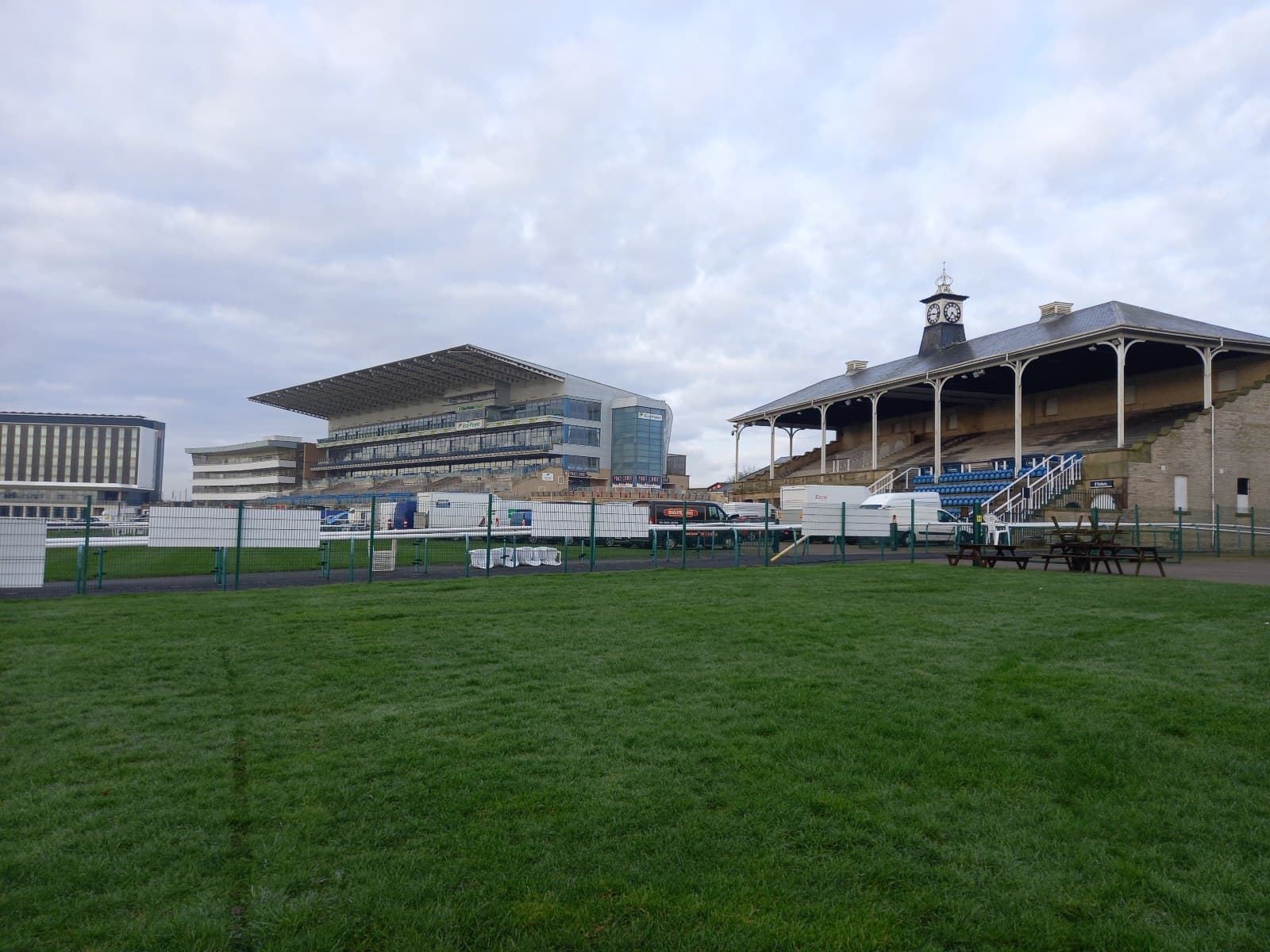
A Day Out at Doncaster Racecourse
Everything you need for a day at Doncaster — getting there, what to wear, enclosures, food and drink, and insider tips for Town Moor.
Read more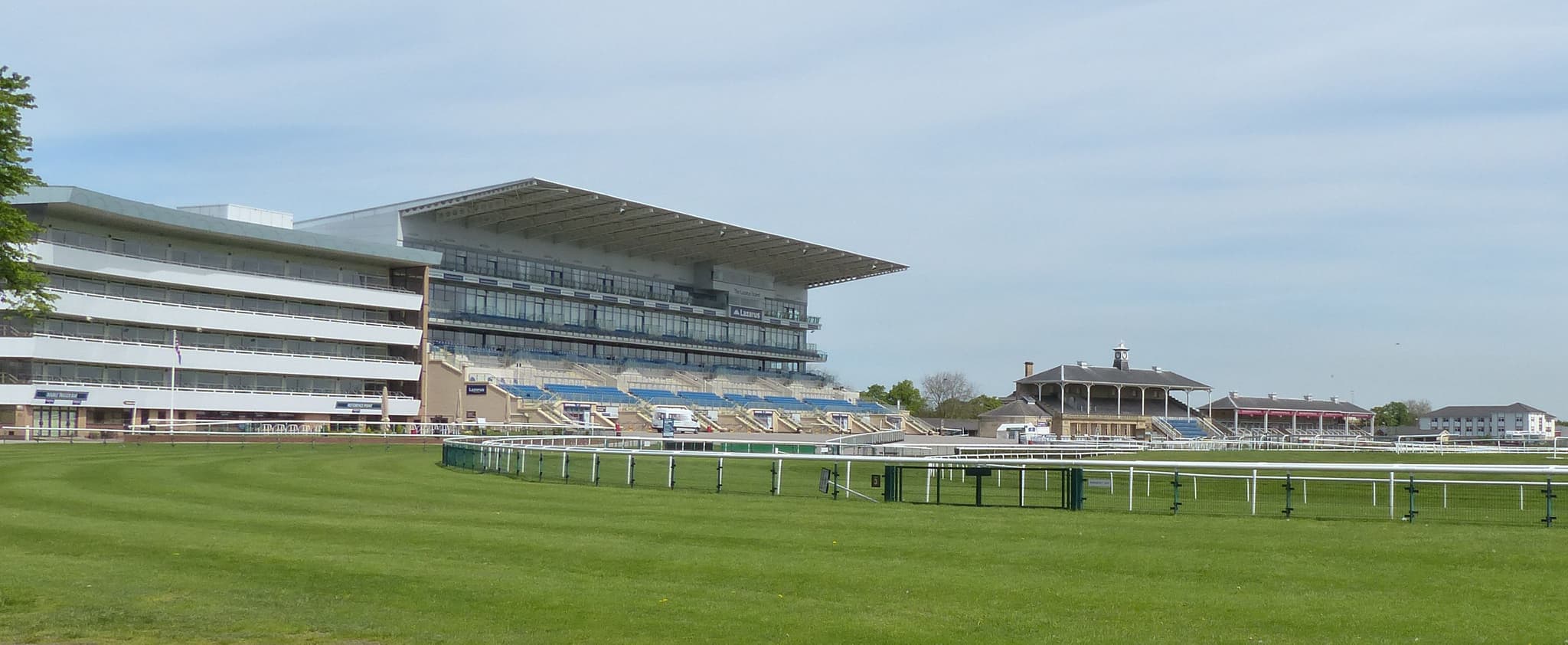
The History of Doncaster Racecourse
Over 400 years of racing at Town Moor — from the first meetings in the 1600s to home of the world's oldest Classic.
Read more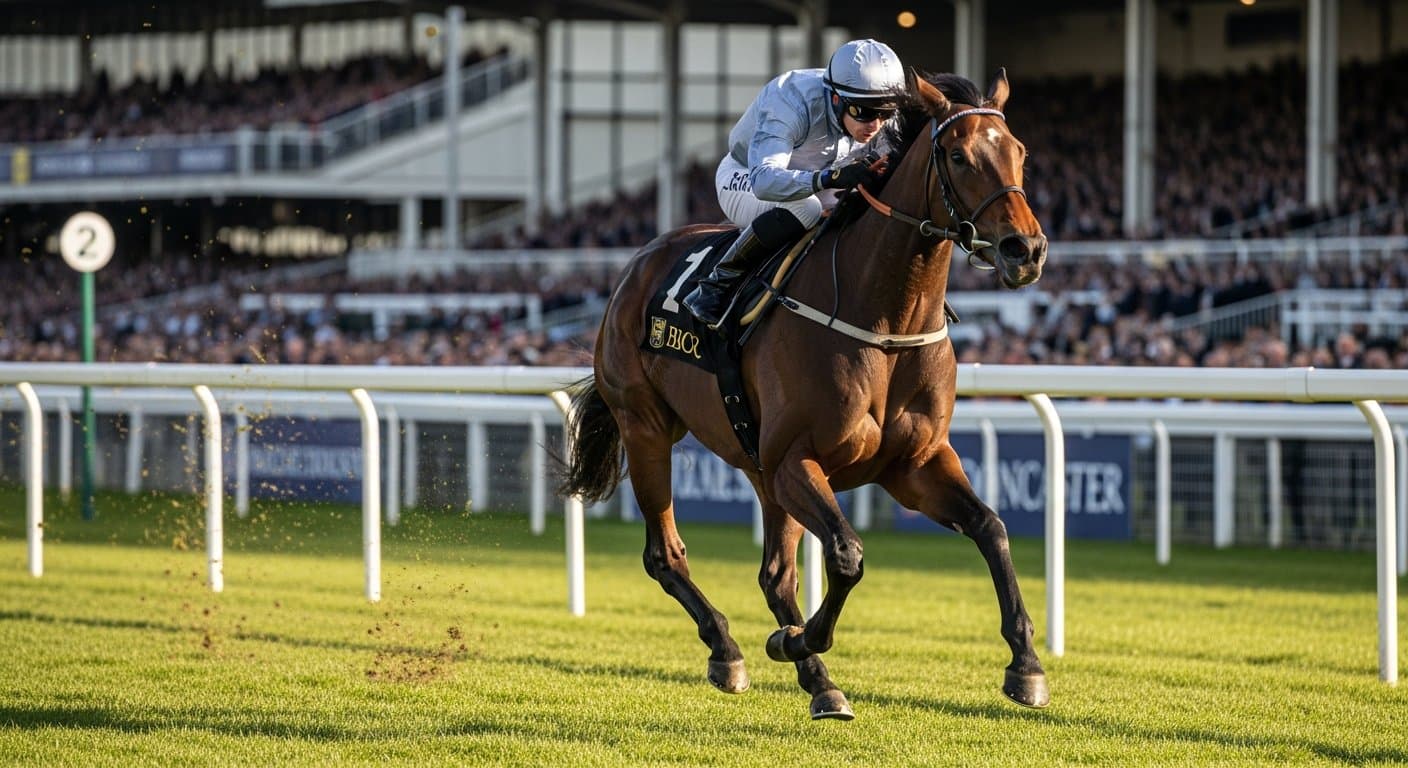
Nijinsky at Doncaster: The Complete Story
Nijinsky won the 1970 St Leger at Doncaster to complete the last Triple Crown of the twentieth century. The story of a defining race and a defining horse.
Read morePhotos on this page are used under Creative Commons licences. Titles, sources and licence links for each one are on our image credits page.
Research the field with the AI Race Predictor
Our model publishes calibrated win-probability estimates for UK races — a second opinion to understand a race, not tips. It's open about its record: it doesn't beat the market, and we show exactly how it does.
Work it out & learn the basics
Gamble Responsibly
Gambling should be entertaining and not seen as a way to make money. Never bet more than you can afford to lose. If you or someone you know has a gambling problem, help and support is available.