
Founder & Editor · Last reviewed 2026-04-05
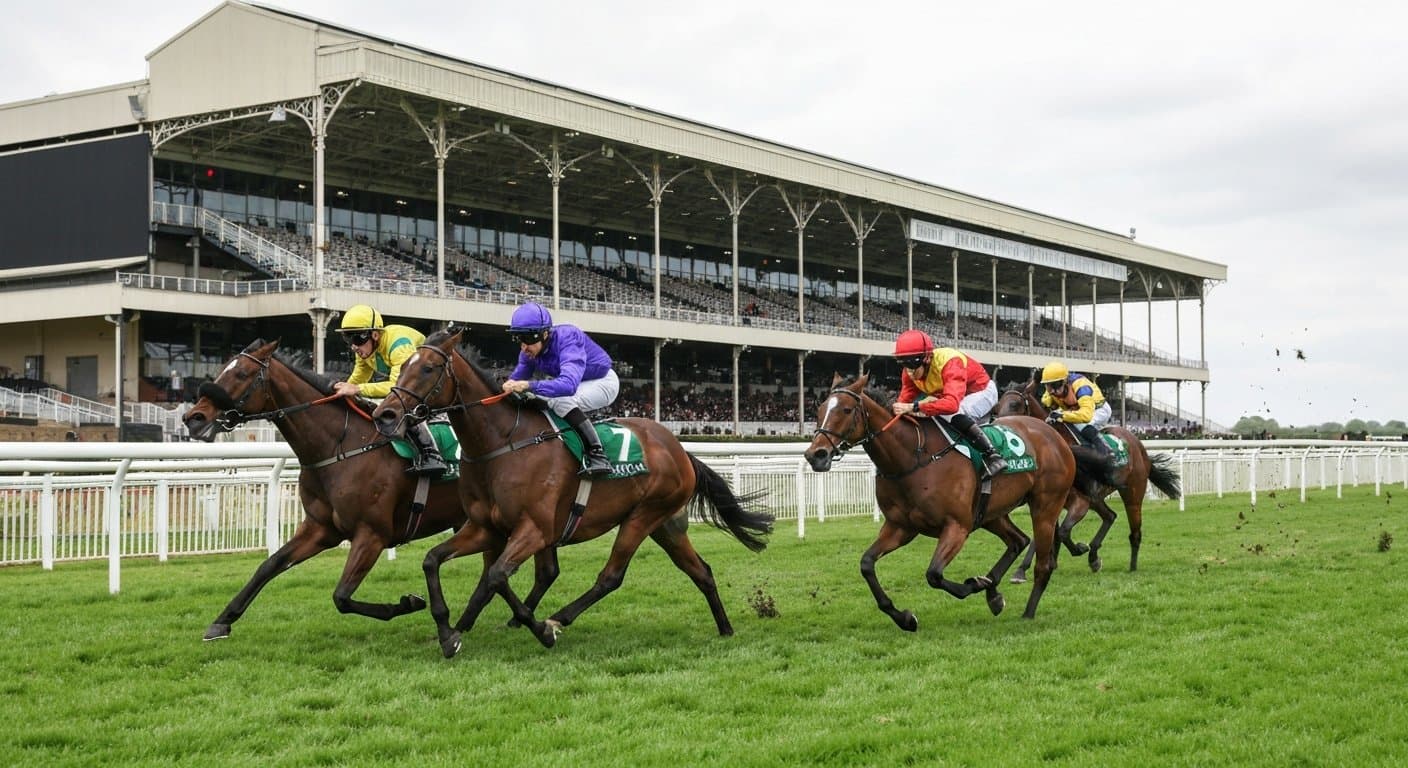
Doncaster is one of the most rewarding tracks in Britain for punters who do their homework. Town Moor's flat, galloping layout produces fair results more often than not. The best horse tends to win here, which means form study and an understanding of the track's specific characteristics are valuable rather than being trumped by random luck or quirky course configurations.
This guide is aimed at two kinds of bettor. First, the casual punter who attends the Lincoln, the St Leger Festival or one of the autumn fixtures and wants to know what to look for beyond the Racing Post's headline form. Second, the more systematic bettor who follows the flat season closely and wants a structured framework for rating Doncaster form: which draw positions to weight, how much to discount a trainer's record, and when the going changes the entire shape of a market.
The course offers two distinct flat tests: the round course, a left-handed galloping circuit of just under two miles, and the straight course, which provides a very different challenge for races up to a mile. Understanding which type of race you're betting on (and how conditions affect each) is the foundation of profitable punting at Doncaster. Add in the National Hunt programme from October through to February, and you have a venue that rewards knowledge across two disciplines.
What makes Doncaster particularly useful from a betting perspective is the structure of its calendar. The course opens the flat season with the Lincoln Handicap in late March, a race that has been run at Doncaster since 1849 and that sets the tone for months of spring betting. The St Leger Festival in September provides the year's highest-profile week, culminating in the world's oldest Classic. The November Handicap closes the flat season, typically on soft ground in front of smaller but knowledgeable crowds. Every phase of the season brings different ground conditions, different horse types, and different betting angles.
Doncaster also benefits from being a fair track. There are no extreme cambers like Epsom, no mile-long descents, and no bottleneck bends that favour certain running styles. When a well-handicapped horse in good form lines up at Doncaster, its chance of winning is less likely to be undermined by the course itself. That fairness makes form more transferable from other open galloping tracks, York, Ascot, Sandown and Kempton are all worth cross-referencing when assessing Doncaster candidates.
This guide covers the track characteristics that determine which horse profiles succeed, a detailed breakdown of draw bias and going patterns, the trainers and jockeys whose records are worth following, and practical betting strategies built around the course's key race types. For background on the track's history and facilities, see the Doncaster complete guide.
Bet on Doncaster
Place your bets on Doncaster races with a trusted bookmaker.

Promo code BETFRED50. New customers only. Register, deposit with a Debit Card, and place a first bet of £10+ at Evens (2.0)+ on Sports, to be settled within 7 days, to get £30 in Sports Free Bets and £20 in Bet Builder Free Bets within 24 hours of settlement. 7-day expiry. Eligibility & payment exclusions apply. Full T&Cs apply. Take Time to Think. BeGambleAware.org. 18+. Full T&Cs.

Promo code R30. New UK customers only, 18+. Register, deposit £10 or more, then place a £10 single cash bet at odds of 1/2 (1.5) or greater on any sports market (excluding Virtuals). Once the qualifying bet settles you get £30 in Free Bets (3 x £10) — the qualifying bet can win or lose. Free Bets are valid on any sports market excluding Virtuals, expire in 7 days, are non-withdrawable and must be used in full. Excluded deposit methods apply (including PayPal, Apple Pay, Skrill and NETELLER). Named bets such as Lucky 15 do not qualify. If you cash out the qualifying bet, or it is voided, you are no longer eligible for the offer. Ends 31.12.26. Full T&Cs apply. Please gamble responsibly. BeGambleAware.org. 18+. Full T&Cs.

Promo code BET40GET20. New UK customers, 18+. Register with the code and place a first bet of £40 or more at Evens (2.0) or greater. Receive 2 × £10 free bets: the first credited automatically once the qualifying bet settles, the second 24 hours later. Free bets must be placed at minimum odds of 4/1 (5.0), expire 24 hours after credit, and the free-bet stake is not returned with winnings. Debit card deposits only. Take Time to Think. BeGambleAware.org. 18+. T&Cs apply. Full T&Cs.

50% of your first-day net losses refunded as a free bet, capped at £25. New UK customers aged 18+ only. To qualify, deposit and place a first bet of £10 or more on any sport at minimum odds of evens (2.00), then place at least two further bets on different events, each worth at least 50% of your largest bet, all at evens (2.00) or greater. Losses are counted from your first settled bet until 23:59 the same day. Place a qualifying £10+ bet and you are guaranteed at least a £5 free bet. Bets placed at SP, void bets, cashed-out bets and bets struck with free bets do not count towards the offer. The free bet is credited the day after your qualifying bets settle and must be used within 7 days, after which it expires. It can be used at odds from 1/4 (1.25) up to 250/1 on singles and straight accumulators, but not on Trixie, Patent or Yankee style multiples. Free-bet stake is not returned with winnings. One offer per person, household, address, IP address and device. E-wallet deposits may not qualify, so check the cashier before depositing. Customers registered with GAMSTOP cannot claim. KYC identity verification must be completed before the free bet is credited. Take Time to Think. BeGambleAware.org. 18+. T&Cs apply. Full T&Cs.

New customers, 18+. Choose the sports bonus at sign-up, make a first deposit and receive a 100% bonus up to £50 in your Sports Bonus balance. To convert the bonus to cash, wager it 10x within 30 days. Single bets below Evens (2.00) do not qualify; accumulators do not qualify if any selection is below 1/2 (1.50). Virtual Sports, voided, cancelled, drawn, cashed-out and free-bet wagers do not count towards wagering. Only the first settled bet per event counts. Withdrawing before the wagering requirement is met forfeits the bonus balance including bonus winnings. Real-money funds are used before bonus funds. Deposits via Skrill or Neteller are not eligible. Not valid in conjunction with other promotions. Odds, bet and payment limits apply. 10bet general and promotion T&Cs apply. BeGambleAware.org. 18+. Full T&Cs.

New customers in Great Britain and Republic of Ireland, 18+. Place a £10 fixed-odds qualifying bet at minimum odds of 1/2 (1.50) — single or each-way (only the win part counts), pre-event or in-play, not cashed out early, within 28 days of opening the account. Receive up to £60 in bonuses credited over three days: 3 × £10 fixed-odds free bets (the first on settlement, then 24 and 48 hours later) plus 3 × £5 Total Goals FOOTBALL spread bets and 3 × £5 racing Winning Favourites spread bets, with a £1 racing Race Index spread bet as an extra on top. The spread bets need a full spread-betting account, opened within 28 days of the fixed-odds account and subject to Spreadex's eligibility and appropriateness checks. Free-bet stakes not returned with winnings; free bets valid 28 days from issue. IMPORTANT: the £5 credits are SPREAD bets — sports spread betting carries the risk that losses can exceed your stake. Sports spread-betting customers do not have Financial Ombudsman or FSCS recourse. Take Time to Think. BeGambleAware.org. 18+. T&Cs apply. Full T&Cs.

Promo code WELCOME15, entered under My Bonuses after registering. New UK customers, 18+. Place a first qualifying bet of at least £10 from your cash balance at odds of evens (2.0) or greater within 7 days of opening the account. Once the qualifying bet fully settles you receive £15 in free bets, credited as 3 x £5 tokens with set uses: one £5 accumulator free bet (minimum 4 legs, each leg at 2/5 or bigger), one £5 sports free bet (any market at evens or bigger) and one £5 Sub Cover free bet (selected football player markets at evens or bigger). Free-bet stakes are not returned with winnings. Free bets expire 7 days after they are credited. Void, cashed-out and partially cashed-out bets do not qualify. One offer per customer. Confirm the current terms on BetGoodwin's own welcome-offer page before claiming. Take Time to Think. BeGambleAware.org. 18+. T&Cs apply. Full T&Cs.

New UK customers, 18+. Minimum deposit £10. Place a £10 qualifying single on sports (excluding virtuals) at minimum odds of 1/2 (1.50), settled within 14 days. Deposit-method exclusions apply. Receive £30 in free bets (stake not returned), split £20 for sportsbook use (2 x £10) and £10 for Bet Builder only (2 x £5); Bet Builder does not cover horse racing. Free bets must be accepted within 7 days and expire 7 days after acceptance. No promo code required. Best Odds Guaranteed on UK & Irish racing, subject to having staked over £25 in the previous seven days. Operated by LiveScore Betting and Gaming (Gibraltar) Ltd, UKGC 56859. Confirm the current terms on LiveScore Bet's own promotions page before claiming. Take Time to Think. BeGambleAware.org. 18+. T&Cs apply. Full T&Cs.
18+. BeGambleAware.org
Track Characteristics
The Round Course
Doncaster's round course is a left-handed, roughly pear-shaped circuit of just under two miles. It is one of the widest and flattest tracks in the country, which means there is minimal advantage to any particular running style. Front-runners can dictate from the front without being squeezed on tight turns, while hold-up horses have time and space to build momentum in the long home straight. A five-furlong run-in that is one of the longest in British racing, comparable in character to the straight at York.
The key characteristic of the round course is that it rewards stamina and an even pace. Races over a mile and a quarter and beyond tend to be truly run, and that five-furlong home straight gives horses ample opportunity to use their finishing speed. Horses who idle in front can be caught by late closers; horses who are produced too late can find they have run out of ground. The balance of pace judgement from the jockey matters, but more than that, the horse must be able to sustain its effort through a demanding final half-mile.
The bends are sweeping and gentle, which reduces the advantage that more compact, agile types enjoy at tracks like Chester or Windsor. There is no equivalent of Epsom's Tattenham Corner or the sharp downhill turn at Sandown. Doncaster is, in the truest sense, a galloper's track: a horse needs to travel at speed in an open, rhythmical way and hold its form through a long straight.
The Straight Course
The straight course, used for races from five furlongs to a mile, runs diagonally across the centre of the round track. This is a fundamentally different test. Horses are in the open from the moment the stalls open, and the draw can play a role depending on conditions and field size, which is covered in detail in the section below.
On the straight course, tactical speed and early positioning matter more than they do on the round. A horse that settles poorly on the straight course, or that gets bumped at the start and loses two or three lengths, faces a much steeper recovery task than it would on the round course, where position can be adjusted around the circuit. Horses who break well and travel smoothly within themselves through the middle portion of the race (essentially, horses with a high cruising speed) tend to dominate here.
What Horse Profiles Succeed at Doncaster
Understanding which types of horse thrive at Town Moor is the starting point for structured betting at the course. The horse profiles that win most often share three traits: real stamina for the distance, an ability to handle an open galloping pace without fighting the bridle, and form that translates from similar tracks.
Galloping types with proven stamina. On the round course over a mile and beyond, the horse that stays well and handles a true gallop beats the speed-dependent type more often than not. This is why form from Ascot (straight mile or round course), Kempton's Jubilee course, and Sandown's longer distances transfers so reliably to Doncaster. Those tracks share the same demand: run at a consistent pace over a sustained distance, with no tight turns allowing a sluggish horse to regather.
Horses with course-and-distance form. The single most reliable betting filter at Doncaster is course-and-distance form. Horses who have won or placed at Town Moor at the exact same trip and under similar going conditions carry a demonstrable edge. This is particularly true on the straight course, where the absence of bends means that form from a different track layout translates less well. A horse that has shown it can travel and quicken on the Town Moor straight has already answered the most important question.
Riders of form, not reputation. Doncaster rewards horses arriving in form rather than those on comeback trails. The long straight is unforgiving: a horse carrying excess condition or not fully wound up will be exposed in the final two furlongs. Trainers who prep their horses properly at Newmarket, York or Haydock before targeting a Doncaster conditions race or handicap are the ones whose runners deserve most respect in the market.
Crossover types from jumps to flat and back. In the National Hunt programme, Doncaster's fences are straightforward, fair and square-built, not designed to catch horses out. The emphasis falls on jumping fluency at pace and the ability to sustain a gallop through a long home straight. Chasers who run well at Haydock and Wetherby (both galloping, no-frills tracks with similar structural demands) are the horse type to follow on the Doncaster jumps card. Clever or handy jumpers who win by being economical at the obstacles at tighter tracks sometimes fail to impress here simply because the long straight neutralises their agility advantage.
What Doncaster Does Not Suit
Equally useful for betting purposes is knowing which horse types underperform at Town Moor. Speed-reliant sprinters who win by breaking fast and hugging the rail at tight tracks like Carlisle or Catterick often find themselves exposed at Doncaster, where the extended straight means they cannot simply outstay their rivals through course topology. Sharp, turning types (horses that win at Brighton, Epsom or Yarmouth by using the camber or finding a gear through a tight bend) rarely reproduce that form on the flat and open Town Moor layout.
In jumps races, horses who are technically brilliant but physically limited in their stamina can be caught out by the long run-in. Doncaster jumps races tend to be decided by one or two lengths rather than the big gaps you see on courses where a strong jumper can build a lead at the fences and hold on through a short run-in.
Going & Draw Bias
Draw Bias on the Straight Course
Draw bias at Doncaster is one of the most discussed topics in British handicap betting, and the data points clearly in certain directions once you separate the different distance bands.
Five to seven furlongs. This is where draw bias is most pronounced. In fields of 10 or more, stalls in the mid-range (roughly 7 to 14) have shown a marginal advantage over many seasons. The reason is straightforward: horses in the low draws (1–5) can get squeezed against the stands' rail if the field splits or if the pace develops unevenly across the track; horses in very high draws (15+) in large fields have to work across to reach the best ground. Stalls 7 to 14 offer a natural position in the pack without requiring early steering effort. That said, "marginal" is the operative word. A stall 12 draw does not transform an 80-rated horse into a winner, and bettors who over-index on draw at the expense of ability and form will lose money.
The key exception is when the course manager reports a bias to one side of the straight. In very wet conditions, the far side of the track (high draws, 15+) has at times provided the fastest ground, as the stands' side becomes cut up by repeated use through the season. Always check early-race results on the day and watch where the winning horses have been racing on the track. This is the single most reliable real-time signal.
Seven furlongs to one mile. At these distances on the straight course, the draw effect becomes largely negligible. The longer run gives all horses time to cross to the best ground if needed, and the race develops at a pace that allows position changes. Any supposed draw advantage at this distance can be dismissed for most practical betting purposes unless there is a very specific track bias reported on the day.
One mile and a quarter and beyond on the round course. The draw is essentially irrelevant at these distances. By the time the field rounds the final bend and enters the five-furlong straight, any starting position advantage has been neutralised by the shape of the race. Betting on draw at 1m2f or further at Doncaster is a distraction from more useful research.
Large Fields: Specific Advice
When a flat race at Doncaster attracts 14 or more runners (common in the Lincoln, the Portland Handicap and the November Handicap) the draw dynamic changes. The field is likely to split into two or three groups on the straight, and the key question is which group gets the better pace, not which individual stall position is favoured. In these races:
- Watch the first race of the day at the same distance and on the same course to see which side of the track the winner came from.
- Note whether the field tends to split or race as a single group: patterns at Doncaster are relatively consistent within a meeting.
- Avoid backing a horse solely because of its draw if it is in a small group that might face a pace disadvantage.
In fields of fewer than 10 runners on the straight course, the draw effect diminishes considerably. With fewer runners there is less crowding, and horses have more freedom to find their position without the draw determining their fate.
Going Preferences and Monthly Guide
Doncaster drains well for a flat course, thanks to the sandy, free-draining surface of Town Moor. The ground is typically good in spring, good to firm through summer, and transitions to softer ground through September, October and November. However, the range within a given month can be wide, and a single heavy rain event can transform a good-to-firm surface into good-to-soft overnight.
March (Lincoln meeting). This is the most reliable month for soft or good-to-soft conditions. The Lincoln Handicap, run in late March, has a strong historical tendency toward ground on the easy side. Of the 20 Lincoln renewals from 2000 to 2024, the majority were run on ground officially described as soft or good-to-soft. Confirmed soft-ground types (horses with a win or strong placed run on soft or heavy going) have a structural betting advantage in the Lincoln that is not always adequately reflected in the market.
The reason is simple: winter form from the all-weather tracks at Lingfield and Kempton does not discriminate between soft and fast ground, and punters backing horses on the basis of their Polytrack form alone may not have accounted for the fact that those horses have never proven their ability on a testing surface.
May and June. Conditions typically dry out from late April onwards, with good-to-firm or firm the most common going for the spring and early summer fixtures. This is when speed horses and those with proven fast-ground form come to the fore. Horses trained at Newmarket, who have been working on the Rowley Mile's firm Going in spring, often translate that fitness directly to Doncaster.
September (St Leger Festival). September is the most variable month. The ground at the St Leger meeting has ranged from good-to-firm to good-to-soft, and the result has a significant effect on the complexion of the Classic. A firm September favours the more physically imposing types who carry condition well; a soft September brings the stamina specialists to the fore and tends to disadvantage horses whose primary asset is a quick turn of foot. Always check the going forecast in the week before the Festival and adjust your market assessments accordingly.
October and beyond (autumn fixtures, November Handicap). From mid-October, soft and heavy ground becomes likely rather than possible. The November Handicap (run over a mile and a half) regularly takes place on soft or heavy going, and horses without confirmed form in testing conditions have a poor record. The key stat here is straightforward: horses who have won on soft or heavy ground in the previous 12 months cover the distance at a far higher rate than those whose form is exclusively on good or better going.
For the jumps programme (October to February), soft ground is the baseline expectation. Heavy conditions at Doncaster in January or February can produce deeply attritional races where the horse with the best jumping technique and the most proven stamina wins regardless of recent form on better ground.
Applying the Going to Betting Decisions
A simple framework for using going data at Doncaster:
- Before any meeting, check the going stick reading on the BHA website or the course's own Twitter feed. A going stick reading below 7.0 indicates soft to good-to-soft conditions.
- Identify horses in your race who have won on the current or similar going and those whose form has been exclusively on faster or slower ground.
- Assign a confidence rating to each based on their going record rather than simply backing the form horse.
- For the Lincoln, soft-ground performers from the previous winter should be rated a category higher than their official Racing Post Rating suggests.
This approach does not replace full form assessment, but going as a filter can quickly eliminate horses from your shortlist who face a structural disadvantage before a single furlong has been run.
Key Trainers & Jockeys
Trainers to Follow
Certain trainers target Doncaster with purpose, and their records at the course are worth tracking. The major flat yards (Aidan O'Brien, John and Thady Gosden, Charlie Appleby) all send their top-class performers for the big meetings, but it is the trainers with consistent strike rates across the full programme who provide the most consistent value.
Aidan O'Brien is the trainer most associated with Doncaster's Classic action. His record in the St Leger is unmatched in the modern era. He has won the race multiple times with horses including Camelot (2012), Kew Gardens (2018) and Serpentine (2020), and his Classic generation horses that stay a mile and six furlongs or further almost invariably have the St Leger on their summer agenda. When O'Brien sends a horse to Doncaster for the first time that has been working up through Royal Ascot and Goodwood, respect the move. His runners are rarely placed without intention.
Richard Fahey is the most prolific northern trainer at Doncaster. Fahey has a strong record in sprint handicaps on the straight course, and his runners in competitive six-furlong and seven-furlong handicaps deserve a second look in the market. He runs horses at Doncaster frequently throughout the season (not just at the Festival meetings) and his lower-profile entries on mid-season cards often carry real winning chance at bigger prices than the market gives them credit for.
William Haggas has built a fine record at Doncaster over the past decade, particularly with well-handicapped types stepping up in trip on the round course. His entries at the Lincoln and St Leger meetings often carry strong each-way claims, and he has shown a particular skill in placing horses in conditions races at Doncaster where the field is smaller and his horse can be priced up accurately. Haggas runners who have placed at a previous Doncaster meeting are worth shortlisting before odds are published.
Andrew Balding is another trainer whose Doncaster runners outperform their odds, especially in conditions races and two-year-old events in the September and October period. Balding trains a large number of horses owned by King Power Racing, and the stable regularly targets Doncaster's better autumn fixtures with progressive types stepping up in class.
Tim Easterby and David O'Meara, both Yorkshire-based, are prolific runners at Doncaster. Their handicap runners, particularly at trips from six furlongs to a mile, form a large portion of the card on standard fixtures. The key with both yards is to look for horses who have run well at Doncaster before. Both trainers tend to bring horses back to tracks where they have shown ability rather than trying unfamiliar tracks.
For the National Hunt programme, Dan Skelton, Nicky Henderson and Paul Nicholls all target Doncaster's better jump fixtures with prepared runners. Locally, Brian Ellison and Sue Smith have strong records across the winter programme and regularly run horses that are better than their market price implies when they step up to Doncaster from smaller northern venues.
Jockeys to Watch
Jim Crowley, Oisin Murphy and William Buick are among the top jockeys who ride regularly at Doncaster's major flat meetings. Their knowledge of the track is significant, and all three ride the long straight effectively, knowing when to ask a horse for its effort in the final two furlongs rather than going too soon or too late. In big-field handicaps, their ability to navigate traffic in the closing stages gives them an edge that is hard to quantify but easy to observe.
Danny Tudhope is a Doncaster specialist on the northern flat circuit. He rides the course more frequently than any of the southern-based jockeys and has a highly developed feel for where the pace is likely to be strongest on the straight. His record in handicaps at the course is strong, and his mounts regularly perform better than the market anticipates. When Tudhope is booked for a horse that fits the draw and going profile, that combination is worth noting.
For the jumps, Brian Hughes is the dominant northern rider and has a strong Doncaster record. His mounts for trainers like Lucinda Russell and Donald McCain are always worth noting, particularly in handicap chases where his front-running style and assured jumping suit the long Doncaster home straight. Sean Quinlan is another jumps jockey who rides the course well, particularly on front-runners who can exploit the long galloping run-in.
Betting Strategies
Back Proven Course Form
Doncaster's distinctive layout means that course form is more reliable here than at many other tracks. Horses who have won or placed at Town Moor before (particularly on the straight course) have demonstrated an ability to handle the track's specific demands. In handicaps, which make up the bulk of the card on standard fixtures, course winners deserve extra weight in your assessment. The Racing Post's course form filter is a simple but effective starting point, but go further: look at what the horse has done at Doncaster at the exact same trip, and compare the going at that previous run to the conditions forecast for the upcoming race.
Handicap Angles: Progressive Types and Course-and-Distance Form
Doncaster runs competitive handicaps throughout the flat season, and the field quality at the major meetings (the Lincoln, the St Leger Festival's handicap card, and the autumn fixtures) is high enough to produce markets that truly test a punter's form-reading ability.
Two angles consistently provide an edge in Doncaster handicaps:
Course-and-distance form. As covered in the track characteristics section, horses that have won or placed at the exact same distance at Doncaster carry a built-in advantage. On the straight course, this is particularly relevant because the track geometry is unlike a round course, horses that have navigated the straight well before are likely to do so again. Filter any handicap field by course-and-distance form first, then layer in the going and draw analysis.
Progressive types from mid-table in the weights. In large-field Doncaster handicaps, the horse carrying top weight has a poor record. The sweet spot is a progressive horse rated between 90 and 105 in a Class 2 or Class 3 handicap. A horse that has been winning or placed in lower-grade events and is now meeting stronger competition for the first time. If that horse also has course form and is suited by the going, it represents the highest-value profile in the race.
Class Droppers from Major Meetings
One of the most reliable angles at Doncaster across the season is the class dropper. Horses who have run well in Listed or Group races at Ascot, Newmarket, Goodwood or York (where the quality of competition is high and the form is compressed) can look well treated when they drop into competitive handicaps at Doncaster. The trainer knows the horse has ability above handicap level; the market often underestimates it because the horse's last three runs show unplaced efforts in better company.
The specific pattern to watch: a horse that ran sixth or seventh in a strong Listed or Group 3 at a major July or August meeting, then appears in a Doncaster Class 2 or Class 3 handicap in September or October. That sixth or seventh place in a 10-runner Listed race likely represents form equivalent to winning a Doncaster handicap, and if the trainer is William Haggas, Andrew Balding or John and Thady Gosden, the placement is almost certainly deliberate.
Horses Returning to Doncaster After a Break
Doncaster's fair track has a notable characteristic: horses returning after a layoff of four weeks or more often run well here on their comeback. The reason is structural. Unlike at tracks with steep gradients, sharp bends or quirky surfaces, Doncaster does not punish a horse that is short of full fitness with a misleading run. A horse that is 90 per cent fit at Town Moor will often produce a performance that reflects 90 per cent of its ability, rather than being completely exposed by the track's demands.
This means that comeback runs at Doncaster are worth reading differently from, say, a comeback at Chester or Epsom. When a trainer with a good Doncaster record runs a well-regarded horse on its first start back after a break, the form shown that day is reliable form. Flag it for follow-up in the horse's next run, when it will be fitter.
Each-Way Value in Big Fields
Doncaster's major handicaps (the Lincoln, the Portland, the November Handicap) regularly attract fields of 15 or more runners, which triggers extra each-way places with most bookmakers. In these large-field races, the each-way market offers value that win-only betting cannot replicate. Look for horses with solid placed form and proven stamina who might not win but can consistently hit the frame. An each-way bet at 14/1 in a 20-runner Lincoln, where bookmakers are paying four places, returns a significant profit on the place part alone if the horse finishes second or third.
The specific profile for each-way betting in large Doncaster fields: a horse drawn mid-range on the straight course, proven on the day's going, trained by a yard with a strong Doncaster record, and returning from a recent run where it was placed rather than winning. This is a horse that has shown it can run to its rating at this track without necessarily winning, and that profile repeats across the season.
Use the Parade Ring
If you are attending in person, the parade ring is one of your most valuable tools. Doncaster's ring is spacious and well-designed, giving a clear view of the horses as they walk round. Look for horses that are alert, moving freely and showing a healthy coat. Horses sweating heavily before they have even entered the parade ring, or those that are hard to settle and wasting energy, are often not at their best. This visual information is something that form guides and algorithms cannot replicate. It is one of the practical advantages of being at the racecourse in person.
To compare place terms and each-way promotions across the major bookmakers, see our best bookmakers for horse racing guide.
Key Races to Bet On
The Lincoln Handicap (March)
The Lincoln is the race that opens the British flat season, and it has been run at Doncaster since 1849. A mile handicap on the straight course, the Lincoln typically attracts a field of 18 to 22 runners, produces a competitive market that forms through the winter months, and delivers results that reward punters who have done their soft-ground homework.
The structural betting angle on the Lincoln is the going. As covered in the going guide section, the race almost always takes place on soft or good-to-soft ground. Horses with confirmed form on testing going (horses who have won on soft or heavy ground in the previous 12 months) have a significant edge over horses whose form has been built exclusively on the all-weather surfaces through winter. The Lingfield and Kempton Polytrack surfaces do not replicate the feel of soft Doncaster turf, and horses who have been building form on those surfaces without turf form in soft ground need to prove they can handle the conditions.
The pace angle matters on a flat track. The Lincoln is a big-field mile race on a straight course, and pace scenarios affect the result considerably. When a large group of horses break well and set a real gallop, the race tends to sort out on stamina, which benefits the confirmed stayer in a field full of milers and horses stepping up from seven furlongs. When the pace is slow, the race degenerates into a sprint from the two-furlong pole, and faster but shorter-distance types can win. Always assess the likely pace based on who is in the field, trainers who specifically target the Lincoln will have done their pace assessment already, and a horse with a high RPR on soft ground is usually there for a reason.
The ante-post market for the Lincoln opens as early as December at some bookmakers, and the markets are active through January and February. The Lincoln is one of the handful of races where ante-post betting provides real value if you can identify the likely going and find a horse with the right profile at 20/1 or longer. The field is large enough that ante-post prices rarely compress to single figures until close to the race.
The St Leger and Classic Generation (September)
The St Leger, first run at Doncaster in 1776, is the world's oldest Classic and the ultimate test of stamina for three-year-olds. Run over one mile and six furlongs and 132 yards, it is a fundamentally different race to the Derby or the 2,000 Guineas. This is not about the fastest or most brilliant horse, but about the horse with the best staying pedigree and the constitution to run the longest Classic trip at the end of a hard season.
Aidan O'Brien's record in the St Leger in the modern era is unmatched among British and Irish trainers. He has won it multiple times with horses including Camelot (2012), Kew Gardens (2018) and Serpentine (2020). The pattern with his St Leger entries is consistent: they are horses who have been progressive through the summer, who have staying pedigrees on the dam's side, and who have usually run at the Irish Derby or the Great Voltigeur at York before arriving at Doncaster. When O'Brien sends a horse from Ballydoyle to the St Leger, the market takes note, but prices are often still available ante-post if you identify the likely candidate early in the summer.
The 3-year-old versus older horse dynamic in the St Leger is less relevant than in other Classics because the race is open only to three-year-olds. The relevant comparison is between the horses who have spent the season at Classic trips (the Derby at a mile and a half, then stepped up here) and those who have been running in conditions races over a mile and a quarter before being asked to stay further. The former group tends to be better prepared for the specific demands of the Leger trip, but pedigree matters: a horse by Galileo or Frankel out of an staying-bred mare will handle the step up better than a horse by Kingman from a sprinting family.
Soft ground in September adds another layer of complexity to St Leger betting. When the ground comes up testing for the Classic, the race rewards raw stamina above all else, and the horse that stays best in the field (regardless of its form in faster-ground races earlier in the summer) has the structural advantage.
For the meeting itself, our St Leger Festival tips work through the card day by day as the fields take shape.
The Futurity Trophy (October)
The Futurity Trophy (formerly known as the Racing Post Trophy) is run over a mile at Doncaster in late October and is one of the most important two-year-old races in the calendar for identifying the following year's Classic generation. Its roll of honour makes it essential reading for anyone who bets ante-post markets during the winter.
Past winners include Camelot (2011), Saxon Warrior (2017) and Auguste Rodin (2022). Aidan O'Brien has won it twelve times, and Irish yards trained seven of the ten winners from 2016 to 2025. It is run at a time of year when the ground can be good to soft or soft, adding a going dimension to the assessment of likely Classic form for the following spring. The Futurity Trophy page has this year's date and the recent winners.
From a betting perspective, the Futurity Trophy is primarily a market-shaping event rather than a race with easy formulas. The winner typically enters the winter as a short-priced ante-post favourite for the following year's 2,000 Guineas or Epsom Derby. However, the historical record shows that Futurity Trophy winners do not always train on, and some were never as good at three as they were at two. The most profitable approach is to take the winner's odds in Guineas markets immediately after the race, before the market shortens further, rather than backing at the compressed winter prices.
The Portland Handicap (September)
A cavalry charge over five furlongs and six yards on the straight course, the Portland attracts fields of 20 or more runners during the St Leger Festival and produces some of the most competitive sprint handicap results of the season. Draw data is essential here: in a 20-runner field, check which side of the track has been producing winners in the earlier races, and apply that to the Portland field. Sprint form from Haydock, Chester and Sandown translates reasonably well, but course-and-distance form at Doncaster is the most reliable indicator.
The November Handicap (November)
The traditional curtain-closer of the flat season. Run over a mile and a half on the round course, typically on soft or heavy ground, the November Handicap rewards horses prepared for testing conditions at the end of the year. It is a punter's race: the form is complex to assess after a full season, the going is often very testing, and the market frequently throws up large-field each-way opportunities at double-figure odds. The complete November Handicap guide covers the historical trends and angles in depth.
The Doncaster Cup (September)
Run during St Leger week over two miles and two furlongs, the Doncaster Cup is one of the last great staying races of the flat season. The field is usually small and select, drawn from the elite stayers who have been campaigning through the summer at Royal Ascot (Gold Cup), Goodwood (Goodwood Cup) and York (Lonsdale Cup). In a small field of four to six runners, the market is often well-formed and the betting is limited. The value, when it exists, comes when an older stayer with a strong staying record is priced up generously against a younger horse with less proven form at the trip.
Frequently Asked Questions
Share this article
More about this racecourse
All Doncaster guides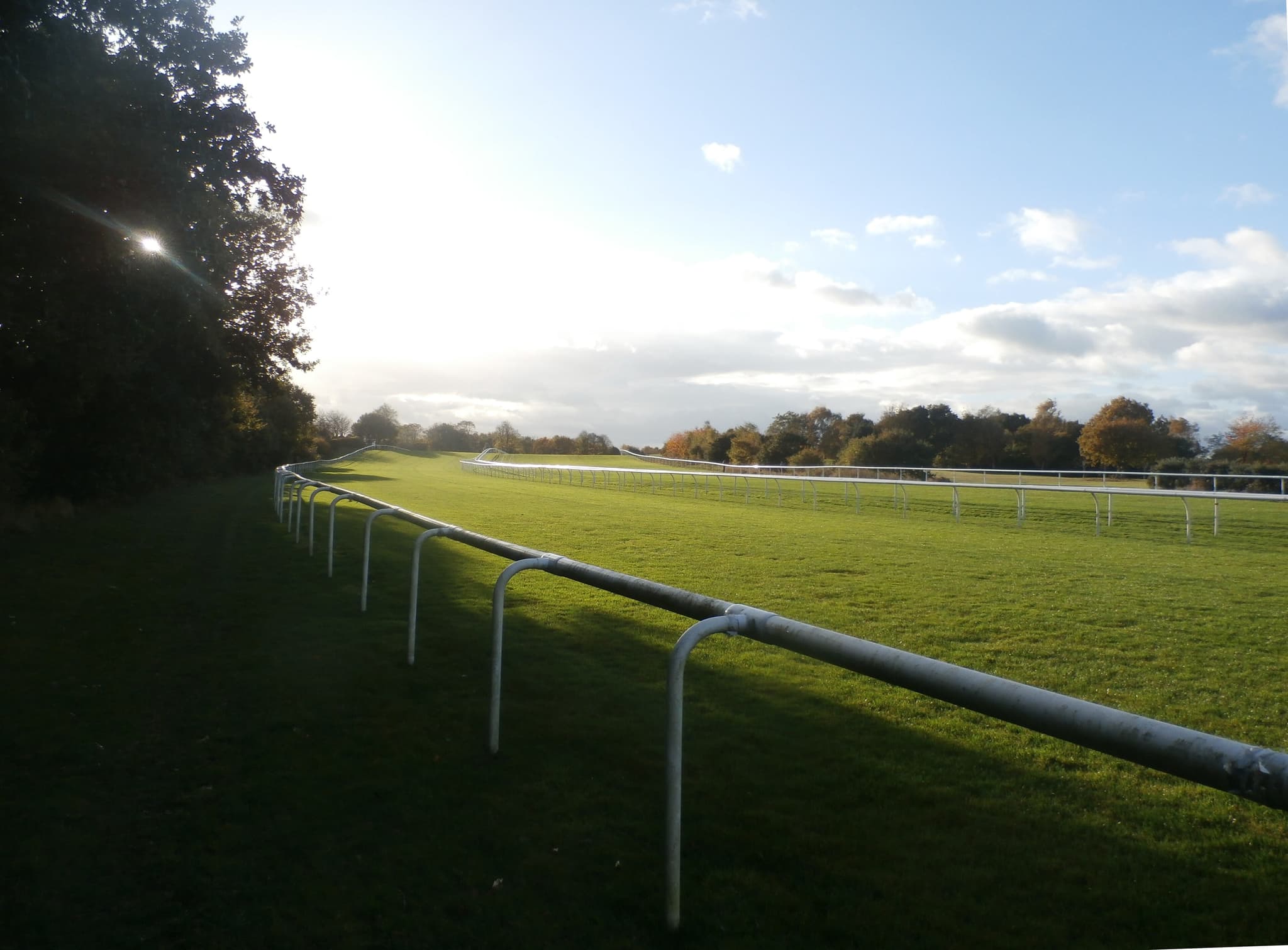
Doncaster Racecourse: Complete Guide
Doncaster Racecourse — home of the St Leger, the world's oldest classic. Course layout, facilities, transport and betting angles.
Read more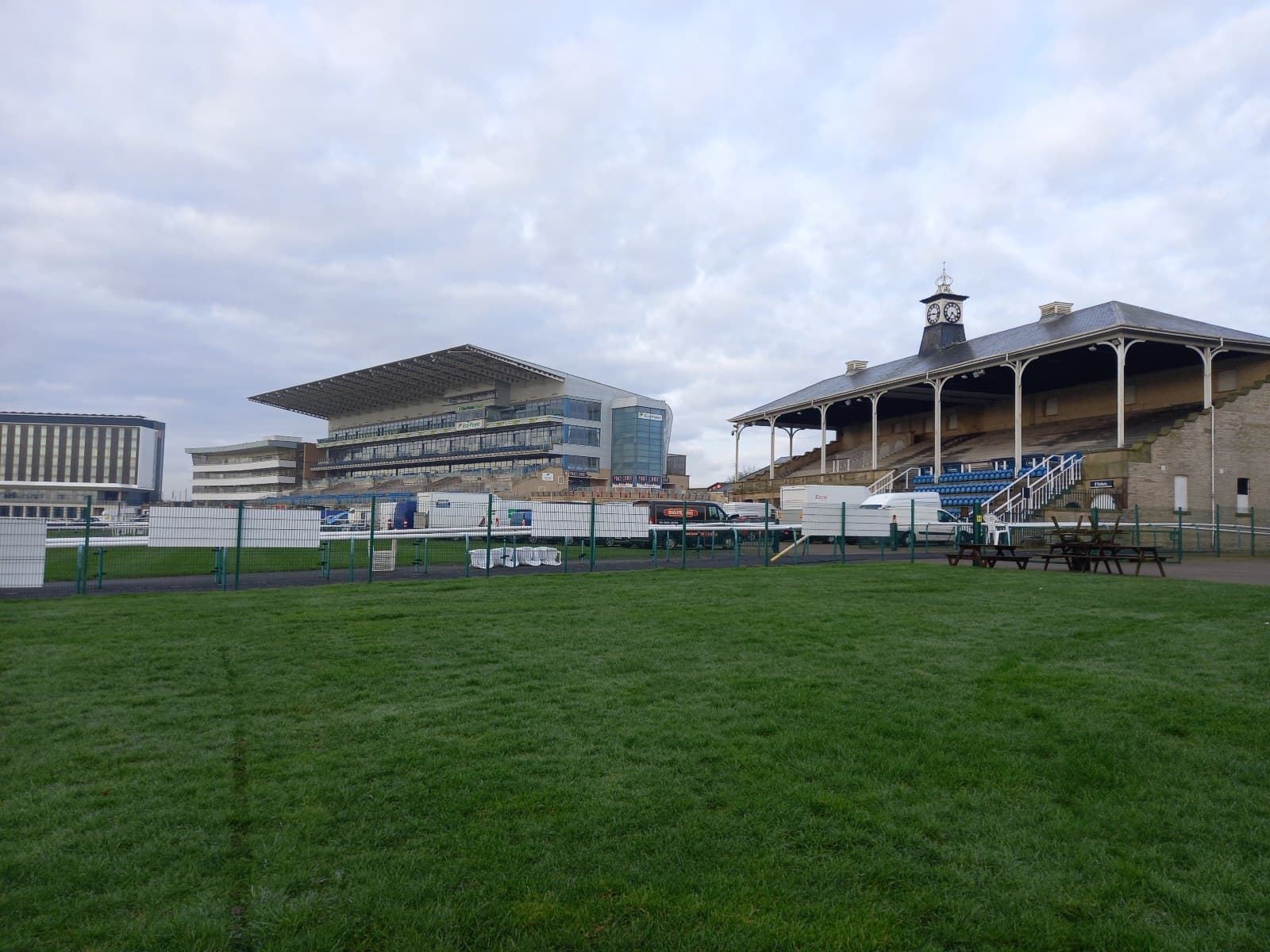
A Day Out at Doncaster Racecourse
Everything you need for a day at Doncaster — getting there, what to wear, enclosures, food and drink, and insider tips for Town Moor.
Read more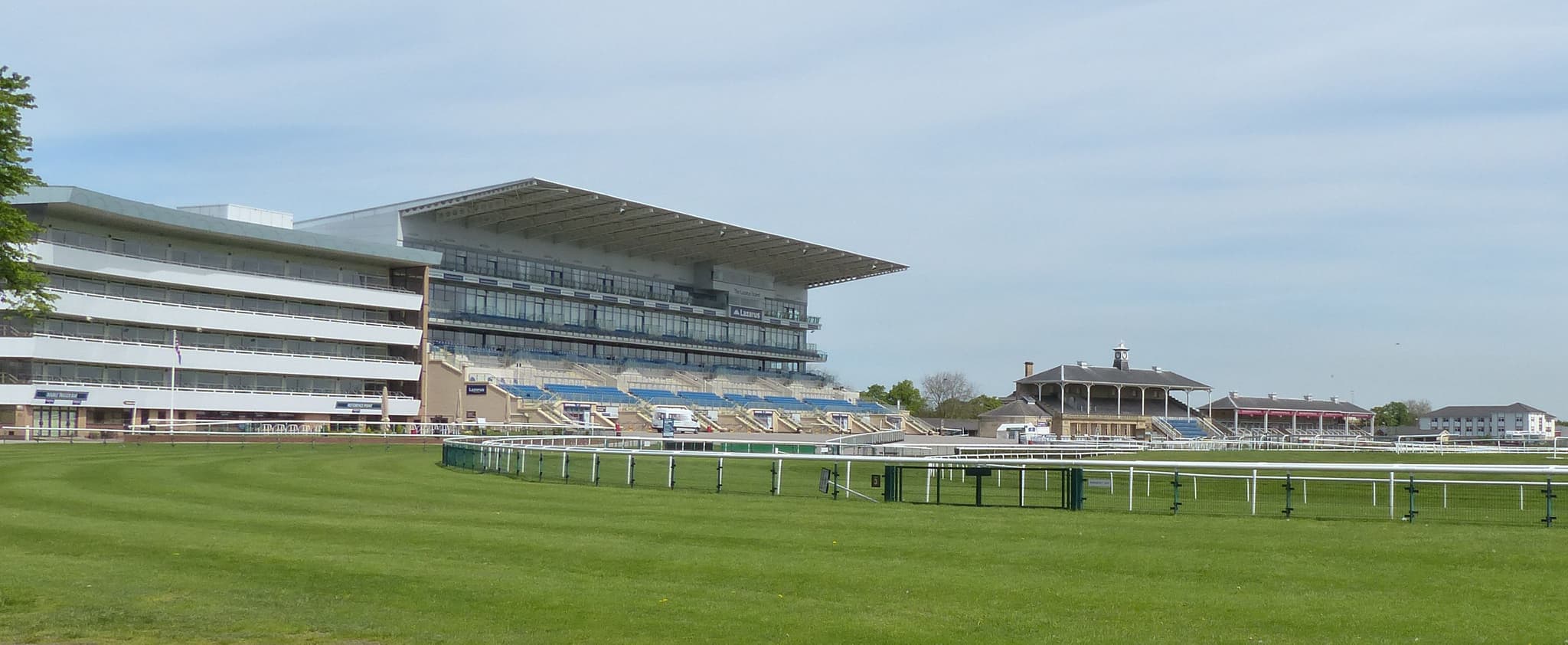
The History of Doncaster Racecourse
Over 400 years of racing at Town Moor — from the first meetings in the 1600s to home of the world's oldest Classic.
Read morePhotos on this page are used under Creative Commons licences. Titles, sources and licence links for each one are on our image credits page.
Research the field with the AI Race Predictor
Our model publishes calibrated win-probability estimates for UK races — a second opinion to understand a race, not tips. It's open about its record: it doesn't beat the market, and we show exactly how it does.
Work it out & learn the basics
Gamble Responsibly
Gambling should be entertaining and not seen as a way to make money. Never bet more than you can afford to lose. If you or someone you know has a gambling problem, help and support is available.