
Founder & Editor · Last reviewed 2024-12-19
This page described "Fakenham Gold Cup Day". There is no Fakenham Gold Cup and there is no Gold Cup day at Fakenham. Both were invented, and everything this guide previously said about the feature race, its prize money, its ante-post market and the trainers who target it went with them. The page title still carries the old name while a measurement window runs on it.
Fakenham's biggest day is Norfolk National day, run on the early-May bank holiday Monday. The course describes it as its biggest raceday. The Norfolk National guide is our proper coverage of it, and that is the page to read for the racing.
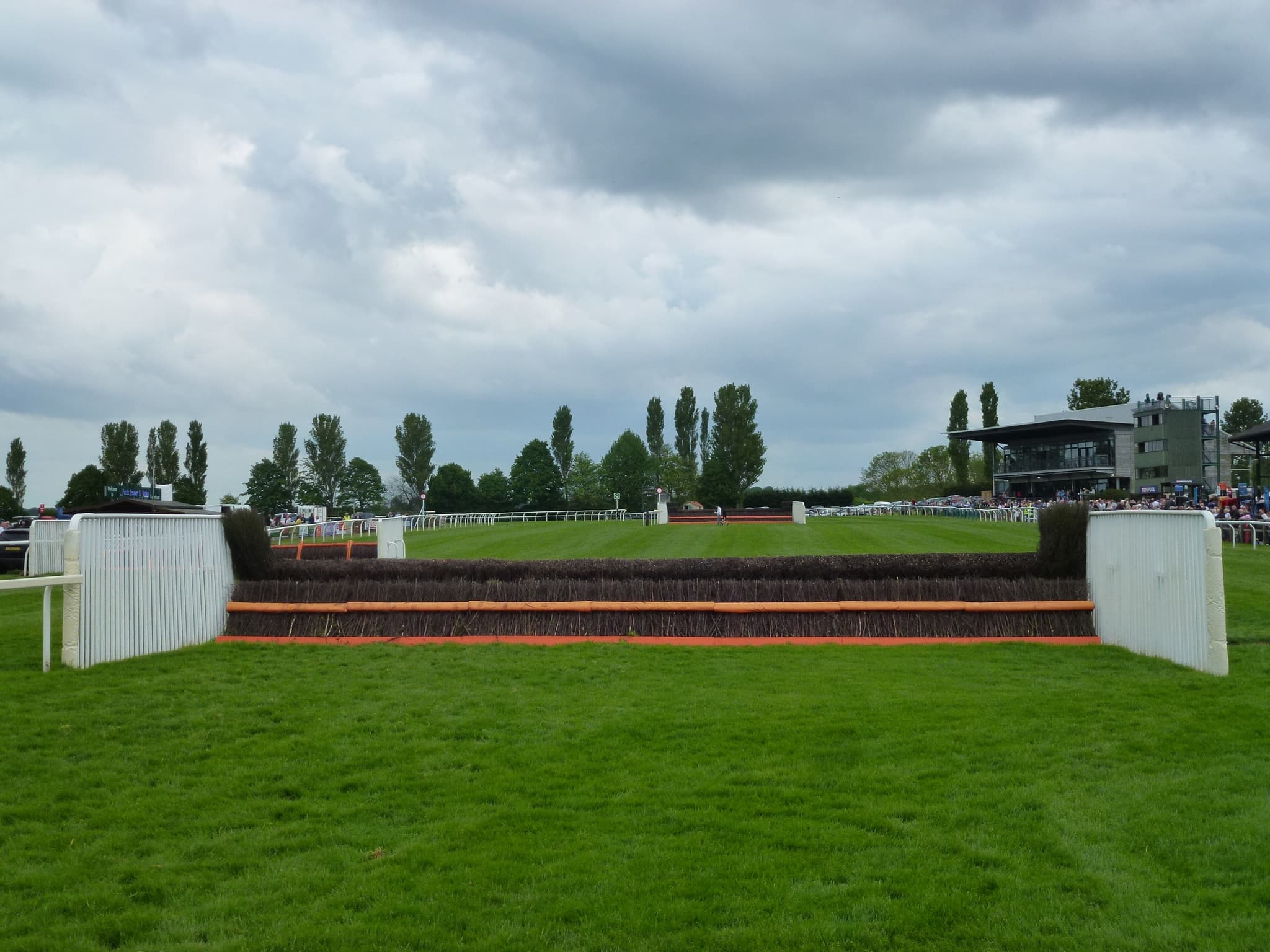
What follows is the venue-level part of a day at Fakenham, which holds whichever fixture you pick: how the place feels, how to get there, and what to expect when you arrive. Fakenham is one of Britain's smallest National Hunt courses and East Anglia's only jumps venue, and the scale is the point of it.
Bet on Fakenham
Place your bets on Fakenham races with a trusted bookmaker.

Promo code BETFRED50. New customers only. Register, deposit with a Debit Card, and place a first bet of £10+ at Evens (2.0)+ on Sports, to be settled within 7 days, to get £30 in Sports Free Bets and £20 in Bet Builder Free Bets within 24 hours of settlement. 7-day expiry. Eligibility & payment exclusions apply. Full T&Cs apply. Take Time to Think. BeGambleAware.org. 18+. Full T&Cs.

Promo code R30. New UK customers only, 18+. Register, deposit £10 or more, then place a £10 single cash bet at odds of 1/2 (1.5) or greater on any sports market (excluding Virtuals). Once the qualifying bet settles you get £30 in Free Bets (3 x £10) — the qualifying bet can win or lose. Free Bets are valid on any sports market excluding Virtuals, expire in 7 days, are non-withdrawable and must be used in full. Excluded deposit methods apply (including PayPal, Apple Pay, Skrill and NETELLER). Named bets such as Lucky 15 do not qualify. If you cash out the qualifying bet, or it is voided, you are no longer eligible for the offer. Ends 31.12.26. Full T&Cs apply. Please gamble responsibly. BeGambleAware.org. 18+. Full T&Cs.

Promo code BET40GET20. New UK customers, 18+. Register with the code and place a first bet of £40 or more at Evens (2.0) or greater. Receive 2 × £10 free bets: the first credited automatically once the qualifying bet settles, the second 24 hours later. Free bets must be placed at minimum odds of 4/1 (5.0), expire 24 hours after credit, and the free-bet stake is not returned with winnings. Debit card deposits only. Take Time to Think. BeGambleAware.org. 18+. T&Cs apply. Full T&Cs.

50% of your first-day net losses refunded as a free bet, capped at £25. New UK customers aged 18+ only. To qualify, deposit and place a first bet of £10 or more on any sport at minimum odds of evens (2.00), then place at least two further bets on different events, each worth at least 50% of your largest bet, all at evens (2.00) or greater. Losses are counted from your first settled bet until 23:59 the same day. Place a qualifying £10+ bet and you are guaranteed at least a £5 free bet. Bets placed at SP, void bets, cashed-out bets and bets struck with free bets do not count towards the offer. The free bet is credited the day after your qualifying bets settle and must be used within 7 days, after which it expires. It can be used at odds from 1/4 (1.25) up to 250/1 on singles and straight accumulators, but not on Trixie, Patent or Yankee style multiples. Free-bet stake is not returned with winnings. One offer per person, household, address, IP address and device. E-wallet deposits may not qualify, so check the cashier before depositing. Customers registered with GAMSTOP cannot claim. KYC identity verification must be completed before the free bet is credited. Take Time to Think. BeGambleAware.org. 18+. T&Cs apply. Full T&Cs.

New customers, 18+. Choose the sports bonus at sign-up, make a first deposit and receive a 100% bonus up to £50 in your Sports Bonus balance. To convert the bonus to cash, wager it 10x within 30 days. Single bets below Evens (2.00) do not qualify; accumulators do not qualify if any selection is below 1/2 (1.50). Virtual Sports, voided, cancelled, drawn, cashed-out and free-bet wagers do not count towards wagering. Only the first settled bet per event counts. Withdrawing before the wagering requirement is met forfeits the bonus balance including bonus winnings. Real-money funds are used before bonus funds. Deposits via Skrill or Neteller are not eligible. Not valid in conjunction with other promotions. Odds, bet and payment limits apply. 10bet general and promotion T&Cs apply. BeGambleAware.org. 18+. Full T&Cs.

New customers in Great Britain and Republic of Ireland, 18+. Place a £10 fixed-odds qualifying bet at minimum odds of 1/2 (1.50) — single or each-way (only the win part counts), pre-event or in-play, not cashed out early, within 28 days of opening the account. Receive up to £60 in bonuses credited over three days: 3 × £10 fixed-odds free bets (the first on settlement, then 24 and 48 hours later) plus 3 × £5 Total Goals FOOTBALL spread bets, 3 × £5 racing Winning Favourites spread bets and a £1 racing Race Index spread bet (the spread bets need a full spread-betting account). Free-bet stakes not returned with winnings; free bets valid 28 days from issue. IMPORTANT: the £5 credits are SPREAD bets — sports spread betting carries the risk that losses can exceed your stake. Sports spread-betting customers do not have Financial Ombudsman or FSCS recourse. Take Time to Think. BeGambleAware.org. 18+. T&Cs apply. Full T&Cs.

Promo code WELCOME15, entered under My Bonuses after registering. New UK customers, 18+. Place a first qualifying bet of at least £10 from your cash balance at odds of evens (2.0) or greater within 7 days of opening the account. Once the qualifying bet fully settles you receive £15 in free bets, credited as 3 x £5 tokens with set uses: one £5 accumulator free bet (minimum 4 legs, each leg at 2/5 or bigger), one £5 sports free bet (any market at evens or bigger) and one £5 Sub Cover free bet (selected football player markets at evens or bigger). Free-bet stakes are not returned with winnings. Free bets expire 7 days after they are credited. Void, cashed-out and partially cashed-out bets do not qualify. One offer per customer. Confirm the current terms on BetGoodwin's own welcome-offer page before claiming. Take Time to Think. BeGambleAware.org. 18+. T&Cs apply. Full T&Cs.

New UK customers, 18+. Minimum deposit £10. Place a £10 qualifying single at minimum odds of 1/2 (1.50), settled within 14 days. Receive £30 in free bets (stake not returned), split £20 for sportsbook use (2 x £10) and £10 for Bet Builder only (2 x £5); Bet Builder does not cover horse racing. Free bets must be accepted within 7 days and expire 7 days after acceptance. No promo code required. Best Odds Guaranteed on UK & Irish racing, subject to having staked over £25 in the previous seven days. Operated by LiveScore Betting and Gaming (Gibraltar) Ltd, UKGC 56859. Confirm the current terms on LiveScore Bet's own promotions page before claiming. Take Time to Think. BeGambleAware.org. 18+. T&Cs apply. Full T&Cs.
18+. BeGambleAware.org
The Races
We are not publishing a race-by-race preview here. The one that stood here was built around the Fakenham Gold Cup, a race that does not exist, and the detail hung off it was invented alongside it: a Grade Three handicap chase over three miles and one furlong, prize money of around thirty thousand pounds, a roll of past winners who went on to win at the Cheltenham Festival, a Listed bumper, and a list of targeting trainers that described two West Country yards as local to Norfolk. None of it can be repaired by renaming the race, because none of it was ever measured against a real one.
For the racing on Fakenham's biggest day, see the Norfolk National guide. The Norfolk National is a staying handicap chase over about three miles and five furlongs, run on the early-May bank holiday Monday.
Fakenham's other named races are the Fakenham Silver Cup, a Class 3 handicap hurdle over two miles at the Spring National Hunt meeting in March, and the Queen's Cup, a hunters' chase.
The Atmosphere
Norfolk National day at Fakenham feels like stepping into racing's best-kept secret. The Norfolk countryside provides a backdrop that's quintessentially English, with the course's intimate scale creating an atmosphere that's part village fête, part serious racing theatre. You're close enough to hear the jockeys' instructions and feel the thunder of hooves as they pass the stands.
A Proper Racing Day Out
The crowd on the big day swells to capacity, transforming Fakenham from its usual cosy gathering into something approaching a proper racing festival. Local farming families mix with serious punters who've travelled from across East Anglia, creating that perfect blend of knowledgeable racing chat and genuine enthusiasm. The betting ring buzzes with activity as bookmakers who know their regulars by name handle significantly more serious money than usual.
What strikes you immediately is how accessible everything feels. There's no corporate hospitality fortress here – just honest-to-goodness racing where you can wander freely between the paddock, the stands, and the winner's enclosure. The atmosphere builds steadily through the afternoon, reaching its crescendo as the Gold Cup field parades before the feature race.
The Sound of Success
When a local trainer sends out a winner, the roar from the stands carries genuine warmth rather than mere excitement. Fakenham's regulars know their horses and their connections, so victories feel personal rather than abstract. The cheers for a popular winner can be heard across the Norfolk countryside, and the celebrations in the winner's enclosure often involve half the crowd pressing forward to congratulate connections.
The commentary from the course announcer adds to the intimate feel – he knows the horses' quirks, the jockeys' riding styles, and isn't afraid to share local knowledge that you'd never hear at the bigger tracks. His calls during the Gold Cup itself become part of the day's theatre, building tension as the field approaches the final fence.
Traditions That Matter
The big day has developed its own rituals over the decades. The pre-race parade for the feature event sees connections genuinely nervous rather than going through corporate motions. Local sponsors present the trophies with obvious pride, and the winning speeches often reference family connections to the course that stretch back generations.
The post-race celebrations extend well beyond the official presentations. Winners often find themselves holding court in the bar area, sharing their success with punters who backed them and connections who've followed their progress. These impromptu gatherings capture something that's been lost at many bigger venues – the sense that everyone present shares a genuine love of the sport.
Famous Faces and Local Heroes
While Fakenham doesn't attract the celebrity circus that follows Cheltenham or Ascot, the big day regularly draws racing's authentic personalities. You might spot a champion jockey enjoying a quiet drink, or a successful trainer studying the form for smaller meetings. The lack of paparazzi means these figures can actually engage with racing fans properly.
Local trainers become the day's real stars. When a Norfolk-based yard sends out the winner of the feature, the celebration feels like a community achievement. These moments create the stories that get retold in local pubs for years afterwards, cementing Fakenham's place in the hearts of East Anglian racing folk.
The Final Furlong Feeling
As the afternoon progresses and the light begins to fade over the Norfolk countryside, the day takes on an almost magical quality. The combination of serious racing, genuine atmosphere, and stunning rural setting creates memories that linger long after the final race. You leave feeling you've experienced something authentic – proper racing in its most honest form.
The car park empties slowly as racegoers reluctant to end the day continue their conversations beside their cars. Many will already be planning their return next year, knowing they've witnessed something special at one of jump racing's most characterful venues. That is the Fakenham effect on its biggest day. It gets under your skin and stays there.
Attending: What You Need to Know
Getting There
Fakenham's rural Norfolk location means planning your journey is essential, especially on Norfolk National day when this intimate 5,000-capacity course fills to the brim. The nearest railway station is King's Lynn, roughly 20 miles away, making car travel the most practical option for most racegoers.
If you're driving, arrive early — the single-track roads around the course become congested from midday onwards. Free parking is available in the adjacent fields, but spaces fill quickly on Gold Cup day. The postcode NR21 7NY will get you there, but follow the brown tourist signs once you're in the Fakenham area rather than relying solely on sat-nav.
Public transport requires commitment but is doable. Take the train to King's Lynn, then catch the 36 bus service to Fakenham town centre (journey time around 45 minutes). From there, it's either a pleasant 15-minute walk to the course or a short taxi ride. Some racegoers arrange shared taxis from King's Lynn station — worth organising in advance through social media racing groups.
Tickets and Enclosures
Fakenham operates a refreshingly simple two-enclosure system that reflects the course's unpretentious character. Advance booking is strongly recommended for the big day, with tickets typically going on sale in December.
Members Enclosure (around £25-30) offers the premium experience with access to the Members Bar, restaurant facilities, and the best viewing positions around the parade ring and winning post. The atmosphere here is convivial rather than stuffy — think country members' club rather than Royal Ascot formality.
Tattersalls Enclosure (around £18-22) provides excellent value and arguably the better atmosphere on big days. You'll find the main betting ring here, along with the majority of racegoers who create Fakenham's famous community spirit. The viewing is perfectly adequate, and you're never more than a few steps from the action.
Children under 18 go free when accompanied by an adult — a family-friendly policy that adds to the course's welcoming atmosphere.
What to Wear
Fakenham's dress code is wonderfully relaxed compared to the major tracks. Smart casual is perfectly acceptable in both enclosures, though the Members area expects a slightly more polished look. Think country pub smart rather than wedding guest formal.
January weather in Norfolk can be brutal, so prioritise warmth over style. Waterproof jackets are essential, and many regulars swear by thermal layers. Wellington boots are not only acceptable but often the most sensible choice — the course can get muddy, and nobody will bat an eyelid.
Avoid anything too flashy or formal. Fakenham's charm lies in its authenticity, and racegoers who overdress often look out of place among the tweeds and waxed jackets that dominate the enclosures.
On the Ground
Arrive at least an hour before the first race to soak up the pre-racing atmosphere and secure your preferred viewing spot. The course's compact layout means you can easily walk the entire perimeter, but the area around the winning post and the bend into the home straight offer the most exciting vantage points.
The parade ring is intimate enough that you can get genuinely close to the horses and connections. This proximity is one of Fakenham's greatest assets — you'll overhear conversations between trainers and jockeys that would be impossible at larger venues.
For the feature race itself, position yourself on the Members lawn or the Tattersalls rail opposite the stands. The home straight is relatively short, so the action unfolds quickly once the field turns for home. The atmosphere builds noticeably as the big race approaches, with even casual racegoers caught up in the excitement.
Food and Facilities
The course's catering reflects its rural setting with hearty, traditional fare. The Members restaurant serves proper sit-down meals, while the various bars and kiosks offer everything from bacon rolls to fish and chips. Prices are reasonable by racing standards — expect to pay around £4-5 for a pint and similar for basic food items.
The betting ring operates in the traditional manner, with both on-course bookmakers and Tote facilities available. The atmosphere here is particularly authentic, with local bookies who've been serving Fakenham for decades alongside the bigger firms.
Facilities are clean and adequate rather than luxurious, which suits the course's character perfectly. The main grandstand provides shelter if the weather turns, though many racegoers prefer to stay outdoors to maintain their connection with the action.
Betting on the Day
We are not publishing a betting preview for this day. What stood here described the ante-post market for the Fakenham Gold Cup, when that market opened, which Irish yards it attracted and a purse quoted in euros at a British racecourse. The race does not exist, so none of it was ever true.
What holds is a point about the venue rather than any one race. Fakenham is a compact, sharp, left-handed circuit with a short run-in, so form from wider and more galloping tracks does not always read across, and course experience counts for more here than it does at a conventional course. The betting guide covers that in full, and the Norfolk National guide covers the feature race on the day.
Whatever you back, only stake what you can afford to lose. Free help and advice is available at BeGambleAware.org.
Frequently Asked Questions
Share this article
More about this racecourse
All Fakenham guides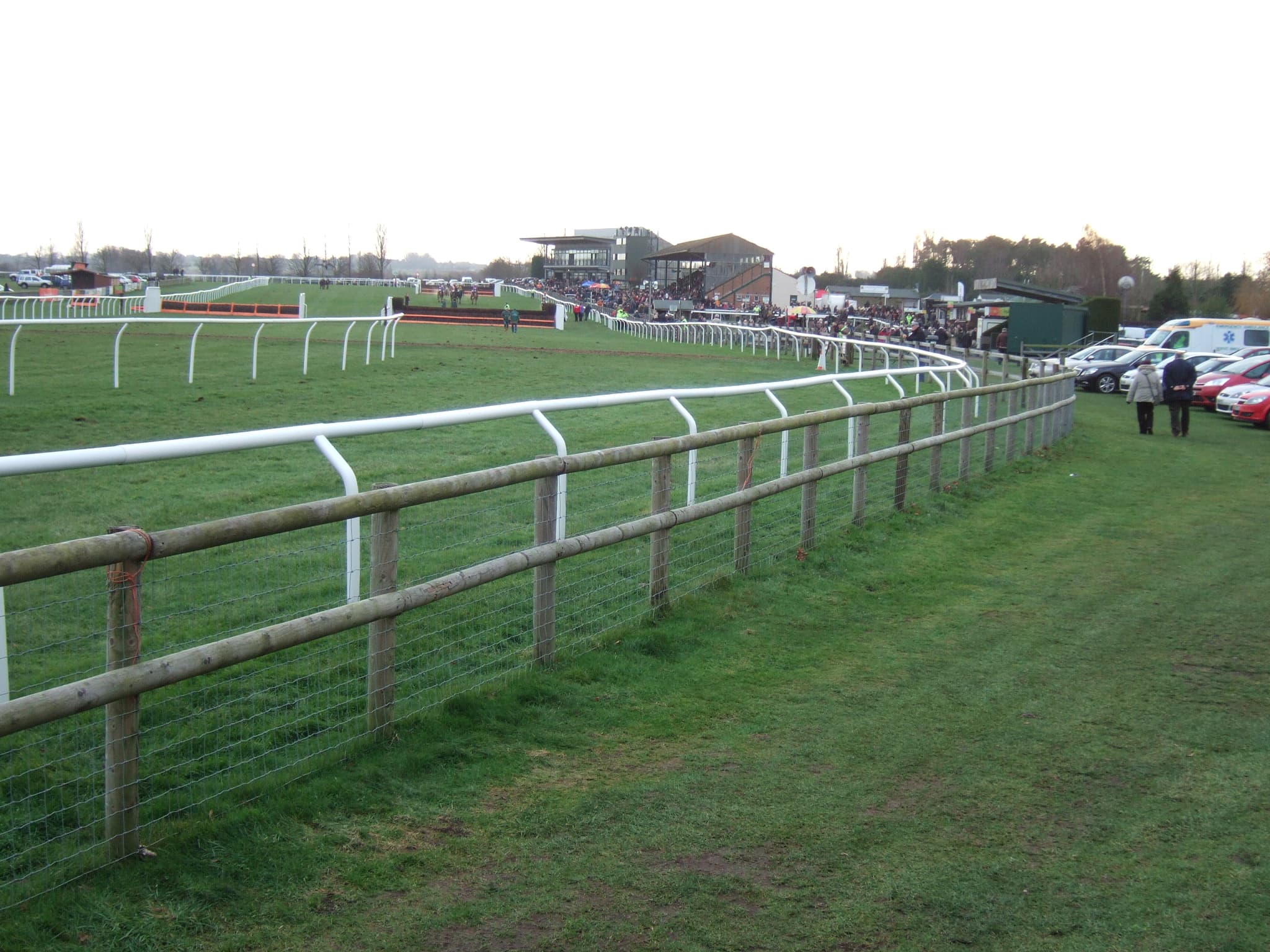
Fakenham Racecourse: Complete Guide
Everything you need to know about Fakenham Racecourse — East Anglia's only jumps venue, the Fakenham Gold Cup, and racing in Norfolk.
Read more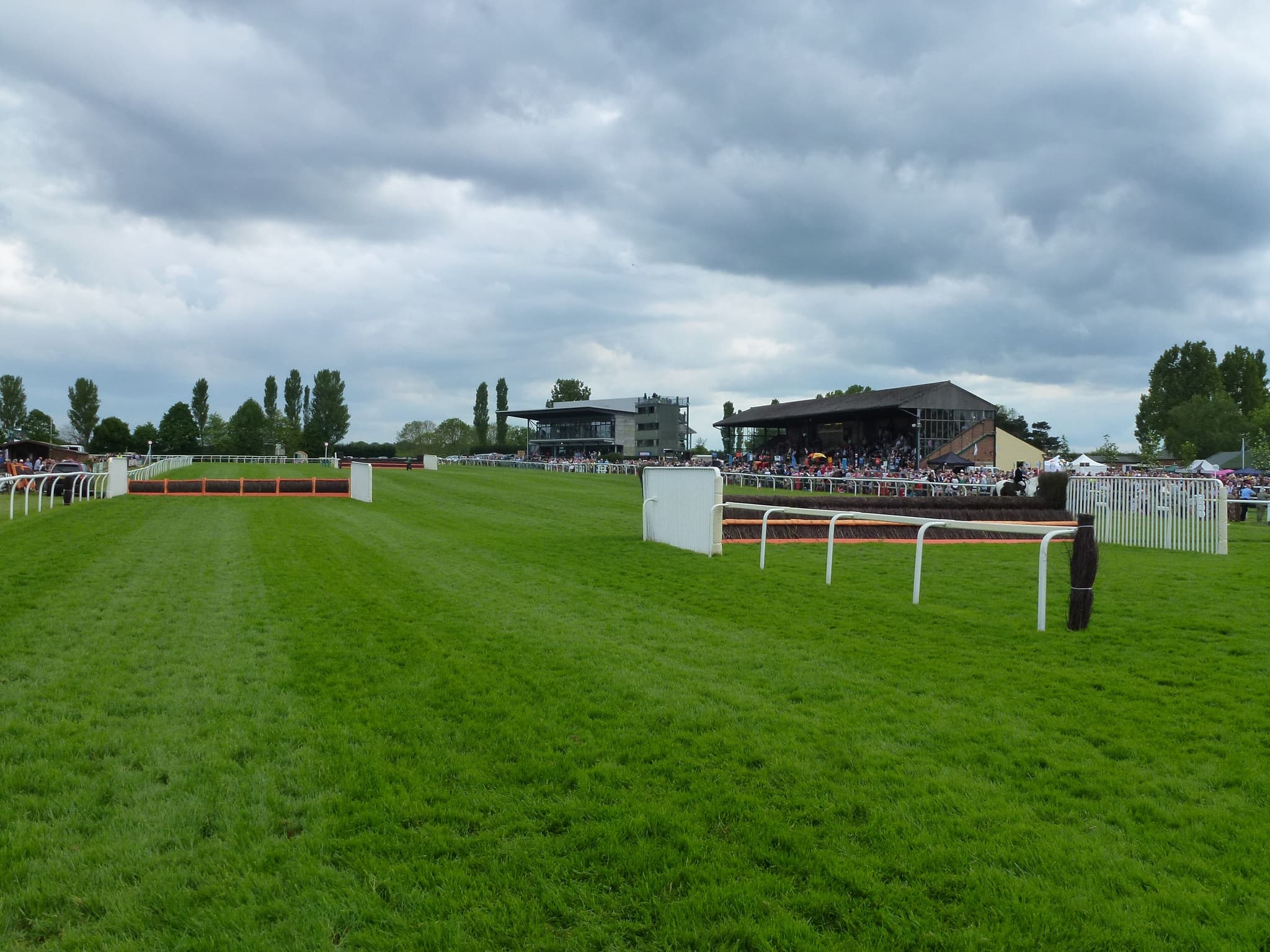
A Day Out at Fakenham Racecourse
Everything you need for a day at Fakenham — getting there, what to wear, enclosures, food and drink, and insider tips for East Anglia's only jumps venue.
Read more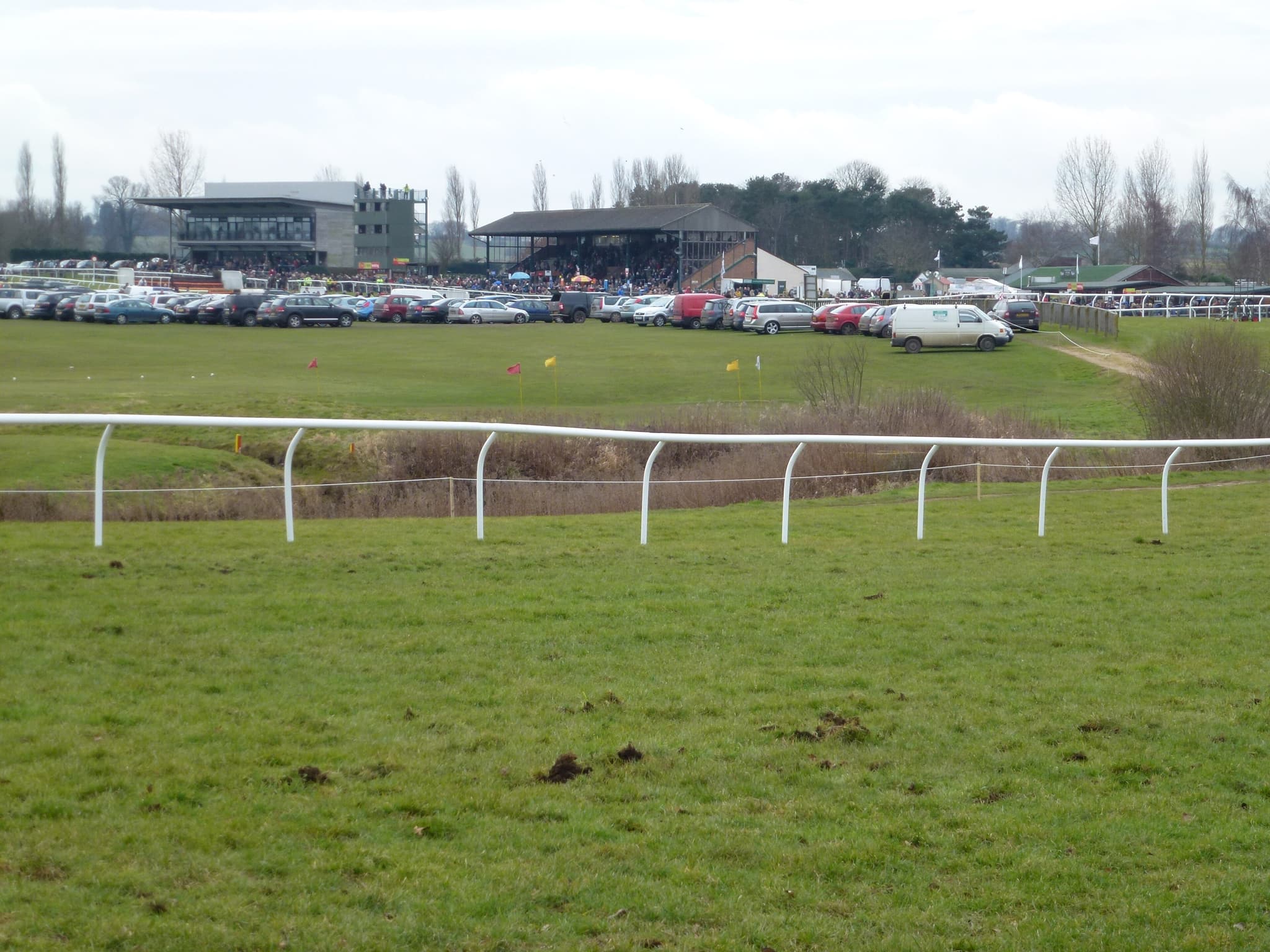
Fakenham Festival Guide: Your Complete Guide
Complete guide to Fakenham's racing festivals. Day-by-day coverage, key races, betting tips and visitor information for Norfolk's intimate jump racing venue.
Read morePhotos on this page are used under Creative Commons licences. Titles, sources and licence links for each one are on our image credits page.
Research the field with the AI Race Predictor
Our model publishes calibrated win-probability estimates for UK races — a second opinion to understand a race, not tips. It's open about its record: it doesn't beat the market, and we show exactly how it does.
Work it out & learn the basics
Gamble Responsibly
Gambling should be entertaining and not seen as a way to make money. Never bet more than you can afford to lose. If you or someone you know has a gambling problem, help and support is available.