
Founder & Editor · Last reviewed 2026-03-02
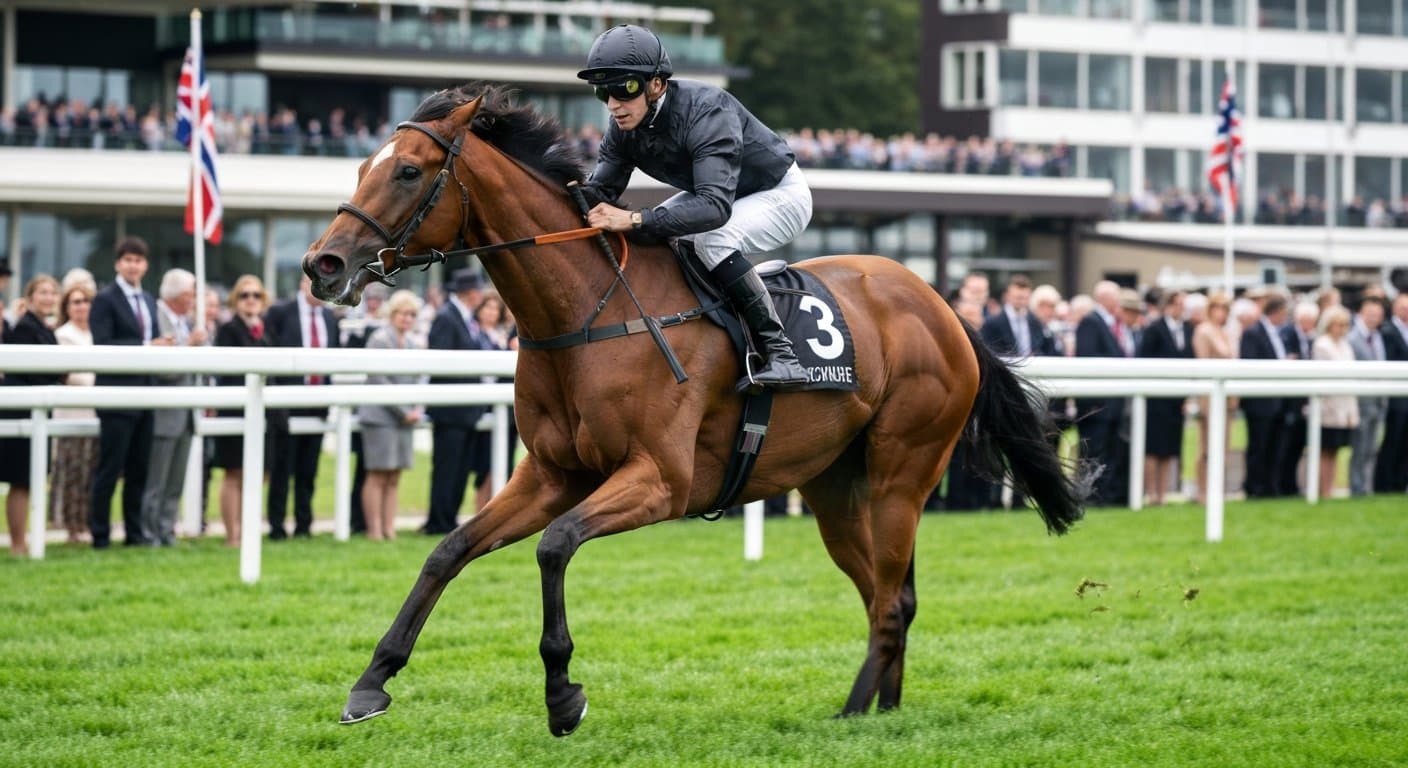
Sprint Cup day is the highlight of Haydock Park's flat season and one of the finest afternoons of sprinting you will find anywhere in Europe. Held on a Saturday in early September, it centres on the Betfair Sprint Cup, a Group 1 contest over six furlongs that attracts the fastest horses on the continent for a race that regularly decides the champion sprinter of the year.
What makes Sprint Cup day special is the quality. This is not a handicap meeting with a feature race bolted on. It is a top-class fixture where the best sprinters in training take each other on at the business end of the flat season. The field typically includes winners from Royal Ascot, the July meeting at Newmarket, and Goodwood's summer festival, all converging on Haydock for one final showdown before the season winds down towards Champions Day at Ascot in October.
For racegoers, it is a first-rate day out. The atmosphere on Sprint Cup Saturday has a buzz that you do not get at Haydock's regular fixtures. The crowd is bigger, the bars are busier, and the betting ring crackles with energy. The supporting card is competitive too, with several valuable handicaps and a couple of stakes races that offer excellent betting opportunities in their own right.
The race has a history stretching back to 1966, when it was first run as the Vernon Sprint Cup. Six decades later, now carrying the Betfair name and Group 1 status since 1988, it remains British sprinting's most important September contest. Names like Dayjur, Lochsong, Muhaarar, Quiet Reflection and Battaash are on its roll of honour, a list of horses that represents the very best the sprint division has produced in any era.
Haydock's straight six furlongs has characteristics that make it a truly demanding test. It is not the sharp, speed-track sprint you find at some courses. The straight here is a stiff, galloping track that rewards big-striding horses with real athletic power. When the ground has cut in it, as it frequently does by September, the test becomes even more searching, and the type of horse that wins shifts accordingly. Understanding those subtleties is at the heart of betting intelligently on this race.
Whether you are a seasoned sprinting enthusiast who has been following the division all season or someone who just fancies a top-quality afternoon at the races, Sprint Cup day delivers. This guide covers the history of the race, what to expect from the contest itself, the betting angles that can give you an edge, and practical tips for making the most of the full card. For general tips on visiting the course, see our day-out guide.
Bet on Haydock Park
Place your bets on Haydock Park races with a trusted bookmaker.

Promo code BETFRED50. New customers only. Register, deposit with a Debit Card, and place a first bet of £10+ at Evens (2.0)+ on Sports, to be settled within 7 days, to get £30 in Sports Free Bets and £20 in Bet Builder Free Bets within 24 hours of settlement. 7-day expiry. Eligibility & payment exclusions apply. Full T&Cs apply. Take Time to Think. BeGambleAware.org. 18+. Full T&Cs.

Promo code R30. New UK customers only, 18+. Register, deposit £10 or more, then place a £10 single cash bet at odds of 1/2 (1.5) or greater on any sports market (excluding Virtuals). Once the qualifying bet settles you get £30 in Free Bets (3 x £10) — the qualifying bet can win or lose. Free Bets are valid on any sports market excluding Virtuals, expire in 7 days, are non-withdrawable and must be used in full. Excluded deposit methods apply (including PayPal, Apple Pay, Skrill and NETELLER). Named bets such as Lucky 15 do not qualify. If you cash out the qualifying bet, or it is voided, you are no longer eligible for the offer. Ends 31.12.26. Full T&Cs apply. Please gamble responsibly. BeGambleAware.org. 18+. Full T&Cs.

Promo code BET40GET20. New UK customers, 18+. Register with the code and place a first bet of £40 or more at Evens (2.0) or greater. Receive 2 × £10 free bets: the first credited automatically once the qualifying bet settles, the second 24 hours later. Free bets must be placed at minimum odds of 4/1 (5.0), expire 24 hours after credit, and the free-bet stake is not returned with winnings. Debit card deposits only. Take Time to Think. BeGambleAware.org. 18+. T&Cs apply. Full T&Cs.

50% of your first-day net losses refunded as a free bet, capped at £25. New UK customers aged 18+ only. To qualify, deposit and place a first bet of £10 or more on any sport at minimum odds of evens (2.00), then place at least two further bets on different events, each worth at least 50% of your largest bet, all at evens (2.00) or greater. Losses are counted from your first settled bet until 23:59 the same day. Place a qualifying £10+ bet and you are guaranteed at least a £5 free bet. Bets placed at SP, void bets, cashed-out bets and bets struck with free bets do not count towards the offer. The free bet is credited the day after your qualifying bets settle and must be used within 7 days, after which it expires. It can be used at odds from 1/4 (1.25) up to 250/1 on singles and straight accumulators, but not on Trixie, Patent or Yankee style multiples. Free-bet stake is not returned with winnings. One offer per person, household, address, IP address and device. E-wallet deposits may not qualify, so check the cashier before depositing. Customers registered with GAMSTOP cannot claim. KYC identity verification must be completed before the free bet is credited. Take Time to Think. BeGambleAware.org. 18+. T&Cs apply. Full T&Cs.

New customers, 18+. Choose the sports bonus at sign-up, make a first deposit and receive a 100% bonus up to £50 in your Sports Bonus balance. To convert the bonus to cash, wager it 10x within 30 days. Single bets below Evens (2.00) do not qualify; accumulators do not qualify if any selection is below 1/2 (1.50). Virtual Sports, voided, cancelled, drawn, cashed-out and free-bet wagers do not count towards wagering. Only the first settled bet per event counts. Withdrawing before the wagering requirement is met forfeits the bonus balance including bonus winnings. Real-money funds are used before bonus funds. Deposits via Skrill or Neteller are not eligible. Not valid in conjunction with other promotions. Odds, bet and payment limits apply. 10bet general and promotion T&Cs apply. BeGambleAware.org. 18+. Full T&Cs.

New customers in Great Britain and Republic of Ireland, 18+. Place a £10 fixed-odds qualifying bet at minimum odds of 1/2 (1.50) — single or each-way (only the win part counts), pre-event or in-play, not cashed out early, within 28 days of opening the account. Receive up to £60 in bonuses credited over three days: 3 × £10 fixed-odds free bets (the first on settlement, then 24 and 48 hours later) plus 3 × £5 Total Goals FOOTBALL spread bets and 3 × £5 racing Winning Favourites spread bets, with a £1 racing Race Index spread bet as an extra on top. The spread bets need a full spread-betting account, opened within 28 days of the fixed-odds account and subject to Spreadex's eligibility and appropriateness checks. Free-bet stakes not returned with winnings; free bets valid 28 days from issue. IMPORTANT: the £5 credits are SPREAD bets — sports spread betting carries the risk that losses can exceed your stake. Sports spread-betting customers do not have Financial Ombudsman or FSCS recourse. Take Time to Think. BeGambleAware.org. 18+. T&Cs apply. Full T&Cs.

Promo code WELCOME15, entered under My Bonuses after registering. New UK customers, 18+. Place a first qualifying bet of at least £10 from your cash balance at odds of evens (2.0) or greater within 7 days of opening the account. Once the qualifying bet fully settles you receive £15 in free bets, credited as 3 x £5 tokens with set uses: one £5 accumulator free bet (minimum 4 legs, each leg at 2/5 or bigger), one £5 sports free bet (any market at evens or bigger) and one £5 Sub Cover free bet (selected football player markets at evens or bigger). Free-bet stakes are not returned with winnings. Free bets expire 7 days after they are credited. Void, cashed-out and partially cashed-out bets do not qualify. One offer per customer. Confirm the current terms on BetGoodwin's own welcome-offer page before claiming. Take Time to Think. BeGambleAware.org. 18+. T&Cs apply. Full T&Cs.

New UK customers, 18+. Minimum deposit £10. Place a £10 qualifying single on sports (excluding virtuals) at minimum odds of 1/2 (1.50), settled within 14 days. Deposit-method exclusions apply. Receive £30 in free bets (stake not returned), split £20 for sportsbook use (2 x £10) and £10 for Bet Builder only (2 x £5); Bet Builder does not cover horse racing. Free bets must be accepted within 7 days and expire 7 days after acceptance. No promo code required. Best Odds Guaranteed on UK & Irish racing, subject to having staked over £25 in the previous seven days. Operated by LiveScore Betting and Gaming (Gibraltar) Ltd, UKGC 56859. Confirm the current terms on LiveScore Bet's own promotions page before claiming. Take Time to Think. BeGambleAware.org. 18+. T&Cs apply. Full T&Cs.
18+. BeGambleAware.org
History of the Sprint Cup
Origins: The Vernon Sprint Cup
The Sprint Cup has been a feature of the Haydock Park calendar since 1966, when it was first run as the Vernon Sprint Cup, sponsored by Vernon's, the football pools company based in Liverpool. The timing was apt. Vernon's was one of the major commercial forces in North West England, and Haydock, sitting between Liverpool and Manchester, was their natural home venue.
In those early years the race was a significant contest but not yet at the top of the sprinting tree. The field quality was solid without being exceptional, and the prize money, while competitive, did not rival the established sprint championship at other courses. What the Vernon Sprint Cup did from the start was attract real sprinting talent and generate serious betting interest. Haydock's proximity to two major cities and its strong working-class racing tradition meant the betting ring on sprint day was always lively.
The Pattern System and Group 1 Promotion
What changed the Sprint Cup's trajectory was its progressive elevation through the Pattern race classification system. When the European Pattern was introduced in the early 1970s, the Sprint Cup earned Group 2 status, placing it firmly in the top tier of European sprint races below the Group 1 category. For fifteen years it thrived at that level, attracting strong fields and building its reputation as one of the most reliable sprint races in the calendar.
Then, in 1988, came the step that defined the race's modern identity: promotion to Group 1. That upgrade was the making of the Sprint Cup. Suddenly Haydock's six-furlong September showpiece was the highest-rated sprint in Britain outside of Royal Ascot, and the best sprinters in Europe were expected to treat it seriously. Connections who had previously pointed towards Ascot or York for their autumn sprinting targets now had a third Group 1 to aim at, and it happened to suit the big-striding, galloping types that thrive on Haydock's straight course.
Dayjur and the 1990 Renewal
The 1990 Group 1 era almost immediately produced one of the race's most celebrated moments. Dayjur, one of the most electrifying sprinters of his generation and trained by Dick Hern, was sent to Haydock that September in what proved to be a statement performance. He won with breathtaking authority, displaying the kind of sustained, devastating pace that confirmed him as the best sprinter in the world.
Dayjur's subsequent misfortune at the Breeders' Cup, famously jumping a shadow on the run-in when clear and allowing Safely Kept to pass him, has overshadowed his European achievements in popular memory. But his Haydock performance was a real piece of sprinting brilliance on its own terms, and it helped establish the Sprint Cup as a race that attracted the very best in the world, not merely the best in Britain.
Lochsong: Two in a Row
Few horses in the race's history have captured public imagination as completely as Lochsong. Trained by Ian Balding and ridden primarily by Frankie Dettori, she won the Sprint Cup in both 1992 and 1993, becoming one of the most popular racehorses of her era. Lochsong's style was aggressive and exhilarating. She would tear from the stalls, build an enormous lead in the first furlong, and simply sustain that frantic pace all the way to the line. She was not a horse who tried to conserve anything; she ran every race at maximum effort and somehow kept finding more.
Her back-to-back Sprint Cup victories placed her in the very top tier of the race's roll of honour. She was the sprinting star that casual racegoers had heard of, the horse that made people stop and watch rather than head to the bar. Lochsong winning the Sprint Cup at Haydock was appointment television, and her performances helped cement the race's status as one of the most engaging spectacles of the flat season.
The 1990s and 2000s: Building the Record
Through the late 1990s and 2000s, the Sprint Cup became a regular target for the top sprint yards. Stravinsky's victory in 1999 for Aidan O'Brien confirmed that the Irish were taking the race seriously, while horses like Nuclear Debate and Tante Rose left their mark on the race in this period. The contest developed a reputation for identifying top-class sprinters. Horses who could win a Sprint Cup were invariably the real deal, not one-day wonders.
The race's record through this period reflects the diversity of horse types that can succeed at Haydock. In years with quick ground, the purest speed merchants dominated; in wetter seasons, the emphasis shifted towards horses with a more galloping, staying-sprinter profile. That variability is part of what makes the Sprint Cup such a rich form puzzle, as there is no single template and the going conditions create truly different races from year to year.
Muhaarar and the 2015 Masterclass
The 2010s brought some of the most memorable Sprint Cups in the race's history. Of all the modern renewals, Muhaarar's 2015 victory stands apart. Owned by Hamdan Al Maktoum, trained by Charlie Appleby and ridden by Paul Hanagan, Muhaarar arrived at Haydock as the season's dominant sprinter and delivered a performance of stunning authority that effectively ended the sprint campaign's debate in a single afternoon. He did not just beat his rivals. He crushed them with a turn of foot that left seasoned observers searching for superlatives.
Muhaarar's victory was the kind of performance that resets a race's frame of reference. For a year or two afterwards, every Sprint Cup runner was measured against that standard, and the absence of any horse matching his authority was noted as evidence that he had been truly exceptional rather than the beneficiary of a weak year.
Quiet Reflection (2016) and Harry Angel (2017)
Back-to-back renewals in 2016 and 2017 produced two more excellent Sprint Cups. Quiet Reflection, trained by Karl Burke and ridden by Dougie Costello, was a compact, powerful filly who had blossomed through the summer of 2016 into a real Group 1 performer. Her Sprint Cup victory was a popular one in the North, trained as she was from Thirsk, and it reinforced the race's reputation for rewarding horses from outside the traditional powerhouse yards.
Harry Angel in 2017 was a different proposition, a horse with exceptional raw speed trained by Clive Cox and ridden by Adam Kirby. He arrived at Haydock having already shown Group 1 quality, and his win was authoritative enough to establish him as the season's outstanding sprinter. The back-to-back quality of those two renewals gave the Sprint Cup a truly elevated status going into the final years of the decade.
Battaash: Completing the Story (2020)
Charlie Hills's Battaash arrived at the Sprint Cup in 2020 carrying the weight of expectation that comes with being, at his best, the fastest horse in Europe. His record was one of extraordinary brilliance punctuated by occasional inconsistency. At Haydock that September he delivered one of the finest performances the race has ever seen, winning in a course record time that placed him firmly among the greats of the modern sprint era.
Battaash's victory was a fitting addition to a roll of honour that runs from Dayjur to Lochsong to Muhaarar, horses whose names are synonymous with sprinting at its most spectacular. The Sprint Cup has proved, across more than five decades, that it can identify the best sprinters of any era, and Battaash's inclusion in that list is evidence that the race continues to do exactly that.
Sponsorship and the Betfair Era
The race has carried various sponsor names over the decades: the Vernon Sprint Cup, the Stanley Leisure Sprint Cup, and most recently the Betfair Sprint Cup. Regardless of the name, the quality and prestige have been consistent. Betfair's association with the race has brought significant prize money investment, and the Group 1 status has been maintained through periods when the racing industry has debated the appropriate number of top-tier races in Britain's sprint programme.
The race remains Haydock's premier flat contest and one of the most significant sprints in the European calendar. Its September timing, after the summer Group 1s but before the autumn championships at Ascot, gives it a specific and important role: the last chance for the season's sprinters to lay down a marker before the final reckoning.
The Race
Distance and Course: Why Haydock's Six Furlongs is Different
The Sprint Cup is run over six furlongs on Haydock's flat course. The six-furlong start is positioned on the far side of the course, with runners joining the home straight for the final two and a half furlongs. This configuration means the race includes a sweeping left-handed bend before the straight, which influences tactics and positional play in a way that a purely straight six-furlong track would not.
The first two furlongs are typically run at a fierce pace as the sprinters break from the stalls and jockey for position approaching the turn. The bend itself is not sharp. Haydock is a galloping track, not a tight one, but it does require jockeys to balance their mount while maintaining momentum. Horses that can travel smoothly through the bend and hit the straight in a good position without wasting energy have a significant tactical advantage.
What makes Haydock's six furlongs distinctly different from many sprint tracks is its demanding, galloping character. Courses like Chester or Windsor offer sharp, tight tracks where the race is primarily about acceleration in a confined space. Haydock rewards a big-striding, powerful horse with a long, ground-covering action that can sustain pace over a stiff six. This is not a sprint for a compact, nippy type that explodes out of the gates and stays flat. It is a test of athletic power, and the horses who have won it down the years tend to be impressive physical specimens with a high cruising speed rather than a short, sharp burst.
This distinction matters for betting. When a horse who has won over sharp five or six furlongs on tight tracks comes to Haydock, treat its form with appropriate scepticism. Conversely, a horse whose form figures include performances at Haydock itself, or at similarly galloping, straight tracks like Goodwood, York or Newbury, is likely to find the conditions truly to its liking.
The Home Straight: Where Races Are Won and Lost
The final two and a half furlongs up the Haydock straight are where the race is decided. The straight is long enough for horses coming from behind to make up ground if the pace has been real through the bend, but short enough that front-runners who have stolen a few lengths at the head of the bend can hold on. The finish is frequently tight, with the best Sprint Cups decided by narrow margins.
The camber of the Haydock straight is subtly significant. The track has a slight right-to-left camber in parts of the straight, which means horses racing towards the far rail in the latter stages can find slightly different ground from those closer to the stands. This effect is amplified when the ground is soft. The drainage patterns across the track can create notable variation in how different parts of the course are riding, and horses positioned on the faster section have a real advantage.
In the closing stages, jockeys are often seen steering towards the stands' side in the final furlong. This is not accidental. On most going conditions, the ground nearest the stands' rail offers the best surface, and experienced jockeys at Haydock know this. Watch the earlier races on Sprint Cup day to identify whether there is a track advantage on one side of the straight before making your final Sprint Cup assessment.
How Haydock Suits Big-Striding Horses
The profile of the ideal Haydock Sprint Cup winner is consistent across the decades. Size and scope matter here more than at many sprint venues. Look at the winners: Dayjur was a powerful, scopey colt; Lochsong had a long, free-striding action that ate up the ground; Battaash combined extraordinary physical power with a seemingly inexhaustible engine. These are not small, compact sprinters. They are horses with the physical presence to dominate a demanding six furlongs.
The galloping character of the track also means that horses who prefer to be held up and produce a single burst of speed, the type of sprinter who wins off a slow pace with a devastating finish at sharp tracks, are less well suited than horses who can travel at a high, sustained pace for the full six furlongs. The Sprint Cup is not a race where settling and switching off pays dividends. It is a race of sustained high-end effort from the two-furlong marker to the line.
Typical Field Size and Runners
Sprint Cup fields typically range from eight to fifteen runners, with most renewals attracting ten to twelve. The field usually contains a mix of Group 1 winners with established form, progressive types stepping up in grade, and the occasional outsider from a shrewd yard who has been targeted at this specific race.
Three-year-olds carrying a weight allowance have a strong record in the Sprint Cup. The September timing means they are at the peak of their development, and the weight concession they receive from older horses can be worth several lengths over six furlongs. When a lightly-raced, improving three-year-old lines up against battle-hardened older sprinters, the weight allowance effectively closes much of the form gap on official ratings. Whenever such a horse combines improving form, Group 1 ability and the right physical profile for Haydock, it is worth close attention.
International runners add another layer of complexity to the field assessment. French sprinters, in particular, have a reasonable record in the Sprint Cup. They tend to be strong, galloping types who are suited to a demanding straight six rather than a sharp sprint track. Irish-trained runners have also featured prominently since the race reached Group 1, with the major Ballydoyle operation targeting the race in years when they have a suitable horse. European Group 1 form should always be treated as legitimate evidence, not penalised just because it comes from a different jurisdiction.
Conditions: How Soft Ground Changes the Race
September weather at Haydock is unpredictable, and the race has been run on everything from fast ground to truly soft. The ground conditions significantly influence the type of horse that wins, and understanding this is central to betting intelligently on the Sprint Cup year to year.
On quick ground, pure speed merchants tend to dominate. The race becomes an emphatic test of raw pace, and horses with the highest top speed will typically prevail. In these conditions, the betting market tends to reflect the form hierarchy fairly accurately. The fastest horse on good ground is usually the shortest price and has the best chance.
When there is real cut in the ground, soft, heavy-soft or heavy, the equation shifts in ways that create betting opportunities. The emphasis moves towards horses with a blend of speed and stamina who can sustain their effort through more demanding conditions. Horses with a family background suggesting they stay six or seven furlongs comfortably, rather than horses who are essentially five-furlong sprinters stretched to six, start to have a clear advantage. Their stride pattern, longer, more economical, better suited to pulling through a soft surface, becomes a physical advantage rather than an irrelevance.
The going history of recent Sprint Cup winners demonstrates this pattern clearly. In soft-ground renewals, the winner has typically been a horse with proven form on testing surfaces, a galloping rather than sharp-track background, and often a slightly longer preferred trip than the pure five-furlong specialist. When rain is forecast before the Sprint Cup, it is always worth reassessing the field entirely through the prism of soft-ground suitability rather than simple speed ratings.
Conditions Checklist Before the Race
Before finalising your Sprint Cup selection, work through the following questions:
Going conditions. What is the forecast? Has the course been watered? Is the going trending faster or slower as the meeting approaches? The Haydock groundstaff are experienced at managing the surface, but the September weather can override their best efforts in both directions.
Physical profile. Does the horse have the size, stride and galloping action suited to Haydock's demanding straight? Compare its profile to the established winners rather than to average sprint-track performers.
Weight allowance. If a three-year-old is in the field, calculate the adjusted ratings to see whether the weight concession gives it a real edge on the form.
Tactical shape. Which runners are confirmed front-runners? Which are hold-up horses? What is the likely pace, and does it suit your selection's running style?
Course form. Has the horse run at Haydock before? Course form is always useful context, and horses with a prior good run on the track have demonstrated that they handle the specific demands of the straight six.
Betting Angles
Draw Analysis
The draw in the Sprint Cup is a regularly debated topic, and rightly so. Over six furlongs on Haydock's configuration — a bend followed by a straight — stall position influences a horse's ability to find a good line through the turn and into the home straight. Historically, middle to high draws have performed well, though the effect varies depending on the going.
On soft or heavy ground, higher-numbered stalls (towards the stands' rail in the straight) have shown a slight advantage. The ground on the far side of the straight can ride slower in wet conditions as water drains towards the centre and stands' side of the track varies in its drainage quality. On good ground, the draw is less decisive, though a very low draw can leave a horse vulnerable to being shuffled wide around the turn and losing position. When assessing the Sprint Cup, note each runner's stall number and cross-reference it with the going — a horse drawn wide on soft ground has a real tactical edge, and this is not always reflected in the prices.
The draw effect at Haydock is less absolute than at some courses — a good horse drawn unfavourably can overcome it through superior ability or smart riding. But in a race where field sizes can reach twelve or thirteen, and where the difference between a well-positioned horse and a poorly-placed one through the bend can be several lengths, the draw is a legitimate filter for narrowing your shortlist.
In practice: on soft ground, look towards the higher stalls (roughly the top third of the draw); on good to good-to-soft ground, the draw is less critical and can be downweighted in your analysis. When the stalls are positioned unusually — check the morning declarations for exact positioning — apply this principle to the revised stall numbers rather than assuming a fixed correlation with the stands' rail.
Pace and Running Style
The tactical shape of the Sprint Cup matters enormously. In years when multiple confirmed front-runners line up, the pace is fierce from the outset, which tends to favour horses who settle in behind and produce a late run. When the field lacks early speed, a bold front-runner can dictate and control the tempo, making it hard for hold-up horses to get organised for their challenge.
Before the race, assess the likely pace scenario. Which runners want to lead? Are there two or three confirmed front-runners who will ensure a real gallop? Or is there a danger that one horse could steal a soft lead and dictate from the front?
When there is only one confirmed front-runner in the field, that horse has a real advantage: it can control the pace to suit itself, set a tempo that does not invite its own demise, and force the hold-up horses to come from further off the pace than they would like. In these circumstances, the front-runner's price often drifts in the market because punters underestimate the advantage of pace control in a six-furlong race.
Conversely, when three or four horses want to lead, the resulting pace can be so fierce that the race turns into a test of stamina from the three-furlong marker, and the hold-up horses who can produce a powerful finishing run are at a premium. Identifying which scenario is more likely — and which horses benefit from each — is one of the most rewarding analytical exercises in Sprint Cup preparation.
Form Lines to Trust
The most reliable form references for the Sprint Cup are the Group 1 sprints earlier in the season: the King's Stand Stakes and the Diamond Jubilee at Royal Ascot, the July Cup at Newmarket, and the Nunthorpe Stakes at York. Horses who have performed with credit in these races and arrive at Haydock in good form are the backbone of any serious Sprint Cup assessment.
The July Cup at Newmarket is arguably the most relevant prior form reference. Both races are run on wide, galloping straight tracks and attract similar field types; a horse who has run well at Newmarket over six furlongs in July is highly likely to appreciate Haydock's similar demands in September. The form between the July Cup and Sprint Cup tends to stack up with reasonable consistency year after year.
Goodwood's King George Stakes (five furlongs) in late July and the Nunthorpe at York (five furlongs) are also worth factoring in, but with a caveat — five-furlong specialists do not always stay the extra furlong at Haydock's stiff six. A horse whose best form is over five furlongs and who has never convincingly won or placed over six on a galloping track should be viewed sceptically at Haydock, even if its raw speed figures look impressive.
Be cautious about horses stepping up from Group 2 or Group 3 level without established Group 1 form. The Sprint Cup is a true championship race and the standard is consistently high. Horses that have been competitive at the top level before are far more reliable selections than those attempting to reach it for the first time. The occasional progressive type does make the leap, but the failure rate of first-time Group 1 aspirants in this race is significant.
Going Preference as a Betting Tool
As covered in the race section, the going is one of the sprint's most important variables. From a betting perspective, going preference creates systematic opportunities that the market does not always price efficiently.
When the going is forecast to be soft for the Sprint Cup, runners who have only produced their best on quick ground are logically at a disadvantage — yet the market sometimes fails to fully discount them. This happens because much of the betting public fixes on official ratings and recent high-profile form without properly adjusting for ground suitability. A horse rated 120 who has only run on good or firmer ground is not a 120-rated horse at Haydock on soft ground — its true chance is closer to a 108-110 rated horse on its preferred surface.
The converse is equally true. A horse rated 112 with proven form on soft ground — perhaps won a Group 2 on good-to-soft at Haydock in June — is underrated on official figures when the Sprint Cup ground is soft, because its effective performance level on that surface may be well above its official rating. Identifying these discrepancies between official ratings and ground-adjusted ability is where the real value lies.
Specific soft-ground Sprint Cup winners worth studying: Lochsong in 1993 (heavy ground), Battaash in 2020 (soft), Hamza in various renewals. Each demonstrated that the race on soft ground rewards horses with a particular physical profile and going preference that pure speed ratings do not capture.
Three-Year-Old Angle
Three-year-olds carrying a weight allowance have a strong historical record in the Sprint Cup. The concession they receive from older horses effectively reduces the ratings gap, and in September the best three-year-old sprinters are typically at peak condition having benefited from a full season's development.
When a three-year-old arrives with winning form at Group 1 or Group 2 level, evidence of improvement through the season, and the stamina to handle six furlongs at Haydock — which rides more like a stiff six than a sharp one — it is worth a close look. The weight allowance effectively means a three-year-old rated 115 is meeting older horses rated 118-120 on level terms. In a tight finish, those extra pounds can be decisive.
Check the adjusted ratings rather than the raw figures. A three-year-old rated 113 carrying 8st 12lb while older rivals carry 9st 7lb is, on handicap terms, getting nearly ten pounds from the older generation. If its Group 1 win came on suitable ground over an appropriate trip, that concession is a real edge — and the market does not always recognise it fully.
Trainer and Jockey Patterns
The Sprint Cup tends to attract the leading sprint trainers in Europe, and several have built specific records in the race worth tracking.
Richard Fahey from Musley Bank in North Yorkshire has saddled more Sprint Cup runners than almost any other British trainer in the modern era, with a strong understanding of what Haydock's straight six demands. His runners at Haydock sprint meetings generally perform above their market expectations. Karl Burke, who trained Quiet Reflection to her 2016 victory, is another northern trainer with a strong Haydock record — his horses tend to be particularly well prepared for September conditions on a course he knows well.
From the south, the major operations at Newmarket — Godolphin, Shadwell-linked yards, Juddmonte-trained runners — have strong Sprint Cup records, though they are generally well-reflected in the betting. The value from these yards tends to come in years when their runner is slightly overlooked because of a below-par prep run rather than real form concerns.
Jockeys with multiple Sprint Cup rides — Frankie Dettori, Ryan Moore, Paul Hanagan — have a clear advantage through familiarity with the track's demands. Dettori's partnership with Lochsong produced two of the race's most celebrated victories, and his reading of the Haydock straight in a sprint was near-faultless. Ryan Moore's ability to find the best ground in the straight and time his challenge to the metre is an advantage at a course where positioning in the final furlong matters.
Market Moves and Informed Money
Sprint Cup day generates significant betting turnover, and late market moves carry weight. If a horse drifts from its morning price, it is worth investigating why — a negative going report, a reported scope issue, or stable concerns can all cause a drift. Conversely, a horse shortening late in the market on Sprint Cup day usually reflects confidence from connections with real knowledge of the horse's condition.
One specific pattern is worth noting: horses that opened at 6/1 or 8/1 in ante-post markets and shortened to 4/1 or 5/1 by race day have a solid record in the Sprint Cup. This kind of consistent shortening — not a sudden move, but a steady drift towards the market — reflects sustained confidence rather than a single bet. These horses tend to run on the day because the improvement in their price is driven by the word from the stable over several days, not a single large bet.
Our broader betting guide covers more Haydock-specific strategies for the full fixture list.
Building a Sprint Cup Shortlist
A practical approach to Sprint Cup betting: start with the full field and apply filters sequentially to build a shortlist.
Filter 1 — Going suitability. Remove horses whose best form is exclusively on good ground if the going is forecast soft or softer. Keep horses with proven soft-ground form.
Filter 2 — Trip suitability. Remove horses whose best form is over five furlongs on sharp tracks without evidence they truly stay Haydock's stiff six. Keep horses with Goodwood, Newmarket, York or Haydock form over six.
Filter 3 — Grade. Prioritise horses with Group 1 form at sprint distances. Be sceptical of those stepping up from Group 2 or below for the first time.
Filter 4 — Draw. On soft ground, favour horses drawn towards the higher stalls. On good ground, treat the draw as neutral.
Filter 5 — Age and weight allowance. Identify whether any three-year-old in the field has a truly competitive adjusted rating — if so, include it regardless of headline rating.
After applying these filters, the typical shortlist will be three to five horses. Assess pace scenario, trainer and jockey form, and recent market moves to reach your final selection. The Sprint Cup is competitive enough that finding a winner from a shortlist of this kind is no easy task — which is why each-way betting, particularly on horses priced 8/1 or above who pass all five filters, often delivers the best return.
The Supporting Card
Beyond the Feature Race
Sprint Cup day is not a one-race meeting. The supporting card is typically one of the strongest Saturday cards of the autumn flat season, featuring a mix of stakes races and valuable handicaps that offer excellent betting opportunities for punters willing to look beyond the headline event.
The card usually includes at least one other Pattern race — often a Group 3 or Listed contest over a contrasting distance, providing variety for racegoers and punters who prefer middle-distance racing to sprinting. These supporting stakes races frequently attract useful types who are a cut below Group 1 level but well above handicap company, making them interesting form races in their own right. The Sprint Cup's drawing power means the undercard gets serious runners who might otherwise target a lesser fixture, and the overall quality of racing across the day is markedly higher than a standard Saturday card.
The Haydock Sprint Cup Day Card Structure
The full Sprint Cup day card typically runs to six or seven races, spread across approximately three and a half to four hours. The structure broadly follows this pattern:
Race 1 (early afternoon) — an opening handicap over five or six furlongs, often attracting a competitive field of northern-based sprinting types, many of whom are building towards bigger targets later in the season or rounding off a summer campaign. These races are well-attended by punters looking to warm up before the main event and are worth studying in their own right.
Race 2 — a middle-distance handicap or a Listed/Group 3 contest, providing a different pace and style of racing from the sprint-heavy programme. Longer-trip runners in this slot often come from yards aiming specifically at Sprint Cup day rather than the sprint division, and the overlap of trainers targeting the undercard and the feature race creates useful intelligence — a yard in good form across the whole card is worth noting.
Races 3 and 4 — the core of the supporting card, typically including the day's second Pattern race (frequently a Listed or Group 3 sprint or five-furlong contest that provides a natural lead-up or consolation for horses not quite at Group 1 level). The field quality in these races is often excellent, and they serve as an important form reference for the sprint division.
Race 5 (the Sprint Cup) — the Group 1 feature, positioned in the mid-to-late afternoon to build anticipation through the day. Its position penultimate or final in the card means the crowd's attention and energy peaks at the right moment.
Race 6 — a concluding handicap, often over seven furlongs or a mile, that provides a final betting opportunity and a chance to end the day's racing on a competitive note.
The Handicaps: Where the Value Lies
The handicaps on Sprint Cup day are where many experienced punters find their best opportunities. With the attention of the casual betting public focused overwhelmingly on the Group 1, the supporting handicaps are frequently underanalysed. Large fields, competitive racing, and real each-way prospects make these races ideal for the form student willing to do the groundwork.
A specific angle for the undercard handicaps: trainers who run horses on Sprint Cup day across both the main race and the supporting card are often at a professional peak. Their staff will be operating at full efficiency, the logistics of the day will be well-managed, and the stable confidence that accompanies a well-organised big day out often transfers to their handicap runners as well. A yard that runs a fancied Sprint Cup horse and also declares a runner in one of the undercard handicaps is worth monitoring — the same preparation and attention that has produced a competitive Group 1 runner may also have set up the handicapper for a big run.
Look also for horses with proven Haydock form at sprint distances in these supporting handicaps. Trainers often bring runners specifically because they know a horse handles the course well, and a 14/1 outsider with strong Haydock form in a competitive five-furlong handicap is a much more interesting bet than its price suggests.
Studying the Card for Sprint Cup Intelligence
One of the most underused tools in Sprint Cup betting is the evidence provided by the card itself before the big race. The earlier races tell you how the track is riding: which side of the straight is faster, whether front-runners are holding on or being caught, whether the going is riding faster or slower than the official description.
Watch the first two or three races specifically for:
Side bias. Are horses on the stands' rail consistently performing better or worse than those on the far rail? In races with fields spread across the full width, the difference between the winning and losing positions is often visible even before the Sprint Cup itself. If horses on the stands' side are winning by margins that suggest the ground is substantially faster there, apply that finding to the Sprint Cup draw analysis.
Pace patterns. Are front-runners dominating or getting caught? If the first two races both see held-up horses making up significant ground in the final furlong, that suggests the pace is real and closers are rewarded. If front-runners are holding on comfortably, the gallop may be slower than expected and front-running Sprint Cup contenders deserve extra credit.
Ground assessment. The official going description does not always capture what the horses experience. Watch horses finishing races and look for signs that they are struggling through a soft surface — a horse that is visibly laborious in its final stride, even after the effort of racing, is on truly heavy or slow ground. If multiple horses show this, reassess your Sprint Cup shortlist for ground suitability.
The Atmosphere
Sprint Cup Saturday draws one of Haydock's biggest flat-day crowds of the year. The Premier Enclosure fills up early, the betting ring is well attended, and there is a real sense of occasion in the air. It is not quite the scale of a big festival at York or Ascot, but it has its own appeal — a properly racing-focused afternoon where the quality on the track is the main attraction rather than fashion or corporate entertainment.
The racing crowd at Haydock on Sprint Cup day skews towards the knowledgeable. This is not primarily a day-out occasion or a social event — it attracts people who have followed the sprint season, who know the horses, and who come to watch the Group 1 with real purpose. The atmosphere in the final thirty minutes before the Sprint Cup itself is excellent — a quiet, concentrated energy as the field enters the parade ring and the betting market reaches its final form.
If you are planning to attend, booking tickets and parking in advance is advisable. The day-out guide covers all the practical details for making the most of your visit. Arrive early enough to see the first race — not just for betting purposes, but because the build-up through the afternoon is part of what makes Sprint Cup day rewarding.
Ante-Post Markets for the Undercard
Sprint Cup day ante-post activity tends to concentrate entirely on the Group 1, but the undercard handicaps sometimes offer their own ante-post markets in the days before the meeting. For a trainer who has specifically targeted one of these races, the early prices can be generous before the horse becomes well-known as a stable confidence bet. Following the declarations when they are made on the Tuesday before the meeting and assessing whether any horse has been specifically aimed at a Sprint Cup day handicap target can identify opportunities before the wider market catches up.
The full declarations and programme details are published on the Racing Post and the Jockey Club website in the week leading up to the meeting.
Frequently Asked Questions
Share this article
More about this racecourse
All Haydock Park guides
The Betfair Chase at Haydock Park
A complete guide to the Betfair Chase — Haydock's Grade 1 showpiece, its history, great winners, and how to bet on it.
Read more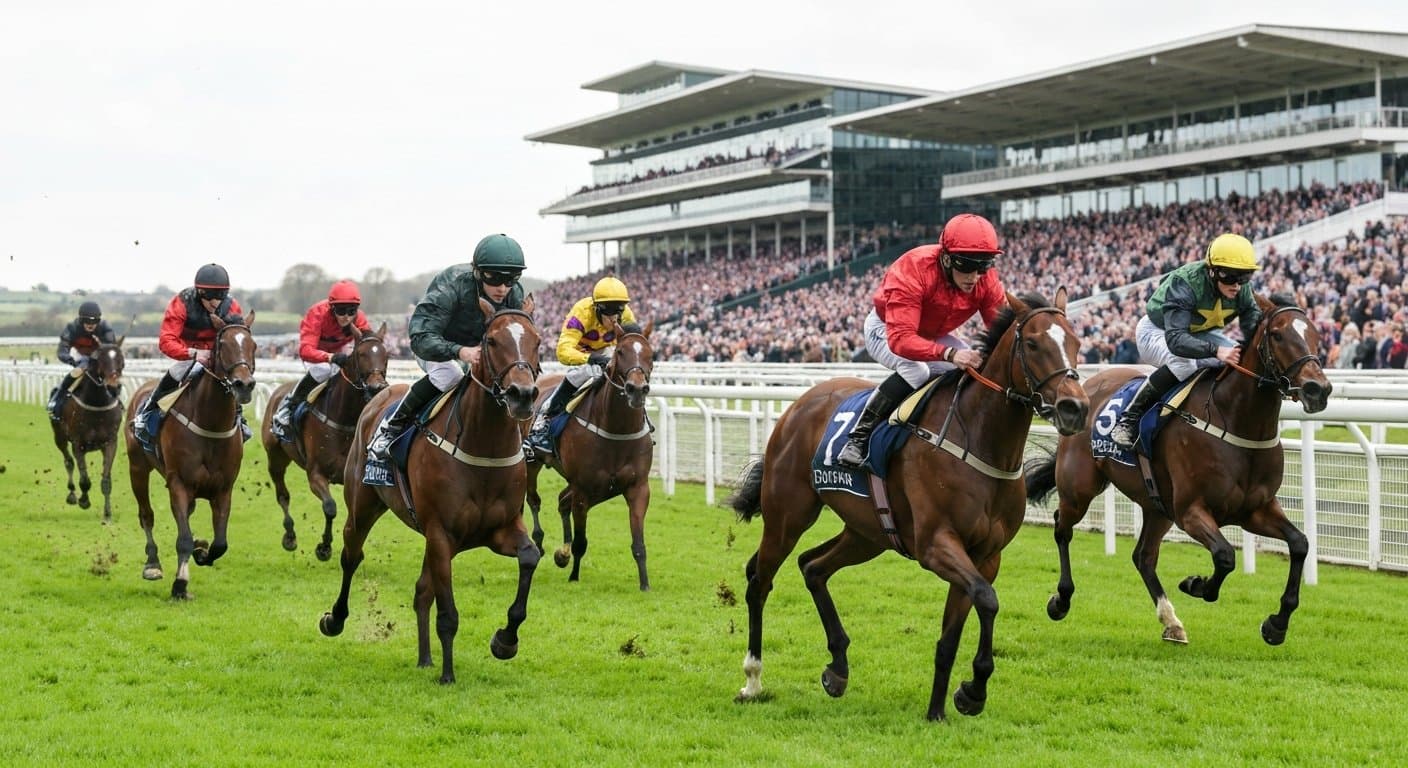
Betting at Haydock Park Racecourse
How to bet smarter at Haydock Park — track characteristics, going preferences, key trainers and winning strategies for this dual-purpose course.
Read more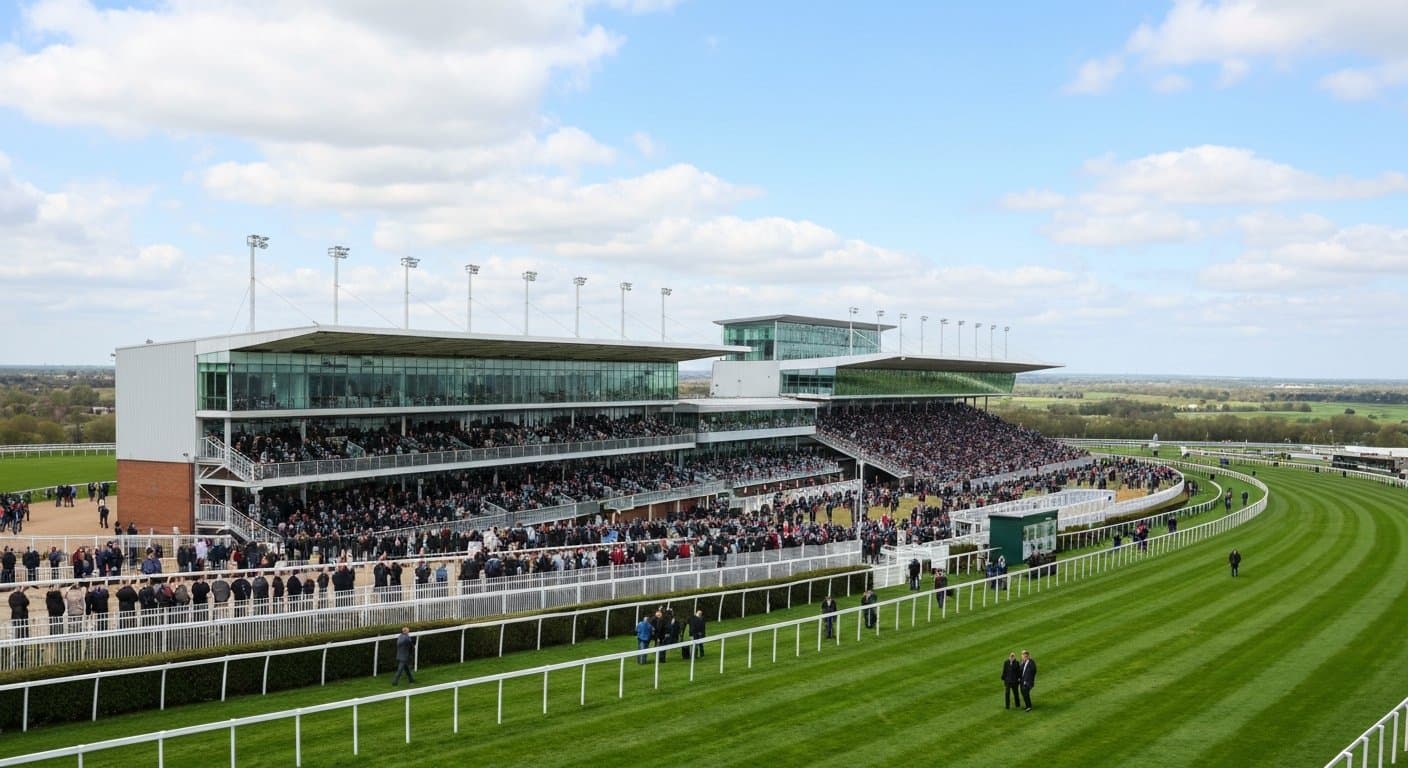
Haydock Park Racecourse: Complete Guide
Haydock Park — home of the Betfair Chase and Sprint Cup. Facilities, course layout, transport, key fixtures and betting angles.
Read moreResearch the field with the AI Race Predictor
Our model publishes calibrated win-probability estimates for UK races — a second opinion to understand a race, not tips. It's open about its record: it doesn't beat the market, and we show exactly how it does.
Work it out & learn the basics
Gamble Responsibly
Gambling should be entertaining and not seen as a way to make money. Never bet more than you can afford to lose. If you or someone you know has a gambling problem, help and support is available.