
Founder & Editor · Last reviewed 2026-03-02
Lingfield Park is one of the most rewarding racecourses in Britain for the serious punter. That's a bold claim, but it's backed by something most courses can't offer: consistency. The Polytrack surface produces reliable going conditions meeting after meeting, the same horses return to the track repeatedly, and the form book is dense enough to reward proper analysis. If you enjoy studying form rather than guessing, Lingfield is your kind of course.
The all-weather programme dominates the calendar, with around 60 of Lingfield's 80-odd annual fixtures taking place on the Polytrack. That volume of racing on the same surface creates an unusually rich dataset. You can track a horse's performance over multiple runs at the same venue in essentially identical conditions — something that's much harder to do on turf, where the going, the ground and the weather change every meeting.
But Lingfield's betting appeal goes beyond data. The track configuration creates specific biases — draw advantages in sprints, a premium on tactical speed, and a surface that suits certain types of horse over others. Understanding these characteristics gives you an edge that the casual bettor simply doesn't have.
There are also two very different betting challenges here depending on which surface you're dealing with. The Polytrack races and the turf fixtures require different approaches, different reference points and different selections criteria. A horse that's a solid Polytrack specialist might be unreliable on the turf course, and vice versa. Getting those two contexts straight is the first step to betting profitably at Lingfield.
This guide breaks down everything you need to bet smarter at Lingfield. We'll cover the track characteristics that shape every race, the going and draw biases worth exploiting, the trainers and jockeys who perform best here, practical betting strategies and the key races where value is most likely to be found. Whether you're a regular all-weather punter or new to Polytrack racing, there's an edge waiting here.
Bet on Lingfield Park
Place your bets on Lingfield Park races with a trusted bookmaker.

Promo code BETFRED50. New customers only. Register, deposit with a Debit Card, and place a first bet of £10+ at Evens (2.0)+ on Sports, to be settled within 7 days, to get £30 in Sports Free Bets and £20 in Bet Builder Free Bets within 24 hours of settlement. 7-day expiry. Eligibility & payment exclusions apply. Full T&Cs apply. Take Time to Think. BeGambleAware.org. 18+. Full T&Cs.

Promo code R30. New UK customers only, 18+. Register, deposit £10 or more, then place a £10 single cash bet at odds of 1/2 (1.5) or greater on any sports market (excluding Virtuals). Once the qualifying bet settles you get £30 in Free Bets (3 x £10) — the qualifying bet can win or lose. Free Bets are valid on any sports market excluding Virtuals, expire in 7 days, are non-withdrawable and must be used in full. Excluded deposit methods apply (including PayPal, Apple Pay, Skrill and NETELLER). Named bets such as Lucky 15 do not qualify. If you cash out the qualifying bet, or it is voided, you are no longer eligible for the offer. Ends 31.12.26. Full T&Cs apply. Please gamble responsibly. BeGambleAware.org. 18+. Full T&Cs.

Promo code BET40GET20. New UK customers, 18+. Register with the code and place a first bet of £40 or more at Evens (2.0) or greater. Receive 2 × £10 free bets: the first credited automatically once the qualifying bet settles, the second 24 hours later. Free bets must be placed at minimum odds of 4/1 (5.0), expire 24 hours after credit, and the free-bet stake is not returned with winnings. Debit card deposits only. Take Time to Think. BeGambleAware.org. 18+. T&Cs apply. Full T&Cs.

50% of your first-day net losses refunded as a free bet, capped at £25. New UK customers aged 18+ only. To qualify, deposit and place a first bet of £10 or more on any sport at minimum odds of evens (2.00), then place at least two further bets on different events, each worth at least 50% of your largest bet, all at evens (2.00) or greater. Losses are counted from your first settled bet until 23:59 the same day. Place a qualifying £10+ bet and you are guaranteed at least a £5 free bet. Bets placed at SP, void bets, cashed-out bets and bets struck with free bets do not count towards the offer. The free bet is credited the day after your qualifying bets settle and must be used within 7 days, after which it expires. It can be used at odds from 1/4 (1.25) up to 250/1 on singles and straight accumulators, but not on Trixie, Patent or Yankee style multiples. Free-bet stake is not returned with winnings. One offer per person, household, address, IP address and device. E-wallet deposits may not qualify, so check the cashier before depositing. Customers registered with GAMSTOP cannot claim. KYC identity verification must be completed before the free bet is credited. Take Time to Think. BeGambleAware.org. 18+. T&Cs apply. Full T&Cs.

New customers, 18+. Choose the sports bonus at sign-up, make a first deposit and receive a 100% bonus up to £50 in your Sports Bonus balance. To convert the bonus to cash, wager it 10x within 30 days. Single bets below Evens (2.00) do not qualify; accumulators do not qualify if any selection is below 1/2 (1.50). Virtual Sports, voided, cancelled, drawn, cashed-out and free-bet wagers do not count towards wagering. Only the first settled bet per event counts. Withdrawing before the wagering requirement is met forfeits the bonus balance including bonus winnings. Real-money funds are used before bonus funds. Deposits via Skrill or Neteller are not eligible. Not valid in conjunction with other promotions. Odds, bet and payment limits apply. 10bet general and promotion T&Cs apply. BeGambleAware.org. 18+. Full T&Cs.

New customers in Great Britain and Republic of Ireland, 18+. Place a £10 fixed-odds qualifying bet at minimum odds of 1/2 (1.50) — single or each-way (only the win part counts), pre-event or in-play, not cashed out early, within 28 days of opening the account. Receive up to £60 in bonuses credited over three days: 3 × £10 fixed-odds free bets (the first on settlement, then 24 and 48 hours later) plus 3 × £5 Total Goals FOOTBALL spread bets and 3 × £5 racing Winning Favourites spread bets, with a £1 racing Race Index spread bet as an extra on top. The spread bets need a full spread-betting account, opened within 28 days of the fixed-odds account and subject to Spreadex's eligibility and appropriateness checks. Free-bet stakes not returned with winnings; free bets valid 28 days from issue. IMPORTANT: the £5 credits are SPREAD bets — sports spread betting carries the risk that losses can exceed your stake. Sports spread-betting customers do not have Financial Ombudsman or FSCS recourse. Take Time to Think. BeGambleAware.org. 18+. T&Cs apply. Full T&Cs.

Promo code WELCOME15, entered under My Bonuses after registering. New UK customers, 18+. Place a first qualifying bet of at least £10 from your cash balance at odds of evens (2.0) or greater within 7 days of opening the account. Once the qualifying bet fully settles you receive £15 in free bets, credited as 3 x £5 tokens with set uses: one £5 accumulator free bet (minimum 4 legs, each leg at 2/5 or bigger), one £5 sports free bet (any market at evens or bigger) and one £5 Sub Cover free bet (selected football player markets at evens or bigger). Free-bet stakes are not returned with winnings. Free bets expire 7 days after they are credited. Void, cashed-out and partially cashed-out bets do not qualify. One offer per customer. Confirm the current terms on BetGoodwin's own welcome-offer page before claiming. Take Time to Think. BeGambleAware.org. 18+. T&Cs apply. Full T&Cs.

New UK customers, 18+. Minimum deposit £10. Place a £10 qualifying single on sports (excluding virtuals) at minimum odds of 1/2 (1.50), settled within 14 days. Deposit-method exclusions apply. Receive £30 in free bets (stake not returned), split £20 for sportsbook use (2 x £10) and £10 for Bet Builder only (2 x £5); Bet Builder does not cover horse racing. Free bets must be accepted within 7 days and expire 7 days after acceptance. No promo code required. Best Odds Guaranteed on UK & Irish racing, subject to having staked over £25 in the previous seven days. Operated by LiveScore Betting and Gaming (Gibraltar) Ltd, UKGC 56859. Confirm the current terms on LiveScore Bet's own promotions page before claiming. Take Time to Think. BeGambleAware.org. 18+. T&Cs apply. Full T&Cs.
18+. BeGambleAware.org
Track Characteristics
The physical layout of Lingfield's all-weather circuit is the starting point for every betting decision you make here. Understanding how the track shapes races will tell you more about what to look for than any amount of headline form reading.
Shape and Configuration
The Polytrack circuit is left-handed, roughly triangular, with a circumference of about a mile and a quarter. The home straight is approximately two and a half furlongs — shorter than you might expect and important for understanding how races are run. That relatively brief finishing straight means horses need to be well-positioned turning into it. Anything that's still five or six lengths off the pace at the final bend has a mountain to climb.
The bends themselves are reasonably sharp, particularly the turn into the straight. This isn't a galloping, sweeping circuit like Kempton's — it's tighter, more demanding of balance and agility. Horses that hang outward on the bends or take time to straighten up lose ground that's very hard to recover.
The inner figure-of-eight circuit, used for some sprint races, adds an extra dimension. Horses on this track switch direction at a crossover point, requiring a level of balance and responsiveness that not every horse possesses. Form on the inner track shouldn't be treated as interchangeable with form on the main circuit, even at the same distance.
Sprint Course (5f–6f)
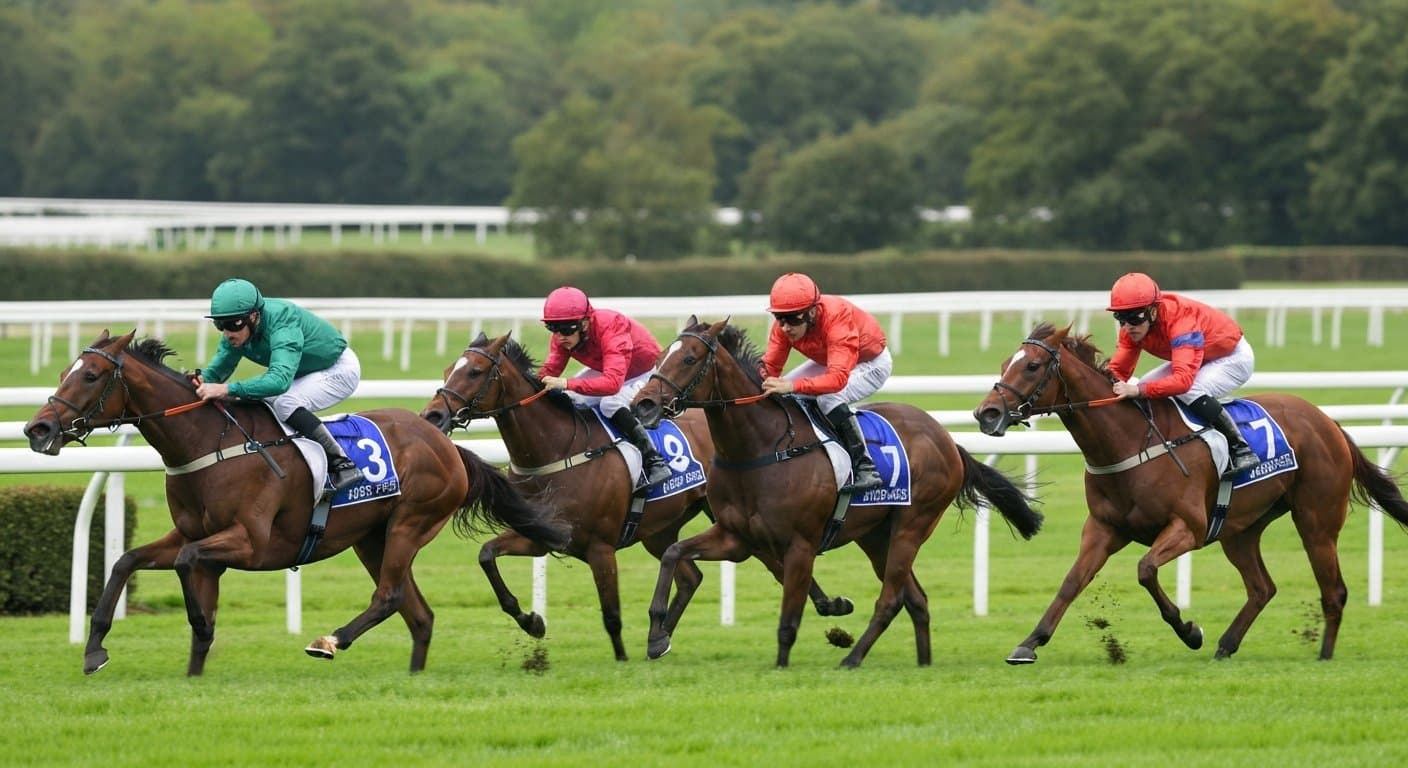
The sprint course starts on a chute that feeds into the main circuit. Five-furlong races are a virtual straight dash with only a slight curve, while six-furlong races include the full turn into the straight. The sprints are often extremely competitive, with large fields and plenty of pace. Front-runners and prominent racers have a real advantage in Lingfield sprints — the short straight gives closers limited time to make up ground, and if the pace is honest, the race is often won by whoever is travelling best turning for home.
5f draw data: In fields of 8 or more, stalls 1–4 win disproportionately. Over a large sample, the edge to the lowest four stalls is measurable at roughly 2–3 lengths equivalent in a 12-runner field. High draws (stalls 9+) can overcome the disadvantage if the horse has superior early pace and can cross to the rail in the first two furlongs, but it's a task that requires a specific kind of sprinter.
6f draw data: The bias is less extreme than at 5f because there is slightly more time for horses to find their position before the significant bend. Stalls 1–6 broadly hold an advantage in larger fields, but the effect diminishes in fields of 7 or fewer where the geometry matters less.
Middle Distances (7f–1m2f)
Races at a mile and beyond start on the back straight and involve at least one full circuit of the bends. At these distances, the draw becomes less important than in sprints, but tactical positioning remains paramount. A mile at Lingfield is a speed test — the sharp track and short straight mean you need a horse that travels strongly through the race rather than one that needs to be pushed along in rear and unleashed late.
7f: The draw effect is modest — roughly stalls 1–8 have a marginal edge in double-figure fields, but it's not the dominant factor. What matters more is where the horse is at the two-furlong pole: prominent positions win here far more than they do on galloping tracks.
1m: Horses that race off a real pace in the first four furlongs and then kick going into the home turn produce the most wins. Hold-up horses can win but need a fast pace that creates a gap they can sprint through. In truly run mile races, the pace-setter is rarely caught, so note the form of front-runners carefully.
1m2f: The Winter Derby trip. Ten furlongs on the Polytrack tests a horse's ability to maintain a rhythm through successive bends and quicken when it matters. This distance favours athletic, balanced types rather than the heavy-staying horses that win over similar trips on galloping turf tracks.
Staying Trips (1m4f+)
Races beyond a mile and a half at Lingfield involve two complete circuits, which creates a different tactical challenge. Horses need to conserve energy through the first circuit, position themselves well on the bends and then accelerate through the final two furlongs. Stamina alone isn't enough — you need a horse that handles the turns well and has a change of pace. Plodders that rely on grinding down rivals tend to get caught by quicker types who sit behind them and pounce.
These longer races at Lingfield often produce smaller fields, which reduces the draw effect and the kickback problem. Positioning in the early stages of the race matters a great deal, and horses that get a clear run without being boxed in have a notable advantage. Watch for horses that have struggled in smaller, tactical staying races at other tracks — the pace at Lingfield tends to be more honest, which suits real stayers over the maskers.
The Turf Course Compared
The turf course at Lingfield is right-handed and undulating, presenting a completely different challenge. The uphill climb into the home turn and the descent into the straight ask questions that the Polytrack doesn't. Horses need balance, the ability to handle changing gradients, and enough stamina to maintain their effort through a finish that rises slightly before levelling.
The comparison with Epsom is instructive: Lingfield's turf track is the closest thing in southern England to the unique demands of the Derby course. This is why the Derby Trial has historically attracted horses being prepared for Epsom — the training ground effect is real, and a horse that handles Lingfield's undulations comfortably will usually be more comfortable at Epsom than one that has only raced on flat, left-handed circuits.
For betting purposes, turf form at Lingfield transfers reasonably well to other undulating, right-handed tracks — Epsom, Goodwood, and parts of Newbury. It doesn't transfer well to flat tracks like Kempton or Chester.
The Kickback Factor
One characteristic of Polytrack racing that's easy to underestimate is kickback — the surface material thrown up by horses' hooves. Some horses truly dislike racing behind others on Polytrack, particularly in large fields where the kickback is intense. If a horse's form is inconsistent, check whether its poor runs came from off the pace in large fields. Horses that need to race prominently to avoid the kickback are worth noting — they'll improve when they get a clear run.
Kickback is less of a problem at the front of the field, which reinforces the general principle that prominent racers have an advantage at Lingfield. A horse that must come from behind is fighting both the track geometry and the physical discomfort of kickback — a double disadvantage that the form book alone won't capture.
Key Takeaway
Lingfield's all-weather track rewards speed, tactical awareness and the ability to handle sharp bends at pace. Stamina-heavy galloping types are at a disadvantage. When assessing form, prioritise horses that travel well, race prominently and can quicken on a turn. That profile wins more races here than any other.
Going & Draw Bias
One of the biggest advantages of betting on all-weather racing at Lingfield is the consistency of the going. On turf, you're constantly adjusting for ground conditions — heavy, soft, good to firm — and the impact on form can be enormous. On Polytrack, the going is described as "standard" virtually every meeting. That consistency doesn't mean conditions never vary (temperature and moisture levels do affect the surface slightly), but the variation is minimal compared to turf. You can largely ignore the going and focus on other factors.
The Draw in Sprints
This is where Lingfield gets most interesting for bettors. In sprint races — five and six furlongs — the draw has a measurable impact on results. Low draws (stalls 1–4) have a statistical edge, particularly in larger fields. The reason is geometry: the sprint course feeds into the main circuit via a left-handed turn, and horses drawn low have a shorter run to the inside rail. In a big-field sprint, those drawn high can lose a length or more simply getting across to the rail, and at five furlongs that can be the difference between winning and finishing third.
The bias isn't absolute — high-drawn horses can and do win, especially if they have enough early pace to cross over without losing position. But over a large sample of races, the numbers consistently favour low draws. This is exactly the kind of structural edge that informed punters can exploit. If two horses look evenly matched on form but one is drawn in stall 2 and the other in stall 12, that's not a coin flip — there's a real statistical advantage to the low draw.
Stall-by-stall at 5f (fields of 10+): Stalls 1–3 are the strongest bracket. Stalls 4–6 are competitive. Stalls 7–9 are neutral to slight disadvantage. Stalls 10+ carry a measurable disadvantage unless the horse has outstanding gate speed. The effect is most pronounced in fields of 12 or more, where the inside path advantage compounds.
Stall-by-stall at 6f (fields of 10+): Stalls 1–5 have a marginal edge. The bias is less steep than at 5f, and a high draw can be overcome by a horse that races prominently from the off. In smaller fields, the bias almost disappears, so apply it mainly to big-field handicaps.
The Draw at Middle Distances
At seven furlongs and a mile, the draw bias diminishes because there's more time and distance for horses to find their position before the first bend. It's still worth noting at 7f in large fields — stalls 1–7 have a small but consistent edge — but it's not the decisive factor it can be in sprints. At ten furlongs and beyond, the draw is essentially neutral. The race is long enough that any disadvantage from the stall position is absorbed before the finish.
At 7f, the key phase is the opening two furlongs before the first significant turn. A horse drawn wide that can't get across to a prominent position in those early stages will still face a disadvantage, but the extent of that disadvantage is smaller than at 5f. In a race where pace is moderate and horses settle quickly, the draw matters less than in a truly run sprint where every length counts from the first stride.
At 1m, watch the pace in the first four furlongs. Fast early fractions here favour horses that can switch off and settle — they'll be better placed to quicken in the home straight than those that have been fighting their way through the field throughout.
Pace Dynamics and Running Styles
Pace bias matters more at Lingfield than at most courses. The short home straight and sharp bends create a significant advantage for horses that race prominently — not necessarily front-runners, but horses that sit in the first three or four and travel well through the race. Analysis of results consistently shows that horses racing in the front third of the field at the final bend win more than their fair share of races.
This extends to understanding how pace shapes individual races. When there are multiple confirmed front-runners in the field, the early pace will be fast, which creates a legitimate opportunity for a hold-up horse with a good turn of foot. When the field contains mostly hold-up horses and no obvious pace-setter, a front-runner at a generous price can steal the race from the front — the short Lingfield straight gives chasers very little time to close the gap.
The flip side is that real hold-up horses need an exceptional turn of foot to win from the rear. If you're backing a closer, you need to be confident it can make up three or four lengths in the final two furlongs — and ideally you want a truly strong pace up front that sets it up for a late run. In messy, slowly-run races where nothing stretches the field, front-runners at Lingfield are very hard to peg back.
How Lingfield Polytrack Form Travels
A common question for all-weather bettors is how form from one artificial surface translates to another. The broad answer for Lingfield is: Kempton is the closest comparison, Wolverhampton is the next most transferable, Chelmsford and Newcastle are more different than they look.
Kempton's Polytrack is also left-handed and approximately triangular, though it's a bigger, more galloping circuit than Lingfield's. Horses that handle the sharp turns at Lingfield and enjoy the quick pace often handle Kempton well, though the slightly longer straight at Kempton does give hold-up horses a better chance. Form transfers reasonably well in both directions between these two courses.
Wolverhampton is a tighter oval, left-handed, but the surface is Tapeta rather than Polytrack, and the characteristics differ. Lingfield Polytrack specialists don't automatically translate to Wolverhampton performers, though horses that like running prominently on the left tend to do well at both. Be cautious about Wolverhampton form moving to Lingfield and vice versa — treat them as similar but not identical.
Southwell's Fibresand surface is the most different of all the British all-weather tracks. Form from Southwell rarely translates directly anywhere else, including Lingfield. Southwell specialists can be very good horses that simply prefer that unique surface, or they can be horses that haven't been good enough to win elsewhere. Either way, Southwell form needs reinterpreting rather than directly applying.
Seasonal Variations
While the Polytrack going is consistent, there are subtle seasonal patterns worth knowing. In the coldest months, the surface can ride slightly slower, and you'll occasionally see the going described as "standard to slow." This marginal change in pace tends to benefit horses that stay well and act on a slightly deeper surface. In summer, the Polytrack rides faster and sharper, favouring speed horses.
Rain doesn't affect the Polytrack surface significantly — it drains rapidly and doesn't get heavy in the way turf does. However, persistent rain can affect the turf course dramatically, and on days when both surfaces are in use, the contrast between a sodden turf track and a perfectly rideable Polytrack can be stark.
Temperature matters more than rain on the Polytrack. In very cold weather (near or below freezing), the wax component in the surface can stiffen slightly, making the going marginally firmer and faster. This is an edge case — it doesn't happen often and the difference is subtle — but it's worth noting if you're comparing times across winter meetings.
Practical Application
When building your betting approach at Lingfield, the hierarchy of factors looks like this: in sprints, check the draw first, then pace profile, then form. At middle distances, focus on pace profile and positional running style. At staying trips, look at stamina and tactical flexibility. In every case, the consistency of the surface means recent Lingfield form is more reliable than form from other venues — a horse that's run well here before is likely to run well here again.
Key Trainers & Jockeys
All-weather racing has its specialists, and Lingfield rewards trainers and jockeys who understand the Polytrack surface inside out. The volume of racing here means certain yards build up enormous experience at the track, and their strike rates at Lingfield can be significantly higher than their overall averages. Backing the right people is one of the simplest edges available.
Key Trainers
John Butler operates from a base in the south and has long been one of the most prolific trainers at Lingfield. His runners are targeted at the track with precision — he knows which horses suit the surface, the distances and the track configuration. When Butler sends a horse to Lingfield, it's rarely speculative. His yard's location makes Lingfield the natural home track for his all-weather operation, and the accumulated experience shows in the horses' confidence and the jockeys' familiarity with what he wants from them.
William Haggas may be better known for his turf successes, but his all-weather operation is formidable. Haggas runners at Lingfield tend to be well-prepared, and his strike rate here is consistently above his career average. Pay particular attention when he sends favourites — they rarely run below their rating. His horses are typically well-prepared for their specific conditions rather than thrown into a race as a workout, and that purposefulness is worth identifying in advance.
Charlie Appleby and the wider Godolphin operation have a strong record at Lingfield, especially in the higher-class races. Appleby frequently uses Lingfield as a starting point for horses with bigger targets later in the season, and these debutants or lightly-raced types can offer value when the market doesn't fully appreciate their ability. Godolphin's horses are physically ready to run well first time in a season — the operation doesn't send unprepared horses to racecourses — so first-start runners from the yard deserve respect even at short prices.
Eve Johnson Houghton deserves particular attention. Her Blewbury yard has consistently targeted Lingfield across all distances and throughout the year, building a strike rate that ranks among the highest of any trainer at the course. Johnson Houghton has spoken publicly about structuring her training programme around the all-weather circuit, and Lingfield's convenient location for a yard in the south Midlands is part of why her horses appear here so regularly. When she sends a horse to Lingfield that has run well here before, the combination of trainer knowledge and course form is very reliable.
Marco Botti is another trainer worth following at Lingfield. His yard has produced a steady stream of all-weather winners, and his horses often improve for the Polytrack surface after disappointing on turf. If Botti sends a horse to Lingfield after a moderate turf run, don't dismiss it — the surface change is deliberate and the trainer knows the surface suits the horse.
Mark Usher and Tony Carroll are two smaller trainers who punch above their weight at the track. Their runners may not always start at short prices, but both yards have excellent knowledge of the track and consistently outperform expectations. These are the sort of trainers whose horses are worth backing when the market underestimates them — their Lingfield records over a full season give a much better guide to their ability here than any individual race.
The Turf Course and Different Specialists
The turf course at Lingfield attracts a different set of training specialists. Yards based in Newmarket and the Epsom area send Classic candidates to the Derby Trial, and the quality of horse that appears on the May turf card is often significantly higher than the all-weather regulars. Trainers such as John and Thady Gosden have historically used Lingfield turf fixtures as stepping stones for horses with Group race targets, and their runners on the turf course deserve serious market respect.
For the turf course day-to-day, the south-east-based trainers hold an advantage through their knowledge of the undulating track. Trainers at Epsom in particular — Gary Moore, William Muir — frequently target the Lingfield turf course because the track characteristics are familiar to their horses.
Key Jockeys
Robert Havlin has ridden extensively at Lingfield and knows the Polytrack well. His tactical awareness on the sharp bends is excellent, and he consistently places his horses where they need to be — prominent but not over-committed. When Havlin is booked for a fancied runner here, it's a positive sign.
Kieran Shoemark is another jockey who performs well at Lingfield, particularly in middle-distance races where position and timing are important. He's adept at conserving a horse's energy through the bends and producing a late burst when the race situation demands it.
Adam Kirby is worth watching in sprints. His gate speed and ability to get a horse out quickly from the stalls is an asset on a track where early position matters so much. In big-field sprints at five and six furlongs, Kirby's start-craft gives his mounts a tangible advantage that compounds with a low draw.
Tom Marquand has developed a strong record at Lingfield on both surfaces in recent seasons. His tactical awareness suits the tight Polytrack circuit, and he is one of the riders who treats all-weather racing as a serious arena for building relationships with trainers.
Market Intelligence: Bookmaker vs Exchange
The betting markets at Lingfield on midweek all-weather cards are less efficient than those for the Saturday feature meetings. Bookmaker margins are wider on routine fixtures, and exchange liquidity can be thin — meaning a relatively small amount of money can move a price significantly. This creates two opportunities: getting on early at a good price before a horse's supporters pile in, or identifying late market moves that signal informed money.
On Winter Derby day and other major fixtures, the market is much more efficient and the edges are harder to find. The professionals are all present and prices reflect real information. The real value at Lingfield comes on the routine midweek cards that most serious punters ignore.
The Trainer-Jockey Angle
One underused angle at Lingfield is the trainer-jockey combination. Certain pairings consistently produce results that exceed what you'd expect from the horse's form alone. When a track-specialist trainer books a jockey who's riding well at the venue, the combination of preparation and execution can be very effective. Look for patterns in trainer-jockey pairings over a month or so — the data is freely available and can be surprisingly revealing.
The Eve Johnson Houghton/Tom Marquand combination has been particularly productive in recent seasons. Robert Havlin's regular booking for the Gosden yard at Lingfield is another worth monitoring. These aren't secrets, but they're the kind of patterns that the general market doesn't always price in properly.
Betting Strategies
Lingfield's consistency makes it one of the best tracks in Britain for applying systematic betting strategies. The repeating conditions — same surface, same biases, same track configuration — mean that patterns which emerge from the data tend to persist over time, rather than being one-off quirks.
Course Form Is King
The single most reliable indicator at Lingfield is previous course form. A horse that's run well here before — finishing in the first three, running to a good time, or showing a clear preference for the Polytrack — is significantly more likely to run well again than one arriving with no Lingfield form. This sounds obvious, but the market doesn't always price it in properly. When a horse with strong course form drifts in the market because its last run on turf was poor, that's often value.
Conversely, be cautious about horses making their Polytrack debut, especially if they've shown nothing on turf to suggest they'll handle the surface. Some horses take to it immediately, but plenty don't — and a first-time run on an unfamiliar surface is inherently unpredictable. The exception is when a quality yard with a strong Lingfield record introduces a lightly-raced horse that has shown ability in its work: those debutants can be well-prepared and represent value when the market underestimates them.
Pace and Position
Build your selections around horses that race prominently. The data supports this: at Lingfield, horses in the first three at the final bend win a disproportionate share of races. When you're choosing between two horses with similar form, go with the one that's more likely to sit handy — it's the track bias working in your favour.
This also means you should be sceptical about horses that habitually come from behind. Unless they have an exceptional turn of foot, the short straight will catch them out. Look at where a horse typically races in running — if it's consistently in the rear half of the field, it needs to be significantly better than the opposition to overcome the positional disadvantage.
The pace angle also applies when reading the race conditions. In a race with no obvious front-runner, any horse willing to set a moderate pace from the front is handed a significant advantage. Identify these situations in advance: look at the declared runners, assess their preferred running styles, and if a front-runner faces no credible opposition for the lead, weight the bias toward it accordingly.
The Draw Overlay
In sprint handicaps with large fields, the draw creates real overlays. If a horse drawn in stall 1 or 2 is rated slightly below the market favourite drawn in stall 10, the draw advantage can more than compensate for the form deficit. This is particularly true at five furlongs, where the bias is strongest.
The overlay effect is most powerful when the form difference between the two horses is modest — within a few pounds on the official ratings — and the field is large enough for the draw to matter significantly. In fields of 6 or 7, the effect is negligible. In fields of 12 or more at 5f, it's one of the most exploitable edges in all-weather racing.
Backing Specialists
Some horses simply love Lingfield. They run here regularly, they've built a track record on the surface, and their form figures at the course are dramatically better than anywhere else. These specialists can be excellent bets, especially when they're coming off a poor run at a different venue. The market often focuses on the last run — if that was a disappointing effort at Wolverhampton or Newcastle, the horse's price at Lingfield may be inflated despite a strong course record.
The key metric to look for in a specialist is not just win rate but placed rate. A horse that has won twice and finished second or third eight times at Lingfield over 15 runs is telling you something very definite about how much it likes the track. Even if it's been beaten, it's consistently producing its best form here. When conditions look similar to its previous Lingfield runs, it's a more reliable selection than its overall record suggests.
Laying First-Timers in Handicaps
Horses making their first appearance in a handicap at Lingfield — especially if they've been allocated a mark based on turf form — can be vulnerable. The transition from maiden or novice company to handicap racing, combined with an unfamiliar surface, is a lot to deal with simultaneously. Unless the trainer is an all-weather specialist with a strong record here, these runners often need a run to acclimatise.
The related angle is the horse making its first Lingfield run after racing repeatedly at one of the other all-weather tracks. Even if it's an established Polytrack performer at Kempton or Wolverhampton, it hasn't proved it can handle the specific characteristics of this circuit. Give it one run to show its form translates before committing.
Winter Derby Betting
The Winter Derby in February deserves its own strategic approach. The field is small — usually 8–12 runners — and the race is well enough established to have a body of historical form worth studying. Patterns that emerge from previous runnings include: the dominance of horses with multiple previous Lingfield wins, a strong strike rate for the front two in the market, and a tendency for the winner to have run well here within the last six weeks.
The Winter Derby is a test of a specific kind of horse: a Polytrack specialist over ten furlongs that handles tight bends and can produce a turn of foot on the home turn. This profile appears in the race consistently. Horses that have won at the track over 1m or 1m4f and then step up or down to the Derby trip are the strongest candidates. Horses arriving from other tracks on the strength of a single all-weather win elsewhere need to prove they can handle Lingfield specifically.
Betting Markets
The all-weather betting markets at Lingfield tend to be competitive, with plenty of liquidity on the exchanges for the more popular meetings. Midweek cards can see thinner markets, which creates both opportunity and risk — prices can move sharply on relatively small bets, so getting your price early can be important.
On major fixture days, the markets are efficient and the professionals are active. The best value at Lingfield is found on routine Tuesday and Wednesday cards where the market is less scrutinised and real overlays exist for punters who've done their homework.
To compare place terms and each-way promotions across the major bookmakers, see our best bookmakers for horse racing guide.
Key Races to Bet On
Lingfield's fixture list is dominated by bread-and-butter handicaps and maidens, but several races stand out as particularly interesting for bettors — either because the form is stronger, the betting opportunities are better, or the race structure creates angles that reward careful analysis.
The Winter Derby
The Winter Derby in February is Lingfield's flagship race and one of the best betting events on the all-weather calendar. The field is small enough to analyse thoroughly (usually 8–12 runners), the quality is high, and the race tends to be truly run — no waiting around, no false pace, just a real test over ten furlongs. Previous course form is an especially strong guide here, and the Winter Derby has a habit of producing results that experienced Lingfield punters can anticipate.
All-Weather Championships Trials
The trial races for the All-Weather Championships Finals Day at Newcastle are some of the most formful races of the winter. Trainers targeting the finals take these races seriously, the fields are competitive, and the form tends to stand up well. These are ideal races for systematic bettors — the data is there, the trainers' intentions are usually clear, and the horses are running to win.
The Lingfield Derby Trial
In May, the Derby Trial on turf is a fascinating betting proposition for different reasons. The field is usually small, the market is dominated by reputation and trainer connections rather than proven form, and the potential for an overpriced runner is real. If you're willing to take a contrarian view and back a horse the market has underestimated, the Derby Trial can offer standout value.
Big-Field Sprint Handicaps
Lingfield's sprint handicaps regularly attract fields of 12 or more on the Polytrack, and these are where the draw bias becomes most exploitable. Large fields, competitive handicaps and a measurable draw advantage add up to a consistent source of value for punters who do their homework. Focus on low-drawn horses with prominent running styles and course form — it's a simple filter, but it works.
Midweek All-Weather Cards
Don't overlook the regular midweek fixtures. These lower-profile meetings often produce the best value of all, because the betting market is less efficient. Bookmaker margins tend to be wider, but exchange markets can be thin, which means sharp bettors who get their price early can find real overlays. The key is knowing the horses — many of them run at Lingfield repeatedly, and their form patterns are visible to anyone willing to look. The punters who consistently profit at Lingfield aren't betting the big days — they're grinding out winners on Tuesday and Wednesday afternoons.
Share this article
More about this racecourse
All Lingfield Park guides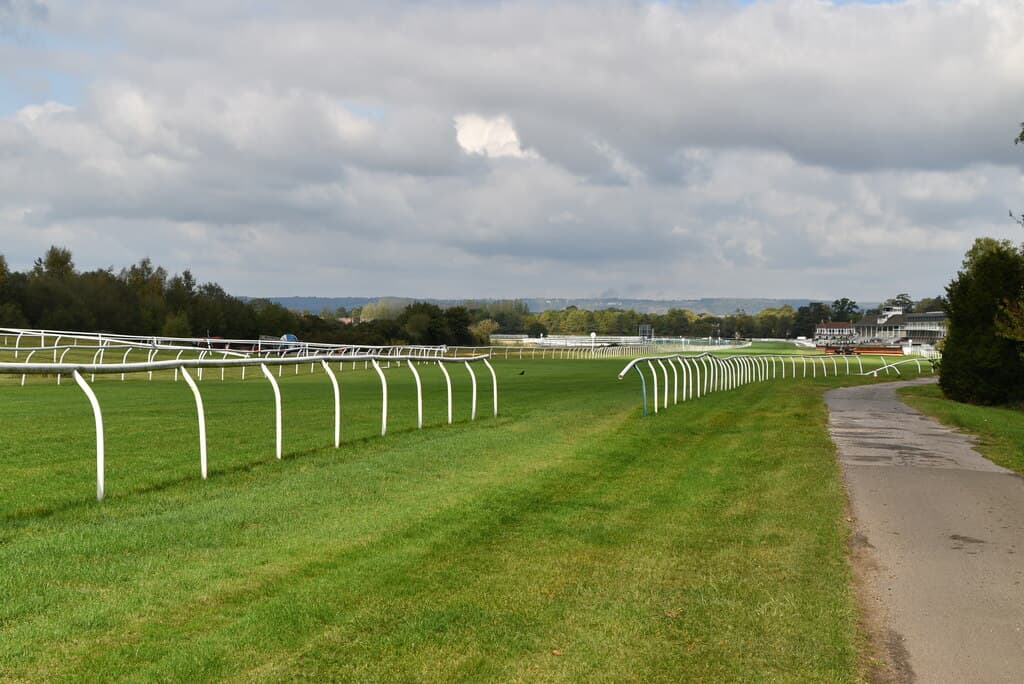
Lingfield Park Racecourse: Complete Guide
Your complete guide to Lingfield Park — a triple-surface racecourse in Surrey with flat turf, all-weather Polytrack and National Hunt racing, anchored by the Winter Derby.
Read more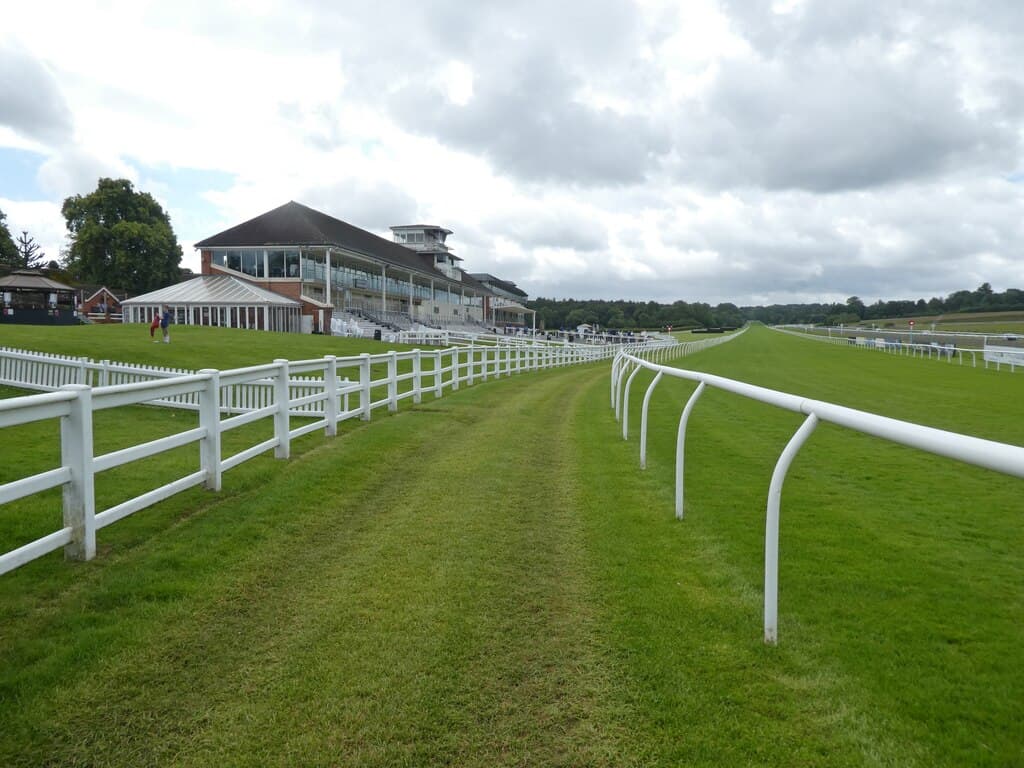
A Day Out at Lingfield Park Racecourse
Everything you need for a day at Lingfield Park — getting there, what to wear, enclosures, food and drink, and insider tips.
Read more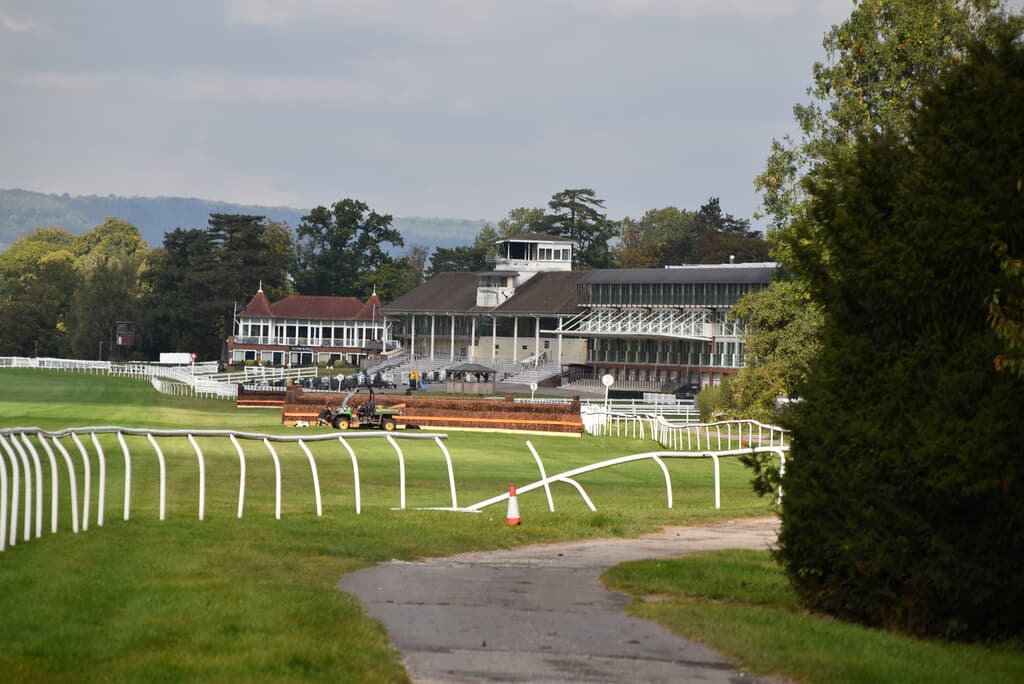
Lingfield Park Winter Derby Festival: Your Complete Guide
Lingfield's Winter Derby weekend is the all-weather season's most prestigious occasion. Here's your guide to the Surrey track's flagship festival and year-round programme.
Read morePhotos on this page are used under Creative Commons licences. Titles, sources and licence links for each one are on our image credits page.
Research the field with the AI Race Predictor
Our model publishes calibrated win-probability estimates for UK races — a second opinion to understand a race, not tips. It's open about its record: it doesn't beat the market, and we show exactly how it does.
Work it out & learn the basics
Gamble Responsibly
Gambling should be entertaining and not seen as a way to make money. Never bet more than you can afford to lose. If you or someone you know has a gambling problem, help and support is available.