
Founder & Editor · Last reviewed 2026-04-05
Catterick Bridge Racecourse is Yorkshire's busiest racecourse and one of the most practical dual-purpose venues in Britain. Sitting just off the A1(M) at Catterick Bridge in North Yorkshire, it stages flat racing from March to October and National Hunt racing from October through to March — meaning there is competitive action here every single month of the year. That year-round calendar sets it apart from every other track in Yorkshire.
The course has been holding race meetings since 1783, and racing in the area predates even that. The grandstand framework visible today dates to the early twentieth century, though the facilities have been updated steadily since. What has not changed is the character of the place: Catterick is unpretentious, left-handed, sharp, and honest. It produces competitive fields, sends horses on to bigger stages, and gives northern trainers a regular, well-run venue within easy reach of the yards clustered around Middleham, Malton, and Hambleton.
Who this guide is for
This guide is for anyone visiting Catterick for the first time, anyone who knows the course and wants to bet more intelligently, and anyone planning a day out in North Yorkshire with racing as the anchor. Sections cover the track layout and how it shapes race outcomes, the full fixture calendar, facilities, travel, course history, memorable moments, and a detailed betting guide covering draw bias, trainer stats, and going tendencies. If you are a jumps punter preparing for the November or Boxing Day meetings, the National Hunt sections are written specifically with that context in mind.
Quick facts
- Best flat race: Catterick Dash (5f sprint, held in June, Listed class)
- Best National Hunt race: The November NH opener meeting; Boxing Day card
- Best enclosure: Premier Enclosure for viewing; General Admission for value
- Busiest month: June (Catterick Dash meeting draws the largest flat crowd)
- Best for NH betting: October–December when the going is good to soft and form translates well from Kelso and Carlisle
- Best for flat betting: May and June, before the going becomes very fast and small fields create punting headaches
- Nearest town: Richmond (3 miles), with Northallerton 7 miles to the east
- Capacity: approximately 5,000
- Dress code: smart casual; jeans are fine, tracksuits are not
- Under-18s: free entry at most meetings
Catterick is not a glamour track. It does not host a Group 1 or a Cheltenham qualifier of the prestige of the Paddy Power Gold Cup. What it does offer is honest, well-organised racing in a setting that has not been over-commercialised. The River Swale runs close to the course, the Hambleton Hills are visible to the south-east, and on a clear summer evening the flat racing here has a quality that no television broadcast quite captures. If you have not been, it is worth the trip.
The surrounding area adds to the appeal. Richmond, the attractive market town three miles to the west, has a Norman castle, a Georgian theatre dating to 1788, and enough good pubs to sustain a proper evening after racing. The Yorkshire Dales begin at Leyburn — eight miles away — and Wensleydale stretches westward from there for another 20 miles of moorland, stone walls, and river valleys. A Catterick race day sits naturally at the centre of a North Yorkshire day out, and for visitors travelling from the south, it provides a reason to extend the journey northward beyond York.
For the full picture, use the navigation to move through the course layout, fixtures, facilities, and betting angles. The Catterick Dash guide and jumps guide sit alongside this one for deeper dives on those specific topics.
Bet on Catterick
Place your bets on Catterick races with a trusted bookmaker.

Promo code BETFRED50. New customers only. Register, deposit with a Debit Card, and place a first bet of £10+ at Evens (2.0)+ on Sports, to be settled within 7 days, to get £30 in Sports Free Bets and £20 in Bet Builder Free Bets within 24 hours of settlement. 7-day expiry. Eligibility & payment exclusions apply. Full T&Cs apply. Take Time to Think. BeGambleAware.org. 18+. Full T&Cs.

Promo code R30. New UK customers only, 18+. Register, deposit £10 or more, then place a £10 single cash bet at odds of 1/2 (1.5) or greater on any sports market (excluding Virtuals). Once the qualifying bet settles you get £30 in Free Bets (3 x £10) — the qualifying bet can win or lose. Free Bets are valid on any sports market excluding Virtuals, expire in 7 days, are non-withdrawable and must be used in full. Excluded deposit methods apply (including PayPal, Apple Pay, Skrill and NETELLER). Named bets such as Lucky 15 do not qualify. If you cash out the qualifying bet, or it is voided, you are no longer eligible for the offer. Ends 31.12.26. Full T&Cs apply. Please gamble responsibly. BeGambleAware.org. 18+. Full T&Cs.

Promo code BET40GET20. New UK customers, 18+. Register with the code and place a first bet of £40 or more at Evens (2.0) or greater. Receive 2 × £10 free bets: the first credited automatically once the qualifying bet settles, the second 24 hours later. Free bets must be placed at minimum odds of 4/1 (5.0), expire 24 hours after credit, and the free-bet stake is not returned with winnings. Debit card deposits only. Take Time to Think. BeGambleAware.org. 18+. T&Cs apply. Full T&Cs.

50% of your first-day net losses refunded as a free bet, capped at £25. New UK customers aged 18+ only. To qualify, deposit and place a first bet of £10 or more on any sport at minimum odds of evens (2.00), then place at least two further bets on different events, each worth at least 50% of your largest bet, all at evens (2.00) or greater. Losses are counted from your first settled bet until 23:59 the same day. Place a qualifying £10+ bet and you are guaranteed at least a £5 free bet. Bets placed at SP, void bets, cashed-out bets and bets struck with free bets do not count towards the offer. The free bet is credited the day after your qualifying bets settle and must be used within 7 days, after which it expires. It can be used at odds from 1/4 (1.25) up to 250/1 on singles and straight accumulators, but not on Trixie, Patent or Yankee style multiples. Free-bet stake is not returned with winnings. One offer per person, household, address, IP address and device. E-wallet deposits may not qualify, so check the cashier before depositing. Customers registered with GAMSTOP cannot claim. KYC identity verification must be completed before the free bet is credited. Take Time to Think. BeGambleAware.org. 18+. T&Cs apply. Full T&Cs.

New customers, 18+. Choose the sports bonus at sign-up, make a first deposit and receive a 100% bonus up to £50 in your Sports Bonus balance. To convert the bonus to cash, wager it 10x within 30 days. Single bets below Evens (2.00) do not qualify; accumulators do not qualify if any selection is below 1/2 (1.50). Virtual Sports, voided, cancelled, drawn, cashed-out and free-bet wagers do not count towards wagering. Only the first settled bet per event counts. Withdrawing before the wagering requirement is met forfeits the bonus balance including bonus winnings. Real-money funds are used before bonus funds. Deposits via Skrill or Neteller are not eligible. Not valid in conjunction with other promotions. Odds, bet and payment limits apply. 10bet general and promotion T&Cs apply. BeGambleAware.org. 18+. Full T&Cs.

New customers in Great Britain and Republic of Ireland, 18+. Place a £10 fixed-odds qualifying bet at minimum odds of 1/2 (1.50) — single or each-way (only the win part counts), pre-event or in-play, not cashed out early, within 28 days of opening the account. Receive up to £60 in bonuses credited over three days: 3 × £10 fixed-odds free bets (the first on settlement, then 24 and 48 hours later) plus 3 × £5 Total Goals FOOTBALL spread bets and 3 × £5 racing Winning Favourites spread bets, with a £1 racing Race Index spread bet as an extra on top. The spread bets need a full spread-betting account, opened within 28 days of the fixed-odds account and subject to Spreadex's eligibility and appropriateness checks. Free-bet stakes not returned with winnings; free bets valid 28 days from issue. IMPORTANT: the £5 credits are SPREAD bets — sports spread betting carries the risk that losses can exceed your stake. Sports spread-betting customers do not have Financial Ombudsman or FSCS recourse. Take Time to Think. BeGambleAware.org. 18+. T&Cs apply. Full T&Cs.

Promo code WELCOME15, entered under My Bonuses after registering. New UK customers, 18+. Place a first qualifying bet of at least £10 from your cash balance at odds of evens (2.0) or greater within 7 days of opening the account. Once the qualifying bet fully settles you receive £15 in free bets, credited as 3 x £5 tokens with set uses: one £5 accumulator free bet (minimum 4 legs, each leg at 2/5 or bigger), one £5 sports free bet (any market at evens or bigger) and one £5 Sub Cover free bet (selected football player markets at evens or bigger). Free-bet stakes are not returned with winnings. Free bets expire 7 days after they are credited. Void, cashed-out and partially cashed-out bets do not qualify. One offer per customer. Confirm the current terms on BetGoodwin's own welcome-offer page before claiming. Take Time to Think. BeGambleAware.org. 18+. T&Cs apply. Full T&Cs.

New UK customers, 18+. Minimum deposit £10. Place a £10 qualifying single on sports (excluding virtuals) at minimum odds of 1/2 (1.50), settled within 14 days. Deposit-method exclusions apply. Receive £30 in free bets (stake not returned), split £20 for sportsbook use (2 x £10) and £10 for Bet Builder only (2 x £5); Bet Builder does not cover horse racing. Free bets must be accepted within 7 days and expire 7 days after acceptance. No promo code required. Best Odds Guaranteed on UK & Irish racing, subject to having staked over £25 in the previous seven days. Operated by LiveScore Betting and Gaming (Gibraltar) Ltd, UKGC 56859. Confirm the current terms on LiveScore Bet's own promotions page before claiming. Take Time to Think. BeGambleAware.org. 18+. T&Cs apply. Full T&Cs.
18+. BeGambleAware.org
The Course
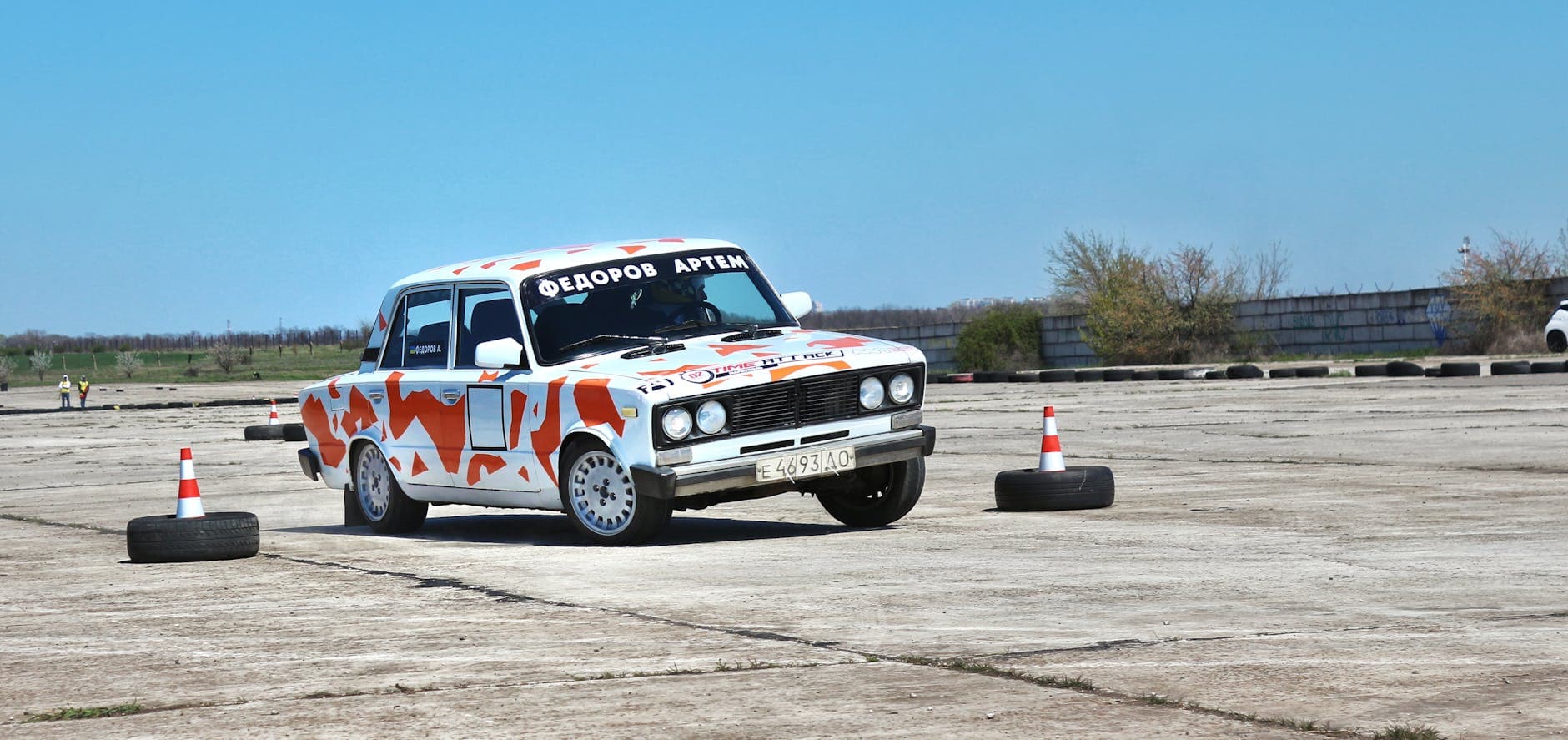
Catterick's track is one of the most distinctive in Britain — compact, left-handed, undulating, and unforgiving of horses that do not travel well into their bridles. Understanding the layout is essential for anyone who wants to bet intelligently here, because course form is more transferable at Catterick than at a galloping, flat track like Newmarket.
The flat track: shape, dimensions, and layout
The flat course is a left-handed oval measuring approximately 1 mile 1 furlong (nine furlongs) around. The straight five-furlong course is separate, running downhill from the start before joining the round course at the bottom of the hill, roughly three furlongs from home. This creates a distinctive two-phase sprint: the first two furlongs run downhill, giving horses a chance to build momentum quickly, before the track levels slightly and then rises in the final furlong. The uphill finish is modest by British standards — nothing like the extended climb at Epsom or Bath — but enough to blunt a horse that has not settled in the early stages.
The round course bend out of the back straight is tight and left-handed, taken at racing pace. Horses that race with cover and then quicken into the straight hold a significant advantage over those that have to make their move three furlongs out in the open. The run-in from the final bend to the winning post is approximately three furlongs — long enough that a well-judged front-running ride can hold on, but short enough that a real closer can get there if the pace collapses.
Key flat distances at Catterick:
- 5f — straight course, downhill start, slight uphill finish
- 6f — starts on the round course, negotiates the back straight bend
- 7f — as 6f but with an earlier start; tests stamina more than 6f
- 1m — a full circuit, starting after the winning post
- 1m4f — used for handicaps and maiden races; tests real staying ability on the round course
- 1m7f110y — the longest flat trip, demanding complete stamina and a relaxed racing style
Draw bias on the flat
Draw bias is one of the most important handicapping factors at Catterick, particularly over the shorter trips. In 5f races, the low draw (stalls 1 to 4) holds a consistent advantage. The downhill start means horses begin accelerating quickly, and those on the inside rail can dictate position without losing ground through the initial bend where the straight joins the oval. Over 6f, the bias is slightly less severe but remains significant: low-drawn runners finish in the frame at a higher rate than their market prices suggest.
At 7f and 1 mile, the draw effect diminishes because horses have longer to find their positions. Over 1m4f and beyond, the draw is largely irrelevant. If you are betting 5f or 6f handicaps at Catterick, checking where the market leaders are drawn is not optional — it is the first thing you should do.
Going tendencies on the flat
Catterick's subsoil is predominantly gravel and free-draining sandy loam, which means the course dries out quickly after rain. In a dry spell, the going can reach good to firm or even firm by late May, and conditions can stay fast throughout June, July, and August. Horses that have run well on good ground elsewhere tend to handle Catterick well in summer.
The flip side is that when it does rain heavily — which in North Yorkshire can happen at any time of year — the course can deteriorate quickly to good to soft or even soft, particularly in the spring meetings of April and early May. Checking the going forecast in the 48 hours before a meeting is more important at Catterick than at consistently fast-draining courses like Sandown.
The National Hunt course: layout and fences
The jumps course is built inside and outside the flat oval, using a combination of the flat track and a separate inner loop along the home straight. The circuit measures approximately 1 mile 2 furlongs. There are eight fences per circuit, arranged with three in the home straight and five in the back straight, including an open ditch in each straight. The configuration means that horses in two-mile chases jump nine fences in total; three-mile chasers jump fifteen.
Two-mile races start on a chute extending from the home straight. Runners jump one fence before joining the main circuit on the back bend, which means two-mile chasers are already into their rhythm before they face the open ditch in the back straight. The run-in from the final fence to the winning post is 240 yards — long enough to matter if a horse jumps the last poorly, but short enough that a horse who clears it cleanly and is in front can usually hold on.
The fences at Catterick are regarded as fair and well-constructed. They do not have the reputation for being particularly stiff — they are not in the same category as Haydock or Kempton in terms of fence quality — and they suit quick-jumping, agile horses. Long-striding gallopers that need a big, galloping track rarely show their best form here.
Hurdles course
The hurdles course follows the same general circuit as the chase course but uses a slightly wider track where the flat and NH layouts overlap. Hurdle races from 2m to 2m4f are the standard distances. The tight bends matter for hurdlers as much as for chasers: horses that jump hurdles fluently and can maintain momentum through the turns have a clear advantage over those who need to fiddle or flatten their jump.
Key characteristics for form study
Comparisons with similar tracks
Punters and form analysts who have studied Catterick frequently compare it to Carlisle, Musselburgh, and Kelso in the NH sphere, and to Chester on the flat — all tracks where horses that settle, travel well, and can handle tight bends have a systematic advantage. The difference is that Catterick's undulations add a dimension that purely flat, tight tracks do not have. A horse that handles Carlisle's tight turns but has a big, sweeping stride that gets disrupted by the gradient changes at Catterick will not necessarily reproduce that Carlisle form here. Conversely, a compact, active-striding horse from a northern yard that has won over 6 furlongs at Catterick is a template worth tracking when it travels to Chester or Hamilton.
For NH form, Wetherby is the other course most frequently cited in the same breath as Catterick: both are left-handed, honest, and well-run, with fields drawn primarily from northern yards. A horse winning over 2 miles at Wetherby then stepping up to 2 miles 3 furlongs at Catterick is typically making a reasonable jump in distance that the track configuration can accommodate. The Wetherby to Catterick pipeline, and its reverse, is one of the most consistent form links in northern National Hunt racing.
Three physical characteristics define Catterick racing:
Tight turns — both the back straight bend and the home turn are sharper than at a galloping track. Horses raced prominently and that have raced at Carlisle, Musselburgh, or Kelso — other left-handed, turning tracks in the north — tend to adapt well.
Undulating terrain — the track is not flat. The first two furlongs of the straight are downhill, the round course has changes of gradient through the back straight, and the home straight rises slightly. Horses that race with a long, sweeping stride can struggle to find their balance.
Front-runner bias — the uphill finish in flat races and the nature of the jumps course both help horses racing prominently. This is not an absolute law, but the strike rate of horses who race in the first two or three in both flat and NH racing at Catterick is consistently above the British average. For more on how to use these characteristics in your betting, see the betting guide.
Key Fixtures & Calendar
Catterick stages around 27 race meetings per year, divided between approximately 17 flat fixtures and 10 National Hunt meetings. No other racecourse in Yorkshire offers both codes, and no other Yorkshire venue races every calendar month. The programme is built around a core of competitive handicaps, with a handful of Listed races and feature meetings that attract wider attention.
The flat season: March to October
Flat racing at Catterick begins in late March and runs through to October. The early spring meetings — late March and April — often carry a sting in the tail weather-wise, with soft going a real possibility. Fields at this stage of the season tend to be smaller as trainers prefer to wait for better ground.
May and June represent the heart of the flat programme at Catterick. Going conditions settle into something consistent, field sizes grow, and the evening meetings begin. Summer evening fixtures in June and July draw steady crowds and offer a relaxed alternative to the bigger weekend meetings. Attendance at a midweek evening meeting typically runs between 1,500 and 2,500 people — comfortable rather than packed, and ideal for anyone who finds the big Saturday meetings too busy.
The Catterick Dash is the signature flat race and the highlight of the summer programme. Run over 5 furlongs and held in June, it is a Listed sprint that attracts established northern sprinters alongside the occasional southern raider. The race regularly draws fields of 15 or more runners and is the most competitive sprint staged at Catterick all year. The meeting that contains the Dash is the biggest flat day at the course, with crowd estimates in the region of 3,500 to 4,500. For a full analysis of the race history and betting angles, see the Catterick Dash guide.
July and August bring the most frequent flat fixtures, with multiple meetings per month. Summer Saturdays attract families, and the course runs family racedays with entertainment pitched at children. Under-18s enter free at these meetings, which makes them truly good value for a family afternoon. Typical Saturday flat crowds in summer run to 3,000 to 4,000.
September and October see the flat programme wind down, with the October meeting marking the end of the flat season. These autumn meetings often carry softer going as the year turns, and form from the summer does not always translate — horses that have been running on fast ground all season can find the switch to good to soft ground catching them out.
The National Hunt season: October to March
The jumps season at Catterick opens in late October or early November, typically with the NH opener meeting that marks the start of winter racing. This first jumps fixture is eagerly anticipated by northern trainers, many of whom have horses specifically prepared for Catterick's opening NH card. The going at this stage is usually good to soft, which is ideal — not so wet that it becomes an endurance test, but soft enough to reward staying types.
November and December are the core of the winter NH programme. Catterick stages several mid-week jumps meetings during this period, with fields drawn from the busy northern jumping circuit that includes Carlisle, Hexham, Wetherby, and Musselburgh. Trainers based at Middleham — a yard cluster 12 miles to the west — use Catterick as a convenient local venue.
The Boxing Day meeting is the most atmospheric fixture of the Catterick year. Held on 26 December, it draws 3,500 to 5,000 people — the largest jumps crowd of the winter and one of the most sociable days in the North Yorkshire racing calendar. The card typically contains four or five competitive NH handicaps, a novice chase, and a hurdle race. Locals treat it as a tradition: generations of North Yorkshire families have attended the Boxing Day meeting at Catterick, and the combination of competitive racing and festive atmosphere makes it one of the better Boxing Day fixtures in the north of England.
January and February meetings can be weather-affected. Catterick's position in the Vale of Mowbray means it is not particularly prone to waterlogging — the course drains reasonably well — but frost and snow can cause abandonments in a bad winter. Checking the going on the morning of a January or February meeting before travelling is advisable.
The NH season closes at Catterick in March, by which point the flat horses are returning to work and the dual-purpose character of the course reasserts itself.
Family racedays and themed fixtures
Catterick runs several family and themed racedays across the year. These are positioned at the start of school holidays and typically include entertainment beyond the racing itself. The family-friendly credentials are real — the course is compact enough that children can see the horses clearly from most viewing areas, and the paddock is accessible and not overcrowded.
For the full fixture list and ticket prices, the course website publishes the calendar from January each year.
Facilities & Hospitality
Catterick's facilities are functional and well-maintained rather than lavish. The course has a capacity of approximately 5,000 and the layout reflects that scale — everything is within easy walking distance of everything else, which is one of the practical advantages of a compact venue.
The main grandstand
The grandstand sits on the home straight and provides the primary elevated viewing area for the course. Its structure dates to the early twentieth century, though internal fittings have been updated incrementally. The upper levels of the grandstand give a clear view of the full home straight and the final turn — a useful vantage point for watching how horses travel into the bend. The ground-floor areas house bars, food counters, and the on-course Tote windows. The grandstand does not have the scale of York's or Doncaster's facilities, but the sight-lines are generally good, and the compact track means the horses are rarely far away.
Enclosures
Catterick operates two main enclosures. The Premier Enclosure gives access to the grandstand, the paddock viewing area, and the Winning Post restaurant. Dress code here is smart casual — jeans are acceptable, tracksuits are not. The General Admission enclosure offers value entry with access to the basic viewing areas, food and drink outlets, and on-course bookmakers. Both enclosures are on the home straight side of the track.
The paddock sits between the two enclosures and is accessible from both sides, though the Premier Enclosure gets the better viewing angle. On busy days — particularly the Catterick Dash meeting in June and the Boxing Day NH fixture — arriving early for a good paddock position before the main race is worthwhile.
The Winning Post restaurant
The Winning Post is the course's dedicated restaurant, located within the Premier Enclosure grandstand. It offers a set menu on racedays, with two- and three-course options. Booking in advance is recommended for the Catterick Dash meeting and the Boxing Day card, both of which see the restaurant fill early. For most other fixtures, walk-in availability is reasonable if you arrive before the first race. The food is straightforward British cooking at a standard racecourse level — reliable rather than exceptional.
Food and drink outlets
Beyond the Winning Post, Catterick has a range of casual food and drink options spread across both enclosures. The standard offer includes hot dogs, burgers, fish and chips, and pies — typical racecourse catering that is priced in line with other northern courses. There are several bars, with the busiest positioned at the base of the grandstand and near the paddock. Queue lengths on busy Saturdays and the Boxing Day meeting can be frustrating, and carrying cash rather than relying on card payments saves time at some outlets.
Betting facilities
On-course bookmakers line the betting ring between the grandstand and the track rail. Numbers vary by meeting — a typical Saturday flat fixture might have 15 to 20 layers, while a midweek jumps meeting might have fewer than 10. The Tote has windows inside the grandstand. For the bigger meetings, the competitive on-course market is often worth using for win bets on fancied runners that the off-course bookmakers have priced tightly. For more on how to use on-course betting at Catterick effectively, see the betting guide.
Children's facilities
There is a designated children's area at Catterick, positioned in the General Admission enclosure. It includes some entertainment on family raceday fixtures. The course's compact size is itself an asset for families — children can see horses clearly in the paddock and at the rail without being lost in a large crowd. Under-18s enter free at Catterick meetings, which is one of the better admission policies among northern racecourses.
Disabled access
Catterick has made improvements to disabled access in recent years. There are dedicated viewing areas with good sight-lines to the track that are accessible by wheelchair. The paddock and main viewing areas are on relatively flat ground. The course website lists the specific provisions for each enclosure, and the racecourse team can be contacted in advance to arrange particular requirements.
Hospitality packages
Group and corporate bookings are available through the racecourse's hospitality team. Private boxes and shared hospitality spaces can be arranged for the bigger meetings. The venue is also available for hire for private events outside the racing calendar. For up-to-date pricing, the course website has current hospitality listings.
Getting There
Catterick Bridge Racecourse sits at postcode DL10 7PE, directly adjacent to the A1(M) in North Yorkshire. It is one of the most accessible racecourses in Britain by car and one of the less straightforward to reach by public transport.
By car
The course is immediately off the A1(M). Travelling from the south, leave at Junction 53 and follow the brown racecourse signs for approximately half a mile. From the north, the same junction applies. The journey from York takes around 24 minutes (24 miles via the A1(M)); from Darlington, it is approximately 15 miles and 20 minutes; from Leeds, allow 45 minutes in normal traffic.
On-site parking is large and free of charge at most meetings. The car park is directly adjacent to the course entrance, which means the walk from car to turnstile is typically under five minutes. For the Catterick Dash meeting in June and the Boxing Day NH fixture, the car parks fill quickly and early arrival is recommended — aim to be parked by 45 minutes before the first race. Racecourse staff direct traffic in the car park on busy days and the process is generally orderly.
From the A1(M), the signage is clear and the approach road is straightforward. There are no narrow lanes or restricted access issues of the kind that cause delays at courses tucked into town centres.
By train
The nearest mainline station is Northallerton, approximately 7 miles to the east of the course. Northallerton sits on the East Coast Main Line and has regular services from London King's Cross (journey time approximately 2 hours 20 minutes), Leeds (40 minutes), York (20 minutes), and Edinburgh (1 hour 40 minutes).
From Northallerton station, there is no direct shuttle bus to the racecourse. The most practical option is a taxi, which takes around 12 minutes and typically costs £12 to £16 each way. A small number of taxi firms operate from outside Northallerton station; pre-booking for the return journey — particularly on busy days — is strongly recommended. Do not assume you will be able to find a cab from the station after racing.
Darlington is the other option, 15 miles to the north and also on the East Coast Main Line. Taxi fare from Darlington to the course is higher — typically £20 to £25 — and the journey takes 20 to 25 minutes.
There is a seasonal Catterick Bridge halt that operates on some summer flat racedays, accessed via the Tees Valley line. This is not available year-round and the service is infrequent. Check the course website to confirm whether it is running for your chosen meeting before planning around it.
From nearby towns
- Richmond (3 miles west): the closest town; taxi to the course takes under 10 minutes
- Northallerton (7 miles east): best if arriving by train on the East Coast Main Line
- Darlington (15 miles north): viable if travelling from the north-east
- York (24 miles south): well connected by the A1(M); many York-based racegoers drive to Catterick on a dual-purpose day
Practical notes
There is no public bus service that stops directly at the racecourse on racedays. If you are travelling without a car, a taxi from Northallerton is the most reliable option. Groups of three or four sharing a taxi from Northallerton will find the cost per person is modest.
The course is compact once you are inside, and no internal shuttles or long walks are required between enclosures.
Frequently Asked Questions
History of Catterick Racecourse
Racing has taken place in and around Catterick Bridge for longer than the formal records capture. References to horse racing in the Catterick area date to the mid-seventeenth century, when ad hoc meetings were held on common land near the River Swale. The river's flood plain provided flat ground suitable for racing, and the village of Catterick Bridge — straddling a crossing point on the main north-south road that would eventually become the A1 — made it a natural gathering point for those travelling between Yorkshire and County Durham.
The Raby Estate and early patronage
The development of Catterick from an informal gathering into an organised racecourse owed much to the Raby Estate, which held extensive landholdings in North Yorkshire and County Durham throughout the eighteenth and nineteenth centuries. The Vane family, who held the Raby title, were among the aristocratic patrons who supported northern racing at a time when the sport was dependent on wealthy landowners providing both prize money and land. Catterick's early meetings in the late seventeenth and early eighteenth centuries were shaped by this aristocratic framework, which also supported race meetings at Richmond (the nearby market town) and Middleham.
By 1783 — the date recorded as Catterick's formal founding — the course had an established fixture list and a recognised location. The 1783 date marks the point at which Catterick appears in formal racing records, though the course's roots predate this by several decades.
The nineteenth century: consolidation
The nineteenth century brought railway expansion to North Yorkshire, which had a direct effect on racing at Catterick. A halt at Catterick Bridge served the course, and the rail connection made the venue accessible to racegoers from Darlington, York, and Leeds in a way that horse-drawn transport had never permitted. Attendances grew, and the course established itself as part of the regular northern racing circuit that included Doncaster, York, and Pontefract.
The grandstand structure visible at Catterick until recent decades had its origins in work carried out around 1906, reflecting a period of investment in the course's infrastructure. By this point Catterick was a recognised part of the Jockey Club's northern racing programme, with a fixture list that included both flat and — from the National Hunt development of the late Victorian era — jumping events.
Lester Piggott and the twentieth century
No single figure dominates the record books at Catterick quite like Lester Piggott, who rode his first winner at the course in June 1948 at the age of twelve. Piggott's connection with Catterick extended through his career: a course that rewarded a positive, front-running ride suited his style, and his tally of winners at the track ran into the dozens across his riding career from 1948 to 1994. Piggott's early appearances at Catterick are part of the broader story of northern flat racing in the post-war era, when the course hosted some of the most competitive sprint handicaps in England.
The twentieth century saw Catterick settle into its role as a working-class, no-frills northern venue. It was never going to compete with York for prestige or with Doncaster for the sheer weight of history attached to the St Leger. What it offered instead was honest, well-run racing at a venue close to the communities of North Yorkshire. Racegoers from Darlington, Richmond, Northallerton, and Teesside formed the core of its regular crowd, a community of racing enthusiasts for whom Catterick was the local track in the most literal sense.
Northern trainers and the Catterick connection
The trainers based in the Middleham, Malton, and Hambleton areas have always formed the backbone of Catterick's field composition. Middleham — 12 miles to the west in the Yorkshire Dales — has been a training centre since the mediaeval period, when horses were exercised on the high moors above the town. Trainers such as William Haggas, based at Newmarket but with northern connections, and Karl Burke, based at Spigot Lodge near Leyburn — eight miles from Catterick — have maintained strong records at the course in the modern era. Burke in particular has used Catterick as a primary outlet for his two-year-old runners and sprint handicappers, with a strike rate at the course that consistently outperforms the trainer's overall average.
National Hunt history
Catterick's National Hunt history parallels its flat history without receiving the same prominence. The jumps course was developed in its current form during the twentieth century, and has since produced a steady flow of horses that went on to bigger things. Trainers preparing horses for Cheltenham, Aintree, and Sandown have regularly used Catterick's winter programme as a stepping stone — the course's fences are fair, the going manageable, and the competitive level of the handicaps honest enough to give a horse a real educational experience without necessarily exposing it to the very best animals. Several horses that contested the Champion Hurdle and the Gold Cup had Catterick winners on their early career CVs, though the course's role in those trajectories was that of a launching pad rather than a test in itself.
The course was granted listed status on the NH side in the modern era, with the North Yorkshire Grand National — run in January over approximately 3 miles 1 furlong — becoming the feature jumps event. This race, while not at the highest level of the NH programme, draws the biggest fields of the winter season and functions as a local sporting institution.
Famous Moments
Catterick does not have the roll-call of Classic winners and Group 1 occasions that define courses like Newmarket, Epsom, or York. Its significance in British racing comes from a different source: the consistent production of horses that went on to larger careers, and the staging of fixtures that matter deeply to the racing communities of North Yorkshire and the wider north of England.
The Catterick Dash
The Catterick Dash — run over 5 furlongs in June — has become the course's most anticipated flat race, and its renewals generate real excitement among northern sprint specialists and their connections. The race's Listed status means it attracts established sprinters that can use a Dash win as a springboard to Group races at York, Haydock, or Ascot later in the season. The draw bias in the race (low stalls have produced a consistent advantage since records were studied systematically in the 1990s) gives the event a puzzle element that appeals to punters who do their homework.
Past renewals have featured horses from the yards of Tim Easterby, Richard Fahey, and Kevin Ryan — the dominant northern sprint trainers — as well as the occasional raider from southern stables attracted by the prize money and the competitive field. The race's 5f distance on a downhill, straight track that becomes uphill in the final 100 yards produces a specific type of winner: a quick-beginning, low-drawn horse that can sustain its early speed all the way to the line.
Northern stepping stones
Catterick's most enduring contribution to British racing is its role as a development ground for horses heading to bigger targets. The pattern is most visible in the National Hunt sector: trainers based in the north — including Nicky Richards near Greystoke, Brian Ellison near Malton, and Philip Kirby near Richmond — have regularly used Catterick's November and December fixtures to introduce horses to competitive jumping before pitching them at better races at Cheltenham, Aintree, or Sandown in the new year.
On the flat side, two-year-old maiden and novice events at Catterick in May, June, and July have launched horses that Then contested Pattern races. The course's competitive maiden fields and fair management of early-season fixtures mean that winning a Catterick maiden at two is a reasonable signal of real ability — not a certainty, but a data point. Trainers such as Karl Burke have introduced horses at Catterick that later competed at Group 1 level, using the course's proximity to the Leyburn and Middleham training centres as a practical convenience.
The Boxing Day meeting as social institution
The Boxing Day National Hunt fixture at Catterick is the most significant social event in the course's annual calendar. It has been running as a Boxing Day card for decades, and the date in the calendar is treated as fixed by the families and communities of North Yorkshire who attend it year after year. Crowds of 3,500 to 5,000 make it one of the best-attended NH fixtures in the north of England — larger than most midweek jumps meetings at bigger courses — and the atmosphere on a cold December afternoon, with frost on the Swale flood plain and the grandstand unusually full, is something that Catterick's more modest weekday meetings do not capture.
The quality of the Boxing Day card itself is consistently solid rather than spectacular. But the competitive local handicap chases, the novice hurdles giving unexposed horses an outing before Christmas money races, and the general festivity of the day make it a fixture that regulars would not miss.
Horses that began at Catterick
Several horses used Catterick as their first or second start before developing into significant performers. The pattern is particularly common in the jumps sphere, where trainers from the north use the course's accessible fences and honest, competitive atmosphere to educate novice chasers. A horse winning a novice chase at Catterick in November, progressing to Wetherby or Newcastle in December, then heading to the Cheltenham Festival in March is a career trajectory that has recurred multiple times in the modern NH era.
On the flat, horses that debuted at Catterick and later competed at Group level include sprinters from the Fahey and Burke yards, typically winning a course maiden at two before stepping up to Listed or Group 3 company at York or Haydock. The course's form is taken seriously by handicappers and form analysts because Catterick's competitive fields — particularly in northern sprint handicaps — provide a reliable benchmark.
The course's place in northern racing culture
In the broader culture of Yorkshire and the north-east, Catterick occupies a specific and valued position. It is not the most glamorous or the most famous. But for the trainer at Middleham preparing a modest handicapper, for the family from Darlington making an annual trip to the Boxing Day card, and for the punter who knows the course's draw bias and trainer statistics, Catterick is a course that rewards familiarity. That reliability — year after year, meeting after meeting — is its own kind of distinction.
Betting Guide
Catterick is one of the most angle-rich courses in the north of England. The combination of a clear draw bias, a consistent front-runner premium, and a small pool of local trainers who dominate the results gives the diligent punter multiple entry points that are not available at more neutral, galloping tracks.
Draw bias: the most important flat betting factor
The draw bias in sprint races at Catterick is among the most consistent in British flat racing. In 5-furlong races, stalls 1 to 4 hold a significant advantage over the remainder of the field. The downhill start accelerates the early pace, and horses drawn on the inside rail can dictate position on the favourable camber without the lateral movement that wide draws are forced to make. Analysis of 5f results at Catterick over multiple seasons consistently shows low-drawn horses winning and placing at a rate above their starting prices.
In 6-furlong races, the advantage narrows but remains real. Stalls 1 to 6 outperform their market prices in 6f handicaps. The key mechanism is the back-straight bend: low-drawn horses can get to the inside rail without losing momentum, while wide-drawn horses have to either use their early pace to cross over — burning energy — or race wide throughout.
At 7 furlongs and 1 mile, the draw effect diminishes to negligible. At 1m4f and beyond, ignore the draw entirely.
Practical rule: In any Catterick 5f or 6f handicap, if your preferred selection is drawn in stalls 8 or higher in a 12-runner field, reduce your confidence in the selection and check whether a lower-drawn rival is close to it in the market.
Front-runner premium: flat racing
Catterick's uphill home straight rewards horses that set or track the pace. The course does not have a long, flat straight where a horse can make ground with a sustained run from the rear of the field — the gradient in the final furlong means horses that are flat out at that point, having made their move in the straight, often find their run flattening. Horses that are prominent or leading at the two-furlong pole finish in the frame at a disproportionately high rate.
This is not to say that closers never win at Catterick — they do, particularly when the pace is slow and the field compresses in the straight. But the default assumption for Catterick flat racing should be that prominent racers are underrated at the prices, and that horses who consistently produce late runs from the rear will be less effective here than their form elsewhere suggests.
Trainer statistics: flat racing
Three trainers dominate Catterick's flat prize money year after year:
Tim Easterby (East Appleton, North Yorkshire, 12 miles from the course) runs a high volume of horses at Catterick and posts a consistent strike rate. His horses are often well-prepared for this specific track, particularly in sprint handicaps.
Kevin Ryan (Hambleton, North Yorkshire) focuses heavily on sprinters and two-year-olds. His yard's record at Catterick in 5f and 6f conditions and maiden races is strong, and his horses frequently return better value than their reputations suggest.
Karl Burke (Spigot Lodge, near Leyburn, 8 miles from the course) has consistently strong figures at Catterick, particularly with two-year-olds making early appearances. Burke's runners at Catterick in the April to June period warrant attention even when not at the head of the market.
Michael Dods (Denton, near Darlington, 12 miles north of the course) specialises in sprint handicappers and has a record at Catterick that punters have historically exploited. Dods horses in 5f and 6f handicaps at Catterick tend to run to form more reliably than their SP suggests.
National Hunt betting: key factors
Front-runners win here. The NH course at Catterick has the same characteristic as the flat: horses that race prominently tend to control the race from the front and hold on. The run-in of 240 yards from the final fence is long enough to punish a horse that jumps it awkwardly, but short enough that a horse travelling well and in front at the last can invariably hold on. In both chases and hurdles, check whether your selection is likely to race near the front.
Going matters more in winter than in summer. The course can move from good to good to soft in 24 hours of North Yorkshire rain, and from good to soft to soft or heavy in a prolonged wet spell. A horse that has been running on good ground in October may find conditions very different at the same course in December. Going reports on the morning of racing are essential for November, December, and January meetings.
Value in lower-grade NH handicaps. The competitive level in Catterick's Class 3 and Class 4 handicap chases and hurdles is honest but not deep. Fields are often drawn from a small pool of northern-trained horses, and local knowledge — knowing which trainers have horses in form and which yards are quiet — is more valuable here than at a London track with 20 national-calibre trainers running horses.
Trainer stats for NH: Brian Ellison (Malton), Nicky Richards (Greystoke), Philip Kirby (Richmond, 3 miles away), and Donald McCain all have strong NH records at Catterick. Kirby in particular, given his proximity to the course, merits consideration whenever his runners appear at accessible odds.
Systematic approach: checklist for Catterick punters
- In 5f/6f races: check the draw before anything else
- In all flat races: identify horses that raced prominently last time and note whether they held on or won running away
- In NH races: check going forecast and compare to horse's preferred going
- Check local trainer stats — if a yard within 15 miles of the course is represented, give it extra weight
- For value in NH handicaps: look for horses that ran creditably at a course with similar characteristics (Carlisle, Musselburgh, Kelso) and are making their first or second Catterick start
For a fuller treatment of each angle, the dedicated betting guide covers each factor with historical data.
Atmosphere & Planning Your Visit
Catterick Bridge sits in the Vale of Mowbray, a broad, flat agricultural plain between the Yorkshire Dales to the west and the North York Moors to the east. The River Swale runs within a quarter of a mile of the course, and on a clear day the Hambleton Hills are visible to the south-east. This is working northern countryside — not picturesque in the way that the Dales or the Moors are — but substantial and honest, a landscape that matches the character of the racing.
The garrison town of Catterick is half a mile to the east, home to one of the largest British Army bases in the country. The town itself has limited tourism infrastructure, which is why most visitors base themselves in Richmond or Northallerton. The racecourse draws most of its crowd from North Yorkshire, County Durham, Teesside, and the wider Yorkshire region. It does not have the day-tripper catchment of a London or Midlands venue, and that shows in the atmosphere: most people at Catterick on a given day know something about racing, have been before, and are there for the horses.
Best time to visit
For flat racing: May and June offer the best combination of weather, going, and field quality. The going is typically good at this point, the two-year-old season is underway, and the Catterick Dash meeting in June marks the peak of the flat calendar. Summer evenings — June and July — provide a relaxed experience with good light until 9pm.
For National Hunt: The Boxing Day meeting is the atmospheric highlight of the winter programme. If you attend only one Catterick NH fixture, the Boxing Day card is the one. November's opening NH meeting is a close second — horses are fresh, the going is often ideal at good to soft, and the fields are competitive. Avoid January and February if you are sensitive to weather-related cancellations.
Combining with nearby attractions
Richmond (3 miles west) is the most natural base for a Catterick day. The town has an eleventh-century castle with views over the Swale valley, a Georgian theatre (one of the oldest working theatres in England, dating to 1788), an attractive market square, and several good pubs. The King's Head Hotel on the market square is the most convenient option for an overnight stay. A Catterick race day combined with an evening in Richmond works well, particularly in summer.
The Yorkshire Dales begin at Leyburn, approximately 8 miles to the west of the course. Leyburn is a market town with a good range of independent shops and cafes. From Leyburn, Wensleydale — one of the most accessible and beautiful of the Dales valleys — runs westward to Hawes, 20 miles and 30 minutes by car. Hardraw Force, the highest single-drop waterfall in England at 30 metres, is 2 miles west of Hawes. A Catterick morning fixture combined with an afternoon in the Dales is a practical option.
Bedale (6 miles south) is a quiet market town with a long main street, a church with medieval features, and a good local pub. It is less visited than Richmond and offers a calmer alternative for an overnight base.
Northallerton (7 miles east) is a larger market town with a good range of shops and restaurants, and is the most practical base for anyone arriving by train on the East Coast Main Line. The town has several hotels and is well connected by road to the course.
What to expect on the day
Catterick is not the sort of course where you need to arrive with a full plan. The compact layout means you can see the paddock, walk to the rail, watch the betting ring, and get to the bar between races without rushing. The atmosphere on a typical Saturday flat meeting is friendly and relaxed — conversations between strangers in the betting ring are common, and the crowd tends to share a real interest in the horses rather than treating the occasion as a social backdrop.
The Boxing Day meeting has a different energy: louder, more festive, with more families and groups, but still recognisably a racing crowd rather than a party that happens to have horses nearby.
For most visitors, Catterick works best as the centrepiece of a North Yorkshire day — racing in the afternoon, Richmond or the Dales in the morning or evening, and a good meal somewhere in between.
More guides for this course
Share this article
More about this racecourse
All Catterick guides
Catterick Dash Day at Catterick: The Complete Guide
Everything you need to know about Catterick Dash Day — the north's premier sprint occasion. Race card breakdown, course specialist angles, how to get there, and what to bet.
Read more
Catterick Dash: Complete Guide
Your complete guide to the Catterick Dash — history, great winners, the course, and betting angles for Catterick's signature flat race.
Read more
A Day Out at Catterick Racecourse
A day at Catterick Bridge — getting there, what to wear, enclosures, food and drink, and insider tips for Yorkshire's friendly racecourse.
Read moreResearch the field with the AI Race Predictor
Our model publishes calibrated win-probability estimates for UK races — a second opinion to understand a race, not tips. It's open about its record: it doesn't beat the market, and we show exactly how it does.
Work it out & learn the basics
Gamble Responsibly
Gambling should be entertaining and not seen as a way to make money. Never bet more than you can afford to lose. If you or someone you know has a gambling problem, help and support is available.