
Founder & Editor · Last reviewed 2026-04-05
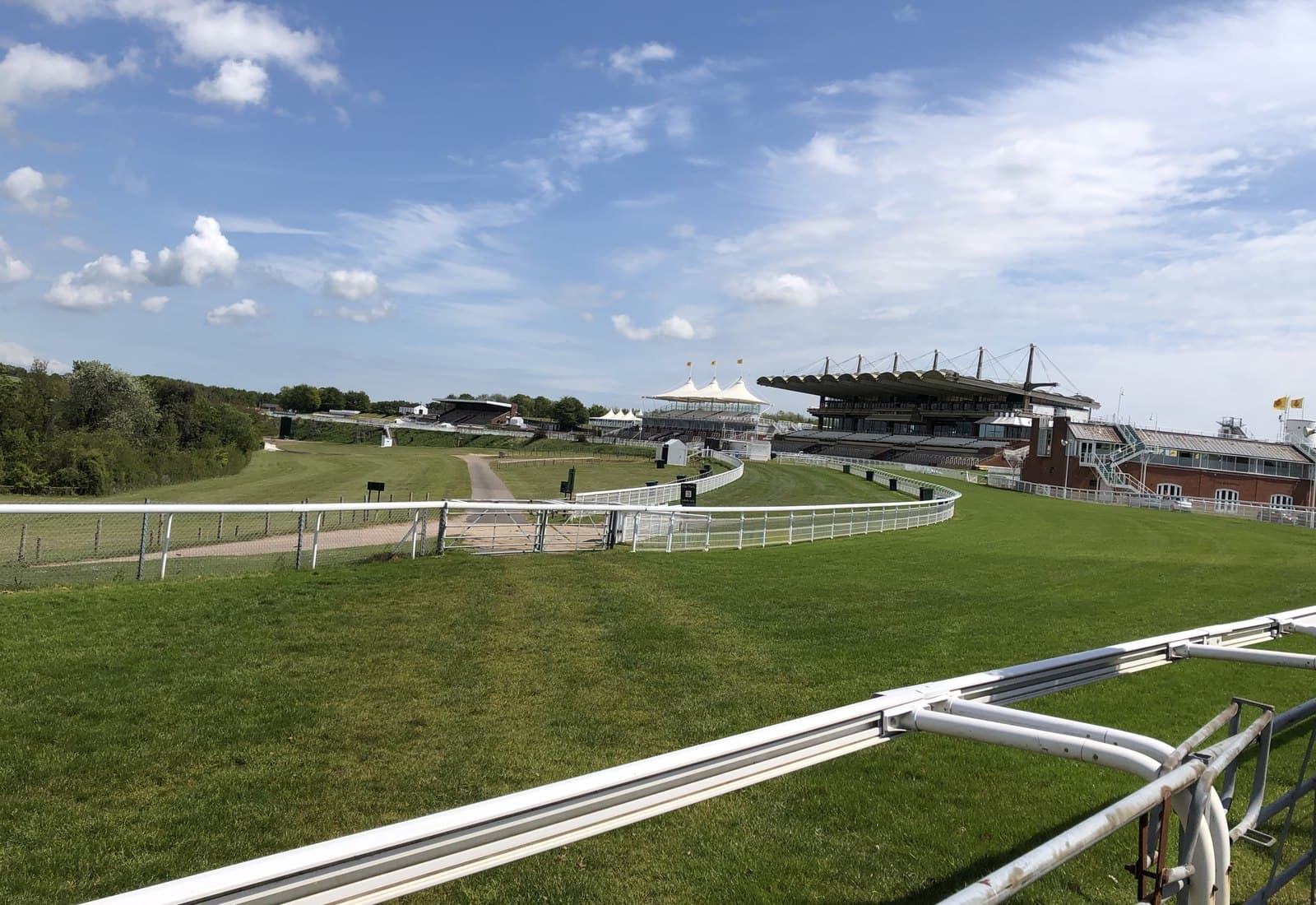
The Qatar Goodwood Festival — universally known as Glorious Goodwood — is five days of world-class flat racing set against the most spectacular natural backdrop in British sport. Held annually in late July or early August on the Sussex Downs, it is the summer's premier racing festival outside of Royal Ascot, attracting the finest horses in training, the keenest punters and racegoers who understand that few other places combine top-level sport with such an extraordinary setting.
The festival's roots stretch back to the 1840s, when the July meeting at Goodwood first earned the "Glorious" tag from Victorian racegoers enchanted by the hilltop course and its panoramic views across the South Downs to the English Channel. The course sits approximately 5 miles north of Chichester in West Sussex, at an elevation that gives it distinctive weather patterns — often sunnier than the surrounding valleys in fine conditions, but exposed and breezy when the weather turns. Nearly two centuries after acquiring its famous nickname, the name still fits. This is racing at its most glamorous and its most competitive: Group 1 contests that determine championship honours, handicaps that provide the year's greatest betting puzzles, and an atmosphere that manages to be both intensely serious and truly relaxed.
Qatar Airways became headline sponsor in 2012, rebranding the meeting as the Qatar Goodwood Festival on official communications. The "Glorious Goodwood" name has persisted in common use among racegoers, trainers and the press, and the two names are now used interchangeably. What has not changed is the quality of the racing programme. The five-day card includes the Sussex Stakes (Group 1, 1 mile), the Nassau Stakes (Group 1, 1m 2f), and the Goodwood Cup (Group 1, 2 miles) — three Group 1s spread across Tuesday, Wednesday and Thursday — plus a dense supporting programme of Group 2 and Group 3 races and some of the most competitive handicaps of the flat season.
What makes Glorious Goodwood different from other major meetings is the feel. Where Royal Ascot can be rigid in ceremony and Cheltenham is raucous from the first race to the last, Goodwood strikes a balance that is uniquely its own. The estate setting — the racecourse is part of the Duke of Richmond's 12,000-acre Goodwood Estate — creates the sense of a country house gathering rather than a public sporting event. The crowd is knowledgeable and enthusiastic without being overwhelming. The dress code in the premium Richmond Enclosure requires smart attire, including a hat for women on festival days, but the atmosphere across all enclosures is welcoming rather than exclusive.
Who this guide is for: This guide is written for anyone planning to attend the Qatar Goodwood Festival for the first time, as well as returning visitors who want a sharper picture of the racing programme and betting landscape. It covers the five-day programme and what to expect from each day, the key races with historical context and betting angles, a betting strategy section built around Goodwood's specific course characteristics, and practical information on tickets, travel and accommodation. The FAQ at the end addresses the most common questions from first-time visitors.
Quick decision guide:
- Best day for racing quality: Wednesday (Sussex Stakes, Group 1 mile)
- Best day for atmosphere: Saturday (Stewards' Cup, Heritage Handicap sprint)
- Best day for less crowded experience: Tuesday or Thursday
- Best day for each-way betting value: Saturday (large-field handicaps) or Friday (competitive Group 2s and 3s)
- Book earliest: Wednesday Richmond Enclosure tickets and Saturday hospitality — both typically sell out months in advance
Bet on Goodwood
Place your bets on Goodwood races with a trusted bookmaker.

Promo code BETFRED50. New customers only. Register, deposit with a Debit Card, and place a first bet of £10+ at Evens (2.0)+ on Sports, to be settled within 7 days, to get £30 in Sports Free Bets and £20 in Bet Builder Free Bets within 24 hours of settlement. 7-day expiry. Eligibility & payment exclusions apply. Full T&Cs apply. Take Time to Think. BeGambleAware.org. 18+. Full T&Cs.

Promo code R30. New UK customers only, 18+. Register, deposit £10 or more, then place a £10 single cash bet at odds of 1/2 (1.5) or greater on any sports market (excluding Virtuals). Once the qualifying bet settles you get £30 in Free Bets (3 x £10) — the qualifying bet can win or lose. Free Bets are valid on any sports market excluding Virtuals, expire in 7 days, are non-withdrawable and must be used in full. Excluded deposit methods apply (including PayPal, Apple Pay, Skrill and NETELLER). Named bets such as Lucky 15 do not qualify. If you cash out the qualifying bet, or it is voided, you are no longer eligible for the offer. Ends 31.12.26. Full T&Cs apply. Please gamble responsibly. BeGambleAware.org. 18+. Full T&Cs.

Promo code BET40GET20. New UK customers, 18+. Register with the code and place a first bet of £40 or more at Evens (2.0) or greater. Receive 2 × £10 free bets: the first credited automatically once the qualifying bet settles, the second 24 hours later. Free bets must be placed at minimum odds of 4/1 (5.0), expire 24 hours after credit, and the free-bet stake is not returned with winnings. Debit card deposits only. Take Time to Think. BeGambleAware.org. 18+. T&Cs apply. Full T&Cs.

50% of your first-day net losses refunded as a free bet, capped at £25. New UK customers aged 18+ only. To qualify, deposit and place a first bet of £10 or more on any sport at minimum odds of evens (2.00), then place at least two further bets on different events, each worth at least 50% of your largest bet, all at evens (2.00) or greater. Losses are counted from your first settled bet until 23:59 the same day. Place a qualifying £10+ bet and you are guaranteed at least a £5 free bet. Bets placed at SP, void bets, cashed-out bets and bets struck with free bets do not count towards the offer. The free bet is credited the day after your qualifying bets settle and must be used within 7 days, after which it expires. It can be used at odds from 1/4 (1.25) up to 250/1 on singles and straight accumulators, but not on Trixie, Patent or Yankee style multiples. Free-bet stake is not returned with winnings. One offer per person, household, address, IP address and device. E-wallet deposits may not qualify, so check the cashier before depositing. Customers registered with GAMSTOP cannot claim. KYC identity verification must be completed before the free bet is credited. Take Time to Think. BeGambleAware.org. 18+. T&Cs apply. Full T&Cs.

New customers, 18+. Choose the sports bonus at sign-up, make a first deposit and receive a 100% bonus up to £50 in your Sports Bonus balance. To convert the bonus to cash, wager it 10x within 30 days. Single bets below Evens (2.00) do not qualify; accumulators do not qualify if any selection is below 1/2 (1.50). Virtual Sports, voided, cancelled, drawn, cashed-out and free-bet wagers do not count towards wagering. Only the first settled bet per event counts. Withdrawing before the wagering requirement is met forfeits the bonus balance including bonus winnings. Real-money funds are used before bonus funds. Deposits via Skrill or Neteller are not eligible. Not valid in conjunction with other promotions. Odds, bet and payment limits apply. 10bet general and promotion T&Cs apply. BeGambleAware.org. 18+. Full T&Cs.

New customers in Great Britain and Republic of Ireland, 18+. Place a £10 fixed-odds qualifying bet at minimum odds of 1/2 (1.50) — single or each-way (only the win part counts), pre-event or in-play, not cashed out early, within 28 days of opening the account. Receive up to £60 in bonuses credited over three days: 3 × £10 fixed-odds free bets (the first on settlement, then 24 and 48 hours later) plus 3 × £5 Total Goals FOOTBALL spread bets and 3 × £5 racing Winning Favourites spread bets, with a £1 racing Race Index spread bet as an extra on top. The spread bets need a full spread-betting account, opened within 28 days of the fixed-odds account and subject to Spreadex's eligibility and appropriateness checks. Free-bet stakes not returned with winnings; free bets valid 28 days from issue. IMPORTANT: the £5 credits are SPREAD bets — sports spread betting carries the risk that losses can exceed your stake. Sports spread-betting customers do not have Financial Ombudsman or FSCS recourse. Take Time to Think. BeGambleAware.org. 18+. T&Cs apply. Full T&Cs.

Promo code WELCOME15, entered under My Bonuses after registering. New UK customers, 18+. Place a first qualifying bet of at least £10 from your cash balance at odds of evens (2.0) or greater within 7 days of opening the account. Once the qualifying bet fully settles you receive £15 in free bets, credited as 3 x £5 tokens with set uses: one £5 accumulator free bet (minimum 4 legs, each leg at 2/5 or bigger), one £5 sports free bet (any market at evens or bigger) and one £5 Sub Cover free bet (selected football player markets at evens or bigger). Free-bet stakes are not returned with winnings. Free bets expire 7 days after they are credited. Void, cashed-out and partially cashed-out bets do not qualify. One offer per customer. Confirm the current terms on BetGoodwin's own welcome-offer page before claiming. Take Time to Think. BeGambleAware.org. 18+. T&Cs apply. Full T&Cs.

New UK customers, 18+. Minimum deposit £10. Place a £10 qualifying single on sports (excluding virtuals) at minimum odds of 1/2 (1.50), settled within 14 days. Deposit-method exclusions apply. Receive £30 in free bets (stake not returned), split £20 for sportsbook use (2 x £10) and £10 for Bet Builder only (2 x £5); Bet Builder does not cover horse racing. Free bets must be accepted within 7 days and expire 7 days after acceptance. No promo code required. Best Odds Guaranteed on UK & Irish racing, subject to having staked over £25 in the previous seven days. Operated by LiveScore Betting and Gaming (Gibraltar) Ltd, UKGC 56859. Confirm the current terms on LiveScore Bet's own promotions page before claiming. Take Time to Think. BeGambleAware.org. 18+. T&Cs apply. Full T&Cs.
18+. BeGambleAware.org
Day-by-Day Guide
The Qatar Goodwood Festival runs from Tuesday to Saturday, with each day having its own character and racing highlights. Understanding the rhythm of the week helps you decide which days to attend and where the biggest betting opportunities lie.
Tuesday — Goodwood Cup Day
The festival opens on Tuesday with the Goodwood Cup (Group 1, 2 miles) as its centrepiece — the second leg of the Stayers' Triple Crown, sandwiched between Royal Ascot's Gold Cup in June and the Doncaster Cup in September. The race draws the finest staying horses in Europe and regularly provides a fascinating rematch between Gold Cup principals on very different terrain. Where Ascot's straight 2m 4f track rewards powerful gallopers, Goodwood's two-mile round course with its climbs and descents asks questions of balance and versatility that some pure stayers cannot answer.
Stradivarius won the Goodwood Cup three times in a row from 2018 to 2020, a sequence that emphasised both his brilliance and the degree to which the race rewards horses who have learned the track's demands. John Gosden trained Stradivarius specifically for the Stayers' Triple Crown campaign each season, and the horse's record at the festival — three wins from three starts — remains the standard against which modern stayers are measured.
Tuesday also features the Molecomb Stakes (Group 3, 5 furlongs) for two-year-olds, the week's first juvenile race and a useful early pointer to the season's best youngsters at sprint distances. Tuesday tends to draw slightly smaller crowds than the middle days, which makes it an excellent choice for those who prefer more room at the rails and shorter queues at the food stalls. First race is typically at 1:50pm; gates open approximately three hours before that.
Wednesday — Sussex Stakes Day
Wednesday is the highlight of the week for racing purists. The Sussex Stakes (Group 1, 1 mile) is one of Europe's premier mile races and has been graced by the finest horses in training across its nearly 200-year history. Brigadier Gerard won the race in 1971 and 1972. Frankel won it in 2011 and 2012, with his 2012 victory — a performance rated 147 by Timeform — widely considered the greatest single performance in British flat racing history. Both runs here were at a time when Frankel was at his absolute peak, and Goodwood's switchback mile provided a backdrop that seemed to bring out the finest in him.
The Sussex Stakes regularly brings together the season's best milers regardless of age or sex: Classic winners from the spring, older horses defending their championship status, and the occasional bold challenger stepping up from sprint distances. It is the race that determines the best miler in Britain, and its outcome shapes autumn targets for every horse in the field.
Supporting the Sussex Stakes on Wednesday is a card typically featuring a Group 2 or Group 3 contest and a series of competitive handicaps. The Richmond Stakes (Group 2, 6 furlongs for two-year-olds) has historically appeared on Wednesday but has in some programmes been scheduled on Friday — check the published card. The crowd noticeably swells on Wednesday compared to Tuesday, and the atmosphere in the Richmond Enclosure grandstand as the Sussex Stakes field swings into the straight is one of flat racing's great experiences.
Thursday — Nassau Stakes Day
Thursday brings another Group 1 in the form of the Nassau Stakes (1 mile 2 furlongs) — the championship race for fillies and mares at the festival. The race has grown substantially in stature since the early 2000s and now attracts international runners alongside the best British and Irish-trained females. Ouija Board won the Nassau Stakes in 2004 and 2006. Nashwa's 2022 victory on her first start for John and Thady Gosden after an interrupted campaign underlined how much the race rewards horses who are handled with patience.
The Nassau Stakes is run over the round course, which means the undulating terrain tests every runner's jumping ability and balance rather than pure stamina. Three-year-old Classic fillies taking on older, proven mares creates a fascinating clash each year, and the betting market is frequently more open than the form suggests. Each-way value is consistently available in this race.
Thursday's undercard often provides the week's best opportunities for handicap punters. Fewer headline names compete on Thursday compared to Wednesday, but the supporting races — typically spread across distances from six furlongs to a mile and a half — are well-contested, and the market tends to be less sharp than on the busier days. The Goodwood punter who has done thorough preparation often finds Thursday the most rewarding day financially.
Friday — Two-Year-Olds and Group Racing
Friday's card is built around quality Group 2 and Group 3 contests. The Richmond Stakes (Group 2, 6 furlongs) — if scheduled on Friday rather than Wednesday — is the week's most significant juvenile race and has produced future Classic winners across its long history. The Vintage Stakes (Group 2, 7 furlongs, two-year-olds) provides a complementary test at a longer distance, with its winners historically going on to make their mark in Guineas campaigns the following spring.
The Oak Tree Stakes (Listed, 1 mile for fillies) typically appears on Friday and frequently throws up excellent each-way opportunities at double-figure prices. Friday's card is generally regarded as the connoisseur's day — strong racing, a knowledgeable crowd and the knowledge that Saturday's Stewards' Cup frenzy is still a day away. Tickets for premium enclosures are marginally easier to obtain on Friday than on Wednesday or Saturday, which makes it a practical choice for first-time visitors who want a good vantage point.
Saturday — Stewards' Cup Day
The festival culminates on Saturday with the Stewards' Cup (Heritage Handicap, 6 furlongs), one of the oldest and most celebrated sprint handicaps in the racing calendar. Run on the straight course with fields that regularly exceed 25 runners, it is one of the most dramatic spectacles in flat racing — a wall of horses charging down six furlongs of turf, frequently separated by margins of a head or a neck at the line. The race dates to 1840, predating the formation of the Jockey Club's official handicap system, and its long history as a major betting event has made it the race most associated in the public mind with the betting dimension of Goodwood.
Draw bias on the straight course is discussed in detail in the betting strategy section, but the Stewards' Cup is where that analysis matters most. Fields of 25 or more mean that a horse drawn low in a high-draw year can face an almost impossible task from the outset. Winners at 25/1 and bigger are not uncommon in a race this large, which makes each-way betting at big prices the most effective strategy for most punters.
The King George Qatar Stakes (Group 2, 5 furlongs) opens Saturday's card and provides one of the season's most electrifying sprint performances. Battaash won this race three consecutive times from 2017 to 2019, setting a course record of 56.0 seconds in 2019 that still stands. The downhill five furlongs on the straight course produces the fastest early fractions of any race at the meeting. Saturday draws the biggest crowds of the week — the course's capacity of around 25,000 is typically reached or exceeded — and the atmosphere when the Stewards' Cup field loads into the stalls is unlike anything else in flat racing.
Key Races
The Qatar Goodwood Festival features a concentrated programme of top-class racing that rivals any five-day meeting in Britain. Here are the races that define the week, their histories, and the angles that can help you find winners.
Goodwood Cup — Tuesday (Group 1, 2 miles)
The Goodwood Cup is the definitive staying race in the British flat calendar outside of Royal Ascot's Gold Cup, and arguably the more demanding test of the two. Run over two miles on the round course, it subjects horses to a full circuit of Goodwood's undulating track — uphill on the back straight, downhill into the home turn, then a climb through the final three furlongs to the winning post. The stamina requirements are straightforward; the terrain requirements are not.
The race's most celebrated recent chapter belongs to Stradivarius, who won the Cup three consecutive times from 2018 to 2020 for trainer John Gosden and jockey Frankie Dettori. No horse had won three successive Goodwood Cups since Precipitation in 1937, 1938 and 1939, and Stradivarius's dominance — combined with his back-to-back Gold Cup victories in 2018 and 2019 — established him as the best stayer to race in Britain since Yeats in the mid-2000s. His 2018 victory completed a Stayers' Triple Crown (Gold Cup, Goodwood Cup, Doncaster Cup) that carried a £1 million bonus from the sponsors.
Betting angles: The trainer's intention matters more here than in most races. A horse targeted at the Goodwood Cup as its primary summer objective is a more reliable proposition than one using the race as a prep for the Doncaster Cup or the Irish St Leger. Course form is highly predictive — the undulating layout catches out horses who have never raced over it. Strong-finishing horses who sit off a steady pace and pick up approaching the straight tend to outperform prominent racers who are asked to maintain their effort through the dipping ground on the final turn.
Molecomb Stakes — Tuesday (Group 3, 5 furlongs)
The Molecomb Stakes is the festival's opening juvenile race and the week's first test for two-year-olds. Run over five furlongs on the straight course, it provides a sharp, competitive examination of early-maturing sprinters, and its winners list includes future top-level performers at sprint distances. The race takes its name from Molecomb, a house on the Goodwood Estate. For ante-post punters looking ahead to the following season's sprint programme, the Molecomb is the first significant two-year-old sprint of the summer and its winner merits attention in early markets for the following year's King's Stand Stakes or Temple Stakes.
Sussex Stakes — Wednesday (Group 1, 1 mile)
The Sussex Stakes is the crown jewel of the festival and one of the most significant mile races in Europe. First run in 1841, it has produced memorable performances in every era of racing and remains the race that determines the champion miler of the season. The round-course mile at Goodwood is not a straightforward test: the downhill start through the back straight, a sweeping left-handed turn into the straight, and a climbing finish that rewards horses who can maintain their action under pressure. Horses who idle on easier tracks often produce their finest performances here.
Brigadier Gerard's wins in 1971 and 1972 were among the finest back-to-back performances the race has ever seen — the horse finished his career with 17 wins from 18 starts, and Goodwood's mile clearly suited him. But it is Frankel's performances in 2011 and 2012 that define the modern era of the race. In 2011, trained by Henry Cecil and ridden by Tom Queally, Frankel came into the Sussex Stakes unbeaten in his first five starts, including the 2,000 Guineas. His win was impressive enough. His return in 2012 — Timeform's 147 rating is the highest ever assigned to a racehorse — was on a different level entirely. Frankel made all the running, quickened three furlongs from home, and crossed the line six lengths clear in a performance that left observers searching for adequate vocabulary. That victory was his 13th from 14 starts; he would retire unbeaten with 14 wins from 14.
The Sussex Stakes also has a record of attracting older horses who have proved their merit over the winter and return to defend their standing against the Classic generation. Hawk Wing, who won the race in 2002 for Aidan O'Brien, and Canford Cliffs in 2010 for Richard Hannon both exemplify the type: proven mile performers at their peak, able to repel the best Classic horses of their respective generations.
Betting angles: The favourite has a stronger record in the Sussex Stakes than in almost any other British Group 1, partly because the quality of the field means the best horse usually wins and partly because the course's demands amplify class differences rather than compressing them. Horses who have run well in the St James's Palace Stakes at Royal Ascot the previous month are worth particular attention — the profile of the two races is broadly similar and course form from Ascot transfers well to Goodwood at a mile.
Oak Tree Stakes — Thursday or Friday (Listed, 1 mile, fillies)
The Oak Tree Stakes is a Listed race for fillies and mares over a mile, typically scheduled on Thursday or Friday. It attracts well-regarded performers who are not quite at Group 1 level but can be competitive at the top end of the Listed grade. Each-way prices of 8/1 to 14/1 are common in competitive editions of this race, and the contest frequently produces one of the week's better-value each-way results.
Nassau Stakes — Thursday (Group 1, 1m 2f, fillies and mares)
The Nassau Stakes has established itself as one of the most important tests for middle-distance fillies in the European racing calendar. Run over a mile and two furlongs on the round course, it brings together Classic-winning three-year-old fillies and proven older mares in a contest that has produced memorable finishes and thrown up champions who have gone on to define their respective eras.
Ouija Board won the Nassau in 2004 and 2006 for Ed Dunlop, each time demonstrating the class and versatility that would make her one of the finest fillies of the 2000s. Enable — trained by John Gosden and owned by Khalid Abdullah — won the Nassau Stakes in 2017 after her Oaks victory at Epsom, beginning a career that would encompass two Prix de l'Arc de Triomphe victories. Nashwa's 2022 win for John and Thady Gosden, trained on Goodwood's specific demands, underlined the degree to which the course suits horses with exceptional balance and the ability to handle elevation changes at racing pace.
Betting angles: The three-year-old versus older mare battle is the fundamental angle in the Nassau Stakes. Three-year-olds stepping up from a mile to a mile and two furlongs for the first time face a real stamina test on a track that does not allow errors. Older mares who know the Goodwood track and have Group 1 form at the distance are statistically well placed. Each-way betting is consistently rewarded at fields of eight or more; the race's competitive nature means that 6/1 or bigger about a proven performer represents sound value over time.
Richmond Stakes — Wednesday or Friday (Group 2, 6 furlongs, two-year-olds)
The Richmond Stakes is the festival's most significant juvenile contest for colts and geldings over six furlongs, and its place in the Flat calendar as a guide to future Classic form is well established. The race was first run in 1900 and its roll of honour includes multiple future Group 1 performers. Ante-post punters follow the Richmond Stakes closely for pointers to the following year's 2,000 Guineas: winners who show a turn of foot in the final furlong rather than simply galloping rivals into the ground are the ones most likely to stay a mile at Newmarket.
King George Qatar Stakes — Saturday (Group 2, 5 furlongs)
Five furlongs of flat-out speed on the straight course, run downhill from the start with the fastest early splits of any race at the meeting. The King George Qatar Stakes is one of the most exciting sprint races in the British calendar — a pure test of pace at an unforgiving distance that attracts the fastest horses in training.
Battaash's three consecutive wins from 2017 to 2019 represent the most memorable chapter in the race's recent history. Trained by Charlie Hills for Sheikh Hamdan al Maktoum, Battaash was a horse of extraordinary ability and unpredictable temperament — prone to sweating profusely in the parade ring and erratic in the preliminaries, but devastating once the stalls opened. His 2019 victory in a course-record time of 56.0 seconds was greeted with noise that would not have been out of place at Cheltenham. For those who watched it live, it remains one of the sprint performances of the modern era.
Betting angles: Course and distance form is highly predictive for the King George Qatar Stakes. The downhill start rewards horses who break well and find their stride instantly; those who dwell or miss the break face an almost impossible task over five furlongs. Draw bias on the straight course is explored in the betting section, but in a field of 10 or fewer runners, the bias is less pronounced than in the Stewards' Cup.
Stewards' Cup — Saturday (Heritage Handicap, 6 furlongs)
One of the most famous handicap sprints in the world, the Stewards' Cup has been run at Goodwood since 1840 and remains the most heavily bet-upon race of the festival week. Fields typically comprise 25 or more runners charging down six furlongs of the straight course — the sheer number of runners, combined with the draw bias on fast ground, makes this one of the hardest races of the year to solve from a betting perspective.
The Heritage Handicap designation means the race carries a large prize fund and attracts high-quality entries from trainers who target it specifically. The Stewards' Cup is not a race that rewards casual punting. Draw, pace analysis, course form, going preference and handicap assessment all need to be correct — and in a field of 28, the margin between getting everything right and finishing with nothing is razor thin. Winners at 25/1 and bigger are recorded most years, which makes the mathematics of each-way betting at big prices the most defensible approach.
The straight course at Goodwood runs slightly left to right when viewed from the stands, and the camber means that high-drawn horses (double-figure stalls) have a persistent advantage on fast ground in large fields. The long-term statistics for the Stewards' Cup on good to firm ground show a clear preference for double-figure draws in fields of 20 or more.
Festival Tips & Betting Strategy
The Qatar Goodwood Festival is a bookmakers' week as much as a racegoers' week — the sheer volume of competitive racing, combined with the course's distinctive layout and idiosyncrasies, creates more opportunities for informed punters than virtually any other meeting in the flat calendar. Here is how to approach it.
Understanding Goodwood's Course Layout
Goodwood is one of the most unusual racecourses in Britain. The track sits on the crest of the South Downs at around 300 feet above sea level, and the round course is shaped like a horseshoe — horses run a clockwise loop that takes them uphill through the back straight, across the top of the track, then downhill into a sweeping left-handed home turn before climbing again to the winning post. The elevation changes are significant: over a mile and a half, a horse will have climbed and descended more total footage than at any other flat track in Britain.
The straight course runs diagonally across the horseshoe, downhill from the five-furlong start to the junction with the round course at the two-furlong marker, where it joins the climb to the winning post. The downhill section through the first three furlongs of the straight favours horses who are balanced and quick off the mark. Those that hit the downhill section travelling well are in a strong position; those that are still settling or behind the pace when the downhill section ends face a deteriorating situation as the course climbs home.
The altitude also produces distinctive weather. The course catches prevailing south-westerly winds directly, which can add a significant headwind variable — particularly in five-furlong races on the straight. On calm summer days, conditions are perfect. When the wind blows from the south-west, horses in the straight sprints can be running into 15 to 20mph winds that slow finishing times by several lengths and favour those who race with a cover rather than making the running.
Going Patterns in Late July and Early August
The Goodwood Festival almost always takes place on some of the firmest ground of the flat season. Late July and early August on the South Downs typically produce good to firm conditions, and in dry years the ground can reach firm or even hard in places. The hilltop location means that whatever rain does fall drains quickly, and the well-maintained turf rarely becomes soft during the festival period.
For punters, this translates into a simple operational rule: horses that prefer fast ground — and whose form figures on soft or heavy are markedly poorer than on firmer surfaces — are in their element at Goodwood in late July. The reverse applies equally. A horse that has run several good races on soft but has limited fast-ground form is carrying an unknown quantity into every festival race.
Check the going before the festival begins, monitor it each morning during the week, and note any watering that has been applied in the days preceding the meeting. Goodwood waters its track carefully when conditions are very dry, and significant overnight watering can ease the ground from firm to good to firm — a significant difference for horses at the margin of their going preference.
Draw Bias on the Straight Course
The draw is the single most discussed topic in Goodwood festival betting, and for good reason. On the straight course, which hosts the Stewards' Cup, the King George Qatar Stakes, the Molecomb Stakes and several other key races, a consistent bias towards high draws has been observed in large fields on fast ground.
The cause is the camber of the track. The straight course at Goodwood runs slightly from left to right as horses face the stands, so horses drawn in higher stalls (towards the stands side) benefit from a slight downhill gradient compared to those drawn low. In small fields of 10 runners or fewer, this advantage is negligible. In the Stewards' Cup with 25 or more runners, it can be the difference between winning and finishing mid-field.
Practical rules for using draw bias at Goodwood:
- Fields of 20 or more: Strongly favour stalls 12 and above on good to firm or firmer ground. Stalls 1 to 6 face the toughest task and require a significant price premium to justify selection.
- Fields of 10 to 19: Moderate preference for mid-high draws. Low draws are not a bar to winning but are a negative factor.
- Fields under 10: Draw bias is minimal; other factors dominate.
- Soft or heavy ground: The bias reverses on slower surfaces — low draws have historically performed better. This situation is rare during the festival but worth knowing in case of unseasonal wet weather.
Watch the first straight-course race of the festival carefully. If the far side (high draws) has a clear advantage in race one, it will almost certainly hold for the rest of the week. If the bias fails to materialise on Tuesday, recalibrate your expectations for Wednesday and beyond.
Before the Festival
Preparation is everything. In the weeks leading up to the meeting, compile a list of horses with proven Goodwood course form, paying particular attention to those with records on the specific section of track they will race on. Course form is more predictive at Goodwood than at almost any other British track because the terrain demands so much more than simple flat speed. A horse that has run well at Goodwood before — even in a lower-grade race — carries a significant advantage over a debutant.
Study the draw data for the straight course with the current season's going in mind. Check the official going report on the morning of each race day. Water applications in the preceding 48 hours can materially change conditions, particularly in the straight where the turf can dry faster than on the shaded sections of the round course.
During the Festival
Watch how the track is playing. The first day establishes whether draw bias is following its usual pattern. If the far side is dominant in Tuesday's straight-course races, it will almost certainly remain so for the rest of the week. If the ground shifts materially mid-week due to rain or additional watering, reassess your draw assumptions immediately.
Don't overreact to one bad day. Five days of betting means variance will hit at some point. The key is to maintain discipline, stick to pre-prepared assessments, and trust that value bets placed for sound reasons will pay off across the week even when individual results go against you.
Bet early on the handicaps, later on the Group races. In big handicaps like the Stewards' Cup and the Goodwood Stakes, morning prices often provide the best value because the market tightens sharply as money floods in during the afternoon. In Group races, the market tends to be more efficient from the morning, but late significant market moves — particularly for trainers known to target Goodwood specifically — can provide useful intelligence.
Specific Angles
In the Sussex Stakes, respect the market leader. Unlike many Group 1s where tactical considerations and pace scenarios compress the field, the Sussex Stakes tends to produce results that reflect true merit. The favourite has a strong statistical record, and value-hunting against the short-priced horse rarely pays off over time.
The Goodwood Cup rewards horses who have raced there before. The unusual round-course terrain — uphill, across the top, then downhill before climbing home — is unlike any other two-mile track in Britain. First-time course runners, even if they are top-class stayers, face a real unknown. Course-and-distance winners are among the most reliable long-term bets at the meeting.
Saturday is each-way day. The Stewards' Cup and its supporting handicaps are structured for each-way betting at big prices. Aim for at least three or four selections at 14/1 or bigger, each backed for sound reasons — draw, course form, going, trainer record at the meeting. Let the mathematics of each-way terms in large fields work in your favour across the card rather than concentrating your stake on a single selection.
Staking Across the Week
Spread your festival budget evenly across the five days rather than loading up on Saturday. The best value frequently arrives on Tuesday and Thursday, when the market is less sharp and the public's attention is focused on the Group 1 headlines rather than the supporting handicaps where real pricing anomalies can be found. A level-stakes approach of the same amount per selection across the whole week outperforms concentrated weekend betting in most years.
Hospitality & Tickets
The Qatar Goodwood Festival offers a range of ticket and hospitality options that cater to every budget, from affordable general admission to premium fine-dining packages. Understanding what's available helps you plan a day that matches your expectations — and your wallet.
Enclosures and Ticket Prices
The Gordon Enclosure is the most affordable way into the festival, with tickets typically starting from around £25–40 per day depending on the fixture. Children under 18 enter free with a paying adult. The Gordon offers a relaxed, informal atmosphere with food stalls, bars and big-screen coverage of every race. The viewing is further from the finishing post than in the premium enclosures, but the experience is real and the value is outstanding for a day of Group-level racing. Dress code in the Gordon is smart casual — there is no specific requirement for jackets or hats.
The Lennox Enclosure sits in the middle ground, with festival tickets usually priced between £40–60 per day. You get better views from the Lennox Stand, access to a wider range of bars and restaurants, and a smart-casual atmosphere that suits groups who want to dress up without the formality of the Richmond Enclosure.
The Richmond Enclosure is the premium general admission option, with festival day prices typically ranging from £70–100. It provides the best views of the finishing straight, closest access to the parade ring, and the highest standard of bars and dining. Formal dress code applies on festival days: jacket and tie for men, and a hat is required for women. This requirement is enforced at the Richmond Enclosure gate on all five days of the festival. Smart trouser suits are accepted as an alternative for women.
Hospitality Packages
Goodwood's hospitality offering reflects the estate's wider reputation for quality food and service. The Goodwood Estate includes an organic farm, and produce from that farm appears on menus throughout the festival hospitality programme — a feature that distinguishes the experience from standard racecourse catering.
Packages range from shared dining experiences on the Molecomb Terrace — typically around £200–300 per person for a three-course meal with drinks included — to private boxes and marquee arrangements for corporate groups, which can run considerably higher. The March Restaurant offers à la carte dining within the Richmond Enclosure, using estate-sourced produce, and is the closest thing to a real fine-dining experience available at a British racecourse on a raceday. Booking the March Restaurant well in advance is essential for festival fixtures; it typically fills months before the meeting.
For those seeking something more relaxed, Goodwood offers picnic packages and hamper options that can be collected on arrival, providing a premium food and drink experience without the formality of a sit-down restaurant. The Goodwood Estate's catering quality is consistently above the standard of competing racecourses, and even the casual food stalls in the Gordon Enclosure tend to offer better-than-average options.
Getting There
By train: Chichester station, approximately 5 miles from the racecourse, is the nearest rail hub. Direct services run from London Victoria (approximately 1 hour 45 minutes) and from Brighton (approximately 35 minutes) on most days. Shuttle buses operate from Chichester station directly to the racecourse throughout the day, with services timed around race cards. The journey from station to course takes around 15 minutes. On Saturday — the busiest day — queues for the shuttle can be lengthy; allow extra time.
By car: The racecourse is accessed from the A285 north of Chichester. Goodwood provides on-site parking within the estate, and a park-and-ride service operates from areas nearer to Chichester to reduce congestion on the approach roads. Parking charges vary by location — grandstand parking closest to the gates costs more than the further-out fields. Roads approaching the course can be slow on Wednesday and Saturday afternoons, so arriving before the first race is advisable rather than mid-card.
From London: The most straightforward route is train from Victoria to Chichester followed by the shuttle bus. Driving from London to Goodwood takes around 90 minutes in normal traffic, but the final approach roads on busy days can add 30 minutes or more to journey times. Coaches from various London pick-up points are organised by specialist racing travel operators for the festival — worth considering for a group that doesn't want to worry about driving.
Accommodation Near Chichester
The festival draws visitors from across Britain and internationally, and accommodation within reasonable distance of the course fills quickly. Booking several months in advance is strongly advisable for Wednesday and Saturday nights.
Chichester itself has a range of hotels and guesthouses within walking distance of the railway station. The city centre is compact, and several well-regarded hotels are located within a ten-minute walk of Chichester station. Staying in Chichester and taking the daily shuttle to the course is the most convenient arrangement for those attending multiple days.
The Goodwood Hotel on the estate itself offers the most direct access to the course, with a private entrance for guests during the festival. It is the premium option and prices during festival week reflect its position — expect to pay significantly more per night than equivalent hotels in Chichester. It sells out the earliest of any nearby accommodation.
The surrounding villages — Lavant, Singleton, East Lavant — have a number of bed-and-breakfast establishments and holiday cottages that suit visitors who prefer a quieter base than Chichester. Transport to and from the course requires a car or taxi from these locations.
Further afield: Portsmouth (20 miles), Brighton (35 miles) and Southampton (35 miles) all have substantial hotel capacity and are viable bases for visitors willing to make the journey each day, particularly if staying for several days of the festival. The train from Brighton to Chichester on festival days runs frequently and the total journey from Brighton city centre to the racecourse is achievable in under an hour.
Booking Advice
Festival tickets go on sale in the spring and the most popular days — Wednesday (Sussex Stakes) and Saturday (Stewards' Cup) — sell out well in advance of the meeting. Richmond Enclosure day tickets and all hospitality packages are the first to disappear. If you are planning to attend, booking as soon as tickets go on sale is the only reliable way to secure your preferred enclosure on your preferred day.
Goodwood occasionally releases additional ticket allocation closer to the meeting, but relying on this is risky for premium areas. Group bookings of 10 or more can sometimes secure discounted rates; check the Goodwood website or contact the box office directly to discuss options.
Frequently Asked Questions
Share this article
More about this racecourse
All Goodwood guides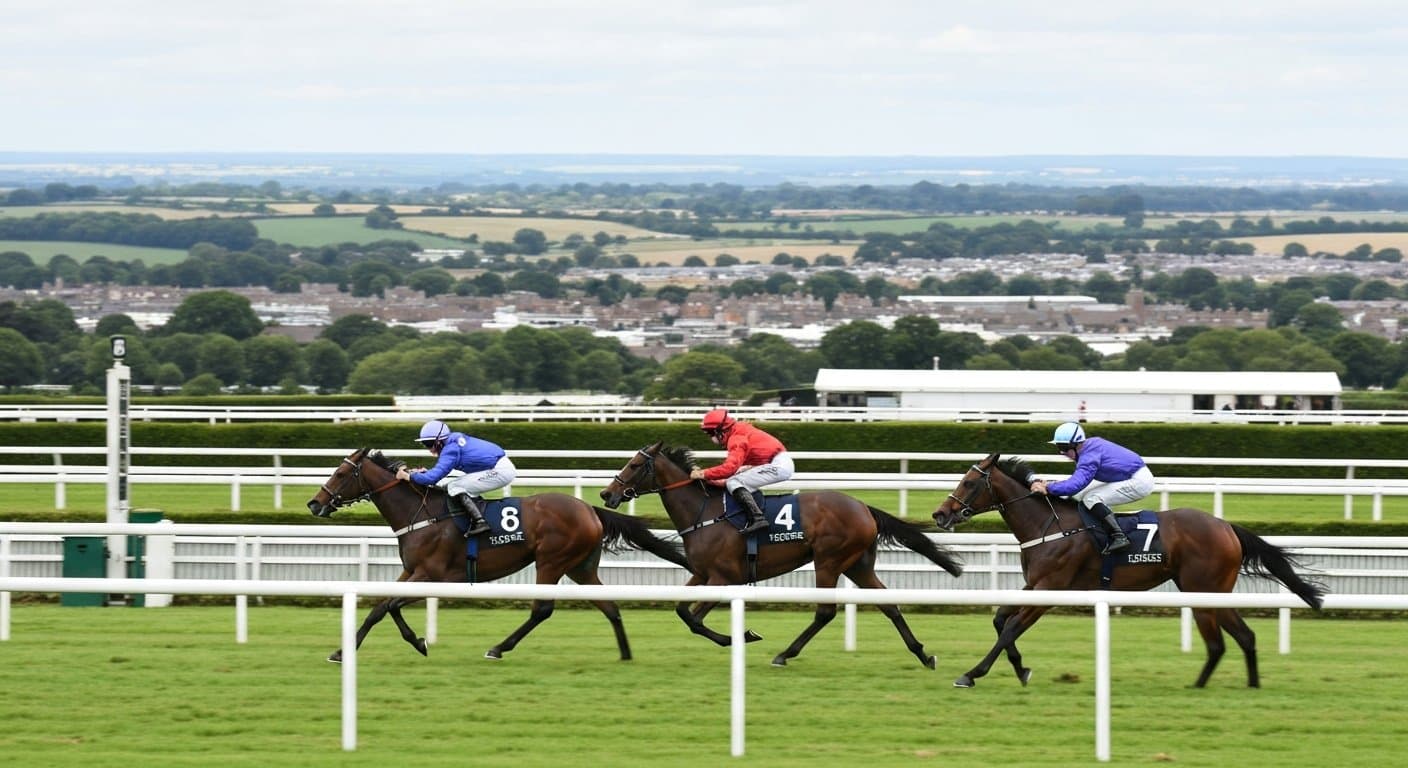
Betting at Goodwood Racecourse
How to bet smarter at Goodwood — track characteristics, draw biases, going preferences, key trainers and winning strategies for this unique course.
Read more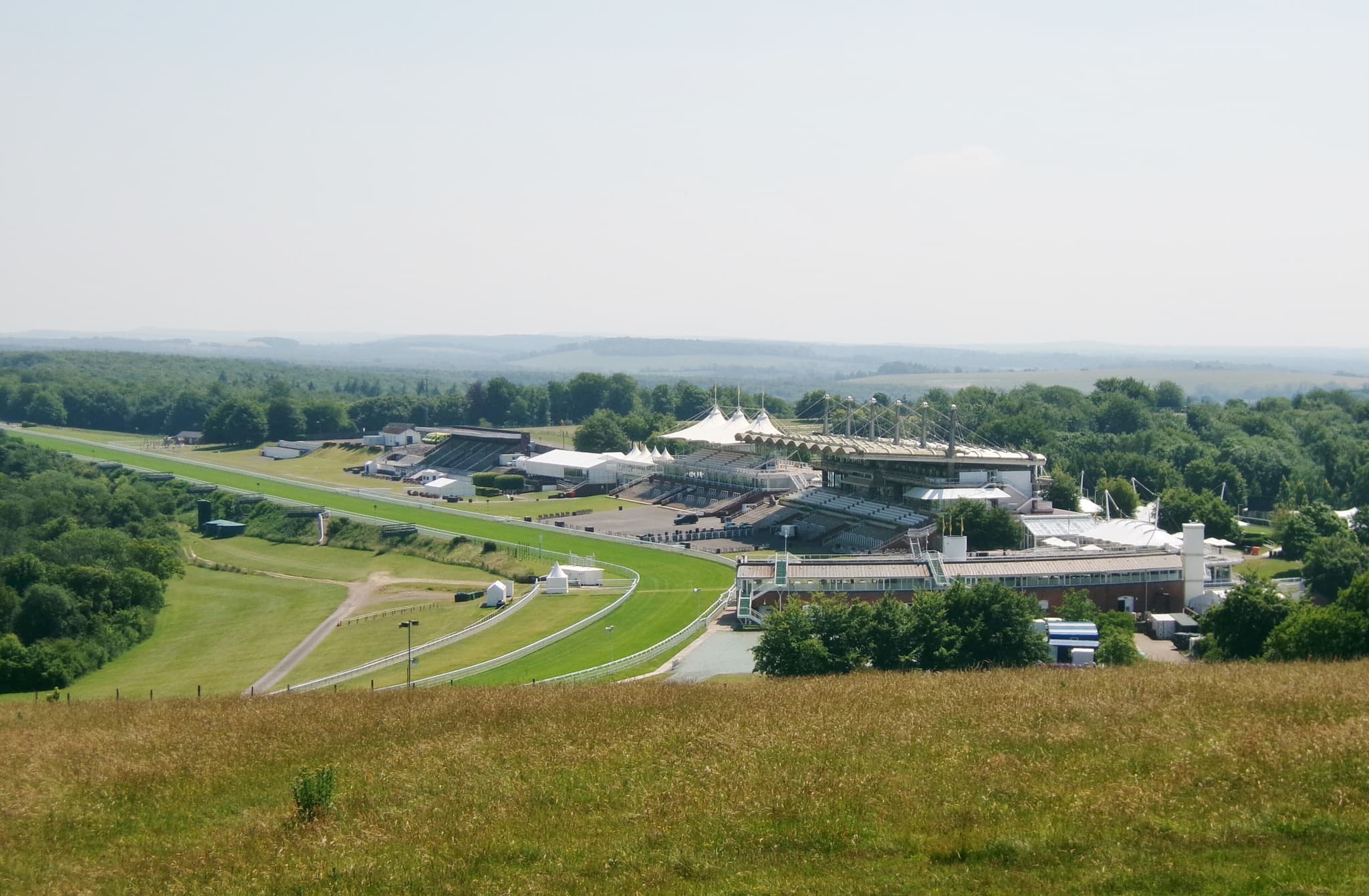
Goodwood Racecourse: Complete Guide
Goodwood — home of Glorious Goodwood, the world's most beautiful racecourse. Course layout, facilities, transport and betting angles.
Read more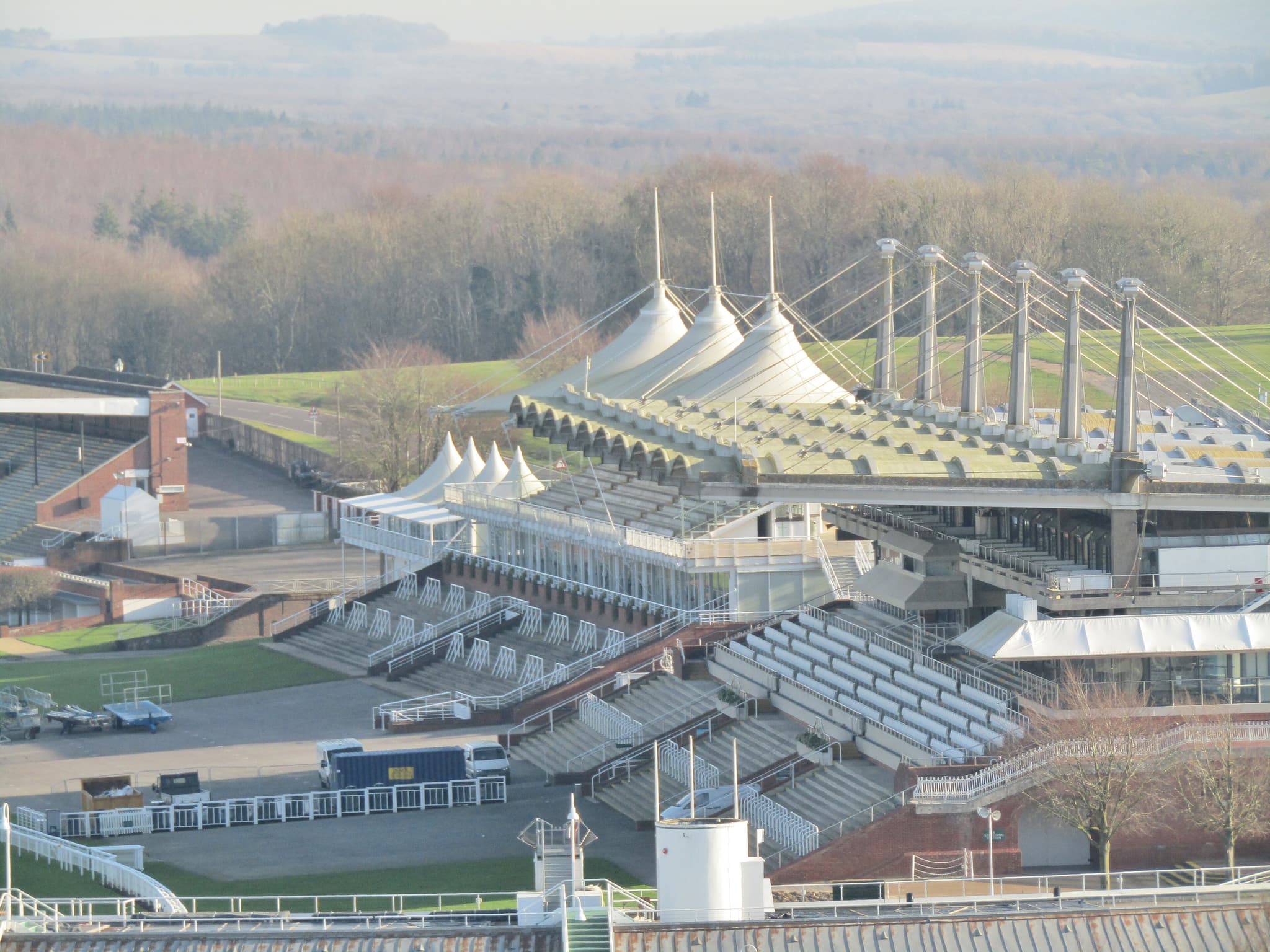
A Day Out at Goodwood Racecourse
Everything you need for a day at Goodwood — getting there, what to wear, enclosures, food and drink, and insider tips for making the most of your visit.
Read morePhotos on this page are used under Creative Commons licences. Titles, sources and licence links for each one are on our image credits page.
Research the field with the AI Race Predictor
Our model publishes calibrated win-probability estimates for UK races — a second opinion to understand a race, not tips. It's open about its record: it doesn't beat the market, and we show exactly how it does.
Betting offers for Goodwood
Work it out & learn the basics
Gamble Responsibly
Gambling should be entertaining and not seen as a way to make money. Never bet more than you can afford to lose. If you or someone you know has a gambling problem, help and support is available.