
Founder & Editor · Last reviewed 2026-03-02
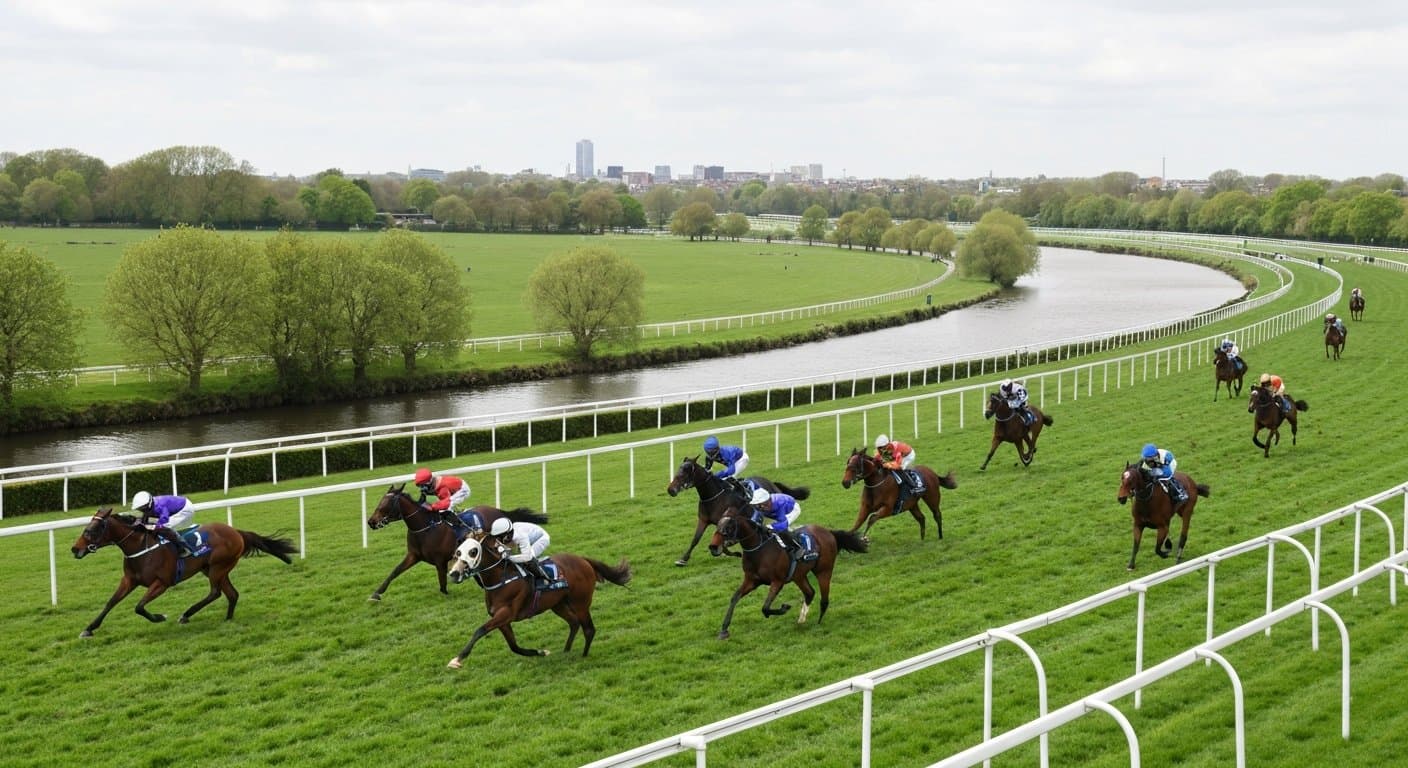
Nottingham Racecourse is one of the best venues in Britain for assessing two-year-old form. The fair, galloping track at Colwick Park produces reliable results — and that has made it a popular choice for trainers wanting to give young horses a straightforward introduction to racing. The cards often feature promising juveniles from the major yards on their debuts, and form from Nottingham tends to stand up when those horses step up in class or target the Classics.
What makes Nottingham valuable for two-year-old form is its fairness. The wide, left-handed layout has no sharp bends or pronounced draw bias. Horses get a proper test without the quirks of sharper tracks. A horse that wins a maiden here has earned it — and that form can be followed with confidence when it next appears at Newmarket, York, or Haydock. For the full picture of the course and its characteristics, see the complete guide.
Nottingham does not stage a formal Classic trial in the way that Sandown's Classic Trial or Newmarket's Craven Meeting operates. But the spring and early summer programme at Colwick Park includes a sequence of races — the Nottinghamshire Stakes, the Beacon Stakes, and the broader Spring Maiden series — that serve as reliable early-season indicators for those assessing two-year-old potential. Horses who win those races convincingly at Nottingham frequently re-emerge at Newbury, Goodwood, or Newmarket in conditions races and Group events later in the campaign. Getting on them when they step up in class, before the wider market has caught on to their Nottingham form, is one of the more consistent edges available to those who watch the provincial programme carefully.
The spring schedule matters too because it arrives early in the year, when form is scarce and punters are most in need of reliable indicators. A two-year-old that performs well at Nottingham in April or May is communicating something before most of its rivals have even appeared. Understanding which Nottingham results to trust, and which to treat with caution, is the central skill this guide addresses.
One further value Nottingham provides that is easy to overlook: the geographic spread of the trainers who use it. Newmarket, Middleham, Lambourn, and the northern yards all send horses to Colwick Park in the spring. That breadth means a competitive Nottingham two-year-old maiden is a real cross-section of the national training scene, not a race dominated by one regional school. A horse that wins such a race has beaten horses from multiple yards, with different training philosophies and different levels of preparation. The result is a more reliable piece of form than a maiden dominated by one yard's horses where the competition is artificially narrow.
This guide explains what Classic trials are, why Nottingham's two-year-old form is reliable, the key races, and betting angles. For broader betting strategies at Nottingham, the betting guide has the detail.
Bet on Nottingham
Place your bets on Nottingham races with a trusted bookmaker.

Promo code BETFRED50. New customers only. Register, deposit with a Debit Card, and place a first bet of £10+ at Evens (2.0)+ on Sports, to be settled within 7 days, to get £30 in Sports Free Bets and £20 in Bet Builder Free Bets within 24 hours of settlement. 7-day expiry. Eligibility & payment exclusions apply. Full T&Cs apply. Take Time to Think. BeGambleAware.org. 18+. Full T&Cs.

Promo code R30. New UK customers only, 18+. Register, deposit £10 or more, then place a £10 single cash bet at odds of 1/2 (1.5) or greater on any sports market (excluding Virtuals). Once the qualifying bet settles you get £30 in Free Bets (3 x £10) — the qualifying bet can win or lose. Free Bets are valid on any sports market excluding Virtuals, expire in 7 days, are non-withdrawable and must be used in full. Excluded deposit methods apply (including PayPal, Apple Pay, Skrill and NETELLER). Named bets such as Lucky 15 do not qualify. If you cash out the qualifying bet, or it is voided, you are no longer eligible for the offer. Ends 31.12.26. Full T&Cs apply. Please gamble responsibly. BeGambleAware.org. 18+. Full T&Cs.

Promo code BET40GET20. New UK customers, 18+. Register with the code and place a first bet of £40 or more at Evens (2.0) or greater. Receive 2 × £10 free bets: the first credited automatically once the qualifying bet settles, the second 24 hours later. Free bets must be placed at minimum odds of 4/1 (5.0), expire 24 hours after credit, and the free-bet stake is not returned with winnings. Debit card deposits only. Take Time to Think. BeGambleAware.org. 18+. T&Cs apply. Full T&Cs.

50% of your first-day net losses refunded as a free bet, capped at £25. New UK customers aged 18+ only. To qualify, deposit and place a first bet of £10 or more on any sport at minimum odds of evens (2.00), then place at least two further bets on different events, each worth at least 50% of your largest bet, all at evens (2.00) or greater. Losses are counted from your first settled bet until 23:59 the same day. Place a qualifying £10+ bet and you are guaranteed at least a £5 free bet. Bets placed at SP, void bets, cashed-out bets and bets struck with free bets do not count towards the offer. The free bet is credited the day after your qualifying bets settle and must be used within 7 days, after which it expires. It can be used at odds from 1/4 (1.25) up to 250/1 on singles and straight accumulators, but not on Trixie, Patent or Yankee style multiples. Free-bet stake is not returned with winnings. One offer per person, household, address, IP address and device. E-wallet deposits may not qualify, so check the cashier before depositing. Customers registered with GAMSTOP cannot claim. KYC identity verification must be completed before the free bet is credited. Take Time to Think. BeGambleAware.org. 18+. T&Cs apply. Full T&Cs.

New customers, 18+. Choose the sports bonus at sign-up, make a first deposit and receive a 100% bonus up to £50 in your Sports Bonus balance. To convert the bonus to cash, wager it 10x within 30 days. Single bets below Evens (2.00) do not qualify; accumulators do not qualify if any selection is below 1/2 (1.50). Virtual Sports, voided, cancelled, drawn, cashed-out and free-bet wagers do not count towards wagering. Only the first settled bet per event counts. Withdrawing before the wagering requirement is met forfeits the bonus balance including bonus winnings. Real-money funds are used before bonus funds. Deposits via Skrill or Neteller are not eligible. Not valid in conjunction with other promotions. Odds, bet and payment limits apply. 10bet general and promotion T&Cs apply. BeGambleAware.org. 18+. Full T&Cs.

New customers in Great Britain and Republic of Ireland, 18+. Place a £10 fixed-odds qualifying bet at minimum odds of 1/2 (1.50) — single or each-way (only the win part counts), pre-event or in-play, not cashed out early, within 28 days of opening the account. Receive up to £60 in bonuses credited over three days: 3 × £10 fixed-odds free bets (the first on settlement, then 24 and 48 hours later) plus 3 × £5 Total Goals FOOTBALL spread bets and 3 × £5 racing Winning Favourites spread bets, with a £1 racing Race Index spread bet as an extra on top. The spread bets need a full spread-betting account, opened within 28 days of the fixed-odds account and subject to Spreadex's eligibility and appropriateness checks. Free-bet stakes not returned with winnings; free bets valid 28 days from issue. IMPORTANT: the £5 credits are SPREAD bets — sports spread betting carries the risk that losses can exceed your stake. Sports spread-betting customers do not have Financial Ombudsman or FSCS recourse. Take Time to Think. BeGambleAware.org. 18+. T&Cs apply. Full T&Cs.

Promo code WELCOME15, entered under My Bonuses after registering. New UK customers, 18+. Place a first qualifying bet of at least £10 from your cash balance at odds of evens (2.0) or greater within 7 days of opening the account. Once the qualifying bet fully settles you receive £15 in free bets, credited as 3 x £5 tokens with set uses: one £5 accumulator free bet (minimum 4 legs, each leg at 2/5 or bigger), one £5 sports free bet (any market at evens or bigger) and one £5 Sub Cover free bet (selected football player markets at evens or bigger). Free-bet stakes are not returned with winnings. Free bets expire 7 days after they are credited. Void, cashed-out and partially cashed-out bets do not qualify. One offer per customer. Confirm the current terms on BetGoodwin's own welcome-offer page before claiming. Take Time to Think. BeGambleAware.org. 18+. T&Cs apply. Full T&Cs.

New UK customers, 18+. Minimum deposit £10. Place a £10 qualifying single on sports (excluding virtuals) at minimum odds of 1/2 (1.50), settled within 14 days. Deposit-method exclusions apply. Receive £30 in free bets (stake not returned), split £20 for sportsbook use (2 x £10) and £10 for Bet Builder only (2 x £5); Bet Builder does not cover horse racing. Free bets must be accepted within 7 days and expire 7 days after acceptance. No promo code required. Best Odds Guaranteed on UK & Irish racing, subject to having staked over £25 in the previous seven days. Operated by LiveScore Betting and Gaming (Gibraltar) Ltd, UKGC 56859. Confirm the current terms on LiveScore Bet's own promotions page before claiming. Take Time to Think. BeGambleAware.org. 18+. T&Cs apply. Full T&Cs.
18+. BeGambleAware.org
What Are Classic Trials?
Classic trials are races that help identify horses with the potential to compete in the five Classics — the 1000 and 2000 Guineas, the Oaks, the Derby, and the St Leger. They are typically run in the spring before the Classics themselves, and they attract horses that trainers believe have the physical and mental maturity for a proper racecourse test at a younger age than most juveniles. The most famous trials are at Newmarket, Sandown, and Chester — but provincial tracks like Nottingham play a significant role in the broader ecosystem of early-season form.
Nottingham's Role
Nottingham does not host a formal Classic trial in the strict sense — there is no Nottingham equivalent of the Sandown Classic Trial or the Craven Stakes. What Nottingham offers is a reliable testing ground: a fair, galloping track where two-year-olds can be assessed on their merits without the distortions of a sharp circuit or a pronounced draw bias. Trainers from the major Classic-targeting yards — Newmarket, Middleham, Lambourn, and the northern establishments — regularly use Nottingham for juveniles who need a proper debut run or who benefit from a fair track after a less straightforward first start elsewhere.
The critical distinction is between a formal trial and a form-reliable testing ground. Nottingham is firmly in the second category, and that is arguably more useful for practical betting purposes. A formal trial at Newmarket in April will see its market immediately priced up by sophisticated firms and sharp ante-post punters. A two-year-old that wins its maiden at Nottingham in May and is then entered in a conditions race at Haydock in June may still be at a price that reflects provincial form undervaluation. That gap — between the true quality of the Nottingham form and the market's discount of it — is where value tends to sit.
Why Fair Tracks Matter
For assessing two-year-olds, fair tracks are truly valuable. A sharp track like Chester or Epsom can produce results that owe as much to the layout as to raw ability — the draw at Chester is decisive over five furlongs, and the camber and undulations at Epsom can flatter or hinder horses in ways that are hard to separate from real talent. A horse that wins a maiden at Nottingham has done so on a track that gives every runner a chance. The wide, sweeping bends and long home straight mean that a winning performance here is a clean test of ability, not an artefact of position drawn or a bend negotiated well.
For two-year-olds specifically, this matters more than it does for older horses. Juveniles are still learning to race, and a fair track reduces the noise in the signal. The Nottingham result is telling you something real about the horse's ability — not something muddled by a tricky track or a fortunate draw.
The Spring Trial Schedule and How to Use It
Nottingham's spring programme typically kicks off in April, with the two-year-old maiden programme running through May, June, and July before fading as the season progresses and horses either develop into better company or are shelved for the winter. The key dates to watch are:
April and May maidens — These are the earliest spring races and attract the most interesting debutants from Classic-targeting yards. Horses that win these races convincingly — particularly when beating rivals from other strong yards — are worth noting immediately. The ante-post Guineas market moves on the strength of good maiden wins at meetings like this; following the Nottingham spring results closely is part of what well-informed ante-post punters do.
June conditions races — By June, horses that have already won maidens begin to step up into conditions events and novice races. A horse that won its maiden at Nottingham in May and then runs in a conditions race back at Nottingham or at a bigger track in June is likely to be well regarded by its yard. The fact that the trainer is prepared to give it another proper test is a signal in itself.
The nursery schedule in August — After handicapping opens up for two-year-olds from August onwards, Nottingham stages nurseries that attract horses who have run in maidens and conditions events earlier in the year. Following horses from the spring maiden winners into the nursery season is a productive angle; their form is established on a reliable track, and the handicapper's assessment of them is the key variable to assess.
Following Form
Horses that win or place in two-year-old races at Nottingham are often worth following. The form tends to stand up when they step up in class — at Newmarket, York, or Ascot. That makes Nottingham a useful venue for identifying future winners and for ante-post Classic betting before the big yards have shown their hand entirely. For the specific races at Nottingham that produce the most reliable form, see the key races section.
Two-Year-Old Form at Nottingham
Nottingham's two-year-old programme is one of the course's defining strengths. The course stages maidens, novices, and conditions events throughout the spring and summer — and the cards often feature debutants from top yards. The fair track makes it a popular choice for trainers who want to give young horses a proper introduction to racing, and the form produced at Colwick Park tends to hold up when tested at a higher level.
Why Trainers Choose Nottingham
Trainers from Newmarket, Malton, and the northern yards regularly send two-year-olds to Nottingham for their debut runs. The reasons are practical: the course is accessible from most of the major training centres, the track is fair, and the fields are competitive without being overwhelming for a horse making its first appearance. A trainer who believes a horse has real ability is more likely to send it to a fair track than to a sharp one — if the horse wins at Nottingham, the result is credible and the form is useful for entry decisions. If it runs well without winning, that too is informative on a track that gives every runner a fair chance.
John Gosden, Roger Varian, and Charlie Appleby are among the Newmarket yards that regularly target Nottingham with their better-bred juveniles in the spring. Mark Johnston's successor yard at Middleham, William Haggas, and Kevin Ryan from the North are also frequent visitors. When these yards send a well-bred horse to Nottingham for its first run — rather than to a sharper, less demanding track — it often suggests confidence in the horse's ability. Trainers are not sentimental about track choice; they pick the track that suits the horse and the goal.
Form Reliability
The key point, stated plainly: Nottingham form tends to stand up. A horse that wins a maiden here has usually earned it. The wide layout means there is no fluky result from a favourable draw or a sharp bend that suits a particular runner's action. When that horse runs in a conditions race or an early-season handicap elsewhere, the Nottingham form is a real guide rather than a suspect result from a quirky track.
Historically, Nottingham maiden winners in the spring have produced a steady stream of horses that go on to win at Group 3 and Group 2 level later in their careers. Not every Nottingham maiden winner develops into a stakes horse — many stay at listed or conditions level — but the strike rate of Nottingham spring maiden winners going on to win again at a higher level is meaningfully above the average for provincial maiden races.
When Nottingham Form Can Mislead
Equally, it is worth understanding when the Nottingham two-year-old form is less reliable as a guide:
Soft or heavy ground — Nottingham is a fair track in normal conditions, but when the ground goes truly soft or heavy, the results can be distorted. Some horses love soft ground; others are merely coping with it. A maiden won on soft ground at Nottingham in a slow time is not the same reliable indicator as a win on good ground in a fast time. Treat soft-ground maiden results with more caution and look for horses that have shown their ability on better ground later.
Small fields — When a maiden field has only four or five runners, the form is more limited in what it tells you. A horse that wins beating two moderate rivals in a small field has not been properly tested. The form becomes more valuable when the field is competitive — eight or more runners, with representatives from multiple strong yards.
Wide-margin wins on weak fields — A horse winning by eight lengths in a time that is Of note slow relative to the standard for the track and distance has not necessarily shown anything more than its rivals were very moderate. The margin is misleading in these cases. Look for wins that involve a real battle, with a reasonable winning time.
Backward horses having a learning run — Some trainers use Nottingham specifically to give an immature horse an educational first run with no intention of pushing the horse hard. If a well-fancied debutant from a strong yard is allowed to drift in the market before its first run and then finishes midfield without being asked a question, treat the form with care. The horse may be very good — but the Nottingham run is not the evidence.
Debutants vs Experienced Horses
Nottingham's two-year-old races regularly mix debutants with horses having their second or third run. The two groups need assessing differently.
For debutants, trainer record and pedigree are the primary tools. A well-bred horse from a yard that does well with first-time juveniles at Nottingham is worth watching. Look at the trainer's record specifically with debut two-year-olds at the course — some yards consistently send their best juveniles to Nottingham first time out and achieve a good strike rate; others prefer to give horses a softer introduction elsewhere.
For horses with previous form, Nottingham course form becomes the most relevant guide. A horse that ran second or third at Nottingham on its first start and now returns for a second run has already shown it handles the track. Improvement from first to second run is standard for juveniles, and that improvement on a track where the original form is reliable produces a strong angle.
Historical Examples: Nottingham Maiden Winners Who Went On
The most persuasive evidence for Nottingham's reliability as a form guide is the track record of its maiden winners. Among the horses that have won two-year-old maidens at Nottingham before going on to Group 1 or Classic success:
Workforce — Won a maiden at Nottingham as a two-year-old before developing into a Derby winner and Prix de l'Arc de Triomphe winner. His Nottingham win, which attracted attention from his yard at the time, was a reliable early signal of high-class ability.
Golden Horn — One of the best horses of his generation, Golden Horn won a maiden at Nottingham in his first season before winning the Derby, the Eclipse, the Irish Champion Stakes, and the Arc in a brilliant three-year-old campaign. His Nottingham performance set the pattern for what followed.
Frankel — While Frankel's juvenile career did not include Nottingham specifically, the pattern of future stars using Colwick Park for early career runs is well established across the modern era.
Sir Percy — Won his maiden at Nottingham as a juvenile before developing into a Derby winner under the training of Marcus Tregoning. The Nottingham form was reliable and stood up.
More recently, a number of horses that went on to win at Group 2 and Group 3 level in Europe have included Nottingham maidens in their early career form. The specific names change season to season, but the pattern holds.
Trainer Patterns for Classic Trials
The dominant trainers in Nottingham's spring maiden fields tend to be:
Roger Varian — Frequently targets Nottingham with well-bred Newmarket juveniles. Varian's two-year-old strike rate at the course is consistently above the field average. When he sends a well-bred, well-backed debutant to Nottingham in May or June, the horse is worth serious attention.
William Haggas — Another Newmarket yard that uses Nottingham for quality juvenile debuts. Haggas selects his debut venues carefully; Nottingham is a regular choice for horses he expects to win first time.
Charlie Appleby / Godolphin — Godolphin regularly uses Nottingham for well-bred juveniles in the spring. The yard's horses tend to be physically mature and well prepared, and they are truly dangerous at short prices on debut at tracks like Nottingham.
John and Thady Gosden — The Gosden yard at Newmarket is highly selective about debut venues. When a horse from this yard debuts at Nottingham rather than at Newmarket or Haydock, it often indicates the horse is not quite ready for a stiffer test — or, alternatively, that the trainer wants a confidence-building run before bigger targets.
Richard Fahey — The most active northern trainer at Nottingham, Fahey sends a high volume of two-year-olds to the course and his records at the track are worth examining. He achieves above-average strike rates with juveniles at Nottingham in July and August particularly.
Key Races & Angles
Nottingham stages two-year-old races throughout the spring and summer — maidens, novices, and conditions events. There is no single race at Nottingham equivalent to the Dewhurst Stakes or the Champagne Stakes in terms of prestige, but the programme as a whole produces a consistent body of reliable form. Several races on the Nottingham calendar have established reputations as indicators of potential:
The Nottinghamshire Stakes
The Nottinghamshire Stakes is a Listed race staged at Nottingham that attracts high-quality older horses, and in certain configurations has been used as a conditions race entry point for well-regarded juveniles stepping up from maiden wins. The race historically draws horses from the classic-targeting yards and provides a bridge between maiden-level performance and stakes competition. A two-year-old that wins or runs competitively in this context is worth noting for the autumn programme.
The Beacon Stakes
The Beacon Stakes at Nottingham is a two-year-old conditions race run in the summer. Conditions races at this level attract horses that have already won their maiden — usually at a good standard — and are looking for confirmation of their ability against others at a similar level of development. The Beacon Stakes has consistently produced horses that progress to Group 3 and Group 2 company; the race's position in the calendar (typically midsummer) means that a horse that wins it has time to be aimed at the autumn two-year-old programme, including races like the Dewhurst, the Racing Post Trophy, or the Autumn Stakes.
Historically, Beacon Stakes winners have included horses that Then appeared at Group level in the same or following season. When assessing a Beacon Stakes runner, look at who trained the winner and where they are typically aimed after a performance of this kind.
The Spring Maiden Series
From April through June, Nottingham stages a sequence of two-year-old maidens across five, six, and seven furlongs. These races constitute the Spring Maiden series in effect, even if the course does not market them as a formal programme. The pattern of distances — from five-furlong sprints for the early-maturing juveniles through to longer maiden races over six and seven furlongs — maps to the distance requirements of the five Classic races.
The five-furlong maidens in April and May attract fast-maturing sprinter types that may eventually target the five-furlong stands' side course at Royal Ascot or the Nunthorpe at York. The six-furlong maidens from May onwards are the most important for Classic purposes — these are the races that identify horses with the pace for the Guineas and the stamina potential to stay a mile. The seven-furlong maidens in June and July attract horses that are expected to be stayers — potential Oaks or Derby candidates.
Two-Year-Old Maiden Winners Worth Following
The practical application is straightforward: keep a record of Nottingham two-year-old maiden winners from April through to July. Specifically note:
- The winning margin (wide margins on fast ground are more significant than short-head wins on slow ground)
- The time (compare to the course standard for the distance)
- The trainer (is this a yard that targets Nottingham with its better juveniles?)
- The breeding (does the pedigree suggest Classic distance potential, or is this a speedier type?)
Follow those horses when they next run. The market will not always have fully accounted for the Nottingham form, particularly early in the season when provincial form is discounted by the bigger firms.
Novice and Conditions Events
As the season progresses from June onwards, Nottingham stages novice races and conditions events for two-year-olds who have already won their maiden. These are useful form reference points. A horse that won a maiden at Nottingham in May and then runs in a conditions race in July is likely to be well regarded by its trainer — the decision to step up from maiden level suggests confidence. If the horse wins the conditions race as well, the form is doubly established and worth treating seriously for autumn entries.
The Nursery Programme
From August onwards, two-year-olds that have not yet won or who have won only a maiden become eligible for nursery handicaps. Nottingham stages nurseries through August, September, and into October. Horses from the spring maiden programme that were rated in the low 80s and are now dropped slightly in class for nurseries represent a regular angle. Look for horses whose Nottingham spring form was better than their official rating suggests — a horse that ran second in a fast-time maiden in May and is now rated 80 for a nursery may be better than the rating indicates.
Following to Bigger Meetings
The most consistently profitable angle at Nottingham's two-year-old programme is to identify horses from the spring maiden and conditions races that Then step up in class to Group or Listed company at Newmarket, York, or Ascot. The form from Nottingham travels. When a horse that won a Nottingham maiden in May runs in the Gimcrack at York in August, or appears in the Royal Lodge at Newmarket in September, the Colwick Park form is real evidence — not a soft win on a quirky track but a real performance on a fair one. The market sometimes discounts provincial form; that discount is where value can be found.
For betting angles based on these races, read on. For the complete guide to the course, see the main Nottingham page.
Betting Angles
The main betting angle for Nottingham's two-year-old races is to trust the form — specifically, to trust it more than the market does. The fair track means results are usually a true reflection of ability, but provincial form at Nottingham is still systematically discounted by some sections of the market. That discount, when it exists, creates value for those who know the form is sound.
Well-Bred Debutants
For maiden races, the starting point is well-bred debutants from trainers with strong records at the course. The fair track is a popular choice for trainers who believe their horses have real ability and want to give them a proper test. A well-bred horse from a Classic-targeting yard that debuts at Nottingham in April or May — rather than at a softer, easier provincial track — is likely there because the trainer wants to find out quickly whether the horse is as good as its breeding suggests.
The specific research to do: pull the trainer's record at Nottingham with two-year-old debutants over the past three to five seasons. Yards like Roger Varian, William Haggas, and Godolphin consistently achieve above-average debut strike rates at the course. When a debut runner from one of these yards has shortening morning prices before the race, it warrants serious attention. These situations regularly produce winners at shorter prices, which limits the value — but following them each-way in larger fields (eight-plus runners) often produces a return.
Course Form and Second-Run Improvement
The most reliable angle in Nottingham's spring programme is the second-run juvenile who showed ability on debut. A horse that ran second or third at Nottingham on its first start, finishing behind a winner who has since proved its quality, returns for a second run with the following advantages: it has experience of the track, it has race fitness from the debut, and its ability has been established against a field you know something about. Two-year-old improvement from first to second run is standard — studies of juvenile form consistently show that horses improve significantly between debut and second start, regardless of track or distance.
The betting angle is to identify these second-run horses — specifically those whose debut Nottingham form has been franked by the winner going on to win again — and assess whether the market has given them enough credit. In many cases, a horse that was sent off at 10/1 for its debut and finished third will return at a price that does not reflect its improvement potential.
Ante-Post Classic Betting Using Nottingham Form
For those involved in ante-post Classic betting, Nottingham spring form is one of the early-season inputs worth following. The Guineas markets open before the two-year-old season begins, and early moves in those markets reflect the confidence of big yards in their horses. A horse that then wins a fast-time maiden at Nottingham in May will sometimes already be in the ante-post Guineas market; the win confirms the ante-post optimism and may trigger further market moves.
The ante-post angle is specific: identify horses that have been entered for the Guineas or the Derby at the early entries stage, that are from Classic-targeting yards, and that debut or run in the spring at Nottingham. A convincing Nottingham performance from such a horse — wide-margin win, fast time, smooth manner — is a positive signal for ante-post investment at whatever price remains available. The risk, as with all ante-post betting, is that the horse does not make the Classic. But identifying the horses with real ability early in the season and getting on at ante-post prices is where the biggest returns come from, and Nottingham spring form is a useful early filter.
Soft Ground: When to Stand Down
The one situation where Nottingham form is less reliable as a forward-looking guide is when the ground is truly soft or heavy. On soft ground at Nottingham, some horses show superior ability to their opponents not because they are better horses but because they handle the conditions while others do not. A horse that wins a maiden on heavy ground at Nottingham in April is not necessarily a better horse than one that finished second on good ground in June.
When assessing a Nottingham form line, note the going for each run. A win on good ground at Nottingham in a quick time is a strong signal. A win on soft ground in a slow time is a weaker signal and may not translate when the horse next runs on a good surface. This is particularly relevant for ante-post purposes — a horse that looked impressive at Nottingham in soft conditions in April may face a completely different challenge on good ground at Newmarket in May.
Trainer Patterns: Following the Right Yards
A systematic approach to Nottingham two-year-old betting starts with trainer statistics. For the course specifically:
Roger Varian — Consistently above-average strike rate with juveniles at Nottingham, particularly over six furlongs in May and June. His horses tend to be well prepared and the betting is usually reliable as a guide to the yard's confidence.
William Haggas — Strong record at the course with debut runners and second-run juveniles. Haggas's Nottingham juveniles are often value when not at very short prices.
Charlie Appleby / Godolphin — The Godolphin operation has a large number of runners at Nottingham and a good overall strike rate. The horses are typically well-bred and well-prepared. At shorter prices they limit value, but in competitive fields they are consistently worth including in combination bets.
Richard Fahey — The most active northern trainer at Nottingham. Fahey sends a high volume of runners and achieves a reasonable strike rate with juveniles in the summer months. His runners in nurseries from August onwards, having established their form in earlier spring maidens, are worth following.
Mark Johnston / Middleham Park — The Johnston yard has a long history of targeting Nottingham with quality juveniles. The approach is similar to Varian and Haggas — the track is used for proper tests, and wins here are treated as credible evidence of ability.
Each-Way Betting in Competitive Maidens
Competitive Nottingham maidens with eight or more runners offer reasonable each-way value for horses with strong credentials from the yards listed above. The standard each-way terms at most firms for races with 8+ runners are a quarter of the odds for three places. In a competitive maiden with several unknowns, identifying a well-bred horse from a reliable yard and taking each-way at 6/1 or better provides coverage for a placed finish while keeping profit potential from the win price.
This approach works best when you have identified a debutant whose morning price has been shortening steadily — indicating money from connections — but who is still available at a double-figure price. These situations are most common in the early-season maidens where the market has less information to work with and is more dependent on reputation and breeding than on demonstrated ability.
Following Nottingham Form to Bigger Meetings
The most consistently rewarding long-term approach is to treat Nottingham two-year-old form as a bank of information to be used at the horse's next race, wherever that is. When a Nottingham maiden winner or a placed horse from a Colwick Park spring race steps up to Newmarket, York, Haydock, or Goodwood, assess whether the market has fully reflected the quality of the Nottingham form. If it has not — if the horse is still available at a price that implies the provincial form is not fully trusted — that is the betting opportunity.
This is not a guaranteed edge, and it requires judgment. Not every Nottingham form line translates. But the track's reputation for fairness means the base case should be to trust the form rather than to discount it, and the market's tendency to underrate provincial results creates a systematic opportunity for those who are paying attention.
For a day out to watch these races in person, the parade ring at Nottingham offers the chance to assess juveniles at close quarters before they run — a supplement to form study that is worth using.
Frequently Asked Questions
Share this article
More about this racecourse
All Nottingham guides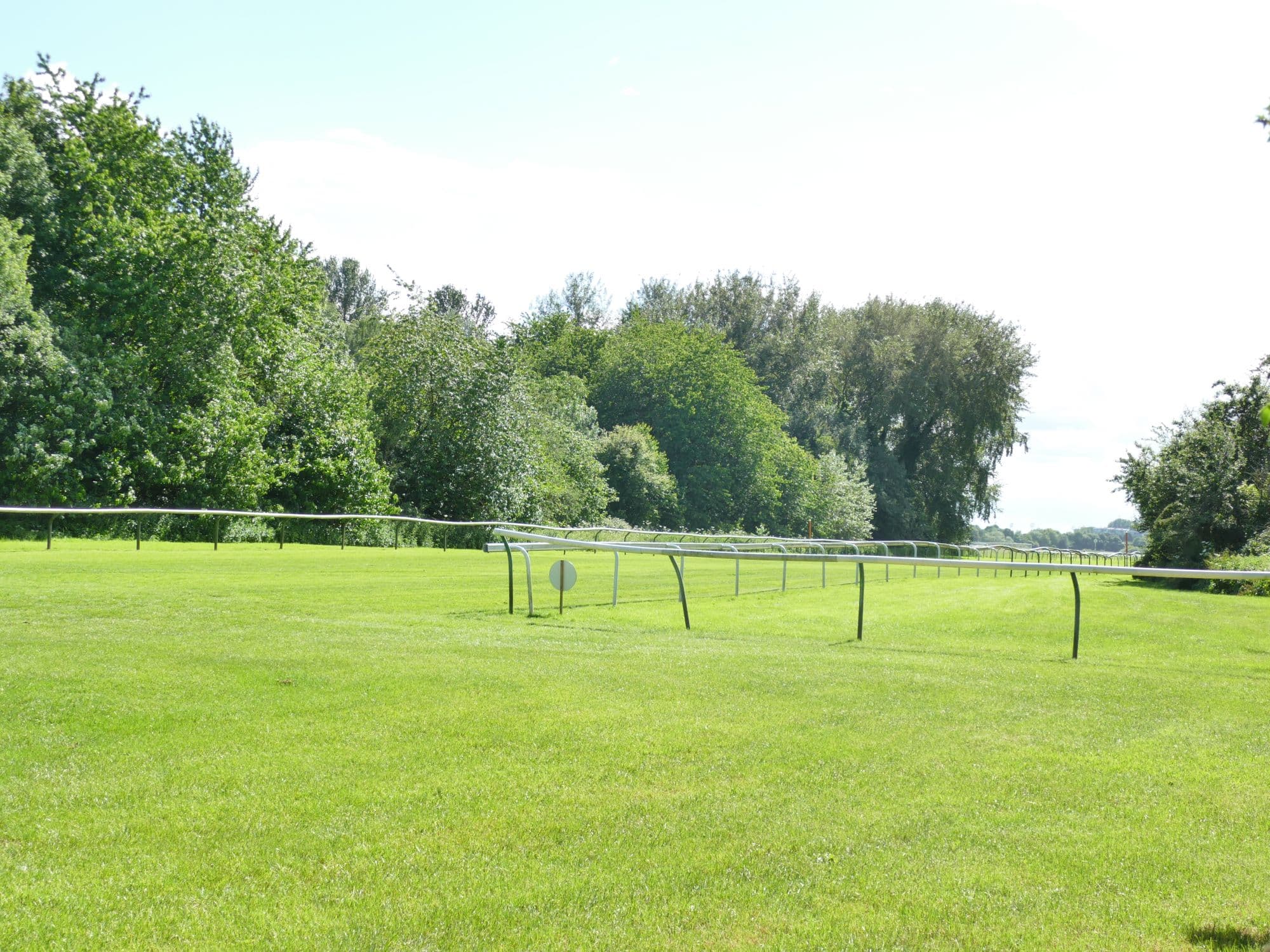
Nottingham Racecourse: Complete Guide
Everything you need to know about Nottingham — Colwick Park's galloping flat track, the Colwick Cup, and reliable form on the banks of the River Trent.
Read more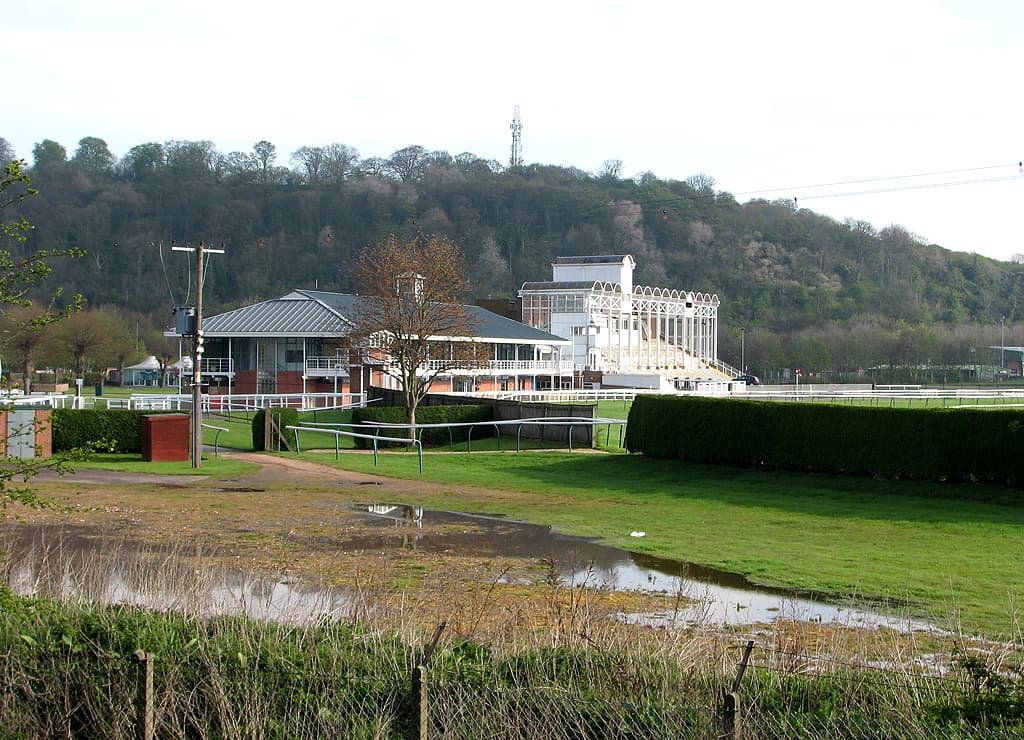
Nottingham Racecourse Day Out: Tickets, Dress Code & Tips
Plan your perfect day at Colwick Park with our insider guide to enclosures, getting there, what to wear, and the best food spots. Expert tips included.
Read more
Nottingham Classic Trials Festival: Your Complete Guide
Nottingham's spring Classic trials meeting is one of the flat season's best-kept secrets. Here's your guide to the Colwick Park festival programme.
Read morePhotos on this page are used under Creative Commons licences. Titles, sources and licence links for each one are on our image credits page.
Research the field with the AI Race Predictor
Our model publishes calibrated win-probability estimates for UK races — a second opinion to understand a race, not tips. It's open about its record: it doesn't beat the market, and we show exactly how it does.
Work it out & learn the basics
Gamble Responsibly
Gambling should be entertaining and not seen as a way to make money. Never bet more than you can afford to lose. If you or someone you know has a gambling problem, help and support is available.