
Founder & Editor · Last reviewed 2026-03-02
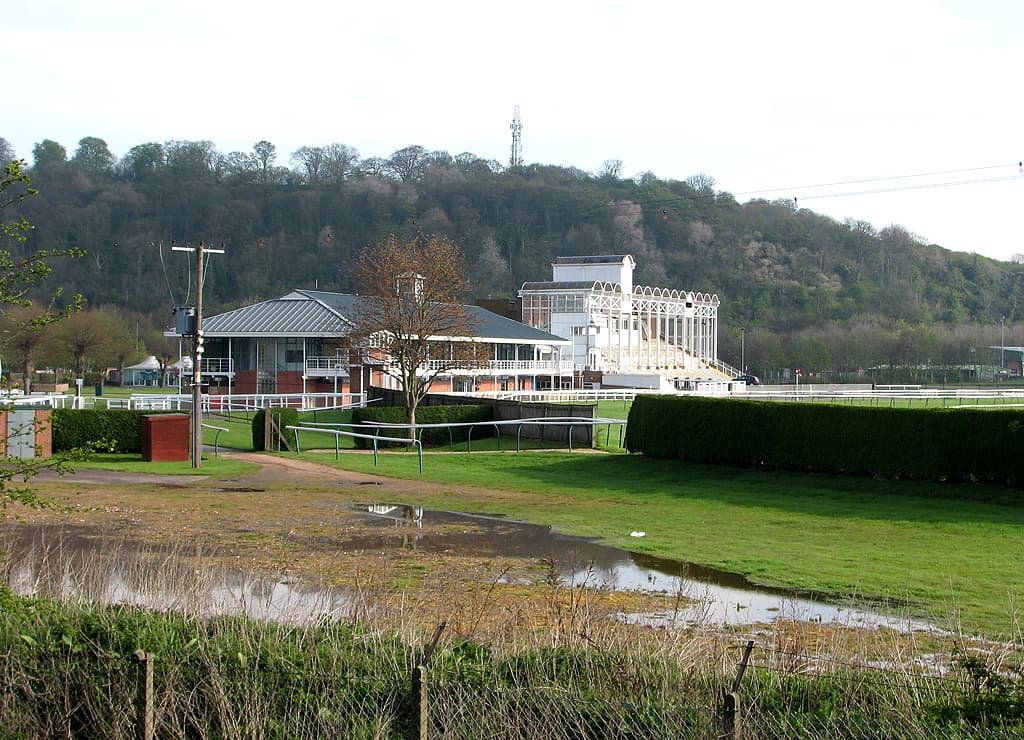
A day at Nottingham Racecourse is a relaxed and rewarding experience — a proper flat track in a pleasant parkland setting, with a capacity of around 8,000 and an atmosphere that is welcoming rather than corporate. Colwick Park has been hosting racing since 1892, and the combination of a fair, galloping track, a compact layout that brings you close to the action, and the beautiful Trent-side setting makes it one of the more enjoyable provincial flat venues in England.
The course sits at Colwick Park, roughly two miles east of Nottingham city centre. The parkland — mature trees, the River Trent to the south, open green space around the racing circuit — gives the venue a character that is quite different from the urban industrial impression that some outsiders have of the East Midlands. You arrive expecting a functional provincial racecourse and find something that looks and feels like a proper country estate repurposed for sport. The boating lake on the northern edge of the park adds to the sense of occasion. On a clear spring morning, arriving early and taking a walk around the lake before racing begins is one of the small pleasures the venue offers that you would not find at a city-centre track.
Getting there requires a little planning if you are travelling by public transport. There is no direct rail station at Colwick, and you will need to either take a taxi from Nottingham station (15 to 20 minutes depending on traffic) or catch the number 47 bus from the city centre, which stops close to the park. Be honest with yourself about journey times: the taxi is quicker and more reliable, particularly for evening meetings when bus services reduce. By car, the A612 Nottingham to Southwell road passes close to the course, and parking is available on site with postcode NG2 4BE for your navigation.
The racing at Nottingham reflects the course's two main identities. The spring and early summer programme is dominated by two-year-old maidens and conditions races, often featuring well-bred juveniles from the major yards making their racecourse debuts. These are the races that Classic punters follow carefully. The autumn programme includes the Colwick Cup — the course's flagship handicap — and a busy end-of-season card of nurseries and staying handicaps. The Gold Cup Day meeting in early summer is the course's social highlight: larger crowds, a richer card, and the kind of atmosphere that reminds you why a proper day at the races beats watching racing on television.
Nottingham is a course that rewards a little early arrival. The walk around the parkland before racing, the time spent in the parade ring watching horses being saddled, the chat with bookmakers in the betting ring before they have taken much money — these are the textures of a proper day out. The city itself, a 15-minute taxi ride away, offers a full day of attractions should you want to make a longer trip of it: Nottingham Castle, the Lace Market, the Old Market Square, the Caves of Nottingham, and what claims to be the oldest pub in England at the Trip to Jerusalem.
Nottingham stages racing primarily from April to October, which means the experience changes significantly through the season. An early April meeting is a cold, coats-and-hats affair where the going might still be soft and the two-year-olds are making their first tentative appearances. A July evening meeting, when the light holds until nine and the crowd arrives in summer clothes, is a different experience altogether. The September Colwick Cup meeting, with the parkland turning and the autumn light at its most pleasant angle, is different again. None of these days is quite like the others, and the range of the experience across a season is part of what makes Nottingham worth returning to.
This guide covers everything practical for a visit: transport and parking, what to wear, enclosures and viewing, food and drink, and tips for combining your visit with a wider Nottingham day out. For betting angles once you are there, the betting guide has the detail.
Getting to Nottingham
Getting to Nottingham Racecourse
Nottingham Racecourse is at Colwick Park, NG2 4BE — roughly two miles east of Nottingham city centre. There is no direct railway station at Colwick, which means any public transport journey involves at least one stage of road travel. Plan this in advance rather than assuming you can simply hop off a train at the course.
By Train
Nottingham station is on the Midland Main Line, with regular services from London St Pancras International (journey time approximately 1 hour 40 minutes on fast trains, though some services take longer), Sheffield (around 45 minutes), Derby (around 30 minutes), Leicester (around 25 minutes), and Birmingham New Street (approximately 1 hour 15 minutes). The station is served by both East Midlands Railway and CrossCountry services, so connections from most parts of England are practical. London travellers should note that St Pancras is the departure point, not Euston or King's Cross — a detail worth confirming when booking.
From Nottingham station, you have two options for reaching the course.
Taxi: The most reliable option. Taxis queue outside the main station entrance on Carrington Street. Allow 15 to 20 minutes for the journey to Colwick Park in normal traffic; this can extend to 25 minutes during rush hour on afternoon fixtures. The fare is typically £10–£14 depending on traffic. The return journey can be slightly longer if there is a queue of departing racegoers — arrive at the taxi rank early if you want to avoid a wait at the end of the card. Pre-booking a return taxi before you leave for the course is a sensible precaution on busy race days, particularly the Colwick Cup meeting and Gold Cup Day.
Bus 47: The Nottingham city bus network serves the Colwick area. The number 47 bus runs from the city centre — stops near the Old Market Square — towards Colwick, with a stop on Colwick Road from which the park is a short walk of around five minutes. Check the timetable before you travel: the service frequency reduces in the evenings, which matters for evening fixtures that finish after 9pm. The Nottingham City Transport website has current timetables. Allow 20 to 25 minutes on the bus from the city centre to Colwick Road, plus the walk.
To be direct about it: the bus is a reasonable option for daytime meetings but becomes inconvenient for evening fixtures if you are planning to stay until the last race. If you are coming from the station for an evening meeting, a taxi both ways is the more practical choice.
By Car
Nottingham Racecourse is easily reached by car from most of the East Midlands. Enter NG2 4BE in your sat-nav and follow signs for Colwick Park and the racecourse.
From the M1 (South): Take junction 25 (signposted Nottingham South and A52). Follow the A52 eastbound into Nottingham, then take the A612 Colwick Road heading east. The course entrance is signposted from the A612.
From the M1 (North): Take junction 26 (signposted Nottingham North and A610). Follow the A610 into Nottingham city centre, then navigate east to the A612 Colwick Road.
From the A1 (East or North): Take the A52 westbound from Grantham, or the A612 from Newark, following Nottingham signs. Colwick is approached from the east on the A612 before you reach the city centre — it is on the right side of the road as you come in from Newark, which makes it very easy to reach without entering the city.
From the A6 (Derby/South Derbyshire): Follow the A6 into Nottingham, pick up the inner ring road, and head east on the A612 towards Colwick.
Typical journey times: Sheffield 45–50 minutes; Derby 30–35 minutes; Leicester 40–45 minutes; Birmingham 1 hour 15 minutes; London 2 hours in good conditions on the M1.
Parking
On-site parking is available at Colwick Park. Follow the Racecourse signs from the A612 — the car parks are clearly signposted from the main road. There is a charge for parking; check the Nottingham website for current pricing and any pre-booking requirements for major fixtures. The car parks include both tarmac and grass areas. The grass car parks can become soft after heavy rain, so if the forecast is wet for an autumn fixture, wear appropriate footwear and be prepared for a short walk in muddy conditions. Wellies or stout walking shoes are not excessive in a wet October.
Arrive at least 45 minutes before the first race if you want to park comfortably and have time to study the card before racing begins. Major fixtures — the Colwick Cup meeting, Gold Cup Day, evening meetings — attract larger crowds, and the car parks fill faster than usual.
Colwick Park Itself
One practical note worth knowing: Colwick Park is a functioning country park open to the public on non-race days, used by dog walkers, cyclists, joggers, and those visiting the boating lake and parkland. On race days, the course uses defined areas of the park and the car parks, but the wider park is still accessible. Arriving by car early and walking around the lake before the first race is a pleasant way to spend half an hour if the weather cooperates. The parkland setting — mature trees, open grassland, the river beyond the far rail — is one of Nottingham's real advantages over more functional venues.
From the City Centre: Distances
Nottingham city centre to the racecourse is approximately 2 miles. On foot, this is a 35 to 40-minute walk along the A612 — not pleasant due to traffic, and not recommended unless you enjoy urban walks on main roads. Cycling is possible along routes through the Colwick and Sneinton areas; Nottingham has an improving cycling infrastructure, and a cycle to the races is a practical option for those based in the east of the city.
For the complete transport information including accessible travel and coach options, see the complete guide.
Hotels Near the Course
Nottingham is well served by hotels, with most options concentrated in the city centre around 15 to 20 minutes from the course by taxi. A selection of the main options:
Ibis Nottingham Centre — Affordable and central, near the station and the Old Market Square. Good base if you are attending an evening meeting and plan to eat in the city beforehand. A short walk from the station means taxi costs from the hotel to the course are the same as from the station.
Roomzzz Nottingham — Aparthotel on Talbot Street in the city centre. Well reviewed and good value for those wanting more space. Around a 10-minute walk to the station.
DoubleTree by Hilton Nottingham Gateway — On the western edge of the city, close to junction 25 of the M1. Useful if you are arriving by car from the south. Less convenient for city centre restaurants but easy for the morning drive to the course.
Nottingham Belfry Hotel — Near junction 26 of the M1 to the north. Again, a car-focused option, but the hotel has its own facilities and suits those who want to keep the day simple.
City centre independents: The area around the Lace Market and Hockley has several independent boutique hotels and serviced apartments that offer a more characterful stay if you want to explore the city properly.
Booking in advance is advisable for the Colwick Cup meeting and Gold Cup Day, when demand from racegoers and other visitors is higher. Midweek meetings offer more flexibility and better rates.
What to Wear
Nottingham is one of the more informal racecourses in Britain. There is no strict dress code for general admission — smart casual is perfectly acceptable across the board. You will see everything from jeans and jumpers to smarter outfits, and the atmosphere is entirely welcoming. The emphasis is on enjoying the racing rather than being seen.
General Admission
Wear what you would wear for a relaxed day out. In summer, light clothing is fine, though bring something for when the sun goes down or if the weather turns. In spring and autumn, layers are sensible. Comfortable shoes are worth more thought than their appearance — you will be on your feet for most of the day, and the course is in parkland where ground conditions can be uneven, particularly away from the main hard-standing areas.
Hospitality Areas
If you have booked a restaurant or private box, check the specific requirements before you travel. Some packages ask for smart casual or smarter — no shorts, no sportswear — but Nottingham rarely demands formal dress in the way that Royal Ascot or Epsom Ladies' Day does. When in doubt, a collared shirt and trousers for men, or a smart dress or tailored outfit for women, will be entirely appropriate for any hospitality setting at Nottingham.
Early-Season Meetings: Spring and April
Nottingham's season opens in the spring, often in April, when the East Midlands weather is unpredictable. Cold mornings and early April afternoons can feel properly wintry, even if the sun is out. The wind off the Trent can add to the chill. For early-season meetings, dress as if you are going for a walk in the countryside in cool weather, then add a layer. A thermal base layer, a warm mid-layer, and a windproof outer jacket is not excessive for a March or April afternoon. Hats and gloves are worth having in the bag.
The temptation at the first meeting of the spring is to wear summer clothes in anticipation. Resist it. Colwick Park is open and exposed to the prevailing wind from the west, and standing at the rails on a cold April afternoon without adequate clothing makes for a miserable experience.
Summer Racing
The bulk of Nottingham's fixture list runs from May to October, with June, July, and August the warmest months. Summer afternoon meetings can be truly warm, and sun cream and a hat are worth considering for afternoon fixtures when the sun is on the main viewing areas. The parkland setting provides some shade — the mature trees along the perimeter are useful — but the stands and the rails-side viewing are open to the sky.
Summer evenings cool quickly in the East Midlands after 8pm. For evening fixtures — Nottingham stages a number of evening cards through the summer — bring a light jacket for the later races. The track can feel chilly in the final hour of racing even on warm July evenings.
Autumn Meetings: September and October
The autumn programme at Nottingham, which includes the Colwick Cup meeting, brings changeable weather. September can still be warm and pleasant; October shifts the odds toward cool and damp. Waterproof footwear becomes relevant for the grass car parks and the parkland paths, which can become soft after rain. Smart-casual clothing with a waterproof layer on top is the practical approach.
Family Visits
For families, the practical priority is comfort. Children will want to wander the park, look at the horses in the parade ring, and generally move around rather than stand in one spot. Comfortable shoes and weather-appropriate clothing for children — especially for early-season or autumn meetings — will make the day easier. There is no dress code that applies to children at Nottingham.
Enclosures & Viewing
Nottingham is a compact venue, so you are never far from the track. The layout is straightforward — one main enclosure with good views of the wide, galloping oval. The finish line and run-in are clearly visible from most positions, and you can follow the action throughout.
General Admission
General admission at Nottingham gives access to the main enclosure, the parade ring, the winners' enclosure, and the betting ring. The single-enclosure structure keeps things simple. You do not need to pay extra to see the horses before the race or to watch the returns after it. Everything that makes a day at the races worthwhile is available on a general admission ticket.
The compact layout means you can move easily between the parade ring — watching horses being saddled — and the rails on the home straight for the race itself. On a typical Nottingham card, there is time between races to do both without rushing. Allow yourself to arrive 10 minutes before each race to find a good position at the rails; on ordinary midweek meetings, the rails on the straight are not crowded and you can usually get a position close to the action.
Viewing the Track
The wide track means you get a clear view of the racing from the main viewing areas. Binoculars are useful but not essential — the finishing straight is close enough to follow without them. The course runs left-handed, with a long back straight that you can see partially from the main viewing areas, before horses turn into the home straight in front of the grandstand. The galloping nature of the track — no sharp bends, no tight turns — means races rarely produce the frenetic pace changes of sharper circuits. What you tend to see is a steady, real contest that builds through the final furlong.
For races over longer distances, horses are some way from the stands early in the race, and binoculars help you follow the field from the start. For sprint races run entirely in front of the stands, viewing is straightforward.
Parade Ring and Winners' Enclosure
Both are easily accessible on a general admission ticket and worth visiting for every race. Nottingham's parade ring is compact enough to get close to the horses without any difficulty. In the spring and early summer, when many races feature two-year-olds on their first appearance in public, the parade ring is particularly interesting — you are watching horses that may go on to significant careers, and the opportunity to assess them at close quarters before they have ever run is part of what makes this kind of meeting rewarding.
Watch for coat condition, attitude in the parade ring, and how horses react to the atmosphere. A horse that is calm, well-muscled, and moving easily round the ring tells you something. A horse that is sweating heavily or becoming fractious before it has even left the ring is also communicating something. Over time, building this kind of observational habit makes the parade ring a useful supplement to reading the form.
The winners' enclosure is adjacent to the parade ring and accessible after each race. On days when a highly regarded juvenile has won convincingly, or a longshot has taken a competitive handicap, the enclosure is where the day has its moments of celebration. It is a small enclosure and you can get close to the horses and the connections.
Hospitality
Nottingham's hospitality options include restaurant packages and private boxes on the upper levels of the grandstand. These offer table service, a set menu, and a view over the course from an elevated position. Hospitality packages are worth considering for a group outing or a special occasion, and they are particularly popular on the Colwick Cup meeting and Gold Cup Day when the atmosphere is at its best.
Hospitality spaces sell out earlier for the flagship meetings, so advance booking is necessary if you want a table on those days. For ordinary midweek meetings, hospitality packages are typically available closer to the date and represent good value for those who want a comfortable, structured day.
Gold Cup Day: The Highlight
The Gold Cup Day meeting at Nottingham is the course's social highlight of the flat season. The crowd is larger than a typical midweek card, the card itself is stronger, and the atmosphere in the betting ring and around the parade ring is Of note more charged. The general admission experience on Gold Cup Day is rewarding without the need for hospitality — the viewing is good, the crowd is engaged, and the racing tends to attract better-quality horses than the ordinary Saturday fixture.
If you are planning to attend on Gold Cup Day, arrive early. The car parks fill faster, the entrance queues build up from about an hour before the first race, and the better positions at the rails go quickly. Being there 45 minutes before the first race is the minimum; an hour is better if you want to explore the parade ring and get a drink before racing begins.
Family Facilities
Nottingham is family-friendly by the standards of provincial flat racing. The compact layout is manageable for families with children — distances are short and the parkland setting gives children space that a more urban venue cannot offer. There are no sharp crowd pinch-points on ordinary midweek meetings that would make bringing children difficult.
The boating lake and the wider parkland are accessible before and after racing, which extends the day beyond the racing itself. Arriving early for a walk around the park, then going into the course for racing, then perhaps another walk after the last race — this is a structure that works well for families who want to make a full day of it without the children spending six hours in a grandstand.
Check the Nottingham website for family ticket pricing and any children's activities offered on specific fixture days. The course occasionally runs family promotions tied to the summer meetings.
Food & Drink
Nottingham offers a solid range of food and drink options without the corporate atmosphere of some larger venues. You will find the usual racecourse staples — bars, hot food, refreshments — in a relaxed setting that does not feel like a stadium concourse.
Bars and Refreshments
There are several bars across the main enclosure, serving draught beer, cider, wine, spirits, and soft drinks. Queues are rarely long on midweek meetings, and the atmosphere is informal. For summer afternoon meetings, the bars stay busy around race time but service is generally efficient. Hot drinks — tea, coffee, hot chocolate — are available at the main catering points and are worth seeking out for early-season meetings when the afternoon chill sets in.
For Gold Cup Day and other major fixtures, expect busier bars and slightly longer waits in the period immediately after the finish of each race. The practical approach is to get your drink a few minutes before a race finishes rather than joining the rush at the bar when the result is in. The relative calm of the betting ring during a race is a good time to get served.
Card payments are widely accepted at Nottingham, though having some cash available remains sensible, particularly at the outdoor kiosks and smaller refreshment points around the course.
Food Options
The food outlets serve the standard British racecourse menu: burgers, hot dogs, chips, pies, and baked potatoes. Quality is consistent rather than exceptional, which is an honest description of what most provincial race day catering delivers. Hot pies are a sensible choice on cold spring and autumn afternoons. For summer meetings, burgers and chips do the job.
There is no need to bring a picnic unless you prefer to — the on-site offerings are adequate for a day's racing. If you have specific dietary requirements, check the course website before you travel, as options for vegetarian, vegan, or gluten-free racegoers can be limited at smaller provincial venues.
The busiest time for food queues is between races, particularly around the third and fourth race when the crowd is most active. Eating between the first and second race, or just before the final race when some of the crowd has drifted towards the exit, means shorter queues and quicker service.
Hospitality Dining
If you have booked a hospitality package, restaurant dining is included. The hospitality dining at Nottingham is a notch above the general admission catering — a proper sit-down meal rather than track-side snacks — and suits those who want a more structured experience. Packages are most popular on the Colwick Cup meeting and Gold Cup Day, so book ahead for those dates.
Eating and Drinking in Nottingham City
For those who want more than racecourse catering, Nottingham city centre is 15 to 20 minutes away by taxi and offers a wide range of restaurants, pubs, and cafés. A meal in the city before an afternoon meeting, or dinner after the last race, combines well with the race day and makes the most of visiting a city with a strong food and drink culture.
The Lace Market area — the historic district east of the Old Market Square — has a concentration of independent restaurants and bars that are worth exploring. The streets around Broadway cinema and the Hockley neighbourhood have casual dining options, craft beer bars, and coffee shops.
The Old Market Square and surrounding streets have chain restaurants and bars if you want something straightforward. The square itself is one of the largest market squares in England and worth a look for its own sake, not just as a place to find food.
The Trip to Jerusalem — on Brewhouse Yard beneath Nottingham Castle — claims to be the oldest pub in England, with parts of the building cut into the castle rock dating to around 1189. Whether the claim is entirely accurate is a matter of local debate, but it is a truly atmospheric pub and worth a visit if you are in the city. It serves real ales and is a short walk from the castle and the city centre.
Nottingham has a strong craft beer scene along the Hockley and Sneinton areas, with a number of independent bars that are worth exploring if you are staying the night. The city's relationship with brewing goes back centuries — the Nottingham Brewery has been operating in various forms since the 1890s.
Tips for Combining City and Course
The most practical approach for a full day is: lunch in the city (arrive at the station by midday, take a taxi or walk to the Lace Market for lunch), taxi to the course in time for the first race, return to the city after the last race for dinner or a drink. This gives you roughly four to five hours of racing plus two good meals in the city and a sense of the place beyond the racecourse. Nottingham city centre is truly interesting — the castle, the caves, the history of the place — and arriving with a few hours to spare before racing makes the trip more worthwhile.
Tips & FAQ
Arrive Early
Nottingham is compact, but arriving 30 to 45 minutes before the first race gives you time to find your bearings, study the card, and soak up the atmosphere. The parade ring is worth a visit before each race — you can get close to the horses during the pre-race parade, and with many two-year-old debuts in the spring programme, it is a chance to see potential stars of the future at close quarters before the market has formed its full opinion of them.
What to Do in Nottingham
Nottingham is a city with real visitor attractions that combine well with a race day. The following are all within easy reach of the city centre and suit a visit before or after an afternoon meeting.
Nottingham Castle — Rebuilt in the seventeenth century on a sandstone outcrop above the city, the castle has been substantially restored in recent years and houses a museum covering the city's history from the medieval period through to the industrial era. The Robin Hood connections are here — the city and the castle are central to the legend — and the views across Nottingham from the castle grounds are worth the walk up. Allow an hour to 90 minutes. A short taxi ride or a 20-minute walk from the station.
Caves of Nottingham — The city sits on a bed of soft sandstone that has been carved out over many centuries. The Caves of Nottingham is an attraction beneath the city that lets you explore a network of medieval and later caves, including a WWII air raid shelter and a medieval tannery. It is truly interesting as a slice of the city's hidden history and is particularly good for families. Located in the Broad Marsh area of the city centre.
The Lace Market — Nottingham's lace industry drove the city's economy in the eighteenth and nineteenth centuries, and the Lace Market district in the east of the city centre preserves the Victorian warehouses and workshops from that period. The streets are attractive and the area has reinvented itself as a neighbourhood of restaurants, bars, independent shops, and galleries. Worth an hour of wandering before lunch.
Old Market Square — One of the largest market squares in England, the Old Market Square in central Nottingham is the civic centre of the city. The Council House, with its dome, closes off the square to the north. The square hosts regular events and markets. As a place to get your bearings when arriving in the city, it is the natural starting point.
Robin Hood Statue — On Castle Road, outside the castle gates, the bronze statue of Robin Hood is one of the city's best-known landmarks. It is not a lengthy stop, but it is part of Nottingham's identity and worth five minutes if you are passing.
The Trip to Jerusalem — Brewhouse Yard, beneath the castle rock. This pub claims to be the oldest in England, with parts of the building dating to 1189. Whether the claim stands up to full historical scrutiny is debatable, but it is a truly atmospheric pub built into the sandstone caves below the castle. Real ales, a dark interior carved out of rock, and a story attached to every room. Worth a visit.
Nottingham Contemporary — A free contemporary art gallery in the Lace Market, housed in a striking building with lace-pattern concrete panels on the exterior. The programme of exhibitions changes regularly. Good for an hour if you have an interest in modern and contemporary art.
Gold Cup Day: The Course's Highlight
The Gold Cup Day meeting is Nottingham's most significant day of the flat season. The crowd is meaningfully larger than a typical midweek card, the racing is stronger, and the atmosphere in the betting ring and around the parade ring has a charge to it that ordinary meetings lack. If you are going to Nottingham once in a season, Gold Cup Day is the day to pick. Arrive earlier than you might for a midweek meeting — the car parks fill faster, the entrance builds up, and the better positions at the rails are taken earlier. Being there an hour before the first race is sensible.
The enclosure is busier, the bookmakers' prices are sharper in the early market, and the parade ring is more crowded with horses from better yards than you see on an ordinary card. It is also the day when the hospitality areas are at their most busy, so if you have booked a package, check-in early and settle before the first race.
Tips for Early-Season Meetings
Nottingham's season opens in the spring, often in April, when the East Midlands weather is still properly cold. For the first few meetings of the year, treat the weather forecast seriously. A bright April day at Colwick Park can still be uncomfortably cold if the wind is up — the course is open to the west and the river adds moisture to the air. Bring more layers than you think you need. A hat and gloves are not excessive in April. Waterproof footwear is sensible for the grass car parks and the parkland paths.
The ground conditions in early spring can vary significantly. After a wet winter, the going may be soft even on dry April days — worth checking the going report before you travel, as it can affect both betting decisions and footwear choices.
Summer Meetings
The bulk of the Nottingham fixture list runs from May to October. Summer afternoon meetings can be warm and very pleasant — sun cream, a hat, and plenty of water are worth considering. The parkland setting provides some shade from the mature trees, but the main viewing areas and the rails-side positions are open to the sky. Evening fixtures in summer are a particular pleasure at Nottingham: the light lingers late, the atmosphere is relaxed, and the parkland setting feels especially good when the weather is warm.
Form Reliability
Nottingham is known for producing reliable form. If you are betting, form from here tends to stand up elsewhere — unlike some tracks where results can be quirky or influenced by the draw or the pace. See the classic trials guide for angles on two-year-old races and the Colwick Cup guide for the flagship autumn handicap.
What if the Weather is Bad?
Nottingham is turf-only, so heavy rain can affect the going — and in extreme cases fixtures can be abandoned. Check the course website before you travel, particularly for autumn meetings when the East Midlands can be wet. If you are after year-round racing in the East Midlands, Southwell offers all-weather and jumps racing that runs regardless of ground conditions.
Frequently Asked Questions
Is Nottingham suitable for families with children? Yes. The relaxed atmosphere, compact layout, and parkland setting make it one of the better family venues among East Midlands racecourses. The boating lake and open parkland in Colwick Park give children space beyond the racing itself. Check the website for family ticket pricing and any children's activities on specific meeting days.
Is there a dress code? Smart casual for general admission, with no formal requirements. Hospitality areas may specify smarter casual dress — check when booking. There is no hat rule or specific dress requirement at Nottingham.
Can I buy tickets on the day? Yes, for most meetings. Major fixtures such as the Colwick Cup and Gold Cup Day are worth booking in advance, but Nottingham rarely sells out entirely. Check the course website for pricing.
Is the course accessible for visitors with mobility requirements? The main viewing areas and facilities are at ground level and largely accessible. Contact the racecourse directly if you have specific requirements, particularly regarding parking and seating. The Nottingham website has accessibility information.
What time does the last race finish? Afternoon meetings typically finish between 5pm and 5.30pm. Evening meetings finish later — check the specific fixture. If you are travelling by public transport, plan your return journey from the course around the last race time, not the published close of racing.
Is there year-round racing at Nottingham? No. Nottingham is a turf course with a seasonal programme running from April to October. For racing in the East Midlands outside that period, Southwell and Leicester both offer winter options.
Share this article
More about this racecourse
All Nottingham guides
Nottingham Classic Trials Festival: Your Complete Guide
Nottingham's spring Classic trials meeting is one of the flat season's best-kept secrets. Here's your guide to the Colwick Park festival programme.
Read more
The History of Nottingham Racecourse
Over 130 years of racing at Nottingham — from Victorian origins at Colwick Park to one of Britain's fairest flat tracks on the banks of the River Trent.
Read more
Oh So Sharp's Nottingham Debut: Triple Crown Champion's Start
Discover how Oh So Sharp's modest Nottingham debut in August 1984 launched her legendary Triple Crown campaign. The inside story from Colwick Park.
Read morePhotos on this page are used under Creative Commons licences. Titles, sources and licence links for each one are on our image credits page.
Gamble Responsibly
Gambling should be entertaining and not seen as a way to make money. Never bet more than you can afford to lose. If you or someone you know has a gambling problem, help and support is available.