
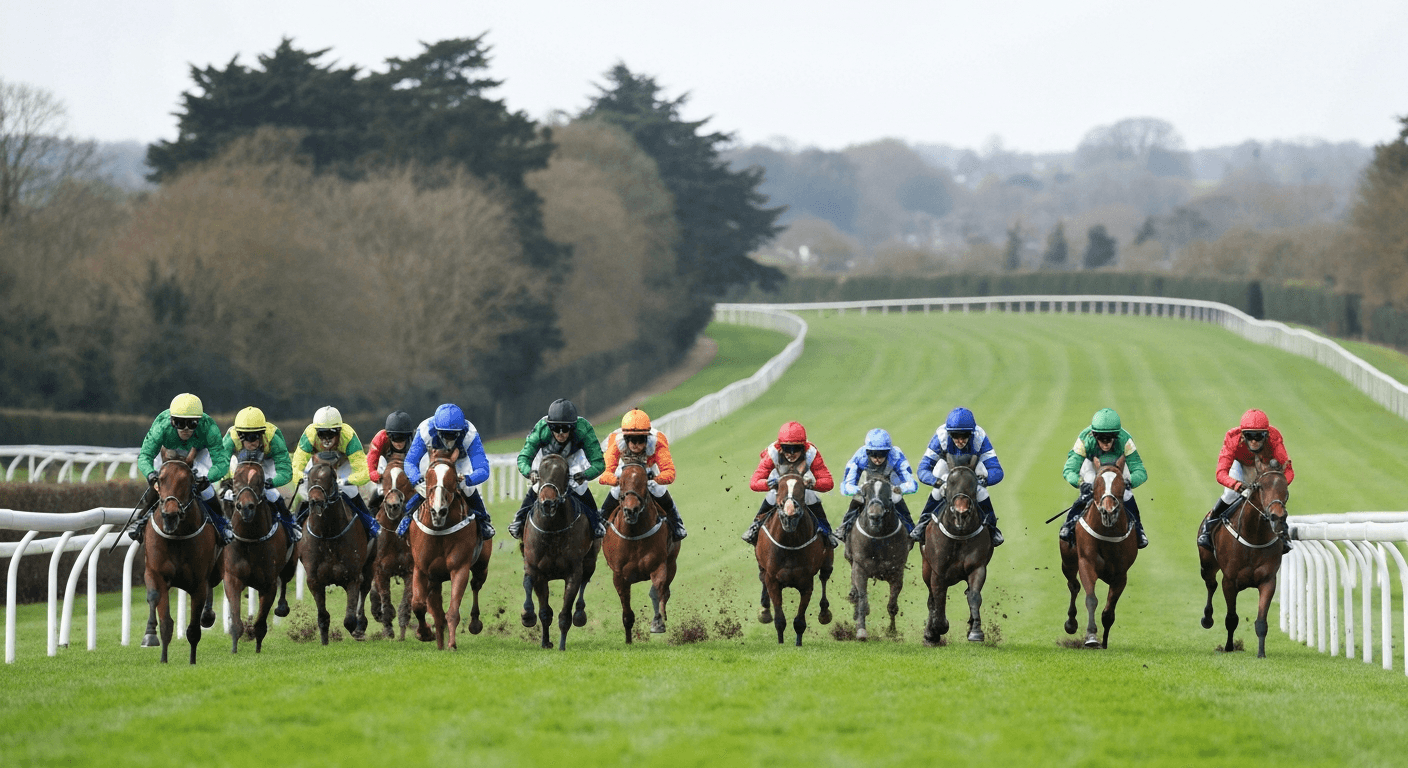
Founder & Editor · Last reviewed 2026-07-13
Gowran Park sits in the Annaly Estate just outside the village of Gowran in County Kilkenny, about 13km east of Kilkenny city. It is a dual-code turf course, staging both Flat and National Hunt racing across the year, with 19 fixtures scheduled in 2026 (6 over jumps and 13 on the Flat). For anyone studying a card here, that split matters: the questions the track sets a Flat sprinter in September are not the questions it sets a staying chaser in the depths of January.
Before going any further, one thing needs saying plainly. Nothing in this guide is a tip, and nothing here is a way to beat the bookmaker. Backing favourites blindly loses money to starting price over time, and no staking plan or mechanical angle turns that around. The trends and patterns set out below describe what the course tends to ask of a horse and what has tended to happen. They are context for reading a race, not a route to profit. Treat betting as paid entertainment, stake only what you can afford to lose, and if it stops being fun, use the deposit limits, time-outs and self-exclusion tools every licensed operator provides. GambleAware and GamCare are there if you need them.
Gowran is best understood as a stamina-testing, prominent-runner track. It is a right-handed, undulating galloping oval with a stiff uphill finish, so horses that are short of stamina or over-raced early are exposed late. On the Flat the layout gives a low draw an edge over seven furlongs, because the bend arrives quickly and getting caught wide costs ground. Over jumps the emphasis moves to stamina and clean jumping on ground that is often testing through the winter. Its calendar is anchored by two big jumps days, the Goffs Thyestes Chase in January and the Red Mills Chase in February, plus a Flat highlight in the autumn.
This guide covers what the track asks of a horse, going patterns and the draw, the trainer and jockey angles the record supports, the honest picture on favourites and form, how the big race days bet, and answers to common questions.
Where to Bet
Place your bets with a trusted, licensed bookmaker.

Promo code BETFRED50. New customers only. Register, deposit with a Debit Card, and place a first bet of £10+ at Evens (2.0)+ on Sports, to be settled within 7 days, to get £30 in Sports Free Bets and £20 in Bet Builder Free Bets within 24 hours of settlement. 7-day expiry. Eligibility & payment exclusions apply. Full T&Cs apply. Take Time to Think. BeGambleAware.org. 18+. Full T&Cs.

Promo code R30. New UK customers only, 18+. Register, deposit £10 or more, then place a £10 single cash bet at odds of 1/2 (1.5) or greater on any sports market (excluding Virtuals). Once the qualifying bet settles you get £30 in Free Bets (3 x £10) — the qualifying bet can win or lose. Free Bets are valid on any sports market excluding Virtuals, expire in 7 days, are non-withdrawable and must be used in full. Excluded deposit methods apply (including PayPal, Apple Pay, Skrill and NETELLER). Named bets such as Lucky 15 do not qualify. If you cash out the qualifying bet, or it is voided, you are no longer eligible for the offer. Ends 31.12.26. Full T&Cs apply. Please gamble responsibly. BeGambleAware.org. 18+. Full T&Cs.

Promo code BET40GET20. New UK customers, 18+. Register with the code and place a first bet of £40 or more at Evens (2.0) or greater. Receive 2 × £10 free bets: the first credited automatically once the qualifying bet settles, the second 24 hours later. Free bets must be placed at minimum odds of 4/1 (5.0), expire 24 hours after credit, and the free-bet stake is not returned with winnings. Debit card deposits only. Take Time to Think. BeGambleAware.org. 18+. T&Cs apply. Full T&Cs.

50% of your first-day net losses refunded as a free bet, capped at £25. New UK customers aged 18+ only. To qualify, deposit and place a first bet of £10 or more on any sport at minimum odds of evens (2.00), then place at least two further bets on different events, each worth at least 50% of your largest bet, all at evens (2.00) or greater. Losses are counted from your first settled bet until 23:59 the same day. Place a qualifying £10+ bet and you are guaranteed at least a £5 free bet. Bets placed at SP, void bets, cashed-out bets and bets struck with free bets do not count towards the offer. The free bet is credited the day after your qualifying bets settle and must be used within 7 days, after which it expires. It can be used at odds from 1/4 (1.25) up to 250/1 on singles and straight accumulators, but not on Trixie, Patent or Yankee style multiples. Free-bet stake is not returned with winnings. One offer per person, household, address, IP address and device. E-wallet deposits may not qualify, so check the cashier before depositing. Customers registered with GAMSTOP cannot claim. KYC identity verification must be completed before the free bet is credited. Take Time to Think. BeGambleAware.org. 18+. T&Cs apply. Full T&Cs.

New customers, 18+. Choose the sports bonus at sign-up, make a first deposit and receive a 100% bonus up to £50 in your Sports Bonus balance. To convert the bonus to cash, wager it 10x within 30 days. Single bets below Evens (2.00) do not qualify; accumulators do not qualify if any selection is below 1/2 (1.50). Virtual Sports, voided, cancelled, drawn, cashed-out and free-bet wagers do not count towards wagering. Only the first settled bet per event counts. Withdrawing before the wagering requirement is met forfeits the bonus balance including bonus winnings. Real-money funds are used before bonus funds. Deposits via Skrill or Neteller are not eligible. Not valid in conjunction with other promotions. Odds, bet and payment limits apply. 10bet general and promotion T&Cs apply. BeGambleAware.org. 18+. Full T&Cs.

New customers in Great Britain and Republic of Ireland, 18+. Place a £10 fixed-odds qualifying bet at minimum odds of 1/2 (1.50) — single or each-way (only the win part counts), pre-event or in-play, not cashed out early, within 28 days of opening the account. Receive up to £60 in bonuses credited over three days: 3 × £10 fixed-odds free bets (the first on settlement, then 24 and 48 hours later) plus 3 × £5 Total Goals FOOTBALL spread bets and 3 × £5 racing Winning Favourites spread bets, with a £1 racing Race Index spread bet as an extra on top. The spread bets need a full spread-betting account, opened within 28 days of the fixed-odds account and subject to Spreadex's eligibility and appropriateness checks. Free-bet stakes not returned with winnings; free bets valid 28 days from issue. IMPORTANT: the £5 credits are SPREAD bets — sports spread betting carries the risk that losses can exceed your stake. Sports spread-betting customers do not have Financial Ombudsman or FSCS recourse. Take Time to Think. BeGambleAware.org. 18+. T&Cs apply. Full T&Cs.

Promo code WELCOME15, entered under My Bonuses after registering. New UK customers, 18+. Place a first qualifying bet of at least £10 from your cash balance at odds of evens (2.0) or greater within 7 days of opening the account. Once the qualifying bet fully settles you receive £15 in free bets, credited as 3 x £5 tokens with set uses: one £5 accumulator free bet (minimum 4 legs, each leg at 2/5 or bigger), one £5 sports free bet (any market at evens or bigger) and one £5 Sub Cover free bet (selected football player markets at evens or bigger). Free-bet stakes are not returned with winnings. Free bets expire 7 days after they are credited. Void, cashed-out and partially cashed-out bets do not qualify. One offer per customer. Confirm the current terms on BetGoodwin's own welcome-offer page before claiming. Take Time to Think. BeGambleAware.org. 18+. T&Cs apply. Full T&Cs.

New UK customers, 18+. Minimum deposit £10. Place a £10 qualifying single at minimum odds of 1/2 (1.50), settled within 14 days. Receive £30 in free bets (stake not returned), split £20 for sportsbook use (2 x £10) and £10 for Bet Builder only (2 x £5); Bet Builder does not cover horse racing. Free bets must be accepted within 7 days and expire 7 days after acceptance. No promo code required. Best Odds Guaranteed on UK & Irish racing, subject to having staked over £25 in the previous seven days. Operated by LiveScore Betting and Gaming (Gibraltar) Ltd, UKGC 56859. Confirm the current terms on LiveScore Bet's own promotions page before claiming. Take Time to Think. BeGambleAware.org. 18+. T&Cs apply. Full T&Cs.
18+. BeGambleAware.org
What the Track Asks
Gowran Park is a right-handed, undulating and essentially galloping oval. Understanding its shape explains the type of horse that tends to win here, so it is worth taking the layout in order rather than jumping straight to a card.
The shape of the circuit
The chase circuit measures about 1 mile 4 furlongs (roughly 1.5 miles) and the Flat course about 1 mile 3 furlongs. Both share the same defining feature: a stiff, uphill finish with a run-in of about three furlongs. The undulations are pronounced, and there is a peak across the back straight that asks a real question of a horse's stamina. A runner that expends too much energy climbing there often fails to see the race out up the long home rise. That is the single most useful thing to hold in mind at Gowran. This is not a track that flatters a non-stayer or a horse ridden too freely in the early part of a race.
The jumps course
Over jumps there are six hurdles and seven fences to a circuit, with the chase track set on the outside of the hurdles track. Three of the fences stand in the roughly three-furlong uphill home straight, so a horse still has serious jumping to do at the point where the ground is already draining its stamina. The Thyestes Chase, the course's headline handicap, is run over 17 fences. Clean, economical jumping matters here as much as raw ability, because a scrambled leap at the second-last or last on rising ground is expensive when there is no downhill respite to recover.
The Flat course
On the Flat the same uphill finish applies, which is why proven stamina for the trip and a horse that travels strongly into the climb are both worth weighing. Gowran is generally regarded as a speed-favouring, prominent-runner track: jockeys report that it pays to be nearer the front than the back, and several describe it as a course that suits horses ridden handily. Over seven furlongs the geometry adds a further wrinkle, covered in the next section, because the bend comes up quickly after the start and a wide position is hard to make back.
What it all asks
Put together, the demands are stamina to see out an uphill finish, cruising speed to hold a prominent position without over-racing, and clean jumping over obstacles that arrive late on tiring legs. None of that points to a selection on its own. It describes the kind of horse the track suits, which is a filter for understanding a result, not a betting instruction. The facts here match the fuller picture in the complete course guide, and the going and draw detail that shapes them follows next.
Going and the Draw
Two factors sit underneath most Gowran results: the state of the ground, which changes what the uphill finish demands, and, on the Flat only, where a horse is drawn over the shorter trips. Both are contextual. Neither is a way to beat the starting price.
Going patterns
Gowran's showpiece jumps fixtures fall in the depths of winter, so soft or heavy ground is common rather than exceptional on the big days. The 2026 Thyestes Chase was run on heavy going, and the Red Mills Trial Hurdle on the same sort of testing surface. On ground like that the uphill finish becomes an even sterner test, and proven stamina plus a genuine liking for cut count for far more than a flashy turn of foot. A horse whose best form is on a sound surface can be a different proposition when the rain comes, and there is little room to recover once the climb begins to bite.
The Flat season runs from spring into autumn, and ground there varies race to race. The sensible routine is the same as at any course: establish the going first, then read the form lines through it, rather than treating a soft-ground form figure as if it were earned in the same conditions you are betting into.
The draw
Over jumps there is no draw to speak of. The field sets off together on a right-handed oval, so a Flat-style draw angle simply does not apply to the hurdles and chases. Anyone quoting a jumps draw bias at Gowran is reading something into the numbers that the layout does not support.
On the Flat the one clear, repeatedly reported angle is over seven furlongs, where a low draw is an advantage because the bend arrives quickly after the start and getting caught wide is costly. That is a condition-specific point, not a blanket rule: it applies to the seven-furlong start and depends on a horse being able to use the draw by breaking well and holding a handy position. A low-drawn horse that misses the break gains little from the number beside its name. The table below sets out what the course profile supports, with gaps marked where no specific bias is established.
| Code and trip | Draw guidance | Basis |
|---|---|---|
| Flat, 7f | Low draw an advantage; bend comes up quickly, wide is costly | Reported jockey experience of the course |
| Flat, other trips | No specific bias established | n/a |
| All jumps races | No draw applies; field starts together | Right-handed oval layout |
The honest reading is that the draw is a minor, trip-specific factor on the Flat and a non-factor over jumps. It can tilt a close call between two similar sprinters, but it does not turn a bet into a profitable one, and it should never be read as an edge over the market. Ground and running style tell you more about most Gowran races than the stalls do.
Trainer and Jockey Angles
Some yards turn up at Gowran with a record that is hard to ignore, particularly in the marquee jumps races. The right way to use any of this is as background on where the quality tends to come from, not as a shortcut to a winner. A strong stable signals a live chance, but that chance is already in the price, and the puzzle is usually which of a powerful yard's runners is the one, not whether the yard is dangerous.
Willie Mullins over jumps
The dominant name here is Willie Mullins, whose Closutton yard is close by and who has an outstanding record in the big Gowran jumps races. In the Thyestes Chase he is the leading trainer, with seven wins by the course's own count and as many as ten by the fuller roll of honour, the first being Micko's Dream in 2000. His grip on the Red Mills Chase in February is just as striking, with a recent run of winners in Champagne Fever (2015), Janidil (2023), Saint Sam (2024) and Classic Getaway (2025). He also took the 2026 Red Mills Trial Hurdle with Storm Heart, sent off at 11/10 and ridden by Paul Townend.
Two cautions come with that record. First, a Mullins runner in one of these races is rarely a price, so the market has already done the obvious work; the interest is in reading which stablemate is the intended one when he runs more than one. Second, dominance in a race is not the same as a dominant runner every year. The 2026 Thyestes is the clearest illustration: his 7/2 favourite Captain Cody was an early casualty, and the race went to Now Is The Hour at 8/1, trained by Gavin Cromwell and ridden by Eoin Staples with a 5lb claim, who got up by a head from Better Times Ahead. A leading trainer's presence tells you where the quality is likely to be, not that the quality will win.
Other yards worth noting
The 2026 John Mulhern Galmoy Hurdle, run on Thyestes day, went to Home By The Lee for Joseph O'Brien, who wore down the favourite Staffordshire Knot, a reminder that the supporting Graded races on the big days are not a Mullins monopoly. On the Flat, the Hurry Harriet Stakes in August has been a happy hunting ground for Aidan O'Brien, who holds a record of seven wins in the race. Beyond those named records, the honest position is that Gowran does not throw up a long list of course-specific trainer or jockey strike rates that can be stated with confidence, so this guide sticks to the records that can be, rather than inventing angles to fill space.
| Race | Trainer angle | Detail on record |
|---|---|---|
| Thyestes Chase (Jan) | Willie Mullins | Leading trainer, seven wins by the course's own count and as many as ten by the fuller roll, first Micko's Dream (2000) |
| Red Mills Chase (Feb) | Willie Mullins | Champagne Fever (2015), Janidil (2023), Saint Sam (2024), Classic Getaway (2025) |
| Red Mills Trial Hurdle (Feb) | Willie Mullins | Storm Heart (2026), 11/10 fav, ridden by Paul Townend |
| Galmoy Hurdle (Jan) | Joseph O'Brien | Home By The Lee (2026), beat the favourite |
| Hurry Harriet Stakes (Aug, Flat) | Aidan O'Brien | Record 7 wins in the race |
How to use it
The sensible way to apply this is as a tie-breaker, once the harder work of assessing stamina, ground and running style is done. A leading stable's runner that also fits the track, stays the trip, handles the going and is ridden prominently is a more complete case than one resting on the trainer's name alone. None of it changes the underlying arithmetic, which the next section sets out plainly. A strong yard wins more races than most, and its runners are still not profitable to back blind. Where a strike rate is quoted, it belongs with the period it was measured over, and a figure recalled without that window is worth nothing, so this guide names winners and records rather than parading percentages it cannot stand behind.
Favourites, Form and the Honest Picture
It is tempting to treat a stamina-testing, fair track with a clear form profile as a place where the best horse wins and the favourite is a safe anchor. The maths says otherwise, and it is worth being blunt about it.
What the favourite actually returns
Over time, backing favourites loses money to starting price. That is true across racing as a whole, and there is nothing about Gowran that suspends it. Favourites win their share here, as horses the market rates most highly do everywhere, but winning a fair proportion of races is not the same as showing a profit. After the bookmaker's margin, a policy of backing every favourite, or of following any fixed staking plan, loses over a long enough run. There is no version of favourite-blind betting that comes out ahead.
The recent big-race results make the point without needing a spreadsheet. In the 2026 Thyestes Chase the 7/2 favourite Captain Cody was an early casualty and the race went to Now Is The Hour at 8/1. On the same afternoon the Galmoy Hurdle favourite Staffordshire Knot was worn down by Home By The Lee. A big-field staying handicap like the Thyestes, run over about three miles one furlong on testing winter ground, is close to the definition of a race where the favourite's chance is slim and the outcome is genuinely open. Favourites do win, of course: Storm Heart obliged at 11/10 in the 2026 Red Mills Trial Hurdle. The point is not that they never win, but that backing them as a rule still loses.
| Race (2026) | Favourite | Result |
|---|---|---|
| Thyestes Chase | Captain Cody, 7/2 | Early casualty; won by Now Is The Hour (8/1) |
| Galmoy Hurdle | Staffordshire Knot | Beaten; won by Home By The Lee |
| Red Mills Trial Hurdle | Storm Heart, 11/10 | Won |
Reading form figures here
A few track-specific points help when you read a Gowran card. Stamina is close to non-negotiable in the jumps races, because the uphill finish and the late fences expose a horse that does not truly see out its trip on the ground. On the Flat, position tends to matter more than most things, since the course rewards prominent runners, and over seven furlongs a low draw is a small help rather than a decisive one. Establish the going before anything else, because soft and heavy surfaces reshuffle the form lines and raise the premium on stamina.
The honest bottom line
No bet type, selection method or favourite is profitable as a rule at Gowran Park. The trainer records, the track demands and the going patterns in this guide describe what has happened and what the course tends to ask. They are information, not edges. The only sound way to use any of it is to understand the races a little better, treat a bet as the cost of an afternoon's entertainment rather than a source of income, and stake only what you can afford to lose. If the fun goes out of it, the deposit limits, time-outs and self-exclusion tools at every licensed operator are there, as are GambleAware and GamCare.
How the Big Days Bet
Gowran's betting year is built around a handful of big days, and each sets a slightly different puzzle. What follows is context for reading those races, not a method for beating them. The favourite still loses backed blind on these days as on any other.
Goffs Thyestes day (Thursday in late January)
The headline is the Goffs Thyestes Handicap Chase, a Grade 3 handicap over about three miles one furlong for five-year-olds and up, worth €100,000 added, with a maximum field of 18 and 17 fences. In 2026 it fell on Thursday 22 January and was scheduled off at 15:30. It is one of Ireland's most historic staying handicaps and a recognised trial for the Aintree Grand National, the Irish Grand National and the Cheltenham Gold Cup. As a big-field handicap over a searching trip on testing ground, it is designed to bring the field together, which is exactly why it throws up open results and why the favourite is so often turned over. The supporting Grade 2 John Mulhern Galmoy Hurdle, a staying hurdle on the same card, is the other race that shapes the day's betting.
Red Mills day (February)
Red Mills day is headed by the Grade 2 Red Mills Chase, about two miles three and a half furlongs for five-year-olds and up, supported by the Grade 3 Red Mills Trial Hurdle over two miles. In 2026 it fell on Saturday 14 February, with the Trial Hurdle scheduled off at 13:20 and the Chase at 15:40. These are higher-quality, smaller-field Graded races rather than sprawling handicaps, so the form tends to be more exposed and the market tighter. Willie Mullins has a particularly strong recent hold on both, which is worth knowing as background without treating it as a licence to follow blind.
The Flat highlight and the October Festival
On the Flat, the late-September Denny Cordell Lavarack and Lanwades Stud Fillies Stakes is Gowran's Group 3 showpiece, for fillies and mares aged three and up over about one mile one furlong. The early-June Irish Stallion Farms EBF Gowran Classic, a sales race for three-year-olds, is the richest race staged at the course. In the autumn the two-day October Festival closes the jumps calendar, headed on the Saturday by the Grade 2 PwC Champion Chase, with the Grade 3 Joe Mac Novice Hurdle and Like-A-Butterfly Novice Chase alongside it, and the Friday card carrying the Listed Mucklemeg Mares Bumper and the Pat Walsh Memorial Hurdle. In 2026 the festival runs on Friday 2 and Saturday 3 October.
Across all of these, the pattern is the same. The big handicaps reward stamina and reward reading the ground, and they routinely go to prices well beyond the market leader; the Graded races are more exposed but more efficiently priced. Knowing which day sets which puzzle helps you understand a result. It does not deliver a winning method, and the honest position throughout this guide holds on the biggest days as much as the quietest.
Frequently Asked Questions
Share this article
More about this racecourse
All gowran-park guides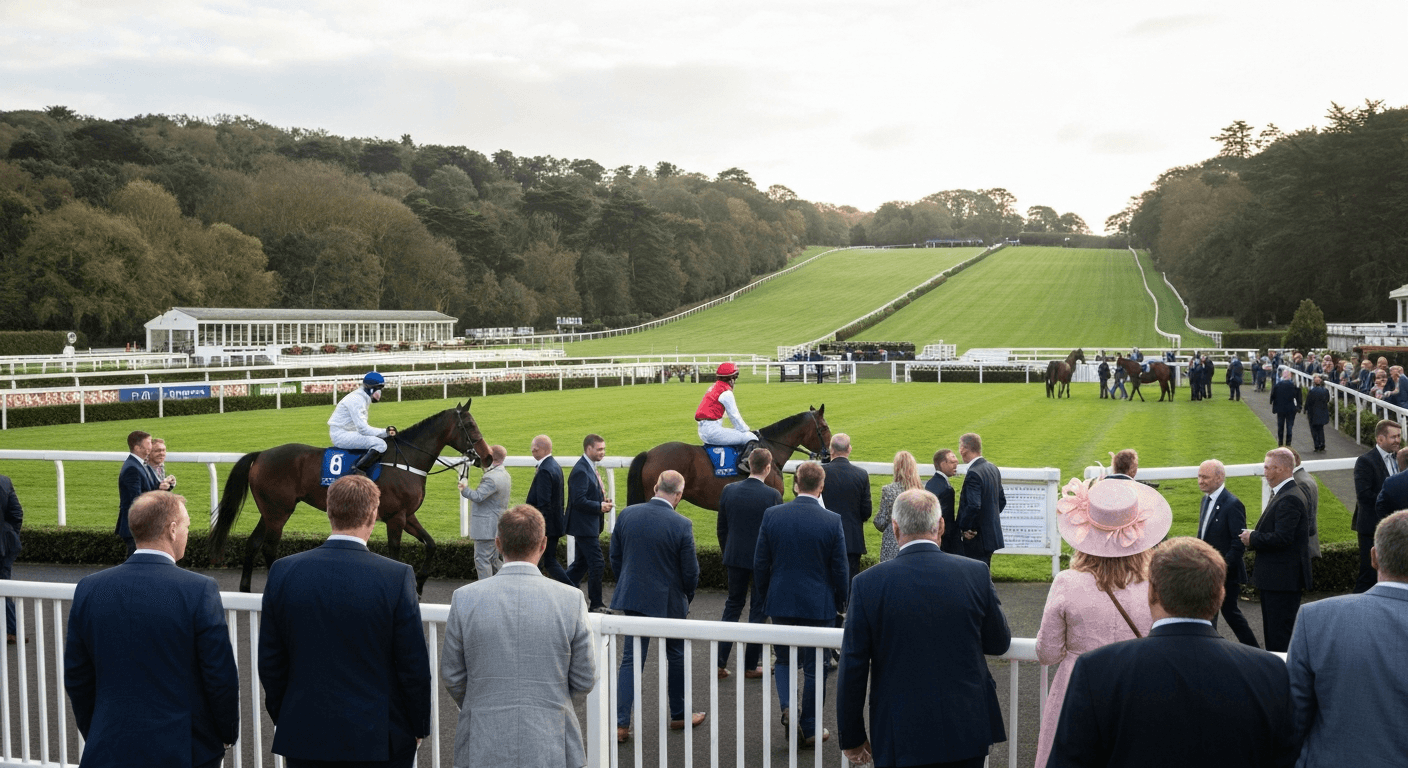
A Day Out at Gowran Park Racecourse
Plan a day at Gowran Park in Co. Kilkenny: getting there, tickets, food and bars, the best days like Thyestes and Red Mills, dress code and first-visit tips.
Read more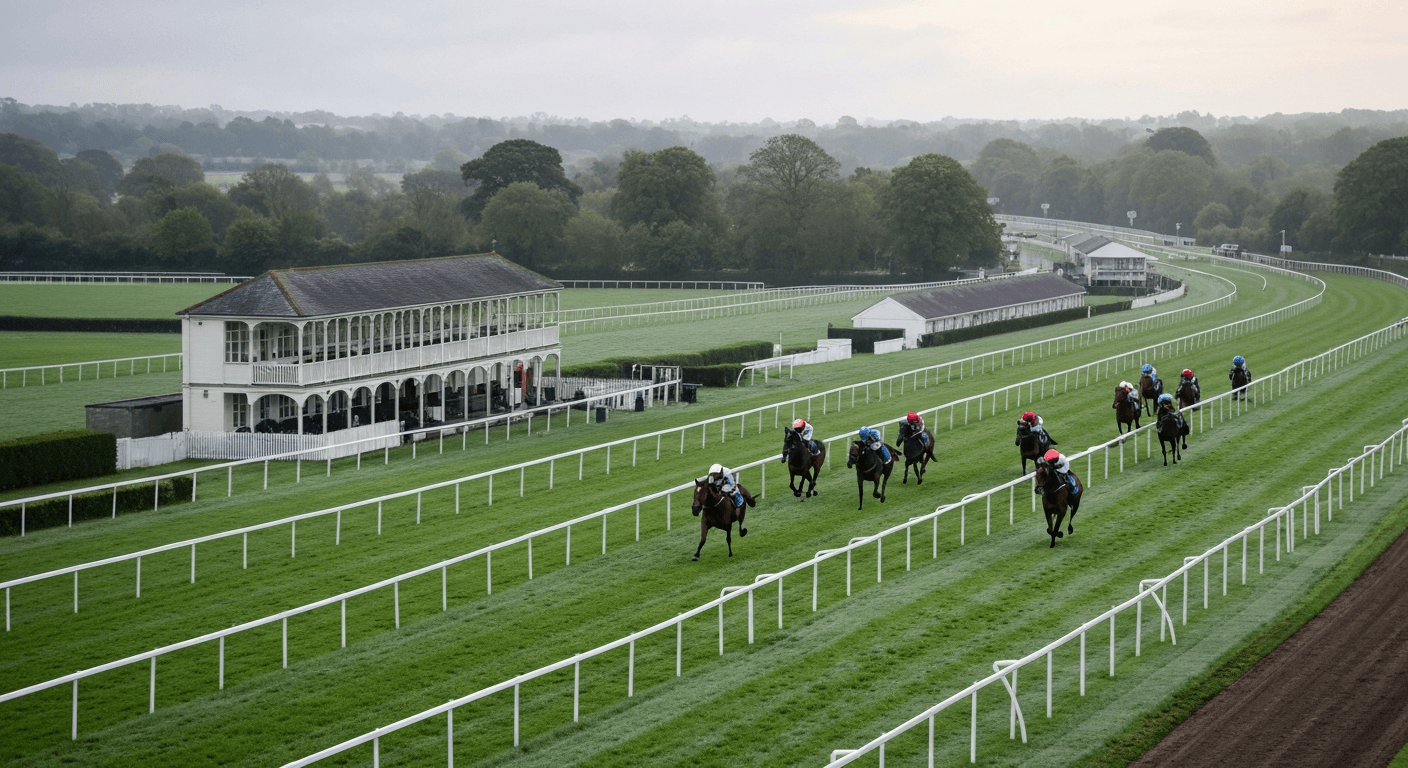
The History of Gowran Park Racecourse
The history of Gowran Park in Co. Kilkenny, from its 1914 opening on the Annaly Estate to the Goffs Thyestes Chase, Arkle's win and Grade 1 status.
Read more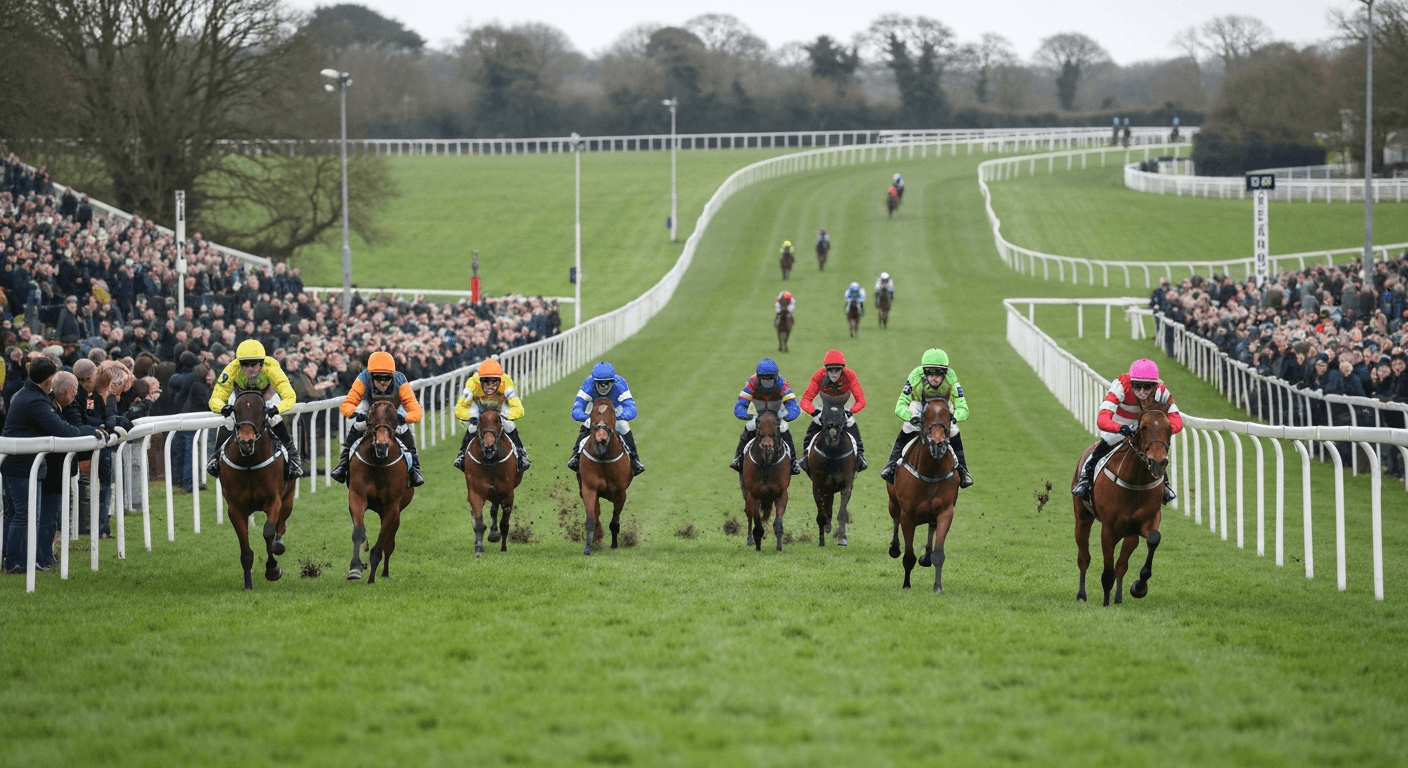
Gowran Park Racecourse: The Complete Guide
Gowran Park, the dual-code turf course in Co. Kilkenny, home of the Goffs Thyestes Chase where Arkle won, plus tickets, travel and how to visit.
Read moreResearch the field with the AI Race Predictor
Our model publishes calibrated win-probability estimates for UK races — a second opinion to understand a race, not tips. It's open about its record: it doesn't beat the market, and we show exactly how it does.
Work it out & learn the basics
Gamble Responsibly
Gambling should be entertaining and not seen as a way to make money. Never bet more than you can afford to lose. If you or someone you know has a gambling problem, help and support is available.