
Founder & Editor · Last reviewed 2026-07-08
Introduction
Roscommon Racecourse is a dual-code turf track just outside Roscommon town in the Irish midlands, on the Castlebar road only minutes from the town centre (Eircode F42 V052). It runs both Flat and National Hunt racing on turf, with no all-weather surface, and is a summer and autumn venue that stages around nine to ten meetings between May and September or October. In 2026 there are ten meetings, opening on Monday 11 May.
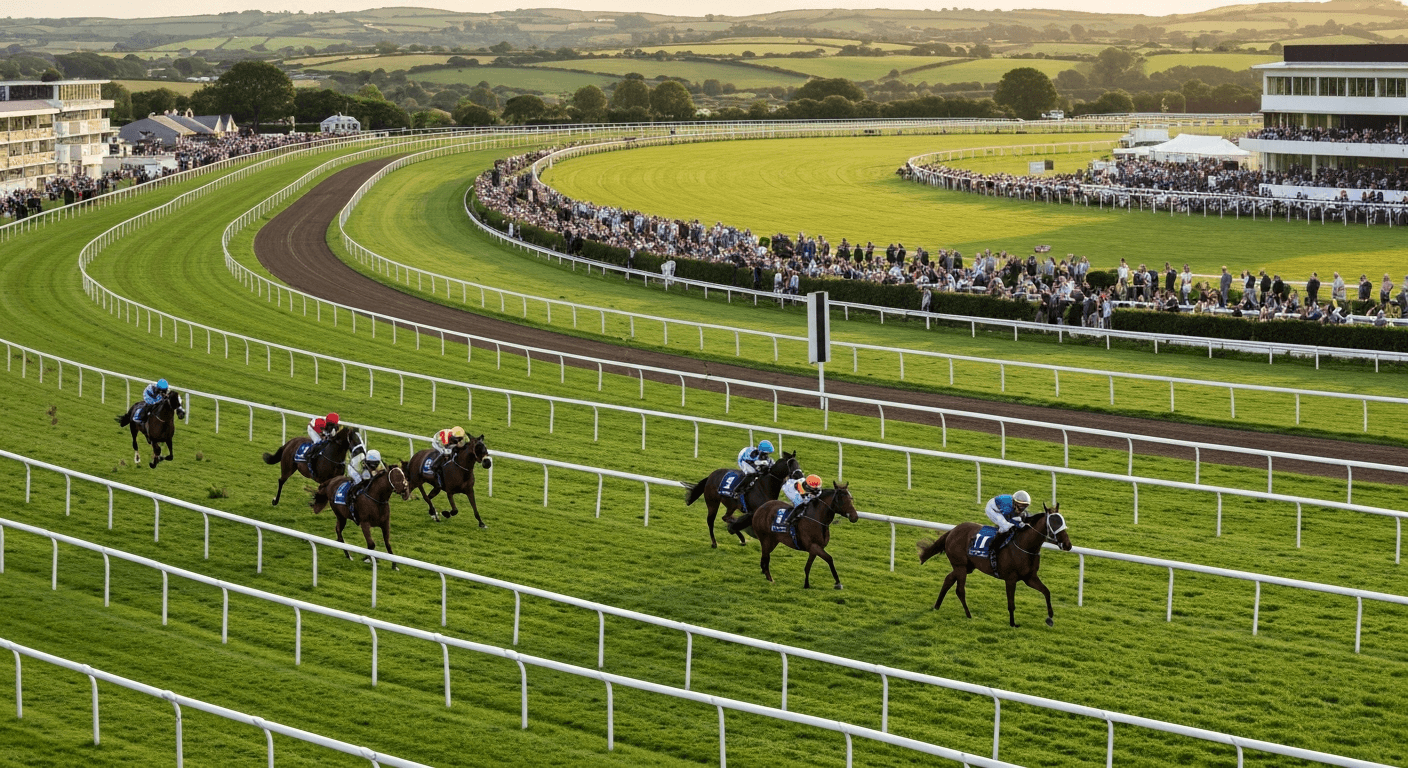
The course is a compact, sharp right-handed oval of about 1m 2f round, with a marked climb to the winning post that tests stamina in the closing stages. This layout tends to reward handy, speedy, prominent types, a theme picked up in The track and Form and betting. The grandstands, bars and enclosures sit close together beside the winning-post straight, making it an intimate provincial course rather than a sprawling one.
Racing near the town dates to an unofficial first meeting organised by the British military in 1837, with official fixtures beginning in 1885. The course has run ever since apart from a twelve-year break between 1936 and 1948 around the Second World War, growing from a single annual meeting to today's programme. It sits close to the 13th-century Roscommon Castle, and recent investment has delivered new stables, bars, entrance turnstiles and a rebuilt weighing room completed in 2019. More detail follows in History.
On this page
Where to Bet
Place your bets with a trusted, licensed bookmaker.

Promo code BETFRED50. New customers only. Register, deposit with a Debit Card, and place a first bet of £10+ at Evens (2.0)+ on Sports, to be settled within 7 days, to get £30 in Sports Free Bets and £20 in Bet Builder Free Bets within 24 hours of settlement. 7-day expiry. Eligibility & payment exclusions apply. Full T&Cs apply. Take Time to Think. BeGambleAware.org. 18+. Full T&Cs.

Promo code R30. New UK customers only, 18+. Register, deposit £10 or more, then place a £10 single cash bet at odds of 1/2 (1.5) or greater on any sports market (excluding Virtuals). Once the qualifying bet settles you get £30 in Free Bets (3 x £10) — the qualifying bet can win or lose. Free Bets are valid on any sports market excluding Virtuals, expire in 7 days, are non-withdrawable and must be used in full. Excluded deposit methods apply (including PayPal, Apple Pay, Skrill and NETELLER). Named bets such as Lucky 15 do not qualify. If you cash out the qualifying bet, or it is voided, you are no longer eligible for the offer. Ends 31.12.26. Full T&Cs apply. Please gamble responsibly. BeGambleAware.org. 18+. Full T&Cs.

Promo code BET40GET20. New UK customers, 18+. Register with the code and place a first bet of £40 or more at Evens (2.0) or greater. Receive 2 × £10 free bets: the first credited automatically once the qualifying bet settles, the second 24 hours later. Free bets must be placed at minimum odds of 4/1 (5.0), expire 24 hours after credit, and the free-bet stake is not returned with winnings. Debit card deposits only. Take Time to Think. BeGambleAware.org. 18+. T&Cs apply. Full T&Cs.

50% of your first-day net losses refunded as a free bet, capped at £25. New UK customers aged 18+ only. To qualify, deposit and place a first bet of £10 or more on any sport at minimum odds of evens (2.00), then place at least two further bets on different events, each worth at least 50% of your largest bet, all at evens (2.00) or greater. Losses are counted from your first settled bet until 23:59 the same day. Place a qualifying £10+ bet and you are guaranteed at least a £5 free bet. Bets placed at SP, void bets, cashed-out bets and bets struck with free bets do not count towards the offer. The free bet is credited the day after your qualifying bets settle and must be used within 7 days, after which it expires. It can be used at odds from 1/4 (1.25) up to 250/1 on singles and straight accumulators, but not on Trixie, Patent or Yankee style multiples. Free-bet stake is not returned with winnings. One offer per person, household, address, IP address and device. E-wallet deposits may not qualify, so check the cashier before depositing. Customers registered with GAMSTOP cannot claim. KYC identity verification must be completed before the free bet is credited. Take Time to Think. BeGambleAware.org. 18+. T&Cs apply. Full T&Cs.

New customers, 18+. Choose the sports bonus at sign-up, make a first deposit and receive a 100% bonus up to £50 in your Sports Bonus balance. To convert the bonus to cash, wager it 10x within 30 days. Single bets below Evens (2.00) do not qualify; accumulators do not qualify if any selection is below 1/2 (1.50). Virtual Sports, voided, cancelled, drawn, cashed-out and free-bet wagers do not count towards wagering. Only the first settled bet per event counts. Withdrawing before the wagering requirement is met forfeits the bonus balance including bonus winnings. Real-money funds are used before bonus funds. Deposits via Skrill or Neteller are not eligible. Not valid in conjunction with other promotions. Odds, bet and payment limits apply. 10bet general and promotion T&Cs apply. BeGambleAware.org. 18+. Full T&Cs.

New customers in Great Britain and Republic of Ireland, 18+. Place a £10 fixed-odds qualifying bet at minimum odds of 1/2 (1.50) — single or each-way (only the win part counts), pre-event or in-play, not cashed out early, within 28 days of opening the account. Receive up to £60 in bonuses credited over three days: 3 × £10 fixed-odds free bets (the first on settlement, then 24 and 48 hours later) plus 3 × £5 Total Goals FOOTBALL spread bets, 3 × £5 racing Winning Favourites spread bets and a £1 racing Race Index spread bet (the spread bets need a full spread-betting account). Free-bet stakes not returned with winnings; free bets valid 28 days from issue. IMPORTANT: the £5 credits are SPREAD bets — sports spread betting carries the risk that losses can exceed your stake. Sports spread-betting customers do not have Financial Ombudsman or FSCS recourse. Take Time to Think. BeGambleAware.org. 18+. T&Cs apply. Full T&Cs.

Promo code WELCOME15, entered under My Bonuses after registering. New UK customers, 18+. Place a first qualifying bet of at least £10 from your cash balance at odds of evens (2.0) or greater within 7 days of opening the account. Once the qualifying bet fully settles you receive £15 in free bets, credited as 3 x £5 tokens with set uses: one £5 accumulator free bet (minimum 4 legs, each leg at 2/5 or bigger), one £5 sports free bet (any market at evens or bigger) and one £5 Sub Cover free bet (selected football player markets at evens or bigger). Free-bet stakes are not returned with winnings. Free bets expire 7 days after they are credited. Void, cashed-out and partially cashed-out bets do not qualify. One offer per customer. Confirm the current terms on BetGoodwin's own welcome-offer page before claiming. Take Time to Think. BeGambleAware.org. 18+. T&Cs apply. Full T&Cs.

New UK customers, 18+. Minimum deposit £10. Place a £10 qualifying single at minimum odds of 1/2 (1.50), settled within 14 days. Receive £30 in free bets (stake not returned), split £20 for sportsbook use (2 x £10) and £10 for Bet Builder only (2 x £5); Bet Builder does not cover horse racing. Free bets must be accepted within 7 days and expire 7 days after acceptance. No promo code required. Best Odds Guaranteed on UK & Irish racing, subject to having staked over £25 in the previous seven days. Operated by LiveScore Betting and Gaming (Gibraltar) Ltd, UKGC 56859. Confirm the current terms on LiveScore Bet's own promotions page before claiming. Take Time to Think. BeGambleAware.org. 18+. T&Cs apply. Full T&Cs.
18+. BeGambleAware.org
The Track
The Track
Roscommon is a right-handed turf course, roughly 1m 2f round, and it is best described as a compact, sharp oval. There is no all-weather surface here; every meeting is run on grass. The tight circuit and short straights give the track its character, and they shape which type of horse tends to go well.
The defining feature is the finish. A marked incline, a genuinely steep climb, runs up to the winning post, so stamina is tested in the closing stages even on a track that otherwise rewards speed. On the Flat the run-in is about three and a half furlongs. The home straight is slightly undulating, and while the turns are sharp they are described as fair rather than awkward.
Over jumps the layout is similarly tight. A chase circuit carries five fences, including one open ditch, and the obstacles are described as inviting. The run-in after the last is short, just over 200 yards, so a jockey who wants to lead late has little ground in which to do it.
Because the circuit is sharp and the straights are short, the track favours handy, speedy, prominent types rather than out-and-out stayers who need a long, galloping test. According to the dossier there is no strong draw bias, but prominent runners are favoured by the nature of the course. That prominence angle is a course characteristic, not a betting edge; a run style that suits the track does not make any horse or system profitable to back, and over time the layer holds the long-run advantage. The form and pace angles are covered in more detail in form and betting.
One neat consequence of the compact shape is that the grandstands, bars and enclosures all sit close together beside the winning-post straight, which keeps the whole venue within easy reach of the action. The physical layout is set out in the course map.
The figures below are the track facts the dossier confirms. Roscommon does not publish an authoritative all-time course-record schedule or set of standard times by distance, so no record times are stated here as fact.
| Track fact | Detail |
|---|---|
| Handedness | Right-handed |
| Circuit | Compact, sharp oval, about 1m 2f round |
| Surface | Turf only (no all-weather) |
| Codes | Dual code (Flat and National Hunt) |
| Finish | Marked incline, steep climb to the winning post |
| Flat run-in | About 3.5 furlongs |
| Chase fences | Five per circuit, including one open ditch |
| Jumps run-in | Just over 200 yards |
| Draw bias | No strong draw bias reported |
| Pace bias | Favours handy, prominent, speedy types |
| Standard times / course records | Not published (n/a) |
The Course Map
Course Map and Layout
Roscommon is a compact venue, and its layout reflects that. The grandstands, bars and enclosures all sit close together beside the winning-post straight, so you are never far from the action or the facilities. This tight footprint is one of the course's defining features: the walk from stand to parade ring to betting ring is a short one.
The racing surface is a right-handed oval of about 1m 2f, described as a sharp, compact circuit (see the track for the shape and gradients in detail). The home straight runs alongside the stands and carries a marked incline to the winning post, with a run-in of roughly three and a half furlongs on the Flat. Spectators gathered by the line therefore get a clear view of the closing climb.
Viewing is split between a Main Stand and a smaller Small Stand, the latter with the Buffet Restaurant alongside it, plus an Owners and Trainers area. For the full breakdown of each stand and where to position yourself, see enclosures and stands.
The Races
The races
Roscommon is a black-type track only in the narrowest sense. It stages one Graded jumps race and one Listed Flat race, with the rest of the card made up of handicaps, maidens and novice events. There are no Pattern (Group) races here. What the programme lacks in prestige it makes up for as a proving ground, and several of its features have a habit of throwing up horses that go on to bigger things.
The Kilbegnet Novice Chase is the feature of the jumps year. Run over about two miles in September or early October, it has held Grade 3 status since 2007 and carries a prize fund of around €40,000. Its history is richer than its grade suggests: the 1994 renewal saw Sound Man beat Shawiya, with the future 1996 Cheltenham Gold Cup winner Imperial Call back in third, and the 2018 running went to Ornua, who later landed a Grade 1 at Aintree, from subsequent Topham Trophy winner Cadmium. Henry de Bromhead is the leading trainer with four wins.
The Lenebane Stakes is the Flat highlight. A Listed race for three-year-olds and upwards over about one mile three and three-quarter furlongs, it was introduced in 2006 (initially over ten furlongs, then lengthened from 2007) and is run on the first day of the July meeting, often on Ladies Day. Horses that have won a Group 1 or Group 2 are not eligible, which keeps the field competitive. Panama Hat, the 2015 winner, later finished runner-up in the American St Leger. John Oxx is cited as the leading trainer with six wins, though that figure rests on a single source.
The Connacht National is Roscommon's staying handicap chase, run over about three miles one furlong in June and sponsored in recent years by the Tote. The 2025 running, over 3m 1f 24y, was won in 6m 25.10s off a €25,000 fund, with €15,000 to the winner. It has a place in racing lore too: Jonathan Burke rode his first professional winner in the Connacht National here in June 2014 aboard Golden Kite. Beyond these three, the evening cards carry various sponsored handicaps, including the Roscommon Herald Handicap Hurdle.
| Race | Code / status | Distance | When | Prize fund | Notable |
|---|---|---|---|---|---|
| Kilbegnet Novice Chase | National Hunt, Grade 3 (since 2007) | about 2m | September / early October | around €40,000 | Ornua (2018); de Bromhead 4 wins |
| Lenebane Stakes | Flat, Listed | about 1m 3f 175y | July (often Ladies Day) | n/a | Panama Hat (2015); no G1/G2 winners eligible |
| Connacht National | National Hunt handicap chase | about 3m 1f | June | €25,000 (2025) | 2025 run in 6m 25.10s |
| Roscommon Herald Handicap Hurdle | National Hunt handicap | n/a | n/a | n/a | n/a |
For winning times, leading riders and the wider record picture, see records and stats; for how the sharp, uphill layout shapes results, see form and betting.
Records and Stats
Records and stats
Roscommon does not publish an authoritative all-time course-record schedule or a set of standard times by distance, so there is no official list of the fastest runnings to quote. The one firmly documented recent time is the 2025 Connacht National over 3m 1f 24y, won in 6m 25.10s. Treat any wider "course record" claim with caution: the figures simply are not published.
The same honesty applies to crowds. The course draws large evening gatherings and often sells out its summer fixtures, but authoritative attendance, footfall and single-day record figures are not published. Roscommon is a relatively small, provincial track, and its scale is best measured by its facilities rather than headline crowd numbers.
On the leading personnel, the record is clearer. Over jumps, Henry de Bromhead is the leading trainer in the Grade 3 Kilbegnet Novice Chase with four wins. On the Flat, John Oxx is cited as the leading trainer in the Listed Lenebane Stakes with six wins, though this rests on a single source. Among jockeys, Davy Russell led the jump riders from 2015-16 to 2019-20 with 13 winning rides at a 27 per cent strike rate, with Jack Kennedy and amateur Jamie Codd posting higher strike rates on smaller samples.
For the races behind these names see the races; for how the sharp, uphill layout shapes results see form and betting. Winning at short prices does not make backing favourites profitable over time.
History
History
Roscommon has staged racing, in one form or another, for the best part of two centuries. The first meeting is thought to have been organised by the British military near their Roscommon base in 1837, an unofficial start that gives the course a claim to the 1830s even if continuous records begin later. Official racing dates from 1885 and has carried on ever since, with one significant break: a 12-year hiatus between 1936 and 1948, spanning the years around the Second World War, when fixtures were suspended.
The course began modestly, with a single meeting a year. Over the decades that grew steadily to the present programme of around nine or ten meetings, clustered in the summer and autumn and mostly run on weekday evenings. For more on how that calendar is shaped today, see the festivals and meetings section.
Its setting is part of the appeal. The racecourse sits on the Castlebar road just outside Roscommon town, close to Roscommon Castle, a 13th-century Norman structure that anchors the course firmly in the history of the midlands.
More recent decades have brought sustained investment in the facilities rather than in the racing programme, which remains built around handicaps, maidens and novice events with only a single Listed Flat race and a single Grade 3 chase for black type. The stable yard was resurfaced in 2008, and the course now counts 98 stables, two veterinary stables and 10 wash bays. The weighing room was demolished and rebuilt, with works completed in 2019. Alongside these, the course has added new stables, new bars and hospitality amenities, and new entrance turnstiles, modernising the raceday experience while keeping the compact, close-knit layout for which Roscommon is known. That layout, and the sharp uphill track it serves, is covered in the track section.
For all its provincial scale, Roscommon has repeatedly served as a launchpad for future champions, a thread picked up in the legends section.
The Legends
Legends of Roscommon
Roscommon's reputation is built less on staging the sport's biggest days than on launching horses that went on to greater things elsewhere. The most celebrated example is Imperial Call, the 1996 Cheltenham Gold Cup winner, who ran early over fences here and finished third to Sound Man in the 1994 Kilbegnet Novice Chase. Enzeli, the 1999 Ascot Gold Cup winner, took in a Roscommon success on the road to Royal Ascot. On the Flat, Again made her debut at the course in 2008 before landing the Group 1 Moyglare Stud Stakes and the Irish 1,000 Guineas, while Wrote finished third here in 2011 ahead of winning the Breeders' Cup Juvenile Turf. Mouramara won a maiden at Roscommon before taking the Prix Royallieu, and Panama Hat followed his 2015 Lenebane Stakes win by finishing second in the American St Leger. For more on those feature contests, see the races.
The people who have shaped the track's recent record are just as notable. Henry de Bromhead is the leading trainer in the Kilbegnet Novice Chase with four wins, and John Oxx is cited as the leading Lenebane Stakes trainer, though that six-win tally rests on a single source. In the saddle, Davy Russell was the dominant jump jockey across the 2015-16 to 2019-20 seasons, riding 13 winners at a 27 per cent strike rate. Roscommon also gave Jonathan Burke his first professional winner, in the June 2014 Connacht National aboard Golden Kite.
Beyond the results, the course holds a firm place in midlands life, drawing crowds from Athlone, Longford, Galway and Sligo and hosting community events alongside its racing. That local character carries through to raceday, described further in atmosphere and culture.
The Festivals
Festivals and signature meetings
Roscommon does not run a single multi-day festival in the way the big Irish tracks do. Its calendar is instead a run of individual summer and autumn evening cards, most falling on a Monday or a Tuesday. In 2026 there are ten meetings, opening on Monday 11 May and continuing through dates that include Monday 8 June, Tuesday 30 June, Monday 6 July, Tuesday 4 August, Tuesday 18 August, Monday 31 August, Monday 28 September and Monday 12 October, according to the Horse Racing Ireland and irishracing listings. Fixtures beyond those confirmed dates can be subject to change, so it is worth checking the official calendar before travelling.
The high point of the year for atmosphere is the July meeting. This pairs a Family Day on the Flat in early July with a Ladies Day about a week later, and it is Ladies Day that carries the track's most valuable Flat contest, the Listed Lenebane Stakes. Run over about 1m 3f 175y for three-year-olds and up, the Lenebane was introduced in 2006 and settled at its present trip from 2007. Horses that have won a Group 1 or Group 2 are not eligible, which keeps it as a genuine opportunity for progressive types. Panama Hat, the 2015 winner, went on to finish runner-up in the American St Leger. Ladies Day itself brings best-dressed competitions with cash prizes, and dressing up is encouraged even though there is no formal dress code on ordinary racedays. For more on that side of the day, see the what to wear section.
The jumps season builds towards the Kilbegnet Novice Chase, a Grade 3 run over about two miles and half a furlong in September or early October and worth around €40,000. It has been Grade 3 since 2007 and is the feature jumps race of the Roscommon year, with a history of turning up future stars: the 1994 running featured Sound Man beating Shawiya, with the 1996 Cheltenham Gold Cup winner Imperial Call back in third. Henry de Bromhead is the leading trainer with four wins.
Earlier in the summer, the June card stages the Connacht National, a handicap chase over about 3m 1f sponsored in recent years by Tote. Live music follows racing on many of these evenings, and the track often sells out its summer fixtures. For the individual contests in detail, see the races.
Form and Betting
Form and betting
The single most useful thing to know about betting at Roscommon is that, over the long run, the market wins and favourites lose money to starting price. Across 173 races run at the track between May 2024 and June 2026, backing every favourite to level stakes at SP returned a loss of roughly 37 per cent. Favourites won 24.9 per cent of those races, so plenty came in, but winning some races is not the same as turning a profit, and no staking method changes the edge the layer holds. Treat the exact figure with caution: the sample is small and the 95 per cent confidence interval is wide, running from about minus 54 to minus 18 per cent. The direction is clear, the precise number is not.
| Roscommon favourites (SP, level stakes) | Value |
|---|---|
| Races in sample | 173 |
| Runners | 2,046 |
| Window | May 2024 to June 2026 |
| Favourite strike rate | 24.9% |
| Favourite ROI | -37.39% (95% CI -54.31% to -18.13%) |
| Average field size | 11.8 (median 12) |
| Most common going | Good (43.4%), then Soft (22.5%) |
On the shape of the racing: the card is Flat-led, with 110 Flat races in the sample against 40 hurdles and 23 chases, so most fixtures are summer and autumn Flat evenings. Fields are middling in size, averaging just under 12 runners. As covered in the track, Roscommon is a sharp, right-handed oval with a stiff climb to the line, which tends to reward handy, prominent types over one-paced stayers. The going is predominantly Good, with softer ground a regular feature later in the year.
The draw offers no strong signal. Low, middle and high stalls won 10.9, 7.8 and 7.4 per cent of the time respectively, a spread narrow enough, on these sample sizes, to treat as noise rather than a bias to bet into. For the feature races and their trends, see the races.
Betting is entertainment, not income, and the figures above show why no system beats the book over time. Set a budget you can afford to lose, never chase, and stop when it stops being fun. Support and free tools are available at BeGambleAware.org. 18+.
Planning a Visit
Visiting Roscommon Racecourse
Roscommon Racecourse sits at Racecourse Road, Carrownabrickna, Lenabane, on the Castlebar road just minutes from Roscommon town centre, Eircode F42 V052. It is a compact provincial course built around summer and autumn evening cards, with 10 meetings scheduled in 2026 from Monday 11 May, most falling on a Monday or Tuesday. Phone the course on +353 (0)90 662 6231 or check roscommonracecourse.ie before you travel, as fixture dates can change.
Tickets can be bought online in advance, saving 10 per cent, or at the gate, with discounts for seniors and students. The "Ros Special" package, around €40, bundles admission, a two-course meal, a €10 betting voucher and a racecard. Free car parking, free wifi, on-course bookmakers and Tote are all included. See tickets and enclosures for the full breakdown.
There is no formal dress code on standard racedays, though dressing up is encouraged on the July Ladies Day, when best-dressed competitions carry cash prizes; more in what to wear. A fully wheelchair-accessible Owners and Trainers area is provided. For road, rail and air routes, see getting there.
Getting There
Getting There
Roscommon Racecourse sits just outside Roscommon town on the Castlebar road, at Racecourse Road, Carrownabrickna, Lenabane, Eircode F42 V052. Its central position in the midlands makes it reachable from several directions, and the course is only minutes from the town centre.
By road, the approaches are straightforward. From Athlone it is about 30km north-west on the N61, and from Longford about 30km west on the N63. Galway lies roughly 77km to the south-west via the N63, while Sligo is around 84km away on the N4 and N61. From Dublin the drive is about 145km west on the M4 and M6, then north on the N61 at Athlone. Free car parking is available at every meeting, so there is no need to book a space in advance.
By rail, Roscommon town sits on the Dublin Heuston to Westport line, which makes the course a realistic option for racegoers travelling without a car. The station is a short taxi ride from the track and is next to a hotel, which is handy if you are staying overnight for an evening card. See the visiting section for more on planning a trip around the evening fixtures.
For those flying in, Galway Airport and Ireland West Airport Knock are both roughly an hour away by road, with onward travel by hire car or taxi.
Most fixtures fall on Monday or Tuesday evenings between May and the autumn, so allow for the return leg after racing when live music often keeps crowds on-site. Details of the bars and stands where those crowds gather are covered in the enclosures and stands section.
Tickets and Enclosures
Enclosures and stands
Roscommon is a compact provincial course, and its enclosures reflect that. The grandstands, bars and enclosures sit close together beside the winning-post straight, so there is no long walk between the parade ring, the stands and the betting ring. Admission is general rather than split across tiered enclosures, which keeps the raceday straightforward: one ticket gives you the run of the public areas.
Two grandstands anchor the viewing. The Main Stand houses the largest bar, and a Small Stand sits alongside the Buffet Restaurant. The Upstairs Bar offers panoramic views over the track with full bar and snack facilities, making it a useful vantage point for watching the stiff climb to the line. Because the home straight is short and slightly undulating, and the run-in is about three and a half furlongs on the Flat, the finish plays out right in front of the stands (see the track for the layout).
For owners and trainers there is a dedicated area that is fully wheelchair-accessible. Group and hospitality space is available through the Montelado Bar, which can be reserved for parties of 70 to 100, and the Buffet Restaurant, which seats 60.
Tickets can be bought online in advance, which the course lists at a saving of around 10 per cent, or on the gate, with discounts for seniors and students (prices indicative and subject to change). The "Ros Special" package, around €40, bundles one adult admission with a two-course meal, a €10 betting voucher and a racecard. Free car parking, free wifi, on-course bookmakers and the Tote are all included with entry.
For the bars, restaurants and hospitality in more detail, see food, bars and hospitality.
Food, Drink and Facilities
Food, Bars & Hospitality
Roscommon keeps its food and drink offering simple and social, in keeping with a compact provincial track. The Main Stand Bar is the largest of the bars, with live music and post-race dancing that keeps the evening going long after the last race. The Upstairs Bar takes in panoramic views of the course and serves snacks, while the Buffet Restaurant seats 60 for a sit-down meal. Groups can reserve the Montelado Bar, which caters for parties of 70 to 100.
For quicker bites there are mobile stands dotted around the enclosure, including a coffee kiosk and a burger stall, so you are never far from a hot drink or a snack between races. Free wifi is available across the venue.
If you would rather have your catering built in, the "Ros Special" package (around €40) bundles one adult admission with a two-course meal, a €10 betting voucher and a racecard, which makes for an easy all-in evening out. For more on tickets and packages see Visiting, and for the seating and viewing areas that go with these bars see Enclosures & Stands.
What to Wear
What to Wear
Roscommon keeps things relaxed. There is no formal dress code for a standard raceday, so smart-casual or simply comfortable clothes are fine for the evening cards that make up most of the calendar. Since the season runs from May into September and October and many meetings are held in the evening, it pays to bring a layer and a waterproof; the enclosures and stands sit close together beside the winning-post straight, but the going underfoot can be soft after rain.
The exception is Ladies Day, held in July about a week after the early-July Family Day. Dressing up is actively encouraged then, and the best-dressed competitions carry cash prizes, so it is worth making an effort if you are attending that fixture. See festivals and meetings for how the July dates fall.
Whatever the day, plan for a fair amount of standing and walking between the parade ring, the bars and the stands, so sensible footwear is a good idea. More on the venue in enclosures and stands.
Capacity and Venue Hire
Capacity and venue hire
Roscommon does not publish an authoritative attendance or capacity figure, so any single number should be treated with caution. What is known is that it is a relatively small, provincial course that draws large evening crowds and often sells out its summer fixtures. Beyond that, no official footfall or maximum-capacity total is on the public record, so we will not put a headline figure on it.
For groups and functions, the course offers several bookable spaces. The Montelado Bar can be reserved for parties of 70 to 100 and comes with finger food, making it the main option for a private group. The Buffet Restaurant, next to the Small Stand, seats 60. The largest room, the Main Stand Bar, hosts live music and post-race dancing, while the Upstairs Bar offers panoramic views over the course with a full bar and snack service. There is also a fully wheelchair-accessible Owners and Trainers area.
The site supports racing operations at scale even if its public capacity is modest, with 98 stables, two veterinary stables and 10 wash bays. Recent investment has added new bars, hospitality amenities and turnstiles, alongside a weighing room rebuilt in 2019 and a stable yard resurfaced in 2008.
For anyone planning a day out around these spaces, see enclosures and stands for how the areas sit together, and food, bars and hospitality for what each bar and restaurant serves.
The Atmosphere and What Roscommon Means
Atmosphere and culture
Roscommon is a small, provincial course with an outsized place in midlands life. Its central location, minutes from the town centre on the Castlebar road, makes it accessible from Athlone, Longford, Galway and Sligo, and that reach helps the summer evening fixtures draw large crowds, with the course often selling out its summer dates.
The mood is sociable rather than grand. Most meetings fall on a Monday or Tuesday evening, and live music follows racing on many nights. The Main Stand Bar, the largest of the three on the course, is the heart of it, with live music and post-race dancing once the card is done. That after-racing atmosphere, close bars and enclosures clustered beside the winning-post straight, is a large part of the appeal.
The course also serves the wider community beyond racing. It hosts a June country-music concert, the Shannonside and Northern Sound "Day with the Stars", along with the Roscommon GAA Poc Fada and cross-country running. Ladies Day in July, when the Lenebane Stakes is run, brings best-dressed competitions with cash prizes and a dressier crowd, while the early-July Family Day leans towards a lighter, all-ages feel.
Roscommon Castle, the 13th-century Norman ruin, sits close by and ties the course to the town's older story. For the racedays themselves, see the festivals and meetings section, and for the local scene around them, the nearby section.
Accessibility
Accessibility
Roscommon is a compact provincial course where the grandstands, bars and enclosures sit close together beside the winning-post straight, so the main viewing and hospitality areas are within a short, level walk of one another. The course confirms a fully wheelchair-accessible Owners and Trainers area, and free car parking is available at every meeting, which eases arrival for anyone who needs to be dropped close to the entrance.
Beyond that, the official course site does not comprehensively publish the detail that disabled racegoers usually want to check before travelling. There is no published figure for accessible parking bays, no description of step-free routes between the car park, enclosures and betting ring, no confirmed information on accessible toilets, and no stated carer or companion ticket policy. None of these should be read as absent, only as unconfirmed, and the sensible step is to phone the course on +353 (0)90 662 6231 ahead of a visit to confirm what you need.
For the wider layout and how the stands relate to each other, see enclosures and stands; for parking and drop-off on arrival, see getting there. Given the sharp, close-knit site, a call in advance is the most reliable way to plan an accessible day at Roscommon.
Where to Stay and Nearby
Nearby: where to stay and the local area
Roscommon town sits just minutes from the course, so most visitors base themselves within a short drive or taxi ride. O'Gara's Royal Hotel on Castle Street is roughly 1.5 miles away, and the Abbey Hotel is another town-centre option close to the track. Gleeson's is a popular local choice cited by regular visitors. If you are arriving by train, note that Roscommon station is adjacent to a hotel and only a short taxi ride from the racecourse, which makes an overnight stay straightforward for anyone coming in from Dublin or the west (see getting there).
For a day either side of the racing, Roscommon Castle is close at hand, a 13th-century Norman structure that gives the town its historic centrepiece. A little further afield, Lough Key Forest Park offers woodland walks and lakeside grounds. Both pair naturally with an evening card, since most fixtures run on Monday or Tuesday evenings through the summer (see visiting).
Frequently Asked Questions
Share this article
More about this racecourse
All roscommon guides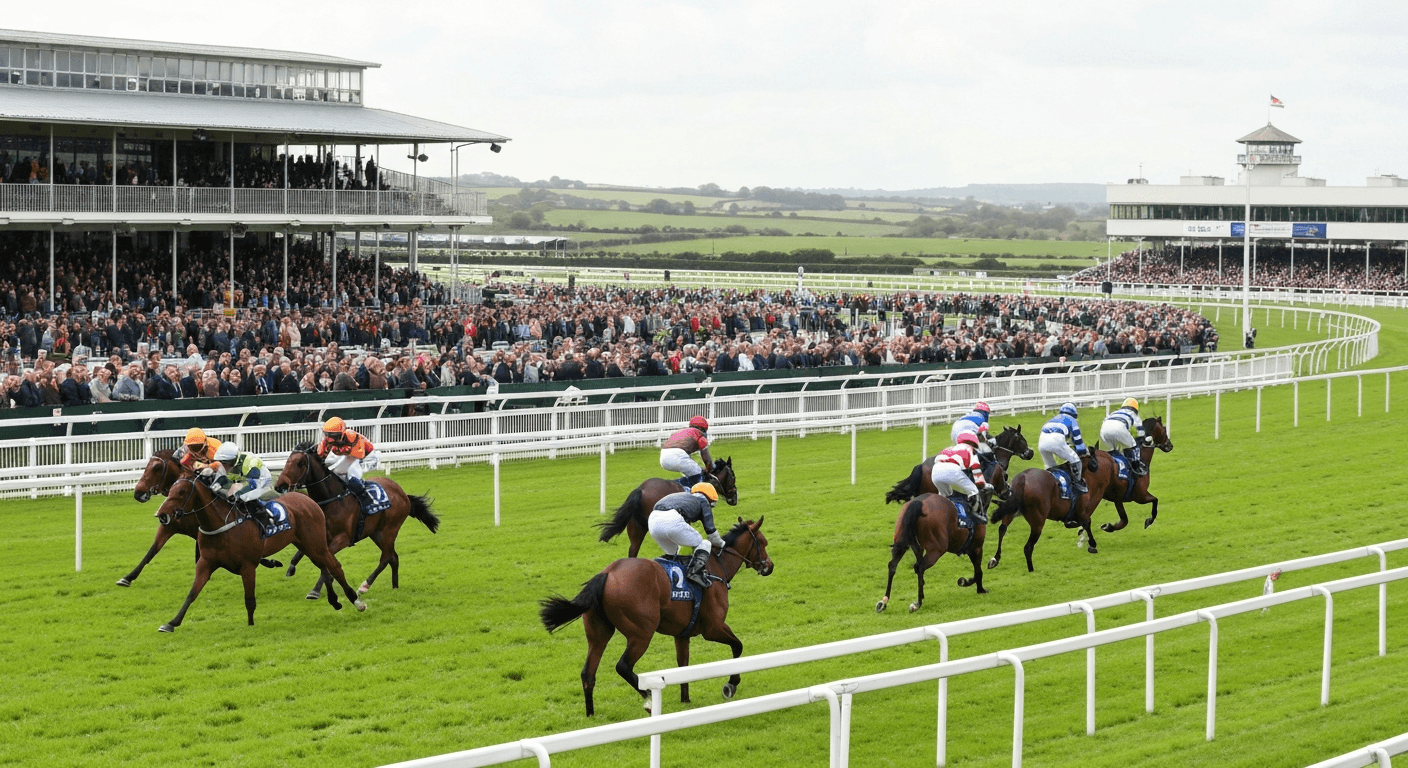
Roscommon's Big Nights: The Kilbegnet Chase and the Summer Festival
Roscommon's summer evening highlights: the Grade 3 Kilbegnet Novice Chase and the Listed Lenebane Stakes, the two black-type races at the Irish midlands track.
Read more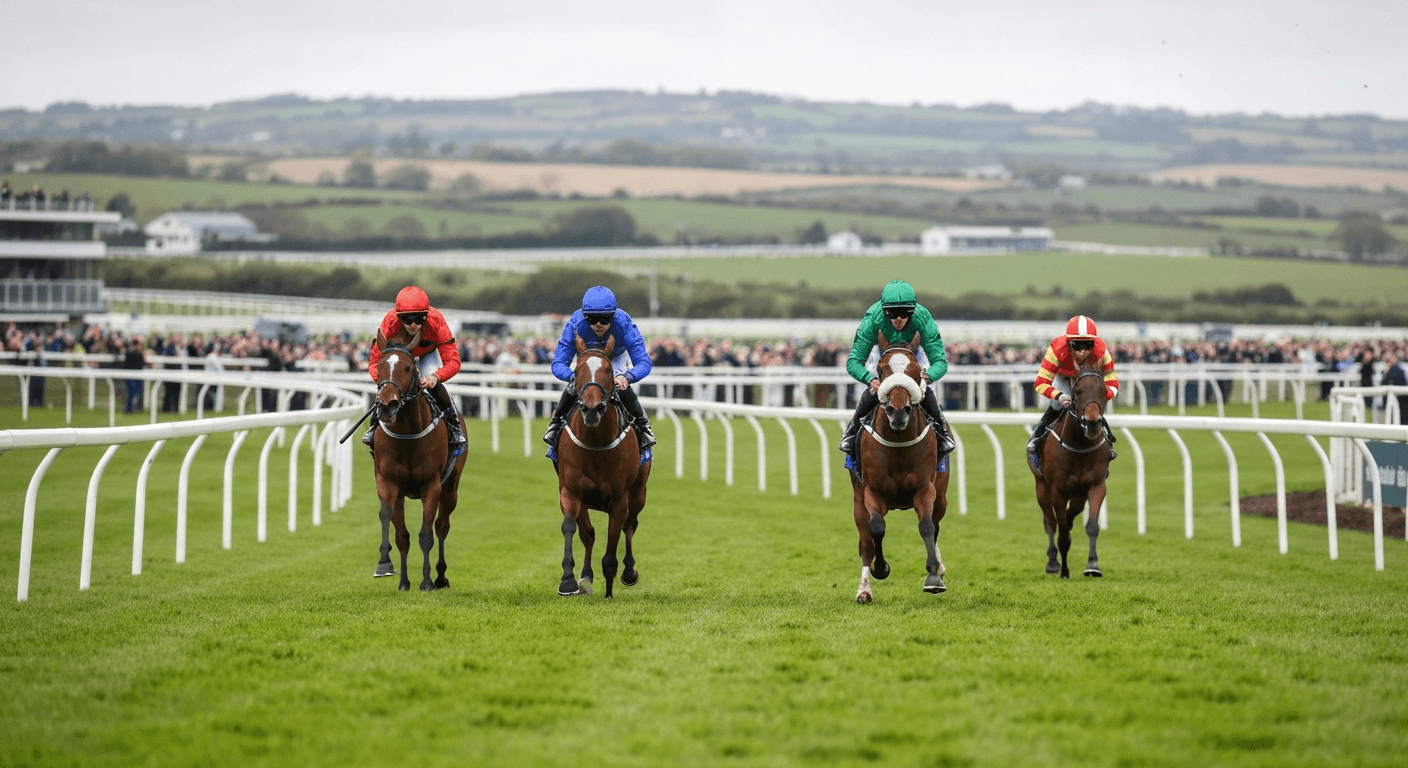
Roscommon's Launchpad: The Champions Who Started Here
How Imperial Call, Enzeli and Again all ran at Roscommon before winning at the top level elsewhere, and why the small Irish midlands track earns its launchpad name.
Read more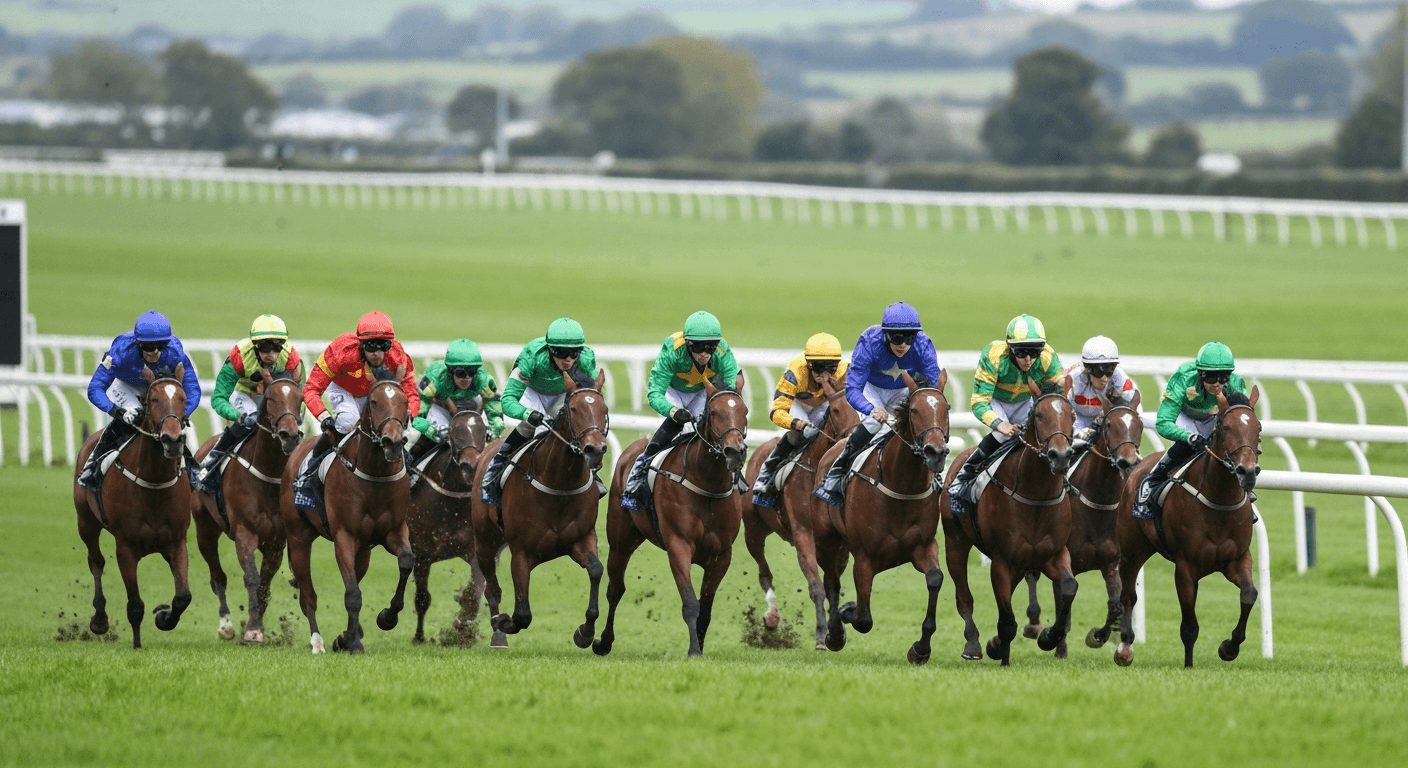
Betting at Roscommon Racecourse
Betting at Roscommon: how the sharp right-handed midlands track shapes results, its feature races, and the honest note that favourites lose to SP over time.
Read moreResearch the field with the AI Race Predictor
Our model publishes calibrated win-probability estimates for UK races — a second opinion to understand a race, not tips. It's open about its record: it doesn't beat the market, and we show exactly how it does.
Work it out & learn the basics
Gamble Responsibly
Gambling should be entertaining and not seen as a way to make money. Never bet more than you can afford to lose. If you or someone you know has a gambling problem, help and support is available.