
Founder & Editor · Last reviewed 2026-09-16
Introduction
Who This Guide Is For
Taunton is Somerset's only National Hunt racecourse, and it has been the heartbeat of West Country jumping since the current site opened in 1927. This guide is for the first-timer who wants to know what the course is actually like before they travel, for the regular racing visitor who wants to understand the betting angles, and for anyone planning a day in Somerset who wants to combine racing with the Quantock Hills, the Somerset Levels, or the county town itself.
Taunton does not host flat racing, Graded races at the top of the sport, or vast crowds. What it does offer is a consistent, well-run National Hunt programme from October through to May, a flat track that provides a fair test of jumping and stamina, and a connection to some of the most powerful training yards in the country. Paul Nicholls, based at Manor Farm Stables in Ditcheat (roughly 20 miles east of the course), treats Taunton as an important local track, and his novice chasers and hurdlers have used it as a launch pad for bigger targets for three decades.
Quick Facts
| Detail | Information |
|---|---|
| Location | Taunton, Somerset, TA3 7BL |
| Racing type | National Hunt (hurdles and chases only) |
| Track shape | Right-handed oval, approximately 1 mile 3 furlongs round |
| Year opened | 1927 (current site) |
| Capacity | Around 5,000 |
| Signature race | Byerley Stud Mares' Novices' Hurdle (Listed, 30 December) |
| Season | October to May |
| Nearest station | Taunton (approx. 1 mile from course) |
| Website | tauntonracecourse.co.uk |
Taunton as a Form Guide for the West Country Season
One of the under-appreciated qualities of Taunton is how useful it is as a form reference for the National Hunt season in southern England. The flat, right-handed circuit produces results that tend to translate well to similar tracks: Exeter (15 miles to the south-west), Wincanton (25 miles to the east), and flat NH tracks such as Kempton and Newbury. Horses that win at Taunton often do so again at comparable venues, and a Taunton win by a novice from one of the local yards is worth taking seriously before any subsequent festival entry.
The going is the variable that shapes the course most from one meeting to the next. The Somerset clay subsoil retains moisture efficiently, and from October onwards the ground can become soft or heavy quickly after rainfall. The course's flat nature means drainage is moderate: not as free-draining as the chalk downland tracks further east. A morning's rain in the Quantocks can change the going report entirely by the time racing begins at 1:00 pm. Punters who ignore the going at Taunton do so at their cost.
The stands hold around 5,000 on a typical race day, and the crowd on most winter weekdays is well below that. Attendance of 3,000 to 4,000 is more common on a Saturday meeting. The Byerley Stud Mares' Novices' Hurdle meeting, held every 30 December, is the biggest fixture of the season and consistently draws closer to capacity. It is a practical, unpretentious racecourse: the kind where you can walk from the car park to the weighing room in three minutes and stand at the rail without jostling for space.
For the visiting punter, the single most important fact about Taunton is the dominance of a small number of local trainers, above all Paul Nicholls. That fact shapes the betting market and, if understood properly, can give a structured betting approach at a course where the form is often predictable.
Bet on Taunton
Place your bets on Taunton races with a trusted bookmaker.

Promo code BETFRED50. New customers only. Register, deposit with a Debit Card, and place a first bet of £10+ at Evens (2.0)+ on Sports, to be settled within 7 days, to get £30 in Sports Free Bets and £20 in Bet Builder Free Bets within 24 hours of settlement. 7-day expiry. Eligibility & payment exclusions apply. Full T&Cs apply. Take Time to Think. BeGambleAware.org. 18+. Full T&Cs.

Promo code R30. New UK customers only, 18+. Register, deposit £10 or more, then place a £10 single cash bet at odds of 1/2 (1.5) or greater on any sports market (excluding Virtuals). Once the qualifying bet settles you get £30 in Free Bets (3 x £10) — the qualifying bet can win or lose. Free Bets are valid on any sports market excluding Virtuals, expire in 7 days, are non-withdrawable and must be used in full. Excluded deposit methods apply (including PayPal, Apple Pay, Skrill and NETELLER). Named bets such as Lucky 15 do not qualify. If you cash out the qualifying bet, or it is voided, you are no longer eligible for the offer. Ends 31.12.26. Full T&Cs apply. Please gamble responsibly. BeGambleAware.org. 18+. Full T&Cs.

Promo code BET40GET20. New UK customers, 18+. Register with the code and place a first bet of £40 or more at Evens (2.0) or greater. Receive 2 × £10 free bets: the first credited automatically once the qualifying bet settles, the second 24 hours later. Free bets must be placed at minimum odds of 4/1 (5.0), expire 24 hours after credit, and the free-bet stake is not returned with winnings. Debit card deposits only. Take Time to Think. BeGambleAware.org. 18+. T&Cs apply. Full T&Cs.

50% of your first-day net losses refunded as a free bet, capped at £25. New UK customers aged 18+ only. To qualify, deposit and place a first bet of £10 or more on any sport at minimum odds of evens (2.00), then place at least two further bets on different events, each worth at least 50% of your largest bet, all at evens (2.00) or greater. Losses are counted from your first settled bet until 23:59 the same day. Place a qualifying £10+ bet and you are guaranteed at least a £5 free bet. Bets placed at SP, void bets, cashed-out bets and bets struck with free bets do not count towards the offer. The free bet is credited the day after your qualifying bets settle and must be used within 7 days, after which it expires. It can be used at odds from 1/4 (1.25) up to 250/1 on singles and straight accumulators, but not on Trixie, Patent or Yankee style multiples. Free-bet stake is not returned with winnings. One offer per person, household, address, IP address and device. E-wallet deposits may not qualify, so check the cashier before depositing. Customers registered with GAMSTOP cannot claim. KYC identity verification must be completed before the free bet is credited. Take Time to Think. BeGambleAware.org. 18+. T&Cs apply. Full T&Cs.

New customers, 18+. Choose the sports bonus at sign-up, make a first deposit and receive a 100% bonus up to £50 in your Sports Bonus balance. To convert the bonus to cash, wager it 10x within 30 days. Single bets below Evens (2.00) do not qualify; accumulators do not qualify if any selection is below 1/2 (1.50). Virtual Sports, voided, cancelled, drawn, cashed-out and free-bet wagers do not count towards wagering. Only the first settled bet per event counts. Withdrawing before the wagering requirement is met forfeits the bonus balance including bonus winnings. Real-money funds are used before bonus funds. Deposits via Skrill or Neteller are not eligible. Not valid in conjunction with other promotions. Odds, bet and payment limits apply. 10bet general and promotion T&Cs apply. BeGambleAware.org. 18+. Full T&Cs.

New customers in Great Britain and Republic of Ireland, 18+. Place a £10 fixed-odds qualifying bet at minimum odds of 1/2 (1.50) — single or each-way (only the win part counts), pre-event or in-play, not cashed out early, within 28 days of opening the account. Receive up to £60 in bonuses credited over three days: 3 × £10 fixed-odds free bets (the first on settlement, then 24 and 48 hours later) plus 3 × £5 Total Goals FOOTBALL spread bets and 3 × £5 racing Winning Favourites spread bets, with a £1 racing Race Index spread bet as an extra on top. The spread bets need a full spread-betting account, opened within 28 days of the fixed-odds account and subject to Spreadex's eligibility and appropriateness checks. Free-bet stakes not returned with winnings; free bets valid 28 days from issue. IMPORTANT: the £5 credits are SPREAD bets — sports spread betting carries the risk that losses can exceed your stake. Sports spread-betting customers do not have Financial Ombudsman or FSCS recourse. Take Time to Think. BeGambleAware.org. 18+. T&Cs apply. Full T&Cs.

Promo code WELCOME15, entered under My Bonuses after registering. New UK customers, 18+. Place a first qualifying bet of at least £10 from your cash balance at odds of evens (2.0) or greater within 7 days of opening the account. Once the qualifying bet fully settles you receive £15 in free bets, credited as 3 x £5 tokens with set uses: one £5 accumulator free bet (minimum 4 legs, each leg at 2/5 or bigger), one £5 sports free bet (any market at evens or bigger) and one £5 Sub Cover free bet (selected football player markets at evens or bigger). Free-bet stakes are not returned with winnings. Free bets expire 7 days after they are credited. Void, cashed-out and partially cashed-out bets do not qualify. One offer per customer. Confirm the current terms on BetGoodwin's own welcome-offer page before claiming. Take Time to Think. BeGambleAware.org. 18+. T&Cs apply. Full T&Cs.

New UK customers, 18+. Minimum deposit £10. Place a £10 qualifying single on sports (excluding virtuals) at minimum odds of 1/2 (1.50), settled within 14 days. Deposit-method exclusions apply. Receive £30 in free bets (stake not returned), split £20 for sportsbook use (2 x £10) and £10 for Bet Builder only (2 x £5); Bet Builder does not cover horse racing. Free bets must be accepted within 7 days and expire 7 days after acceptance. No promo code required. Best Odds Guaranteed on UK & Irish racing, subject to having staked over £25 in the previous seven days. Operated by LiveScore Betting and Gaming (Gibraltar) Ltd, UKGC 56859. Confirm the current terms on LiveScore Bet's own promotions page before claiming. Take Time to Think. BeGambleAware.org. 18+. T&Cs apply. Full T&Cs.
18+. BeGambleAware.org
The Course
Shape and Dimensions
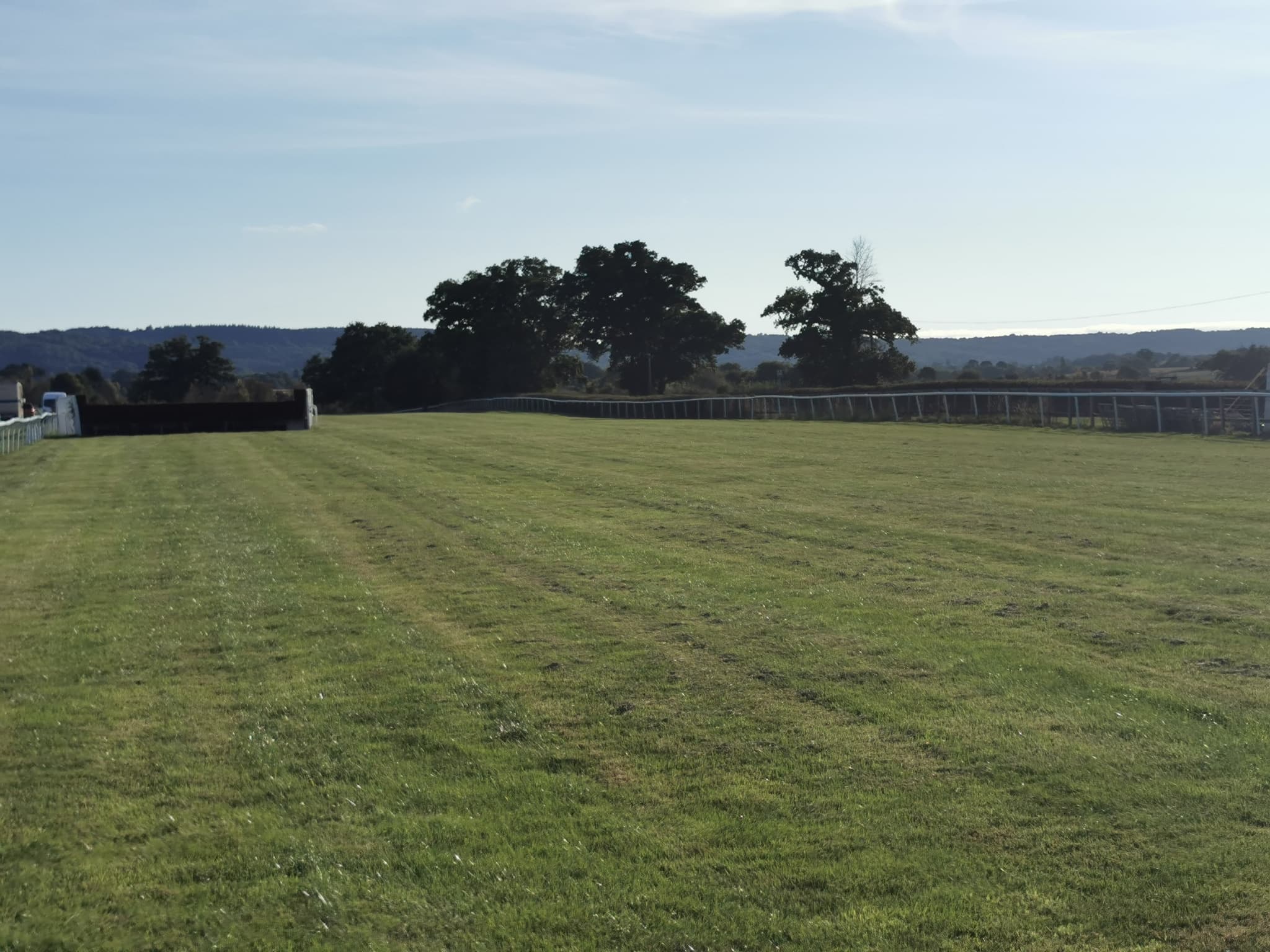
Taunton is a right-handed oval of approximately 1 mile 3 furlongs around. The circuit is Of note flat — it sits on low-lying ground on the southern edge of Taunton town, at around 20 metres above sea level, and there are no significant gradients anywhere on the track. This makes it one of the flattest jump tracks in southern England, a characteristic that shapes both the racing and the betting. Horses do not need to be brilliant climbers or strong finishers uphill; they need to gallop and jump fluently on level ground.
The home straight is around 3 furlongs in length, giving a reasonable run-in from the final fence. The bends at Taunton are relatively gentle compared with tight, sharp circuits such as Plumpton or Fontwell; horses can maintain their momentum through the turns without needing to be particularly nimble. A horse that gallops with a long, flat stride — the sort of action sometimes described in the form book as "ground-eating" — is ideally suited to this track.
The Fences
Taunton has 12 fences on the full circuit, and they are widely regarded as fair and relatively forgiving. The course is not known for particularly stiff or upright fences — the obstacles are well-built but do not present the same level of technical difficulty as, say, the steeplechase course at Cheltenham or the drop fences at Exeter's course. A horse that is still learning its trade over fences but has a solid jumping technique will not be punished unduly at Taunton.
The open ditch — a fence with a ditch on the approach side — appears twice on the full circuit. These are the fences where novice chasers sometimes make mistakes, particularly in the early part of the season when horses are new to the experience. Trainers from the local yards who know the course well will often place their less experienced novices here deliberately, knowing the fences are straightforward enough to build confidence without exposing weaknesses.
Water jumps are included in the layout, although their exact frequency can vary with course configuration. For hurdle races, the course uses conventional National Hunt hurdles on the inside of the chase course.
Race Distances
Taunton stages races across the following principal distances:
- 2 miles 1 furlong — the shortest chase distance; also used for shorter hurdle races
- 2 miles 3 furlongs — the most common hurdle distance at the course
- 3 miles — the standard staying chase distance
- 3 miles 3 furlongs — the staying hurdle and long-distance chase distance, run mainly from November onwards
The 2m1f trip catches out horses that are not quite strong enough in their jumping — there is not much room to recover from a mistake at this distance. The 3m trip is where the staying chasers from the West Country yards have their best opportunities; the flat terrain rewards horses with sustained galloping ability rather than a finishing burst.
Going Tendencies
The ground at Taunton is largely governed by the Somerset clay subsoil, which retains moisture well. This is a significant difference from courses on chalk or limestone — at Taunton, rain accumulates in the top layer and is slow to drain. The practical effect is that the ground can become soft quickly in autumn and remain testing through the winter months. October and November meetings frequently start on good to soft or soft going. By January and February, heavy ground is common and in some years near-continuous. March and April can offer better going as the ground dries, and spring fixtures — particularly if there is a dry run in March — can take place on good ground.
The flat nature of the circuit means there are no naturally free-draining slopes, which would help shed water on a hillier track. The course has some drainage infrastructure, but it cannot prevent the ground from riding testing after prolonged wet weather. Taunton regularly publishes going reports in the days before a meeting, and it is worth reading them carefully. A going stick reading of 4.0 or lower at Taunton typically means soft to heavy conditions.
In a dry spring, the going can reach good, occasionally good to firm. Races run on fast ground at Taunton tend to suit horses with a cleaner action; the flat terrain does not produce the gruelling conditions that heavy-ground specialists particularly thrive on — instead, the Somerset clay in winter produces a clinging, energy-sapping surface that rewards real stamina and reliable jumping.
Which Horse Types Succeed
Several consistent patterns emerge from studying Taunton results over many seasons:
Front-runners and prominent racers. The flat circuit and long home straight suit horses that travel prominently in the field. There are no sharp bends to unbalance a horse that is racing with a loose rein, and the forgiving fences do not create the involuntary pauses that can disrupt rhythm on trickier tracks. Many Taunton races are won by horses that go to the front within the first mile and are never headed.
Reliable jumpers that do not need to be brilliant. A horse with a sound but unpretentious jumping technique will win races at Taunton. The fences do not demand the athleticism required at courses with more demanding obstacles. What matters is consistency — a horse that jumps accurately at every fence, without flourish but without error, will travel much further into the race with energy in reserve.
Stamina in winter ground. On the heavy and soft ground that is typical of January and February meetings, horses with proven stamina at 2m3f and beyond have a clear advantage. Form from Exeter, Chepstow, and Newbury in testing conditions transfers well to Taunton in winter. The going tests the horses' energy reserves just as the flat terrain does not test their fitness in any other way.
Nicholls horses, particularly novices. Paul Nicholls' Ditcheat yard, 20 miles east of the course, is by far the dominant stable at Taunton. Nicholls and his team know the course as a home track, and many of their novice hurdlers and chasers are placed at Taunton at the beginning of their careers over obstacles. A Nicholls horse well within the handicap or making its debut in novice company at Taunton deserves the highest level of attention.
Comparison with Nearby Courses
Exeter, 15 miles to the south-west, is a contrasting track — undulating with sharper bends, more demanding on jumping, and with a testing uphill finish. A horse that handles Exeter is a capable, versatile jumper. Taunton is a lower-risk introduction. Wincanton, 25 miles to the east on higher chalk downland, drains faster and suits horses with a sharper action. The form between Taunton and Wincanton does not always transfer reliably because the going profiles can differ significantly on the same day. The comparison with flat NH tracks — Kempton, Newbury, Huntingdon — is more productive: horses that are described in the form book as suited by a flat track will find Taunton ideal.
Key Fixtures & Calendar
The NH Season at Taunton: October to May
Taunton stages roughly 18 National Hunt fixtures each season, spread across weekdays and Saturdays from October through to May. The programme is built around novice hurdles and chases, handicap chases, and a small number of better-class races that attract horses from yards beyond the South West. All fixtures are jumping only; there is no flat racing at the course.
The season follows a clear rhythm set by the Somerset weather and the national NH programme. October brings the first runners on ground that is often good to soft or soft after the late-summer break. November and December fixtures are typically competitive handicaps and novice contests, with ground that steadily deteriorates. January and February are the most important months, and the most testing on the going. March and April fixtures can offer significantly better ground if the spring is dry, and the final meeting of the season in May rounds off the calendar before the summer break.
The October Opener
The first fixture of the season, usually held in late October, is when the course comes back to life after the summer. The card typically includes novice hurdles for horses beginning their careers over obstacles and a chase or two for experienced handicappers resuming after a break. The ground is usually soft or good to soft, and the fields for the novice races tend to be large: trainers from Paul Nicholls' Ditcheat yard and Philip Hobbs' Minehead operation will often debut several horses at this meeting.
The October card attracts modest crowds, typically 2,500 to 3,000, and the atmosphere is quiet compared with the big January meetings. It is, however, a useful session for the serious punter: horses running for the first time over obstacles in public reveal a great deal about their future prospects.
30 December: The New Year Raceday and the Byerley Stud Mares' Novices' Hurdle
This section previously described a "Donn McClean Gold Cup" run in late January or early February as part of a multi-day "Festival", with a format that had "varied over the years... a single day, two days, and a midweek-Saturday split," and a separate "New Year Meeting" in "the first two weeks of January." None of that is real: no such race exists under either name, and Taunton has no branded multi-day festival.
Taunton's actual Listed feature, the Byerley Stud Mares' Novices' Hurdle, is run every 30 December, on the fixture currently branded the BoyleSports New Year Raceday: a single day, not a multi-day meeting. It is a conditions hurdle for novice mares over approximately two miles and half a furlong, not a handicap chase. The ground in late December is often heavy or soft, and the surrounding card typically includes a handicap hurdle and at least one novice contest. Coming straight after Christmas, it is one of the better-attended fixtures of the season, for the same reason any post-Christmas sporting fixture draws a crowd. For the exact time and the rest of that day's card, check the course website from late November.
Midwinter Midweek Cards
Between the headline Saturday meetings, Taunton stages a series of midweek fixtures through November, December, January, and February. These are working-day cards, often on Tuesdays and Thursdays, with fields of six to twelve runners and modest prize money. Attendance is limited, typically 1,500 to 2,500, but for the punter these meetings have value. Trainers use midweek Taunton cards to give experience to young horses, run handicappers who need a race before a more important target, and occasionally to place lightly-raced horses that are very well handicapped.
Ground conditions in midwinter midweek meetings frequently reach heavy and are forecast as such from the night before. If you are attending a midweek January meeting at Taunton and have not checked the going report that morning, you will be underprepared.
Spring Fixtures: March, April, and the Season Finale
March and April fixtures at Taunton often take place on better ground than the winter cards: sometimes good to soft, occasionally good. These meetings attract horses that are returning from a break or tuning up after Cheltenham week, and the fields can include some interesting novices with entries at Sandown's Spring Finale or the Punchestown Festival in late April or early May.
The final meeting of the season, usually in late April or early May, provides a neat end to the year. It is a nostalgic occasion for local racing followers: the last NH jumping before the summer flat programme dominates the national calendar. The card is often a full one of six or seven races, and the going is frequently one of the best of the season.
Crowd Sizes and Atmosphere
Taunton's capacity of around 5,000 represents the maximum, reached only on the Byerley Stud Mares' Novices' Hurdle day. The typical Saturday meeting draws 3,000 to 4,500. Midweek fixtures, which make up roughly half the season's card, are quieter: 1,500 to 2,500 is a realistic range on a November or February Tuesday.
These numbers make Taunton one of the more intimate fixtures in the National Hunt calendar below the top tier. The smaller crowds make it easy to get to the rail, to study horses in the paddock, and to hear the commentator clearly from anywhere on the course. It is not a course where atmosphere overwhelms racing: the racing is the thing.
Facilities & Hospitality
The Grandstand and Viewing Areas
Taunton's main grandstand provides covered seating and standing areas with good sightlines over the home straight and the final two fences. The structure is functional rather than architecturally distinguished (it was modernised in sections during the 1990s and 2000s), but it does the job well. The flat terrain of the course means there are no blind spots and horses remain visible to spectators throughout most of the circuit. From the upper levels of the grandstand, you can follow the field from the moment they turn out of the back straight all the way to the finish line.
The apron in front of the grandstand gives access to the parade ring, where horses are saddled and led around before each race. The parade ring at Taunton is enclosed on three sides, allowing spectators to view the horses at close range from multiple angles. The weighing room and jockeys' changing rooms are adjacent, making the whole area compact and easy to navigate. On quieter midweek days, you can watch horses being saddled without any jostling at all.
The Paddock and Winners' Enclosure
The paddock is one of Taunton's strongest assets. The enclosure is generous enough to accommodate a full field of 16 runners without feeling cramped, and the public can stand at the rail with good views of each horse. Watching horses in the paddock before a race (particularly a novice chase, where first-time chasers may show signs of tension or relaxed confidence) is one of the most useful habits for the visiting punter. At Taunton, the proximity of the paddock to the viewing public makes this straightforward.
The winners' enclosure is directly in front of the grandstand. After a race, horses, jockeys, and connections return here, and the crowd clusters to hear the trainer's brief comments, audible at a small course like this in a way that is often impossible at larger venues. Paul Nicholls, whose horses win at Taunton very regularly, is often on-course for the bigger days and will speak openly about his horses' next targets.
The Quantock Suite and Hospitality
The Quantock Suite is Taunton's principal hospitality facility, named after the Area of Outstanding Natural Beauty 5 miles to the north of the course. It is available for private hire and for pre-booked hospitality packages on race days. The suite provides a three-course meal, a reserved table with track-facing views, and access to a private viewing terrace for the main races. Packages for the Byerley Stud Mares' Novices' Hurdle day on 30 December, the busiest day of the season, need booking well ahead given how close it falls to Christmas itself. Groups of six or more are well catered for in the suite; it is also popular with racing clubs travelling from Bristol and the West Country.
For those not booking the Quantock Suite, smaller hospitality tables are available in the grandstand restaurant, which operates a set menu on race days. Booking is advisable for Saturday meetings; midweek cards can usually be accommodated without a reservation.
Food and Drink: Somerset Cider and Local Produce
Food and drink at Taunton is one of the real highlights of a day at the course, and not simply because the standard of catering is above average for a regional NH track. Somerset cider is a fixed part of the race-day experience, and the course goes beyond serving a token pint of scrumpy. Local producers from the Somerset cider-making tradition are represented at stalls and bars throughout the course, and on the bigger days you will find farmhouse ciders at the temporary outdoor bars that are specific to West Country producers.
The food offer includes stalls sourcing from Bridgwater market and local farms: pasties, pork products, and seasonal produce. The cheese stalls in particular reflect the quality of Somerset dairy farming: there will typically be at least one stall selling Cheddar in a variety of ages, and a farmhouse butter or clotted cream option. This is not the generic catering of a major National Hunt course; the local sourcing is deliberate and consistent with the course's identity as a Somerset institution.
Hot food options run to sausage rolls, burgers, and a daily special: typically a winter warmer such as a beef stew or shepherd's pie on cold January days. The standard bars serve the usual range of bottled beers, wines, and spirits alongside the ciders, and prices are reasonable by racecourse standards.
The Betting Ring
The betting ring at Taunton operates in the traditional way, with on-course bookmakers offering prices on each race from chalk boards and electronic screens. On a typical Saturday, you will find 8 to 12 bookmakers in the ring, with the larger firms taking the headline positions. On midweek cards, the ring is smaller (sometimes 4 to 6 books), and liquidity for bigger bets is lower. Tote windows operate alongside the bookmakers, and on-course prices are frequently better than the starting price for horses in shorter fields, where the market can be firmer.
Disabled Facilities
Taunton provides level access to the main viewing areas, the parade ring, and the food and drink outlets from the primary entrance. A dedicated viewing area for wheelchair users is positioned at track level near the final fence, providing an excellent perspective on the action. Accessible toilet facilities are located near both the grandstand and the paddock area. Disabled parking is signposted from the car park entrance and is located close to the main entrance gate. The course recommends contacting the office in advance of a visit for any specific requirements: the staff are experienced at accommodating a range of needs.
Children's Areas
Taunton is child-friendly in a low-key, practical way. There is a dedicated children's area with activities on the larger race days, typically including a bouncy castle and some face-painting on the biggest fixtures. Children under 18 are admitted free when accompanied by a paying adult, a detail worth knowing if you are planning a family trip. The course is compact enough that families with younger children can navigate easily, and the relaxed, unhurried atmosphere on most race days means it is not an anxious or overwhelming experience.
Getting There
By Train
Taunton railway station sits on the Great Western Main Line, one of the busiest inter-city routes in Britain, and is approximately 1 mile from the racecourse. GWR operates direct services from London Paddington: the journey takes around 1 hour 45 minutes on the faster trains, with some services stopping only at Reading and Taunton en route. From Bristol Temple Meads, the journey is 35 minutes; from Exeter St Davids, 30 minutes. The frequency is good: trains run at least twice an hour in each direction throughout the racing day.
On race days, Taunton Racecourse operates a shuttle bus service between the station and the course. The bus departs from outside the station entrance, is timed to arrive before the first race, and returns after the last. The shuttle is free or very low-cost for racegoers; details are published on the course website before each meeting. The walk from the station to the course takes about 20 to 25 minutes on a direct route, and is straightforward on foot if you prefer to avoid the bus.
Taxis are available at the station rank, and on a race day the rank is usually well-staffed. The journey by taxi is around 5 minutes. For the return journey after racing, taxis can be pre-booked with local firms (Taunton has several reliable operators), and this is strongly advisable on the Byerley Stud Mares' Novices' Hurdle day, 30 December, when post-race demand is high.
By Car
The most direct car route to Taunton uses the M5 motorway. Take Junction 25 (signed for Taunton), and from the roundabout at the junction follow the A358 towards Taunton town centre. The racecourse is signposted from the A358 as you approach the town; the signs lead south from the main road to the course entrance. The postcode for the course is TA3 7BL, and all major sat-nav systems route correctly to the main car park entrance.
The M5 gives Taunton exceptional road accessibility from the north and south. From Bristol city centre, the drive is roughly 50 minutes via M32 to the M5 and down to Junction 25. From Exeter, it is around 30 minutes via the M5 northbound to Junction 25. From the South East, London drivers will typically use the M3 to the A303 and then A358 into Taunton, avoiding the M5 entirely: allow around 2.5 hours from central London depending on traffic on the A303 near Stonehenge.
Taunton Racecourse provides free on-course parking, which is one of the practical advantages of a smaller regional track over the major festivals. The car park opens approximately 2 hours before the first race. On the Byerley Stud Mares' Novices' Hurdle day and other busy Saturdays, arriving 45 minutes before first race time secures a parking position close to the entrance. The car park surface is grass, and in wet winter conditions it can become soft underfoot: flat shoes or boots are advisable if the ground has been wet in the preceding days.
Regional Connections
The M5 motorway, which passes 3 miles west of the racecourse, is the defining transport link for Taunton and makes the course one of the most accessible NH tracks in the South West. Cities and towns within a straightforward drive:
- Bristol: 50 minutes (M5 southbound)
- Exeter: 30 minutes (M5 northbound)
- Bath: 50 minutes (A39 or M4/M5)
- Yeovil: 25 minutes (A358 / A303)
- Wincanton: 30 minutes (A358 / A303)
- Bridgwater: 15 minutes (M5 / A38)
This road network makes Taunton the natural home meeting for racing fans across the entire Somerset, Devon, and North Somerset region, as well as drawing regular visitors from Bristol and Bath.
Frequently Asked Questions
History of Taunton Racecourse
Racing in Taunton: From the Town to the Current Course
Horse racing in and around Taunton has a history reaching back to the 18th century. Races were run in the town and on the surrounding flat ground well before a permanent racecourse existed, as was common in English county towns where an annual race meeting became part of the civic calendar alongside the market and the assizes. By the early 19th century, racing in Somerset had a modest but established following, with meetings recorded on Taunton Racecourse's predecessor venues in the town and on common land to its south.
The current site at Orchard Portman (the land immediately south of Taunton's suburbs) was established in 1927. The move to the permanent, enclosed circuit allowed the sport to be presented more formally, with a grandstand, proper enclosures, and the infrastructure for a regulated betting ring. The course's right-handed oval on flat Somerset farmland was a practical choice: the ground was workable, the road access from Taunton town centre was straightforward, and the site had enough width to accommodate a full jumping circuit without the severe gradients that complicated course design on hillier West Country ground.
The Somerset National Hunt Tradition
The late 19th and early 20th centuries saw the National Hunt tradition consolidate firmly in Somerset and the surrounding counties. Farmers and landowners in the West Country were deeply invested in horse breeding and point-to-point racing, and the region produced a steady supply of jumpers that graduated from farm fields to proper racecourses. The Mendip Hills, Exmoor, and the Blackdown Hills all had active point-to-point communities, and Taunton became the natural endpoint for horses graduating from the amateur circuit.
By the mid-20th century, the West Country had established itself as one of the strongholds of NH racing in England. The National Hunt circuit in the South West (Taunton, Exeter, Wincanton, Newton Abbot) formed a coherent regional programme that allowed horses to progress from early novice races through to better-class handicaps without leaving the area. Taunton's role in this network was as the flat track of the group, the course where young horses could be introduced to jumping on a forgiving, level surface before being sent to the more demanding circuits at Exeter or Cheltenham.
The Nicholls Era: Ditcheat and Its Influence on Taunton
No trainer has shaped Taunton's modern history as completely as Paul Nicholls. Nicholls, who established his yard at Manor Farm Stables in Ditcheat — a village in the Somerset hills approximately 20 miles east of the racecourse — became the dominant force in British jump racing from the late 1990s onwards, winning the Champion Trainer title 13 times between 1999 and 2024. Ditcheat's proximity to Taunton makes the course an obvious local track for the yard.
Nicholls' use of Taunton has been consistent and strategic. He places novice chasers and hurdlers at the course in the early part of the season, knowing that the flat, forgiving circuit gives young horses a fair introduction without exposing them to the risks of a more demanding track. Horses that would go on to win at Cheltenham, Ascot, and Newbury first appeared at Taunton, often in fields of four or five runners on a quiet November Tuesday. Nicholls' strike rate at Taunton over a 25-year period is among the highest of any trainer at any course in Britain.
Philip Hobbs and the West Country Training Community
Philip Hobbs, based at Sandhill Racing Stables near Minehead (25 miles north-west of Taunton), is the second name in Taunton's recent history. Hobbs has trained winners at the highest level, including Grade 1 winners at Cheltenham and winners of the King George VI Chase, and his association with Taunton goes back decades. His horses tend to be slightly less numerous at the course than Nicholls' but often represent similar value: a Hobbs runner at Taunton in a novice hurdle or a beginners' chase is a horse to take seriously.
Beyond Nicholls and Hobbs, the West Country training community has always been well-represented at Taunton. Yards from Devon, Dorset, and the Somerset countryside east of the course contribute horses across the card, and the course has been a regular destination for trainers from Ireland when they send horses for the winter programme. David Pipe, based near Nicholashayne in Devon, is among the post-2000 generation of West Country trainers who has used Taunton regularly.
The Course's Role in Developing West Country NH Horses
Taunton's defining contribution to National Hunt racing has been as a development track: a venue where horses are taught the business of jumping in race conditions on a level, uncomplicated circuit. The number of horses that won their first chase or first hurdle at Taunton and Then competed at the Cheltenham Festival is significant. The course does not receive the credit for this that Cheltenham's trials courses or Newbury do, partly because it is a regional NH track without the prestige of a named qualifier race, but the pattern is consistent: promising West Country novices learn their trade at Taunton before graduating to the national stage.
There is no Donn McClean Gold Cup at Taunton. A previous version of this page claimed the course's signature race was named after the Irish racing journalist Donn McClean; that race was never run under that name or any other. Taunton's actual signature race is the Byerley Stud Mares' Novices' Hurdle, a Listed conditions hurdle for novice mares run every 30 December, first staged in 2012.
Famous Moments
Taunton as a Launching Pad for Cheltenham Festival Winners
Taunton's most consistent contribution to racing history is not a single spectacular occasion but a repeated pattern: a horse wins at the course on a quiet winter afternoon, is noted by those paying attention, and reappears weeks or months later at the Cheltenham Festival. This has happened repeatedly across the Paul Nicholls era, and it shapes the way that informed watchers of the West Country NH scene treat a dominant Taunton win.
Kauto Star, the horse that won the Cheltenham Gold Cup in 2007 and 2009 and the King George VI Chase five consecutive times, never ran at Taunton: he arrived in Britain already established. But many of the novice chasers from the Nicholls yard in the Ditcheat satellite generation, horses targeting the Arkle Trophy and the JLT Novices' Chase, had their early chase outings at Taunton on soft or heavy ground in November and December before their Festival appearances. The pattern is so well established in the form records that serious students of Cheltenham ante-post markets know to check the Taunton novice chase results from November onwards each season.
Nicholls Novice Chasers: Formative Wins at Taunton
The 2000s and 2010s produced a stream of horses from Ditcheat whose careers followed the Taunton-to-Cheltenham route. The courses are in some ways opposite in character (Taunton is flat and forgiving, Cheltenham is undulating and demanding), but the step from a convincing novice win at Taunton on heavy November ground to the Arkle Trophy or the RSA Chase on good-to-soft Cheltenham ground is a proven one if the horse has the quality.
The pattern works because Nicholls' novice chasers are typically well-schooled before their debut at Taunton. By the time they appear in public, they have already jumped fences repeatedly in training, and the Taunton course with its straightforward obstacles is unlikely to produce a serious error. A horse winning convincingly at Taunton in early November, travelling well within itself and jumping with minimal fuss, is often ready for a higher level within weeks.
The "Donn McClean Gold Cup" Never Happened
A previous version of this section described memorable renewals of a "Donn McClean Gold Cup" run each January or February over around 3 miles, including specific ground-stick readings from an exceptionally heavy renewal. None of that can stand: no such race exists, so there are no renewals of it to remember. Taunton's real Listed race, the Byerley Stud Mares' Novices' Hurdle, is a much shorter conditions hurdle run every 30 December, and we do not hold a sourced account of its individual renewals to report here.
The Social Fabric of Race Days at Taunton
Taunton has a specific social character that distinguishes it from the larger NH tracks. The crowd at a typical winter meeting is a mixture of local farmers, owners with horses in the West Country yards, racing professionals making the journey from Bristol or Bath, and a contingent of serious punters who follow the regional NH programme. The Somerset agricultural connection is visible in the paddock: the type of owner who breeds horses on a farm in the Quantocks or on the Somerset Levels, rather than the syndicates and investment funds that dominate ownership at the major tracks.
Somerset cider plays a real role in the social atmosphere. On the biggest fixtures of the winter, the temporary cider bars are as well-attended as the main bar, and local producers from the Taunton Deane area have become a fixed part of the event. This is not a manufactured regional identity for marketing purposes: it is a reflection of the fact that the area around Taunton has been producing cider commercially since the 17th century, and the orchards are visible from the roads leading to the course.
Meetings Remembered for the Conditions
Several Taunton meetings have been talked about locally for years afterwards specifically because of extreme weather. A February meeting where the going was declared heavy throughout and standing water appeared on the far side of the course, a November day when fog reduced visibility to the point where the commentator described the back straight from sound alone, a March afternoon when a frost followed by an inch of rain in 48 hours produced going that was part-frozen and part-bog at different points of the circuit. These are not high-profile moments in the national calendar, but they are the kinds of occasions that NH racing's core audience, people who follow their local track through a Somerset winter, remember specifically. Taunton's modest scale means these stories are shared by people who were actually there, rather than becoming media narratives.
Betting Guide
The Single Most Important Fact: Paul Nicholls
Any structured betting approach at Taunton starts and ends with one name: Paul Nicholls. His yard at Manor Farm Stables, Ditcheat, is 20 miles east of the course. Nicholls treats Taunton as a home track, placing horses there consistently throughout the season. His strike rate at Taunton (the proportion of his runners that win) is among the highest of any trainer at any racecourse in Britain over a sustained period. In recent seasons, Nicholls has routinely won at a rate of 35 to 45 per cent with his Taunton runners, and his placed percentage (horses finishing first, second, or third) is higher still.
The practical implication is direct: unless there is a specific reason to oppose a Nicholls horse at Taunton, the default position should be to back it. The reasons to oppose might include: the horse is clearly outclassed by a rival from an equally strong yard; the going is the opposite of the horse's known preference; the horse has run poorly its last two or three times and the market is offering a price that already accounts for doubt. Short of these specific circumstances, a Nicholls horse at Taunton is a structured bet rather than a speculative one.
The market knows this. Nicholls' horses at Taunton are frequently sent off at odds that reflect their trainer's reputation at the course: prices of 4/7, 8/13, and evens are common for his runners in novice company. This means the value is not always obvious, but backing short-priced certainties in markets with only four or five runners is a legitimate approach if the selection rate is high.
Philip Hobbs: The Second Angle
Philip Hobbs, based near Minehead (25 miles north-west of Taunton), is the second trainer to consider systematically. Hobbs' strike rate at Taunton is lower than Nicholls', but his runners often attract more generous market prices because the bookmakers reserve their biggest discounts for the Nicholls horses. A Hobbs horse at Taunton at 5/2 or 3/1 in a novice hurdle or a beginners' chase deserves respect, particularly if Hobbs has specifically entered it at Taunton rather than sending it to a higher-profile course.
The combination of Nicholls and Hobbs accounts for a large proportion of winners at Taunton each season. In some seasons, their combined horses represent more than half the winners at the course. Monitoring which horses from each yard are entered, using the Racing Post's entries section or the BHA's online race programme, is a productive investment of time before a Taunton meeting.
The Flat Circuit: How Form from Other Tracks Transfers
Taunton's flat, right-handed track is one of the most straightforward in NH racing. This has a specific implication for form analysis: performances at other flat NH tracks transfer to Taunton more reliably than performances at hilly or sharp tracks.
The tracks with the most transferable form to Taunton:
- Newbury: flat, galloping, right-handed; regarded as the best form reference for Taunton-type horses
- Kempton Park (jumps course): right-handed, very flat, fast-draining; used less now that Kempton's jumps programme has reduced, but still relevant
- Huntingdon: flat, right-handed; another reliable reference
- Carlisle: flat-ish, right-handed; reasonable transfer
Horses described in the Racing Post Ratings or trainer quotes as "suited by a flat track" should be positively considered at Taunton. If a horse has been tried on undulating courses like Exeter, Plumpton, or Cheltenham and has performed below expectations, a move to Taunton may allow it to show its true ability. The form-book phrase "flat track required" is effectively a positive qualifier at Taunton.
Conversely, horses that have run their best races on sharp, turning tracks (Plumpton, Fontwell, Lingfield) may not translate as reliably. The sweeping Taunton bends, while gentle, require horses to maintain pace through the turn rather than bunching into a tight corner. A horse that wins by sprinting out of tight turns may find Taunton slightly less advantageous than it first appears.
Going: Heavy Ground and Stamina
Somerset clay going, particularly the heavy and soft conditions typical of January and February, is specific in character. It is not simply wet ground; it is a clinging surface that tests horses' energy reserves through every stride. Horses that have won on heavy ground at Taunton itself, at Exeter, or at Chepstow are the most reliable guides for winter Taunton betting.
The key going-related angle:
Back horses with a heavy-ground win at Taunton, Exeter, or Chepstow. These three courses share similar subsoil characteristics: all sit on clay or heavy loam in low-lying positions that hold water. A horse with a Taunton heavy-ground form line runs at home on the January and February cards. A horse with an Exeter or Chepstow heavy-ground win is likely to handle Taunton similarly.
Horses from yards in the Midlands or North that are unfamiliar with West Country going can be opposed on heavy Taunton ground even if their form from good-ground tracks looks strong. The difference between good-to-soft at Sandown and heavy at Taunton in January is significant; horses unused to the particular demands of West Country winter clay sometimes fail to reproduce their form.
Novice Races: The Taunton Entry as Information
Taunton's novice races, especially novice chasers and the maiden and novice hurdles in October and November, serve as information-gathering events for trainers. When Nicholls or Hobbs enters a horse in a 12-runner novice hurdle at Taunton on a Tuesday in November, the competitive structure of the race is secondary to the experience the horse gains. This means that the odds in these races can be misleading: the well-backed Nicholls horse may be there to learn, and a less-fancied runner from a smaller yard may be there specifically to win.
For betting in these races, the trainer's comments in the Racing Post preview and the horse's recent work (visible in the morning-line betting market drift or confidence) are more useful than the raw form. A horse quoted at 5/1 for a small yard trainer who has specifically targeted a Taunton novice hurdle is often worth attention at that price.
Handicap Chases: The Market as a Guide
In handicap chases at Taunton generally, the market is a more reliable guide than in the novice races. By the time horses are running in handicaps, their form is established enough for bookmakers and professional traders to assess accurately. At Taunton, the key differentiators in handicap chases are:
- Trainer strike rate in handicaps: Nicholls' handicap runners at Taunton win at a lower percentage than his novice runners, but still above the course average
- Course-and-distance winners: horses that have won at Taunton over the same trip are particularly reliable at this course; the flat circuit rewards horses that handle the specific demands
- Ground form: as above, heavy-ground form from West Country tracks is the best predictor
We are not publishing a specific weight-range angle here: the one that used to appear was measured against a "Donn McClean Gold Cup" that never existed, so there is nothing behind the figures.
Practical Approach
Summarising the Taunton betting approach in four points:
- Back Nicholls runners in novice races by default unless clearly outclassed or going is wrong
- Check Hobbs' entries for value at longer prices
- Use flat-track form from Newbury, Huntingdon, and Kempton as the primary form reference
- Weight heavy-ground form from Taunton, Exeter, and Chepstow above all other going form for January and February meetings
Atmosphere & Day Planning
Taunton as a Base: Somerset's County Town
Taunton is the county town of Somerset, with a population of around 68,000, and it functions well as a base for a racing day that extends beyond the course. The town centre is a 10-minute drive or 20-minute walk from the racecourse, and it has enough of interest to fill a morning before an afternoon meeting without difficulty.
The Somerset County Museum sits within Taunton Castle on Castle Green (the castle itself dates from the 12th century), and admission is free. The museum covers Somerset's archaeology, natural history, and social history in a coherent collection that takes around 90 minutes to see properly. The castle's Great Hall is particularly well preserved. For anyone interested in Somerset's cider, dairy, and agricultural history, the museum provides the context that makes the race-day cider bars more than a simple novelty.
The town centre has a covered market, the Taunton Market, operating from Tuesday to Saturday. The local produce section includes cheese, meat, and vegetables from the surrounding farms, and the quality is consistent with what the surrounding county produces.
The Quantock Hills: Five Miles North
The Quantock Hills, designated an Area of Outstanding Natural Beauty in 1956 and England's first AONB, begin approximately 5 miles north of Taunton. The hills run in a north-west to south-east ridge from Quantoxhead on the Bristol Channel coast to the A38 at Kingston St Mary. The highest point is Will's Neck at 384 metres above sea level, reached by a straightforward 90-minute walk from the car park at Triscombe Stone on the western ridge road.
For a racing day combination, the practical approach is: leave Taunton at 9:00 am, drive the B3170 north through Bishop's Lydeard to the Triscombe Stone car park (30 minutes), walk to Will's Neck and back (90 minutes), return to Taunton by 12:00 noon, and be at the course for the first race at 1:00 pm. The views from Will's Neck extend to Exmoor to the north-west, the Bristol Channel, and Glastonbury Tor to the north-east. This is a practical half-morning rather than a full walk.
Glastonbury: Fifteen Miles North
Glastonbury is 15 miles north of Taunton, 25 minutes by car on the A361. The town is best visited in the morning before an afternoon meeting, as the car park near the Abbey fills from midday on weekends. Glastonbury Abbey, the ruined medieval monastery at the centre of the town, is open from 9:00 am and charges a modest admission. The ruins are substantial, enough to occupy an hour, and the grounds are quiet in the early morning.
Glastonbury Tor, the hill topped by the roofless tower of St Michael's Church, is a 15-minute drive from the Abbey and a 20-minute walk from the National Trust car park at the Chalice Well. The climb gives views over the Somerset Levels, including the distinctive flat wetland that stretches north towards Glastonbury from the surrounding hills. An early October race day, when Taunton's season opens, combined with a Glastonbury morning is one of the most pleasant autumn days available in the South West.
Exmoor: Twenty Miles North-West
Exmoor National Park begins approximately 20 miles north-west of Taunton. The market town of Dunster, 24 miles from the course via the A358 and A39, is the most practical entry point for a quick excursion. Dunster Castle (National Trust, open year-round) overlooks the medieval village from a wooded hill, and the village itself has a working water mill and a yarn market on the main street. Allow two hours for a brief Dunster visit.
For a Saturday meeting with a 1:00 pm start, Dunster is tight: you would need to leave Taunton by 8:30 am and be back on the A358 by 11:30 am. It is more comfortably done if the race start is later or if you are travelling from the direction of Exeter and can pass through Exmoor on the way in.
Sheppy's Cider Farm: Four Miles East
Sheppy's Cider farm sits 4 miles east of Taunton on the A38 near Wellington. The farm has been producing cider commercially since the early 19th century and now operates as one of Somerset's most visited cider producers, with a farm shop, a small cider museum, and tours. The shop is open year-round and stocks the full range of Sheppy's farmhouse ciders, including vintage varieties that are not available elsewhere. If you are approaching Taunton from the east, from the A303 or from Wincanton, the 10-minute detour to the farm is worth making for the shop alone.
Best Combination: A Practical Day Plan
Morning on the Quantocks, afternoon racing. Leave Bristol or Bath at 8:30 am, drive to the Triscombe Stone car park by 9:15 am (M5 Junction 25, then B3170), walk to Will's Neck and return by 11:00 am, drive 20 minutes back to Taunton, lunch at the course restaurant or in the town centre by 12:30 pm, first race at 1:00 pm. This is the cleanest combination and works on any Taunton racing day from October to May.
From London: train and shuttle. Paddington at 10:00 am, Taunton by 11:45 am, walk or shuttle to the course, first race at 1:00 pm. Return services to Paddington run until at least 8:00 pm, making an evening departure straightforward even after a 4:30 pm final race.
The Atmosphere at the Course
Taunton's character is shaped by a crowd that is predominantly local and knowledgeable about West Country jump racing. The racing community in Somerset is connected (owners, farmers, stable staff, and trainers often know each other personally), and the course reflects that. Conversations at the parade ring rail or in the betting ring tend to be specific and informed rather than general. On a Tuesday midwinter card with 2,000 people, you will often be standing near someone who has a horse in the next race or who works for one of the local yards.
This familiarity gives Taunton a specific atmosphere that is hard to manufacture at a larger course. It is not insular (visitors are welcomed), but it is particular. The Somerset cider at the bar is not a novelty to the regulars; it is what they drink. The talk after the Byerley Stud Mares' Novices' Hurdle is about whether the Nicholls horse will go to Cheltenham. Taunton works best for visitors who approach it as an occasion shaped by its place in the NH season rather than as a general racing spectacle.
More guides for this course
Share this article
More about this racecourse
All Taunton guides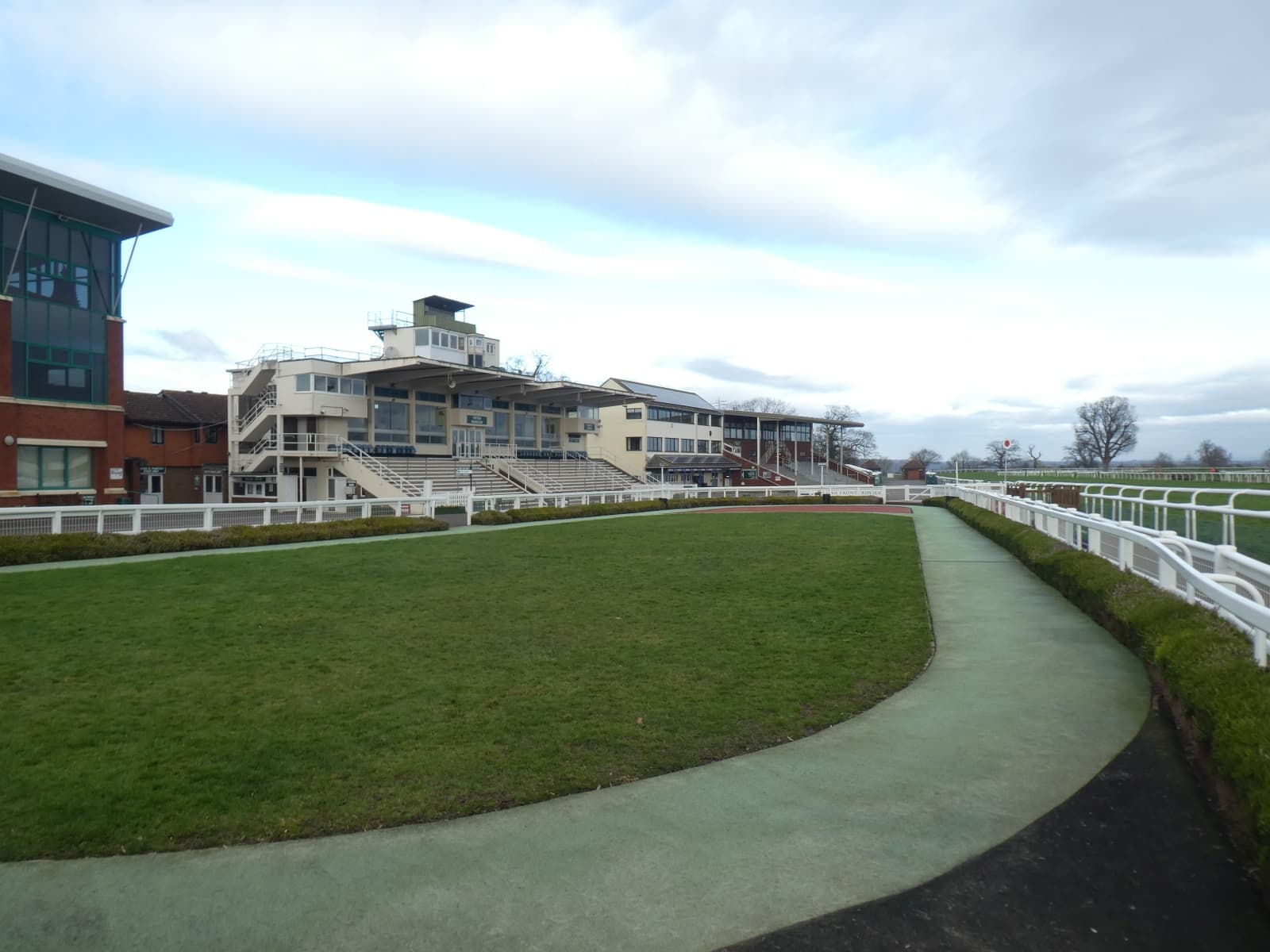
A Day Out at Taunton Racecourse
A day at Taunton — getting there, what to wear, enclosures, food and drink, and insider tips for West Country jumping at the foot of the Quantocks.
Read more
Byerley Stud Mares' Novices' Hurdle Guide
There is no Taunton Festival. Taunton's real feature race is the Byerley Stud Mares' Novices' Hurdle, a Listed contest run every 30 December.
Read more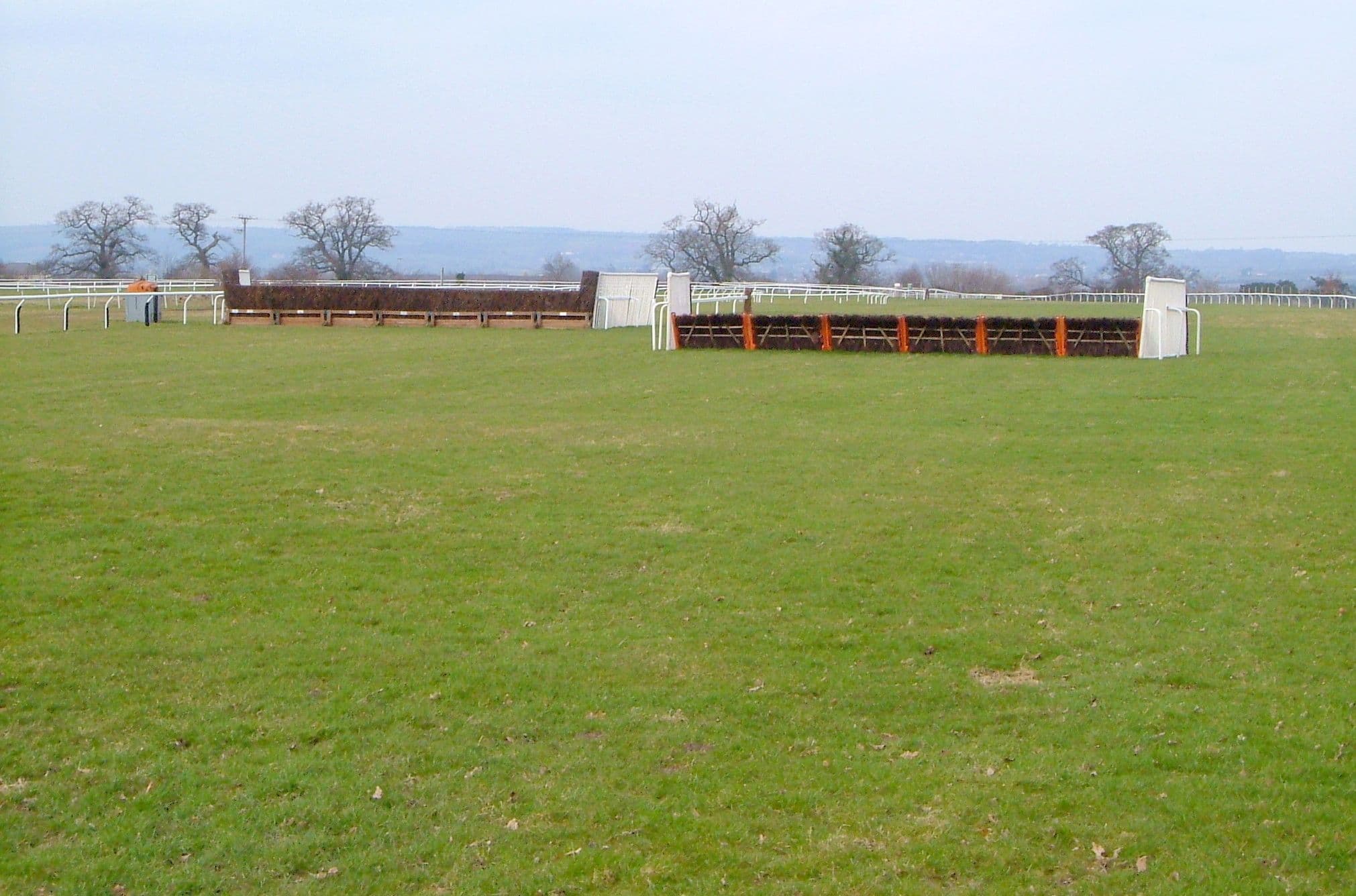
The History of Taunton Racecourse
Nearly 100 years of racing at Taunton — from 1927 to West Country jumping at the foot of the Quantocks.
Read morePhotos on this page are used under Creative Commons licences. Titles, sources and licence links for each one are on our image credits page.
Research the field with the AI Race Predictor
Our model publishes calibrated win-probability estimates for UK races — a second opinion to understand a race, not tips. It's open about its record: it doesn't beat the market, and we show exactly how it does.
Work it out & learn the basics
Gamble Responsibly
Gambling should be entertaining and not seen as a way to make money. Never bet more than you can afford to lose. If you or someone you know has a gambling problem, help and support is available.