
Founder & Editor · Last reviewed 2026-07-15
Introduction
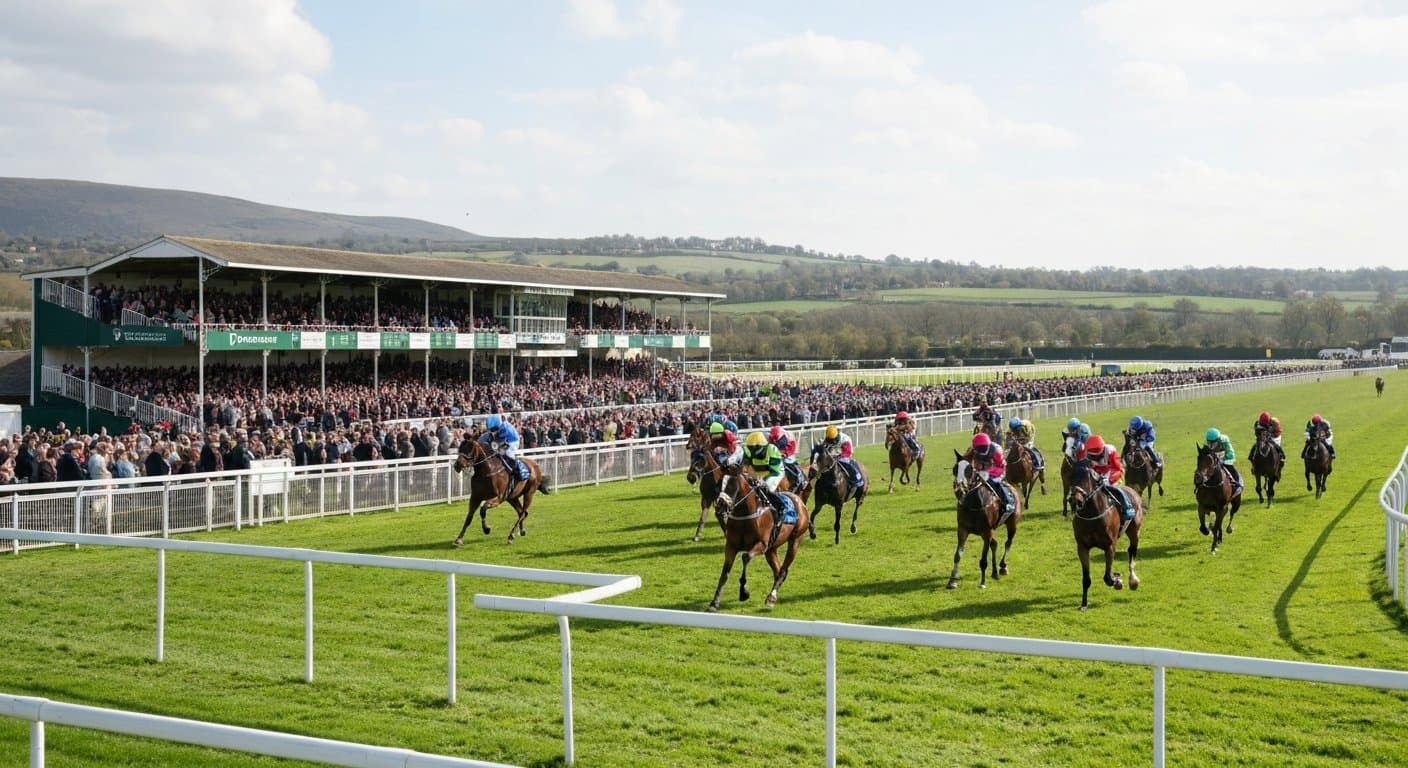
The Hereford Gold Cup is the signature race at Hereford Racecourse, run each winter on the banks of the River Wye. It's a handicap chase that attracts competitive fields and often features horses on the way up or experienced campaigners dropping in class. The race has been a fixture of the West Midlands jumping calendar for generations, and it remains one of the highlights of the season at this rural, friendly venue.
The course reopened in 2016 after a four-year closure, and the Gold Cup was one of the first feature races back. The flat, right-handed square track provides a fair test of jumping ability, and the race often produces hard-fought finishes. Winning the Gold Cup is a badge of honour for trainers and owners in the region.
This guide covers the history, great winners, the course and conditions, and betting angles. For broader context, see the betting guide.
Bet on Hereford
Place your bets on Hereford races with a trusted bookmaker.

Promo code BETFRED50. New UK & Gibraltar customers only, 18+. Register and deposit a minimum of £10 using debit card, Apple Pay or Truelayer Instant Bank Transfer (e-wallets and prepaid cards excluded). Place a first bet of £10 or more at minimum odds of Evens (2.0) on any sportsbook market within 7 days of registration. Once settled you receive 3 × £10 sports free bets plus £20 in Bet Builder free bets (World Cup structure, 8 June – 15 July 2026; reverts to 2 × £10 acca free bets, 4+ selections win only, from 16 July). Free bets are credited within 10 hours of qualifying-bet settlement and expire 7 days after credit. Free-bet stake is not returned with winnings. One offer per person, household, IP address and device. Take Time to Think. BeGambleAware.org. 18+. T&Cs apply. Full T&Cs.

Promo code BET20GET10. New UK 18+ customers only. Minimum deposit £10 via debit card. Minimum qualifying bet of £20 at minimum odds of Evens (2.0) — single bet, settled in the same registration session. Bonus credited as 2 × £5 free bets: first paid automatically on settlement of the qualifying bet, second £5 credited 24 hours later. Free bets restricted to accumulators of trebles or greater at minimum odds of 4/1 per leg. Free-bet stake is not returned with winnings. Free bets expire 24 hours after credit. PayPal, Skrill, Neteller and Paysafe not supported sitewide. Take Time to Think. BeGambleAware.org. 18+. T&Cs apply. Full T&Cs.

50% of your first-day net losses refunded as a free bet, capped at £25. New UK customers aged 18+ only — one offer per person, household, IP address and device. Customers registered with GAMSTOP cannot claim. Minimum deposit £10 via Visa Debit, Mastercard Debit, Apple Pay or bank transfer; PayPal, Skrill, Neteller and prepaid cards are not supported. KYC identity verification must be completed before the free bet is credited. Free bet is stake-not-returned. Verify the qualifying-stake threshold, minimum-odds requirement and free-bet expiry on QuinnBet's live welcome-offer page before claiming. Take Time to Think. BeGambleAware.org. 18+. T&Cs apply. Full T&Cs.

New customers, 18+. Choose the sports bonus at sign-up, make a first deposit and receive a 100% bonus up to £50 in your Sports Bonus balance. To convert the bonus to cash, wager it 10x within 30 days. Single bets below Evens (2.00) do not qualify; accumulators do not qualify if any selection is below 1/2 (1.50). Virtual Sports, voided, cancelled, drawn, cashed-out and free-bet wagers do not count towards wagering. Only the first settled bet per event counts. Withdrawing before the wagering requirement is met forfeits the bonus balance including bonus winnings. Real-money funds are used before bonus funds. Deposits via Skrill or Neteller are not eligible. Not valid in conjunction with other promotions. Odds, bet and payment limits apply. 10bet general and promotion T&Cs apply. BeGambleAware.org. 18+. Full T&Cs.

New UK & Ireland customers, 18+. Opt in at registration (no promo code). Deposit £10+ by debit card and place a £10 fixed-odds qualifying bet at minimum odds of 1/2 (1.50) — single or each-way, not in-play and not cashed out. Receive £60 in bonuses: 3 × £10 fixed-odds free bets plus 6 × £5 sports spread bets, credited over consecutive days; free bets valid 28 days from issue. IMPORTANT: the 6 × £5 are SPREAD bets — sports spread betting carries the risk that losses can exceed your stake (Spreadex states 61% of its retail spread/CFD customers lose money). Sports spread-betting customers do not have Financial Ombudsman or FSCS recourse. A lone secondary advertises an 'up to £100' variant — always confirm the live terms on Spreadex's own sign-up page before opting in. Take Time to Think. BeGambleAware.org. 18+. T&Cs apply. Full T&Cs.

Promo code WELCOME15. New UK customers, 18+. Register and place a first qualifying bet of at least £10 from your cash balance at odds of evens (2.0) or greater within 7 days of opening the account. Once the qualifying bet settles you receive £15 in free bets, credited as 3 x £5 tokens. Free-bet stake is not returned with winnings. Free bets expire 7 days after they are credited. One offer per person, household, IP address and device. Confirm the current terms on BetGoodwin's own welcome-offer page before claiming. Take Time to Think. BeGambleAware.org. 18+. T&Cs apply. Full T&Cs.

New UK customers, 18+. Minimum deposit £10. Place a £10 qualifying single at minimum odds of 1/2 (1.50), settled within 14 days. Receive £30 in free bets (stake not returned). Free bets must be accepted within 7 days and expire 7 days after acceptance. No promo code required. Best Odds Guaranteed on UK & Irish racing. Operated by LiveScore Betting and Gaming (Gibraltar) Ltd, UKGC 56859. Confirm the current terms on LiveScore Bet's own promotions page before claiming. Take Time to Think. BeGambleAware.org. 18+. T&Cs apply. Full T&Cs.
18+. BeGambleAware.org
History of the Hereford Gold Cup
The Hereford Gold Cup has been run for generations, and it has long been the centrepiece of the season at Hereford Racecourse. The course has been staging National Hunt racing since 1771, and the Gold Cup emerged as the feature chase during the 19th and 20th centuries. The race has survived wars, economic downturns, and even the course's four-year closure between 2012 and 2016.
The Handicap Format
The Gold Cup is run as a handicap chase, typically over 2 miles 4 furlongs or thereabouts. That format means that horses of different abilities can compete on level terms, and it often produces competitive, open renewals. Horses dropping in class from bigger meetings often feature, as do rising stars making their mark in handicap company.
The Reopening Era
When Hereford reopened in 2016, the Gold Cup was one of the first feature races back. The race has continued to attract competitive fields since then, and it remains the signature event of the season. The course's history is worth a read for the full story.
A West Midlands Stalwart
The Gold Cup sits alongside other regional highlights like the Ludlow and Worcester feature races. It's a race that matters to local trainers and owners, and winning it is a significant achievement.
Great Winners & Memorable Renewals
The Hereford Gold Cup has been won by some notable chasers over the decades. Horses that have won at Hereford have often gone on to compete at Cheltenham and Aintree. The handicap format means that up-and-coming horses can compete with more experienced campaigners, and the flat track provides a fair test.
Memorable Renewals
The race has produced plenty of dramatic finishes over the years. The competitive fields and the fair track often lead to close finishes, and the Gold Cup has been a launching pad for horses that went on to bigger things. Since the reopening in 2016, the race has continued to attract quality fields.
Local Heroes
The Gold Cup has often been won by horses from West Midlands yards. Trainers from Herefordshire, Shropshire, and Worcestershire have a strong record in the race, and the crowd has their favourites. The intimate atmosphere at Hereford means that local winners are celebrated enthusiastically.
Stepping Stone
Many Gold Cup winners have used the race as a stepping stone to bigger targets. A good performance here can lead to entries at Cheltenham or other major meetings. The race is a useful guide for punters looking for horses to follow.
The Course & Conditions
The Hereford Gold Cup is run on the flat, right-handed square track at Hereford Racecourse. The course is approximately 1 mile 4 furlongs, with gentle bends and a generally level surface. That layout suits galloping types and provides a fair test of jumping ability.
The Track
The square configuration means the bends are relatively gentle, and horses can stride out. The fences are straightforward — no drop fences or unusual obstacles — and the run-in is reasonably long. The flat terrain means that stamina is less of a factor than at an undulating track like Cheltenham, but it still matters in a 2m 4f chase.
Going
The race is typically run in December or January, when the ground can be soft or heavy. Hereford drains reasonably well, but winter conditions often mean testing ground. Horses that act on soft or heavy going have an advantage. Check the course website for the going report before the race.
Conditions
The Gold Cup is a handicap, so the weights are determined by the official handicapper. Horses that have been raised in the weights after a good run can sometimes be vulnerable; those that have been dropped can offer value. For betting angles, see the next section.
Betting Angles & Trends
The Hereford Gold Cup offers a few useful betting angles. Course form is a reliable guide — horses that have won or placed at Hereford before often feature. The flat track and the handicap format mean that the form often stacks up.
Course Form
Horses that have performed well at Hereford in the past are worth considering. The track is straightforward, so there's no hidden quirk that might flatter or hinder a horse. If a horse has won or placed at Hereford, and the conditions are similar, it's a positive. The betting guide has more on course form.
Going
When the ground is soft or heavy, favour horses with proven form on testing ground. When it's good to soft, the race can be more open. Check the going report on the day — conditions can change.
Handicap Angles
Horses that have been dropped in the weights after a few below-par runs can sometimes offer value. Those that have been raised after a good win can be vulnerable. The Gold Cup often attracts horses dropping in class from bigger meetings — they can be well handicapped if the assessor hasn't caught up with them.
Trainer and Jockey
West Midlands trainers have a strong record in the race. A good jockey booking can sometimes indicate that a trainer fancies a horse. See the betting guide for more on key trainers and jockeys.
Frequently Asked Questions
Share this article
More about this racecourse
All Hereford guides
The History of Hereford Racecourse
Over 250 years of racing at Hereford — from 1771 to the closure, reopening, and the course's place on the Welsh border.
Read more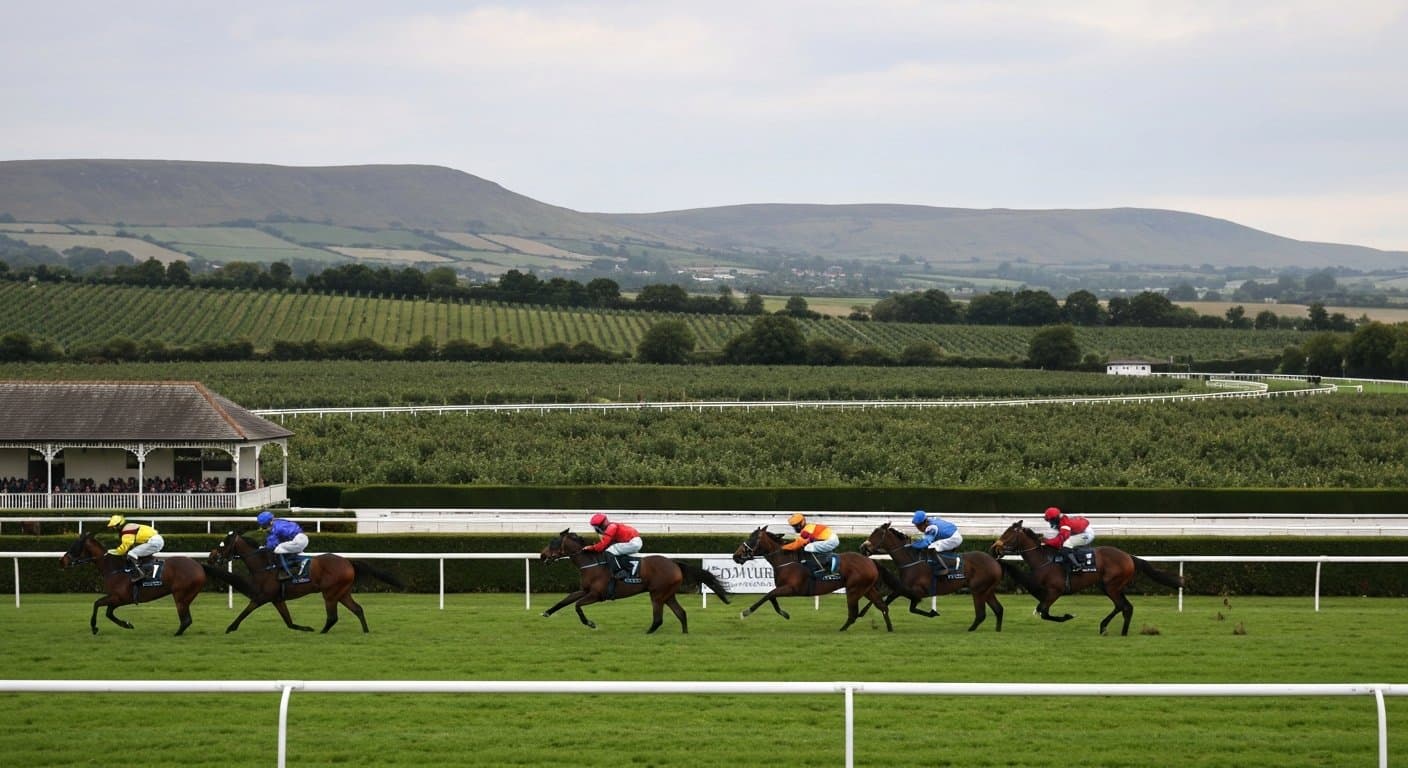
The Hereford Racecourse Reopening Story
How Hereford Racecourse came back from a four-year closure in 2016 — the campaign, the reopening day, and what it means for jump racing on the Welsh border.
Read more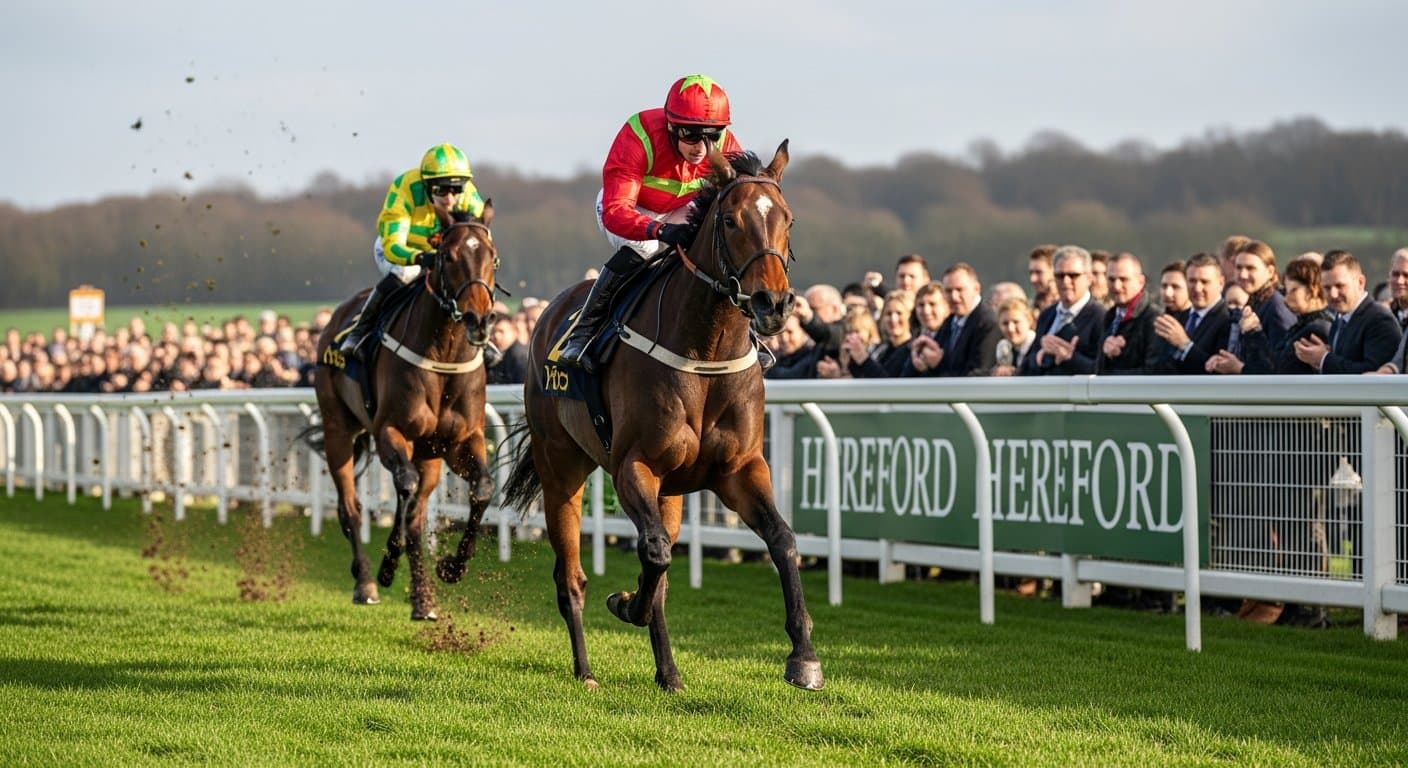
Rusty Bridge at Hereford: Richard Johnson's First Winner
On 30 April 1994, Rusty Bridge won a hunter chase at Hereford to give the teenage Richard Johnson his first winner under rules — the start of a 3,500-winner career.
Read moreResearch the field with the AI Race Predictor
Our model publishes calibrated win-probability estimates for UK races — a second opinion to understand a race, not tips. It's open about its record: it doesn't beat the market, and we show exactly how it does.
Work it out & learn the basics
Gamble Responsibly
Gambling should be entertaining and not seen as a way to make money. Never bet more than you can afford to lose. If you or someone you know has a gambling problem, help and support is available.