
Founder & Editor · Last reviewed 2026-03-02
Introduction
In 2012, Hereford Racecourse closed its gates. For 241 years, the course had staged National Hunt racing on the banks of the River Wye — and then it was gone. The closure was a blow to local racing fans and to the West Midlands jumping calendar. But four years later, in 2016, the course reopened. The reopening story is a testament to what a racecourse can mean to a community — and to the determination of those who refused to let it go.
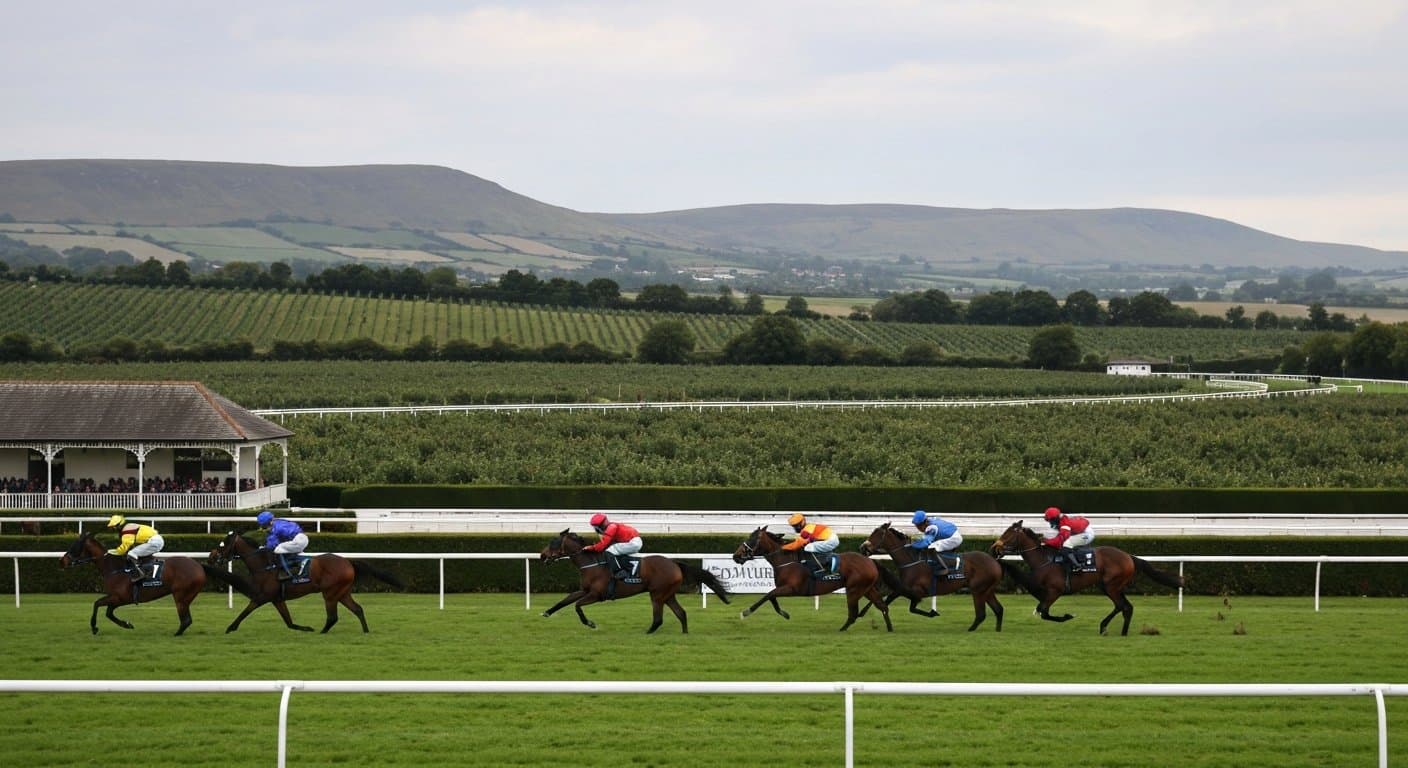
Hereford had always been a smaller course, with a capacity of around 4,000 and a relaxed, rural atmosphere. The flat, right-handed square track suited galloping types, and the winter chase programme was the heart of the season. When it closed, something was lost — not just a venue, but a piece of local identity.
This guide tells the story: the closure, the campaign to reopen, reopening day, and what has happened since. For the full picture of the course today, see the complete guide and the history.
Bet on Hereford
Place your bets on Hereford races with a trusted bookmaker.

Promo code BETFRED50. New customers only. Register, deposit with a Debit Card, and place a first bet of £10+ at Evens (2.0)+ on Sports, to be settled within 7 days, to get £30 in Sports Free Bets and £20 in Bet Builder Free Bets within 24 hours of settlement. 7-day expiry. Eligibility & payment exclusions apply. Full T&Cs apply. Take Time to Think. BeGambleAware.org. 18+. Full T&Cs.

Promo code R30. New UK customers only, 18+. Register, deposit £10 or more, then place a £10 single cash bet at odds of 1/2 (1.5) or greater on any sports market (excluding Virtuals). Once the qualifying bet settles you get £30 in Free Bets (3 x £10) — the qualifying bet can win or lose. Free Bets are valid on any sports market excluding Virtuals, expire in 7 days, are non-withdrawable and must be used in full. Excluded deposit methods apply (including PayPal, Apple Pay, Skrill and NETELLER). Named bets such as Lucky 15 do not qualify. If you cash out the qualifying bet, or it is voided, you are no longer eligible for the offer. Ends 31.12.26. Full T&Cs apply. Please gamble responsibly. BeGambleAware.org. 18+. Full T&Cs.

Promo code BET40GET20. New UK customers, 18+. Register with the code and place a first bet of £40 or more at Evens (2.0) or greater. Receive 2 × £10 free bets: the first credited automatically once the qualifying bet settles, the second 24 hours later. Free bets must be placed at minimum odds of 4/1 (5.0), expire 24 hours after credit, and the free-bet stake is not returned with winnings. Debit card deposits only. Take Time to Think. BeGambleAware.org. 18+. T&Cs apply. Full T&Cs.

50% of your first-day net losses refunded as a free bet, capped at £25. New UK customers aged 18+ only. To qualify, deposit and place a first bet of £10 or more on any sport at minimum odds of evens (2.00), then place at least two further bets on different events, each worth at least 50% of your largest bet, all at evens (2.00) or greater. Losses are counted from your first settled bet until 23:59 the same day. Place a qualifying £10+ bet and you are guaranteed at least a £5 free bet. Bets placed at SP, void bets, cashed-out bets and bets struck with free bets do not count towards the offer. The free bet is credited the day after your qualifying bets settle and must be used within 7 days, after which it expires. It can be used at odds from 1/4 (1.25) up to 250/1 on singles and straight accumulators, but not on Trixie, Patent or Yankee style multiples. Free-bet stake is not returned with winnings. One offer per person, household, address, IP address and device. E-wallet deposits may not qualify, so check the cashier before depositing. Customers registered with GAMSTOP cannot claim. KYC identity verification must be completed before the free bet is credited. Take Time to Think. BeGambleAware.org. 18+. T&Cs apply. Full T&Cs.

New customers, 18+. Choose the sports bonus at sign-up, make a first deposit and receive a 100% bonus up to £50 in your Sports Bonus balance. To convert the bonus to cash, wager it 10x within 30 days. Single bets below Evens (2.00) do not qualify; accumulators do not qualify if any selection is below 1/2 (1.50). Virtual Sports, voided, cancelled, drawn, cashed-out and free-bet wagers do not count towards wagering. Only the first settled bet per event counts. Withdrawing before the wagering requirement is met forfeits the bonus balance including bonus winnings. Real-money funds are used before bonus funds. Deposits via Skrill or Neteller are not eligible. Not valid in conjunction with other promotions. Odds, bet and payment limits apply. 10bet general and promotion T&Cs apply. BeGambleAware.org. 18+. Full T&Cs.

New customers in Great Britain and Republic of Ireland, 18+. Place a £10 fixed-odds qualifying bet at minimum odds of 1/2 (1.50) — single or each-way (only the win part counts), pre-event or in-play, not cashed out early, within 28 days of opening the account. Receive up to £60 in bonuses credited over three days: 3 × £10 fixed-odds free bets (the first on settlement, then 24 and 48 hours later) plus 3 × £5 Total Goals FOOTBALL spread bets and 3 × £5 racing Winning Favourites spread bets, with a £1 racing Race Index spread bet as an extra on top. The spread bets need a full spread-betting account, opened within 28 days of the fixed-odds account and subject to Spreadex's eligibility and appropriateness checks. Free-bet stakes not returned with winnings; free bets valid 28 days from issue. IMPORTANT: the £5 credits are SPREAD bets — sports spread betting carries the risk that losses can exceed your stake. Sports spread-betting customers do not have Financial Ombudsman or FSCS recourse. Take Time to Think. BeGambleAware.org. 18+. T&Cs apply. Full T&Cs.

Promo code WELCOME15, entered under My Bonuses after registering. New UK customers, 18+. Place a first qualifying bet of at least £10 from your cash balance at odds of evens (2.0) or greater within 7 days of opening the account. Once the qualifying bet fully settles you receive £15 in free bets, credited as 3 x £5 tokens with set uses: one £5 accumulator free bet (minimum 4 legs, each leg at 2/5 or bigger), one £5 sports free bet (any market at evens or bigger) and one £5 Sub Cover free bet (selected football player markets at evens or bigger). Free-bet stakes are not returned with winnings. Free bets expire 7 days after they are credited. Void, cashed-out and partially cashed-out bets do not qualify. One offer per customer. Confirm the current terms on BetGoodwin's own welcome-offer page before claiming. Take Time to Think. BeGambleAware.org. 18+. T&Cs apply. Full T&Cs.

New UK customers, 18+. Minimum deposit £10. Place a £10 qualifying single on sports (excluding virtuals) at minimum odds of 1/2 (1.50), settled within 14 days. Deposit-method exclusions apply. Receive £30 in free bets (stake not returned), split £20 for sportsbook use (2 x £10) and £10 for Bet Builder only (2 x £5); Bet Builder does not cover horse racing. Free bets must be accepted within 7 days and expire 7 days after acceptance. No promo code required. Best Odds Guaranteed on UK & Irish racing, subject to having staked over £25 in the previous seven days. Operated by LiveScore Betting and Gaming (Gibraltar) Ltd, UKGC 56859. Confirm the current terms on LiveScore Bet's own promotions page before claiming. Take Time to Think. BeGambleAware.org. 18+. T&Cs apply. Full T&Cs.
18+. BeGambleAware.org
The Closure
The closure of Hereford Racecourse in 2012 was driven by commercial considerations. The owners had decided that the course was no longer viable — the economics of running a small, rural racecourse had become tougher, and the decision was made to mothball the venue. The news came as a shock to local racing fans.
The Final Meeting
The last meeting at Hereford before the closure was an emotional affair. Regular racegoers turned out to say goodbye, and there was a sense that something valuable was being lost. The course had been a fixture of the West Midlands jumping calendar since 1771 — one of the oldest racecourses in the country — and now it was going dark.
What Was Lost
Hereford was more than a venue. It was a place where local trainers could compete on level terms, and where families had spent race days for generations. The closure left a gap in the regional calendar and a hole in the community. Horses that had traditionally run at Hereford had to find alternative venues — Ludlow, Worcester, Chepstow — but it wasn't the same.
The Uncertainty
For four years, the future of the course was uncertain. The track lay dormant. The grandstand stood empty. It was unclear whether racing would ever return to the banks of the River Wye.
The Campaign to Reopen
Local supporters refused to accept the closure. A campaign was launched to bring racing back to Hereford. The effort involved negotiations with the owners, discussions with the BHA and other stakeholders, and a sustained push to demonstrate that the course had a future.
Building Momentum
The campaign drew support from local racegoers, trainers, and businesses. The argument was simple: Hereford mattered. It was a unique venue — intimate, rural, and welcoming — and there was no substitute in the region. The history of the course, stretching back to 1771, was part of the case. So was the economic benefit to the local area.
Finding a Solution
Reopening a racecourse is never straightforward. It requires investment, operational expertise, and a viable business model. The campaign eventually found a path forward — new ownership or management, refreshed facilities, and a commitment to making Hereford work. The details of the deal are less important than the outcome: racing would return.
The Announcement
When the reopening was announced, the relief and excitement were palpable. After four years of uncertainty, Hereford would stage National Hunt racing again. The banks of the River Wye would see horses and crowds once more.
Reopening Day
The first meeting back at Hereford, in 2016, was an emotional occasion. The crowd turned out in force — not just to watch the racing, but to celebrate the fact that the course had come back. The grandstand was full, the parade ring was busy, and the atmosphere was one of relief and joy.
The Racing
The card featured a mix of hurdles and chases, and the fields were competitive. Trainers had been keen to support the reopening, and the quality of the racing reflected that. The flat, right-handed square track was as it had always been — a fair test of jumping ability, suited to galloping types.
The Crowd
The crowd was a mix of regulars who had campaigned for the reopening and newcomers curious to see what the fuss was about. The capacity of around 4,000 meant it never felt overwhelming, but the stands were full. The sense of occasion was palpable — this was more than a race day; it was a homecoming.
A New Chapter
The reopening marked the start of a new chapter for Hereford. The course had proved that it could come back from the brink. The West Midlands jumping calendar was whole once more.
Since Reopening
Since 2016, Hereford has re-established itself as a fixture of the National Hunt calendar. The course stages around 15 meetings a year across a winter jumping programme. The facilities have been refreshed, and the atmosphere is as welcoming as ever.
Steady Progress
The course has built back steadily. Trainers have returned, fields have been competitive, and the crowd has supported the meetings. The flat, galloping track continues to suit certain types of horse, and the betting guide has plenty of angles for punters. The course has proved that there is still a place for intimate, rural jumping in the modern racing landscape.
A Day Out
The day out guide has the full lowdown on visiting. The course is easy to get to, the facilities are good, and the setting on the banks of the River Wye is as lovely as ever. Hereford is well worth a visit — and the reopening story is part of what makes it special.
What It Means
The Hereford reopening story is a reminder of what a racecourse can mean to a community. It's not just a venue — it's a place where people gather, where traditions are maintained, and where local identity is expressed. When Hereford closed, something was lost. When it reopened, something was restored.
A Model for Others
The campaign to reopen Hereford has been cited as a model for other courses facing closure. The combination of local support, sustained campaigning, and a viable business plan can work. Not every closed course will reopen — but Hereford shows that it's possible.
The Future
Hereford's future looks secure. The course has re-established itself, and the support from local racegoers has been strong. The complete guide has everything you need to plan a visit. And the story of the reopening — the closure, the campaign, the triumphant return — is now part of the course's history.
Share this article
More about this racecourse
All Hereford guides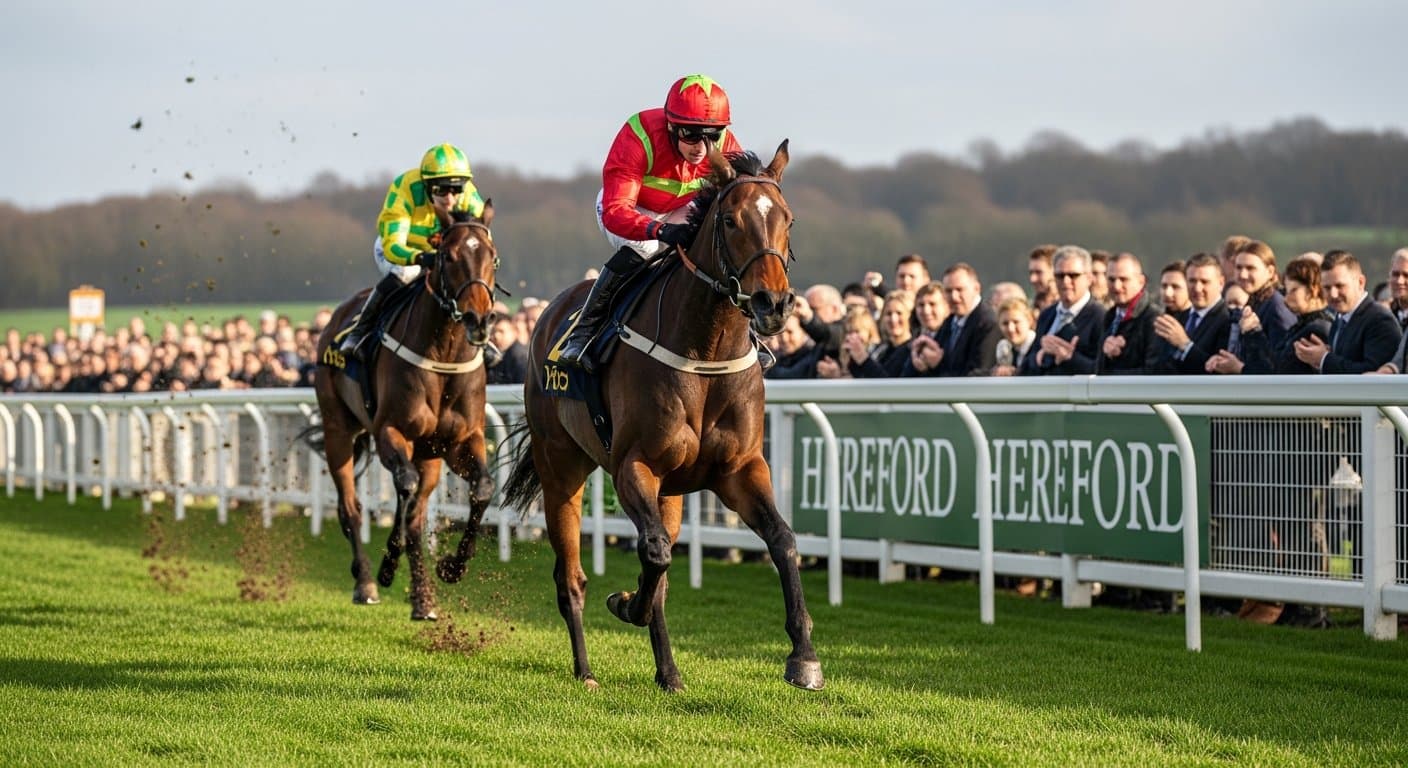
Rusty Bridge at Hereford: Richard Johnson's First Winner
On 30 April 1994, Rusty Bridge won a hunter chase at Hereford to give the teenage Richard Johnson his first winner under rules — the start of a 3,500-winner career.
Read more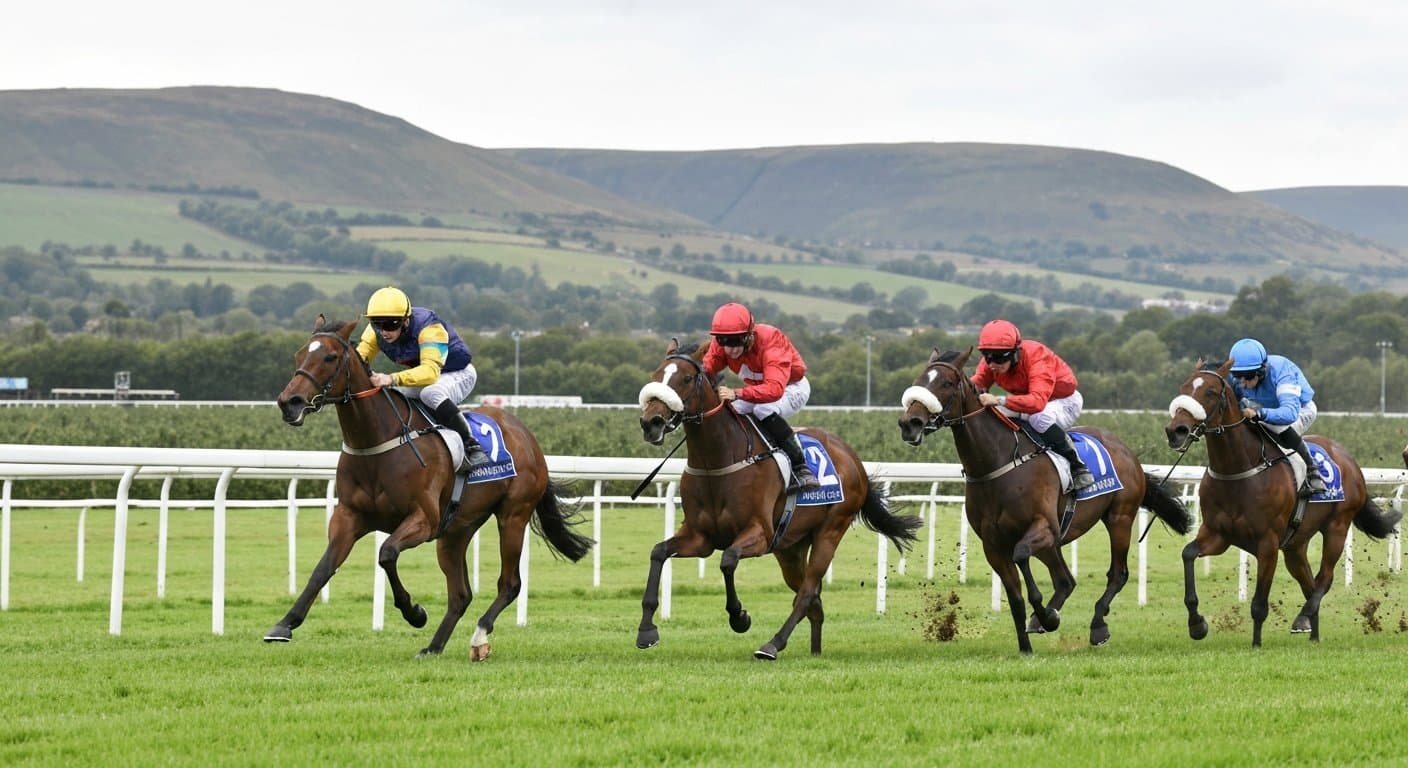
Betting at Hereford Racecourse
How to bet smarter at Hereford — track characteristics, going, key trainers and jockeys, and strategies for rural jump racing on the Welsh border.
Read more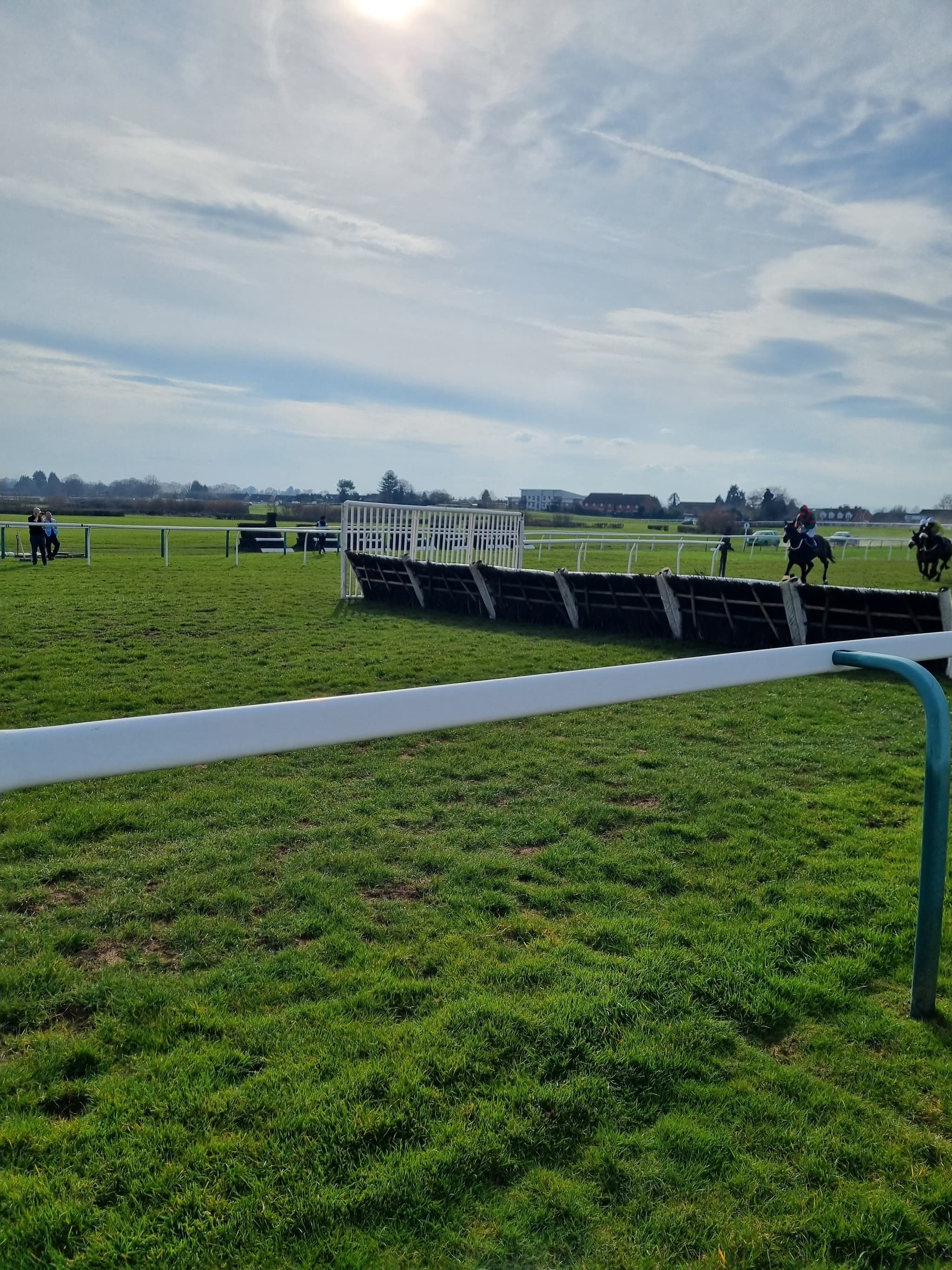
Hereford Racecourse: Complete Guide
Everything you need to know about Hereford Racecourse: rural jump racing on the Welsh border and the course's comeback story.
Read morePhotos on this page are used under Creative Commons licences. Titles, sources and licence links for each one are on our image credits page.
Research the field with the AI Race Predictor
Our model publishes calibrated win-probability estimates for UK races — a second opinion to understand a race, not tips. It's open about its record: it doesn't beat the market, and we show exactly how it does.
Work it out & learn the basics
Gamble Responsibly
Gambling should be entertaining and not seen as a way to make money. Never bet more than you can afford to lose. If you or someone you know has a gambling problem, help and support is available.