
Founder & Editor · Last reviewed 2026-08-27
Thirsk's Ladies Day falls on Saturday 5 September 2026, the second-to-last fixture of the course's 16-meeting flat season. Gates open at 11:00am, the first race goes off at 2:05pm, and the card runs through to 5:35pm. It sits a week after the course's family-focused "All Creatures Great & Small" day on 28 August and a week before the season finale on Monday 14 September, which makes it the last real social occasion of the Thirsk year before the gates close until the following April.
Thirsk does not try to be Ascot or York on Ladies Day, and it is better for not trying. What it offers is a proper North Yorkshire raceday: a competitive flat card, a Best Hat and Most Stylish competition with prizes from the course's partners, live music from The Emerald Thieves Band, and a crowd of around 5,000 at capacity that treats the day as the highlight of the local racing calendar rather than an excuse for a party that happens to have horses in it.
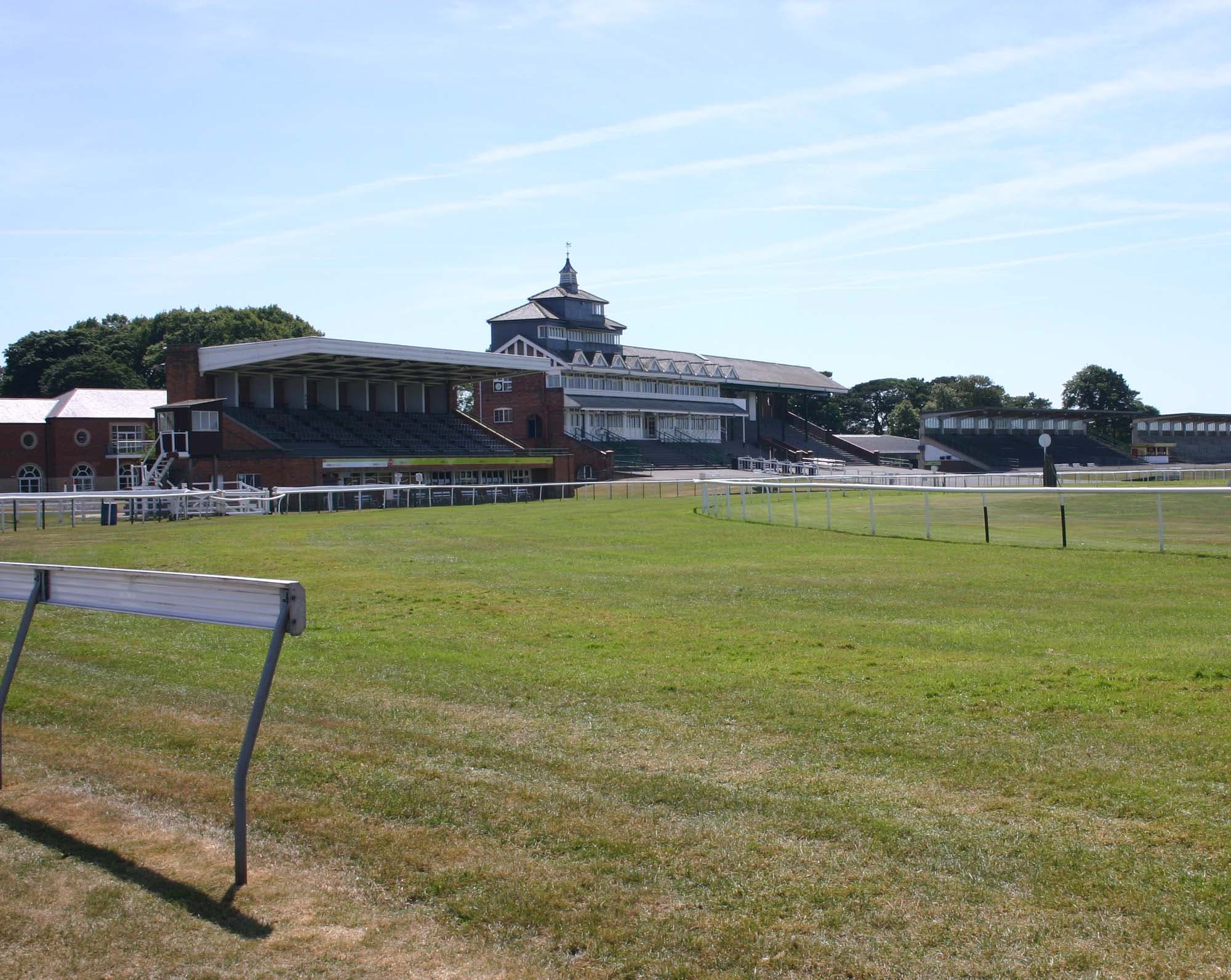
The course, briefly
Thirsk is a left-handed oval of roughly 1 mile 2 furlongs in the Vale of York, with a short 2-furlong home straight and one of the most pronounced draw biases in British sprint racing. For the full detail on the track's layout, going and draw effects, see the Thirsk complete guide and the Thirsk betting guide, both of which this guide draws on for the racing section below.
Who this guide is for
This is a planning guide for anyone going to Thirsk on 5 September: what is actually on the card, what the day feels like, what a ticket costs in each enclosure, how to get there, and how to think about the betting on a fast, late-season card. If you have been to Thirsk before, the racing and betting sections will tell you what is different about a September fixture compared with the spring and summer meetings. If this is your first visit, the attending section covers everything from parking to the dress code.
The Racecard on Ladies Day
Ladies Day at Thirsk is a full afternoon flat card between 2:05pm and 5:35pm. Thirsk's late-season fixtures typically run to six races, a mix of maidens, novice stakes and handicaps rather than a single marquee contest, which is the normal shape for a September card here rather than anything specific to this fixture.
The feature race
Thirsk cross-promotes its own fixtures through its race sponsorship, and the meeting on 7 August 2026 carried a race named the "Ladies' Day Saturday 5th September" Handicap, worth £7,500 to the winning connections and open to three-year-olds and up. That is the advertised name and prize fund for the day's feature handicap at the time of writing; the final field and any late change to the race's sponsor name or exact conditions will only be confirmed once declarations are made 48 hours before racing. Check the Thirsk Racecourse website or the Racing Post racecard in the days before 5 September for the confirmed field.
What a September card at Thirsk usually looks like
Thirsk's fixture list runs April to September, and the course's own pattern is that early-autumn cards ride quicker than the spring programme. The clay-based ground in the Vale of York holds water and can be testing after rain in April and May, but by late August and September the going is typically good to firm, sometimes firm outright if the month has been dry. That favours out-and-out speed over the 5f and 6f trips, and it is the main reason a smaller, sharper type of sprinter tends to do well at this end of the season compared with the stayers who can be more competitive on a softer spring card.
The draw bias, and why it matters more on a fast track
Thirsk's draw bias is one of the most reliably documented in British racing: in 5-furlong races with ten or more runners, horses drawn in the top quarter of the stalls win at roughly twice the rate their number of rivals alone would predict, because the track turns left almost immediately out of the 5f start and a high draw puts a horse on the favoured side of that turn from the gun. The effect is present at 6f too, though it softens as the trip lengthens and jockeys get more time to find a position before the bend. The full mechanism is covered in the Thirsk betting guide.
On quick ground, this bias tends to be sharper rather than softer. A fast surface rewards a horse that can hold its early position without needing to be niggled along, which is exactly what a favourable draw gives a runner at Thirsk's tight home turn. If Ladies Day brings a big field to any of the sprint races on the card, the draw is worth checking before the traders finish moving the market.
Local trainers to watch
Stables based within 25 miles of Thirsk use the course as a natural base for runners throughout the season, and that local advantage does not disappear on the bigger days. Richard Fahey's Musley Bank yard in Malton, Tim Easterby at Sheriff Hutton, and John Quinn at Settrington all send horses regularly and have a track record of punching above their market weight here, particularly in the sprint and novice contests that make up the bulk of a Thirsk card. A short-priced favourite from one of these yards is not automatically the value play, but a longer-priced runner from one of them is worth a second look.
Where to check the confirmed card
Thirsk publishes its full racecard on thirskracecourse.net and through the Racing Post in the week of the meeting. For the general pattern of who runs well here across the season, the Thirsk sprint racing guide and Thirsk betting guide go into more detail than a single race day can.
The Atmosphere
Ladies Day is the one afternoon at Thirsk built around the social occasion as much as the racing, and the course leans into it rather than treating it as an afterthought to the card.
Best Hat and Most Stylish
Thirsk runs Most Stylish and Best Hat competitions on the day, with prizes supplied by the course's partners. The enclosures fill with people who have made a real effort, and the competitions give the afternoon a focal point beyond the racing itself. If you want to enter, watch for announcements on the day near the parade ring or check the Thirsk Racecourse social channels in the days before for the exact format.
Live music
The Emerald Thieves Band play live through the afternoon, which is typical of how Thirsk builds its bigger social fixtures around live entertainment rather than a stripped-back racing-only card. Expect the music to run either side of the racing rather than competing with it, so you are not choosing between watching a race and listening to a set.
The crowd
Thirsk's capacity sits at around 5,000, and Ladies Day is one of the meetings that gets closest to it. The crowd is drawn from across North Yorkshire, with a strong following from Thirsk itself and the surrounding Vale of York towns. It is a friendlier, less pressured atmosphere than a big southern festival: groups arrive together, dressed up, with the day built around the racing and the occasion rather than pure volume of betting turnover.
The parade ring
The parade ring sits close to the grandstand, and on a big social fixture like this it is consistently the busiest spot on the course between races, particularly in the run-up to the advertised feature handicap. If you want a clear view of the runners before they go out, get there with time to spare rather than arriving as the horses are already circling.
Between races
The betting ring is active throughout the card, with on-course bookmakers taking bets in the areas around the Grandstand, Paddock and Picnic Enclosure. Between races, the picnic areas and food stalls fill with groups making the most of the last real summer social occasion of the Thirsk season before the shorter, quieter late-September finale.
Thirsk town
Thirsk's market square, the Golden Fleece Hotel and the World of James Herriot museum on Kirkgate are all a short walk from the course, and worth combining with a visit if you have time before or after racing. See the Thirsk day out guide for the full picture of what the town offers alongside the racing.
Attending: Tickets, Times & Getting There
Tickets and enclosures
Thirsk Ladies Day is sold across three enclosures, plus a fourth option for those coming by car.
- Premier Stand: £35 for a pre-book adult ticket; under-18s go free.
- Grandstand, Paddock & Picnic Enclosure: £19 for a pre-book adult ticket, £14 for the 65-and-over rate, under-18s free.
- Park and View: from £38, which covers the vehicle and up to four adults with a view of the track from the boot; children are admitted free. If your group has more than four adults, the extra people need to leave the car at the entrance and pay to enter through the Family Enclosure turnstiles instead.
- Dining and Hospitality: sold out at the time of writing. If you want a hospitality package for Ladies Day, book as early in the season as possible, since it is the first enclosure to go on Thirsk's bigger social fixtures.
These are Thirsk's advertised saver rates, available for booking up to midnight on Wednesday 2 September. Prices increase to the on-the-day rate after that, so booking ahead is worth doing even if you are only saving a few pounds. Tickets are sold through thirskracecourse.net.
Parking
All parking at Thirsk is free, and the course splits it by enclosure. The Premier car park, at the eastern end of the course, is reserved for Premier Stand and Dining and Hospitality badge holders along with owners, trainers and press. The Public car park, on the south side of Station Road behind the main stands, serves Grandstand, Paddock and Picnic Enclosure racegoers and includes a Blue Badge area near the entrance. Park and View has its own dedicated area at the western end, next to the Family Enclosure. Overnight parking is not permitted in any of the car parks.
Getting there by train
Thirsk station is on the East Coast Main Line, with LNER services running between London King's Cross and Edinburgh and stopping at York, Darlington and Northallerton along the way. The station is roughly a mile from the course, a 15 to 20 minute walk through the town centre on flat ground. Thirsk runs a shuttle bus between the station and the course on its biggest meetings of the season; whether that applies to Ladies Day specifically is worth confirming on the Thirsk Racecourse website closer to the day, since it is not run on every fixture.
What to wear
Thirsk's dress code across the season is relaxed rather than formal, and Ladies Day does not change that officially, it simply gives people a reason to dress up if they want to. The Best Hat and Most Stylish competitions mean a good number of racegoers in the Premier Stand make a real effort, but there is no enforced dress code beyond the course's usual guidance: smart casual in the Premier Stand (collared shirts, proper shoes, no sportswear or trainers), and a more relaxed standard in the Grandstand, Paddock and Picnic Enclosure. Early September in North Yorkshire can turn cool once the sun drops, so a jacket for the back end of the card is worth having even on a warm afternoon.
Timing your day
With gates at 11:00am and the first race at 2:05pm, there is nearly three hours before racing starts to get settled, look around the parade ring area and grab something to eat before the card gets going. The best-hat and live music elements tend to build through the afternoon, so arriving in good time rather than right on the first race gets you the full day rather than just the racing.
Children
Under-18s are admitted free across the Premier Stand and the Grandstand, Paddock and Picnic Enclosure, and children travel free on a Park and View ticket. Check the Thirsk Racecourse website for any enclosure-specific restrictions that can apply on the bigger social fixtures.
Food and drink
Catering at Thirsk ranges from informal food stalls around the Grandstand, Paddock and Picnic Enclosure to a more comfortable setting in the Premier Stand. On a big social fixture like Ladies Day, arrive with time to queue at the busiest points of the afternoon, particularly around the feature race.
Betting on Ladies Day
Betting on Ladies Day at Thirsk means betting on a fast, late-season card rather than a single showpiece race, and the principles that work across the Thirsk season apply here with a couple of September-specific adjustments.
Understanding the card
A typical September fixture at Thirsk mixes maidens and novice stakes with handicaps, anchored by the advertised feature handicap discussed in the racing section above. The maiden and novice races are harder to read on official form alone, since first-time and lightly raced runners make up a good share of the field; recent homework and stable confidence, where you can find it reported, carry more weight here than they would in a well-exposed handicap.
Going and pace
By early September, Thirsk's ground has typically dried out from the spring's testing conditions and rides good to firm, sometimes firm outright in a dry August. Quicker ground at Thirsk rewards proven speed over stamina, particularly in the 5f and 6f races, and it tends to sharpen the draw bias described in the racing section rather than soften it, because a fast surface makes an early, uncontested position even more valuable than it is on slower ground. Always check the going report on the morning of racing rather than relying on the forecast from earlier in the week.
The draw in big fields
If any of the sprint races on the card attract a big field, stall position over 5f and 6f is worth checking before backing anything. Horses drawn in the top quarter of the stalls have historically won at close to twice the rate a level field would suggest in 5f races with ten or more runners, and the effect holds, if less strongly, at 6f. It is not a reason to ignore form entirely, but a well-drawn horse with modest form deserves a second look, and a poorly drawn favourite is worth treating with some caution.
The feature race market
The feature handicap is likely to be the most efficiently priced race on the card, since it carries the highest prize money and draws the most attention from the betting public. Value, where it exists, tends to sit with runners whose recent form has come at tracks with a different profile to Thirsk, since the market can be slow to fully price in how a horse's style will suit (or not suit) the tight turns and short home straight here.
Each-way betting
Thirsk's maiden and novice races, and some of the wider-field handicaps, regularly run with big fields where each-way betting becomes worthwhile. Compare each-way terms across bookmakers before you bet. The difference between four and five places paid on a field of sixteen or more is a real difference in the effective odds, and it takes a minute to check before placing the bet.
Responsible betting
Set a budget before you arrive and treat it as the cost of a good day out rather than an investment. Thirsk's Ladies Day is worth attending for the atmosphere alone, and it stays that way regardless of how your bets land. You must be 18 or over to bet. For support with gambling, visit BeGambleAware.org.
For the fuller picture on trainers, draw and going trends across the Thirsk season, see the Thirsk betting guide.
Frequently Asked Questions
Share this article
More about this racecourse
All Thirsk guides
Sprint Racing at Thirsk: Complete Guide
Your complete guide to sprint racing at Thirsk, the Thirsk Hunt Cup, key meetings, and speed contests in North Yorkshire.
Read more
Farhh at Thirsk: How a Hunt Cup Win Announced a Champion
Farhh won the 2012 Thirsk Hunt Cup by six lengths carrying top weight. Two seasons later he was a dual Group 1 winner. This is his Thirsk story.
Read more
Betting at Thirsk Racecourse
How to bet smarter at Thirsk — track characteristics, going and draw, key trainers and jockeys, and strategies for North Yorkshire's flat venue.
Read moreGamble Responsibly
Gambling should be entertaining and not seen as a way to make money. Never bet more than you can afford to lose. If you or someone you know has a gambling problem, help and support is available.