
Founder & Editor · Last reviewed 2026-04-04
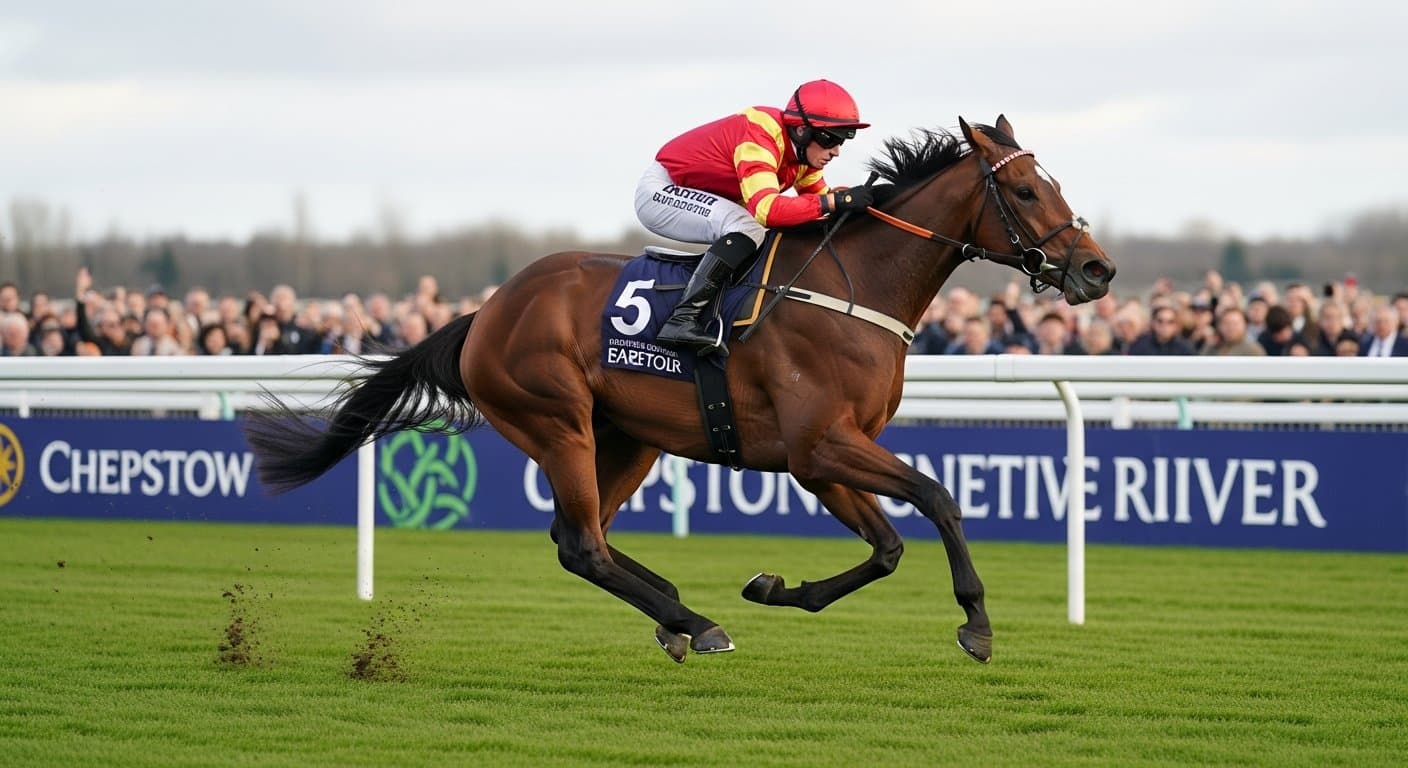
In December 2016, a six-year-old gelding trained by Colin Tizzard and ridden by Richard Johnson won the Coral Welsh Grand National at Chepstow carrying 11st 12lb at the head of affairs, winning by a length and three-quarters from the Irish raider Raz De Maree. The horse was Native River. Fifteen months later, he won the Cheltenham Gold Cup.
The connection between Welsh National winners and Cheltenham Gold Cup glory is one of jump racing's most reliable threads. The race at Chepstow — three miles six furlongs, 22 fences, run the day after Boxing Day on ground that is almost always heavy — tests the same qualities that the Gold Cup demands: honest jumping, real stamina, the willingness to maintain effort when the ground is draining and the fences keep coming. Synchronised won the Welsh National in 2010 and the Gold Cup in 2012. Native River won the Welsh National in 2016 and the Gold Cup in 2018. Burrough Hill Lad won the Welsh National in 1983 and the Gold Cup three months later.
What made Native River's Welsh National particularly striking was the weight he carried. Eleven stone twelve pounds is a top weight that would humble most horses in a three-and-three-quarter mile marathon over heavy ground. He had just won the Hennessy Gold Cup at Newbury the month before, and the handicapper had loaded him accordingly. He was sent off at 11-4 despite the burden, which told its own story about what form students thought of his ability.
This article covers the complete story of Native River's relationship with Chepstow — the horse himself, the December 2016 Welsh National in detail, the atmosphere and significance of the day, and what his victory there meant for his subsequent career and for the Welsh National's reputation as one of the great formative races in the jumping calendar.
Bet on Chepstow
Place your bets on Chepstow races with a trusted bookmaker.

Promo code BETFRED50. New customers only. Register, deposit with a Debit Card, and place a first bet of £10+ at Evens (2.0)+ on Sports, to be settled within 7 days, to get £30 in Sports Free Bets and £20 in Bet Builder Free Bets within 24 hours of settlement. 7-day expiry. Eligibility & payment exclusions apply. Full T&Cs apply. Take Time to Think. BeGambleAware.org. 18+. Full T&Cs.

Promo code R30. New UK customers only, 18+. Register, deposit £10 or more, then place a £10 single cash bet at odds of 1/2 (1.5) or greater on any sports market (excluding Virtuals). Once the qualifying bet settles you get £30 in Free Bets (3 x £10) — the qualifying bet can win or lose. Free Bets are valid on any sports market excluding Virtuals, expire in 7 days, are non-withdrawable and must be used in full. Excluded deposit methods apply (including PayPal, Apple Pay, Skrill and NETELLER). Named bets such as Lucky 15 do not qualify. If you cash out the qualifying bet, or it is voided, you are no longer eligible for the offer. Ends 31.12.26. Full T&Cs apply. Please gamble responsibly. BeGambleAware.org. 18+. Full T&Cs.

Promo code BET40GET20. New UK customers, 18+. Register with the code and place a first bet of £40 or more at Evens (2.0) or greater. Receive 2 × £10 free bets: the first credited automatically once the qualifying bet settles, the second 24 hours later. Free bets must be placed at minimum odds of 4/1 (5.0), expire 24 hours after credit, and the free-bet stake is not returned with winnings. Debit card deposits only. Take Time to Think. BeGambleAware.org. 18+. T&Cs apply. Full T&Cs.

50% of your first-day net losses refunded as a free bet, capped at £25. New UK customers aged 18+ only. To qualify, deposit and place a first bet of £10 or more on any sport at minimum odds of evens (2.00), then place at least two further bets on different events, each worth at least 50% of your largest bet, all at evens (2.00) or greater. Losses are counted from your first settled bet until 23:59 the same day. Place a qualifying £10+ bet and you are guaranteed at least a £5 free bet. Bets placed at SP, void bets, cashed-out bets and bets struck with free bets do not count towards the offer. The free bet is credited the day after your qualifying bets settle and must be used within 7 days, after which it expires. It can be used at odds from 1/4 (1.25) up to 250/1 on singles and straight accumulators, but not on Trixie, Patent or Yankee style multiples. Free-bet stake is not returned with winnings. One offer per person, household, address, IP address and device. E-wallet deposits may not qualify, so check the cashier before depositing. Customers registered with GAMSTOP cannot claim. KYC identity verification must be completed before the free bet is credited. Take Time to Think. BeGambleAware.org. 18+. T&Cs apply. Full T&Cs.

New customers, 18+. Choose the sports bonus at sign-up, make a first deposit and receive a 100% bonus up to £50 in your Sports Bonus balance. To convert the bonus to cash, wager it 10x within 30 days. Single bets below Evens (2.00) do not qualify; accumulators do not qualify if any selection is below 1/2 (1.50). Virtual Sports, voided, cancelled, drawn, cashed-out and free-bet wagers do not count towards wagering. Only the first settled bet per event counts. Withdrawing before the wagering requirement is met forfeits the bonus balance including bonus winnings. Real-money funds are used before bonus funds. Deposits via Skrill or Neteller are not eligible. Not valid in conjunction with other promotions. Odds, bet and payment limits apply. 10bet general and promotion T&Cs apply. BeGambleAware.org. 18+. Full T&Cs.

New customers in Great Britain and Republic of Ireland, 18+. Place a £10 fixed-odds qualifying bet at minimum odds of 1/2 (1.50) — single or each-way (only the win part counts), pre-event or in-play, not cashed out early, within 28 days of opening the account. Receive up to £60 in bonuses credited over three days: 3 × £10 fixed-odds free bets (the first on settlement, then 24 and 48 hours later) plus 3 × £5 Total Goals FOOTBALL spread bets, 3 × £5 racing Winning Favourites spread bets and a £1 racing Race Index spread bet (the spread bets need a full spread-betting account). Free-bet stakes not returned with winnings; free bets valid 28 days from issue. IMPORTANT: the £5 credits are SPREAD bets — sports spread betting carries the risk that losses can exceed your stake. Sports spread-betting customers do not have Financial Ombudsman or FSCS recourse. Take Time to Think. BeGambleAware.org. 18+. T&Cs apply. Full T&Cs.

Promo code WELCOME15, entered under My Bonuses after registering. New UK customers, 18+. Place a first qualifying bet of at least £10 from your cash balance at odds of evens (2.0) or greater within 7 days of opening the account. Once the qualifying bet fully settles you receive £15 in free bets, credited as 3 x £5 tokens with set uses: one £5 accumulator free bet (minimum 4 legs, each leg at 2/5 or bigger), one £5 sports free bet (any market at evens or bigger) and one £5 Sub Cover free bet (selected football player markets at evens or bigger). Free-bet stakes are not returned with winnings. Free bets expire 7 days after they are credited. Void, cashed-out and partially cashed-out bets do not qualify. One offer per customer. Confirm the current terms on BetGoodwin's own welcome-offer page before claiming. Take Time to Think. BeGambleAware.org. 18+. T&Cs apply. Full T&Cs.

New UK customers, 18+. Minimum deposit £10. Place a £10 qualifying single at minimum odds of 1/2 (1.50), settled within 14 days. Receive £30 in free bets (stake not returned), split £20 for sportsbook use (2 x £10) and £10 for Bet Builder only (2 x £5); Bet Builder does not cover horse racing. Free bets must be accepted within 7 days and expire 7 days after acceptance. No promo code required. Best Odds Guaranteed on UK & Irish racing, subject to having staked over £25 in the previous seven days. Operated by LiveScore Betting and Gaming (Gibraltar) Ltd, UKGC 56859. Confirm the current terms on LiveScore Bet's own promotions page before claiming. Take Time to Think. BeGambleAware.org. 18+. T&Cs apply. Full T&Cs.
18+. BeGambleAware.org
Native River: The Horse
Native River was bred in Ireland, a son of Indian River out of a mare called Buachaill Dana. Indian River was a miler on the flat who had some success as a sire of National Hunt horses, passing on stamina and a certain hardness of constitution that his progeny tended to display. Native River was unraced on the flat and went directly into a jump racing career, purchased by owner Richard Johnson — not the champion jockey of the same name, but a separate owner who brought him to Colin Tizzard's yard in Dorset.
Tizzard's operation at Venn Farm, near Sherborne, was built on staying chasers. He had previously trained Cue Card, who won the King George VI Chase and threatened Gold Cup glory before multiple cruel falls denied him. Tizzard understood horses who needed time, distance, and honest ground. Native River fitted his template precisely.
The gelding was a natural front-runner — straightforward, economical over his fences, and possessed of the rare quality that defines staying chasers: the ability to maintain his pace when other horses are tiring. He was not quick enough to win a two-mile chase at a good level, and he was not particularly effective on fast ground. But ask him to gallop for three miles, four miles, over good to soft or heavy ground, in honest company, and he was among the most difficult horses in the division to beat.
Richard Johnson — the jockey — became his regular partner. Johnson had been champion jockey four consecutive times between 2016 and 2020 and had a particular reputation for staying chasers, developed through a partnership with Paul Nicholls and years of riding in the Welsh hills. His style was patient in the early stages and increasingly positive as races developed, a perfect complement for a horse who wanted to bowl along at the front.
Before the 2016 Welsh National, Native River had already demonstrated his class at the highest level. The Hennessy Gold Cup at Newbury — now the Ladbrokes Trophy — was one of the most competitive staying handicap chases in the calendar, and he had won it the month before Chepstow under a big weight. That performance set up his Welsh National assignment and told Tizzard that he had a horse capable of handling top weights at the top level.
At six years old in December 2016, he was still a relatively young horse in Grand National terms, still learning the craft of staying chasing. The weight he carried at Chepstow would have been a burden for an eight or nine-year-old, let alone a six-year-old. He handled it with the assurance of a horse who had not yet discovered his own limits.
The 2018 Cheltenham Gold Cup told the world what those limits were — or rather, confirmed that they had not yet been found. He won under Johnson from Might Bite in one of the finest Gold Cup finishes of the modern era, a battle that went to the line and was not settled until the final yards. His total career earnings exceeded £1 million. He won ten major races. He was retired sound after the 2020–21 season and returned to the Tizzard farm in Dorset where he had been trained.
Native River was not the flashiest horse of his era. He did not have Cue Card's charisma or Sizing John's Championship timing. What he had was relentlessness — a quality that the Welsh National at Chepstow rewards above all others.
The Races at Chepstow
Native River's record at Chepstow centres on the 2016 Welsh Grand National, which was both his most important race at the course and the result that defined his career trajectory. He ran at Chepstow at various points during his career — both before and after the Welsh National — and the course consistently suited his front-running, stamina-based style.
The 2016 Coral Welsh Grand National — 27 December 2016
This is the race by which Native River's association with Chepstow will always be measured. Run over three miles, six furlongs and 136 yards with 22 fences on ground that was heavy on the day, the 2016 Welsh National drew a full field of 20 runners and attracted attention far beyond Wales because of the previous month's Hennessy Gold Cup winner heading the weights.
Native River was allotted 11st 12lb — top weight. The assignment should have deterred connections, but Tizzard believed the horse was good enough to carry the burden and Richard Johnson agreed. The market reflected their confidence: 11-4 was not a short price for a top-weight carrying that much in a staying handicap over heavy ground, but it indicated that the professional betting community expected him to be competitive.
The race itself played out along lines that suited Native River perfectly. He tracked the early pace, letting Emperor's Choice do the donkey work in front, before Johnson moved him to the lead with a full circuit still to race. That is a bold decision in a three-and-three-quarter mile race — taking it up with so far to go risks burning the horse's reserves. Johnson had the confidence of a rider who understood Native River's ability to sustain a gallop when others were weakening.
Over the final circuit, Native River stretched away. Raz De Maree, the Irish raider trained by Gavin Cromwell, came at him on the long run from the last fence to the line, and for a few moments the result was in real doubt. But Native River had something in reserve. He won by a length and three-quarters, the margin not fully reflecting how well he had jumped and stayed. It was a performance that put him in the conversation for the Gold Cup immediately.
A sold-out crowd at Chepstow — around 8,000 on the day — witnessed a weight-carrying performance of the highest quality. Native River had just won two of the sport's most challenging staying handicaps in consecutive months, carrying big weights both times. The conclusion that Tizzard's horse was something special was unavoidable.
Earlier and Later Appearances at Chepstow
Before the 2016 Welsh National, Native River had run at Chepstow on his way up the staying chase ladder, using the course as part of a seasonal preparation that Tizzard mapped carefully around his strengths. He was consistently competitive on the left-handed track, which rewards the rhythmic galloping style he naturally employed.
After the Welsh National, Chepstow continued to feature in his programme. The December meeting — the Welsh National fixture — was a calendar point he understood well, and connections used the course for other opportunities across his career. None of those subsequent appearances carried the defining significance of December 2016, but each one added to the evidence of a horse who handled Chepstow's undulating, left-handed track with natural ease.
Great Moments
The decisive moment in Native River's 2016 Welsh National did not come at the last fence. It came approaching halfway, when Richard Johnson pressed the accelerator and moved his mount to the front with a full circuit still to race. The crowd, packed around the bends and the home straight at Chepstow, understood instinctively that this was either a masterful piece of race-reading or a catastrophic miscalculation. It proved to be the former.
The day itself was the 27th of December, the Boxing Day bank holiday meeting stretched across two days at Chepstow. The crowd had come out despite the cold and the heavy ground, as they always do for the Welsh National — this is one of those fixtures where the race itself is the attraction, not the social occasion, and the 8,000 who attended knew what they had come to see.
When Johnson took up the running with a circuit to go, Native River was travelling better than anything else in the race. The front-runners who had set the early tempo had done their work and were beginning to feel the effort. Native River, who had relaxed well in the first half of the race, now had a full tank and a clear sight of what he needed to do. His jumping through the second circuit was faultless — each fence met on a good stride, each landing clean, each recovery immediate. The technical quality of his jumping over heavy ground at Chepstow's honest fences is what allows front-running staying chasers to maintain their advantage when rivals are beginning to scramble.
Raz De Maree came at him on the run-in. The Irish horse's challenge was real — he was a proven Welsh National performer and his trainer Gavin Cromwell had him fit and fresh. Johnson felt the challenge coming and asked Native River for more. The response was the moment that told the story of the horse's character. He did not idle when pressed, did not hang off the bridle, did not require encouragement. He extended. He found more. He won by a length and three-quarters.
The weighing room reaction afterwards reflected what everyone had seen. Johnson — four-time champion jockey, who had been looking for a Gold Cup horse throughout his career — told connections that night that this could be the one. Tizzard, more cautious, said he would need to see the horse over another winter before committing to Gold Cup plans. Both were right, in their different ways.
The Cheltenham Gold Cup on 16 March 2018 provided the definitive verdict. Under Johnson, Native River led from the front, jumped the last with Might Bite looming on his shoulder, and held on by four and three-quarter lengths. It was the same race he had run in December 2016 at Chepstow — honest front-running, quality jumping, refusal to be beaten — but on the biggest stage in jump racing.
Legacy & Significance
Native River belongs to an elite group — horses who won both the Coral Welsh Grand National at Chepstow and the Cheltenham Gold Cup. Synchronised did it (Welsh National 2010, Gold Cup 2012). Burrough Hill Lad did it within a single season in 1983-84. Native River's gap was 15 months. The connection is not coincidental: the Welsh National tests exactly the qualities the Gold Cup requires, and horses who win at Chepstow in December are demonstrating the stamina, jumping quality, and mental toughness that the Gold Cup field tests in March.
The Welsh Grand National has long been regarded by form students as the best single form guide to the Gold Cup outside of the Cheltenham trials themselves. Native River's win strengthened that case. When you look at the 2016 Welsh National form — the winner going on to the Gold Cup, the runner-up Raz De Maree returning to compete in subsequent Welsh Nationals and confirming the race's honesty — it reads as cleanly as any staying chase trial in the calendar.
For Chepstow itself, Native River is the most distinguished winner of its signature race in the modern era. His subsequent Gold Cup win elevated the Welsh National's prestige, attracted greater media attention to the December fixture, and reinforced the course's position as the premier National Hunt venue in Wales. The sold-out crowd that watched him win in 2016 had seen something that would look more important, not less, with the passage of time.
Richard Johnson's partnership with Native River was one of the most celebrated man-and-horse relationships in jump racing during the 2010s. Johnson had ridden with distinction for decades without a Gold Cup winner; Native River gave him that victory at Cheltenham. The Welsh National ride — the bold move to the front with a circuit to go, the relentless pressing of the advantage, the refusal to ease until the line was crossed — was the ride that told Johnson what he had. He repaid the confidence at Cheltenham.
Colin Tizzard's reputation was built on horses like Cue Card and Thistlecrack alongside Native River. The Dorset yard's strength in staying chasers was confirmed and celebrated through Native River's career. For small to mid-sized National Hunt yards, a horse who can win the Welsh National and the Gold Cup is a career-defining achievement. Tizzard had one.
Frequently Asked Questions
Share this article
More about this racecourse
All Chepstow guides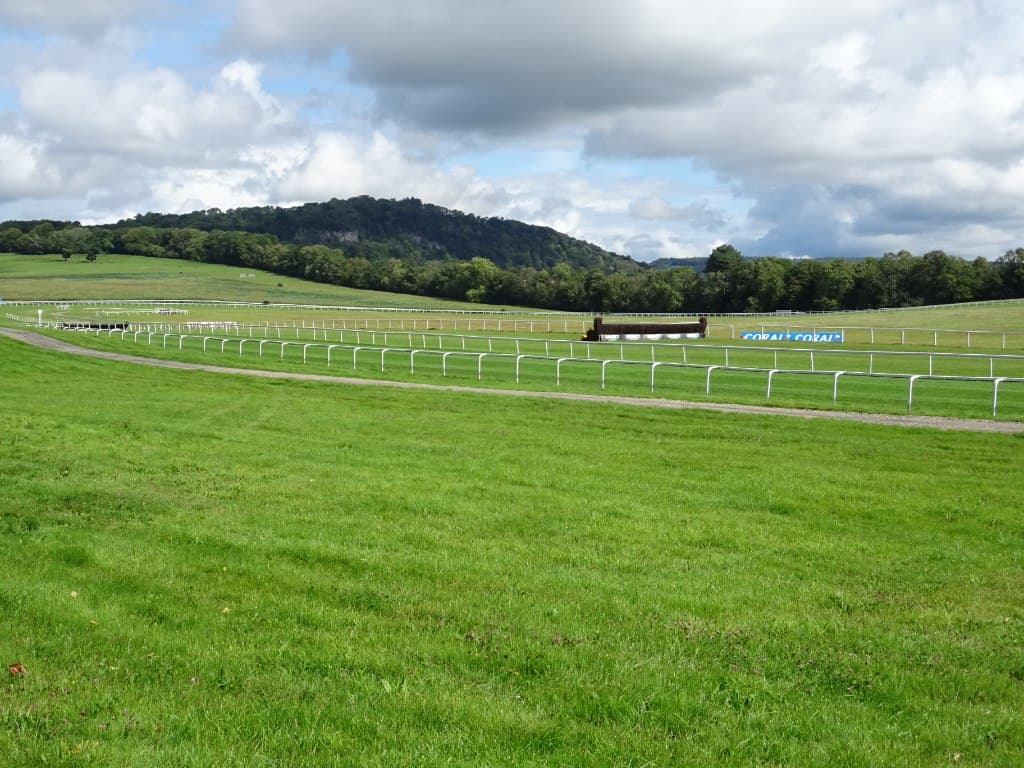
The Welsh Grand National at Chepstow: Complete Guide
Everything you need to know about the Welsh Grand National — one of the toughest staying chases in the calendar.
Read more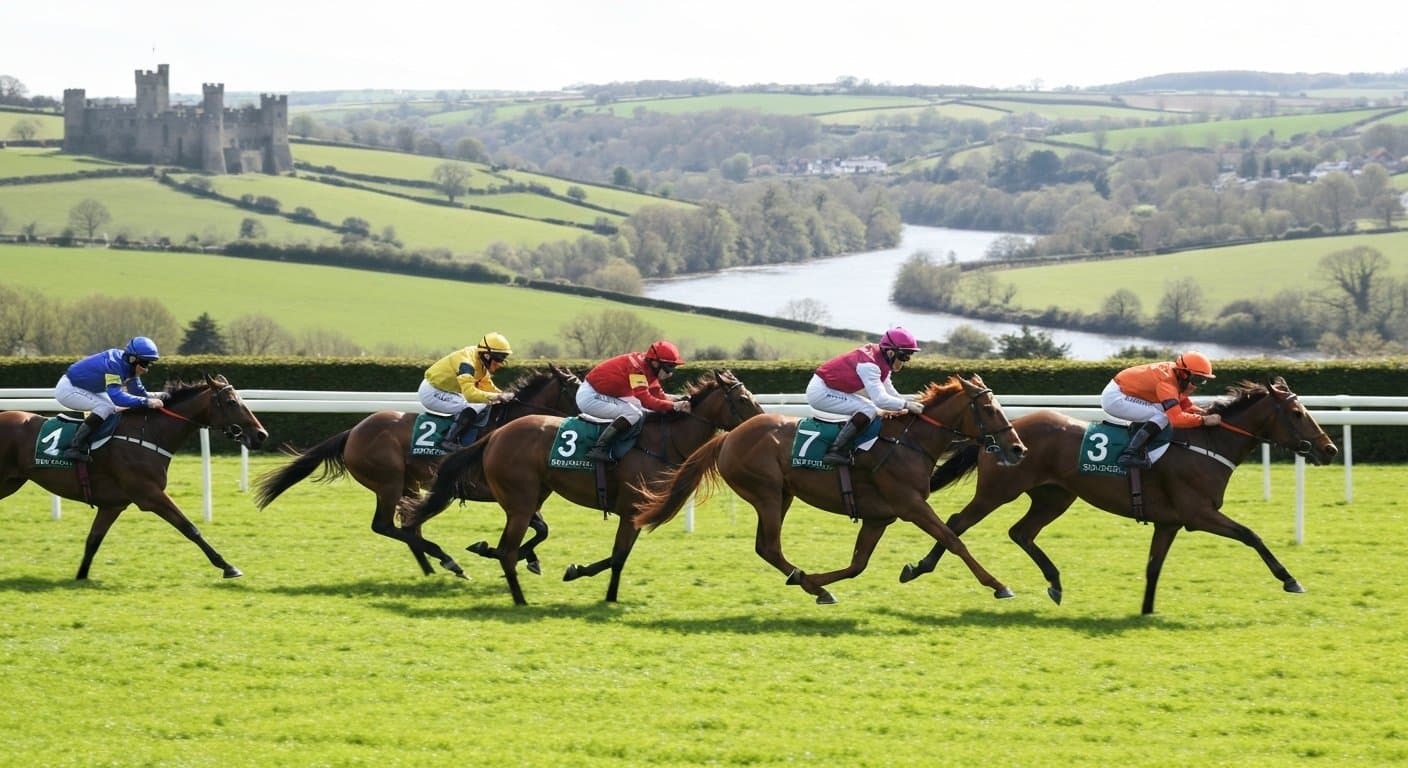
Welsh Grand National Winners: The Full Roll of Honour (1970-2026)
Every Welsh Grand National winner since 1970 - horse, age, starting price, jockey and trainer - with the trends that emerge across the full roll of honour. Source-verified.
Read more
Welsh National Day at Chepstow: The Complete Guide
Your complete guide to Welsh Grand National Day at Chepstow — Wales's greatest jump racing occasion. The Coral Welsh Grand National in late December is a key trial for Cheltenham and Aintree, run on one of Britain's most demanding and dramatic courses.
Read morePhotos on this page are used under Creative Commons licences. Titles, sources and licence links for each one are on our image credits page.
Research the field with the AI Race Predictor
Our model publishes calibrated win-probability estimates for UK races — a second opinion to understand a race, not tips. It's open about its record: it doesn't beat the market, and we show exactly how it does.
Work it out & learn the basics
Gamble Responsibly
Gambling should be entertaining and not seen as a way to make money. Never bet more than you can afford to lose. If you or someone you know has a gambling problem, help and support is available.